What to Wear in Cartagena in January
Cartagena in January: 31°C / 88°F days, 24°C / 75°F nights, almost no rain, and nine days of classical music in the walled city.
- Emerald silk midi dress — the evening concerts start at 7pm in the 1911 Teatro Adolfo Mejía
- Ivory cotton-gauze wrap — the trade wind keeps blowing on the walk home after dark
- Blush block-heel slingbacks — a broad heel for the walk to the Plaza de la Merced
- Coral cotton dress — a 31.1°C afternoon between the 11am and 4pm concerts
- Pale peach halter one-piece — the sea off Cartagena averages about 27.7°C
- Rose-pink sun hat with a chin cord — an open boat in a building trade wind
- The Rosario Islands without the park's accident insurance — no insurance, no entry, since 1 March 2026
- A jet ski or an inflatable ride in the park — Parques Nacionales bans both
- A rain jacket — IDEAM's normal gives January 0.5mm of rain
- A brim with no cord on the boat — wind suspended visits to the Caribbean parks on 2 February 2026
January is Cartagena's festival month. The XXI Cartagena Festival de Música runs 9–17 January 2027 and promises nine days in which the walled city becomes classical music's main stage, with its evening concerts at 7pm in the Teatro Adolfo Mejía, just after a 5:59pm sunset. IDEAM's normal for the airport gives a 31.1°C / 88°F afternoon, a night that falls to 24.0°C / 75°F by dawn and 0.5mm of rain all month. The Hay Festival follows on 28–31 January. Pack one silk dress for 7pm, cotton for the 31°C day, and a swimsuit and a corded hat for the boat to the Rosario Islands.
January dresses for 7pm: emerald silk in a 1911 theatre, ivory gauze for the walk home along the walls, and a peach one-piece for the island boat.
The capsule
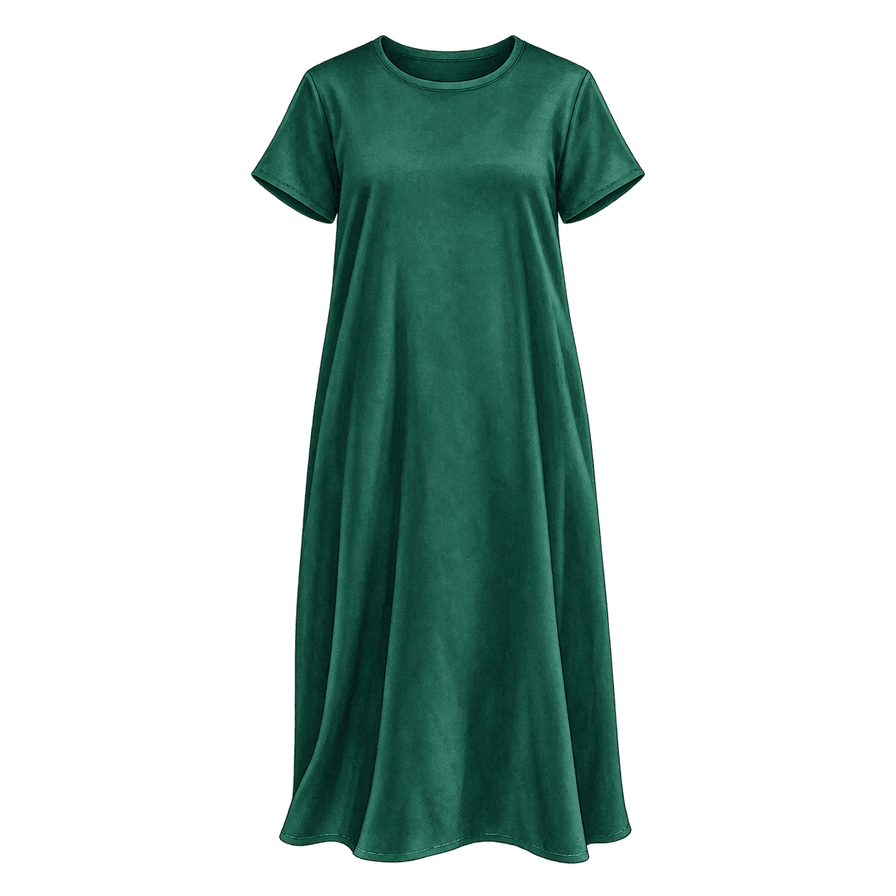 01Emerald washed-silk midi dress, short sleeves
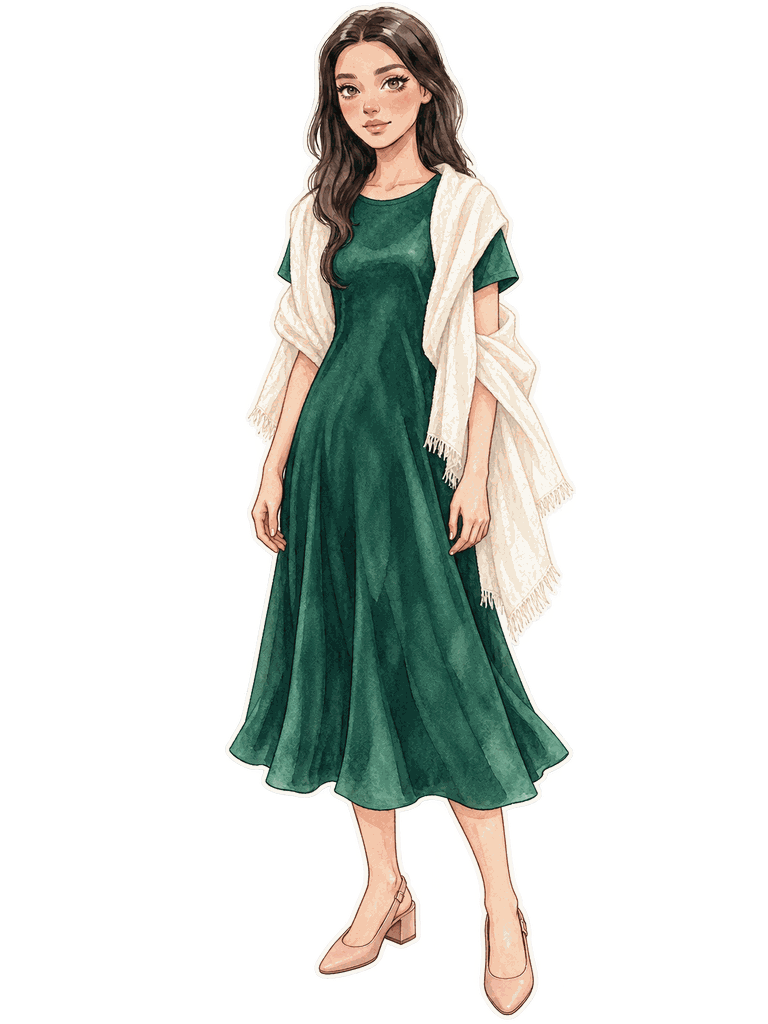
Your concert dress. The festival's evening programme sits at 7pm in the Teatro Adolfo Mejía, from the opening night on Saturday 9 January to the 16th, in a hall inaugurated in 1911 to Luis Felipe Jaspe's design after Havana's Teatro Tacón. Washed silk with short sleeves looks dressed in that room without holding a 31°C day's heat, and it packs flat.
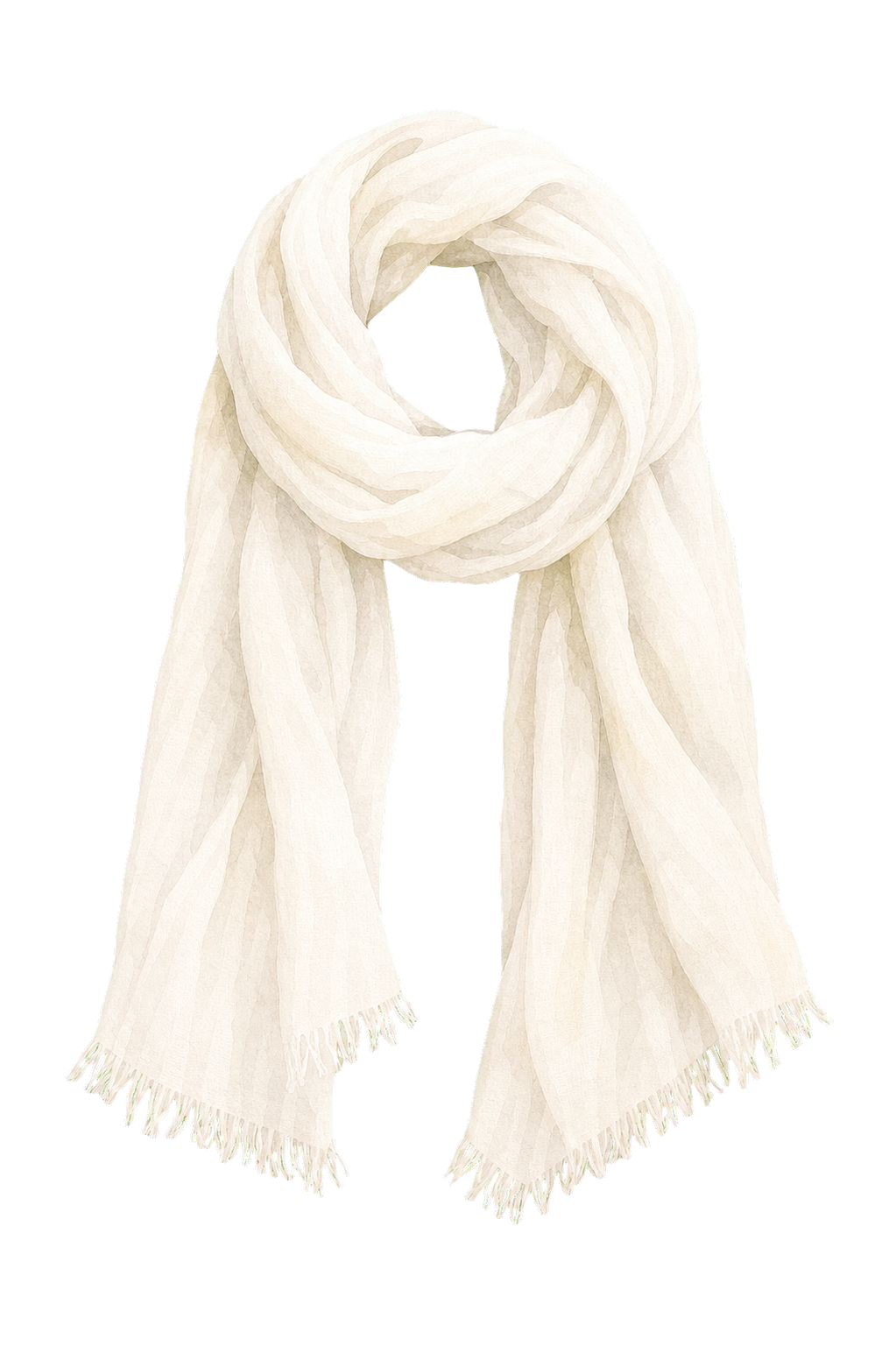 02Ivory cotton-gauze wrap, fringed
For after the concert. A 7pm start means walking home in the dark, and the trade wind keeps blowing: NOAA's airport record puts January's mean wind at 3.2 m/s, building into March. Gauze over the shoulders takes the edge off a breeze along the walls without adding heat on a night that falls to 24°C / 75°F by dawn. On the boat it shades your shoulders.
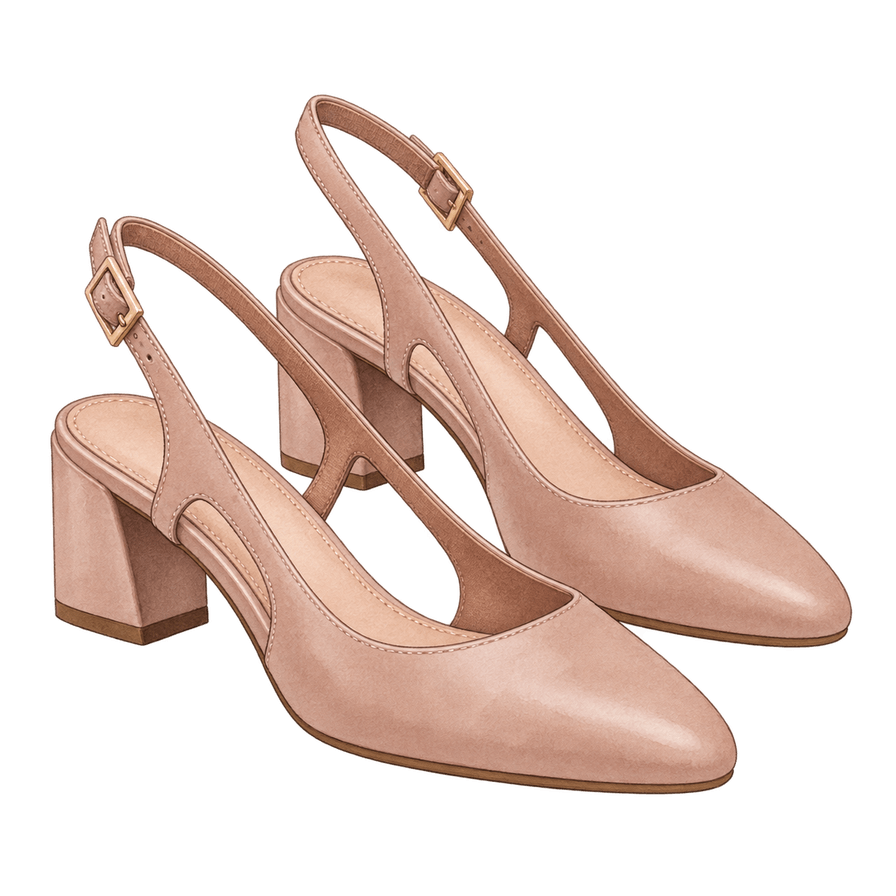 03Blush-nude block-heel slingbacks, almond toe
The Teatro Adolfo Mejía stands on the Plaza de la Merced inside the walled city, so from an old-city hotel you walk there. A mid block heel takes that walk where a stiletto does not, and the slingback strap holds the shoe on. Blush-nude sits under emerald silk, and with the coral dress at a 4pm concert in the Sofitel Santa Clara's chapel.
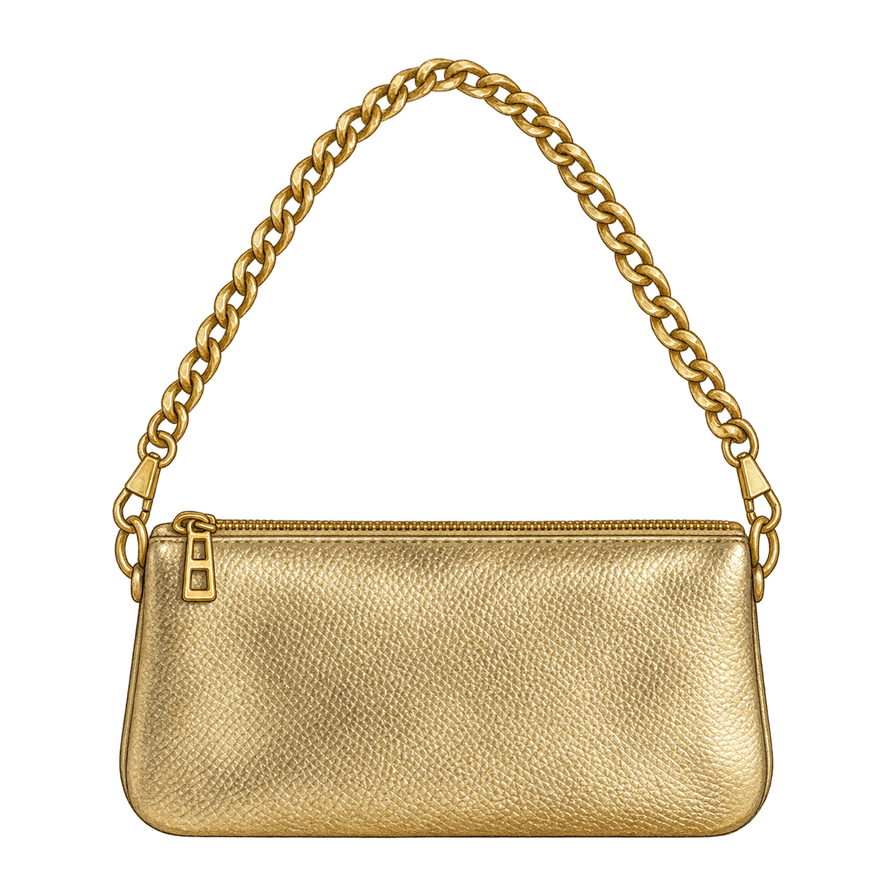 04Gold metallic mini shoulder bag, chain strap
Small enough for a theatre seat. Tickets sell through TuBoleta, so the bag holds a phone, a card and cash, and a curb chain keeps it on your shoulder as a 7pm concert empties. Gold answers the emerald. The zip stays shut at the two outdoor events: a projection in the Plaza San Diego on 12 January and a broadcast in the Parque Crespo on the 16th.
 05Coral cotton-modal dress, knee length, drawstring waist
For the daytime concerts: 9am at the Palacio de la Proclamación, 11am and 4pm in the chapel of the Hotel Sofitel Santa Clara. IDEAM's normal gives January a 31.1°C / 88°F afternoon, so wear cotton, cap sleeves and a waist you can loosen at lunch. On the island day the same dress goes over the peach one-piece for the boat and lunch.
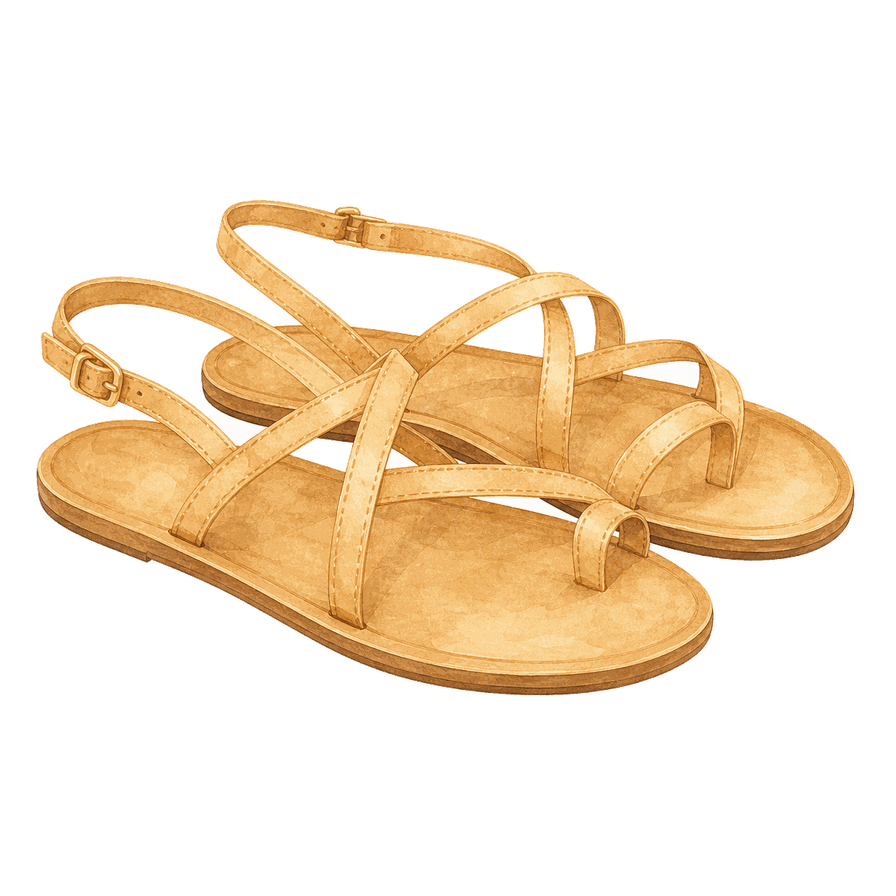 06Golden-sand leather sandals, toe loop and back strap
One flat pair for every daylight hour, from the concert halls to the islands. A toe loop and a buckled back strap keep the sole on in sand and on a wet deck, where a slide slips off. Parques Nacionales names Playa Blanca, on Barú, as the park's main entry point: a beach, so expect sand. Golden sand goes with coral and peach.
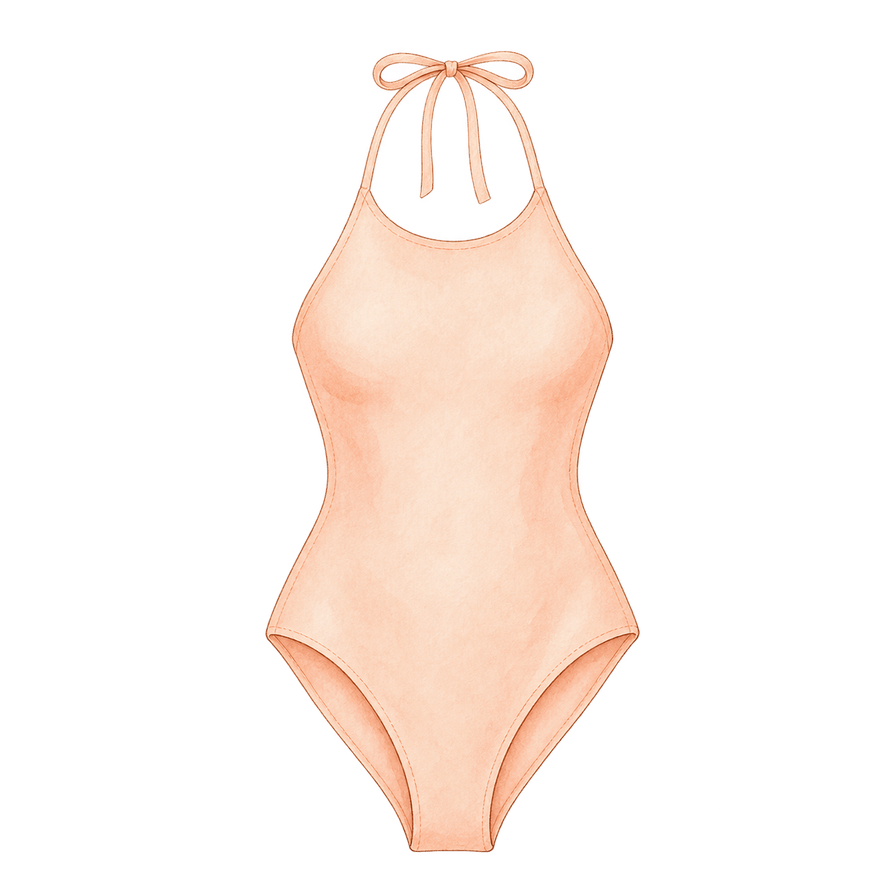 07Pale peach halter one-piece
For the Rosario Islands, the national park off the coast that took 1,246,374 visitors in 2025. The sea off Cartagena averages about 27.7°C in January, warm enough for a long swim. A tie-halter one-piece stays put when you climb back onto a boat, and pale peach sits with the coral dress you wear over it. Keep the park's accident insurance on your phone.
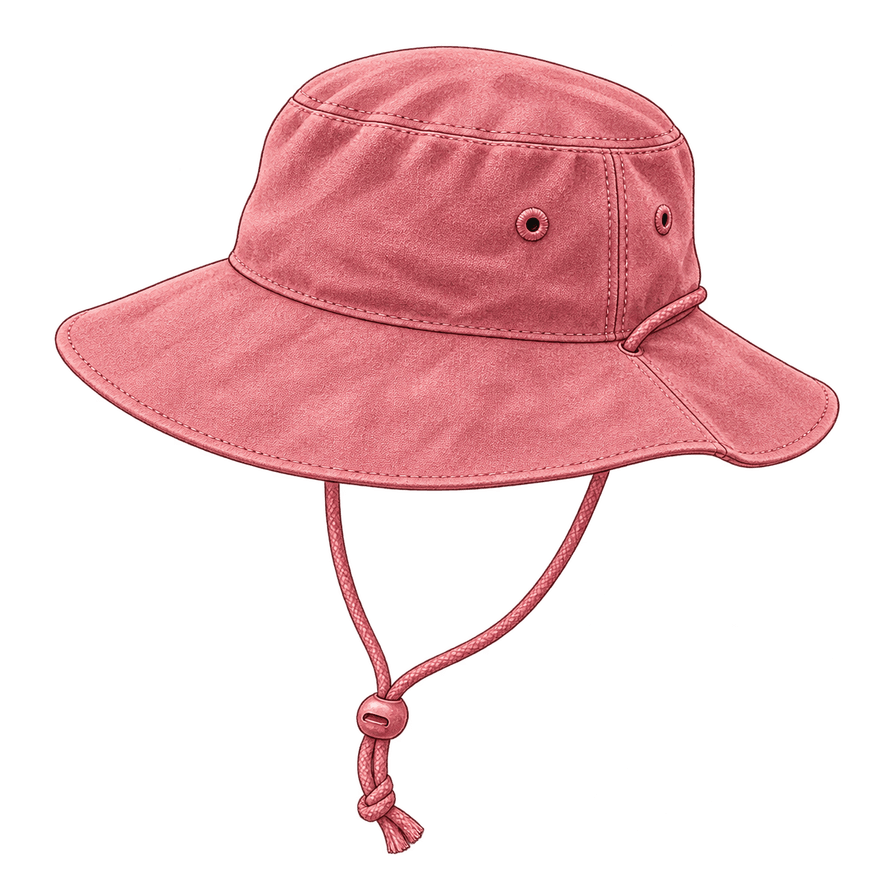 08Rose-pink cotton-twill sun hat with a chin cord
The boat is where a hat blows off. The trade wind builds through the season, and on 2 February 2026 Parques Nacionales suspended tourism in its Caribbean parks, the Rosario park included, for north and north-east winds of 10 to 25 knots. A cotton-twill brim with a cord and toggle stays on at speed, and it shades your face through a 31°C day on the sand.
Day to night
Coral cotton dress · golden-sand sandals · gold chain bag. A 9am concert at the Palacio de la Proclamación or 11am in the chapel of the Hotel Sofitel Santa Clara, lunch indoors through the 31.1°C afternoon, then 4pm back in the chapel. Sunset comes at about 5:59pm in mid-January.
Emerald silk midi · ivory gauze wrap · blush block-heel slingbacks · gold chain bag. 7pm at the Teatro Adolfo Mejía on the Plaza de la Merced; opening night is Saturday 9 January, and Monday 11 January is the Reyes holiday. Then home along the walls, into a night that falls to 24°C / 75°F by dawn.
A suggested look — emerald silk short-sleeve midi dress, ivory cotton gauze wrap, blush nude block-heel slingback pumps.
What to avoid
- A Rosario Islands boat without the park's accident insurance
- A jet ski or inflatable ride inside the park, where both are banned
- A rain jacket in a month with 0.5mm of rain
- A stiletto for the walk to a 7pm concert in the walled city
- A brim with no chin cord on an open boat in the trade wind
Frequently asked questions
Hot, breezy and close to rainless. IDEAM's normal for Rafael Núñez International Airport gives January a high of 31.1°C / 88°F and a low of 24.0°C / 75°F, with 0.5mm of rain and almost no days of 1mm or more. On those figures January is the coolest month of the year, by hundredths of a degree. NOAA's record at the airport puts the mean wind at 3.2 m/s, and the trade wind keeps building into March. The sea off Cartagena averages about 27.7°C. On 1 January the sun rises at 6:20am and sets at 5:51pm; by the 31st it sets at 6:06pm.
For the 7pm concerts: an emerald washed-silk midi dress, an ivory cotton-gauze wrap, blush block-heel slingbacks and a gold chain bag. For the day concerts: a coral cotton dress and golden-sand flat sandals. For the Rosario Islands: a pale peach halter one-piece, the coral dress over it and a rose-pink sun hat with a chin cord. Leave the rain jacket at home; January gets 0.5mm.
Dress for a 7pm concert in a 1911 theatre and for a 31°C day; the festival publishes no dress code. The XXI edition, "La proporción divina", runs 9–17 January 2027, and the festival puts it plainly: "Durante nueve días, el Festival convertirá la ciudad amurallada en el escenario más importante de la música clásica", nine days in which the walled city becomes classical music's main stage. Evening concerts are at 7pm in the Teatro Adolfo Mejía; daytime ones at 9am in the Palacio de la Proclamación and at 11am and 4pm in the chapel of the Hotel Sofitel Santa Clara. Two take place outdoors: a projection in the Plaza San Diego at 8pm on 12 January and a broadcast of the opening concert in the Parque Crespo at 7pm on the 16th. Tickets sell through TuBoleta, the programme is subject to change, and the artists include the English Chamber Orchestra, Elena Bashkirova, Andreas Ottensamer and Gabriela Montero.
Early January for music, late January for books. The Cartagena Festival de Música runs 9–17 January 2027 and opens on a long weekend: the Reyes holiday moves to Monday 11 January under Ley 51 de 1983. New Year's Day, Friday 1 January, is a fixed holiday. The Hay Festival Cartagena de Indias follows on 28–31 January; its 2027 programme is not out yet, and in 2026 its sessions at the Teatro Adolfo Mejía ran from 10am to 7:30pm, with the ticket office at the Centro de Convenciones. In 2026 late January also brought the Fiestas de la Candelaria from 22 January, which Mayor Dumek Turbay called "una de las fiestas más importantes que tenemos", one of the city's most important, with afternoon walks up to the convent of La Popa and the Festival del Frito from 24 January. Sunset moves from 5:51pm to 6:06pm.
January has the festivals and almost no rain. IDEAM's normal gives both months a 31°C high; January's nights fall 0.8°C lower, to 24.0°C / 75°F against 24.8°C / 77°F. Rain drops from 44.7mm on about 3 days in December to 0.5mm. The trade wind rises from 2.7 to 3.2 m/s on NOAA's airport record, the sea cools from about 28.6°C to 27.7°C, and mid-month sunset moves from 5:43pm to 5:59pm. December's draw is food and lights in the plazas, with the Festival del Pastel on 17–26 December, which our December guide covers; January's is music and books.
Light evening clothes for the concerts and cotton for the day; neither the festival nor the theatre publishes a dress code. The theatre itself began as a wish for the climate. In 1884 a group of the city's elite, Rafael Núñez among them, formed a company "con el fin de construir de un modo apropiado a nuestro clima un teatro al estilo de los de verano en Europa": a theatre suited to the climate, like Europe's summer theatres. The Teatro Municipal opened in 1911, closed in 1970 and reopened in 1998 after a restoration that won Alberto Samudio Trallero the National Architecture Prize in 2000. The country's own garment symbol is a hat: Ley 908 de 2004 reads "Declárese Símbolo Cultural de la Nación el Sombrero Vueltiao Zenú", naming the Zenú vueltiao a cultural symbol of the nation, recognises the Zenú people of Córdoba and Sucre, and asked the Banco de la República to put the hat on a coin.
Sources
- IDEAM — 1991–2020 climate normals, Rafael Núñez International Airport (14015080) stationIDEAM's 1991–2020 normal for the airport, as submitted to the WMO's normals collection. Rain days are days with 1 mm or more.
- IDEAM — 1991–2020 climate normals, Rafael Núñez International Airport (14015080), as submitted to the WMO's normals collection (NOAA NCEI accession 0253808) — accessed 2026-10-26
- NOAA NCEI — Global Summary of the Day, Rafael Núñez International Airport, Cartagena (80022099999), 1991–2020: mean wind speed by month — accessed 2026-10-26
- NOAA NCEI — Daily Optimum Interpolation Sea Surface Temperature v2.1 (0.25° grid), read through NOAA CoastWatch ERDDAP; 1991–2020 monthly means off Cabo San Lucas, Tulum, Cartagena, Nassau and Punta Cana — accessed 2026-10-26
- Cartagena Festival de Música — XXI edition, “La proporción divina”, 9–17 January 2027 — accessed 2026-10-26
- Cartagena Festival de Música — 2027 programme (Teatro Adolfo Mejía, Sofitel Santa Clara chapel, Palacio de la Proclamación, Plaza San Diego, Parque Crespo) — accessed 2026-10-26
- IPCC — Teatro Adolfo Mejía: inaugurated 13 November 1911, designed by Luis Felipe Jaspe, restored by Alberto Samudio Trallero — accessed 2026-10-26
- Hay Festival Cartagena de Indias — 28–31 January 2027 — accessed 2026-10-26
- IPCC — Hay Festival 2026 at the Teatro Adolfo Mejía (31 January and 1 February 2026); ticket office at the Centro de Convenciones — accessed 2026-10-26
- IPCC — Fiestas de la Candelaria 2026 (22 January–9 February; Camino a la Popa; XLII Festival del Frito) — accessed 2026-10-26
- Función Pública — Ley 51 de 1983 (public holidays, and which of them move to a Monday) — accessed 2026-10-26
- Parques Nacionales Naturales — Mandatory visitor accident insurance in PNN Corales del Rosario y de San Bernardo, in force since 1 March 2026 (14 June 2026) — accessed 2026-10-26
- Parques Nacionales Naturales — Rosario park rules: no motorised water sports, jet skis or inflatable rides (16 March 2026) — accessed 2026-10-26
- Parques Nacionales Naturales — Caribbean parks' ecotourism suspended for north and north-east winds of 10–25 knots (2 February 2026) — accessed 2026-10-26
- Gaceta del Congreso 551 (17 September 2004) — Ley 908 de 2004: the Sombrero Vueltiao Zenú declared a cultural symbol of the nation — accessed 2026-10-26