What to Wear in Berlin in December
Berlin in December: 4°C / 39°F afternoons, 0°C / 32°F nights, about 14 wet days, sunset before four and a 2pm shop close on the 24th.
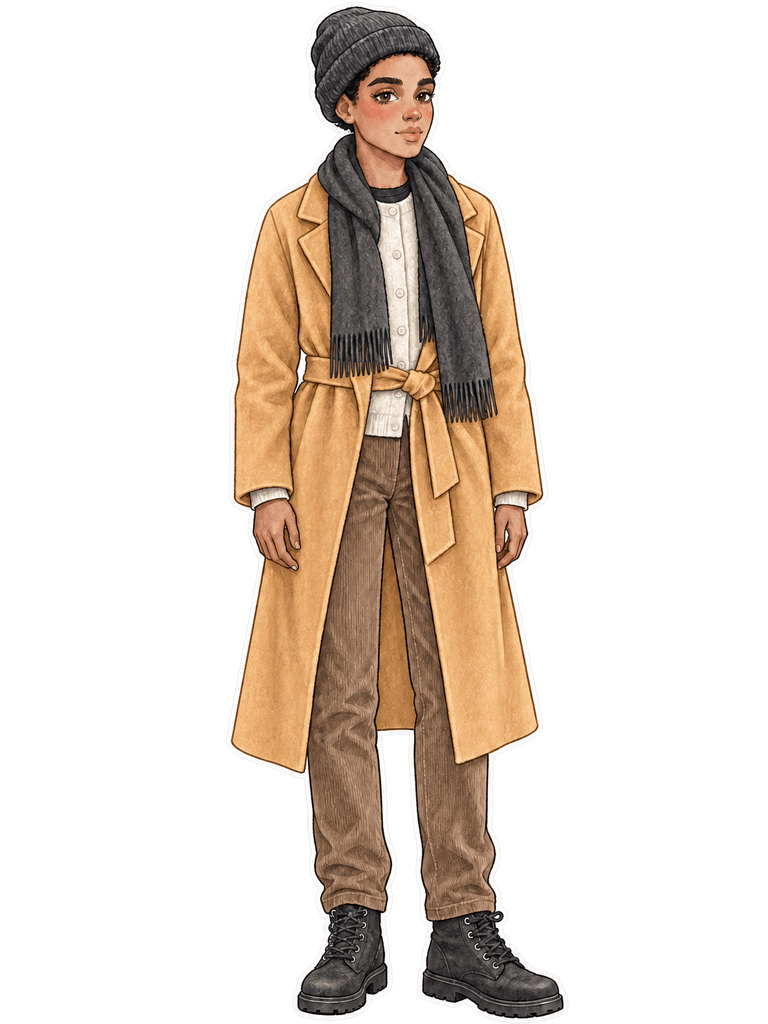
- Camel belted wool wrap coat, below the knee — an hour at a stall at 0°C / 32°F reaches your knees first
- Oat cardigan over black merino — two thin layers that open inside a heated shop
- Brown fine-wale corduroy trousers — the pile holds still air that thin cotton lets go
- Black waterproof lace-up boots on a lug sole — about 14 wet days and stone at freezing
- Charcoal ribbed merino beanie — sunset is before four, and the markets run until 10pm
- Dark brown leather crossbody — worn in front in a market crowd, with both hands free
- A thigh-length jacket — standing still at 0°C / 32°F, your knees go cold first
- Smooth leather soles — about 14 wet days and stone at freezing
- Leaving gifts to Christmas Eve afternoon — shops close at 2pm on Thursday 24 December
- Charlottenburg on 24 December — the palace market is closed that day
Pack for standing still at zero. NOAA's figures for Deutscher Wetterdienst's Tempelhof station put Berlin's December at 4°C / 39°F by day and −0.1°C at night, with 44.2mm across about 14 wet days. Sunset comes before four all month, and from the middle of it sunrise is after eight, so every market evening starts in the dark. WeihnachtsZauber Gendarmenmarkt stays open until 10pm, 11pm on Fridays and Saturdays, and the Charlottenburg palace market until 10pm. You spend those hours on stone. A coat below the knee covers your legs, two thin knits beat one thick one in a heated shop, a lug sole holds wet stone, and the hat stays on. Shops open on Sundays 6 and 20 December and shut at 2pm on the 24th.
Berlin's December is spent standing still at zero with a mug in one hand. No other month asks that of a coat, and every piece in this capsule follows from it.
The capsule
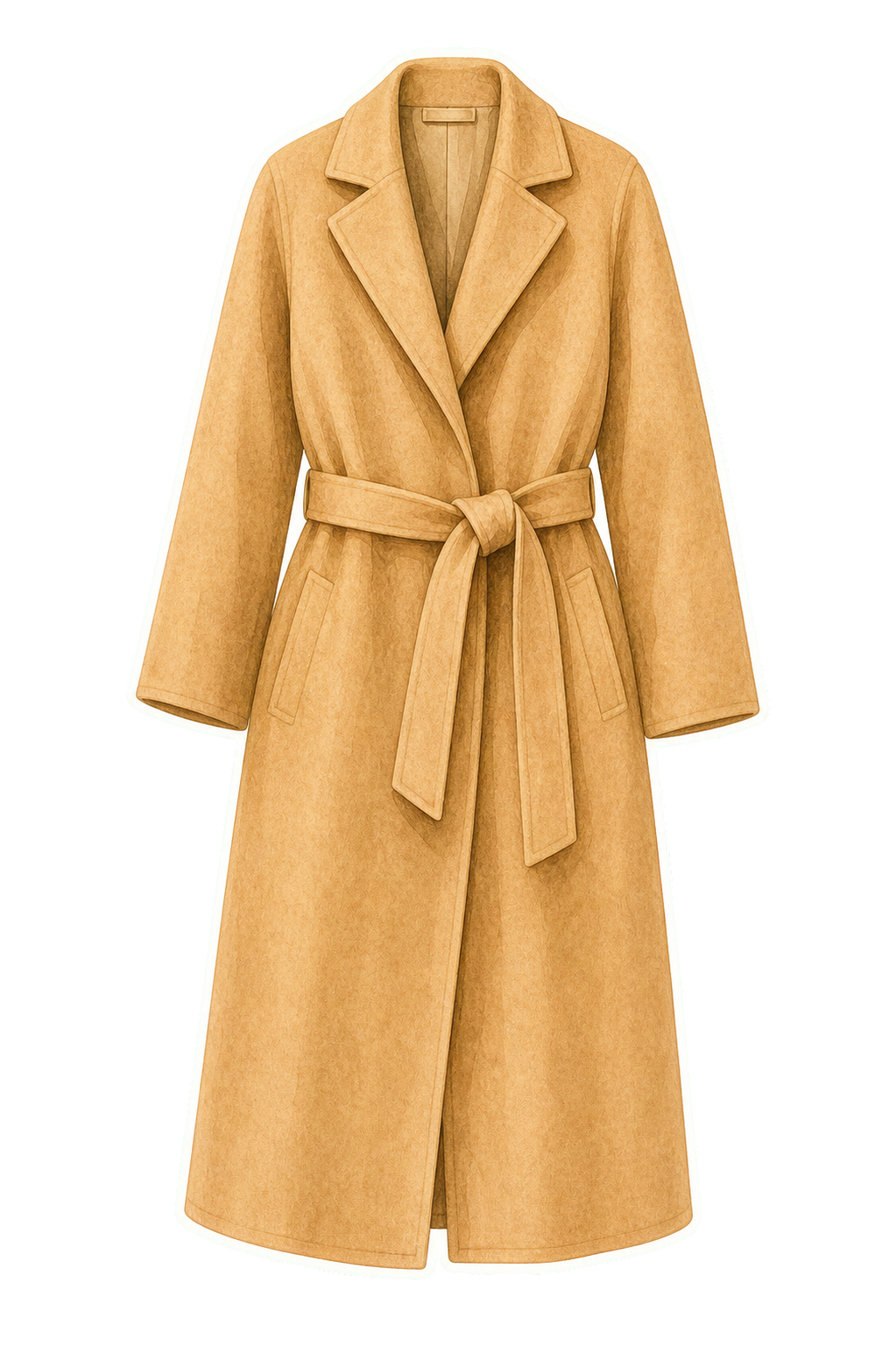 01Camel belted wool wrap overcoat, below the knee
Below the knee, because at a market you stand, and an hour at 0°C / 32°F reaches your knees long before it reaches your chest. A wrap front with a tied belt closes without a gap and pulls tight over two knits. Camel also reads warm under the market lights on a grey afternoon.
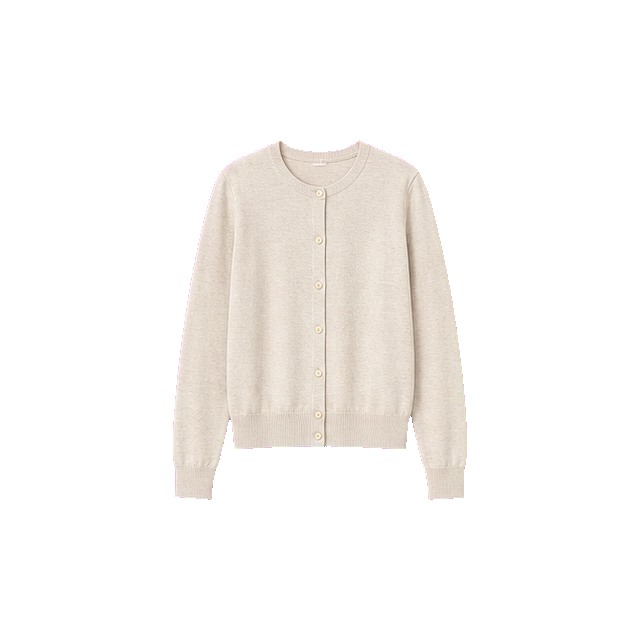 02Pale oat fine-knit crew-neck cardigan
Button it over the merino and you have two thin layers instead of one thick one, which is the right answer to a shopping Sunday, 6 or 20 December, spent between a 4°C / 39°F street and heated shops. Unbuttoned, it vents in a warm store without coming off. Pale oat shows at the neck of the camel coat and keeps the outfit from going dark.
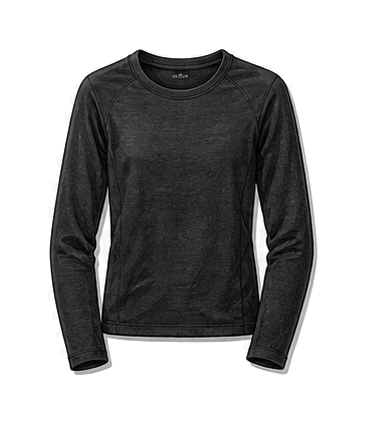 03Black fine merino long-sleeve base layer
Next to the skin, every day. Fine merino keeps its warmth when it gets damp, which on about 14 wet days and in a packed market it will, and it wears for several days without needing a wash. Black because its collar shows above the oat cardigan and gives the pale knit an edge under the scarf.
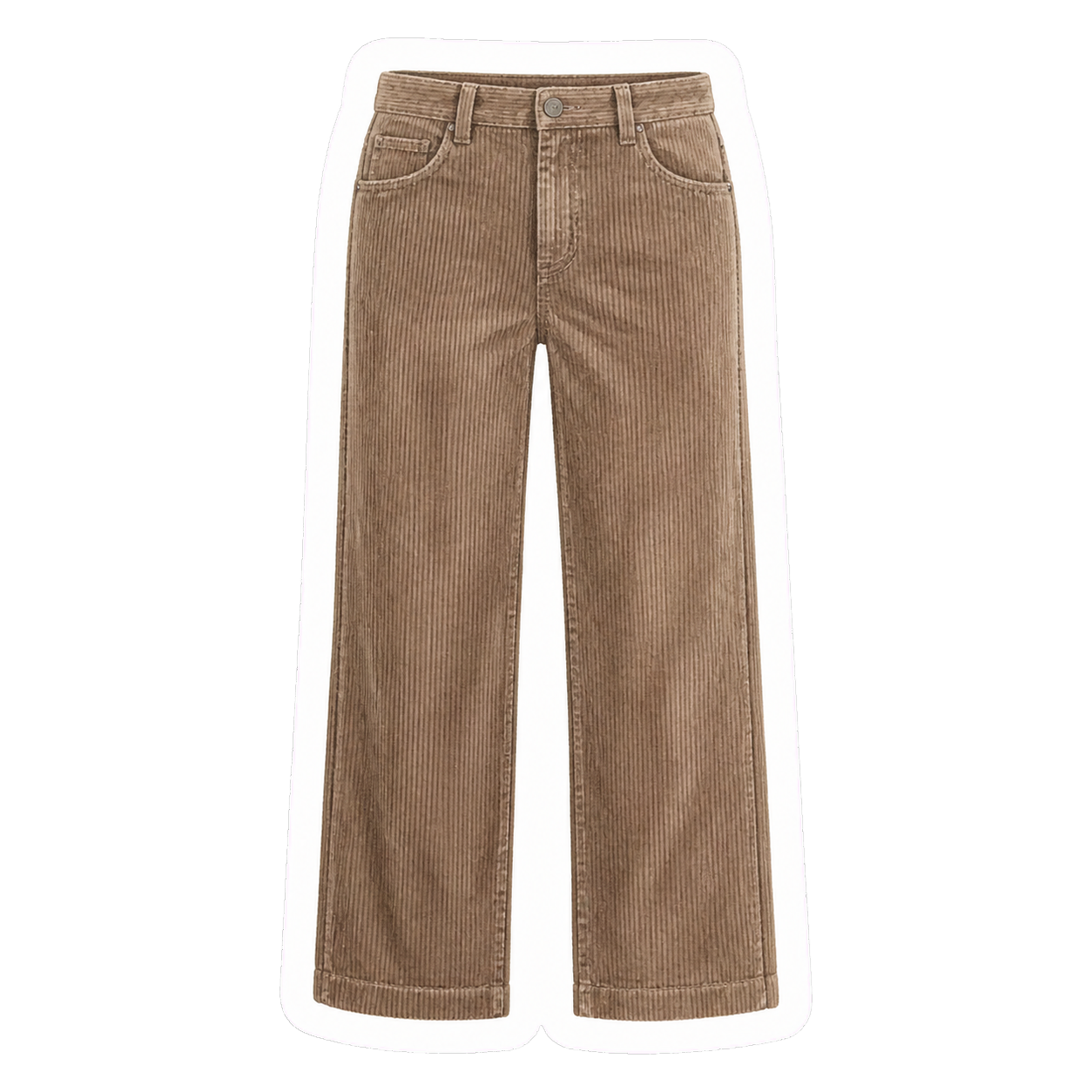 04Mid-brown fine-wale corduroy straight trousers
At −0.1°C at night your shins go cold before anything else, and corduroy's pile holds a layer of still air that thin chino cotton does not. Fine wale keeps it from looking like country wear at a Mitte dinner. Mid-brown carries the camel of the coat down to the boots, so the lower half reads warm against the charcoal hat and scarf.
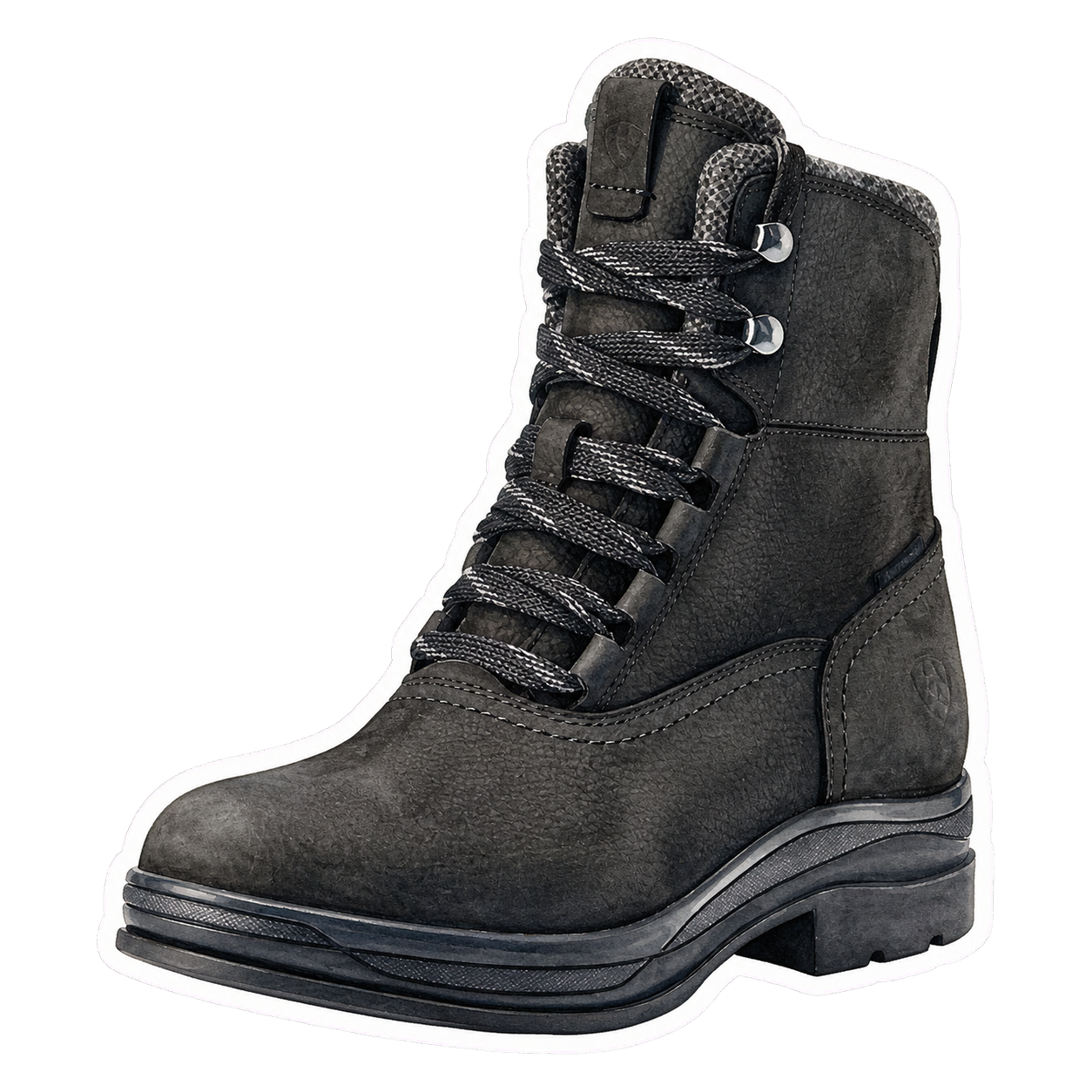 05Black waterproof lace-up boots, padded collar, lug sole
Four features, one job: two hours standing on wet stone at zero. Waterproof, because about 14 days bring rain; a lug sole, because stone at freezing is slick; laces, so you close the boot over thick socks; and a padded collar that keeps cold air off the ankle. Black leather shrugs off a spill at a stall and still looks right at dinner.
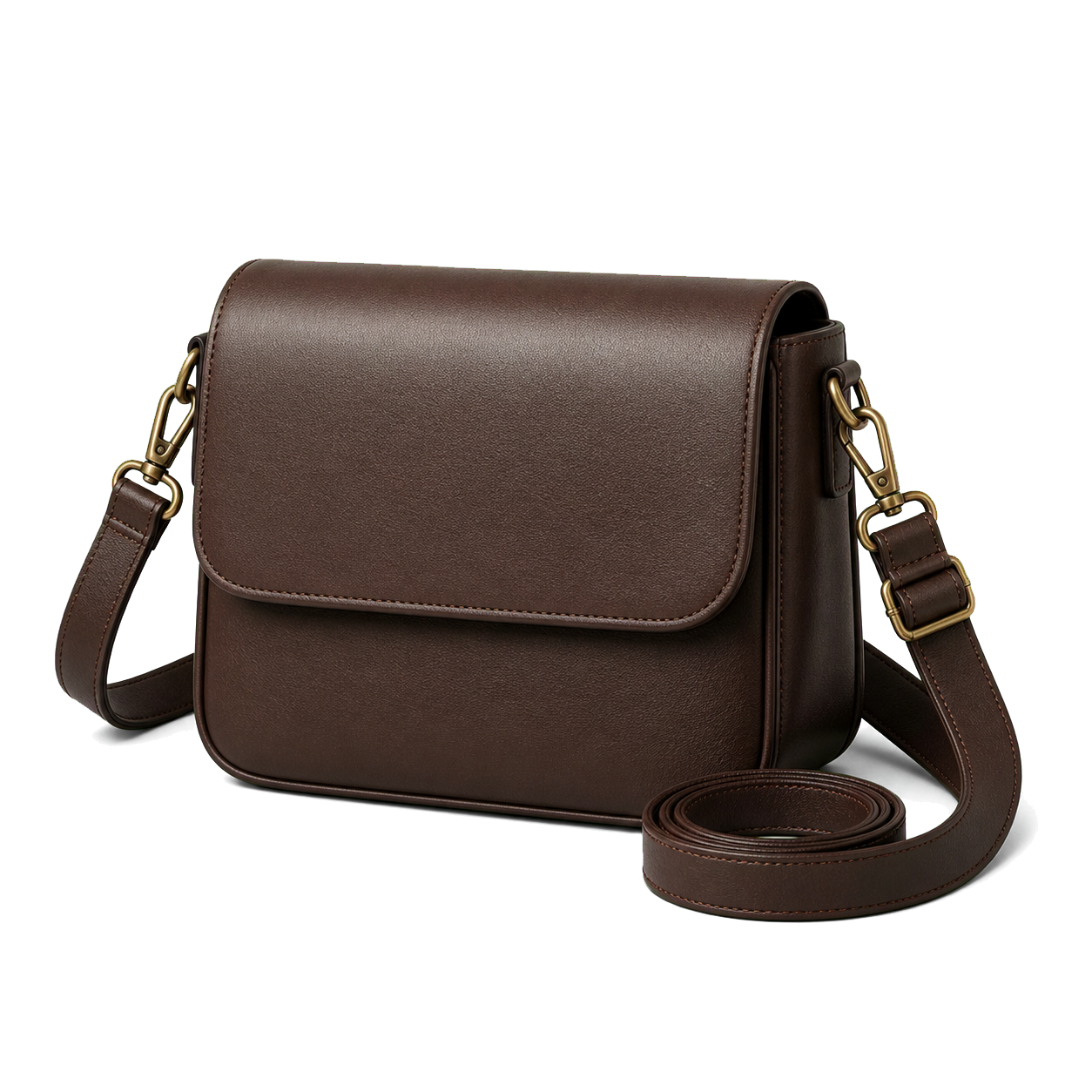 06Dark brown structured leather flap crossbody
Wear it across the front, because a market crowd pushes and your hands are full. A structured dark brown leather flap crossbody holds a card, a phone and the €2 for Gendarmenmarkt's entrance, and the flap stays shut when someone reaches past you for a mug. Dark brown ties to the corduroy, so the capsule's two browns read as one.
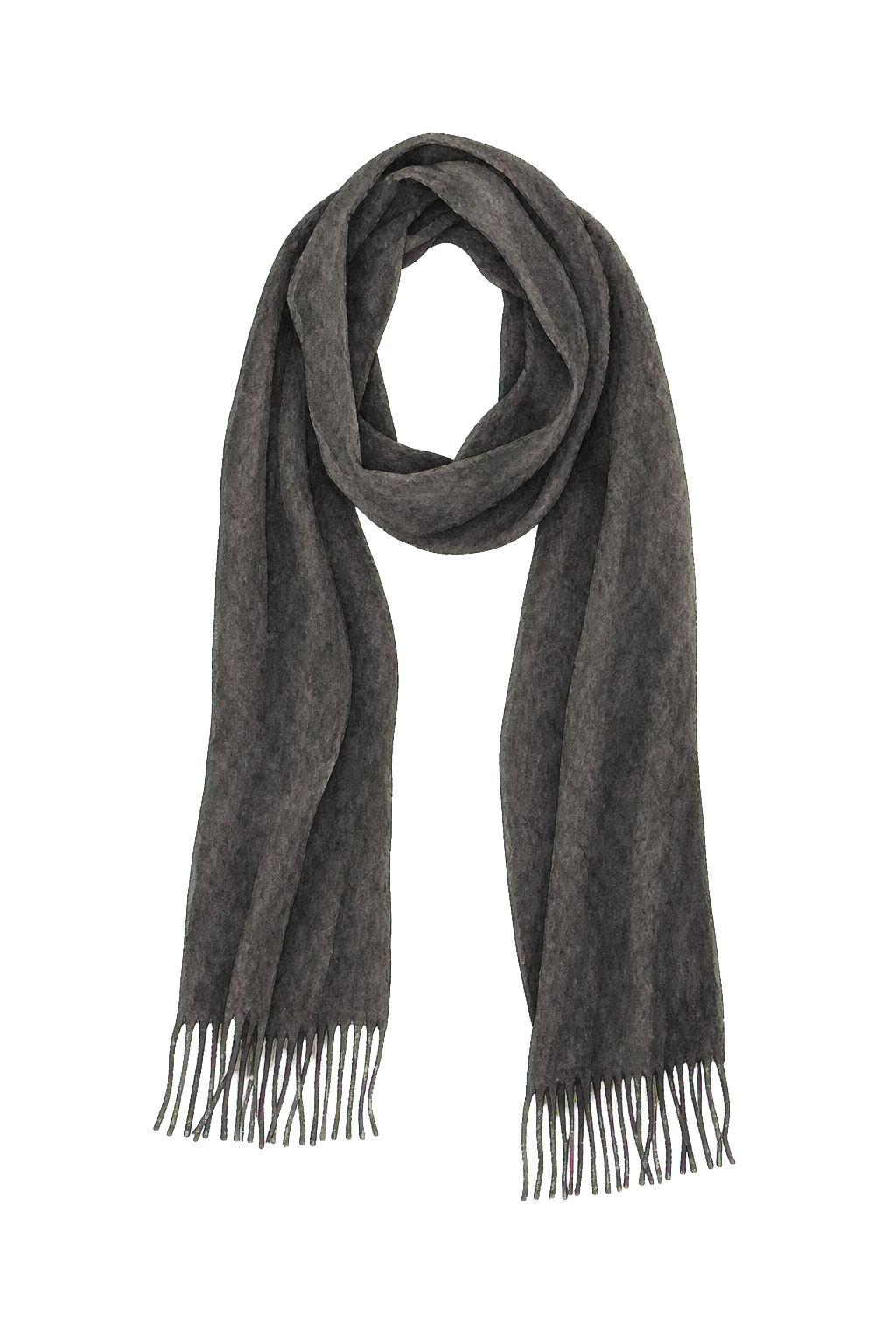 07Light charcoal melange wool scarf, fringed ends
Sunset comes before four all month and a market evening runs until ten, so the scarf goes on at dusk and stays on. Light charcoal melange wool, long enough to wind twice, closes the neck of a wrap coat where the lapels part. Its shade sits between the camel and the beanie, and the melange keeps it from reading as a solid dark block.
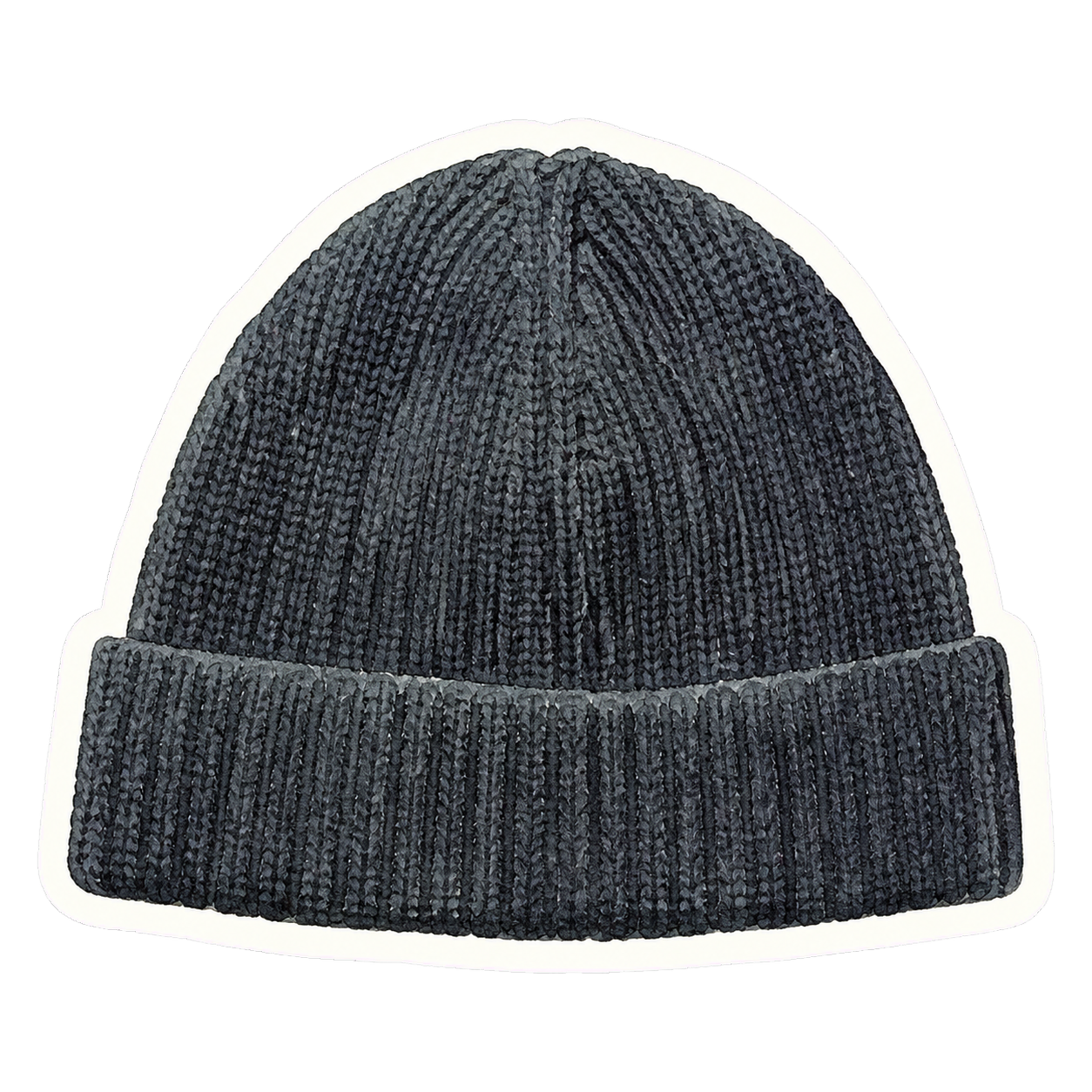 08Charcoal ribbed merino beanie with a cuff
Keep it on. At 0°C / 32°F an uncovered head is what ends a market evening early, and the folded cuff doubles the wool over your ears. Ribbed merino rather than acrylic, so it does not itch through two hours at Charlottenburg and rolls into a coat pocket when you go indoors. Charcoal matches the scarf and leaves the camel coat as the only colour.
Day to night
Black merino base · oat cardigan buttoned · brown corduroy trousers · black waterproof lace-up boots · camel coat open · light charcoal scarf · brown crossbody. Gendarmenmarkt at eleven on a weekday, free until 2pm, then lunch indoors before the light goes at about 3:50pm.
Camel coat belted over the buttoned oat cardigan · black merino at the collar · brown corduroy · black lace-up boots · charcoal scarf · charcoal beanie on. The Charlottenburg palace market from six at 0°C / 32°F, a mug in one hand, until the stalls close at ten.
A suggested look — camel wool wrap coat, oat cardigan, black merino long-sleeve top, brown corduroy trousers, black lace-up boots.
What to avoid
- A thigh-length jacket — standing at 0°C / 32°F, your knees go cold first
- Smooth leather soles — about 14 wet days and stone at freezing
- Leaving gifts to Christmas Eve afternoon — shops close at 2pm on Thursday 24 December
- Charlottenburg's market on 24 December — it is closed that day
- Buying fireworks before the 29th — the Senate allows the sale only on 29–31 December
Frequently asked questions
Cold, damp and short on light. NOAA NCEI's figures for Berlin-Tempelhof, a station Deutscher Wetterdienst operates, give a December average high of 4.4°C and an average low of −0.1°C / 32°F, with 44.2mm of precipitation across about 14 days of measurable rain; about 6 of those bring more than 2.5mm. The monthly mean sits near 2°C. From mid-month the sun rises after eight, sunset stays before four until the last days, and the shortest days, around the 21st, have about 7h 40m of light. By New Year's Eve sunset is back to about 4pm.
A camel belted wool wrap coat below the knee, a pale oat fine-knit cardigan, a black merino long-sleeve base, mid-brown fine-wale corduroy trousers, black waterproof lace-up boots on a lug sole, a dark brown leather crossbody, a light charcoal wool scarf and a charcoal merino beanie. That covers a 4°C / 39°F afternoon in and out of heated shops and two hours at a market stall at 0°C / 32°F. Leave the thigh-length jacket, the smooth-soled shoes and the umbrella at home: at a market one hand holds a mug and the other needs to be free.
Clothes for standing at freezing, not for walking. WeihnachtsZauber Gendarmenmarkt runs 23 November to 31 December, 11am to 10pm Sunday to Thursday and to 11pm on Fridays and Saturdays; admission is €2, free on weekdays from 11am to 2pm except 24, 25, 26 and 31 December. The Charlottenburg palace market runs to 27 December and closes on the 24th; Spandau's ends on the 22nd. Evenings average 0°C / 32°F, so wear a coat below the knee, a hat and a scarf you keep on, boots with a lug sole, and a crossbody so one hand stays free.
Early to mid-December, if markets and shops are the point. All three big markets are open until Spandau's closes on the 22nd, and IHK Berlin lists 6 and 20 December as shopping Sundays, 1pm to 8pm. Late December narrows: shops close at 2pm on Thursday the 24th, Charlottenburg is shut that day and ends on the 27th, and the Senate allows fireworks to be sold only on 29, 30 and 31 December. For New Year's Eve at the Brandenburg Gate, Tagesspiegel, via dpa, quotes a Senate spokesperson: “Angedacht ist erneut eine Party mit kostenlosem Eintritt, Feuerwerk und DJs”. That is a plan, not a programme.
Four degrees colder by day, three colder at night, and a little wetter. NOAA's Tempelhof figures give November 8°C / 46°F and 3°C / 37°F across about 12 wet days, against December's 4°C / 39°F and 0°C / 32°F across about 14. Daylight drops from about 8h 05m at the end of November to 7h 40m around the solstice. The bigger change is what you do outside: in November the evening outdoors is 9 November at Bernauer Straße; from the 23rd it is a market, every night. So November's knee-length coat gives way to a longer one, and the hat goes on.
Long dark coats, knit hats and, indoors, a trainer with an East German history. ZEHA Berlin goes back to 1897, when Carl Häßner founded a shoe factory in Weida, Thuringia. In the GDR it was the East German sports-shoe brand, made by VEB Spezialsportschuhe Hohenleuben after 1972 and worn by the East German Olympic team, until production stopped in early 1992. Alexander Barré revived it in 2002, and the first ZEHA Berlin shoes were sold around Christmas 2003: two-stripe leather trainers, designed in Berlin. For a market evening at zero, swap them for a lug boot and keep the hat on.
Sources
- NOAA NCEI — 1991–2020 climate normals, Berlin-Tempelhof stationDeutscher Wetterdienst operates the station; NOAA NCEI computed this month's figures from its GME00111445 global-summary-of-the-month record. Recorded per month because the rest of this city's pages are sourced differently.
- NOAA National Centers for Environmental Information — Climate Data Online — accessed 2026-04-23
- MET Norway — Sunrise API 3.0 (sunrise and sunset times) — accessed 2026-09-26
- WeihnachtsZauber Gendarmenmarkt — 23 November – 31 December 2026 — accessed 2026-09-26
- Weihnachtsmarkt am Schloss Charlottenburg — 23 November – 27 December 2026 — accessed 2026-09-26
- Partner für Spandau — Spandauer Weihnachtsmarkt, 23 November – 22 December 2026 — accessed 2026-09-26
- IHK Berlin — Verkaufsoffene Sonntage 2026 and 24 December closing — accessed 2026-09-26
- Senatsverwaltung Berlin — Besondere Ladenöffnungszeiten November/Dezember 2026 und 1. Januar 2027 — accessed 2026-09-26
- Tagesspiegel (dpa) — Erneut Silvesterparty am Brandenburger Tor geplant, 16 September 2026 — accessed 2026-09-26
- Stiftung Berliner Mauer — Zentrale Gedenkveranstaltung zum 36. Jahrestag des Mauerfalls, 9 November 2025 — accessed 2026-09-26
- ZEHA Berlin — History since 1897 — accessed 2026-09-26