What to Wear in Honolulu in November
Honolulu in November: 29°C / 84°F afternoons, 22°C / 72°F nights, a flat Waikīkī and a North Shore in winter surf.
- Red-coral scoop-neck one-piece — Hawaiʻi Ocean Safety puts the south shore at flat to small all winter
- Sand long-sleeve sun top — a morning watching surf from Haleʻiwa sand, not swimming it
- Cream embroidered oversized shirt — House Without a Key asks for a cover-up or shirt
- Ivory block-print midi dress — a 72°F evening needs no layer over it
- Cognac woven huaraches — footwear is required at the Halekulani's open-air bar, and midday sand burns
- Straw boater — the low November sun sits behind you on a north-facing beach
- Swimming the North Shore in high surf — Ocean Safety tells swimmers of any skill level to stay out
- A swimsuit and bare feet at House Without a Key — cover-up or shirt and footwear required
- A warm layer — the normal November low is 71.8°F
- Pearl Harbor on Thanksgiving Day — the visitor center is closed on 26 November
Pack for two coasts. NOAA's normals for Honolulu airport put November at 84.1°F by day and 71.8°F at night, with 57mm of rain over about 9 days, and the National Weather Service in Honolulu already counts it as winter: "winter in Hawaii is the season of more frequent clouds and rainstorms, as well as southerly and westerly winds." Waikīkī barely notices. The North Shore does. Hawaiʻi Ocean Safety opens its winter surf season in November and warns that "inexperienced/novice surfers and swimmers of any skill level should avoid entering the water" on north-shore beaches in high surf, while the south shore stays flat to small. The Haleiwa Pro holds its waiting period from 5 to 14 November. So swim in town, and dress for a North Shore morning on open sand with the sun on your back and no plan to get wet.
In November Honolulu keeps its summer and the North Shore starts its winter. You swim on one coast, watch from the sand on the other, and the suitcase has to do both.
The capsule
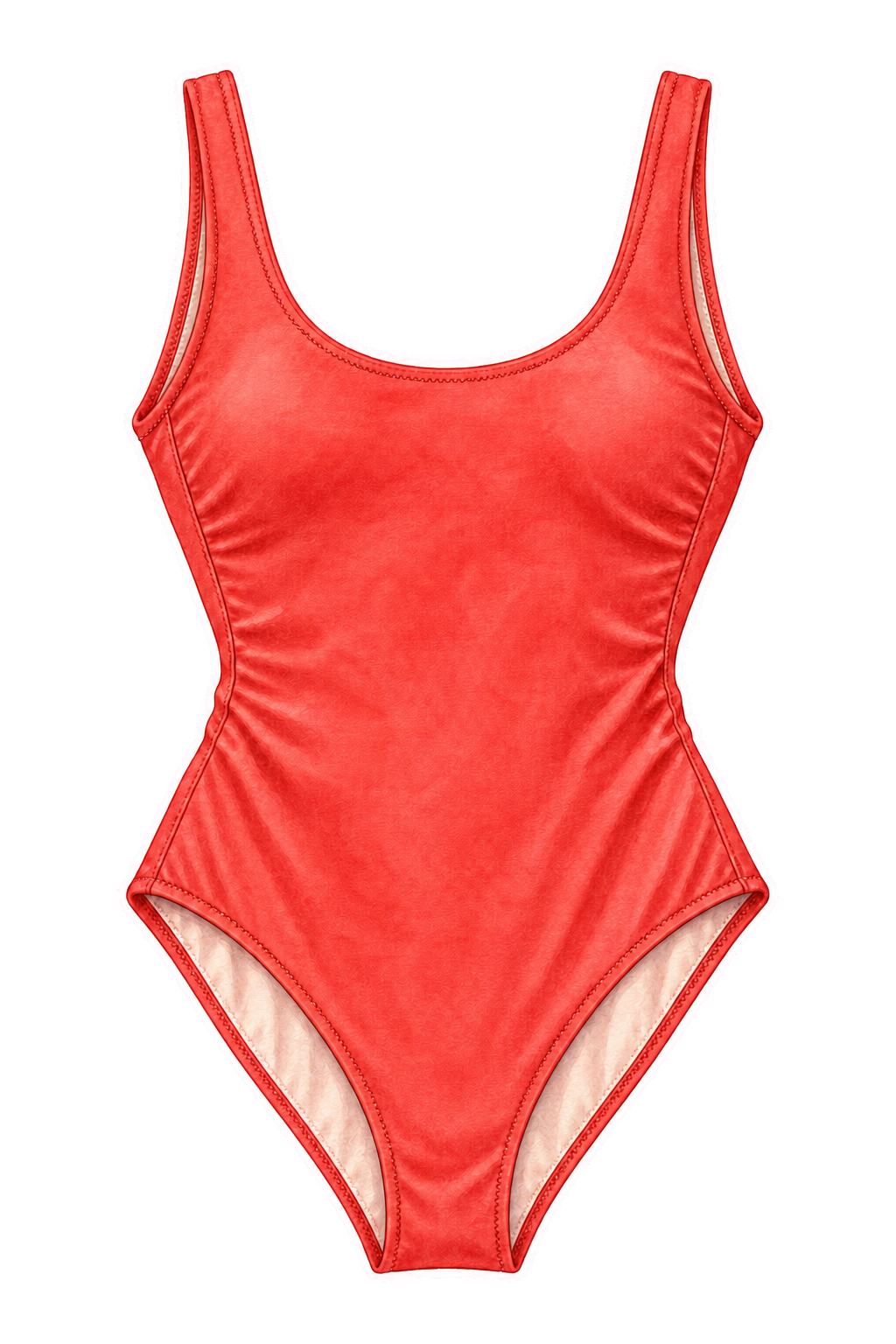 01Red-coral scoop-neck one-piece
Waikīkī is where you swim this month. Hawaiʻi Ocean Safety describes the south shore in winter as flat to small while the north-facing beaches take the swell, so the swimsuit belongs to the town half of the trip. A scoop-neck one-piece stays in place through a long swim, and red-coral is easy to pick out from the sand on a crowded Waikīkī afternoon.
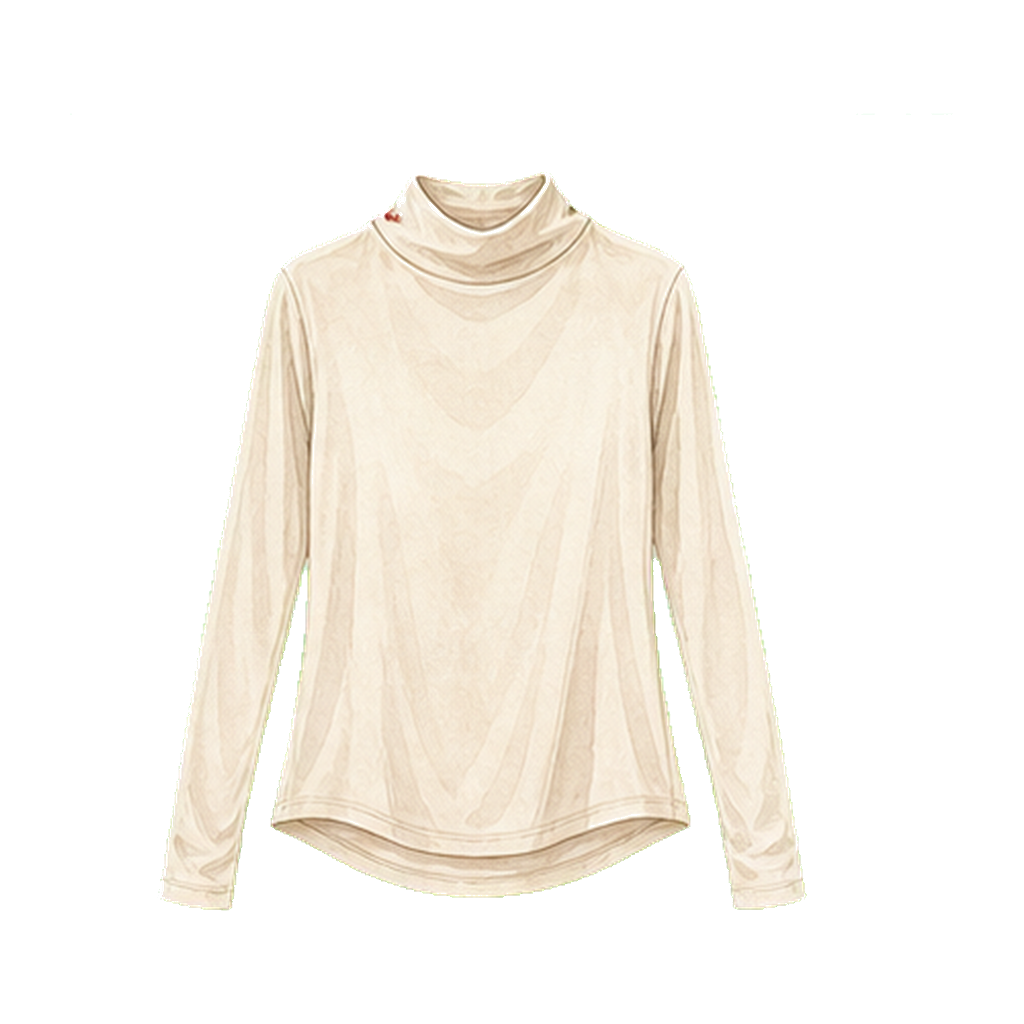 02Sand long-sleeve mock-neck sun top
Wear it for the North Shore, where you spend the morning watching surf rather than swimming it. The Haleiwa Pro runs a waiting period from 5 to 14 November, and a contest morning means hours on open sand. Long sleeves and a mock neck cover skin you would otherwise re-coat with sunscreen every hour, and sand hides the salt a darker top shows.
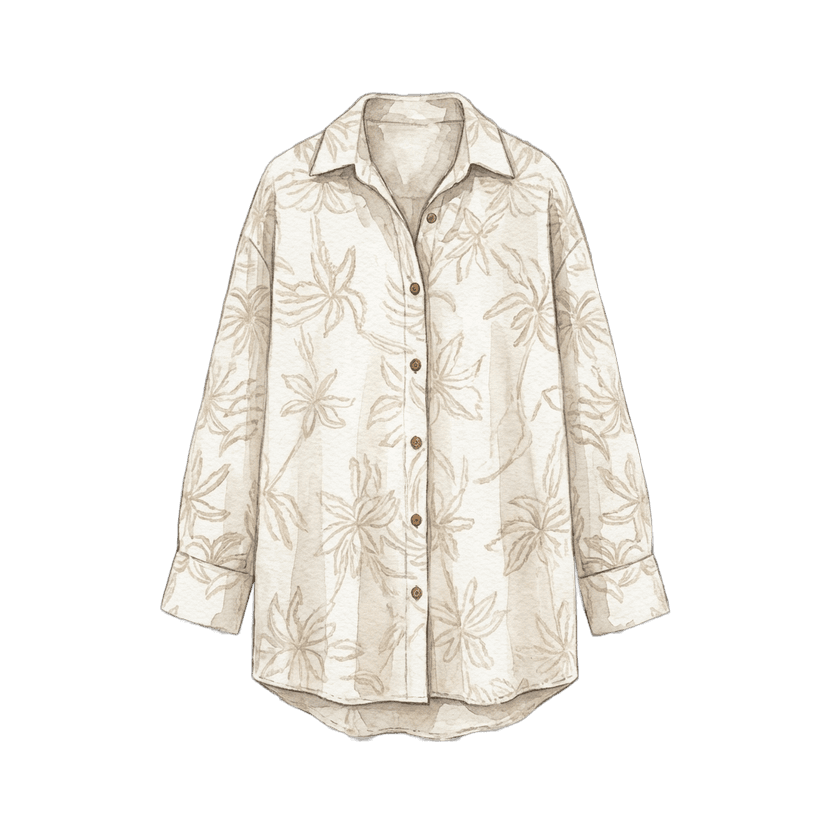 03Cream oversized shirt, tone-on-tone floral embroidery
House Without a Key, the Halekulani's open-air bar on the sand, asks for "Casual Resort or Beach Attire. Cover-up or shirt and footwear required." An oversized long-sleeve shirt goes on over the one-piece in a second and turns a swim into a sunset table. Cream embroidery looks deliberate where a plain beach shirt looks like the walk back from the water.
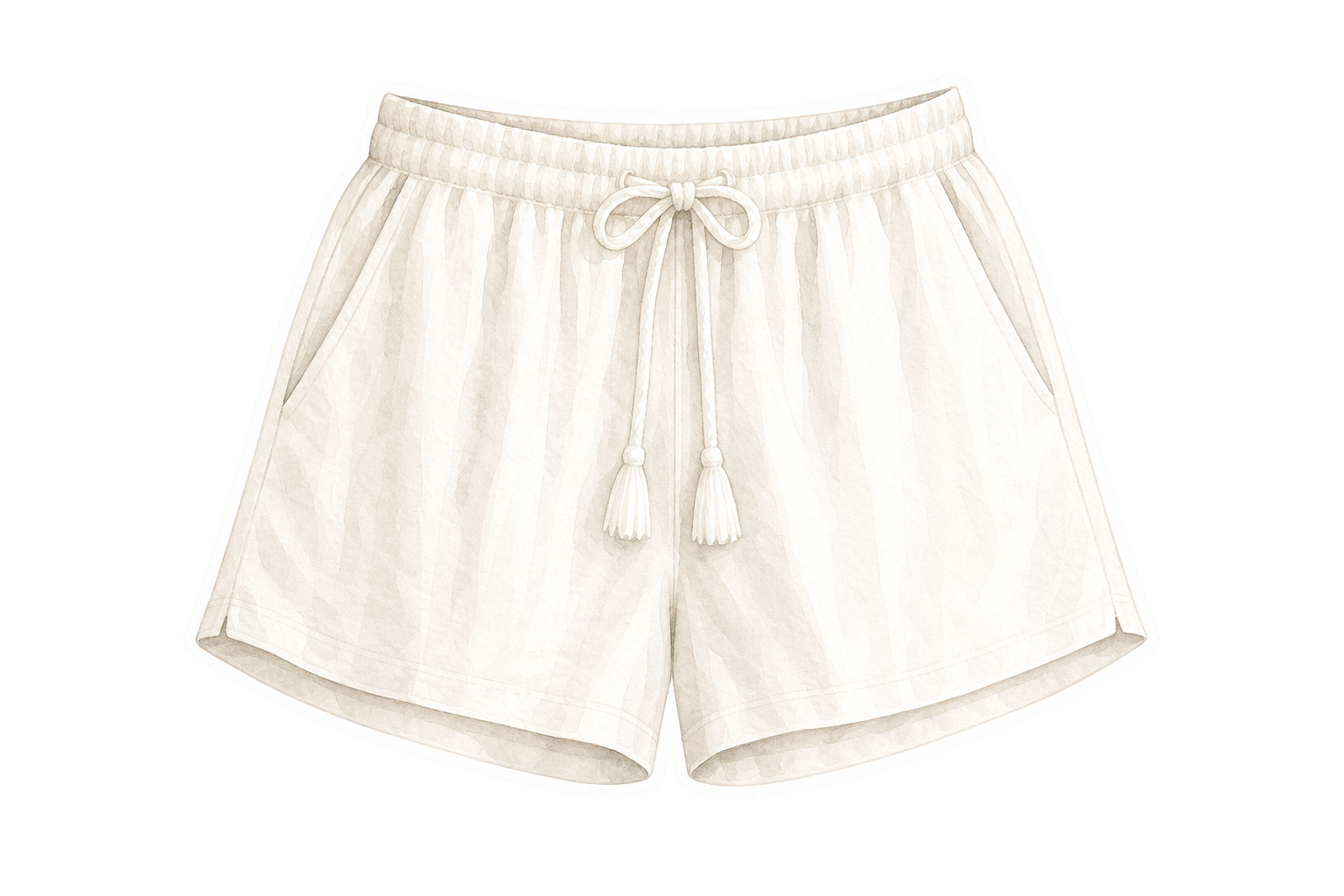 04White cotton-linen drawstring shorts
For the Waikīkī half of every day: breakfast, the walk to the water, lunch on Kapahulu. A drawstring waist sits comfortably over a wet swimsuit, and cotton-linen dries on the walk back to the hotel at 84°F. White pairs with everything in this capsule, including the red-coral one-piece underneath.
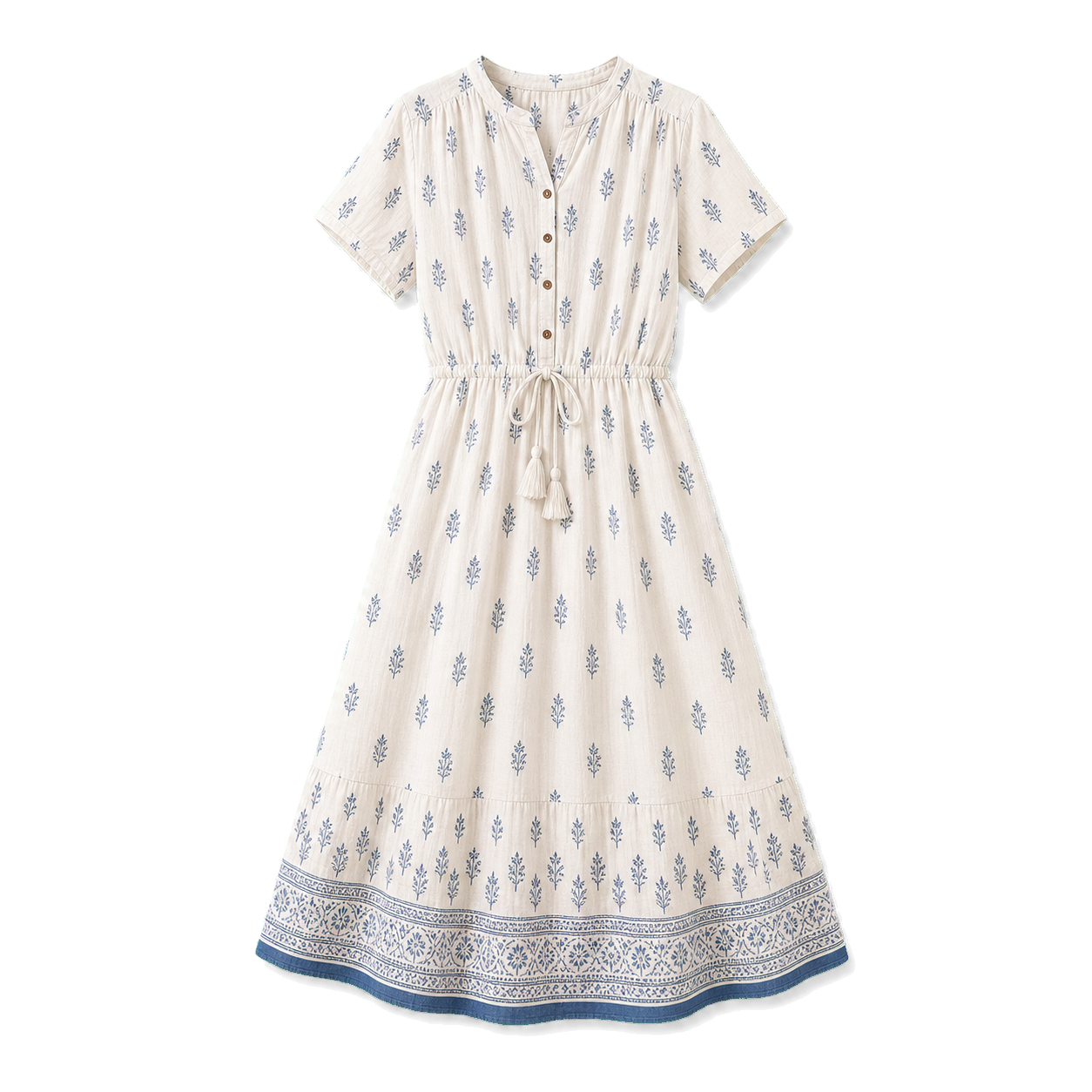 05Ivory midi dress, indigo block print, drawstring waist
The evening dress. NOAA's normal November low is 71.8°F, so after sunset at about 5:50pm you need nothing over it. Short sleeves and a midi hem sit right at a Waikīkī dinner, the cotton breathes in the humidity, and the indigo border hides the sand you will carry in from the beach path.
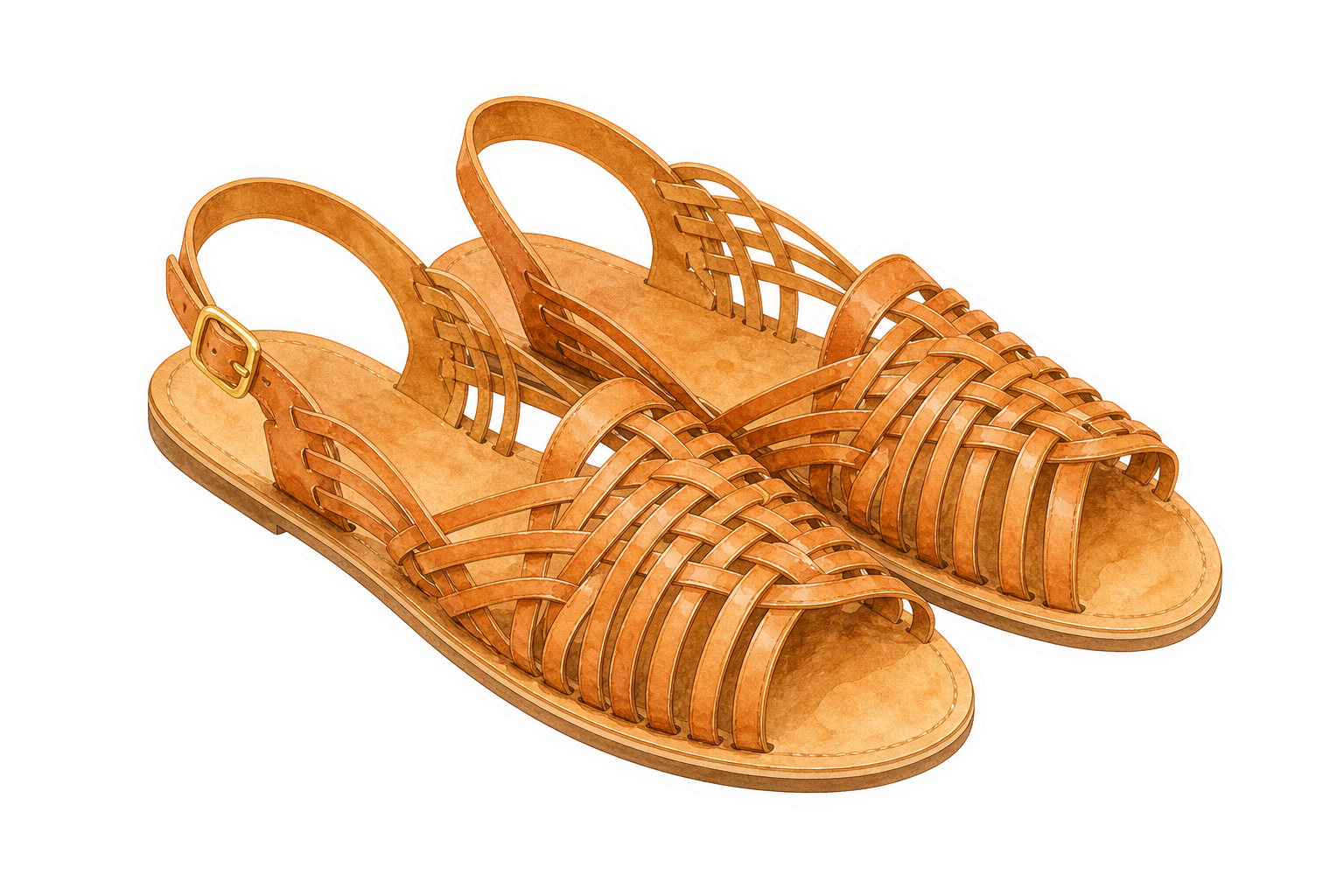 06Cognac woven leather huaraches
One pair for both coasts. Midday sand on the North Shore is too hot for bare feet, and a woven leather upper covers your toes where a flip-flop leaves them out. The heel strap keeps them on through soft sand. They also meet the footwear rule at House Without a Key, which a bare foot fresh from the beach does not.
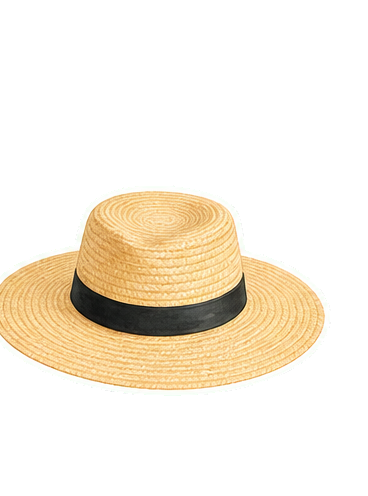 07Straw boater, wide flat brim, black band
In November the sun stays low in the southern sky, so on a north-facing beach it sits behind you all morning and lands on your neck and ears. A brim that goes all the way round covers both; a cap covers neither. Straw breathes in the humidity and rides flat in a suitcase.
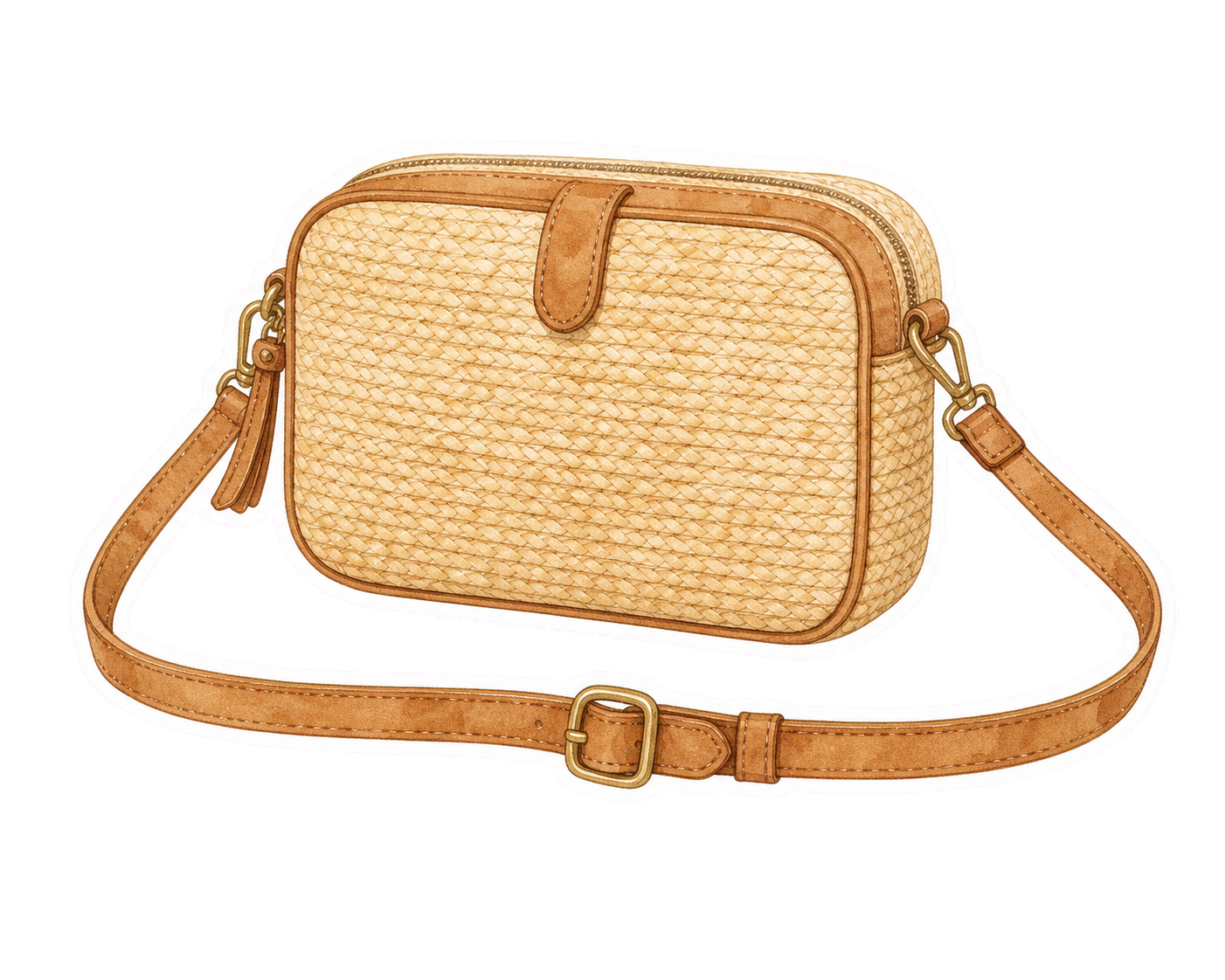 08Raffia camera crossbody, tan leather trim
Hands free on the sand. A zip-top crossbody holds sunscreen, a phone and a card while you stand at the water line at Haleʻiwa, and stays shut when the wind blows sand across the beach. Raffia shrugs off a splash, and the tan leather matches the huaraches so the whole capsule shares one warm colour.
Day to night
Red-coral one-piece under the sand sun top · white drawstring shorts · cognac huaraches · straw boater · raffia crossbody. Haleʻiwa by eight during the Haleiwa Pro window, watching from the sand, then back to Waikīkī for a swim after two.
Ivory block-print midi · cream embroidered shirt open over it · cognac huaraches · raffia crossbody. Sunset at about 5:50pm from House Without a Key, with Hawaiian music from 5:30 and hula from 6:30.
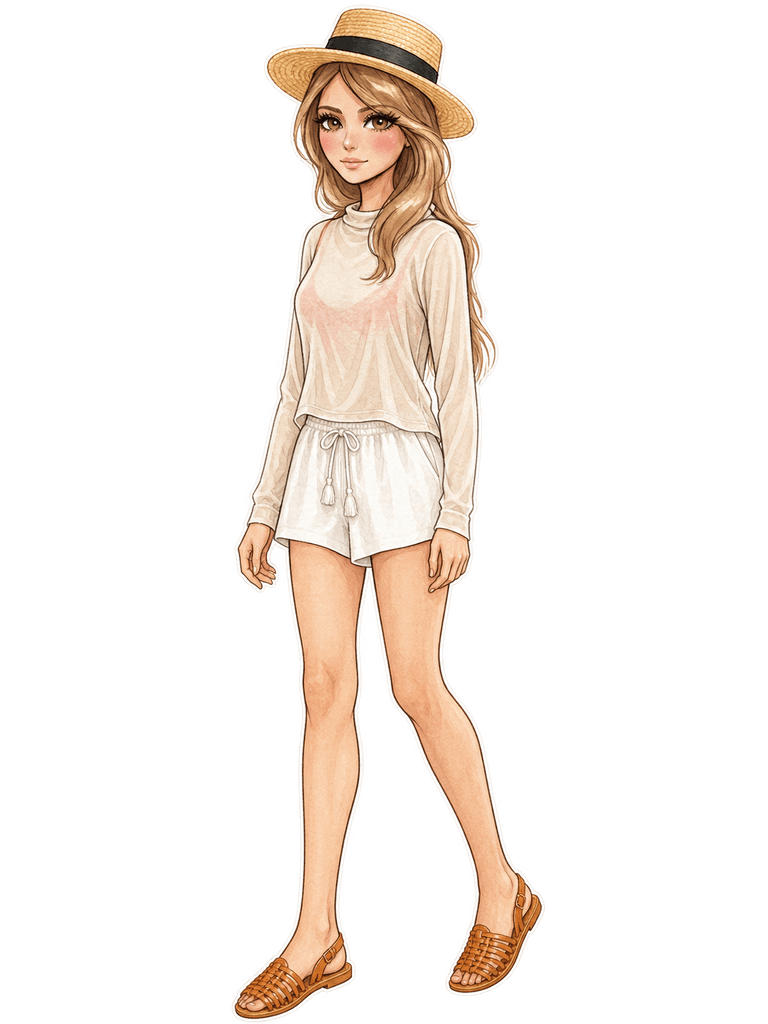
A suggested look — sand long-sleeve sun top, white drawstring shorts, cognac woven huaraches, straw boater.
What to avoid
- Swimming the North Shore in high surf — Ocean Safety tells swimmers of any skill level to stay out
- A swimsuit and bare feet at House Without a Key — cover-up or shirt and footwear required
- A warm layer — the normal November low is 71.8°F
- Pearl Harbor on Thanksgiving Day — the visitor center is closed on 26 November
- Oxybenzone sunscreen — Act 104 bars its sale in Hawaiʻi
Frequently asked questions
Warm, with the first of the winter showers. NOAA's 1991–2020 normals for Honolulu International Airport give an average November high of 84.1°F (28.9°C) and a low of 71.8°F (22.1°C), with 2.25 inches (57mm) of rain across about 9 days of measurable rain; only about 3 of those bring a tenth of an inch or more. The National Weather Service in Honolulu counts October to April as winter, the season of "more frequent clouds and rainstorms". Hawaiʻi keeps standard time all year, so sunset slides from about 5:55pm on 1 November to 5:48pm on the 30th.
A red-coral one-piece, a sand long-sleeve sun top, a cream oversized shirt to wear as a cover-up, white drawstring shorts, an ivory midi dress, cognac woven huaraches, a straw boater and a raffia crossbody. That covers a swim in Waikīkī, a morning on the North Shore sand and a sunset table at the Halekulani. Leave the jacket at home: the normal low is 71.8°F. Bring mineral sunscreen or buy it on the island, since Act 104 bars shops in Hawaiʻi from selling sunscreen with oxybenzone or octinoxate.
Often not, and November is when that starts. Hawaiʻi Ocean Safety dates the winter surf season from November through April and expects "extremely high surf at many north and west shore beaches"; it says Waimea Bay, calm in summer, is "consistently pummeled by high surf and powerful shorebreak" in winter. The National Weather Service issues a High Surf Advisory for north-facing shores at 15-foot faces and a warning at 25. The World Surf League's Haleiwa Pro holds a waiting period from 5 to 14 November. Watch from the sand, and swim on the south shore, which Ocean Safety describes as flat to small in winter.
Early November, if you want the surf contests and quieter beaches. The Haleiwa Pro waiting period runs from 5 to 14 November, and the state holidays on 3 November (General Election Day) and 11 November (Veterans' Day) are single days off, not long weekends. Late November brings Thanksgiving on the 26th, when the Pearl Harbor visitor center closes, and a school holiday on Friday the 27th, which gives local families a four-day weekend. NOAA's humpback whale sanctuary says whales can be seen from November through April, so the season opens during the month either way.
December runs a degree cooler by day and about a degree and a half cooler at night. NOAA's airport normals give December 81.8°F (28°C) and 20.7°C at night, against November's 84.1°F and 71.8°F (22°C), with almost the same rain: 2.18 inches over 8.9 days against 2.25 inches over 8.6. The difference is the calendar. December brings the Honolulu Marathon, the City Lights switch-on at Honolulu Hale at dusk and the 85th Pearl Harbor commemoration at 7:30am, which our December guide covers.
Aloha shirts made in Honolulu, and a surprising number of them in muted colours. Kahala, founded in Honolulu in 1936 by George Brangier and Nat Norfleet, says printing on the back of the cloth "produced a more subdued effect, which soon became a favorite of local businessmen". Tori Richard has drawn and stitched its patterns in Honolulu since 1956. Reyn Spooner took its name in 1961, when Ruth Spooner, who had been sewing surf trunks on Waikīkī beach since 1956, merged her business with Reyn McCullough's. With the shirt go long trousers or a midi dress in the evening, and sandals almost everywhere.
Sources
- NOAA — 1991–2020 climate normals, Honolulu International Airport (HNL) station
- NOAA NCEI — U.S. Climate Normals 1991–2020 (monthly normals by station) — accessed 2026-09-26
- NWS Honolulu — Climate of Hawaiʻi — accessed 2026-09-27
- Hawaiʻi Ocean Safety (State Department of Health) — Hawaiʻi's surf seasons — accessed 2026-09-27
- NWS Honolulu — High surf advisory and warning criteria — accessed 2026-09-27
- World Surf League — 2026 Qualifying Series schedule (Haleiwa Pro, 5–14 Nov) — accessed 2026-09-27
- Halekulani — House Without a Key (attire) — accessed 2026-09-27
- NPS Pearl Harbor National Memorial — Operating hours and closed days — accessed 2026-09-27
- Hawaiʻi DHRD — State observed holidays 2026 and 2027 — accessed 2026-09-27
- Hawaiʻi State Department of Education — 2026–27 official school calendar — accessed 2026-09-27
- NOAA — Hawaiian Islands Humpback Whale National Marine Sanctuary (whales November–April) — accessed 2026-09-27
- Hawaiʻi Legislature — Act 104 (SLH 2018), oxybenzone and octinoxate sunscreen sale ban — accessed 2026-09-27
- Kahala — About us (founded Honolulu 1936) — accessed 2026-09-27
- Tori Richard — About us (Honolulu 1956) — accessed 2026-09-27
- Reyn Spooner — The Reyn Spooner story (1956, 1961) — accessed 2026-09-27