What to Wear in Toronto in January
Toronto in January: −1°C / 30°F afternoons, −9°C / 16°F nights, about 17 days below freezing, and wind chill as the number that counts.
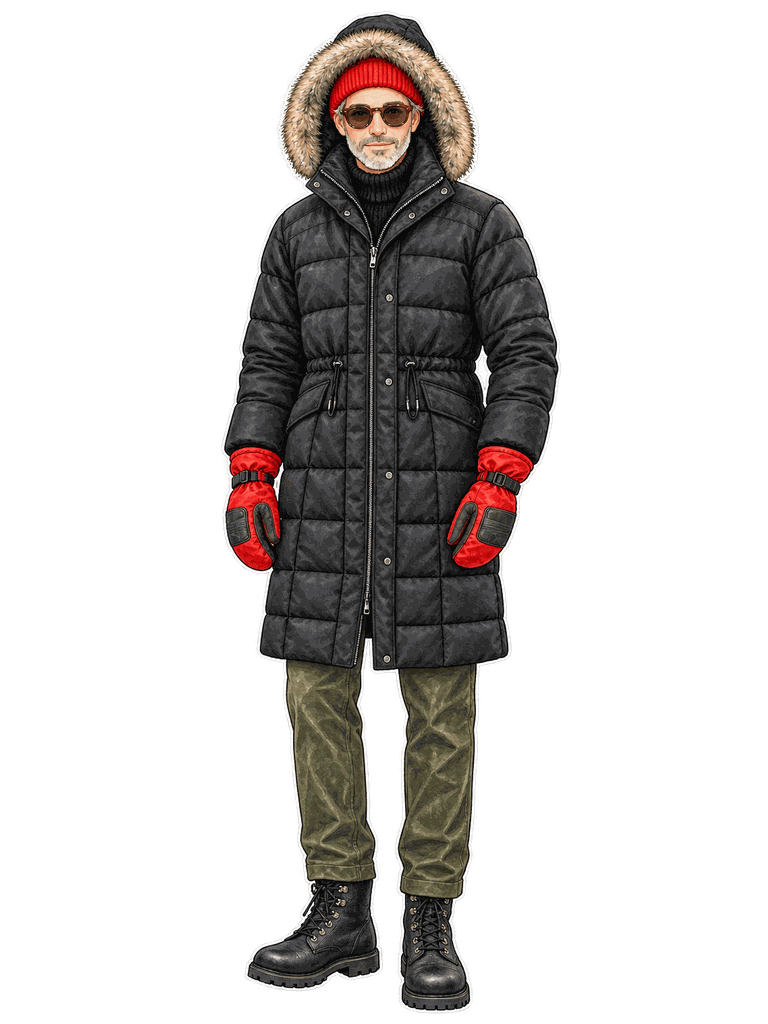
- Black knee-length down parka with a hood — wind chill on exposed thighs and face
- Navy merino base and a black chunky roll-neck — the neck is the gap the wind finds
- Black fleece-backed thermal leggings under olive waxed trousers — wind-blocking legs
- Red insulated gauntlet mitts — warmer than gloves on a wind-chill day
- Red ribbed toque — ears covered, under the hood
- Black felt-lined winter boots, cleated sole — salt stops working below −10°C
- Fingered gloves on a wind-chill day — mitts keep fingers together and warmer
- Suede or canvas — the City says salt damages shoes
- Trusting the sidewalk on the coldest mornings — salt is ineffective below −20°C
- Skipping the PATH — more than 30 km of heated walkway downtown
Dress for the wind chill, not the thermometer. NOAA's 30-year record for Toronto Pearson makes January the coldest month, at −1.1°C by day and −8.9°C at night, with about 29cm of snow, about 17 days that stay below freezing all day, and three or four nights below −18°C. Environment and Climate Change Canada puts the real problem simply: "Wind chill cannot be measured with a thermometer. It is felt by our skin." Its index warns that at a wind chill of −28 to −39, exposed skin can freeze in 10 to 30 minutes. The ground matters too. The City of Toronto notes that salt "begins to lose effectiveness at -10C and is ineffective below -20C", so the coldest mornings are the iciest. Pack a knee-length parka with a hood, a merino base and a roll-neck, wind-blocking trousers over thermals, mitts, a toque and boots with a cleated sole.
In January, Toronto's forecast gives you two numbers. Dress for the second one, the wind chill, because that is the one your face meets at the corner of King and Bay.
The capsule
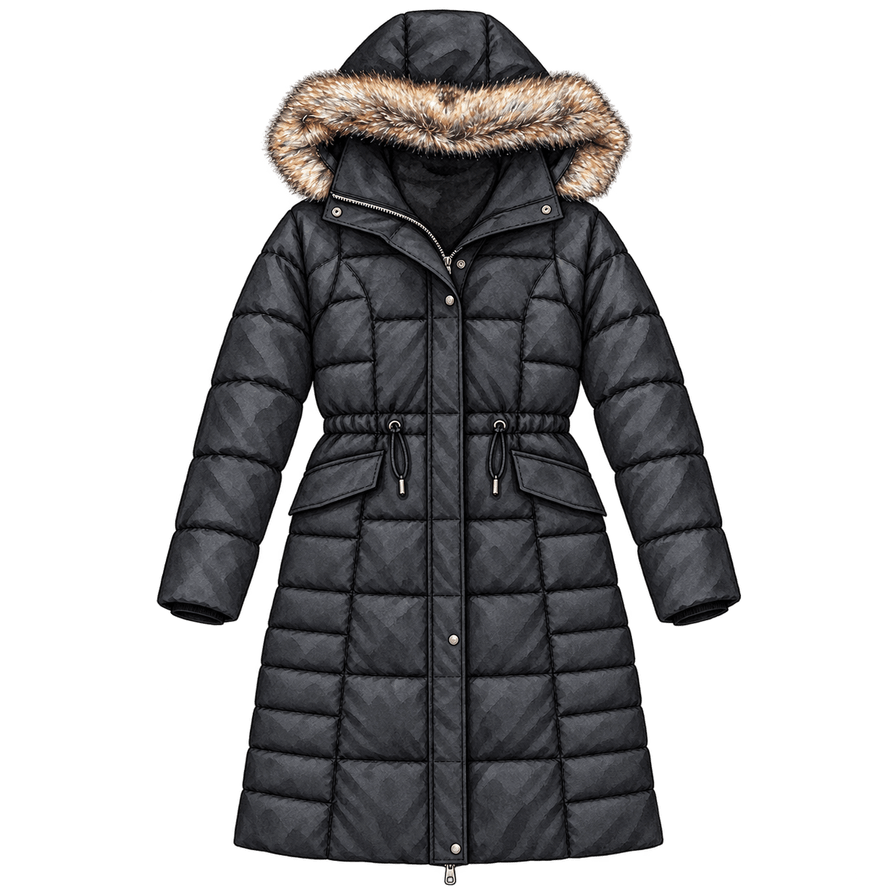 01Black knee-length down parka, faux-fur-trimmed hood
On a wind-chill day the exposed parts are your face and the tops of your legs. A knee-length parka covers the legs, and a hood with a trimmed edge cuts the wind across your face at a street corner. Pull the drawcord at the waist so the down sits close. Zip it open in the PATH, which the City says connects more than 75 buildings downtown, and much of the core is walkable with it unzipped.
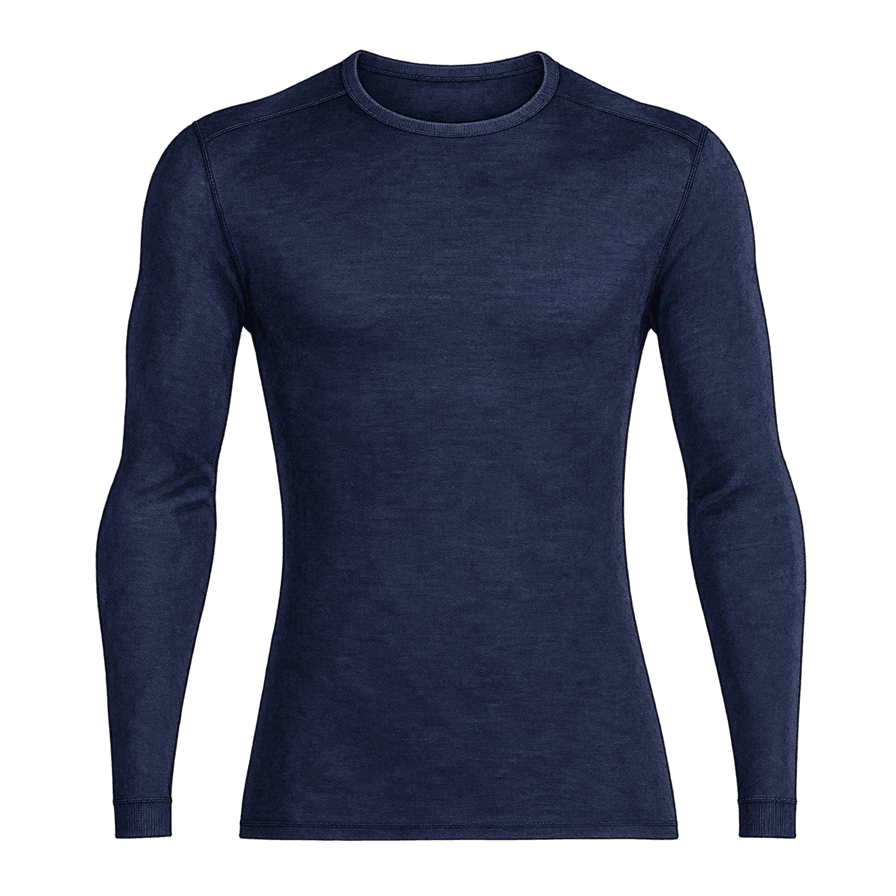 02Navy fine merino base crew
A thin merino base does the job thermals do without the bulk, and it is what you are left in at a Winterlicious lunch in a warm restaurant. Merino wicks sweat from the walk so you do not cool down wet afterwards. Navy shows less wear than black over a week.
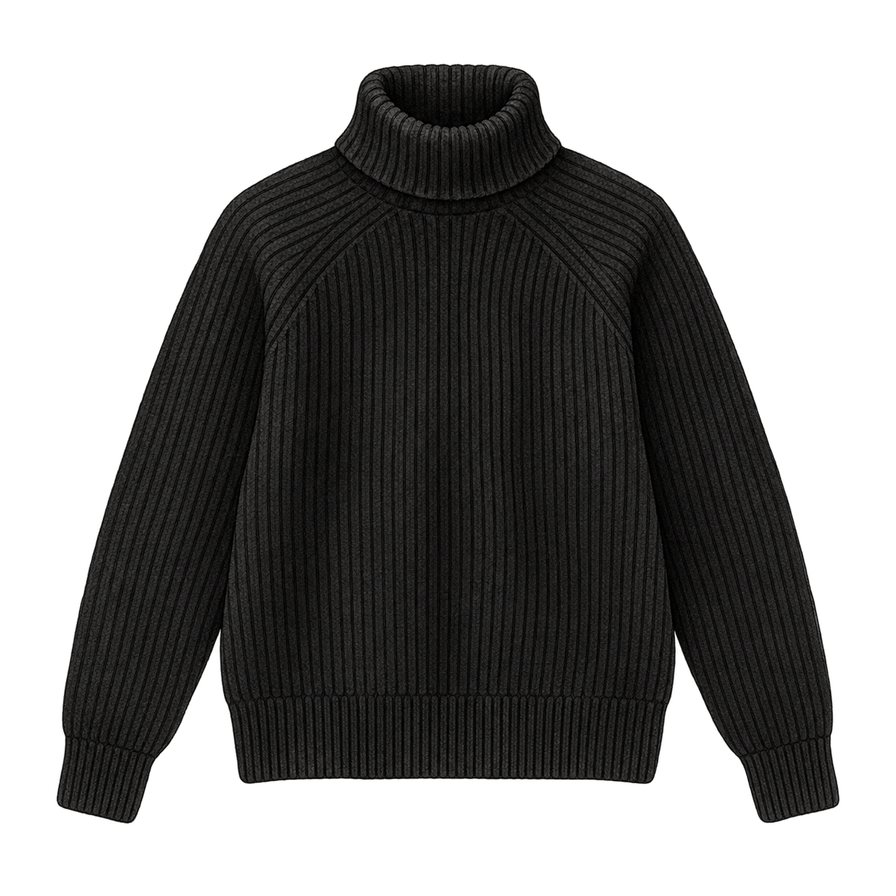 03Black chunky ribbed roll-neck
Your neck is the gap the wind finds between toque and parka. A chunky roll-neck closes it without a scarf to retie at every door, and ribbed wool holds heat in the dead air of a bus shelter. Over the merino crew it is enough for the coldest January day on NOAA's 30-year record.
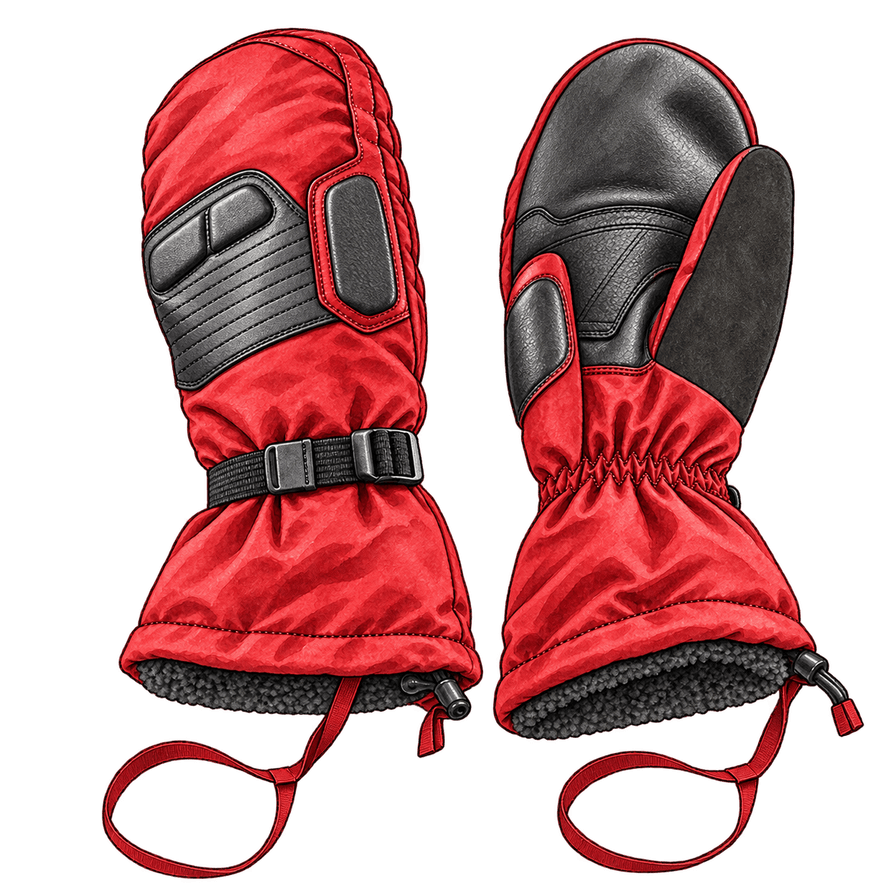 04Red insulated gauntlet mitts, leather palms
Mitts keep your fingers together, which keeps them warmer than any glove on a day when Environment Canada's index puts frostbite in minutes rather than hours. Gauntlet cuffs go over the parka sleeve so no wrist is exposed, and the wrist leashes mean you can pull one off to tap a phone without dropping it in the snow.
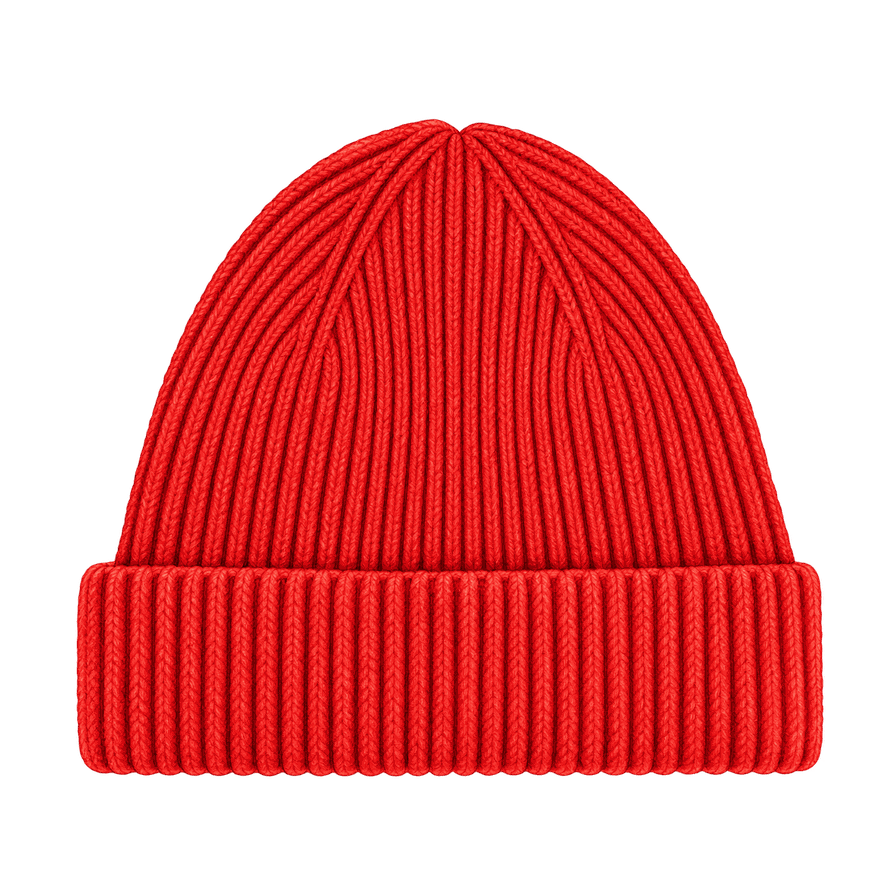 05Red ribbed wool toque
Ears freeze first, and a deep-cuffed wool toque doubles over them and fits under the parka hood. Red matches the mitts and makes you easy to spot on a snowy sidewalk. Toronto calls it a toque; pack one even if you never say the word.
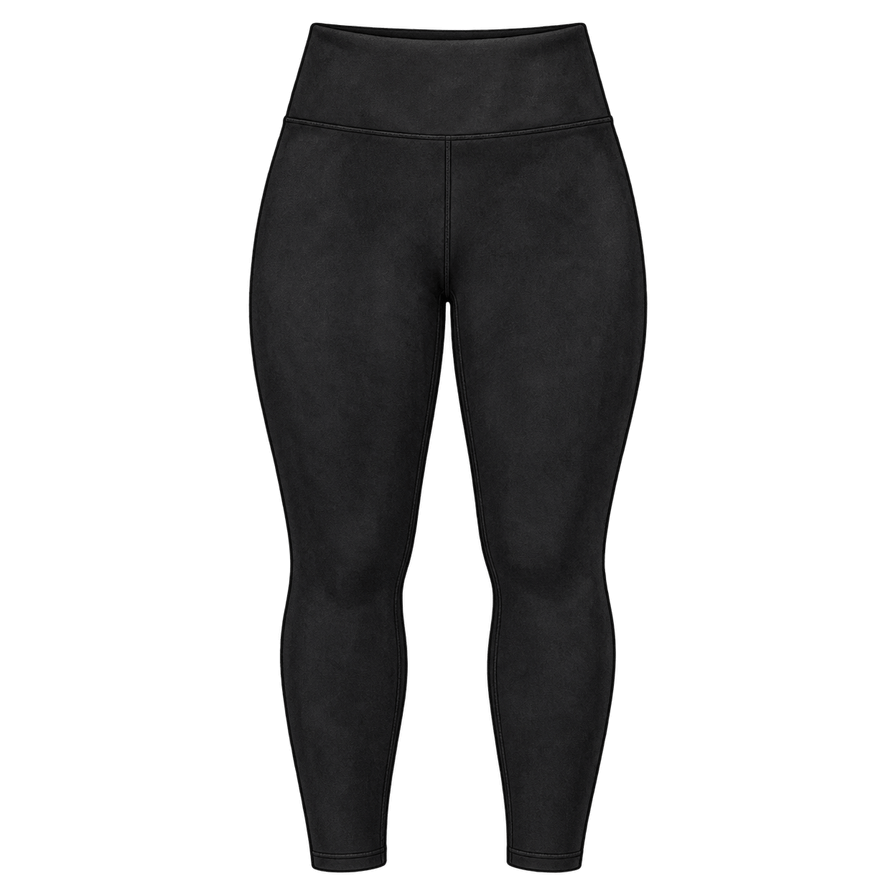 06Black fleece-backed thermal leggings
Trousers alone are one layer of cloth between your legs and a −9°C / 16°F wind. Fleece-backed leggings under the trousers add warmth you do not see, and they come off in a hotel room when the day turns mild. On the three or four nights in an average January below −18°C, they are the difference between a walk and a taxi.
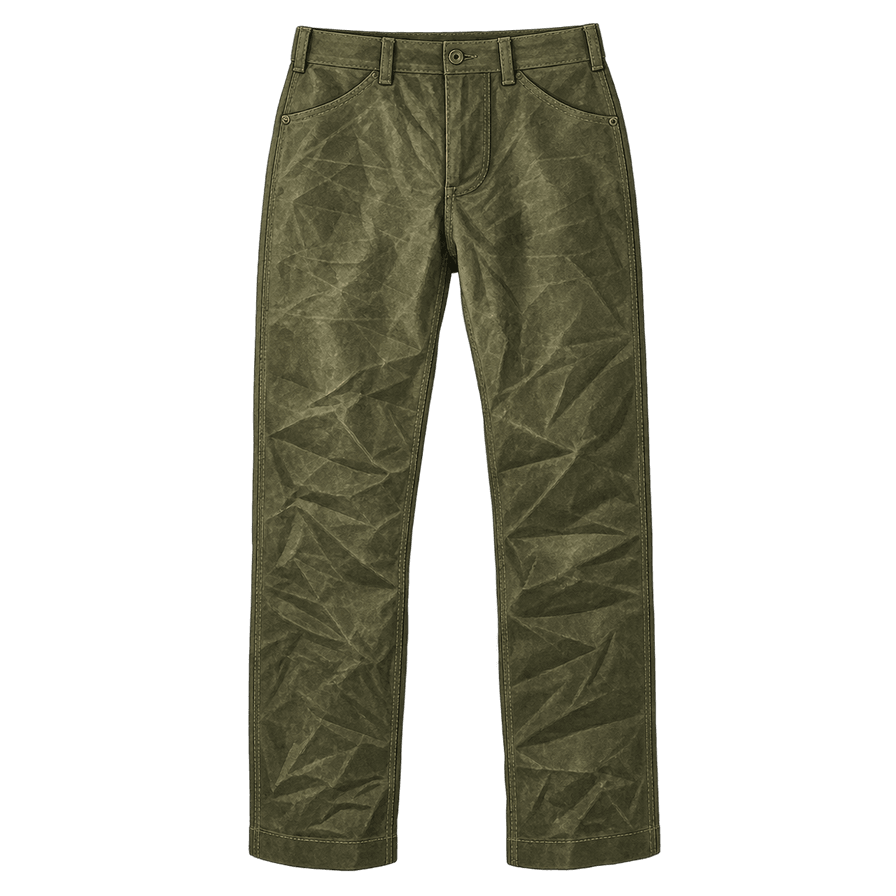 07Olive waxed canvas trousers
Wind goes straight through knitted fabric and most denim. Waxed canvas blocks it and sheds wet snow, so over thermal leggings these trousers do what ski pants would do without looking like them at dinner. Olive goes with black and red and hides salt marks.
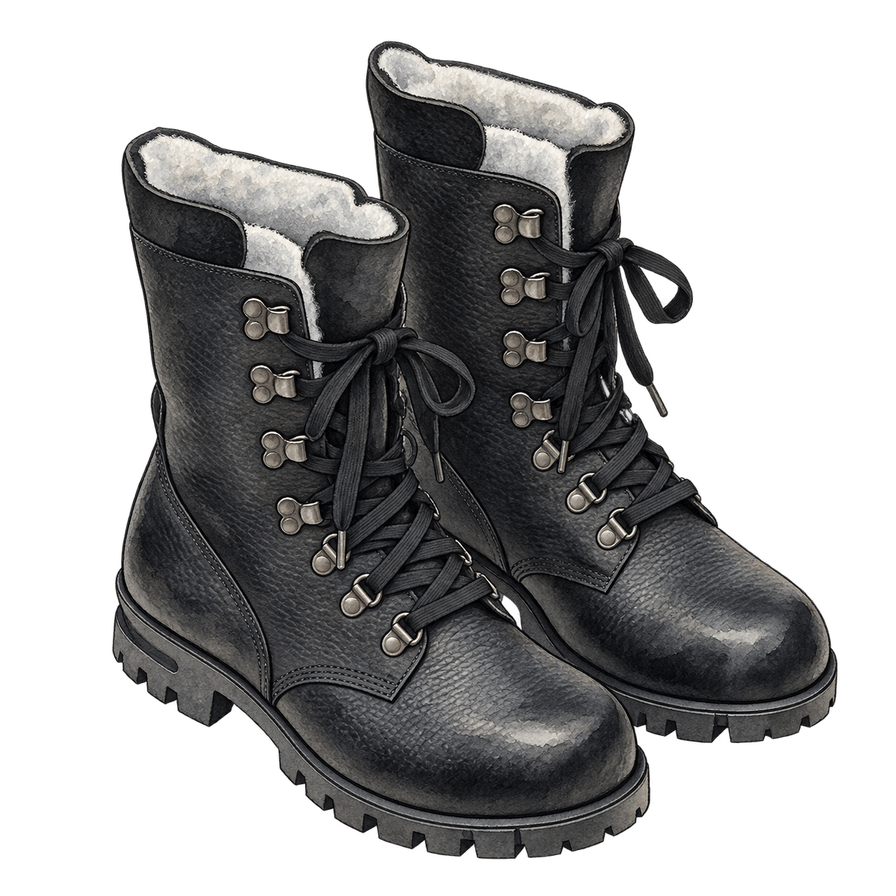 08Black felt-lined lace-up winter boots, cleated rubber sole
Buy the boots before the coat. The City of Toronto says salt loses effectiveness at −10°C and is ineffective below −20°C, so on the coldest mornings the sidewalks are ice. A cleated rubber sole holds on it, the felt lining keeps toes warm for an hour outside, and leather wipes clean of the salt the City says damages shoes.
Day to night
Navy merino crew · black roll-neck · thermal leggings under olive waxed trousers · black parka zipped, hood up over the red toque · red mitts · cleated winter boots. Union Station into the PATH, the Hockey Hall of Fame, and the walk across Nathan Phillips Square only when the wind drops.
Merino crew and roll-neck · parka open indoors · same boots. A Winterlicious prix-fixe dinner from 29 January, with the parka checked and the roll-neck enough on its own.
A suggested look — black knee-length hooded down parka, red ribbed toque, black chunky roll-neck, red insulated mitts, olive waxed canvas trousers.
What to avoid
- Fingered gloves on a wind-chill day — mitts are warmer
- Suede and canvas — salt damages shoes
- Trusting the sidewalk on the coldest mornings — salt is ineffective below −20°C
- Travel on a declared snowstorm day — the City asks you to stay put
- Walking downtown above ground on the worst days — use the PATH
Frequently asked questions
The coldest month of the year. NOAA NCEI's 30-year record for Toronto Pearson, an Environment and Climate Change Canada station, gives an average January high of −1.1°C and a low of −8.9°C, about 59mm of rain and melted snow on roughly 14 days and about 29cm of snowfall. Frost comes on about 27 nights, about 17 days stay below freezing all day, and three or four nights fall below −18°C. Wind chill makes it feel colder whenever the wind blows. Daylight grows from 9h 0m on 1 January to 9h 52m on the 31st.
A black knee-length down parka with a hood, a navy merino base crew, a black chunky roll-neck, black fleece-backed thermal leggings, olive waxed canvas trousers, red insulated gauntlet mitts, a red wool toque and black felt-lined winter boots with a cleated sole. That covers a −9°C / 16°F morning with wind chill and an afternoon in the heated PATH. Leave suede, canvas sneakers and thin fashion gloves at home.
Wind chill is how cold the air feels on your skin in the wind. Environment and Climate Change Canada says it cannot be measured with a thermometer and is felt by our skin, and it adds wind chill to forecasts when the temperature is at or below zero and the wind reaches 5 km/h. On its index, a wind chill of −10 to −27 brings a risk of frostbite and hypothermia over long periods outdoors, and −28 to −39 can freeze exposed skin in 10 to 30 minutes. The City of Toronto notes that Environment and Climate Change Canada issues an Extreme Cold Weather Alert for southern Ontario when the temperature or wind chill is forecast to reach −30°C for at least two hours.
The City of Toronto's Winterlicious runs from 29 January to 11 February 2027, with three-course prix-fixe menus at participating restaurants; since 2003, Winterlicious and Summerlicious have served more than 8 million meals. Dress for the walk there, not the table: a parka you check at the door, a merino base and a roll-neck that look finished on their own, and boots you can wear through dinner. Book early for weekends, and take the PATH or the TTC between downtown restaurants on the coldest evenings.
Late January for food, early January for the end of the holidays. The Distillery Winter Village runs until 3 January 2027. On New Year's Day the TTC runs a Sunday service, with the subway from about 8am. Winterlicious starts on 29 January. Late January is also when the worst storms have landed recently: on 25 January 2026 the City declared its second major snow event of the winter and asked people to stay put. Daylight grows by almost an hour across the month either way.
About three degrees colder, with more snow and nearly twice as many days below freezing all day. NOAA's Pearson record gives January −1.1°C and −8.9°C against December's 2.0°C and −4.8°C, about 29cm of snow against 24cm, and about 17 ice days against 10. December is spent between outdoor markets and the PATH, so our December guide is built around a coat that opens and a knit that comes off. January is about wind chill and ice, so this one adds mitts, a roll-neck, wind-blocking trousers and cleated boots.
A long parka, a toque, mitts and serious boots, worn by almost everyone. The parka habit has a Toronto origin: Canada Goose was founded in 1957 in a small Toronto warehouse as Metro Sportswear, and in 1982 Laurie Skreslet became the first Canadian to summit Everest in a parka the company made for him. Under the parka you will see jeans or wool trousers and a thick knit; above it, a toque from almost anyone, Roots included. Fashion boots stay home until spring.
Sources
- NOAA NCEI — 1991–2020 climate normals, Toronto Pearson stationEnvironment and Climate Change Canada operates the station; NOAA NCEI computed this month's figures from its global-summary-of-the-month records for Pearson (CAN06158733, with CAN06158731 filling missing years), 30 Januaries. Precipitation days count rain or melted snow of 0.01 in (0.25 mm) or more.
- NOAA NCEI — Global Summary of the Month, Toronto Pearson (CAN06158733 with CAN06158731), 1991–2020 — accessed 2026-10-22
- Environment and Climate Change Canada — Wind chill and the Wind Chill Index — accessed 2026-10-22
- City of Toronto — Extreme cold weather (ECCC alert for southern Ontario at −30°C temperature or wind chill for at least two hours) — accessed 2026-10-22
- City of Toronto — Reducing the use of road salt (salt loses effectiveness at −10°C and is ineffective below −20°C) — accessed 2026-10-22
- City of Toronto (25 January 2026) — Major Snowstorm Condition declared, 30 cm or more expected — accessed 2026-10-22
- City of Toronto — Winterlicious and Summerlicious participation (Winterlicious 2027: 29 January to 11 February) — accessed 2026-10-22
- City of Toronto — PATH, Toronto's downtown pedestrian walkway (more than 30 km; more than 75 buildings) — accessed 2026-10-22
- TTC — 2026 holiday service (Sunday service on Christmas Day and New Year's Day) — accessed 2026-10-22
- The Distillery Winter Village — FAQ (12 November 2026 to 3 January 2027; free before 4pm) — accessed 2026-10-22
- Canada Goose — Our history (founded in 1957 in a small warehouse in Toronto; the 1982 Everest parka) — accessed 2026-10-22