What to Wear in New York in January
New York in January: 4°C / 39°F afternoons, −2°C / 28°F nights, the coldest month of the year, and the one you spend walking.
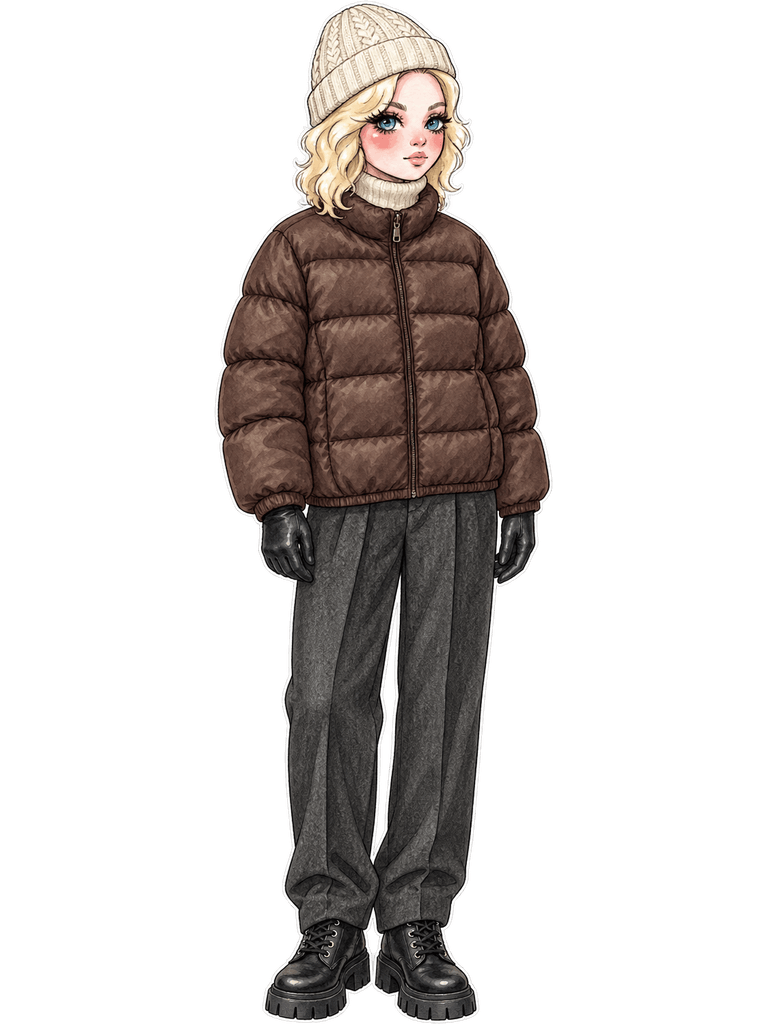
- Dark brown hip-length down jacket — warm at −2°C / 28°F and it folds onto your lap in a theatre seat
- Oatmeal lambswool roll-neck — covers your neck on a 40-block walk without a scarf to manage
- Charcoal pleated wool trousers — work from the Met to a prix fixe dinner without a change
- Black shearling-lined lug-sole boots — snow lies an inch or deeper on about 8 days
- Cream cable-knit hat and black leather gloves — about 20 nights of the 31 fall to freezing or below
- Black structured top-handle bag on its crossbody strap — both hands free on icy steps
- December's floor-length coat — built for standing in queues, heavy for two miles on foot
- Heels or smooth soles — plough ridges at the crossings refreeze after dark
- Leaving hat and gloves in the bag — the high stays at or below freezing on about 7 days
- Outdoor plans after five — sunset is about 4:52pm in mid-January
December asked you to stand still at the tree and in the queues. January asks you to walk. NOAA's figures for Central Park make it the city's coldest month, at 4.2°C by day and −2°C / 28°F at night, with the high at or below freezing on about 7 days and snow lying an inch or deeper on about 8. It is also the month NYC Tourism's winter programmes begin: in 2026, from 20 January, 2-for-1 Broadway seats, prix fixe dinners at $30, $45 or $60, and 25% off at more than 150 hotels. So you spend the day on foot (the Met at 82nd Street to the Theater District in the 40s is roughly two miles) and the evening in a warm seat. Pack a down jacket that walks and folds, a roll-neck instead of a scarf, wool trousers and lined lug soles.
New York gives January back to the people who walk it. The holiday queues are gone, and the coldest month of the year turns out to be the best one to cover on foot.
The capsule
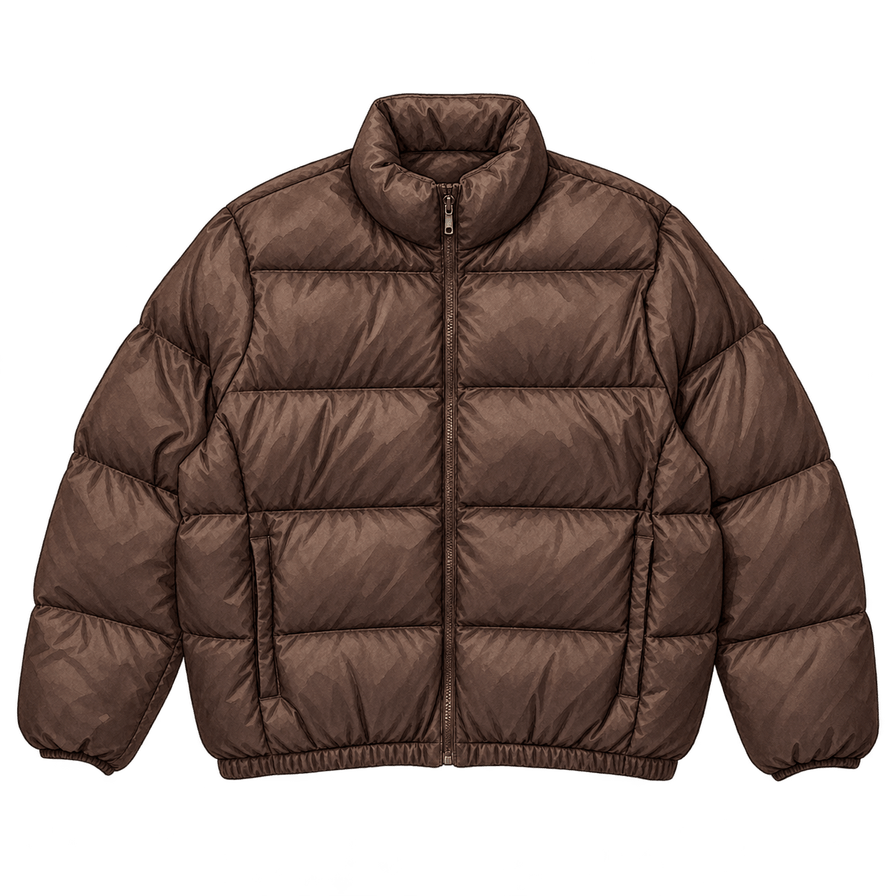 01Dark brown down jacket, stand collar, hip length
Pick the coat you can walk two miles in. Down holds heat at −2°C / 28°F without the weight of a full-length wool or teddy coat, the stand collar meets a roll-neck with no gap, and a hip length clears the plough ridges at every avenue crossing. In a theatre seat it compresses onto your lap, which a long wool coat will not do.
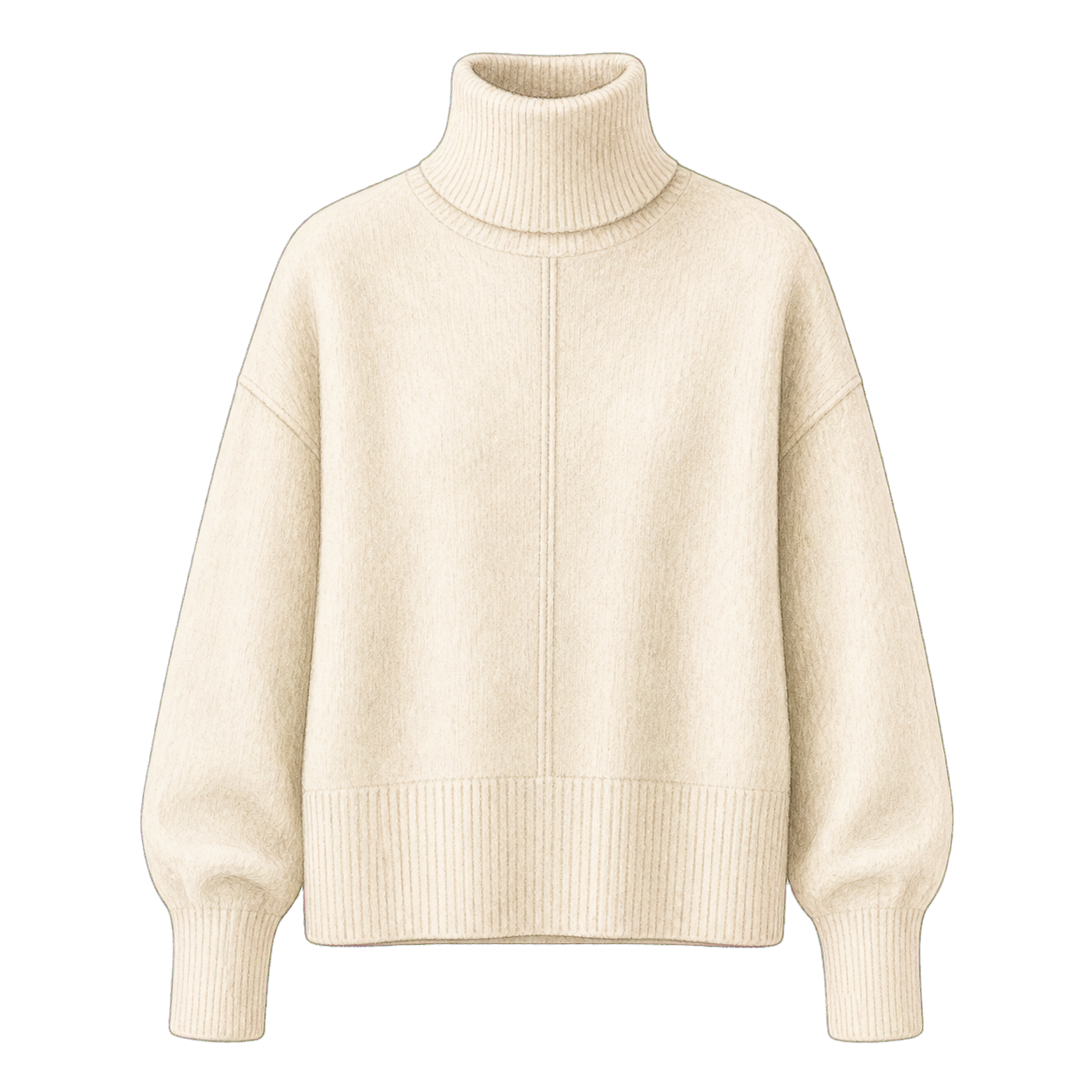 02Oatmeal lambswool roll-neck
A roll-neck does a scarf's job without the ends. Folded double at the throat, lambswool closes the gap between collar and chin on a long crosstown walk, and you never have to rewind it after a museum cloakroom. Oatmeal lifts the brown jacket and charcoal trousers, and the knit is dressy enough for a prix fixe dinner on its own.
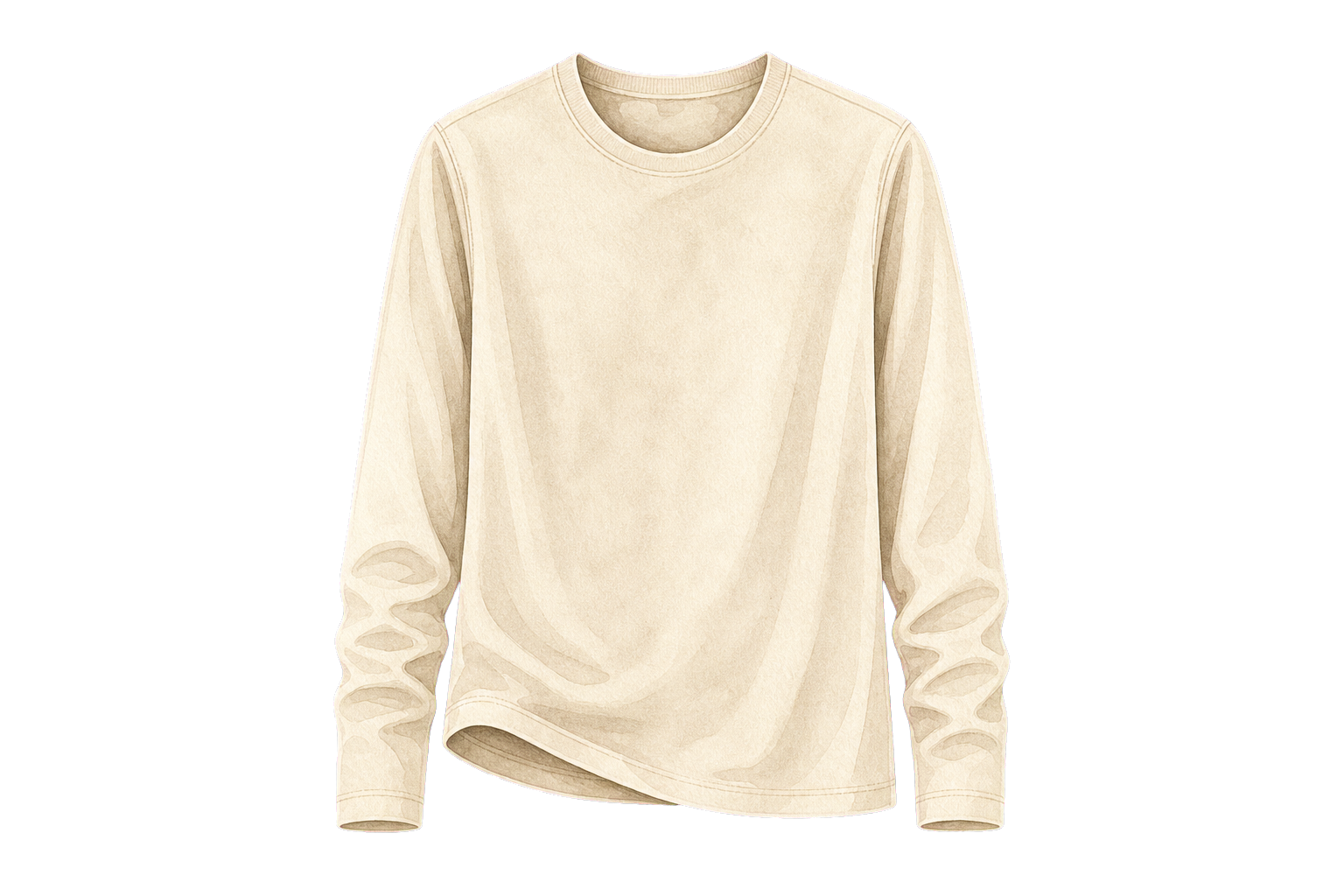 03Oat merino long-sleeve crew base layer
This layer is what makes a hip-length jacket enough. Under the roll-neck, a fine oat merino crew adds warmth without bulk at the collar, and on the 7 or so days when the high stays at or below freezing it is the difference between walking home and hailing a cab. Merino dries overnight, so one is enough for a long weekend.
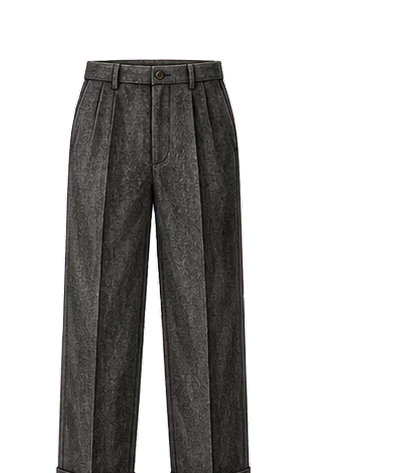 04Charcoal pleated straight wool trousers
One pair from the Met to dinner. Pleated charcoal wool keeps its line after a day of walking, holds warmth on a 28°F evening better than denim, and the straight leg falls cleanly over a lace-up boot. Charcoal also hides the grey spray that slush throws up at the kerb, which a light trouser shows by lunchtime.
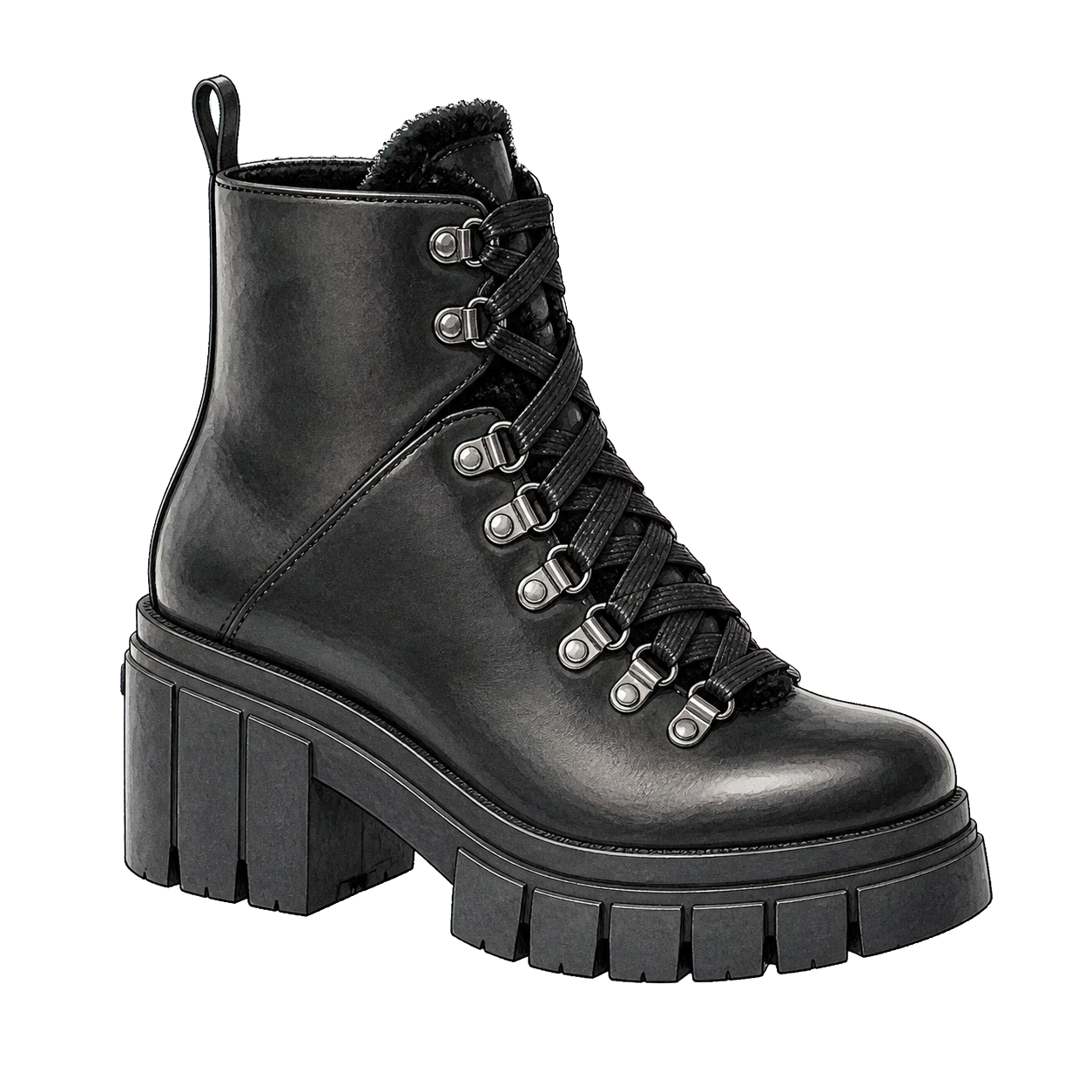 05Black shearling-lined lace-up boots, squared lug sole
Snow lies an inch or deeper in Central Park on about 8 January days, against 3 in December, and the plough ridges at the crossings refreeze after dark. A squared lug grips both, the shearling lining keeps your feet warm through a two-mile day, and black leather laced over the ankle wipes clean of salt in the hotel lobby.
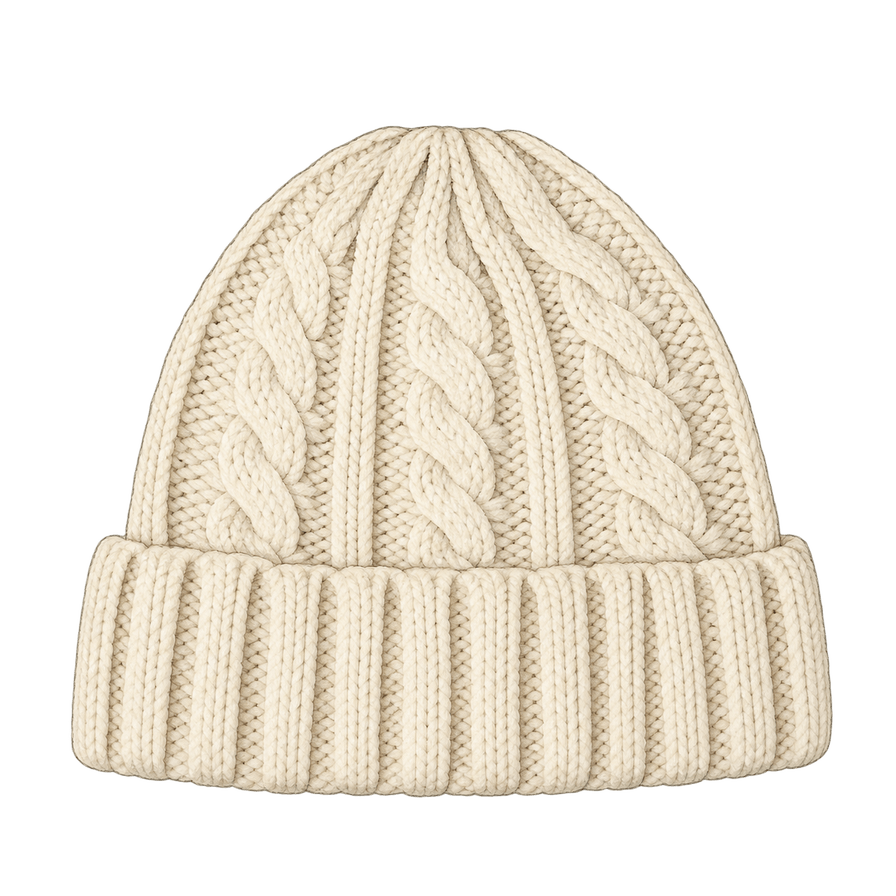 06Cream cable-knit wool hat, folded cuff
About 20 January nights in Central Park fall to freezing or below, and the walk back from a show is one of them. A cream cable hat with a double folded cuff covers your ears without the flattening of a hood, and it rolls into a jacket pocket in the theatre. Cream also repeats the oatmeal of the roll-neck, so the outfit reads as one idea.
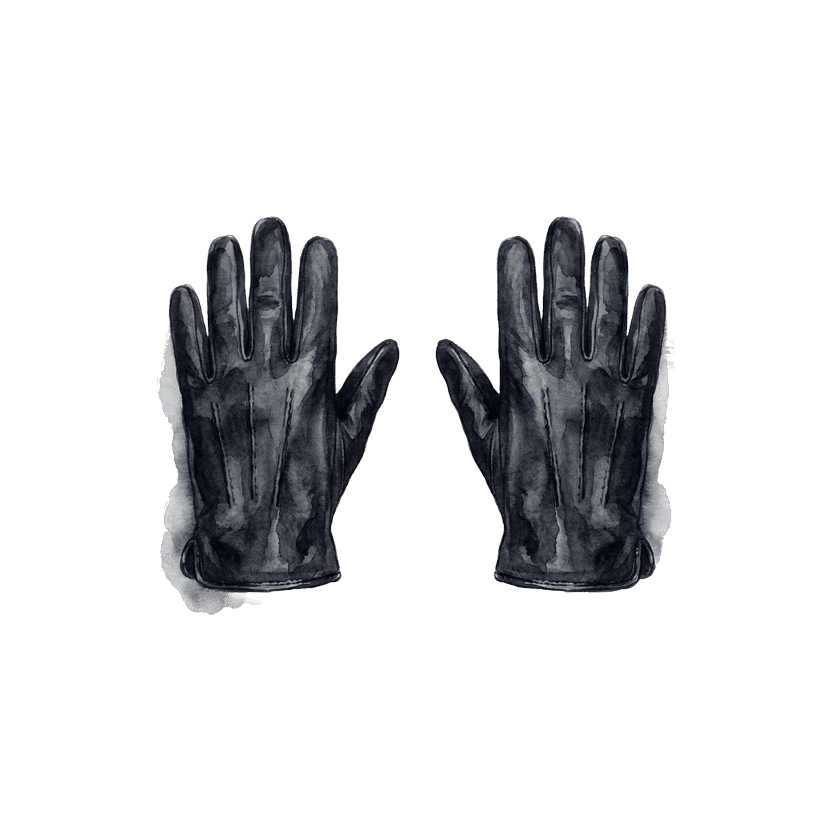 07Black leather gloves
Wear them outside and put them straight in a jacket pocket indoors; that is the whole January routine here. On about 7 days the high never clears freezing, and bare hands on a subway handrail or a phone go numb within a few blocks. Black leather wipes dry after a snow flurry and looks right with the charcoal trousers at dinner.
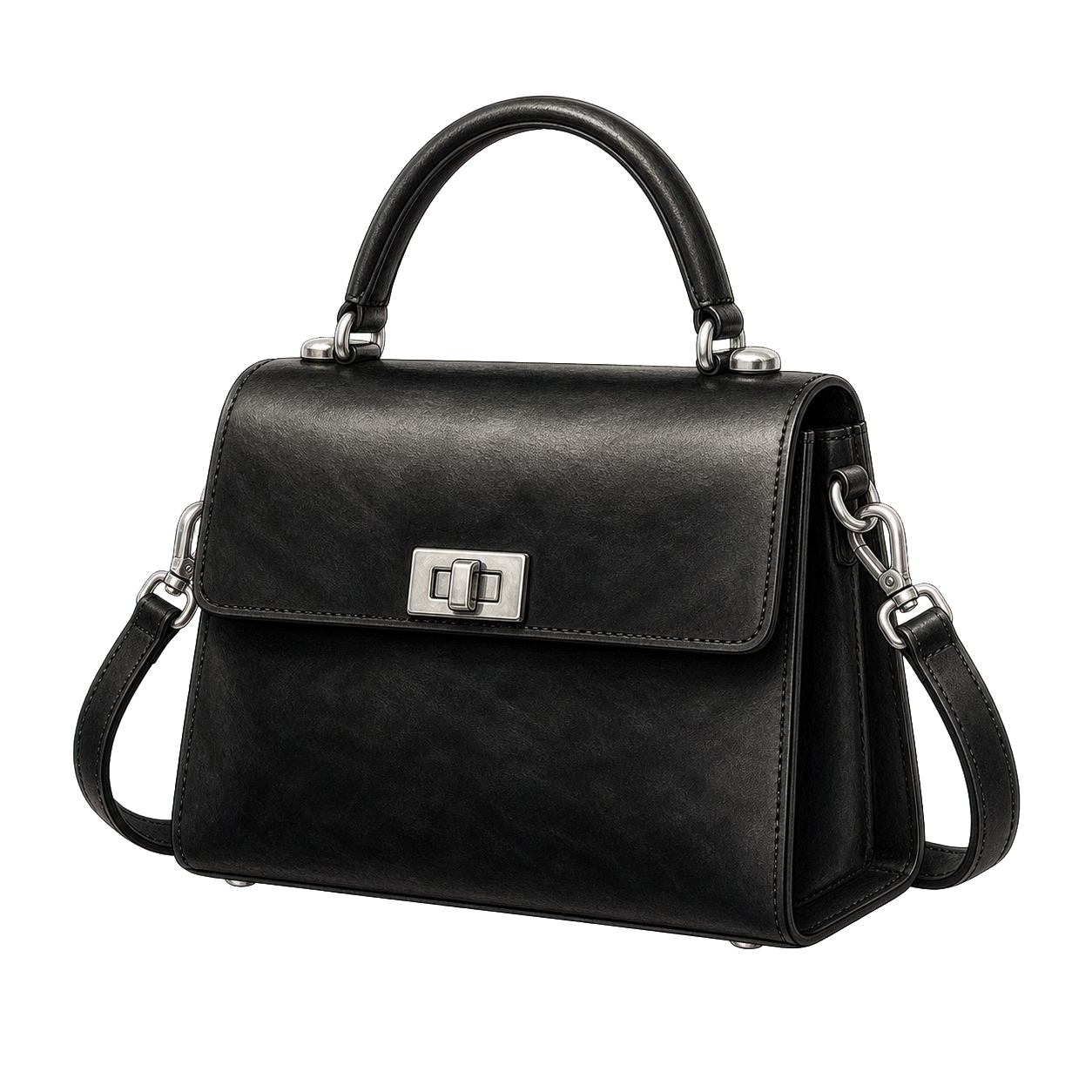 08Black structured top-handle bag with a crossbody strap
Wear it on the strap by day and carry it by the handle at night. Across the body it leaves both hands free for gloves, railings and subway stairs glazed with slush; by the top handle it is the dressiest thing in the capsule at a Broadway show or a Restaurant Week table. The turn-lock stays shut in a crowded lobby.
Day to night
Oatmeal roll-neck · charcoal pleated trousers · black lug-sole boots · brown down jacket zipped · cream cable hat · black leather gloves · bag worn crossbody. The Met from opening, then south on foot down Fifth Avenue and through the park while the paths are still white.
Same roll-neck and trousers · boots · down jacket folded on your lap in the theatre · hat and gloves in the pockets · bag by its top handle. A Broadway Week matinee or an 8pm curtain, a prix fixe dinner nearby, and the walk back heading for −2°C / 28°F, dark since about five.
A suggested look — dark brown down jacket, oatmeal roll-neck sweater, charcoal pleated trousers, black lace-up lug boots, cream cable-knit hat.
What to avoid
- December's floor-length coat — built for queues, heavy for two miles on foot
- Heels or smooth soles — plough ridges refreeze after dark
- Hat and gloves left in the bag — about 20 nights fall to freezing or below
- Outdoor plans after five — sunset is about 4:52pm mid-month
- Booking before the winter programme dates are out — shows go live about two weeks ahead
Frequently asked questions
Cold, dry most days and snowier than December. NOAA's figures for Central Park make January the city's coldest month, with an average high of 4.2°C and a low of 27.9°F (−2.3°C), and 3.64 inches of precipitation across about 11 days, 6.3 of them above a tenth of an inch. Snowfall averages 8.8 inches, against 4.9 in December, and snow lies an inch or deeper on about 8 days. The high stays at or below freezing on about 7 days and the low reaches freezing or below on about 20 nights. Daylight grows from 9h 18m on 1 January to just over 10 hours by the 31st.
A dark brown hip-length down jacket with a stand collar, an oatmeal lambswool roll-neck, an oat merino base layer, charcoal pleated straight wool trousers, black shearling-lined lace-up boots with a squared lug sole, a cream cable-knit hat, black leather gloves and a black structured top-handle bag with a crossbody strap. That covers a 4°C / 39°F walk from the Met down Fifth Avenue, a Broadway seat where the jacket folds onto your lap and a −2°C / 28°F walk back from dinner. Leave December's floor-length coat, heels and smooth soles at home.
Clothes that walk and sit. In 2026 NYC Tourism ran its winter programmes, which it calls NYC Winter Outing, from 20 January to 12 February: prix fixe menus at nearly 600 restaurants, 2-for-1 tickets to 26 Broadway shows, 2-for-1 entry at nearly 80 museums and attractions, and 25% off at more than 150 hotels. Restaurant Week prices run $30, $45 or $60, and the Broadway offer is 50% off each ticket with a minimum of two. NYC Tourism confirms both return in winter 2027; dates were not published at the time of writing. Wear the roll-neck and wool trousers, and a down jacket that folds onto your lap.
Late January, for the deals and the emptier museums, if you can take the coldest nights. Central Park's daily normals open the month at 41°F and 30°F, with highs bottoming out near 39°F around mid-month and lows near 27°F between 18 and 30 January. NYC Tourism's winter programmes began on 20 January in 2026. Snow cover is likelier late too: NOAA's daily normals put an inch on the ground in 16% of years on 1 January and 31% by the 31st. Early January runs a degree or two Fahrenheit milder. Sunset moves from about 4:38pm on the 1st to 5:11pm on the 31st.
January is a few degrees colder and a lot less crowded. Our December guide works from 6.8°C afternoons and 1°C / 34°F nights with 4.9 inches of snow; NOAA's Central Park figures put January at 4°C / 39°F and −2°C / 28°F with 8.8 inches, and snow lies on the ground on about 8 days instead of 3. December's itinerary is the tree, the windows and the queues, which is why that page packs a floor-length coat for standing still. January's is museums, matinees and long walks between them, so a lighter down jacket, a roll-neck and lined lug soles do more.
Dark, practical outerwear with good leather under it. Brooks Brothers traces itself to 7 April 1818, when Henry Sands Brooks opened H. & D.H. Brooks & Co. in New York City. Schott NYC began in 1913, when Irving and Jack Schott opened a small factory in a Lower East Side tenement basement, cutting and sewing raincoats that street peddlers sold door to door; Irving introduced the first modern leather motorcycle jacket in 1928, and in the Second World War the firm made melton wool naval peacoats. On a January avenue that lineage looks like a dark down jacket or a peacoat, wool trousers and lug-soled boots.
Sources
- NOAA — 1991–2020 climate normals, Central Park (Belvedere Castle) station
- NOAA NCEI — U.S. Climate Normals 1991–2020 (monthly normals by station) — accessed 2026-09-26
- NOAA / NWS New York (OKX) — Normals and Extremes, Central Park NY (1869–present), 1991–2020 averages — accessed 2026-08-03
- NYC Tourism + Conventions — NYC Winter Outing 2026, 20 January – 12 February (Restaurant Week, Broadway Week, Must-See Week, Hotel Week) — accessed 2026-09-27
- NYC Tourism — NYC Restaurant Week FAQ (winter 2027 confirmed; prix fixe at $30, $45, $60) — accessed 2026-09-27
- NYC Tourism — NYC Broadway Week FAQ (2-for-1 returns winter 2027; 50% off each ticket, minimum two) — accessed 2026-09-27
- Brooks Brothers — 200th Anniversary (7 April 1818, Henry Sands Brooks opens H. & D.H. Brooks & Co. in New York City) — accessed 2026-09-27
- Schott N.Y.C. — Our story (founded 1913 on the Lower East Side; first modern leather motorcycle jacket, 1928; WWII naval peacoats) — accessed 2026-09-27