What to Wear in Washington DC in January
Washington in January: 7°C / 45°F days, −1°C / 30°F nights, 4.9 inches of snow, and Martin Luther King Jr. Day on Monday 18 January.
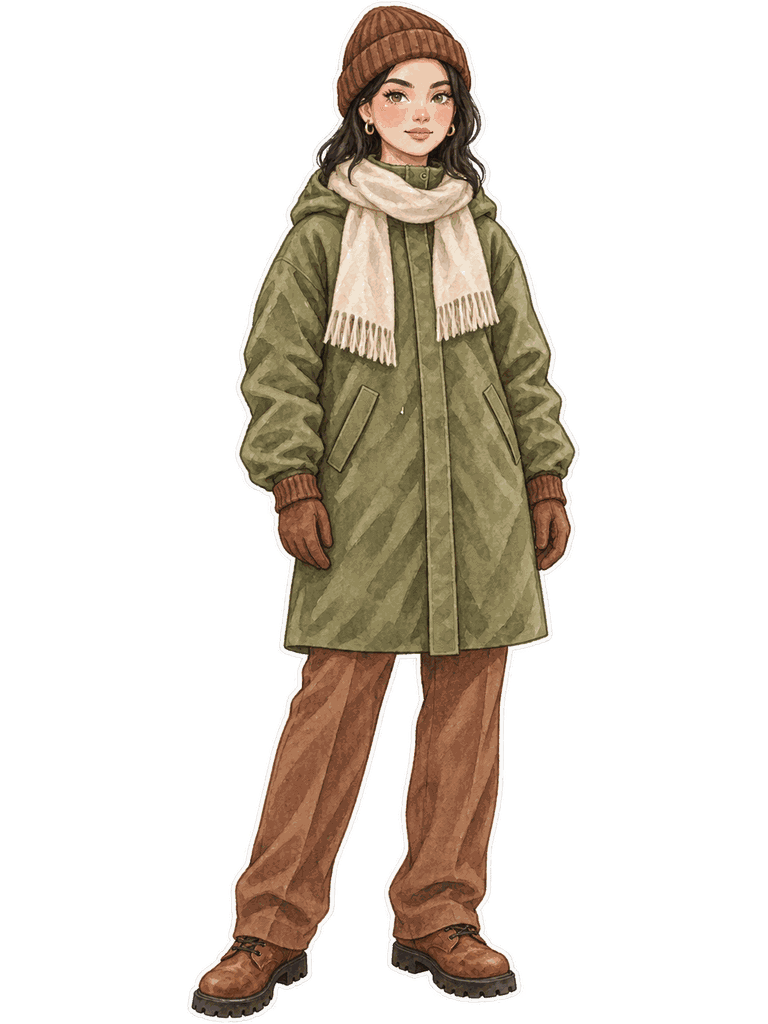
- Olive insulated coat to the knee — about 20 nights fall to freezing, and a dark coat shows up against snow after dark
- Oatmeal fleece under it — the afternoon reaches 7°C / 45°F, so it has to work alone indoors
- Brown waterproof lug boots — DC gives property owners 8 daylight hours after snow stops to clear the sidewalk
- Brown wool beanie — the DC Snow Team puts a hat first on its list
- Oatmeal scarf and brown insulated gloves — NOAA's 7am wind-chill normal is about −3°C
- Thick wool socks and a spare pair — snow lies an inch deep on about three and a half days
- Smooth soles the morning after snow — NWS says black ice is most prevalent in the early morning
- An ivory or cream coat for walking after dark — the DC Snow Team asks for clothing that contrasts with snow
- Canvas trainers — the DC Snow Team calls for water-resistant shoes or boots
- A cropped trouser over boots — snow on the ground goes straight down the shaft
Dress for the morning after snow. NOAA NCEI's normals make January the coldest month at Reagan National, 7.1°C / 45°F by day and −1.1°C / 30°F at night, with 4.9 inches of snow and about 20 nights at or below freezing. A normal January brings only about one day with an inch or more of new snow, but one storm goes further. On 5 and 6 January 2025 the National Weather Service recorded 7.2 inches at Reagan National, and federal offices closed for two days. DC law gives property owners "the first 8 hours of daylight" to clear a sidewalk. Pack insulation, a hat and a waterproof tread.
January is Washington's coldest month. Its snow normal is 4.9 inches, and a single storm can beat that: Reagan National took 7.2 inches on 5 and 6 January 2025.
The capsule
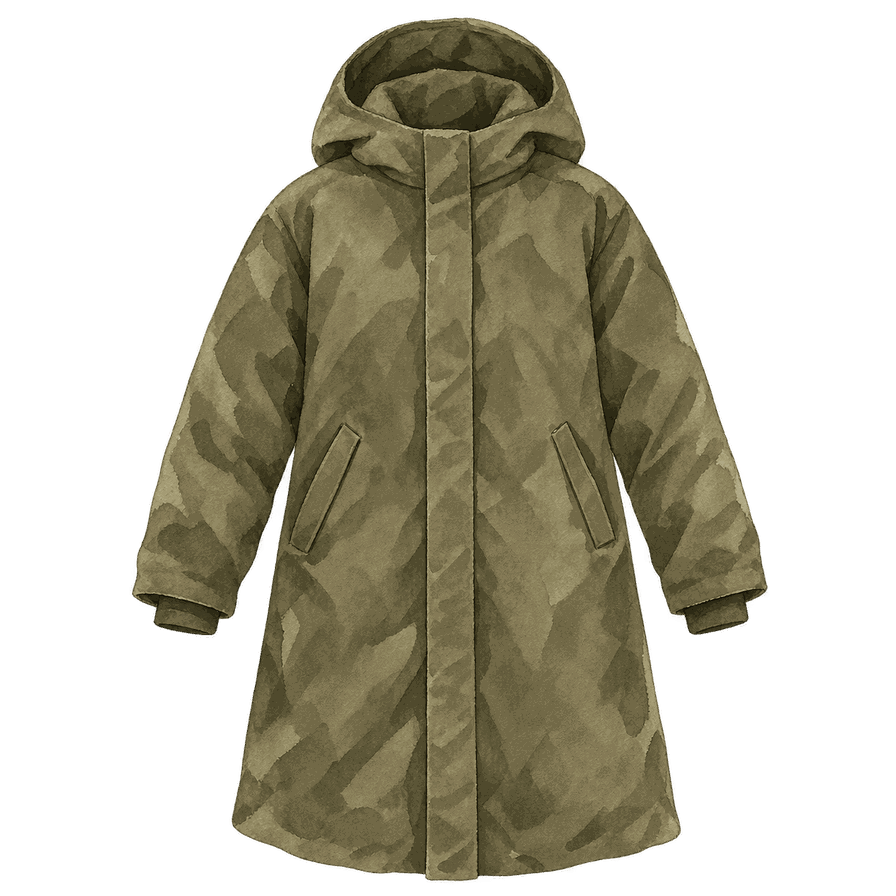 01Olive insulated coat, knee length, hooded
NOAA's hourly normals put a January 7am at Reagan National near 1°C, with a wind-chill normal of about −3°C, and about 20 nights fall to freezing. An insulated coat to the knee holds that off on a walk to the MLK Memorial. Olive stays dark against snow, and the DC Snow Team asks you to "wear outer clothing that contrasts with the white snow" at night.
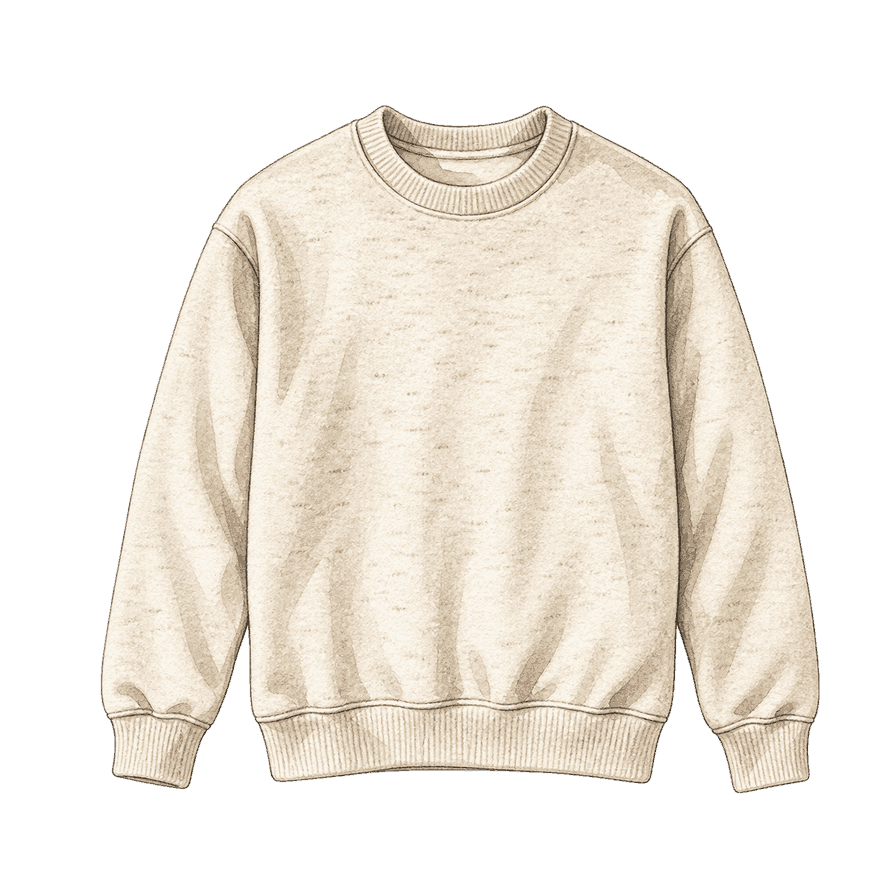 02Oatmeal fleece crew
The National Weather Service's cold-weather advice starts with "dress in layers", and in Washington the layer under the coat works double. The January afternoon reaches 7.1°C / 45°F, so the insulated coat comes off in every heated museum and restaurant, and the fleece has to look finished on its own. Oatmeal sits between the olive coat and the brown trousers and boots.
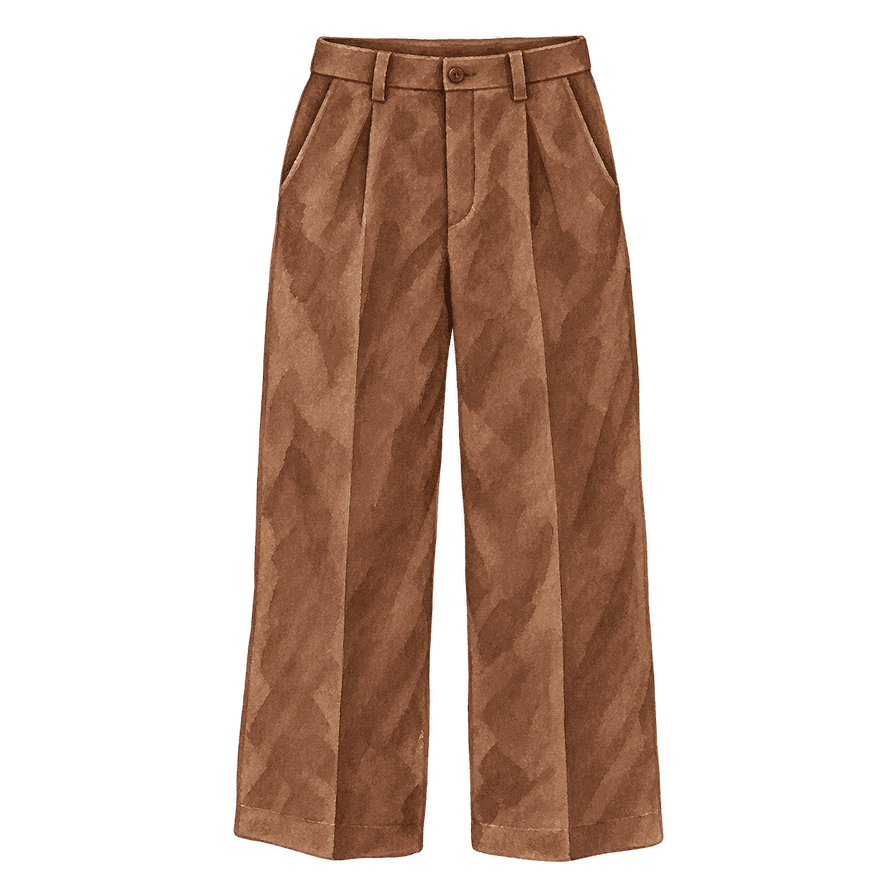 03Brown wool trousers, full length
NOAA counts about three and a half January days with an inch or more of snow on the ground at Reagan National. A full-length straight leg cut wide enough to sit over the boot shaft keeps that snow out of the boot. Wool stays warm when the hem gets damp, and brown matches the boots so the line runs unbroken to the ground.
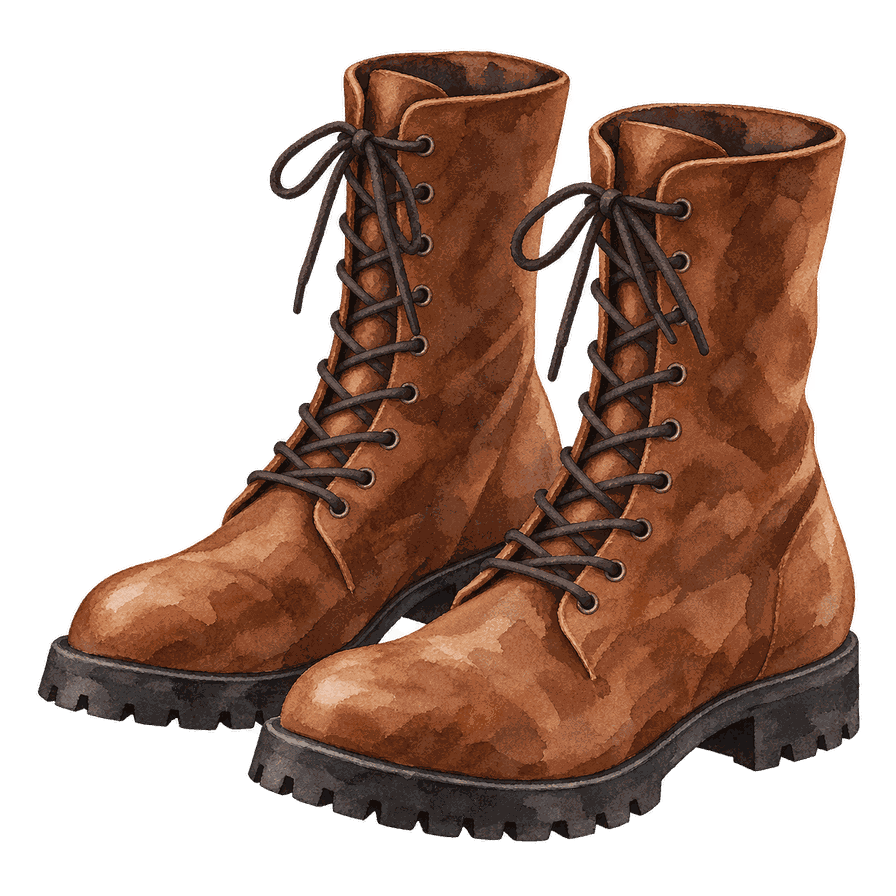 04Brown waterproof leather boots, lug sole
DC Code § 9–601 gives property owners "the first 8 hours of daylight after the ceasing to fall of any snow or sleet" to clear the sidewalk, so the morning after snow you walk on stretches nobody has shovelled yet, and the National Weather Service says black ice is worst in the early morning. A waterproof upper and a deep lug answer both.
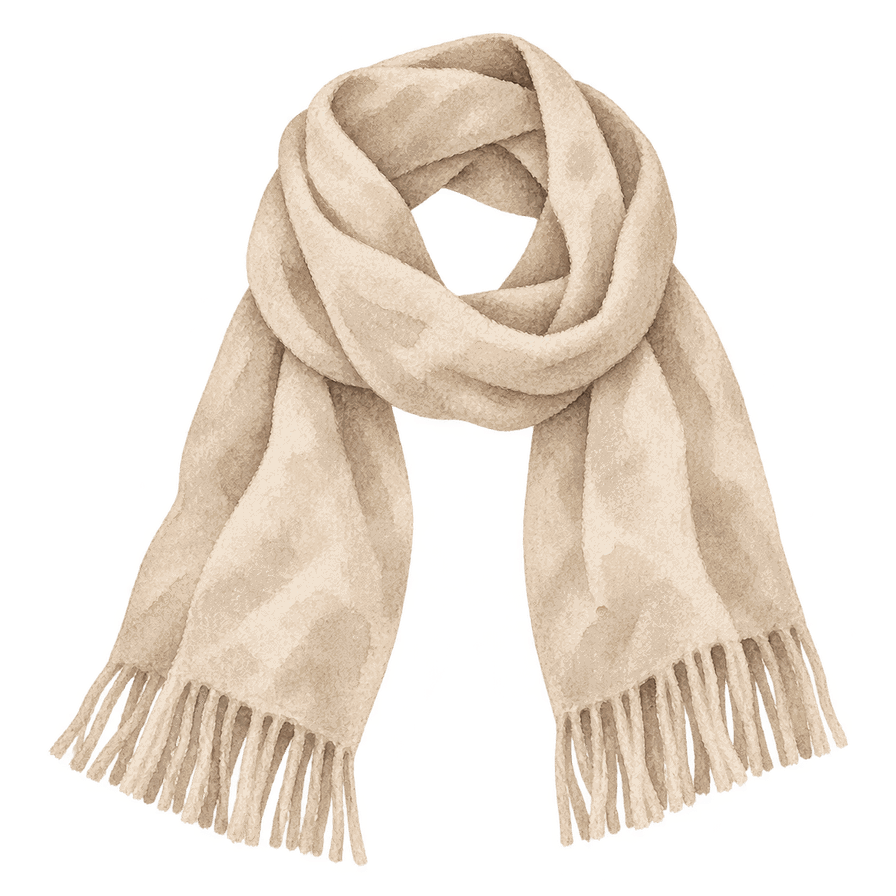 05Oatmeal wool scarf
NOAA's hourly wind-chill normal for a January 8pm is about 0°C, against an air temperature near 3°C, and sunset on MLK Day is about 5:13pm. A long wool scarf wound once closes the coat collar for the walk back after dark and comes off inside without leaving you overdressed. Oatmeal matches the fleece, so the outfit reads as one tone at the neck.
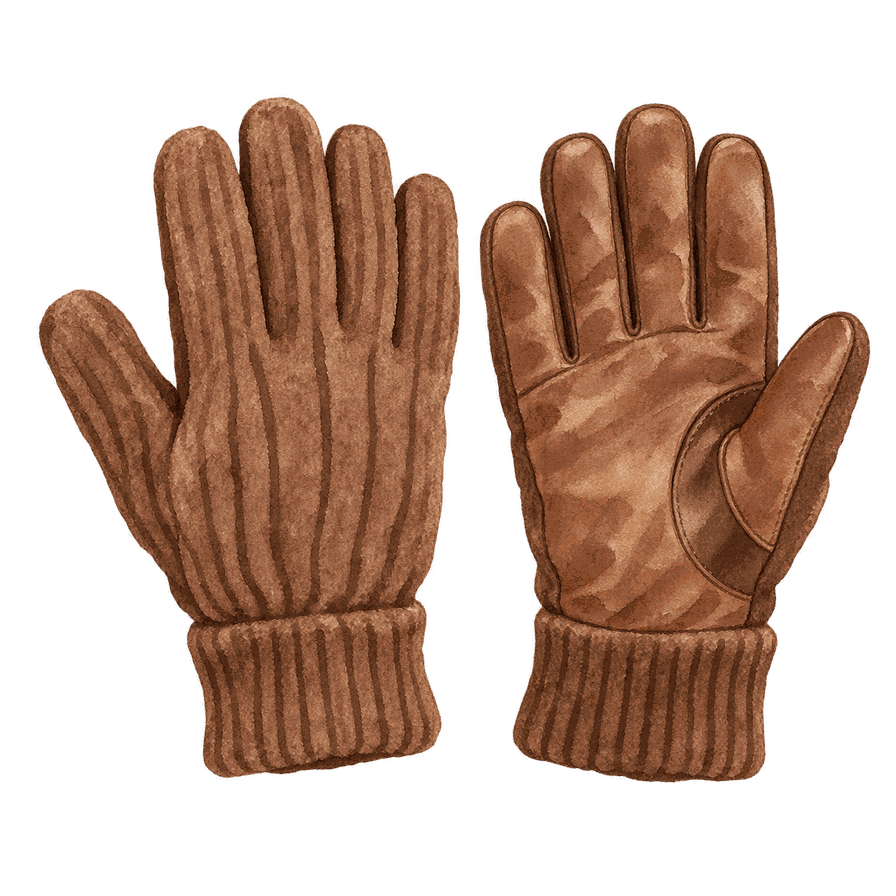 06Brown insulated gloves, leather palms
Gloves are on the DC Snow Team's list, and in January you wear them most of the time you are outside: the 7am wind-chill normal is about −3°C and afternoons only reach 7°C / 45°F. Insulation keeps your fingers working; a leather palm grips a cold handrail better than knit does. Brown matches the boots and the beanie.
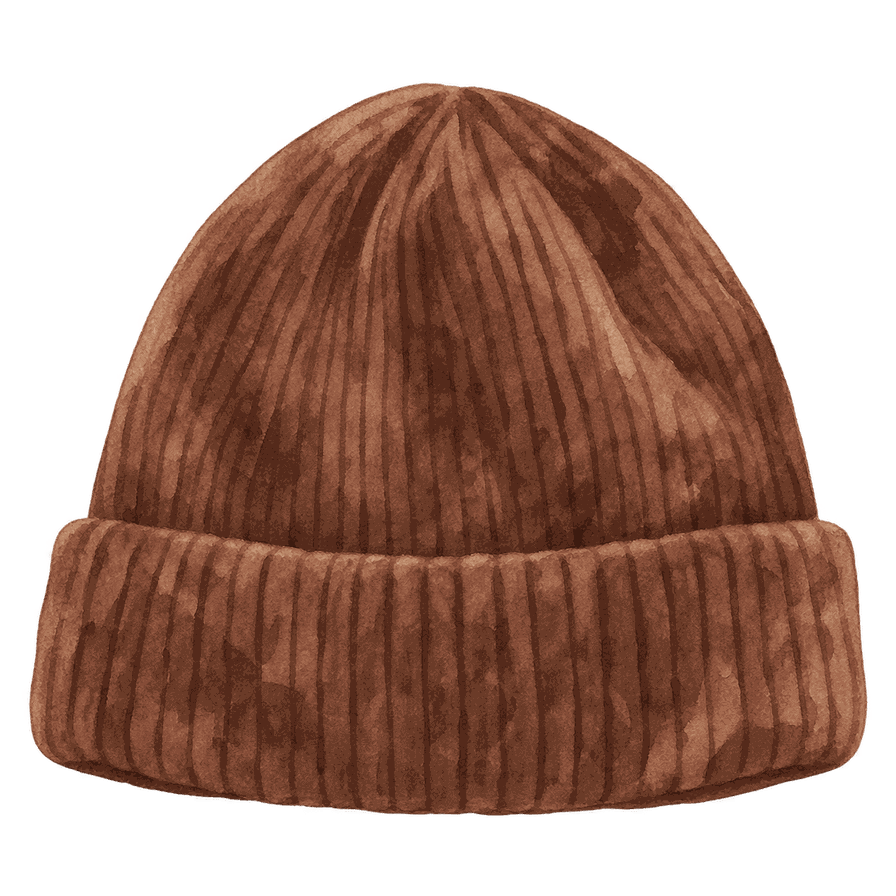 07Brown wool beanie, fine rib
The DC Snow Team's dress advice begins with the hat. A close rib in wool covers the ears on a −3°C wind-chill morning, sits under the coat hood in a snow shower, and folds into a pocket in a museum. Chocolate brown matches the gloves and boots.
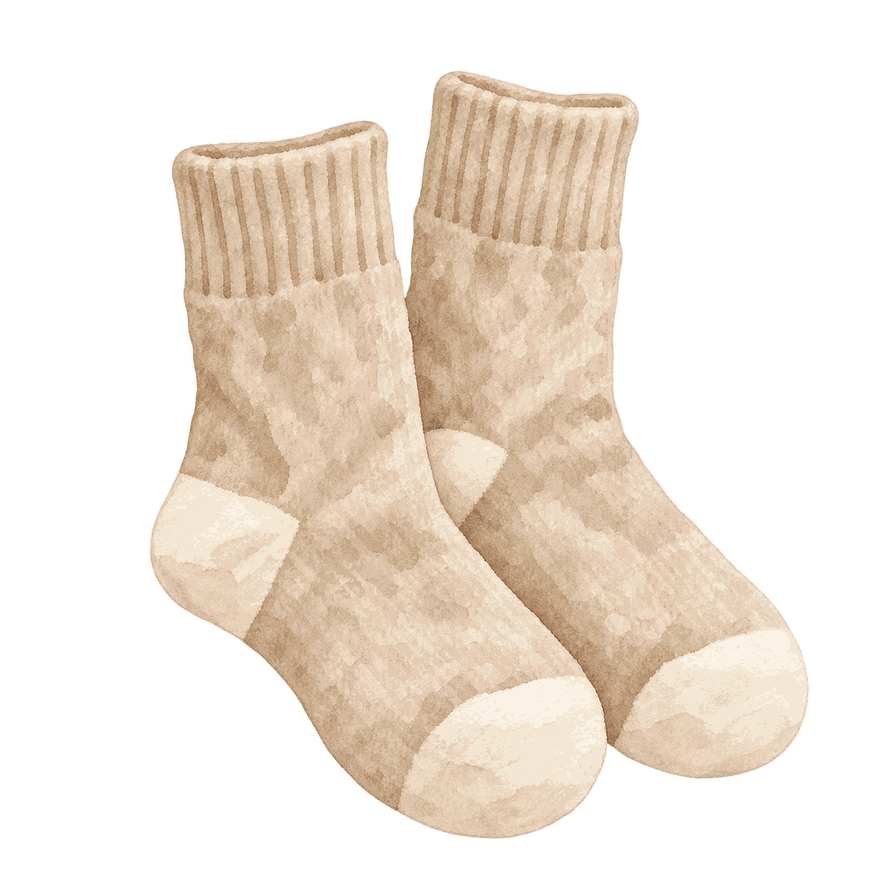 08Thick oatmeal wool socks, two pairs
Socks are on the DC Snow Team's list for a reason: a waterproof boot keeps snow out, but a cold sole still draws heat from your feet. Thick wool holds warmth when damp, and a second pair in a pocket covers the walk back. The National Weather Service says to change into dry clothing as soon as you are back inside if you are wet.
Day to night
Oatmeal fleece · brown wool trousers over thick socks · brown lug boots · olive coat zipped · beanie, scarf and gloves. After snow, start a little later: black ice is worst early, and sidewalks have until the eighth daylight hour to be cleared. On MLK Day, Monday 18 January, the memorial has rangers on duty from 9:30am. Sunglasses in the pocket against glare off fresh snow.
Coat off and the fleece alone in a heated museum or restaurant. Sunset is about 5:13pm on MLK Day and 5:28pm by the 31st. For the walk back the scarf and gloves go on, and the olive coat stands out against snow, as the DC Snow Team asks.
A suggested look — olive insulated hooded coat, brown wool beanie, oatmeal wool scarf, brown insulated gloves, brown wool trousers.
What to avoid
- Smooth soles — black ice is worst in the early morning
- Canvas trainers — water-resistant shoes or boots only
- An ivory or cream coat at night — wear one that contrasts with snow
- A cropped hem over boots — snow on the ground on about three and a half days
- No hat on a −3°C wind-chill morning — the DC Snow Team lists a hat first
Frequently asked questions
Cold, and the coldest month of the year at Reagan National. NOAA NCEI's climate normals give a January high of 7.1°C / 45°F and a low of −1.1°C / 30°F, 2.86 inches (73mm) of precipitation on about 10 days, 4.9 inches of snow and about 20 nights at or below freezing. February is slightly snowier, at 5.0 inches. The coldest hour is 7am, near 1°C on NOAA's hourly normals, with a wind-chill normal of about −3°C. Sunset moves from about 4:57pm on 1 January to 5:28pm on the 31st.
An olive insulated coat to the knee, an oatmeal fleece, brown wool trousers, brown waterproof lug-sole boots, a brown wool beanie, an oatmeal scarf, brown insulated gloves and two pairs of thick wool socks. That is the DC Snow Team's own list, plus the layers under it: "Dress properly for the weather, including a hat, scarf, coat, gloves, socks and water-resistant shoes or boots." Add sunglasses for a bright day after snow, which the Snow Team also recommends against glare.
4.9 inches in a normal January at Reagan National, with about one day bringing an inch or more of new snow and about three and a half days with an inch or more on the ground. Single storms run bigger. The National Weather Service recorded 7.2 inches at Reagan National on 5 and 6 January 2025 and wrote that "This storm impacted the region with numerous closures for several days." The U.S. Office of Personnel Management declared an office closure for federal workers on 6 and 7 January 2025, and also on 16 January 2024 and 26 and 27 January 2026. Its status covers "federal employees in executive agencies located inside the Washington Capital Beltway", not DC's own government or private businesses. Sidewalks are the owner's job, and DC Code § 9–601 allows 8 daylight hours after the snow stops, so the first morning is the slippery one.
The cold holds all month, so choose by the calendar. NOAA's daily normals keep the low between 0°C and −1°C from the 1st to the 31st and the high near 7°C, while sunset moves from about 4:57pm to 5:28pm. New Year's Day is a federal holiday, and OPM lists Monday 18 January 2027 as the "Birthday of Martin Luther King, Jr." The National Park Service says "The public may visit the Martin Luther King, Jr. Memorial 24 hours a day", with rangers on duty from 9:30am to 10pm, so an early visit and an after-dark one both work. The three most recent January office closures fell between the 6th and the 27th, so pack the boots whenever you come.
Colder and snowier. NOAA's normals give January 7.1°C / 45°F by day and −1.1°C / 30°F at night with 4.9 inches of snow and about 20 freezing nights, against December's 9.3°C and 1.4°C with 1.7 inches and about 13. December is a month of museums and the tree on the Ellipse, so our December guide is built on a charcoal wool coat, two knits and a small bag for security lines. January's days are colder walks on sidewalks that may not be cleared yet, so this guide swaps in an insulated coat, a fleece, a hat and waterproof lug boots.
A long coat and a scarf, the two pieces a president chose for a January swearing-in. Brooks Brothers records that the topcoat and scarf Barack Obama wore to his swearing-in in January 2009 made him "the 39th of 44 sitting U.S. Presidents to wear Brooks Brothers." The brand's ties to the city run back further: in 1946 it was sold to Washington, D.C.-based Julius Garfinckel and Company, by its own account. On a snow day the city's own dress code comes from the DC Snow Team: hat, scarf, gloves, socks and water-resistant boots, and after dark, outer clothing that contrasts with the snow.
Sources
- NOAA NCEI — 1991–2020 climate normals, Reagan National Airport (DCA) stationNOAA NCEI U.S. Climate Normals for USW00013743. Precipitation days count 0.01 in (0.25 mm) or more.
- NOAA NCEI — U.S. Climate Normals 1991–2020, monthly, Washington Reagan National Airport (USW00013743): temperature, precipitation days, snowfall and freezing nights — accessed 2026-10-23
- NOAA NCEI — U.S. Climate Normals 1991–2020, hourly, Washington Reagan National Airport (USW00013743): temperature and wind-chill normals by hour — accessed 2026-10-24
- NOAA NCEI — U.S. Climate Normals 1991–2020, daily, Washington Reagan National Airport (USW00013743): high and low by calendar day — accessed 2026-10-24
- U.S. Office of Personnel Management — Federal holidays: Christmas Day Friday 25 December 2026; Birthday of Martin Luther King, Jr. Monday 18 January 2027 — accessed 2026-10-24
- National Park Service — Martin Luther King, Jr. Memorial: open 24 hours, rangers on duty 9:30am–10pm — accessed 2026-10-24
- U.S. Office of Personnel Management — Snow and dismissal procedures: who the Washington operating status covers — accessed 2026-10-24
- U.S. Office of Personnel Management — Washington, DC, area status archive: Office Closure on 16 January 2024, 6–7 January 2025 and 26–27 January 2026 — accessed 2026-10-24
- National Weather Service Baltimore/Washington — 5–6 January 2025 winter storm: 7.2 inches at Reagan National — accessed 2026-10-25
- Council of the District of Columbia — DC Code § 9–601: owners clear the sidewalk within the first 8 hours of daylight after snow or sleet stops — accessed 2026-10-24
- DC Snow Team (snow.dc.gov) — Snow safety tips: what to wear, contrast with snow at night, sunglasses against glare — accessed 2026-10-24
- National Weather Service — Ice and frost safety: black ice is most prevalent in the early morning — accessed 2026-10-24
- National Weather Service — What to wear during extremely cold weather — accessed 2026-09-27
- Brooks Brothers — Our Heritage: great coat for Abraham Lincoln's second inauguration (1865); sold to Washington, D.C.-based Julius Garfinckel and Company (1946); Barack Obama's topcoat and scarf at his 2009 swearing-in — accessed 2026-10-25