What to Wear in Boston in December
Boston in December: 6°C / 43°F days against -1°C / 30°F nights — the first freeze-thaw month, and brick sidewalks that ice over.
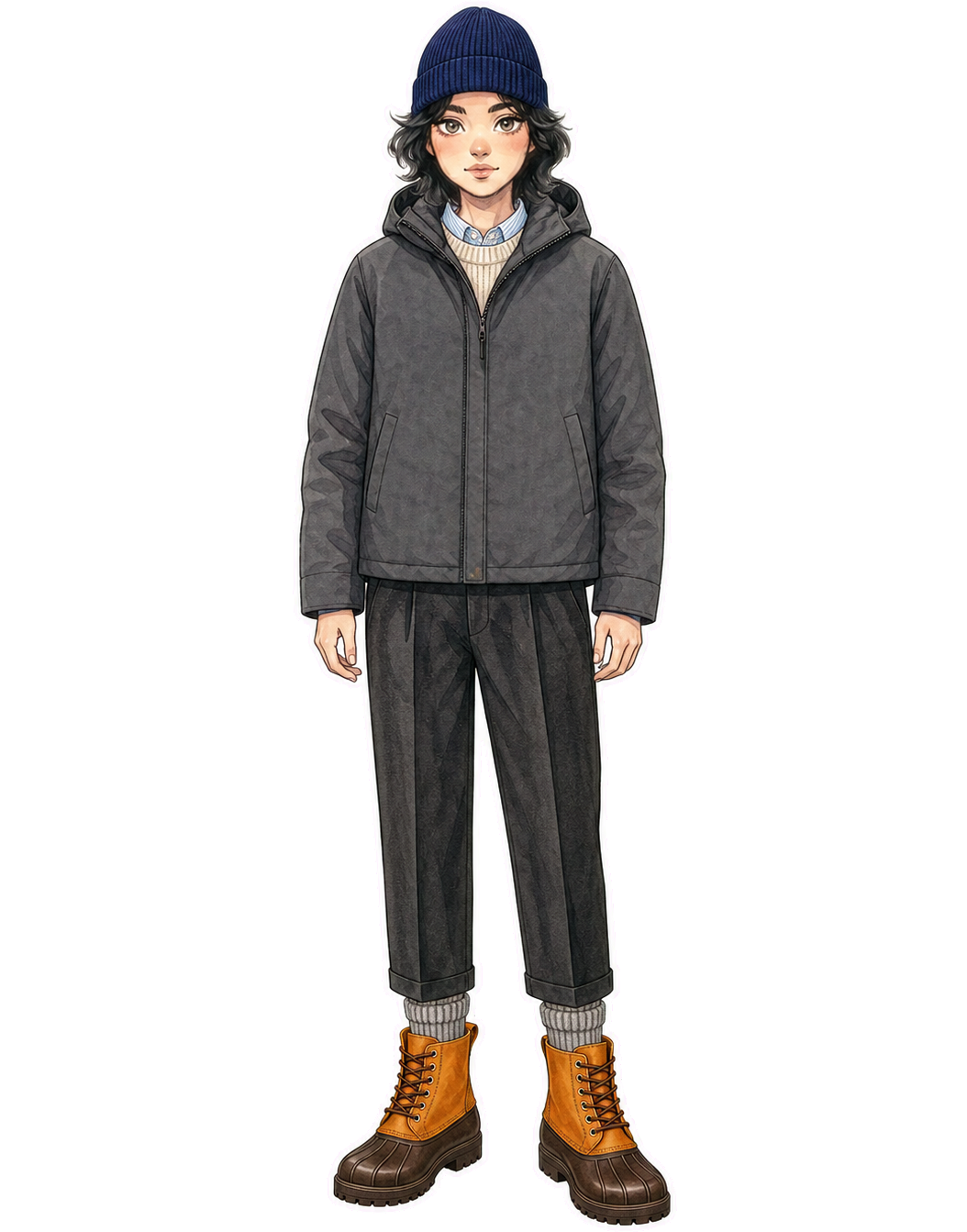
- An insulated hooded parka — this is genuinely below freezing overnight
- A heavyweight cream fisherman knit, the one warm layer
- Lined wool trousers; the lining is what makes -1°C / 30°F workable
- Ribbed wool socks, turned over the boot
- Duck boots with a rubber bottom and a lug sole
- A close-fitting wool watch cap that sits under the hood
- Wear smooth soles — refrozen melt on brick is the specific hazard here
- Wear suede; 7.2 of the 12 wet days are properly wet, then they freeze
- Bring an umbrella — half of December's precipitation is not rain
- Underestimate the gap — the day is above freezing and the night is not
December is the first month where Boston's afternoon is above freezing and its night is below. Everything difficult about the month lives in that gap. NOAA's records from the Logan station give a December average high of 5.8°C / 42.4°F and an average low of -1.4°C / 29.5°F across 1991-2020, with measurable precipitation on 11.9 days of which 7.2 clear a tenth of an inch. Read those two temperatures together and the mechanism is obvious: whatever falls or melts during the day refreezes after dark, every night, for a month. On Beacon Hill, where the sidewalks are brick laid over roots and settle into dips that hold water, that produces sheets of clear ice by seven in the morning in places that looked merely wet at four the previous afternoon. It is the single most common way visitors get hurt here. The regional answer has existed since 1912, when L.L.Bean started making a rubber-bottomed, leather-topped boot in Freeport, Maine for exactly this ground. Everything else follows from the same logic: lining rather than layers you will shed, wool that keeps working wet, and a hood instead of an umbrella, because a good share of December's precipitation is not rain.
December is the first month where Boston's afternoon is above freezing and its night is below. Everything difficult about the month lives in that gap.
The capsule
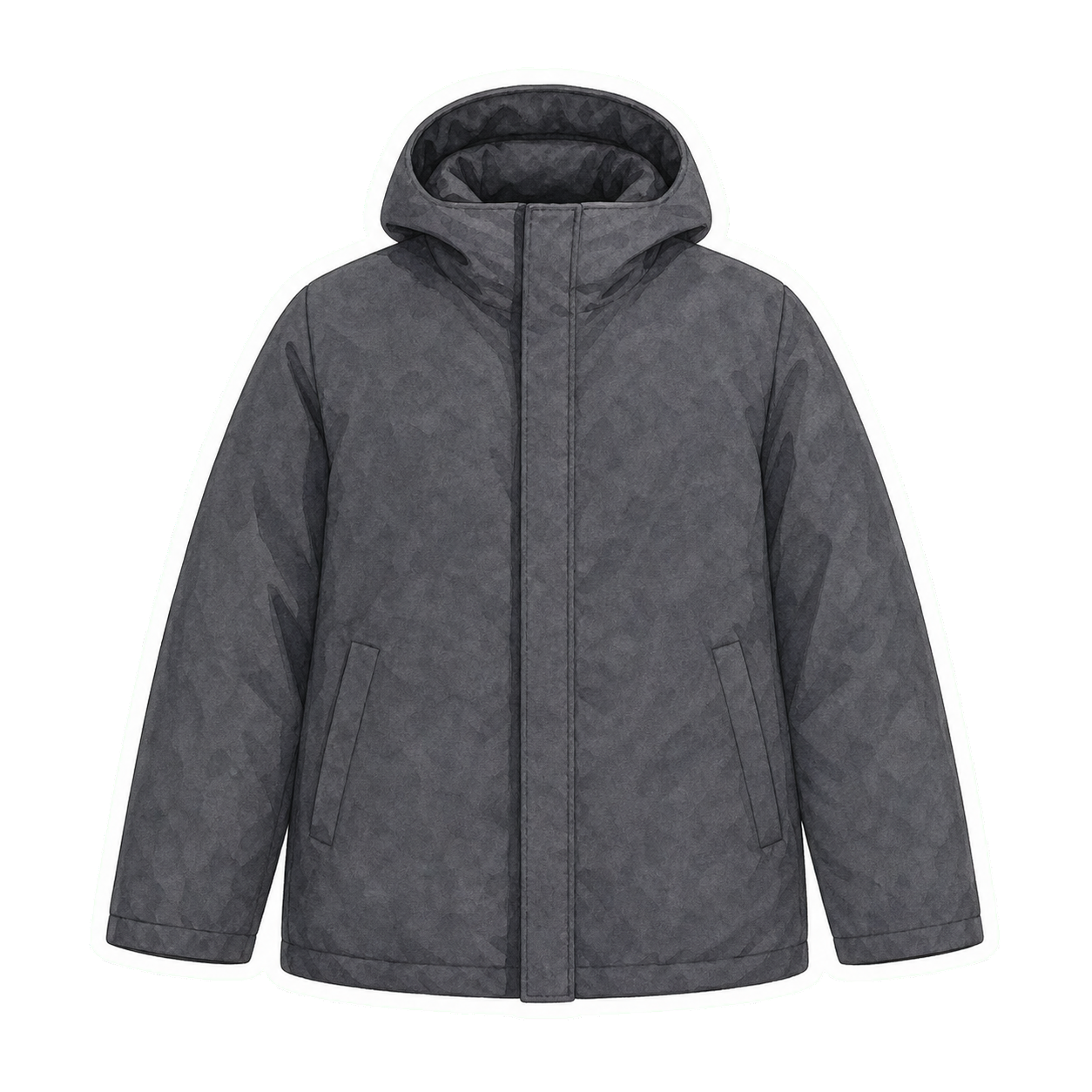 01Charcoal insulated hooded parka, hip length
Genuine insulation rather than a wool coat, because an overnight normal of -1.4°C means you are outdoors below freezing every evening of the trip. Hip length keeps it manageable on the T and in a restaurant, and sealed seams matter when nearly two-thirds of the month's precipitation days are properly wet. A hood removes the umbrella question entirely.
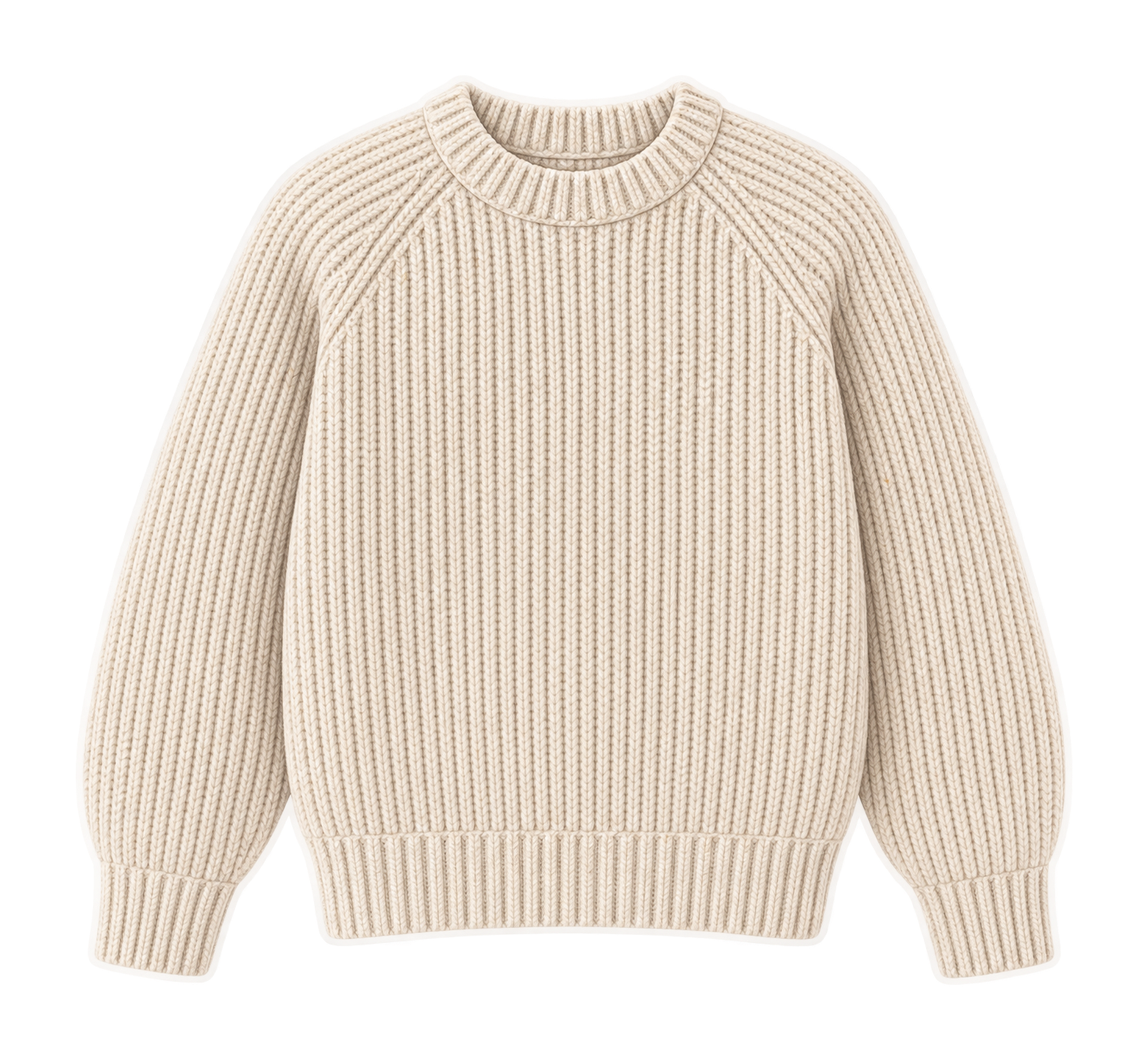 02Cream fisherman-rib wool knit, heavyweight
One heavy knit does the whole month if it is the right one. Fisherman rib traps more air than a flat knit at the same weight, and wool keeps insulating when damp, which it will be given the freeze-thaw cycle. Cream against a charcoal parka is the New England register and stops the whole outfit reading as technical winter kit.
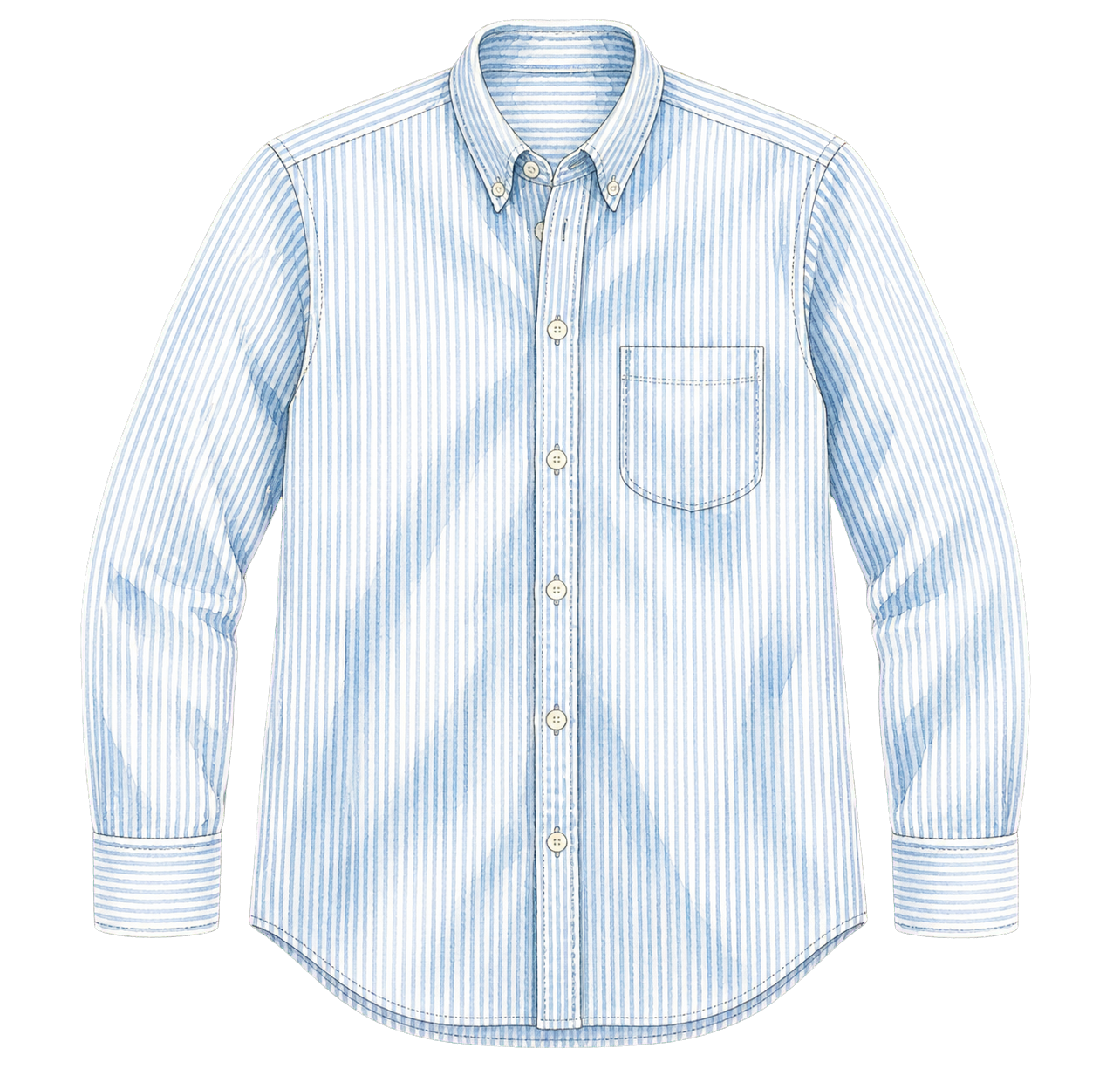 03Blue-and-white striped oxford button-down
Under the knit, collar out, which is doing a small amount of Boston-specific work — the oxford button-down is the regional uniform and it keeps a heavy winter outfit from looking like ski gear in a restaurant on Charles Street. Cotton is fine here because it sits under two warmer layers and never faces the weather directly.
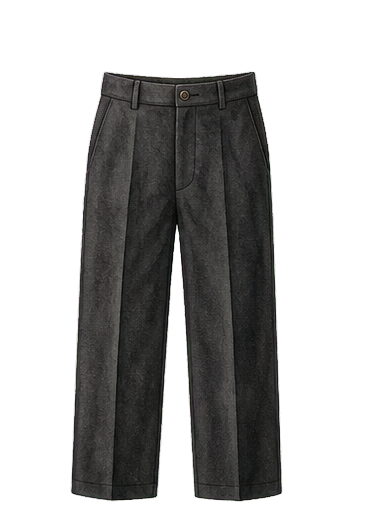 04Charcoal lined wool trousers, straight leg
Lined is the specification that matters, exactly as it would be in Helsinki. An unlined wool trouser passes wind straight to the front of the thigh, and at -1.4°C overnight you notice that within a block of walking the Common. Straight leg so the hem sits over a duck boot without riding up and leaving an ankle gap.
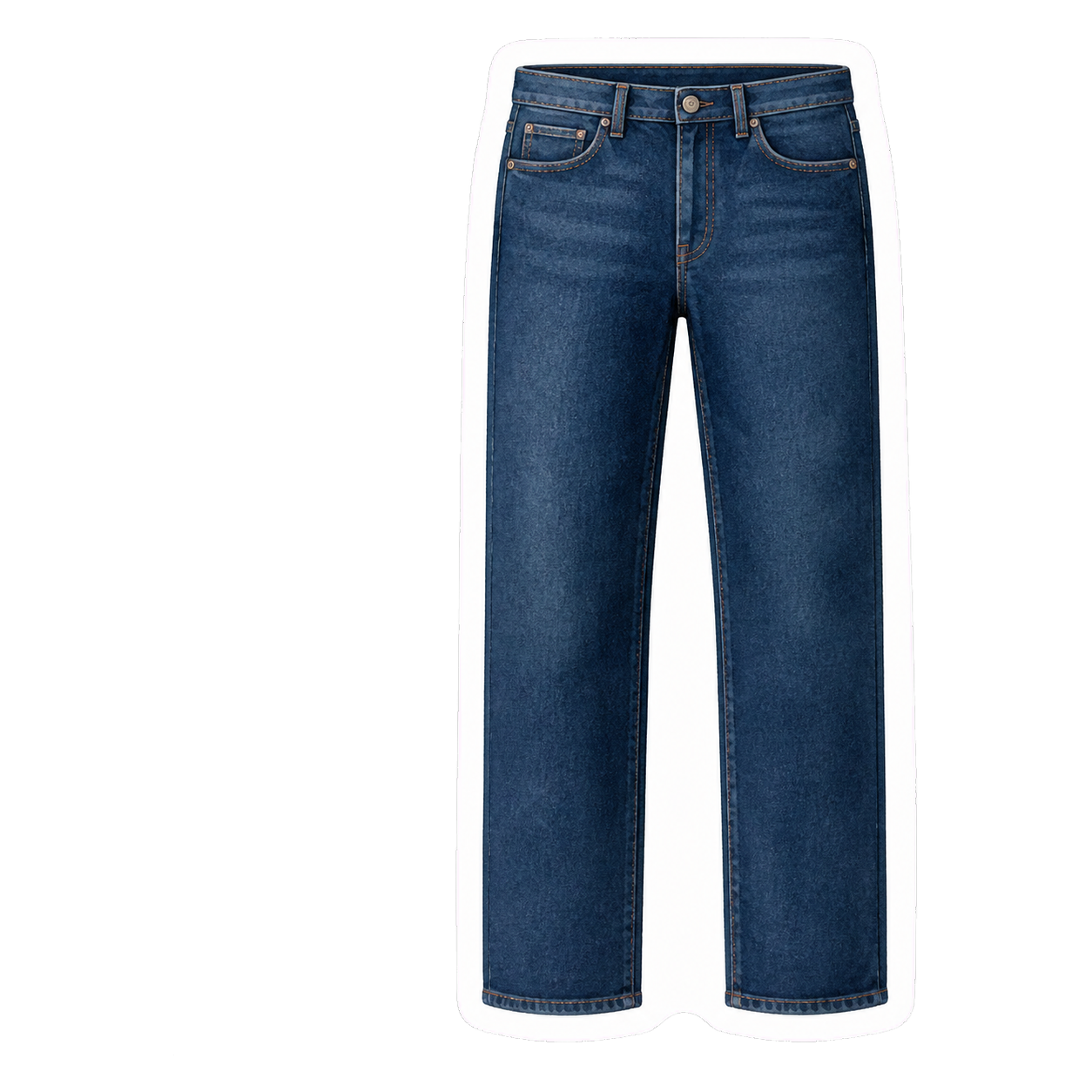 05Dark indigo straight-leg jeans
The daytime alternative, for the North End and Cambridge rather than dinner. Dark indigo hides the salt spray that gets onto everything once the city starts treating pavements, which happens the moment the freeze-thaw begins. Plain and unfaded, since salt marks show worst on a light wash.
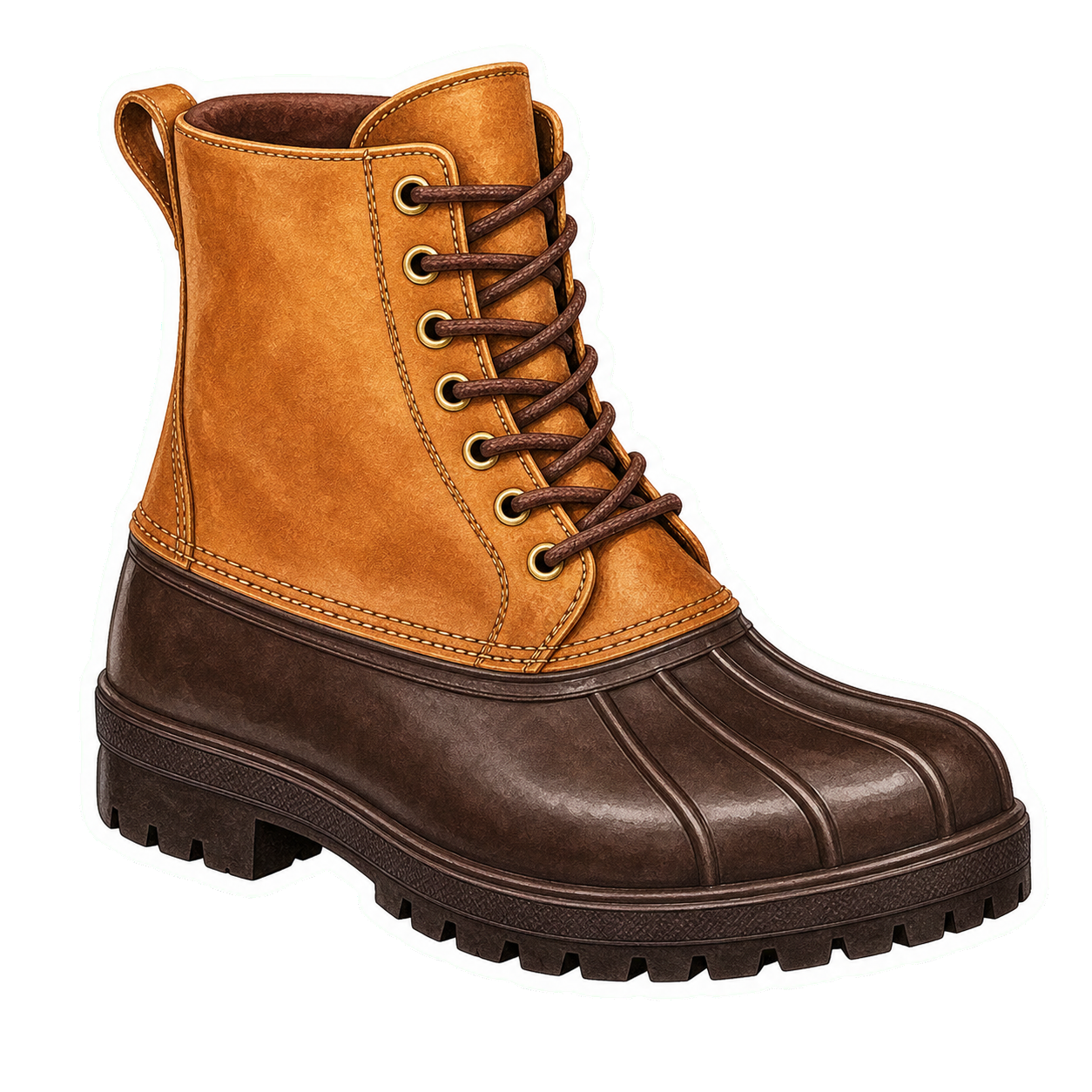 06Rubber-bottom leather-top duck boot, lug sole
L.L.Bean has been making this boot in Freeport, Maine since 1912 for precisely this ground, and nothing has improved on it. The rubber bottom handles slush and salt that would destroy a leather sole; the lug handles refrozen melt on brick. Beacon Hill's sidewalks are the specific hazard — brick over roots, holding water that ices overnight.
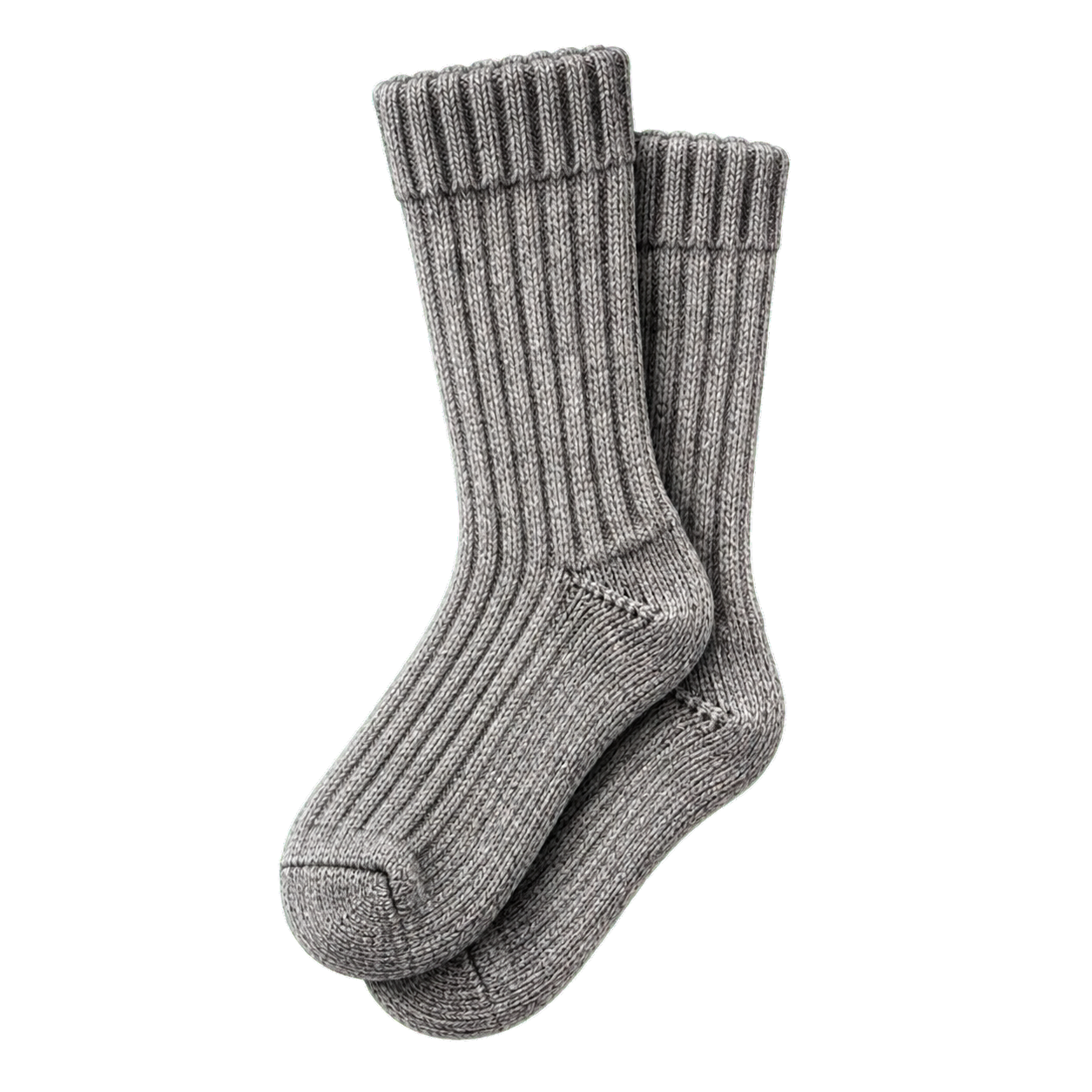 07Grey ribbed wool socks
Turned over the top of the boot, which is both how it is worn here and functionally correct — it closes the gap where cold gets in at the ankle. Wool rather than cotton because a duck boot does not breathe much and a damp cotton sock at -1.4°C is genuinely unpleasant. Buy two pairs; one will always be drying.
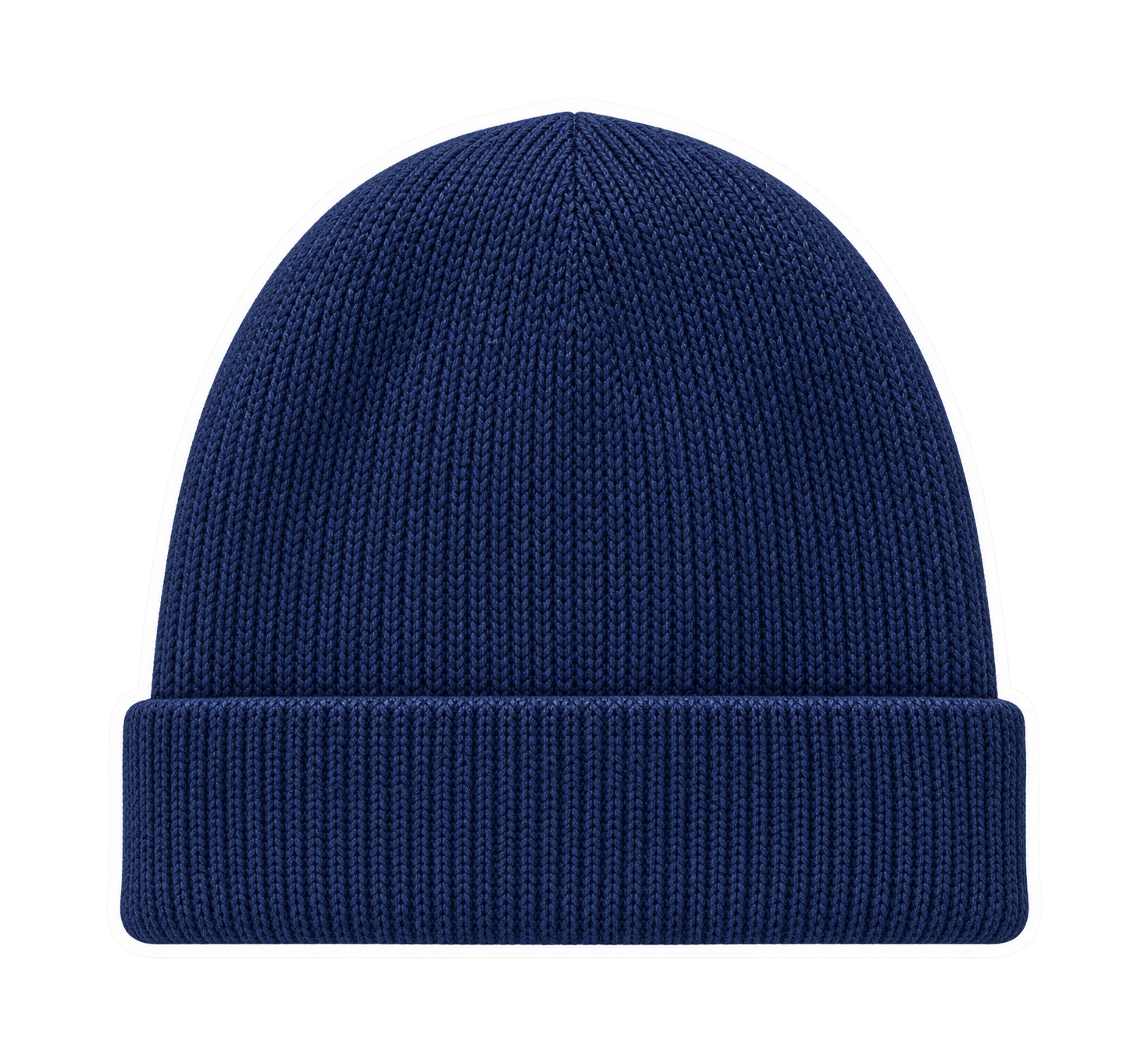 08Navy wool watch cap, close-fitting
Close-fitting so it sits under the parka hood without pushing it off, which a slouchy fold will. Wool keeps working damp, and December will make it damp. No pom and no logo: the watch cap here is a working garment with a harbour lineage rather than a ski accessory, and the plain version is what people actually wear.
Day to night
Striped oxford under the fisherman knit · lined wool trousers · wool socks turned over the duck boots · watch cap · parka zipped, hood down. The Common and the Public Garden early, when the brick is still iced from overnight.
Same knit over the oxford · dark indigo jeans · boots · hood up. Dinner in the North End at seven; it is below freezing on the walk back and the lining is why that is a walk rather than a cab.
A suggested look — zipped charcoal parka, cream fisherman knit over striped oxford, charcoal wool trousers, grey socks over tan-and-brown duck boots, navy watch cap.
What to avoid
- Smooth soles — refrozen melt on Beacon Hill brick is how visitors get hurt
- Suede — 7.2 properly wet days, then salt treatment on top
- An umbrella — a good share of December's precipitation is not rain
- Unlined trousers or boots — both pass cold straight through at -1.4°C
- Long outdoor stretches after four — the light goes and the refreeze starts
Frequently asked questions
Cold, wet and freezing overnight. NOAA's records from the Logan station give a December average high of 5.8°C / 43°F and an average low of -1.4°C / 30°F over 1991-2020, with measurable precipitation on 11.9 days of which 7.2 clear a tenth of an inch. Daylight falls to about 9h 5m. It is the first month of the year in which the overnight normal sits below freezing while afternoons stay above it.
Some of the month's precipitation is snow, but December is more often a mixed month than a reliably snowy one — the afternoon normal of 5.8°C / 43°F is well above freezing, so a good deal of what falls arrives as rain or melts on contact and then refreezes after dark. That freeze-thaw pattern, rather than snow depth, is what actually shapes the footwear decision.
A rubber-bottomed, leather-topped duck boot with a lug sole, worn with a wool sock. L.L.Bean has made the pattern in Freeport, Maine since 1912 for this exact ground. The hazard is not snow but refrozen melt on brick sidewalks, particularly on Beacon Hill where the brick settles into dips that hold water. A smooth leather sole on that is genuinely dangerous.
Yes — an insulated parka rather than a wool overcoat. With the overnight normal at -1.4°C / 30°F you will be outdoors below freezing every evening, and wool alone will not cover it once wind comes off the harbour. Hip length with a hood and sealed seams is the right shape; a floor-length coat becomes a nuisance on the T and in restaurants.
It is good for a specific kind of trip. The Common tree lighting in early December, the Public Garden under lights, and the North End at Christmas are genuinely worth the cold, and the city's museums and bars are at their best in bad weather. But daylight is down to about nine hours, it freezes every night, and the freeze-thaw makes walking the historic neighbourhoods more demanding than visitors expect.
Sources
- NOAA — 1991–2020 climate normals, Boston Logan stationStation USW00014739. Mean of 30 complete Decembers, 1991–2020, in NOAA's global summary of the month; within 0.2°C of the published US monthly normal.