What to Wear in Buenos Aires in November
Buenos Aires in November: 25°C / 77°F afternoons, 17°C / 63°F nights, jacarandas from mid-month — and a city that eats at ten.
- A navy unstructured blazer — this city dresses up, and evening starts late
- A plain white cotton shirt for the 25°C / 77°F afternoon
- A black silk camisole, which is the milonga layer
- Stone tailored trousers with a pressed crease
- Low-heel shoes with a strap that stays on for dancing and broken pavement
- A fine linen cardigan for the eight-degree drop after midnight
- Wear shorts in the evening — you will be the only one
- Pack anything you cannot still be wearing at 3am
- Bring a heavy coat — 17°C / 63°F at night is mild
- Assume November is peak heat — that is December and January
In Buenos Aires the clock sets the outfit, not the thermometer. NOAA's records from the Aeroparque station give a November average high of 25.1°C / 77.2°F and an average low of 16.7°C / 62.1°F across 1991-2020, with measurable precipitation on only 7.7 days. Those are easy numbers. The complication is that this city runs several hours later than almost anywhere else you have packed for: restaurants fill at ten, a milonga does not get going until well after midnight, and the walk home happens at three in the morning at around seventeen degrees. So the same outfit has to survive a twenty-five degree afternoon in Palermo and an eight-degree drop eleven hours later, which is why a packable layer matters more here than a warm one. November is also jacaranda season. From roughly the middle of the month the trees that line Avenida Figueroa Alcorta and much of Recoleta and Palermo come into flower and the city turns purple for two or three weeks, which is the single best argument for coming now rather than in the December heat. Dress a step up from what you would wear at the same temperature elsewhere. Porteños do, and the gap is noticeable.
In Buenos Aires the clock sets the outfit, not the thermometer. Dinner is at ten and the dancing starts at midnight.
The capsule
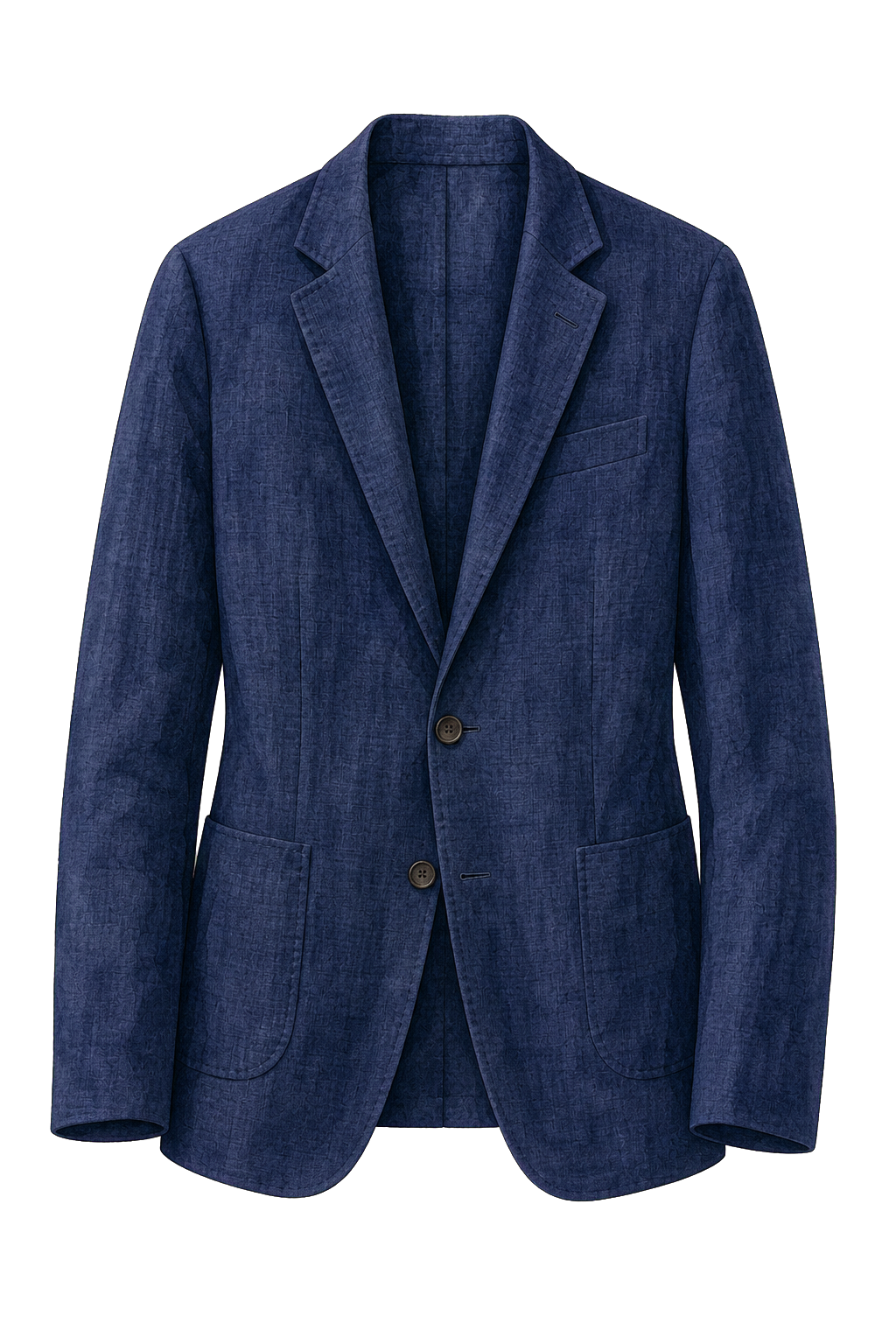 01Navy unstructured cotton blazer, unlined
Buenos Aires dresses up more than any other warm-weather city in this collection, and an unlined cotton blazer is how you meet that without overheating at 25.1°C. Soft shoulder and patch pockets rather than anything formal, so it works over a shirt at lunch and over a camisole at midnight. Navy because it reads correctly at both ends of that day.
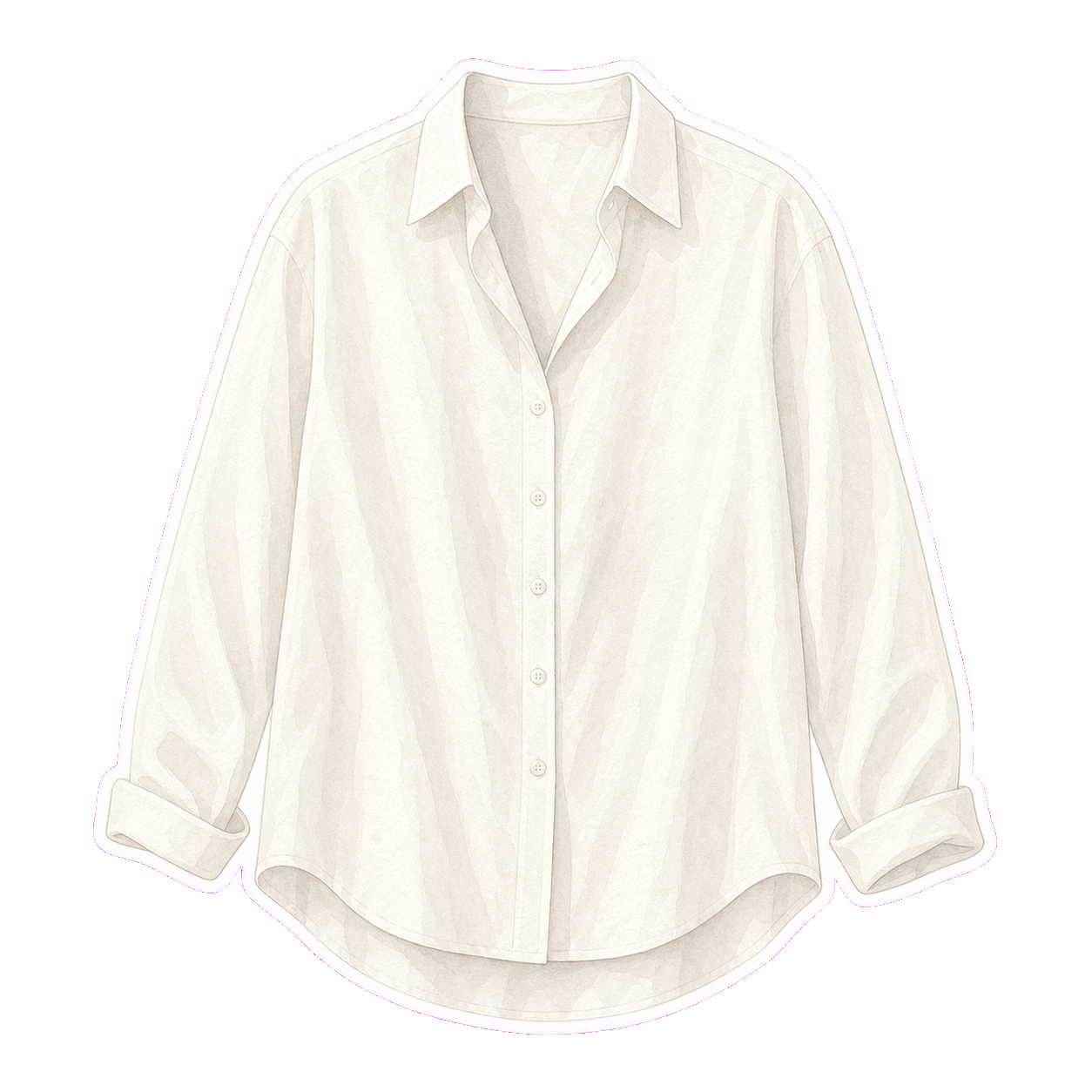 02Plain white cotton shirt, point collar
Daytime half, and plain to the point of pocketless, which is the register here — Porteño dressing is closer to Milan than to Sydney, and detail reads as fuss. White handles a 25.1°C afternoon under the jacarandas and takes the blazer over it without bulking at the shoulder.
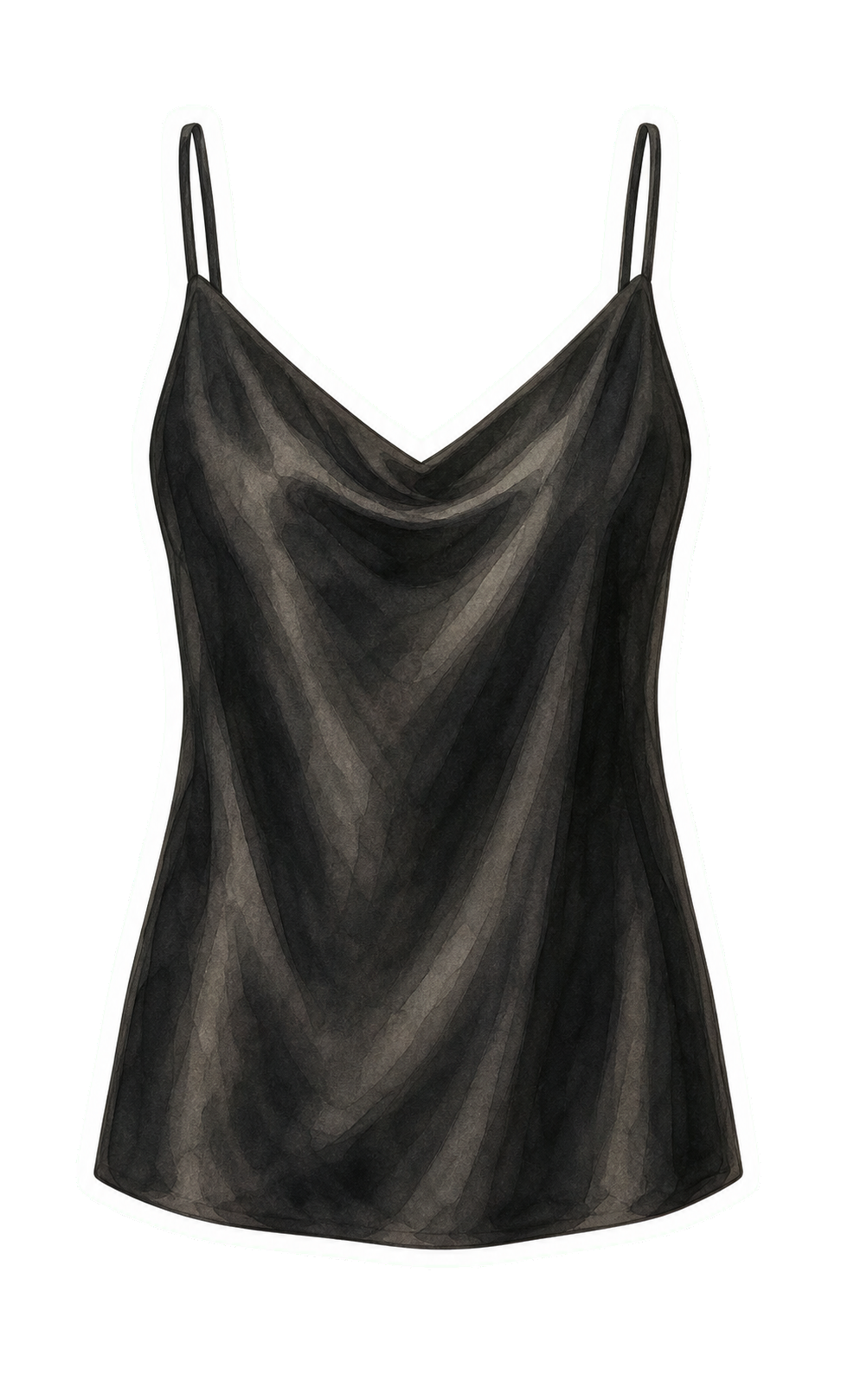 03Black silk camisole
This is the milonga layer and the reason the same blazer works after midnight. Silk because a dance floor in a room with no air conditioning gets genuinely warm and cotton will show it. Black because every tango room in San Telmo and Almagro is dim, and because it disappears under the blazer on the walk there.
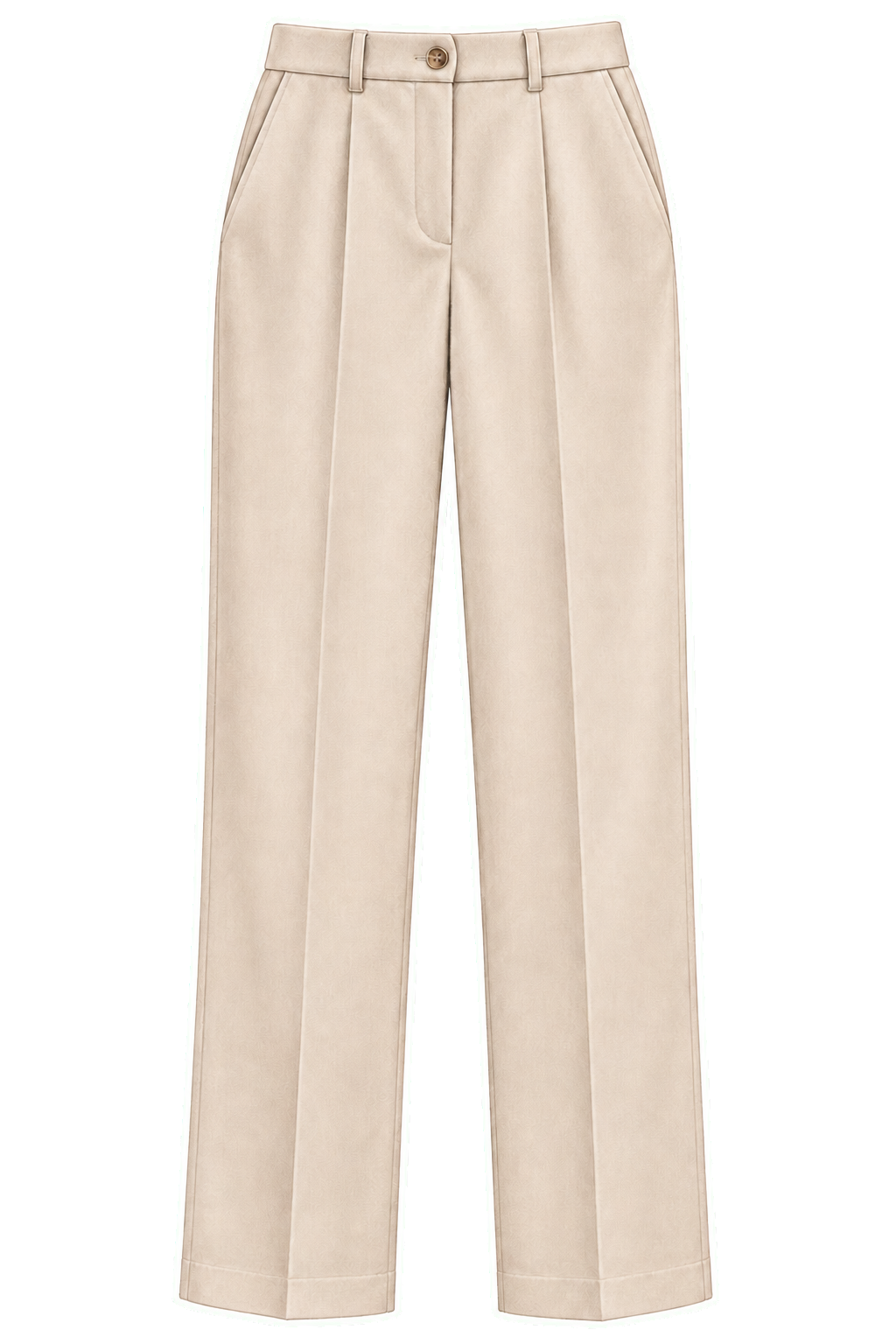 04Stone tailored trousers with a pressed crease
The crease is doing real work: it is what separates a trouser from a chino in a city that notices. Stone rather than white, which the dust of a Palermo pavement finds by mid-afternoon. Straight leg and full length, since shorts in the evening here will make you the only person wearing them.
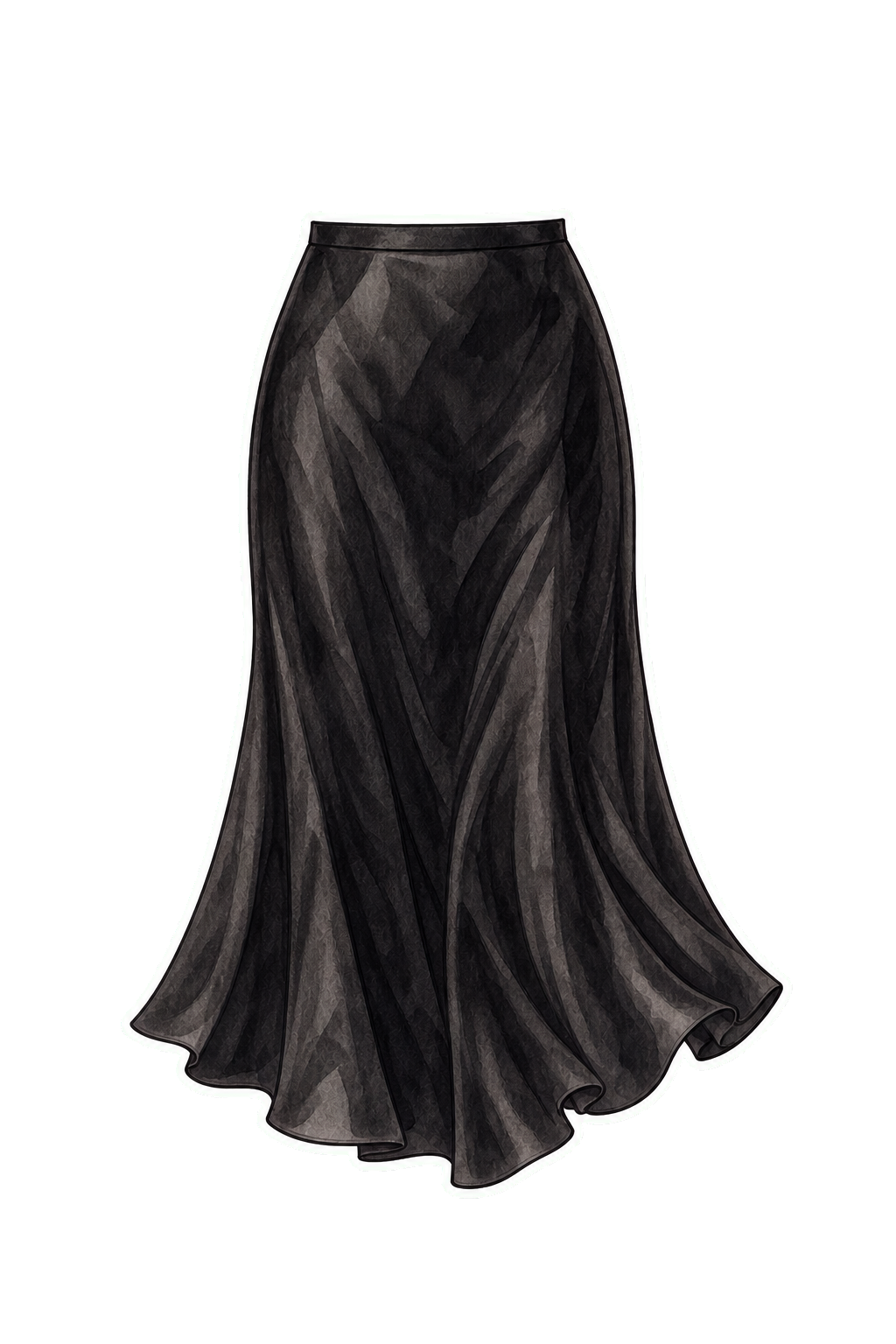 05Black bias-cut midi skirt
Bias cut so it moves, which matters if you end up dancing and looks right even if you do not. Midi length is the local proportion. Black pairs with both the camisole and the white shirt, so one skirt covers a gallery afternoon in Recoleta and a milonga the same night without a change of anything else.
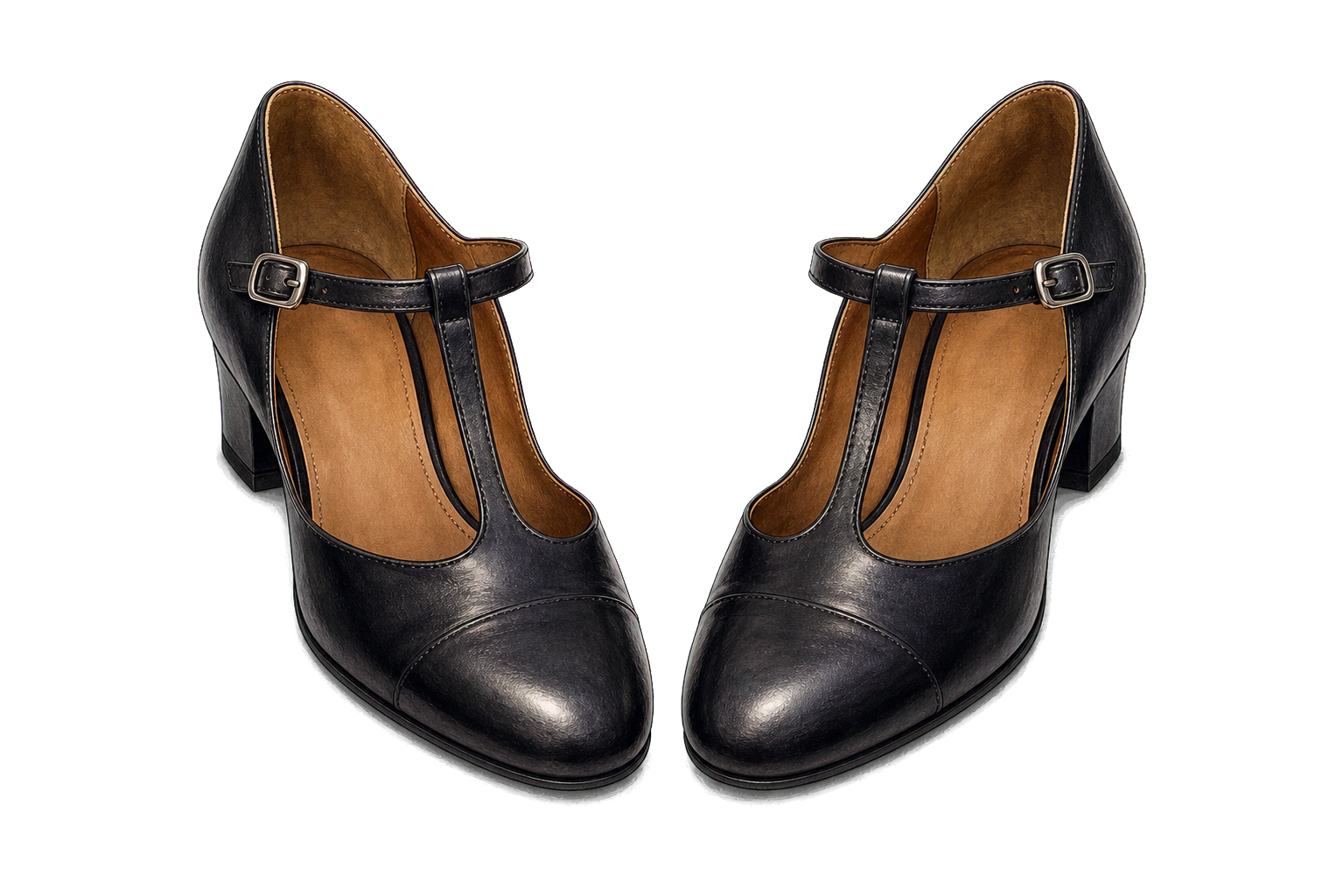 06Black leather low-heel with a strap
The strap is the specification, for two separate reasons. Recoleta and San Telmo have genuinely broken pavement and a backless shoe becomes a hazard after dark. And if you go to a milonga, a shoe that stays on your foot is the difference between dancing and watching. Low heel so you can walk the twenty blocks that a Buenos Aires evening involves.
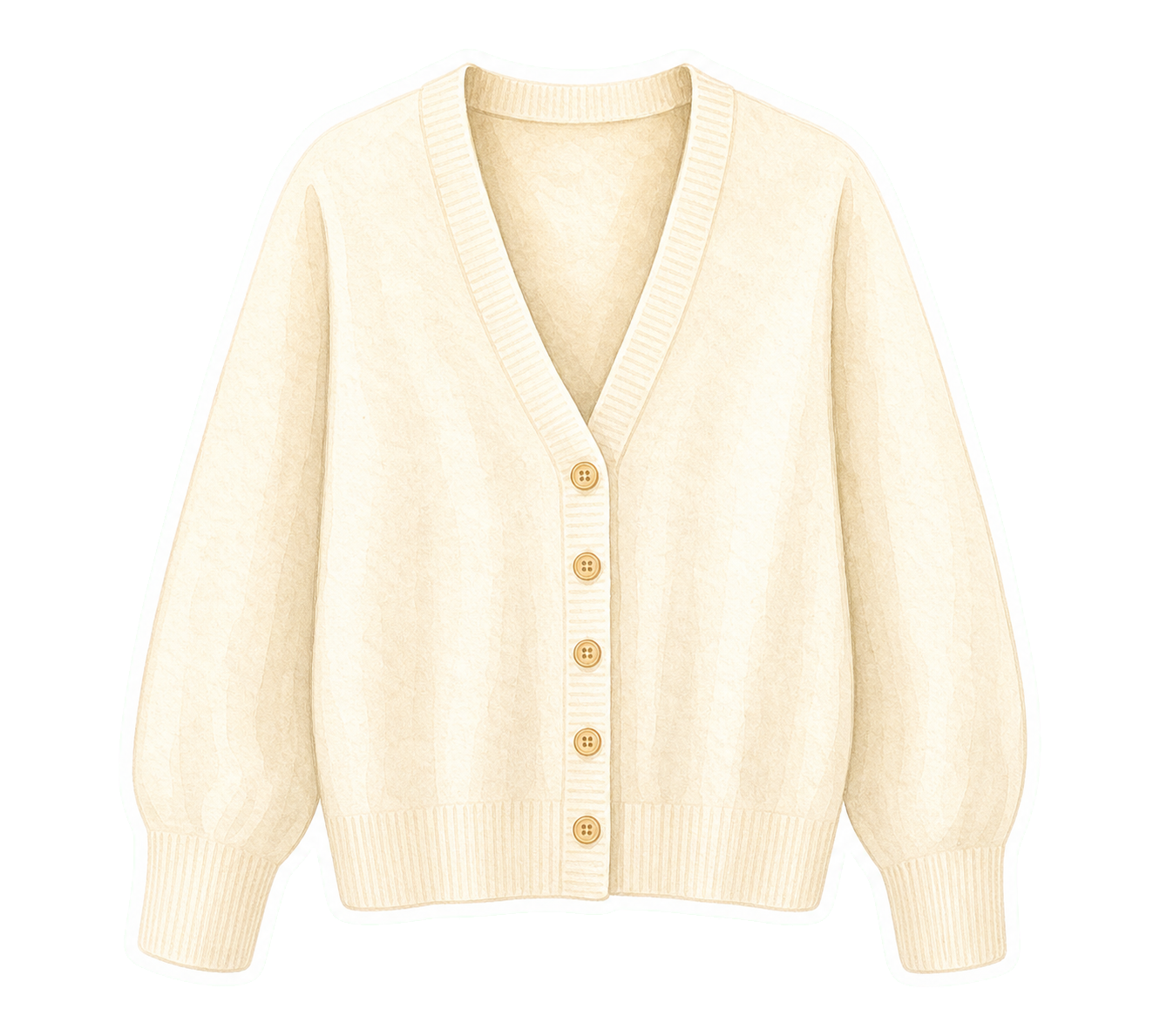 07Fine ivory linen-cotton cardigan, packable
Eight degrees separate the afternoon from the three in the morning walk home, and this is the layer that closes it without being a coat you regret carrying at lunch. Linen-cotton rather than wool, which at 25.1°C would never come out of the bag. Ivory keeps it from reading as an evening piece when you wear it in daylight.
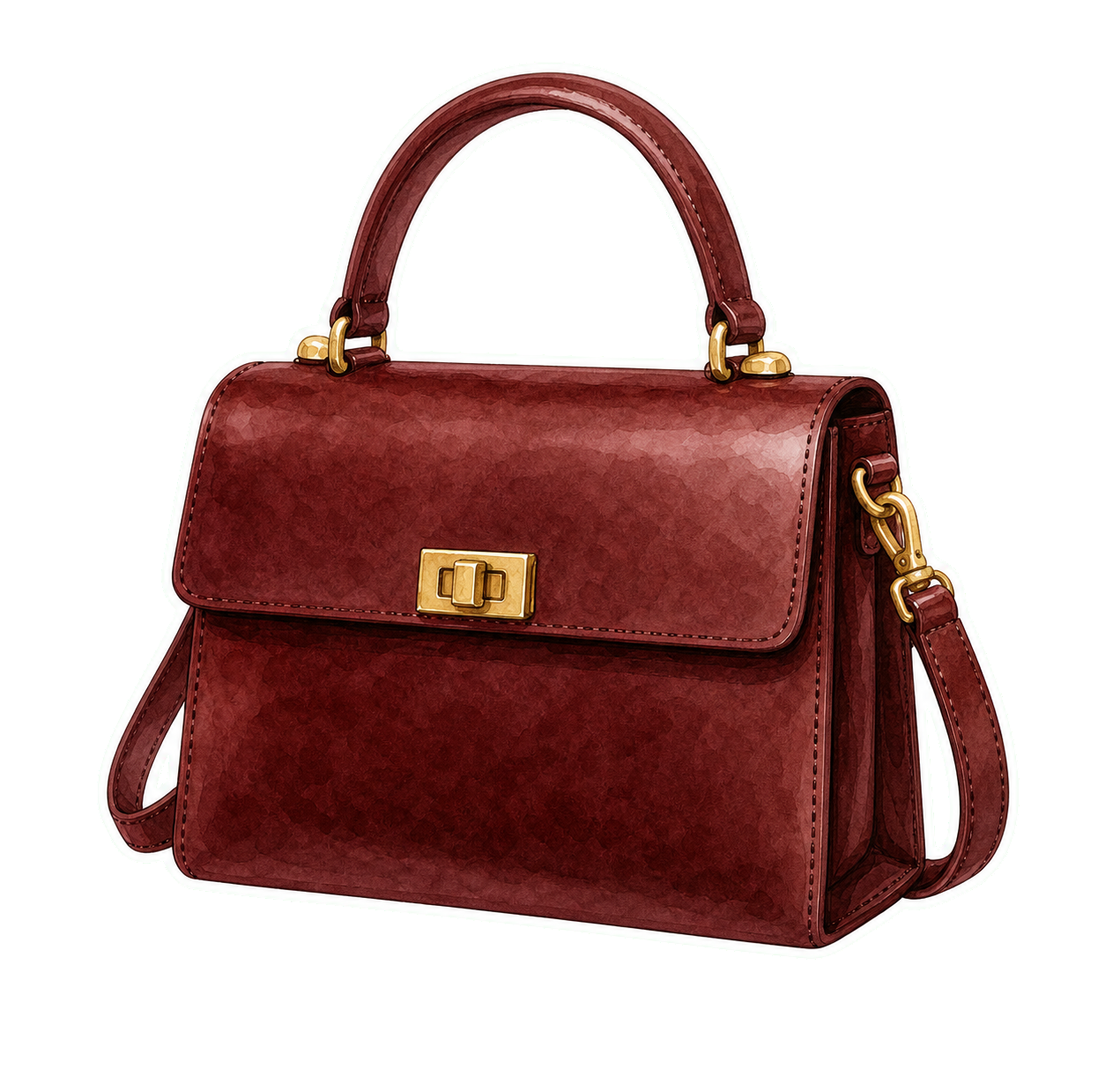 08Oxblood patent top-handle bag with a gold turn-lock
Carried by the handle rather than slung across the body, which is how it is worn here and is part of dressing a step up. Oxblood is the one warm note against navy, stone and black, and patent survives an evening that ends outdoors. The detachable strap is there for the daytime half when you want both hands under the jacarandas.
Day to night
White shirt · stone tailored trousers · low-heel shoes · linen cardigan in the bag · oxblood bag by the handle. Figueroa Alcorta under the jacarandas mid-month, then a long lunch that runs to four.
Black silk camisole under the navy blazer · black bias midi skirt · same shoes · cardigan on after midnight. Dinner at ten in Palermo, a milonga in San Telmo after, and 17°C / 63°F on the walk back at three.
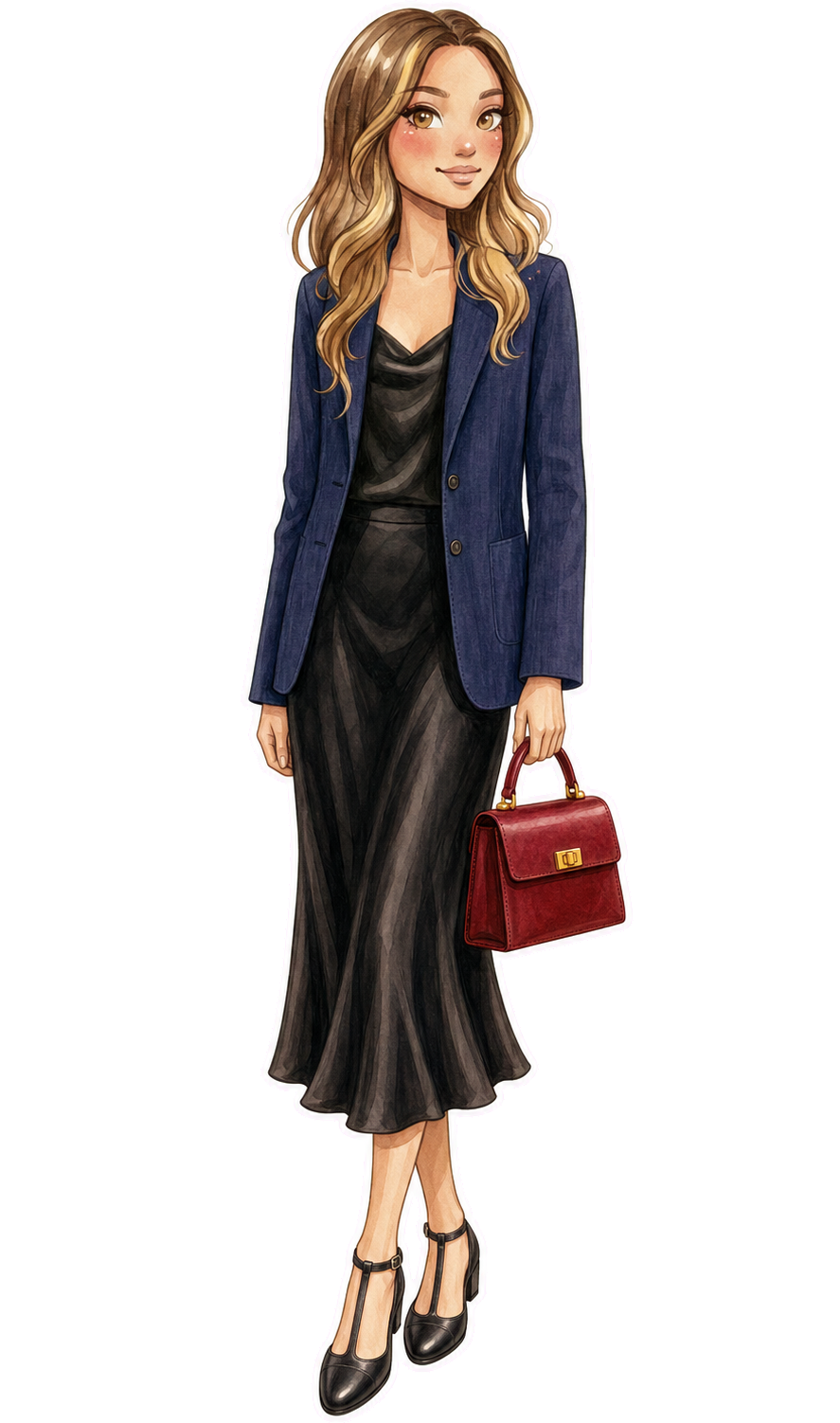
A suggested look — open navy blazer, black silk camisole, black bias-cut midi skirt, black low-heel T-strap pumps, oxblood top-handle bag.
What to avoid
- Shorts in the evening — dinner starts at ten and you will be the only one
- Anything you could not wear at 3am — that is when the night actually ends
- A heavy coat — 16.7°C overnight is mild; a fine cardigan is enough
- Backless shoes — Recoleta and San Telmo pavement is broken and dark
- Assuming November is peak heat — December and January are hotter
Frequently asked questions
Warm, long-lit and mostly dry — late spring. NOAA's records from the Aeroparque station give a November average high of 25.1°C / 77°F and an average low of 16.7°C / 63°F over 1991-2020, with measurable precipitation on only 7.7 days, though 5.7 of those clear a tenth of an inch, so the rain comes as heavy short storms rather than drizzle. Daylight runs about 14 hours.
From roughly the middle of November, with the peak usually falling in the second half of the month and holding two to three weeks. Avenida Figueroa Alcorta, much of Recoleta and large parts of Palermo turn purple together. It is the single strongest argument for choosing November over December, when the flowers are past and the heat has arrived.
A step up from what the temperature suggests, and later than you expect. Restaurants fill around ten, and Porteño dressing runs closer to Milan than to a beach city — an unstructured blazer over a shirt, tailored trousers or a midi skirt, leather shoes. Shorts, flip-flops and technical fabrics all read badly in the evening even at 25°C.
Something that moves and shoes that stay on. A bias-cut skirt or trousers you can turn in, a silk rather than cotton top because the rooms get warm and cotton shows it, and a low-heel shoe with an ankle or instep strap — a backless shoe comes off on the floor. Rooms in San Telmo and Almagro are dim, which is why black works. Nothing starts before midnight.
It is the best month of the year, on balance. The jacarandas are out from mid-month, 25.1°C / 77°F is comfortable rather than oppressive, rain is limited to under eight days, and the summer exodus that empties the city in January has not started. December is hotter and February is hotter still, so November is the last genuinely easy month.
Sources
- NOAA NCEI — 1991–2020 climate normals, Aeroparque Jorge Newbery stationSMN Argentina operates the station; NOAA NCEI computed this month's figures from its 87582099999 global-summary-of-the-day record. Recorded per month because the rest of this city's pages are sourced differently.