What to Wear in Buenos Aires in July
Buenos Aires in July: 14°C / 57°F afternoons, 8°C / 46°F mornings, 8 rain days — peak Southern winter, Independence Day July 9.
- Chunky wool sweater — María Cher, Jazmín Chebar, Margaret Howell
- Wool overcoat — Akris, Burberry, Rapsodia for Argentine register
- Dark wool trousers + dark straight-leg jeans
- Leather oxfords or low-heel boots — Mishka or Common Projects
- Heavy wool scarf + leather gloves — daily through July
- Packable rain shell — 8 rain days, sudden afternoon showers
- Pack only autumn weight — 8°C / 46°F + Río de la Plata wind cuts
- Stilettos on Recoleta and San Telmo cobbles
- Skip the wool overcoat — Río de la Plata wind days demand it
July is Buenos Aires at peak Southern Hemisphere winter. SMN (Servicio Meteorológico Nacional Argentina) data put afternoons at 14°C / 57°F, mornings at 8°C / 46°F, 8 rain days totalling ~60mm, and 10h 5m of daylight. Día de la Independencia (Independence Day) lands July 9, commemorating the 1816 Argentine Declaration of Independence at the Congress of Tucumán — public holiday with parades through Plaza de Mayo, choripán (chorizo sausage sandwich) street vendors, tango performances on Avenida 9 de Julio. The wardrobe register stays heavy-wool with peak-winter urgency: chunky knit, wool overcoat, dark wool trousers or jeans, leather oxfords or low-heel boots, heavy scarf, leather gloves. María Cher, Jazmín Chebar, Rapsodia, Mishka, Vitamina, Trosman remain the local design anchors. Argentine winter mild by Northern Hemisphere standards (NYC December at -2°C / 28°F vs Buenos Aires July at 8°C / 46°F mornings) but reads cold against the city's Italian-Spanish-summer register. Tango milongas continue full Wednesday-Sunday schedule. Recoleta-Palermo restaurants book 1-2 weeks ahead during peak winter (Argentine school holidays vacaciones de invierno run 2 weeks in July).
Día de la Independencia on July 9 commemorates the 1816 Argentine Declaration of Independence in Tucumán — the public holiday brings parades through Plaza de Mayo, choripán street vendors, and tango performances on Avenida 9 de Julio.
The capsule
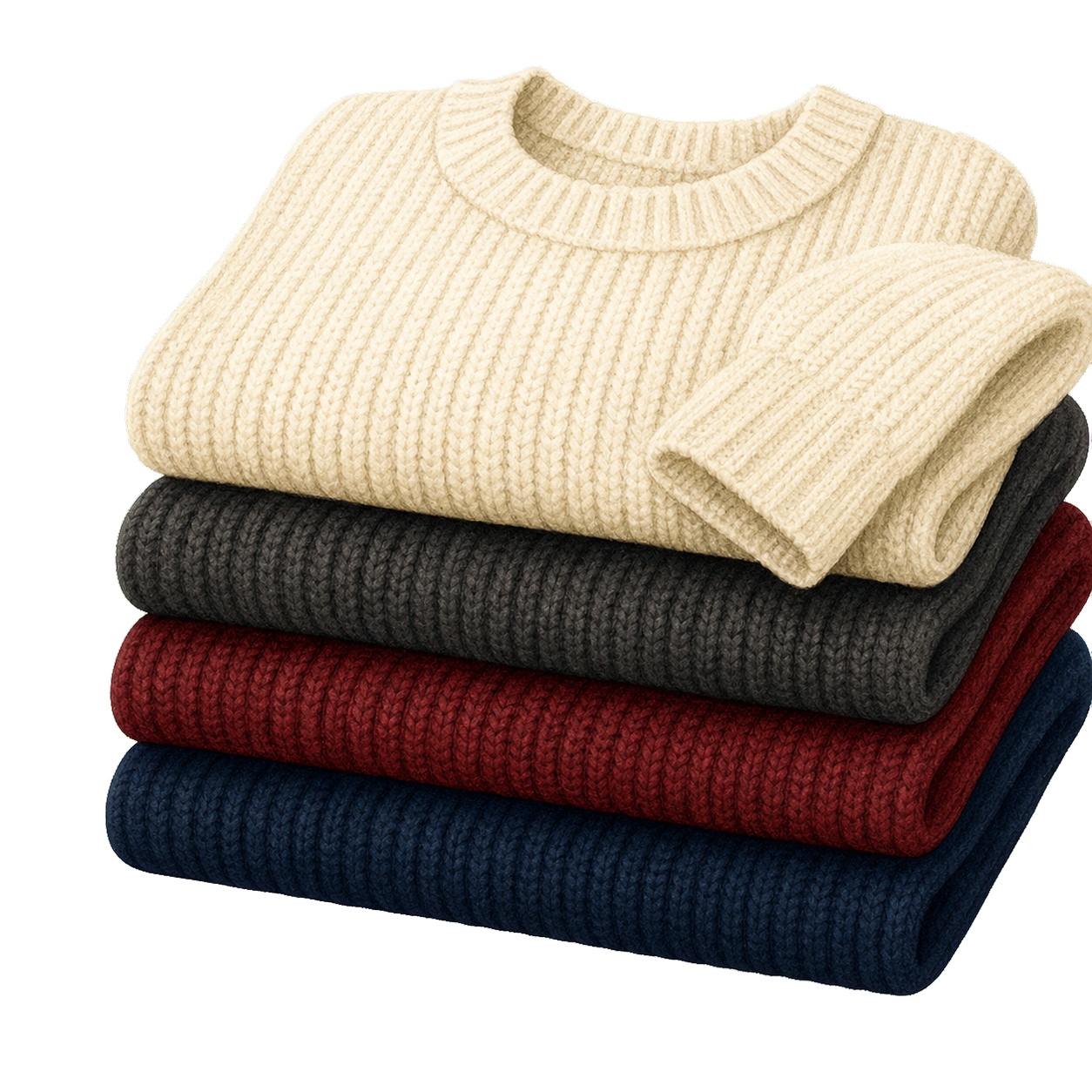 01Chunky wool or cashmere sweater
Same Buenos Aires winter base. María Cher, Jazmín Chebar, Margaret Howell. Cream, charcoal, oxblood.
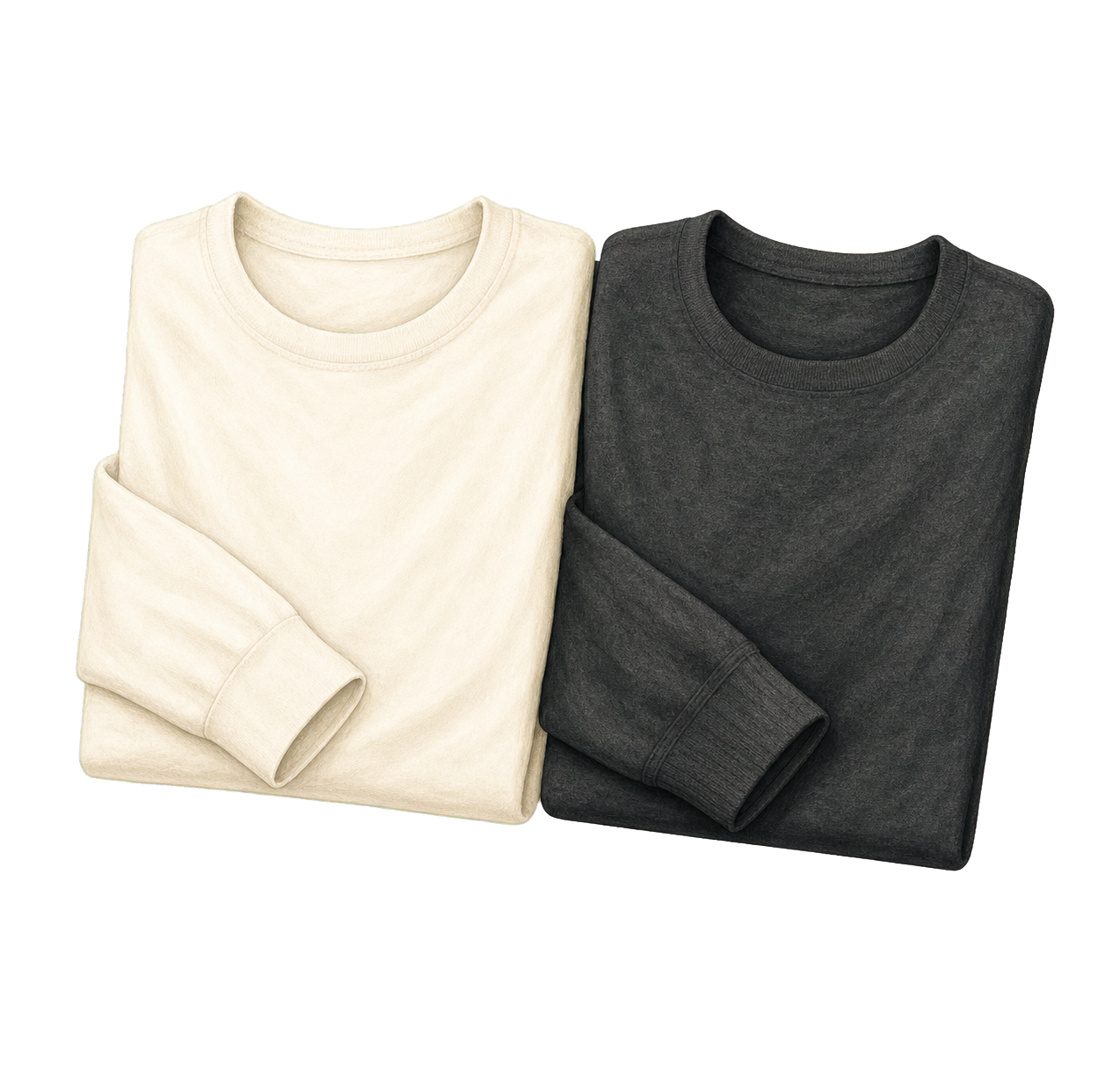 02Cotton long-sleeve + thin merino base layer
Same June logic, more critical in July with Río de la Plata wind. Icebreaker or Smartwool.
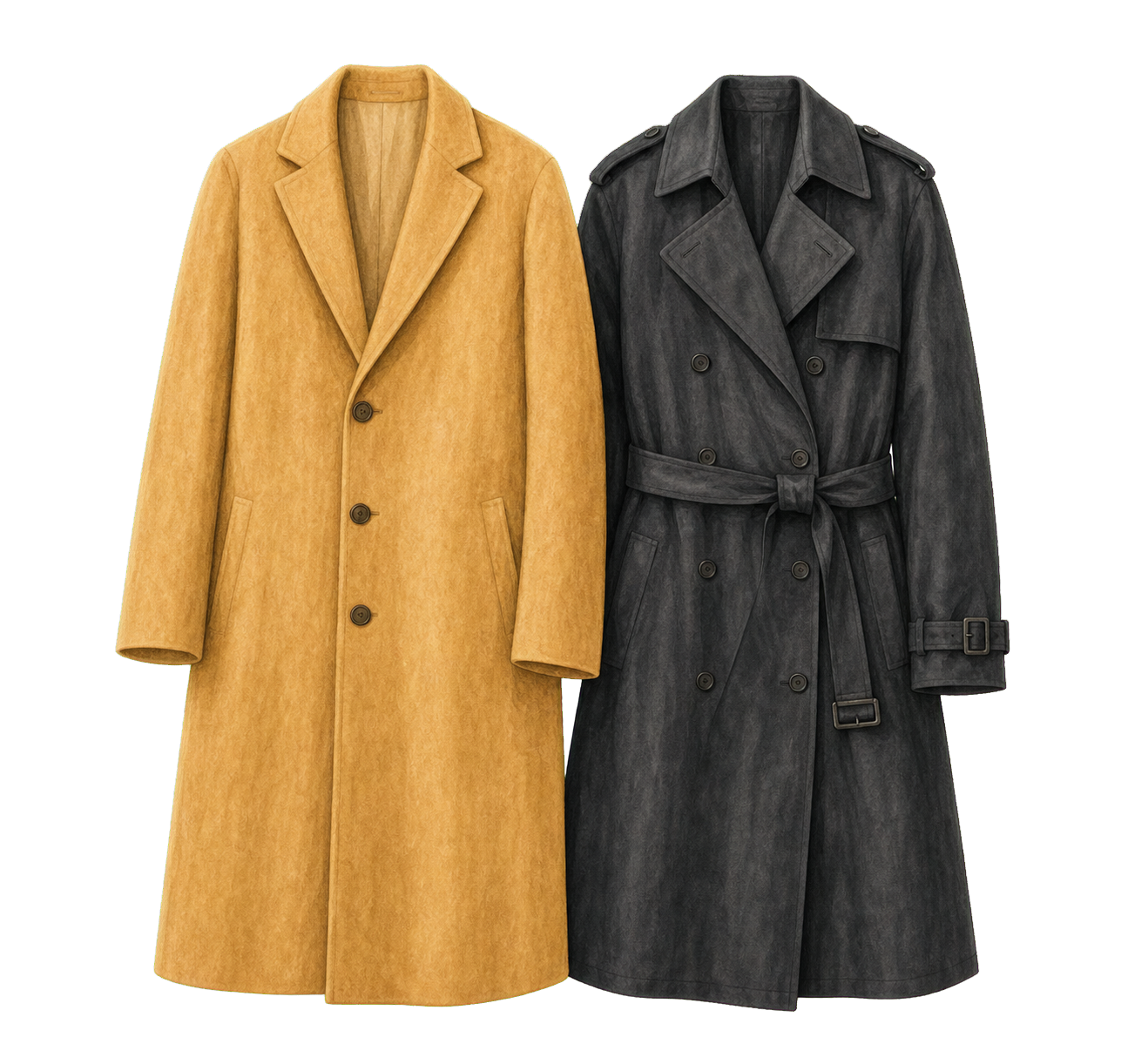 03Wool overcoat or heavy trench
Same June role. Burberry trench-with-liner, Akris wool overcoat, Rapsodia. Skip the trench-only approach on Río de la Plata wind days.
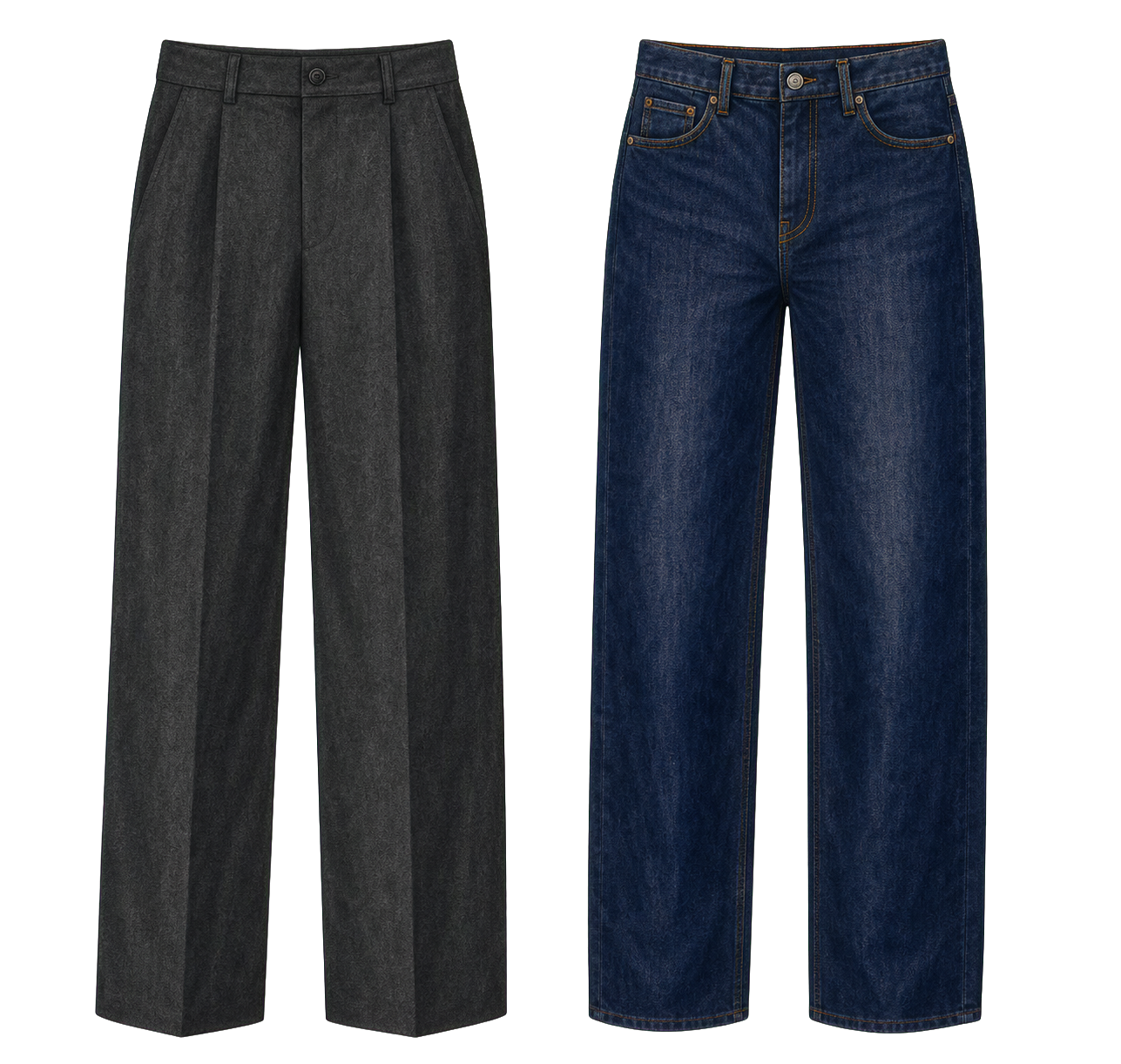 04Dark wool trousers + dark straight-leg jeans
Same two-bottom approach. Wool for Recoleta and Teatro Colón evenings; jeans for Palermo days.
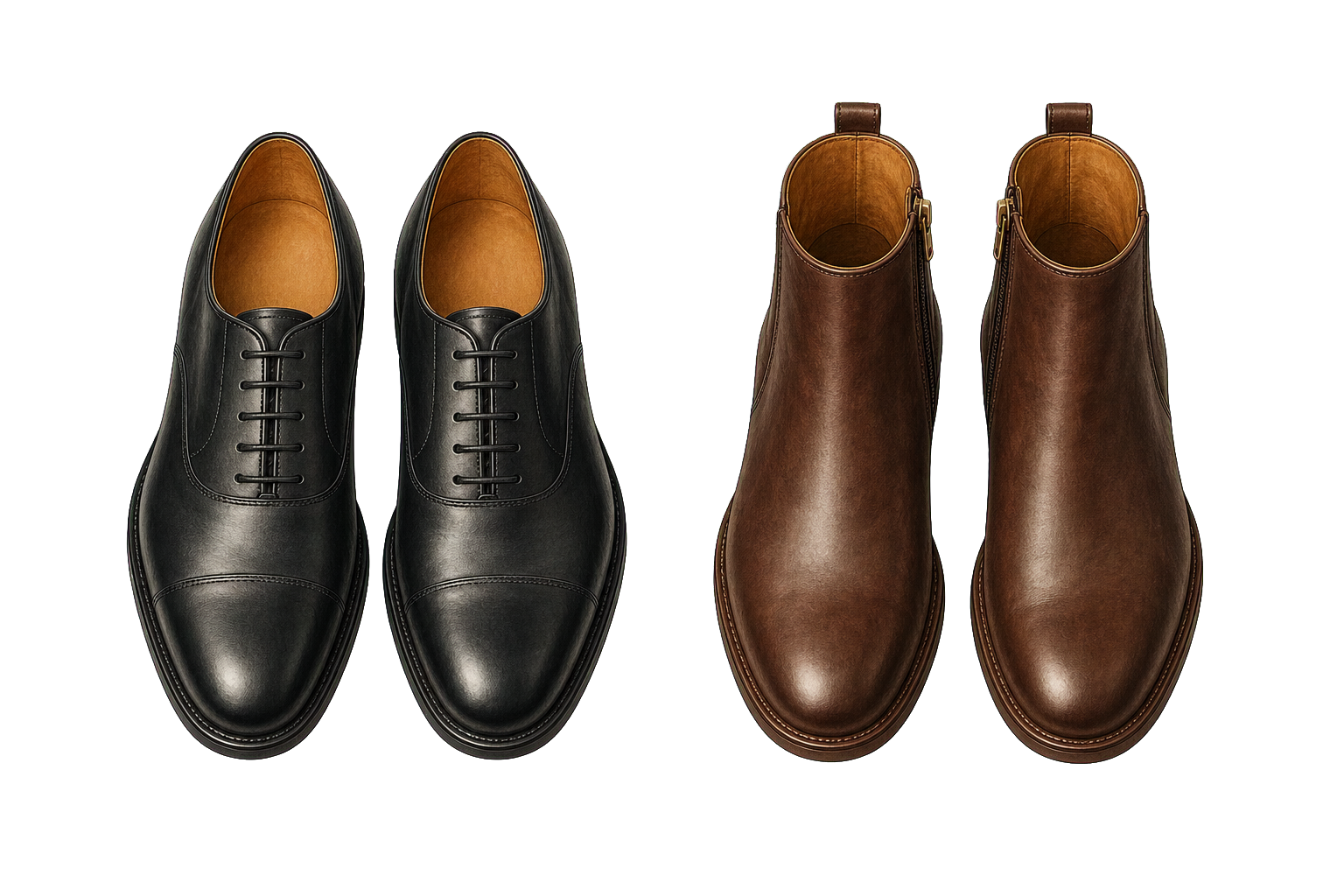 05Leather oxfords or low-heel boots
Same Buenos Aires shoe stack year-round. Mishka, Common Projects, low-heel ankle boots.
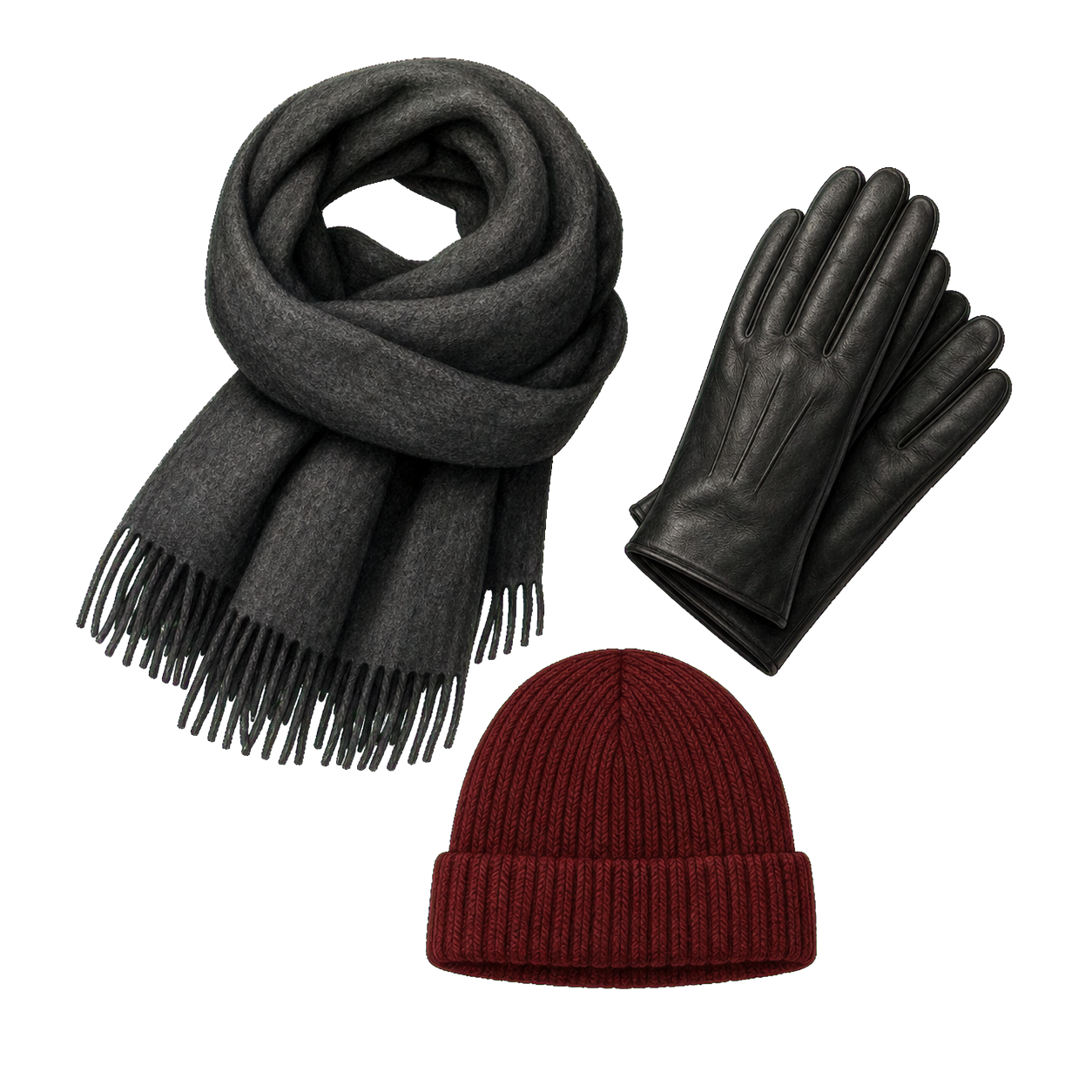 06Heavy wool scarf + leather gloves + beanie
Three accessories. Wool scarf to wrap twice; lambskin gloves; wool beanie for the windiest Independence Day parade-watching.
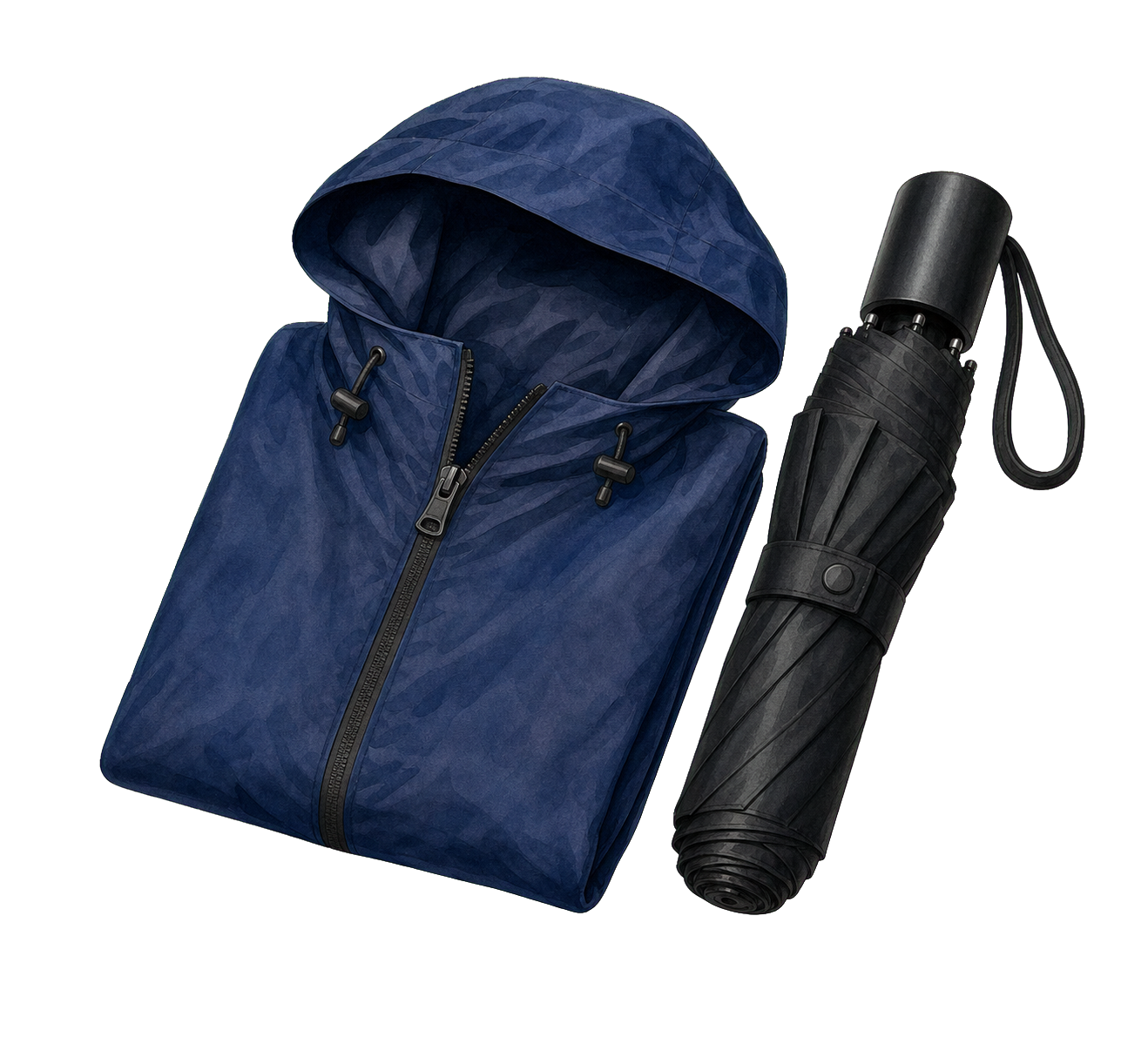 07Packable rain shell + compact umbrella
8 rain days. Rains, Patagonia Torrentshell. Compact umbrella for Galerías Pacífico passages.
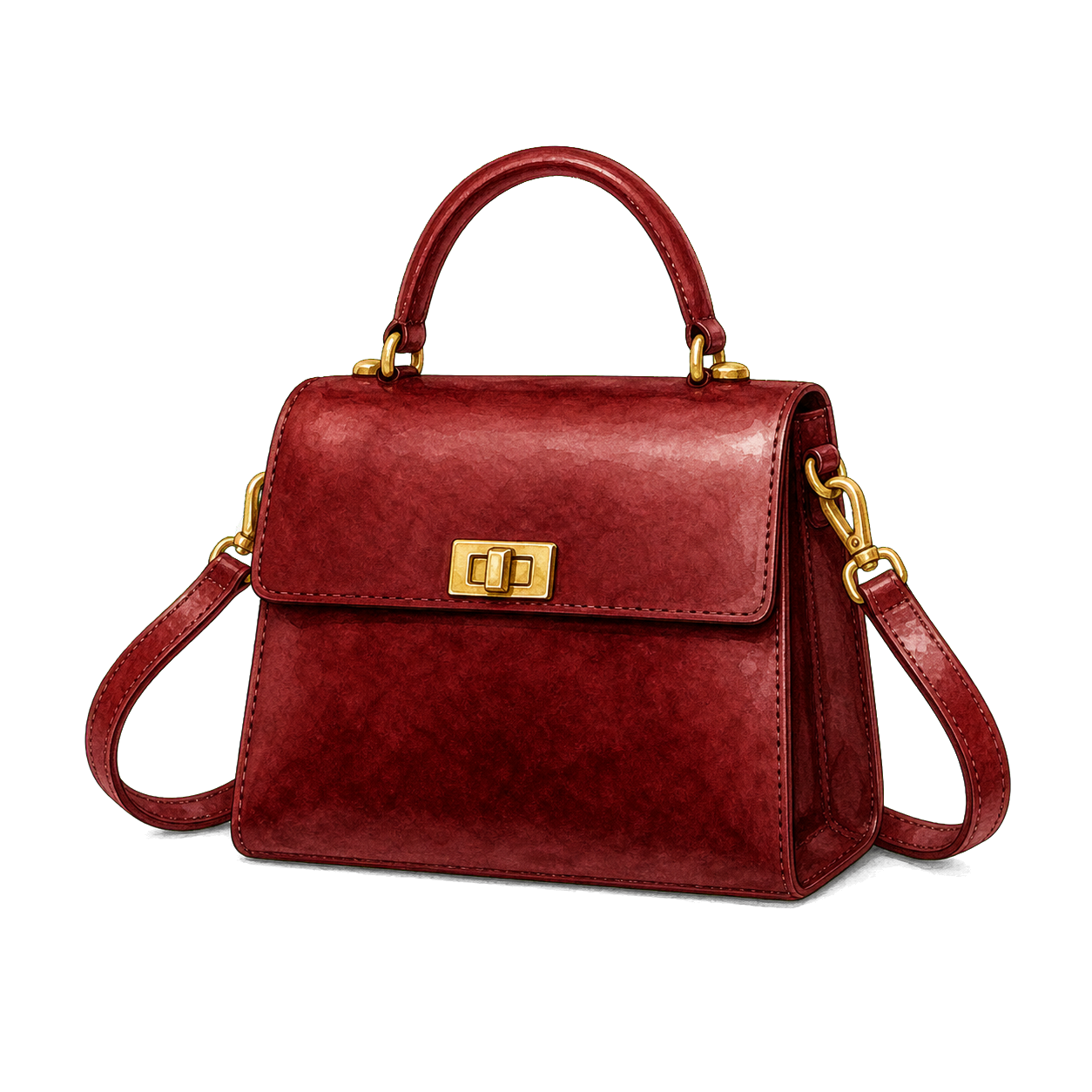 08Structured leather bag (small to medium)
Same year-round register. Vitamina, Jazmín Chebar, Strathberry, Mansur Gavriel.
Day to night
Merino base · chunky wool sweater · jeans · leather oxfords · wool overcoat · scarf · gloves · structured bag. Coffee at LAB Tostadores 9am, Día de la Independencia parade at Plaza de Mayo (July 9), late lunch at Don Julio 2pm.
Cotton blouse · wool trousers · leather oxfords · wool overcoat · structured bag · gloves. Dinner at Tegui (Palermo, Latin America's 50 Best), Aramburu, or El Baqueano 9pm; tango milonga at La Catedral or Salón Canning 11pm-3am.
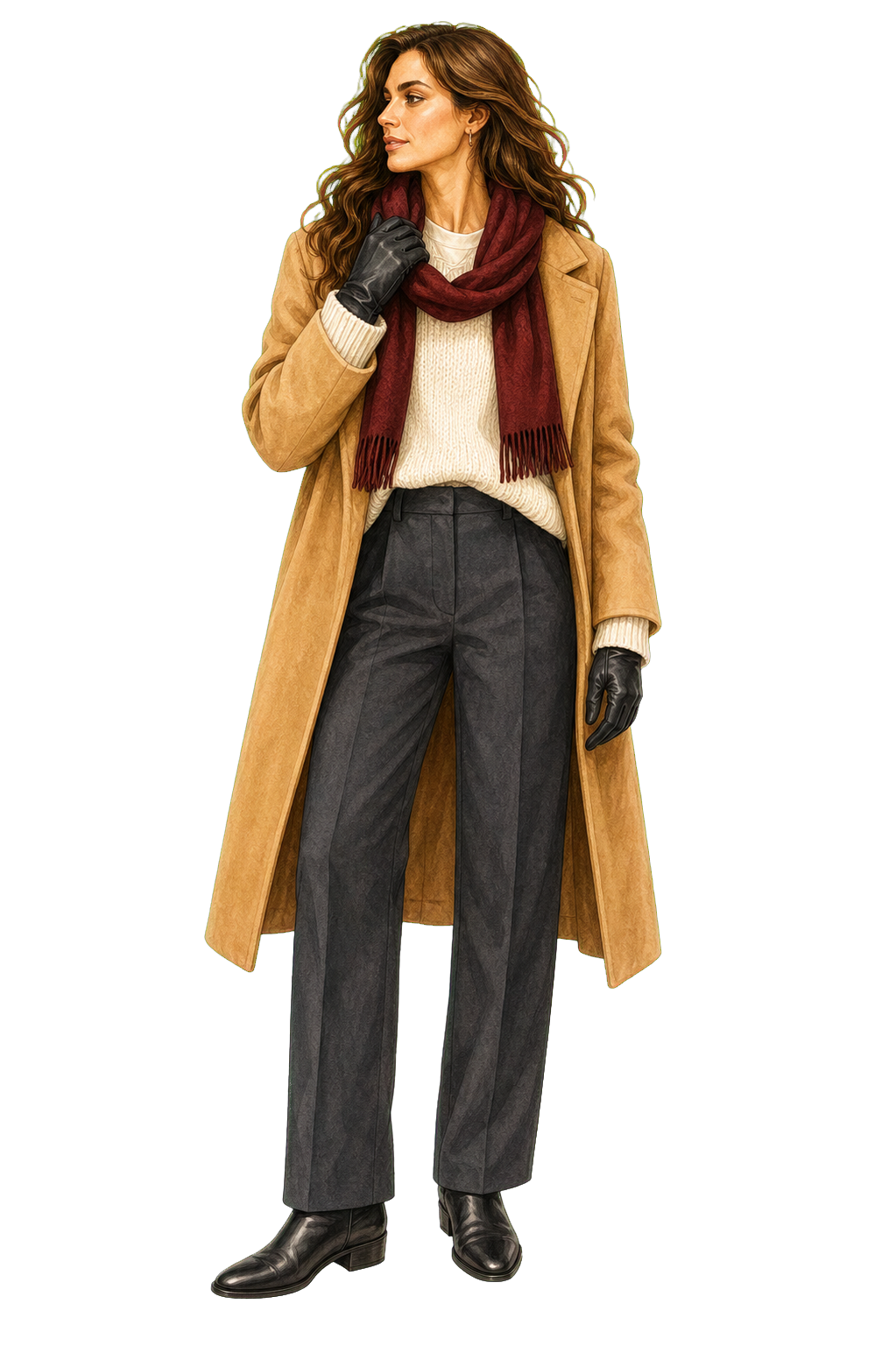
A suggested look — Buenos Aires July feminine Independence Day parade look: ivory long-sleeve, chunky cream sweater, charcoal wool trousers, camel overcoat, oxblood scarf.
What to avoid
- Stilettos on Recoleta, Palermo, San Telmo cobbles
- Pure cotton base layers for Plaza de Mayo parade-watching
- Flip-flops universally — Buenos Aires reads polished
- Athletic shorts at parrilla and recognized restaurants
- Trench-only approach — Río de la Plata wind demands wool overcoat
- Dinner before 9pm — Argentine dining runs 9pm-1am
Frequently asked questions
Per SMN (Servicio Meteorológico Nacional Argentina) data: average daily high is 14°C / 57°F, low is 8°C / 46°F, 8 rain days totalling ~60mm. Daylight is 10h 5m. July is Buenos Aires's coldest month — coldest weeks see 12°C / 54°F afternoons and 5°C / 41°F mornings. Río de la Plata wind drops the felt temperature 2-3°C / 4-5°F below SMN reading on windy days. UV index reads 2-3 (low-to-moderate) in winter.
Día de la Independencia (Argentine Independence Day) is celebrated July 9, commemorating the 1816 Argentine Declaration of Independence at the Congress of Tucumán. Public holiday — parades through Plaza de Mayo, the Casa Rosada balcony tradition, choripán (chorizo sausage sandwich) and locro (a hearty stew) street vendors, tango performances on Avenida 9 de Julio. Pack: wool overcoat, heavy scarf, leather gloves, smart-casual layered (wool sweater + cotton long-sleeve + jeans or wool trousers + leather oxfords), structured leather bag.
Yes — Buenos Aires's Italian-Spanish architectural register reads strongest under low-angle winter light. Recoleta Cemetery, Teatro Colón, MALBA museum, Museo Nacional de Bellas Artes, the Floralis Genérica sculpture, the Casa Rosada — all peak under July's clear-bright winter days. Tango milongas continue full schedule. Parrilla restaurants and Italian-Argentine pasta restaurants (the Buenos Aires Italian tradition is strong: Cucina Paradiso, Sottovoce, Arturito) hit peak comfort-food season. Trade-offs: 14°C / 57°F afternoons demand wool overcoat, 10h 5m daylight contracts evening, Argentine school holidays vacaciones de invierno mean families travel within Argentina.
Bariloche (the Patagonian Andes ski resort, 2-hour flight south, peak ski season), Mendoza (the wine region west, weekend-trip from Buenos Aires for cellar-door visits), Iguazú Falls (north, winter is dry-season ideal), Buzios in Brazil (the Hamptons-equivalent of Rio, 5-hour flight northeast), Punta del Este in Uruguay (4-hour ferry across Río de la Plata, off-season but warmer than Buenos Aires). Argentine school holidays (vacaciones de invierno) run 2 weeks in mid-July — domestic flights book ahead, hotel rates climb at Patagonian destinations.
Mate (yerba mate, a caffeine-rich infusion drunk from a hollowed gourd through a metal bombilla straw) is Argentina's national drink, consumed across all ages and social registers. Winter mate is morning-and-afternoon — at home, at the office, on Plaza de Mayo benches, in San Telmo Sunday Antiques Fair. The mate gourd, bombilla, and yerba thermo bottle is a portable kit visitors can buy at Saint Maria de los Buenos Ayres tourist shops or, for the local register, at the Mate Aula shop in Recoleta. Tasting hours at the Mate House on Plaza Dorrego (San Telmo) introduce the regional yerba varieties.
Sources
- SMN Argentina — climate normals