What to Wear in Rio de Janeiro in November
Rio in November: 27°C / 81°F afternoons, 21°C / 70°F nights, an unsettled late spring and two long weekends.
- Navy packable shell — Alerta Rio calls spring a low-predictability season
- Beige linen overshirt — nights average 20.6°C at Copacabana
- Charcoal canvas sneakers — stairs at the top of Corcovado while escalators are replaced
- Hot-pink bandeau bikini — 27°C afternoons on the long weekends
- Coral cowl-neck wrap midi — dinner after a sunset around 6:15pm
- Tan half-moon crossbody — hands free on the cable car and the train
- Glass on the sand — the city's beach decree bars it
- A speaker on the beach — banned on the whole seafront at any hour
- Swimming at a red flag — the fire brigade says it marks a rip current
- Sugarloaf in a storm — the cable cars pause for strong wind and lightning
Pack for a season that changes its mind. INMET's hourly records at Forte de Copacabana, averaged over 2007–2025, give November 27.1°C by day and 20.6°C at night, with 112mm of rain over about 11 days. The city's weather service, Alerta Rio, is candid about the month: "A primavera é uma época de baixa previsibilidade dos fenômenos atmosféricos", spring is a season of low predictability, a transition between the dry season and the rainy one. That means a shell in the bag every day, even when the morning is clear. It is also a month of long weekends. Finados on Monday 2 November and the Dia Nacional de Zumbi e da Consciência Negra on Friday 20 November, a national holiday since a 2023 law, each give a three-day weekend, and the Proclamação da República falls on Sunday the 15th. Pack the bikini next to the shell, and a linen layer for nights about two degrees cooler than December's.
November in Rio is spring deciding whether it is summer yet. Pack for both answers: a bikini, a shell, and a linen layer for the evening.
The capsule
 01Hot-pink bandeau bikini, tie sides
For 27°C afternoons on Ipanema and Copacabana over the long weekends. A knotted bandeau and tie sides adjust in a second and dry quickly between swims, and hot pink stands out against the sand. Swim at a green flag: the state fire brigade flies red for high risk, yellow for medium and green for low.
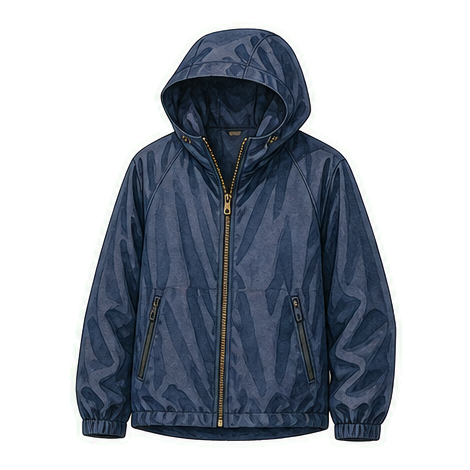 02Navy hooded packable rain shell
Alerta Rio calls spring a season of low predictability, the transition into the rainy months, and November averages 112mm at Copacabana over about 11 days. A packable hooded shell lives in the crossbody on a clear morning and comes out when a shower arrives. Navy goes over the coral dress and the denim shorts alike.
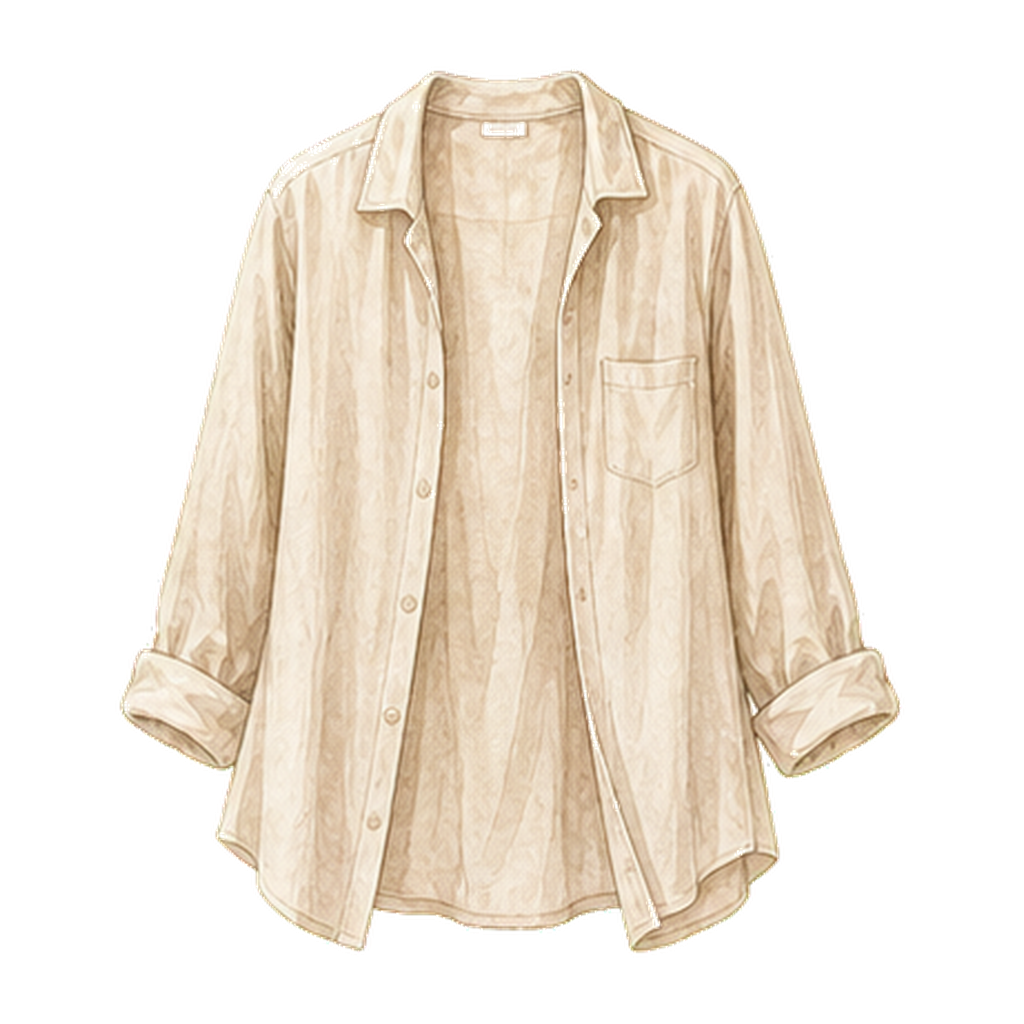 03Beige long linen overshirt
For evenings at 20.6°C, about two degrees cooler than December's. A long linen shirt worn open over the crop top or the coral dress takes the edge off a sea breeze and the air conditioning indoors. Rolled sleeves come down after dark, and beige linen goes with everything in this capsule.
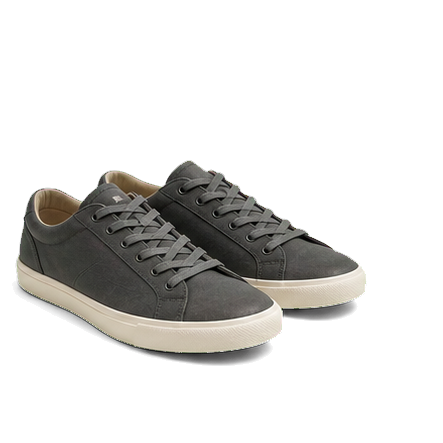 04Charcoal canvas sneakers
For Corcovado and Sugarloaf. The Trem do Corcovado runs every 20 minutes from 8am to 6pm and asks you to check in 40 minutes early, and its operator notes escalator works at the top, so expect stairs. A rubber sole grips wet steps after a shower, and charcoal hides the dust of a day out.
 05Dusty blue ruffle-neck crop top
For warm afternoons in the city. A ruffled neckline and a ruched drawstring front keep air moving at 27°C, and the cropped length sits right over high-waisted shorts. Dusty blue works under the beige overshirt and against the denim.
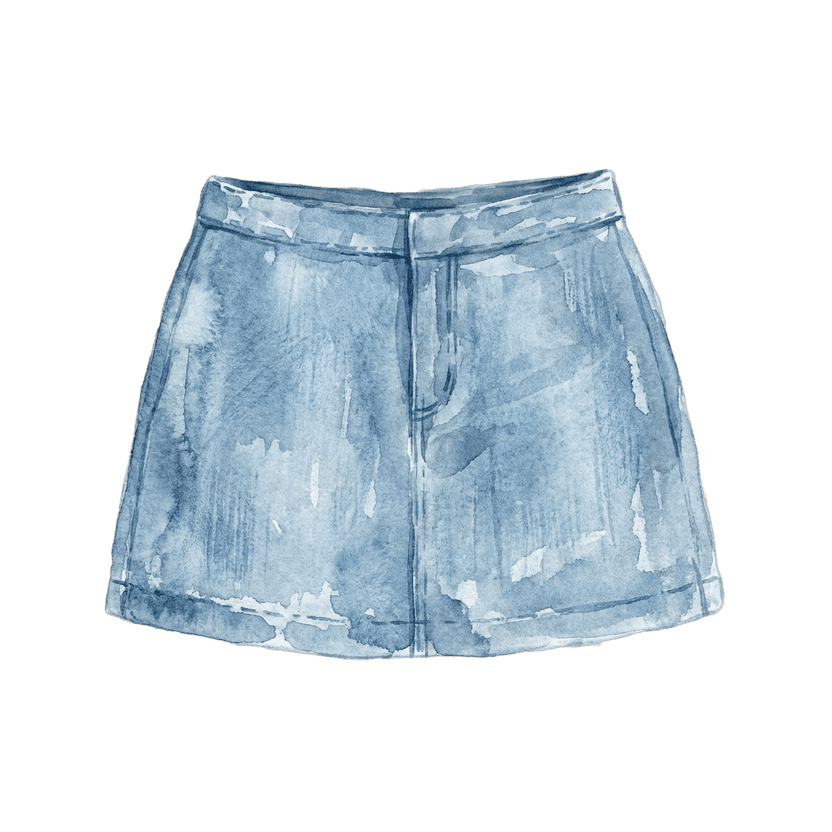 06Light-wash denim shorts
For the long weekends. Denim shorts go from the sand at Arpoador to a table at a bar without a change, and a light wash stays cool in the sun. Keep them for the daytime and switch to the coral dress for dinner.
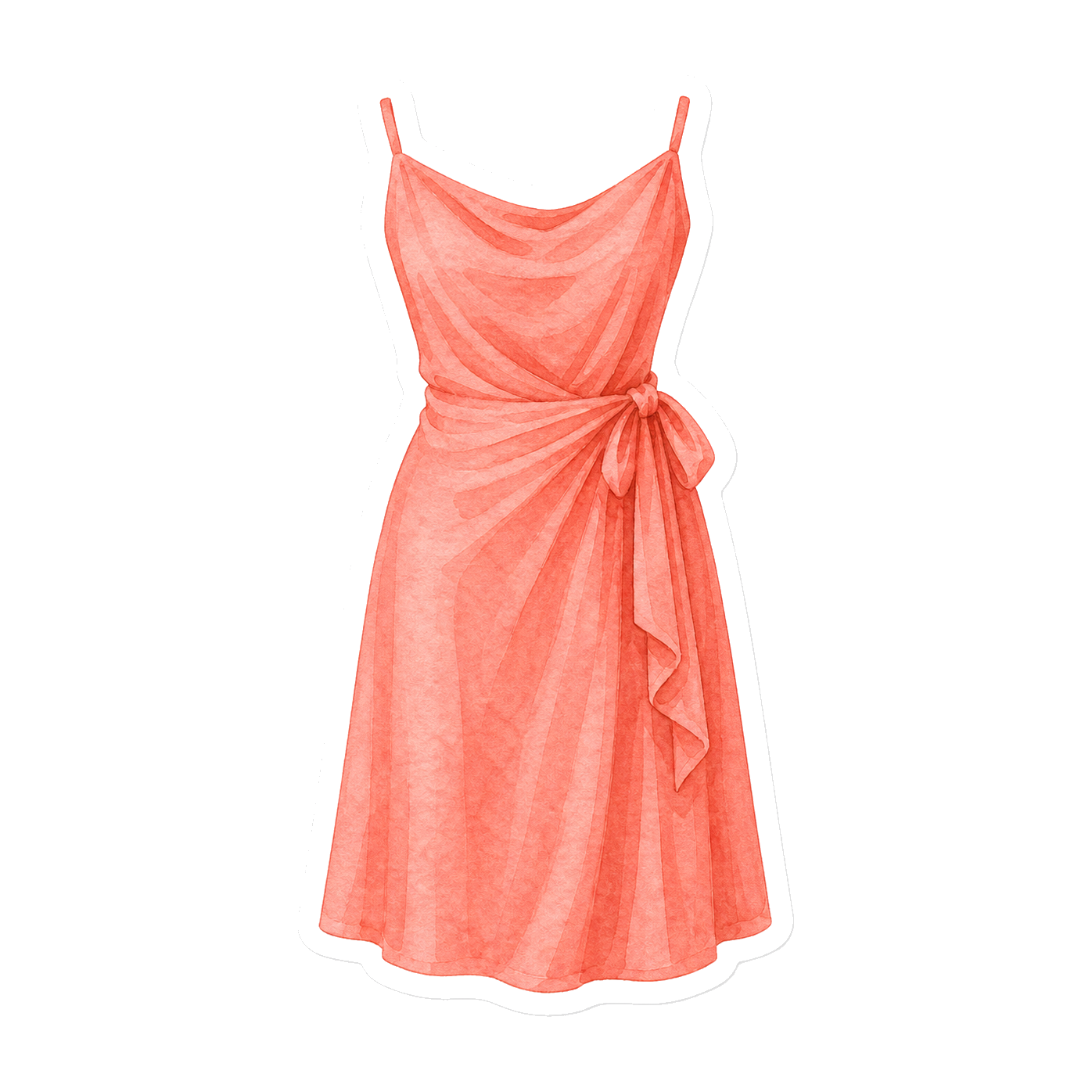 07Coral cowl-neck wrap midi
For dinner. Sunset moves from about 6:05pm on 1 November to 6:24pm on the 30th, and the evening settles near 21°C. A cowl neck and a side-tied wrap skirt in soft cotton-modal pack without creasing and move in a breeze, and coral warms up against the beige overshirt.
 08Tan leather half-moon crossbody
Hands free on the Sugarloaf cable cars and the Corcovado train. A half-moon worn across the body keeps a phone and a card in front of you in a queue and holds the folded shell. The cable cars run in rain but can pause for strong wind or lightning, so check before you go up.
Day to night
Dusty blue crop top · light-wash denim shorts · charcoal sneakers · tan crossbody with the navy shell inside. The Trem do Corcovado at 8am, then Ipanema after lunch.
Coral wrap midi · beige linen overshirt open over it · charcoal sneakers · tan crossbody. Sunset from the Arpoador rocks at about 6:15pm, then dinner in Ipanema.
A suggested look — coral cowl-neck wrap midi dress, beige linen shirt, charcoal canvas sneakers.

What to avoid
- Glass bottles on the sand — barred by Decreto Rio 56.160
- A speaker on the beach — banned on the whole seafront at any hour
- Swimming at a red flag — the fire brigade's sign for a rip current
- Sugarloaf in a storm — the cable cars pause for wind and lightning
Frequently asked questions
Warm, humid and changeable. INMET's hourly records at its Forte de Copacabana station, averaged over 2007–2025, give November an average high of 27.1°C and a low of 20.6°C, with 112mm of rain over about 11 days of 1mm or more. Alerta Rio describes spring as a season of low predictability and the start of the rainy season in the Southeast. INMET's official 1991–2020 normals do not include a beach station in the city, which is why these figures come from the hourly record. Brazil keeps the same clock all year, so sunset moves from about 6:05pm on 1 November to 6:24pm on the 30th.
A hot-pink bandeau bikini, a navy packable shell, a beige long linen overshirt, charcoal canvas sneakers, a dusty blue crop top, light-wash denim shorts, a coral cowl-neck wrap midi and a tan half-moon crossbody. That covers a beach day on a long weekend, a morning at Corcovado, a shower on the way back and dinner in Ipanema. The shell earns its place: Alerta Rio treats spring as the handover into the rainy season.
Decreto Rio 56.160 of May 2025 governs the whole seafront. It bans speakers, instruments and any sound equipment at any hour, except at authorised events and kiosk music between noon and 10pm. It bars drinks in glass bottles on the sand, with an exception only for the kiosks on the calçadão, and it bans the cercadinho, vendors fencing off sand with chairs. The state fire brigade flags each beach red for high risk, yellow for medium and green for low; its spokesman says a red flag generally marks a rip current. Carry a plastic or metal bottle and swim near a lifeguard post.
Either end has a long weekend: 31 October to 2 November for Finados, and 20 to 22 November for the Dia Nacional de Zumbi e da Consciência Negra, a national holiday under Law 14.759 of 2023. The Proclamação da República falls on Sunday 15 November. Late November brings the Christmas season: local press reports that the Árvore de Natal da Lagoa is scheduled to open on 28 November. Last year's tree stood 60 metres tall with more than 20km of LED lights.
December is two degrees warmer and wetter. INMET's hourly records at Forte de Copacabana give December 29.1°C by day and 22.2°C at night, against November's 27.1°C and 20.6°C, with 139mm of rain against 112mm over about the same number of days. December is the month Rio dresses in white, ending with the Réveillon on Copacabana on the 31st, which our December guide covers.
Print, from a label that started in the city. FARM Rio began in 1997 with a 4-square-metre stand at the Babilônia Feira Hype market, set up by Kátia Barros and Marcello Bastos, and two years later the pair opened their first shop, in Copacabana. The brand says it has created "movimentos culturais desde 1997", cultural movements since 1997. By day the city dresses for the beach and the heat, and a linen layer comes out after sunset.
Sources
- INMET — 2007–2025 climate normals, Forte de Copacabana (A652) stationINMET's official 1991–2020 normals for the city cover only its Alto da Boa Vista forest station, so these figures are averaged from INMET's hourly records at its automatic station at Forte de Copacabana, 19 complete Novembers. A rain day means at least 1mm. Recorded per month because the rest of this city's pages are sourced differently.
- INMET — Dados históricos anuais das estações automáticas (hourly records, station A652 Forte de Copacabana) — accessed 2026-09-27
- Sistema Alerta Rio, Prefeitura do Rio — Estações do ano (spring and summer rain) — accessed 2026-09-27
- Diário Oficial da União — Portaria MGI nº 11.460/2025, feriados e pontos facultativos de 2026 — accessed 2026-09-27
- Planalto — Lei nº 14.759/2023, 20 de novembro feriado nacional — accessed 2026-09-27
- Trem do Corcovado — Informações úteis (timetable, check-in) — accessed 2026-09-27
- Parque Bondinho Pão de Açúcar — Perguntas frequentes (weather stoppages) — accessed 2026-09-27
- Prefeitura do Rio (SEOP) — Decreto Rio nº 56.160/2025, rules for the seafront — accessed 2026-09-27
- Corpo de Bombeiros Militar do Estado do Rio de Janeiro — Beach warning flags — accessed 2026-09-27
- Agência Brasil — Resgates no mar do RJ passam de mil; fire brigade safety advice (17 February 2026) — accessed 2026-09-27
- Diário do Rio — Árvore da Lagoa já tem data para abrir o Natal de 2026 (6 July 2026) — accessed 2026-09-27
- Prefeitura do Rio / COR — Inauguração da Árvore de Natal da Lagoa 2025 — accessed 2026-09-27
- FARM Rio — Sobre a FARM (since 1997) — accessed 2026-09-27
- Babilônia Feira Hype — Histórias de sucesso (FARM's first stand, 1997) — accessed 2026-09-27