What to Wear in Cancún in January
Cancún in January: 29°C / 84°F afternoons, 20°C / 68°F nights, the coolest month and a wetter one than February to April.
- Pale sage pointelle cardigan — 20°C nights and a 13°C record low
- Stone pressed trousers — some Moon Palace restaurants require slacks
- Brown suede lug loafers — and closed-toe shoes
- Muted green rain shell — about 11 rain days
- Seafoam wrap dress — the beach bar at noon, dinner with the cardigan over it
- Black one-piece — the swim is still on between fronts
- Only sandals — some resort restaurants and bars ask for closed-toe shoes
- A dry-season plan — January is wetter than February, March or April
- Swimming on a red flag after a front — entry prohibited
- Counting on a sargassum-free beach — SEMAR warned of landings in January 2026
Pack for cool evenings and a few more fronts. SMN's 1991–2020 normals for its Cancún station give January 28.7°C by day and 20°C at night, the coolest of the year, with 104mm of rain over about 11 days, wetter than February, March or April; the station's lowest January reading is 13°C. SMN forecasts eight cold fronts for Mexico in January. The sea changes too. In January 2026 SEMAR's sargassum count for the Mexican Caribbean climbed from about 5,900 tonnes on the 6th to 9,800 on the 24th, when it warned of landings in Cancún behind a front. And the resort calendar dresses up: the festival organisers at Moon Palace remind guests that "some restaurants and bars require slacks and closed toe shoes". A cardigan, pressed trousers, loafers and a shell do most of the work.
January is Cancún's coolest month, not its driest. Pack a cardigan for the nights and a shell for the fronts, and let the resort dress codes choose the shoes.
The capsule
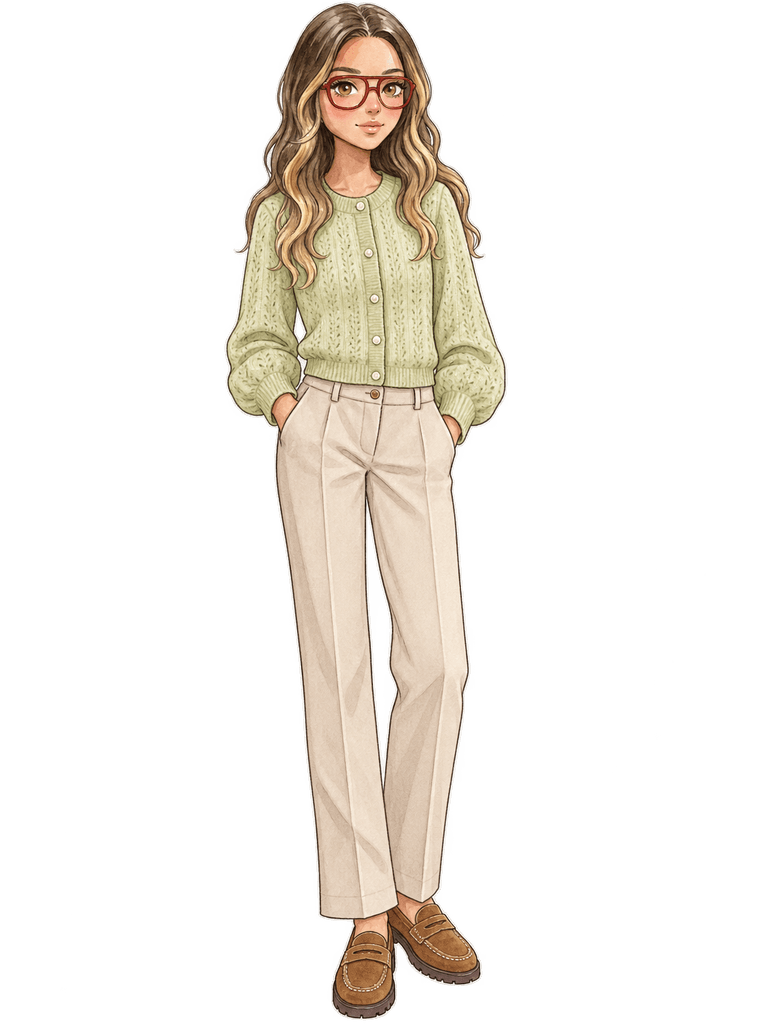
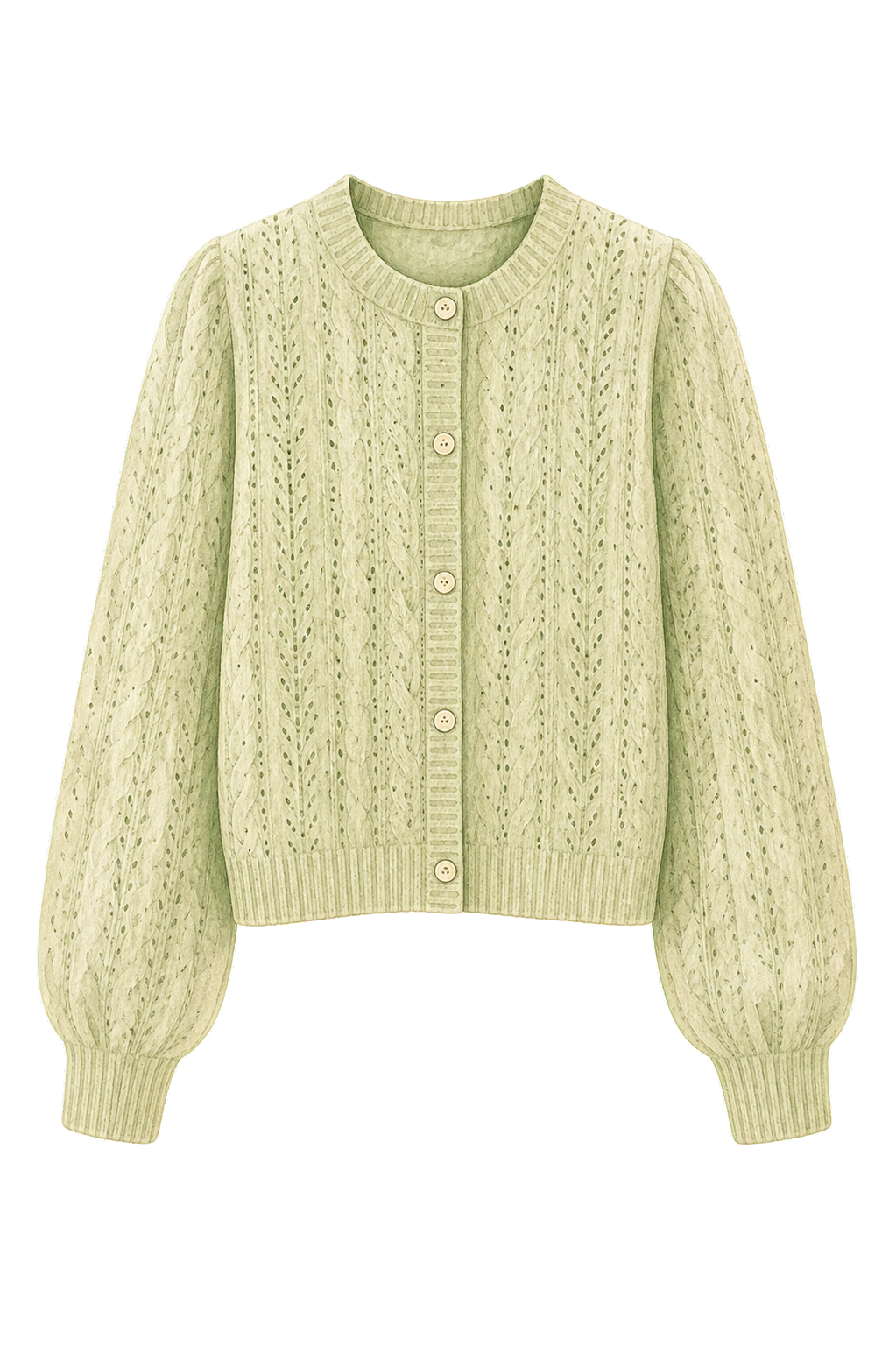 01Pale sage pointelle crew cardigan
January nights at the Cancún station average 20°C, the coolest of the year, and the lowest January reading there is 13°C. A cotton pointelle cardigan buttons up as a top with the pressed trousers or goes open over the wrap dress. Pale sage sits between the green shell and the seafoam dress without adding a new colour.
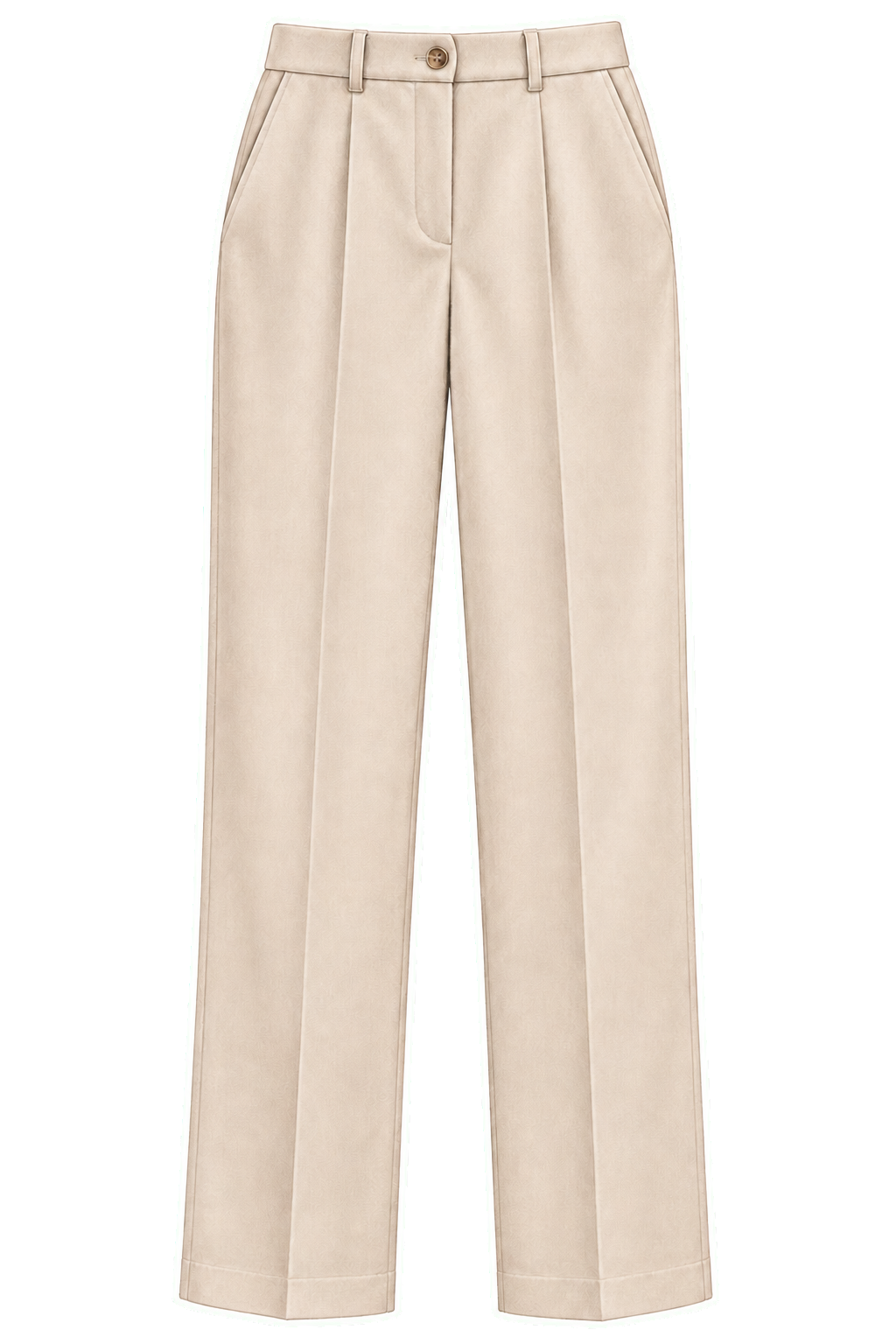 02Stone pressed-crease trousers
The Moon Palace festival FAQs are specific: shirts and footwear everywhere, and "some restaurants and bars require slacks and closed toe shoes". Out of the Blue runs from 7 to 10 January and Crash My Playa from 13 to 16 January. Stone trousers with a pressed crease count as slacks by any reading and stay cool at 28.7°C.
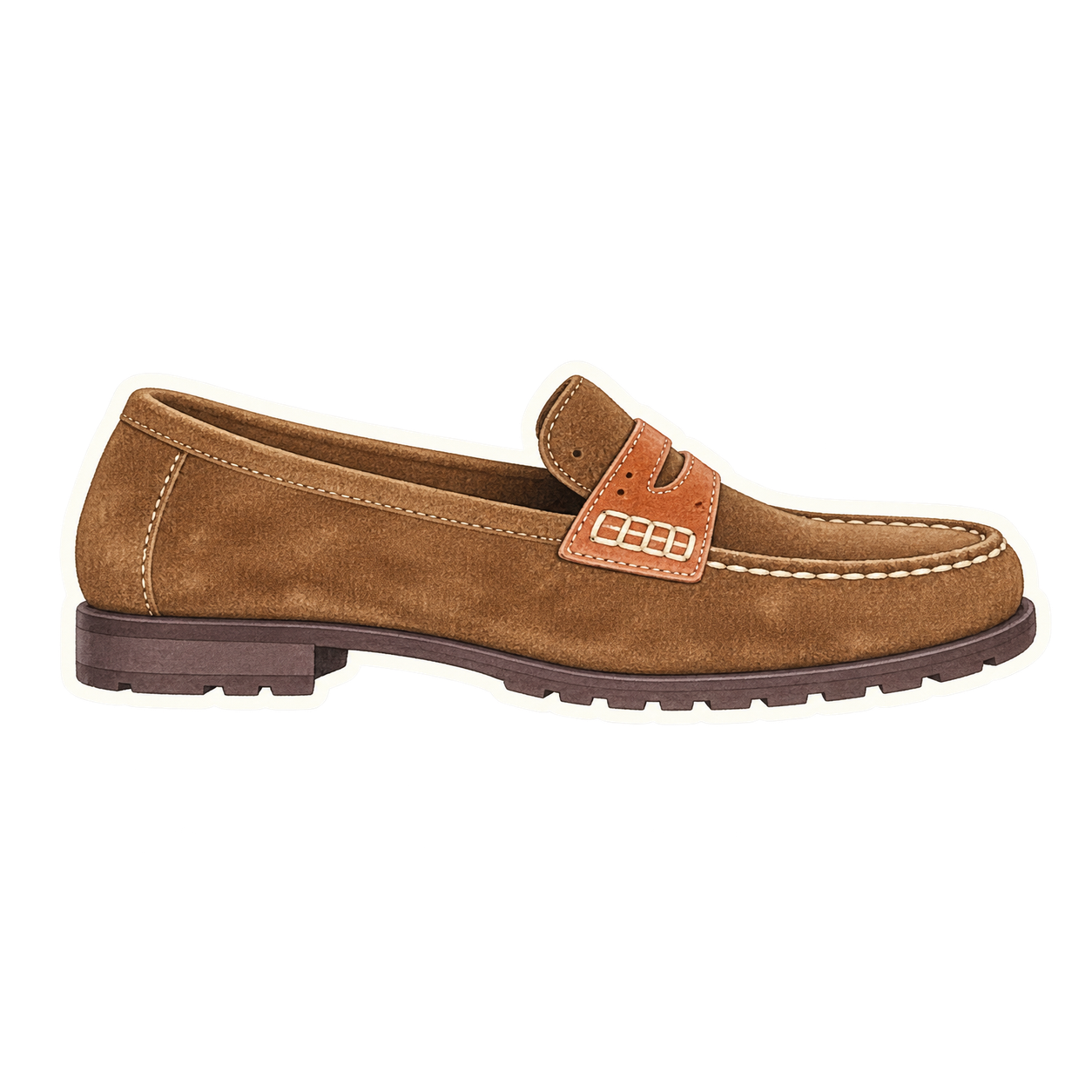 03Brown suede penny loafers, lug sole
They cover the closed-toe half of the resort rule. Suede loafers on a lug sole walk the length of a resort and a wet path after a shower, and brown sits under the stone trousers and matches the chestnut bag.
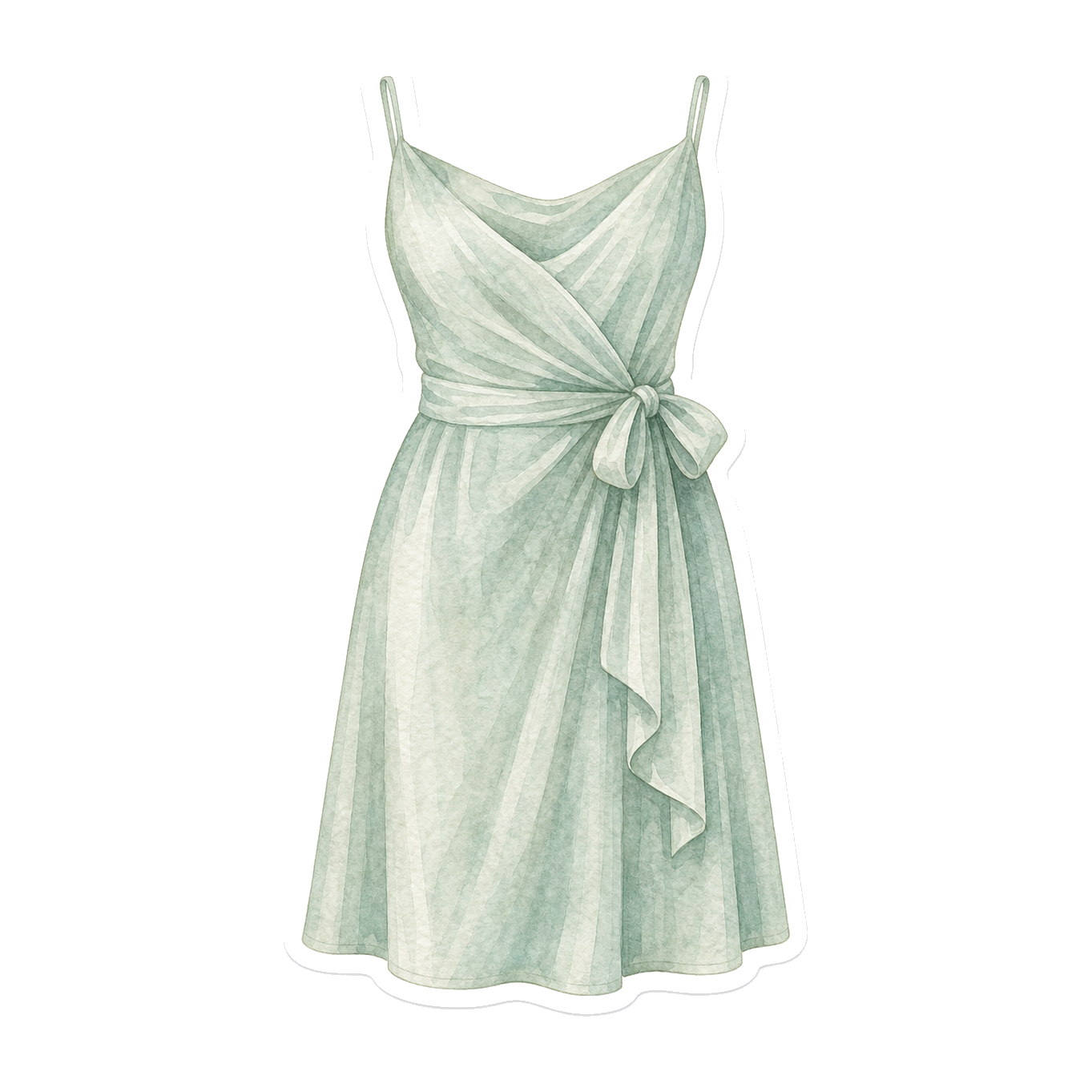 04Seafoam wrap dress, side tie
Noon at a beach bar, then dinner with the cardigan over it. A wrap cut adjusts at the waist after a long lunch, thin straps suit the 28.7°C afternoon, and seafoam is the one soft colour against the stone and the brown.
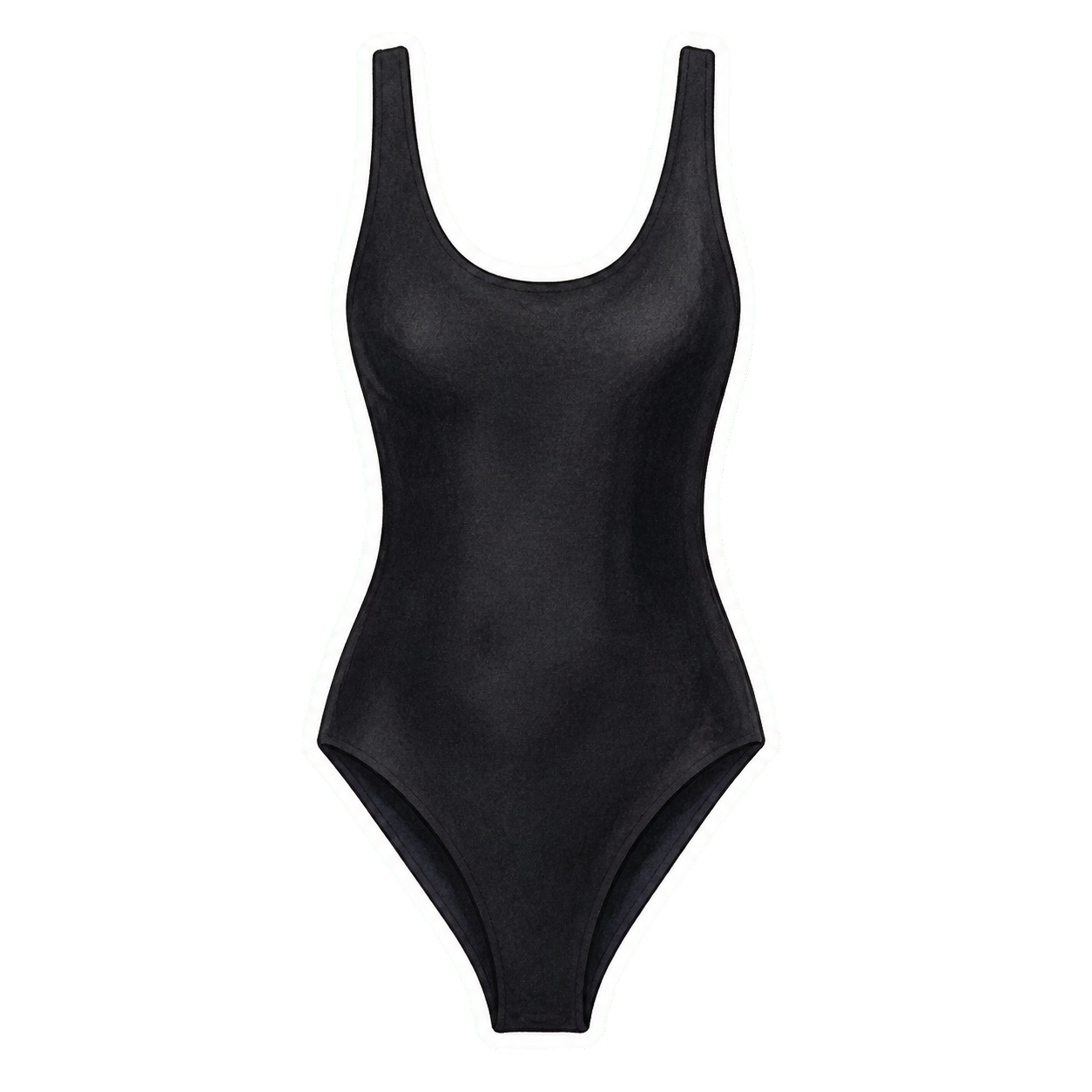 05Black scoop-neck one-piece
Swimming is still on between fronts. A plain black one-piece stays in place in the swell a front leaves behind. The municipal flag rule still applies: red means stay out.
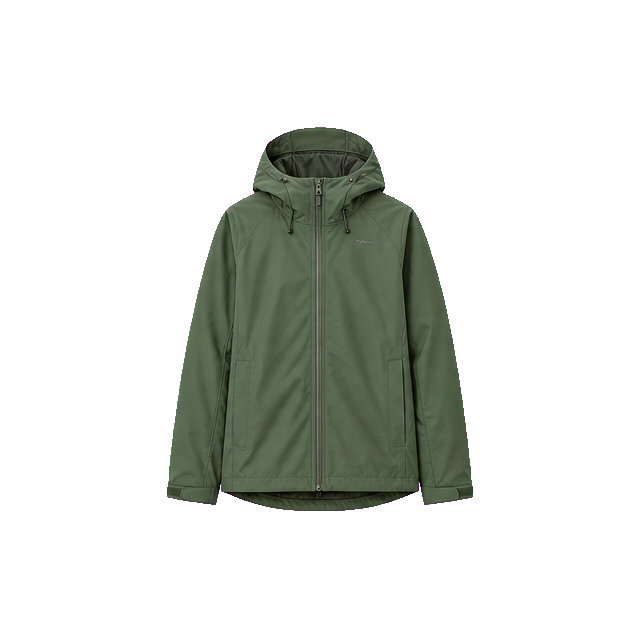 06Muted green hooded packable shell
About 11 days bring rain in an average January, and a front drives it sideways. A hooded shell goes over the cardigan on a wet evening walk and folds into the bag by day, and muted green keeps to the capsule's palette.
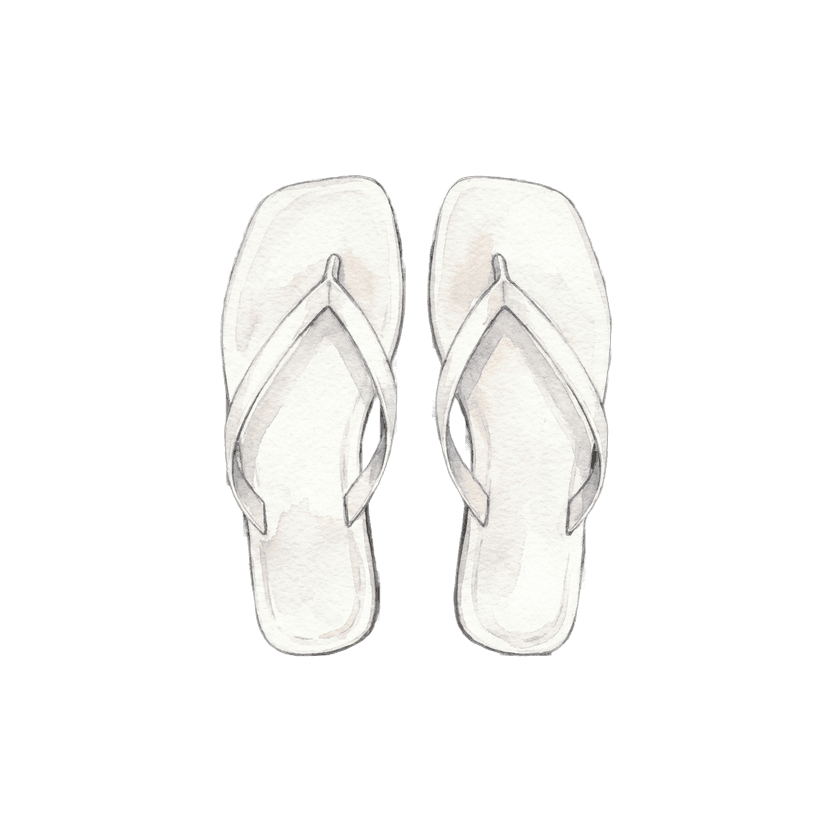 07White flat thong sandals
For the sand and the pool deck only, off in a second at the water. Change into the loafers for dinner, where some resort restaurants require closed-toe shoes.
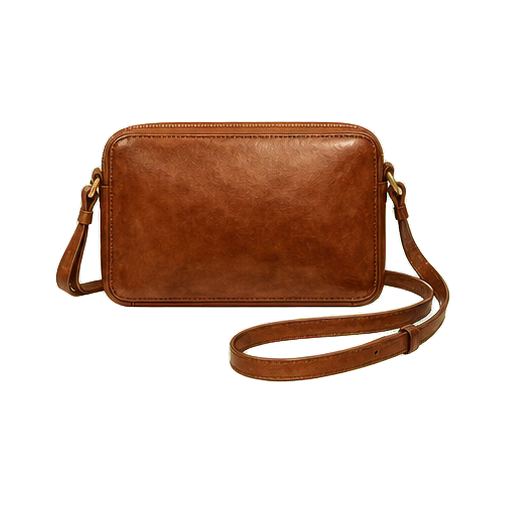 08Chestnut leather zip crossbody
Holds a phone, a card and the room key through a festival day, and the zip keeps the rain out when a front passes. Chestnut matches the loafers.
Day to night
Black one-piece under the seafoam wrap dress · white thong sandals · chestnut crossbody · green shell folded in the bag. A swim if the flag is green, then lunch in the shade.
Sage cardigan buttoned · stone pressed trousers · brown suede loafers · chestnut crossbody. Dinner at a resort restaurant that asks for slacks and closed-toe shoes, after a sunset at about 6:25pm.
A suggested look — pale sage pointelle cardigan, stone pressed trousers, brown suede loafers, red glasses.
What to avoid
- Only sandals — some resort restaurants and bars require closed-toe shoes
- A dry-season plan — January is wetter than February to April
- Swimming on a red flag — entry prohibited
- Assuming no sargassum — SEMAR warned of landings in January 2026
- A heavy coat — the average night is 20°C
Frequently asked questions
The coolest month, and not a dry one. SMN's 1991–2020 normals for its Cancún station give an average January high of 28.7°C and a low of 20°C, with 103.8mm of rain across about 11 days, wetter than February (59.3mm), March (38.7mm) or April (42.3mm). The station's lowest January reading is 13°C, on 17 January 1995. SMN forecasts eight cold fronts for Mexico in January 2027. Sunset moves from about 6:17pm on 1 January to 6:37pm on the 31st.
A pale sage cardigan, stone pressed trousers, brown suede loafers, a seafoam wrap dress, a black one-piece, a muted green rain shell, white thong sandals and a chestnut crossbody. That covers a swim between fronts, a rainy evening and a resort dinner that asks for slacks and closed-toe shoes. Add biodegradable sunscreen if you plan to snorkel in the marine park.
There can be. SEMAR, Mexico's navy, publishes a daily sargassum bulletin for the Mexican Caribbean. In January 2026 its count rose from 5,926 tonnes on the 6th, with the alert still at low, to 9,787 tonnes on the 24th, when it warned that "derivado al frente frío y de los vientos dominantes, existe la posibilidad de recales de sargazo en Cancún", that the cold front and prevailing winds raised the possibility of sargassum landing in Cancún. December 2025 had stayed low. One year is a pattern to watch, not a rule, so check the bulletin before a beach day.
The second week, for space. New Year's Day is a federal rest day, and Mexico's schools stay closed through Día de Reyes on 6 January, reopening on Thursday 7 January, so the first week still carries holiday crowds. The Moon Palace festivals fill the resort itself from 7 to 10 January (Out of the Blue) and 13 to 16 January (Crash My Playa). In 2026 the sargassum count was highest late in the month.
February is warmer by day and much drier. SMN's normals give February 30.1°C by day and 20.6°C at night, with 59.3mm of rain over about 7 days, against January's 28.7°C, 20°C and 103.8mm over about 11. January has the coolest evenings of the year, so it needs the cardigan; February needs it less. Both sit inside the cold-front season, which SMN says runs from September to May.
More cover in the evening than the rest of the year. The Yucatán's own dress points the way: Mérida's city council describes the everyday hipil, with a printed strip at the hem in place of embroidery, and the mestizo's white hat of jipi or palmilla straw, made in Ticul and Halachó. In the resorts the rule is simpler, and the Moon Palace festival FAQs spell it out: shirts and footwear at every restaurant, slacks and closed-toe shoes at some.
Sources
- Servicio Meteorológico Nacional — 1991–2020 climate normals, Cancún (23155) stationSMN's published 1991–2020 normal for its Cancún station in Benito Juárez, 28 years of January data. Recorded per month because the rest of this city's pages are sourced differently.
- SMN — Normal climatológica 1991–2020, station 23155 Cancún — accessed 2026-09-27
- SMN / Conagua — Comunicado 125-26: 56 cold fronts forecast for 2026–2027 (4 Sep 2026) — accessed 2026-09-27
- SEMAR — Sargassum bulletin 1305, 6 Jan 2026 — accessed 2026-09-27
- SEMAR — Sargassum bulletin 1323, 24 Jan 2026 (landings possible in Cancún) — accessed 2026-09-27
- SEMAR — Sargassum bulletin 1298, 30 Dec 2025 — accessed 2026-09-27
- Municipio de Benito Juárez — Water safety and rescue regulation (art. 19, beach flags) — accessed 2026-09-27
- Crash My Playa — FAQs, 13–16 Jan 2027 at Moon Palace Cancún (resort dress rules) — accessed 2026-09-27
- Out of the Blue — 7–10 Jan 2027 at Moon Palace Cancún — accessed 2026-09-27
- Cámara de Diputados — Ley Federal del Trabajo, art. 74 (mandatory rest days) — accessed 2026-09-27
- SEP — Calendario escolar 2026–2027 (winter break 21 Dec–5 Jan) — accessed 2026-09-27
- CONANP — Management programme, Parque Nacional Costa Occidental de Isla Mujeres, Punta Cancún y Punta Nizuc — accessed 2026-09-27
- Ayuntamiento de Mérida — Traditional dress of Yucatán (terno, hipil, guayabera) — accessed 2026-09-27