What to Wear in Cancún in August
Cancún in August is peak summer with the Atlantic hurricane window opening — 33°C / 91°F afternoons, 10 rain days, named storms statistically possible.
- Lightweight cotton or linen — humidity 82%
- Packable rain shell — afternoon thunderstorms continue, frontal storms possible
- Slip-on leather sandals + closed-toe loafers
- Swim cover-up — Mexican resort policy
- Wide-brim sun hat + reef-safe SPF 50
- Named-storm travel insurance — Atlantic hurricane window opens
- Don't book without travel insurance — Atlantic hurricane window opens August
- Don't pack synthetic activewear — humidity 82%
- Don't skip the rain shell — afternoon thunderstorms continue
Cancún in August opens the active Atlantic hurricane window. SMN data put afternoons at 33°C / 91°F and overnight lows at 24°C / 75°F with 10 rain days — the wettest of the May-August window. Humidity holds at 82%. The rainy-season pattern continues but with frontal-storm risk added: National Hurricane Center (NHC) tropical-outlook checks become daily resort-lobby ritual. Statistically, August launches the heart of Atlantic hurricane activity; named-storm travel insurance is mandatory infrastructure. The Hotel Zone resort register holds — cover-up over swimsuits, smart-casual dinner, closed-toe at restaurants. Mayan ruin day trips need long-sleeve UV protection. Pineda Covalín, Coqui Coqui, and Pineapple Republic remain the local resort vocabulary. Reef-safe sunscreen rules continue at cenotes (Ik Kil, Dos Ojos, Gran Cenote) and at Xcaret-Xel-Há. The Caribbean reef snorkel ban on oxybenzone is enforced.
August Cancún is the rainy season at full speed — 10 rain days, the cabanas at Playa Delfines stocked deep with branded ponchos, the National Hurricane Center's daily tropical outlook the most-checked link on every resort lobby TV.
The capsule
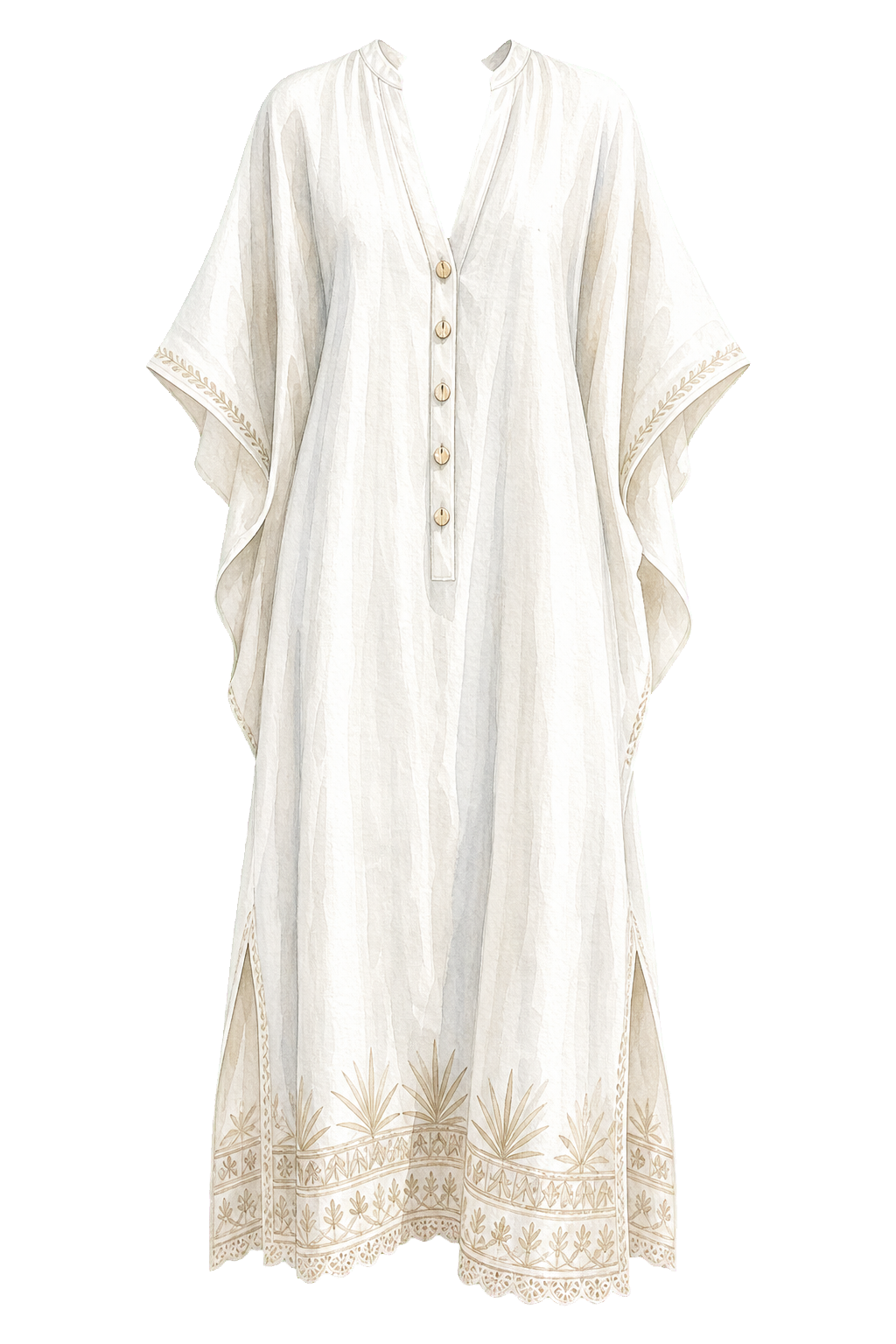 01Lightweight cotton or linen midi dress — white, sand, sage
33°C / 91°F + 82% humidity. Cotton breathes; synthetic traps sweat.
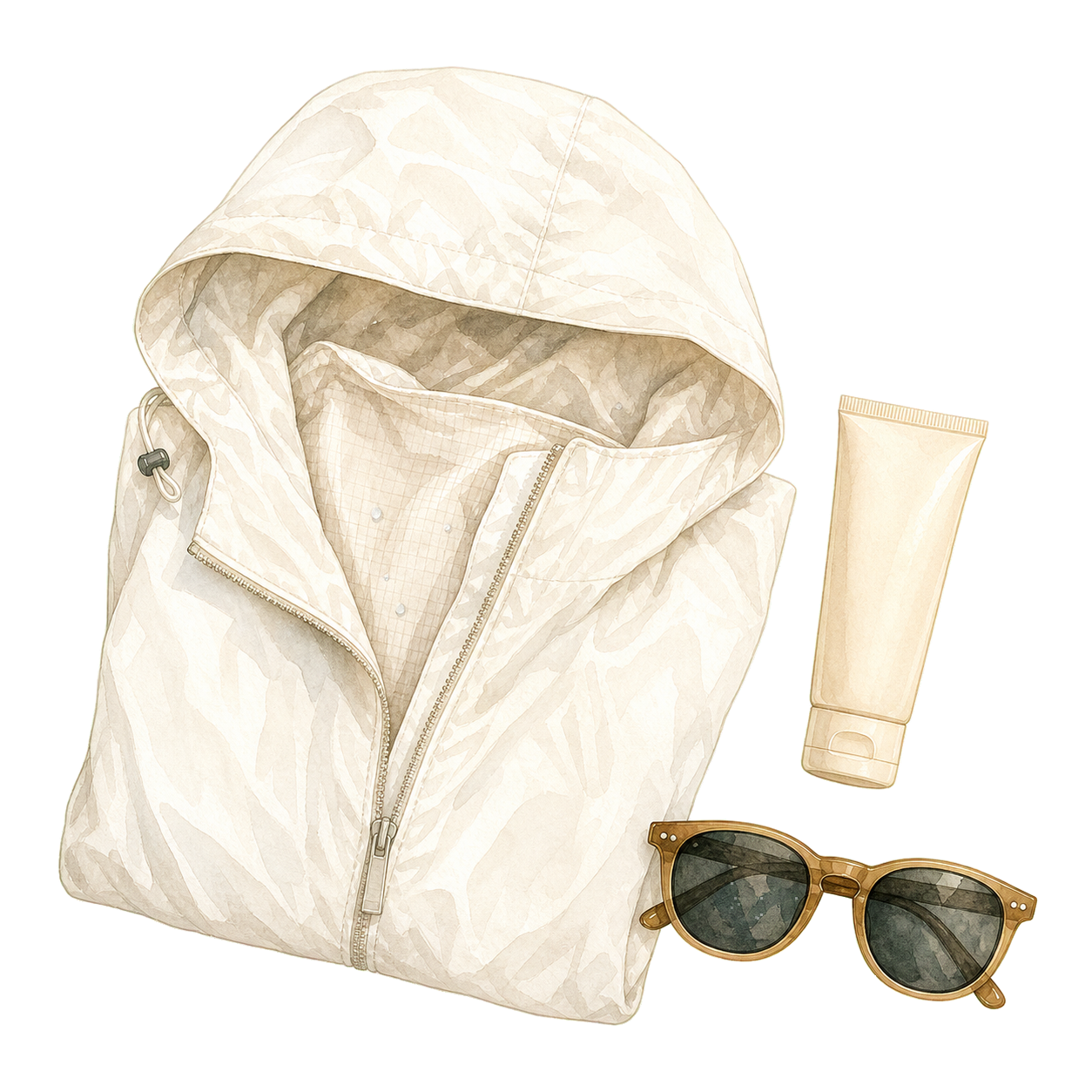 02Packable rain shell — Patagonia Houdini, Uniqlo Pocketable
Rainy season at peak; afternoon thunderstorms + frontal storm risk.
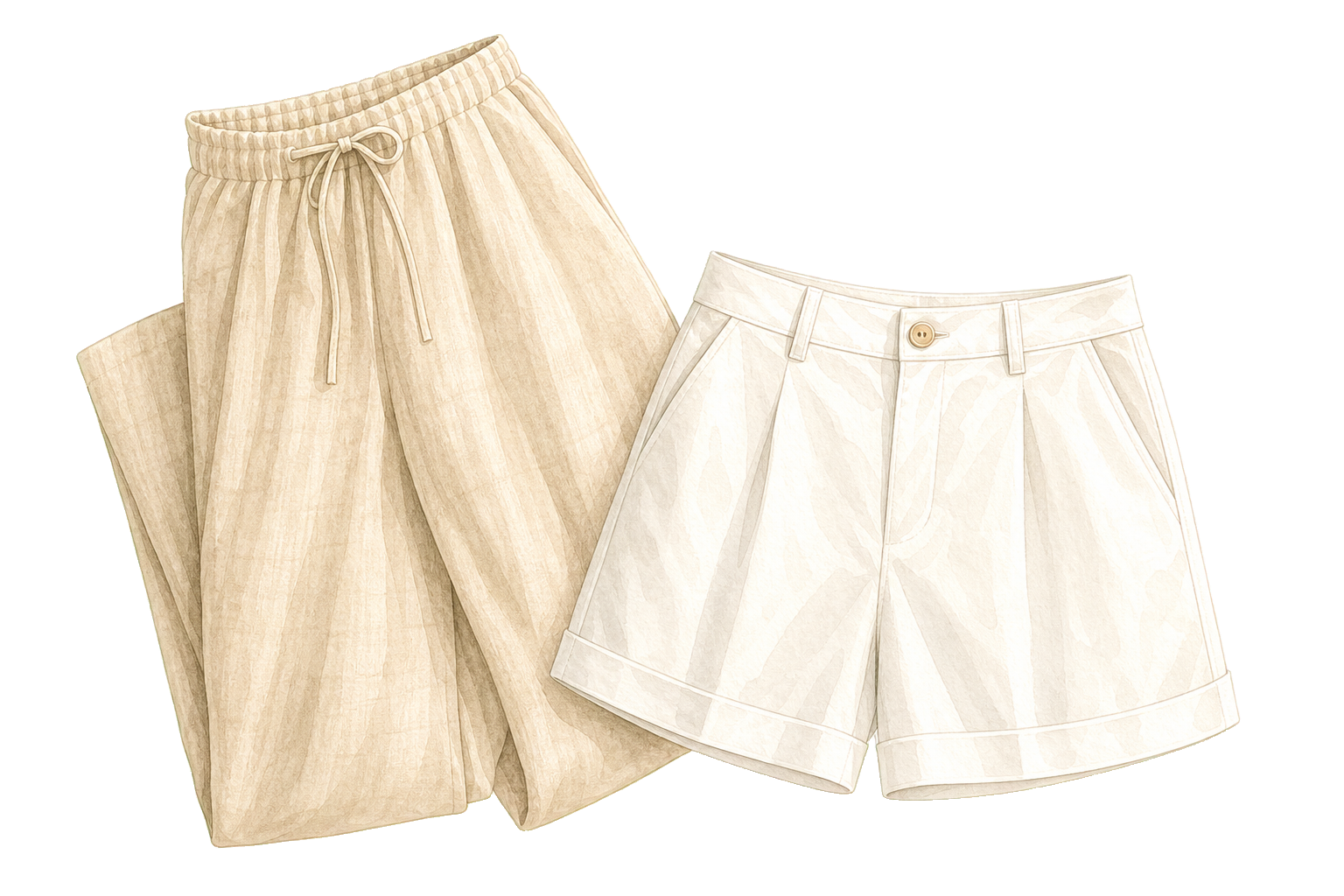 03Linen wide-leg trousers + cotton shirt
Hotel Zone smart-casual dinner; Coqui Coqui Yucateco-cotton local upmarket.
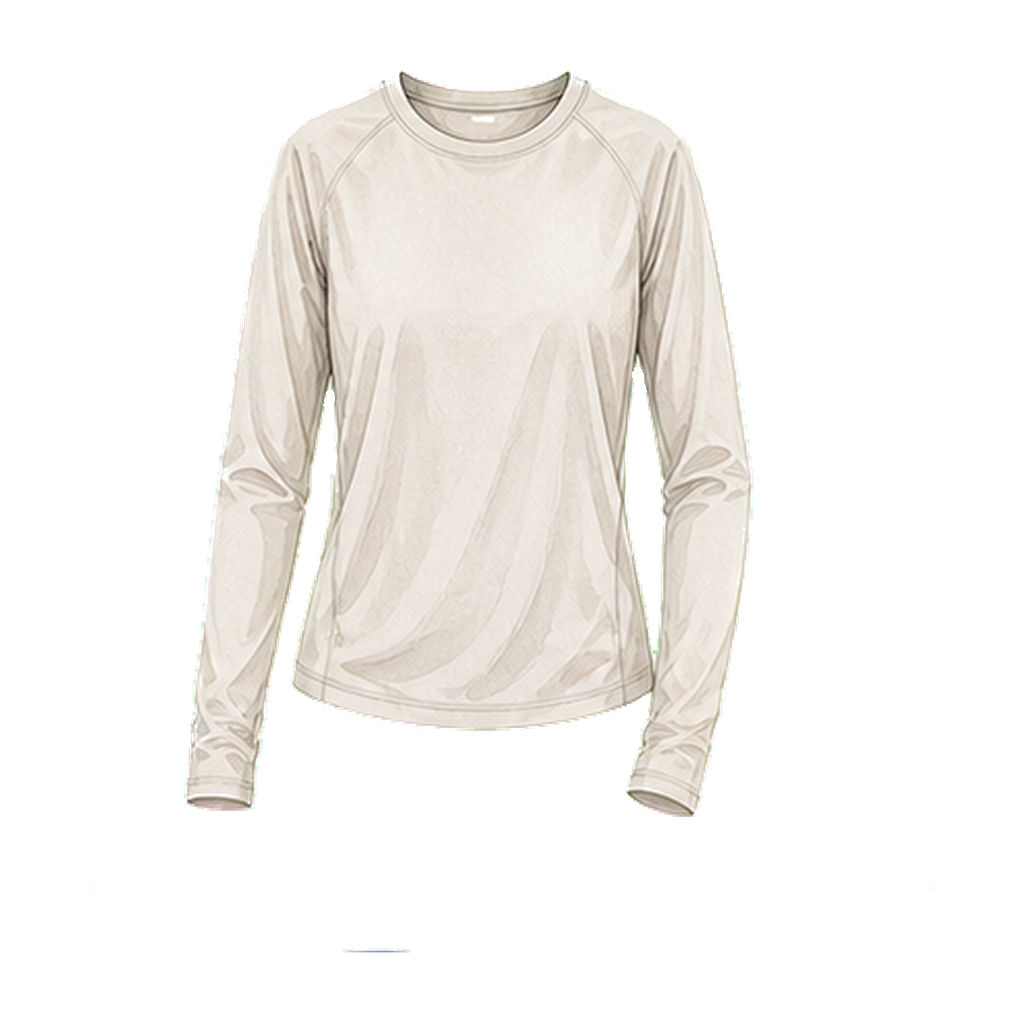 04Cotton long-sleeve UV shirt
Tulum, Chichén Itzá, Cobá Mayan-ruin trips; UV index 11 with limestone reflection.
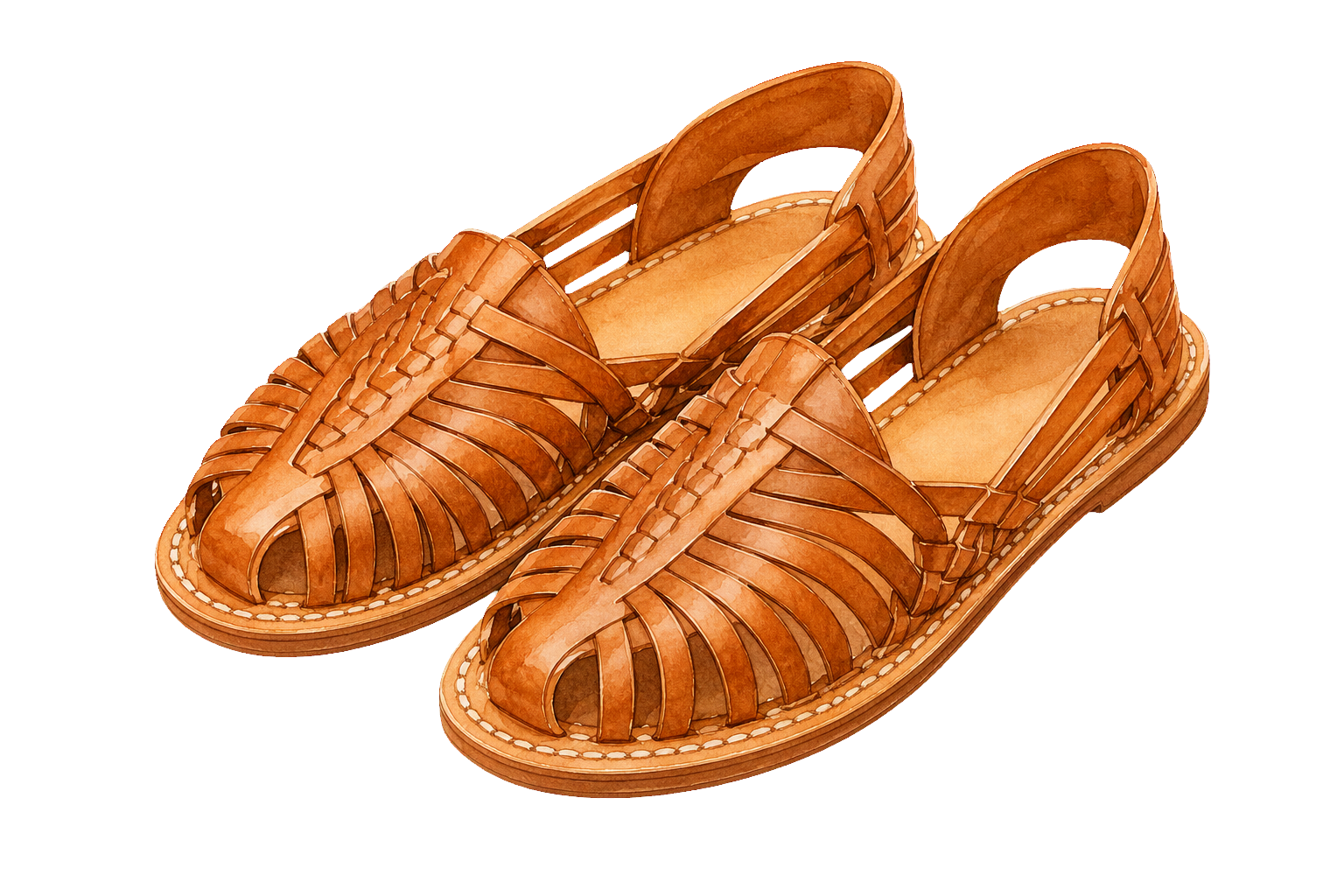 05Slip-on leather sandals + closed-toe loafers
Beach-pool-restaurant transitions; closed-toe at evening restaurants required.
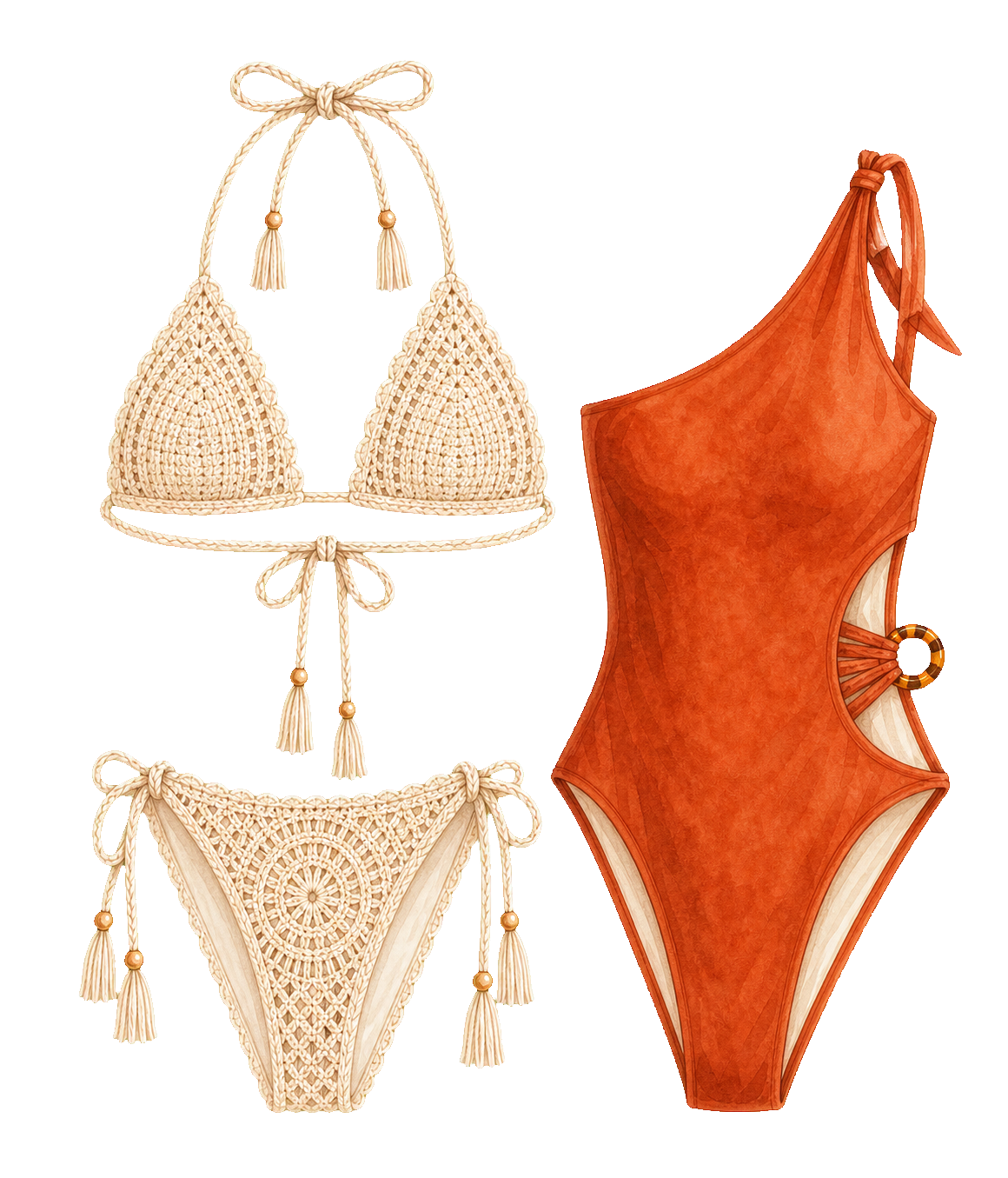 06Swim + cotton kaftan cover-up
Mexican resort policy enforces in lobbies and restaurants.
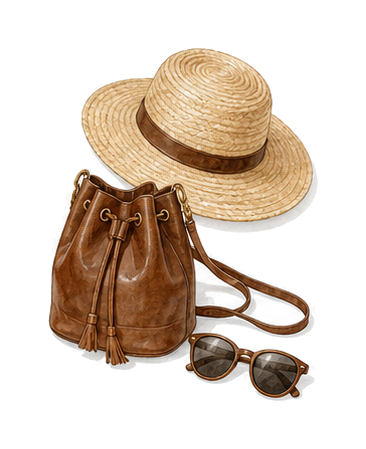 07Wide-brim sun hat + polarized sunglasses + crossbody bag
UV index 11; downtown Mercado 28 pickpocket vigilance.
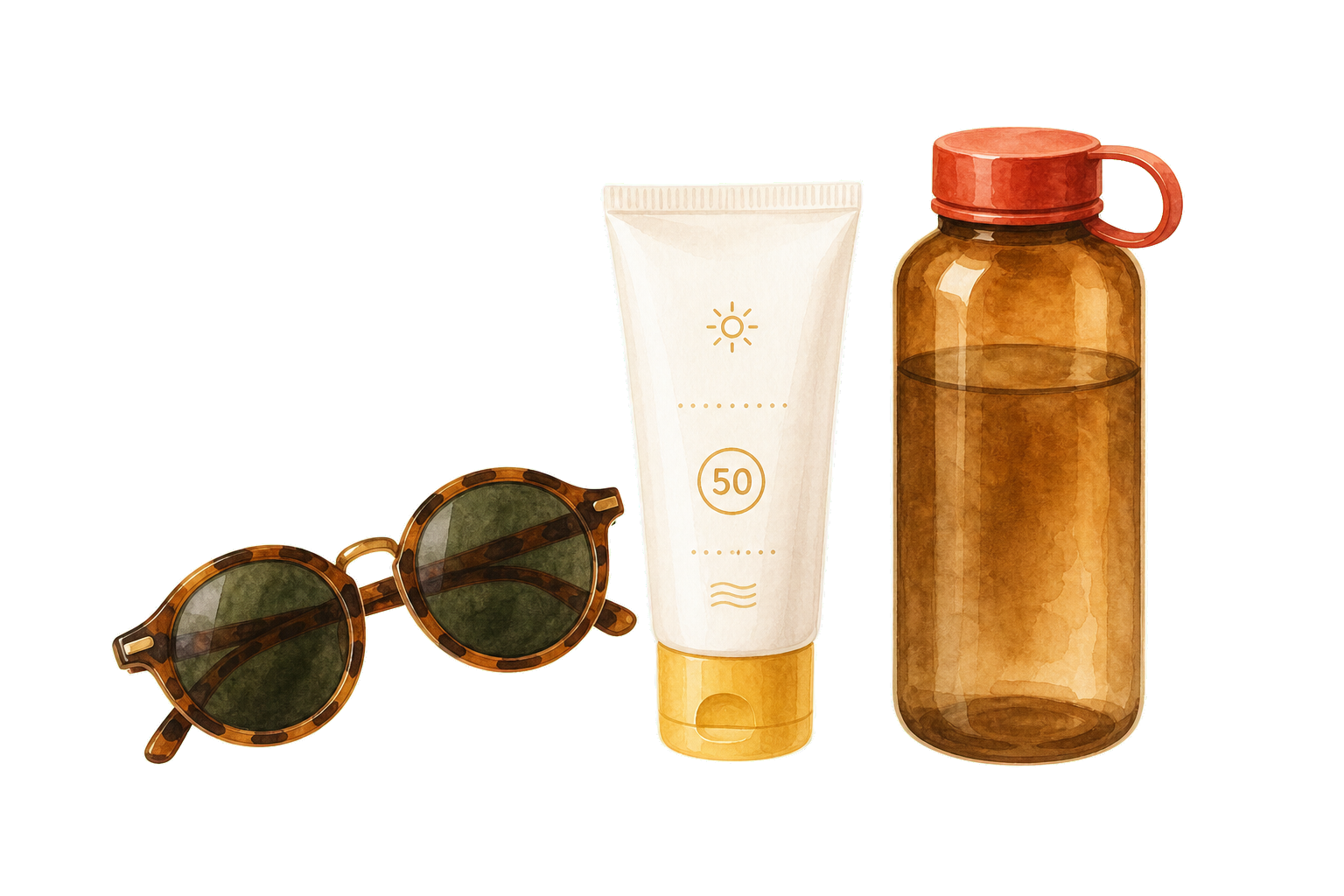 08Reef-safe SPF 50 (zinc-based) + after-sun aloe + travel insurance receipt
Quintana Roo state law at cenotes; named-storm insurance for hurricane window.
Day to night
Cotton dress · sandals · sun hat · crossbody · rain shell. NHC tropical check 7am, beach 9am, snorkel Punta Nizuc 11am.
Linen trousers · cotton shirt · loafers · light cardigan. Dinner at Lorenzillo's or La Habichuela 8pm; cocktails at Mandala or Coco Bongo after.
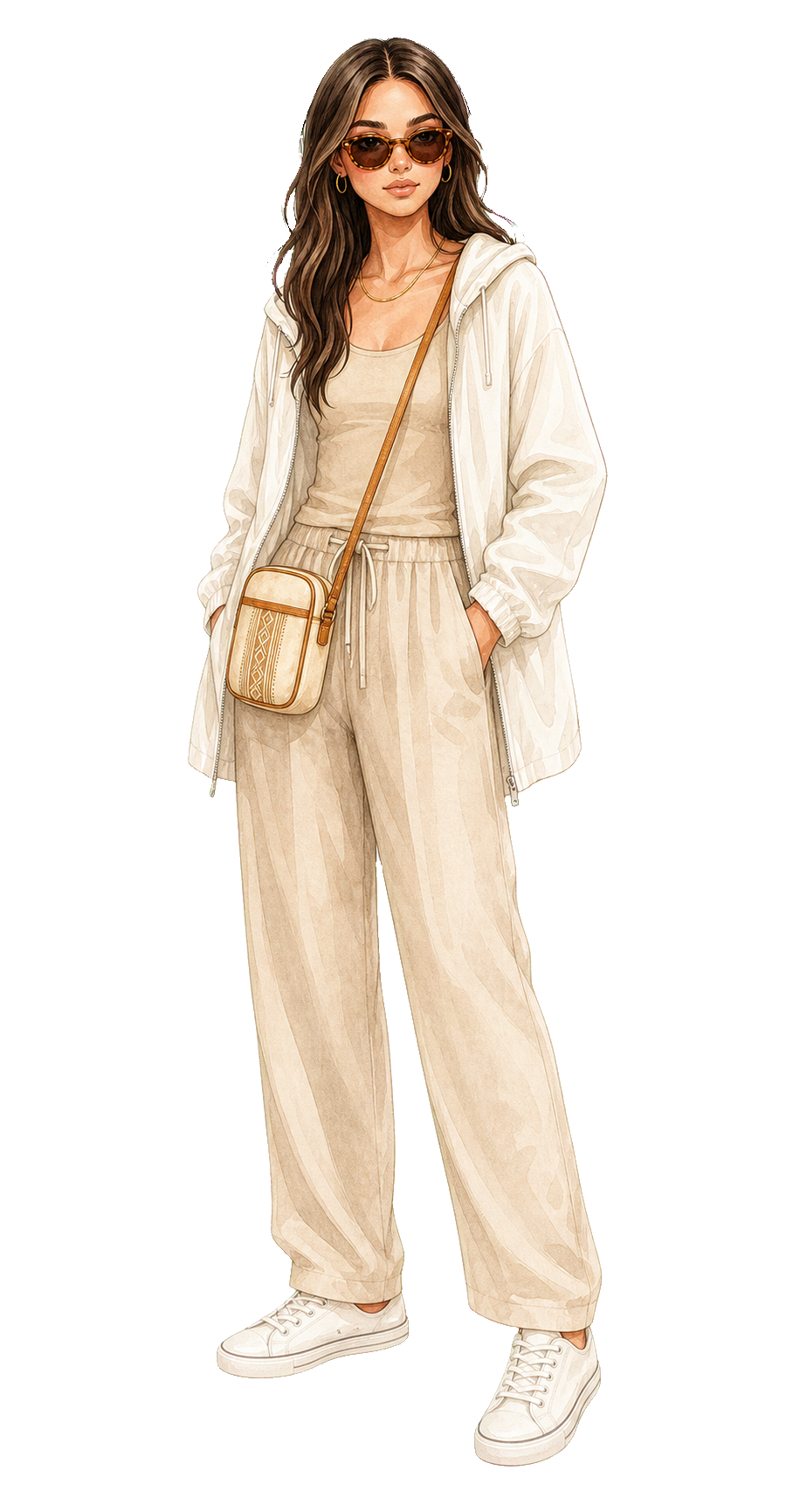
A suggested look — Cancun August suggested look: ivory packable rain shell over sand linen separates, slim tortoise sunglasses, small natural canvas crossbody, and white low-profile canvas sneakers..
What to avoid
- Synthetic activewear — humidity 82%
- No travel insurance — Atlantic hurricane window opens August
- Oxybenzone sunscreen — Quintana Roo state law at cenotes
- Resort-only wardrobe — Mayan ruin trips need UV cover-up
- Flip-flops at evening restaurants — closed-toe expected
Frequently asked questions
August opens the active Atlantic hurricane window — historically the busiest months for named storms in the western Caribbean are mid-August through mid-October. Per SMN: 33°C (91°F) afternoons, 24°C (75°F) nights, 10 rain days. The dressing rule is unchanged from June-July; what changes is the storm risk. Visitors who travel in August should buy named-storm travel insurance, check the National Hurricane Center tropical outlook 3-5 days before flying, and choose hotels with documented hurricane procedures (most Hotel Zone all-inclusive chains do).
Hotel Zone all-inclusive resorts run hurricane procedures: pre-storm notice with shelter rooms identified, food/water stockpiles, generator-backed lighting, post-storm guest-ride-through to the airport when reopened. Resorts do not refund storm-disrupted nights but most rebook. Named-storm travel insurance (separate from generic trip-cancellation) covers the financial side. Mexican federal Civil Protection (Protección Civil) issues mandatory evacuation orders for the strongest storms; follow resort instructions.
Yes — water temperature 29-30°C / 84-86°F is the warmest of the year, reef visibility is good outside of post-storm windows, and the whale shark migration off Isla Holbox runs June-September (peak July-August). Reef-safe sunscreen (zinc-based, oxybenzone-free) is mandatory by Quintana Roo state law at the Mesoamerican Reef snorkel zones, at cenotes Ik Kil and Dos Ojos, and at Xcaret-Xel-Há. Operators check before boarding.
Cancún Hotel Zone runs a US all-inclusive resort register: cover-up over swimsuit in lobbies, closed-toe at evening dinner, smart-casual at specialty restaurants. Tulum runs a boho-eco resort register: long flowy linen, leather sandals, hand-woven cotton huipils, the Hartwood-and-Casa-Jaguar dinner uniform of relaxed-luxury. Tulum's beach club register at Papaya Playa Project and Casa Malca runs more 'natural-fiber bohemian' than Cancún's 'cocktail-resort polished.' Same climate; different vocabulary.
Mexican Independence Day is September 16 — outside the May-August window. The big August Yucatán festivals are Hanal Pixán (Day of the Dead, late October-early November) and the Mérida en Domingo Sunday street fair (year-round). August itself is mid-summer everyday Mexican: family beach trips, school-vacation crowding, no major fixed festivals. Independence Day in Cancún (September 15-16) features grito ceremony, fireworks, mariachi at Parque de las Palapas in downtown.
Sources
- Servicio Meteorológico Nacional — climate normals