What to Wear in Cape Town in January
Cape Town in January: 28°C / 82°F afternoons, 17°C / 63°F nights, the windiest month on NOAA's airport record, and the Tweede Nuwe Jaar parade to open the year.
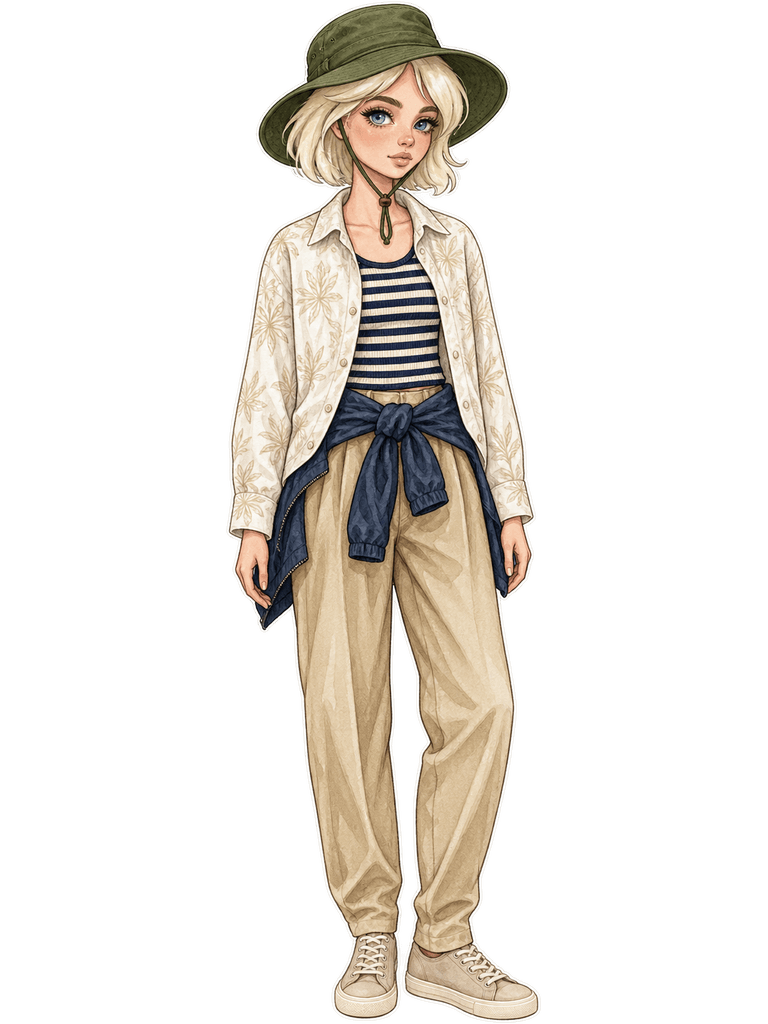
- Navy hooded packable shell — a hood stays on in a south-easter that a brim or an umbrella will not survive
- Khaki pleated tapered trousers — a tapered leg sits still in a 41 km/h wind where a wide one flaps
- Cream long-sleeve palm-embroidered shirt — CANSA says stay out of the sun from 10am to 4pm, and the parade runs 11am to 5pm
- Olive canvas wide-brim hat with a chin cord — CANSA wants thick fabric and a wide brim, the wind wants a cord
- Taupe canvas sneakers — six hours standing on Somerset Road, and closed shoes keep blown sand out
- Black zip-top crossbody — the City expects tens of thousands along the route, so keep the bag shut and in front
- A loose skirt or sundress on a south-easter day — about 13 January days bring a sustained 41 km/h wind
- A cap as sun cover — CANSA says caps leave the neck and ears exposed
- An open straw tote in the parade crowd — a zipped crossbody worn in front is harder to reach into
- Planning the Cableway for a fixed hour — it runs until 9pm in January, but only weather permitting
Pack so nothing can blow away. NOAA's figures for Cape Town International put January at 27.8°C by day and 16.5°C at night, with about 11mm of rain and 1mm or more on only about 2 days. The number that matters is the wind. Its daily mean is 23.8 km/h, the highest of any month, with about 13 days a month when the sustained wind reaches 41 km/h, and NOAA's hourly record shows nearly all of those strong hours coming from between south-east and south. The Table Mountain Fund calls it Cape Town's infamous south-easterly. In 2026 the month opened with the Tweede Nuwe Jaar parade, six hours on Somerset Road in the sun CANSA tells you to avoid. So choose tapered trousers over a skirt, a hood and a corded brim, and a bag that zips.
Cape Town in January asks one question of every piece you pack: will it stay on? Rain barely registers. The south-easter decides the outfit, and it has the whole month.
The capsule
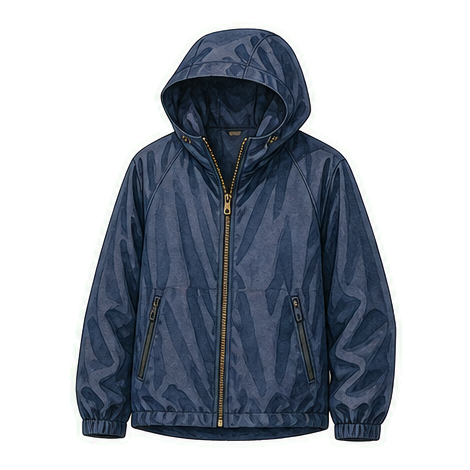 01Navy hooded packable shell
A hood is the one piece of sun and wind cover a south-easter cannot take off your head. NOAA's airport record makes January the windiest month of the year, with a daily mean of 23.8 km/h, and the Cableway's peak hours run until 9pm only when the weather permits. Navy shows less grime than a pale shell after a day in a crowd, and it packs into the crossbody by noon.
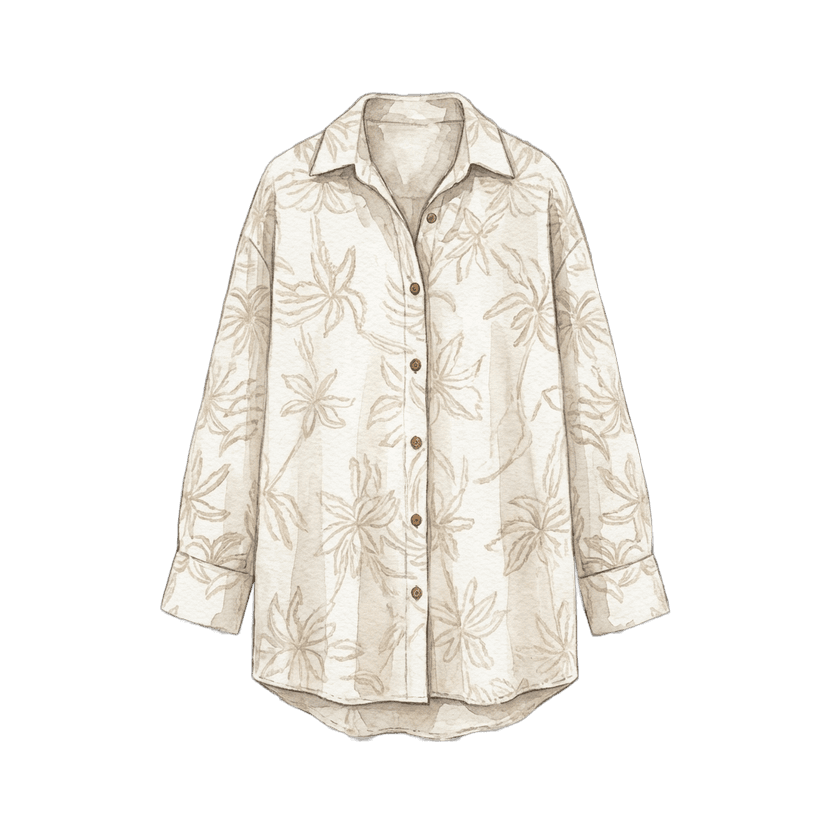 02Cream oversized long-sleeve shirt, tonal palm embroidery
Sleeves are sun cover you do not have to reapply. CANSA says to stay out of the sun between 10am and 4pm, and the 2026 parade started at 11:00 with the last troupe on the route around 17:00, so a parade day sits almost entirely inside that window. Wear it open over the tank, button it when the wind picks up, and the tonal palm embroidery keeps cream from reading plain.
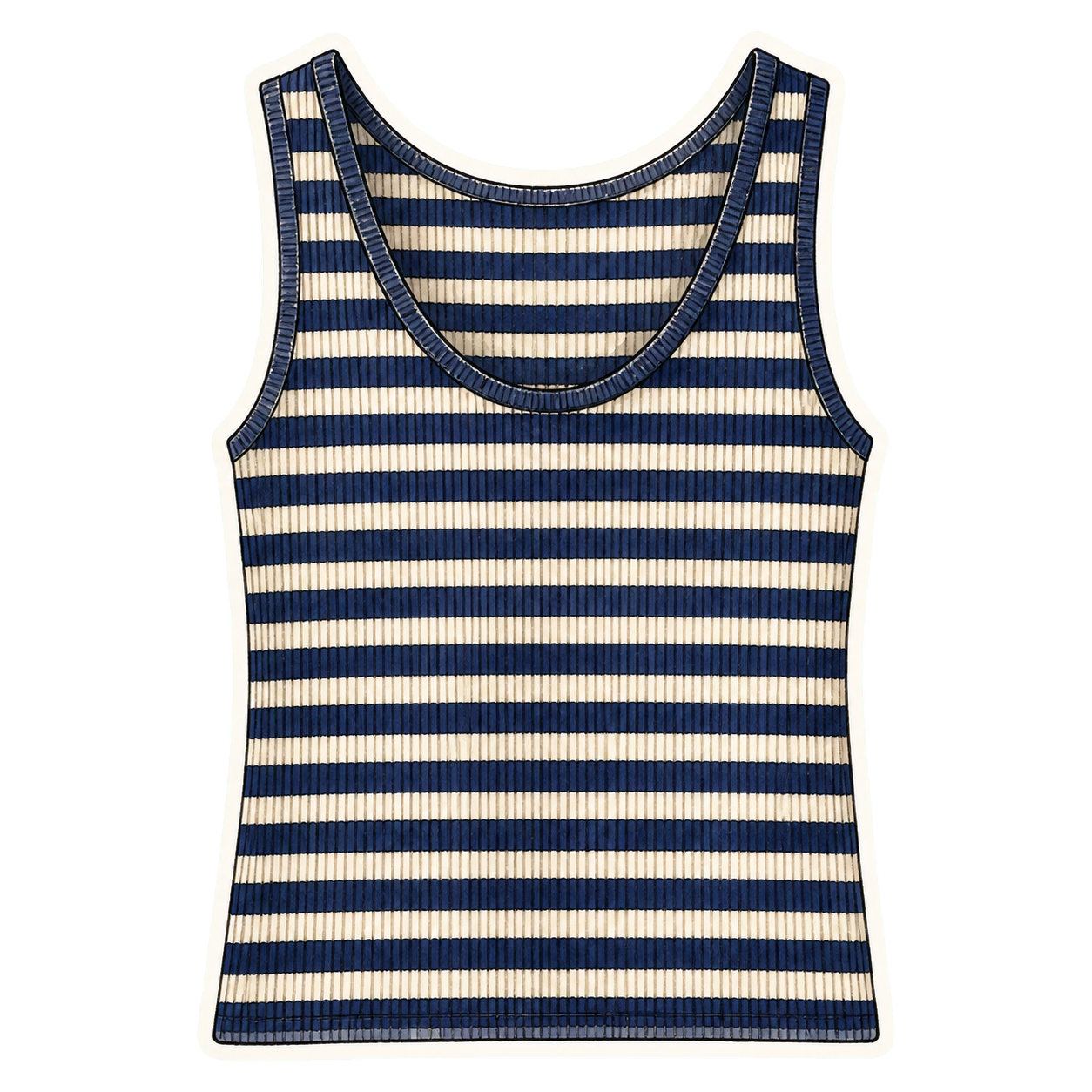 03Navy-and-ecru striped ribbed cotton tank
Ribbed cotton fits close, so it does not balloon or ride up in a gust the way a loose camisole does. It is the layer you wear alone at 28°C / 82°F on a sheltered terrace and under the open shirt everywhere else. Navy and ecru stripes pick up the navy shell and the cream shirt, so every combination in this capsule works.
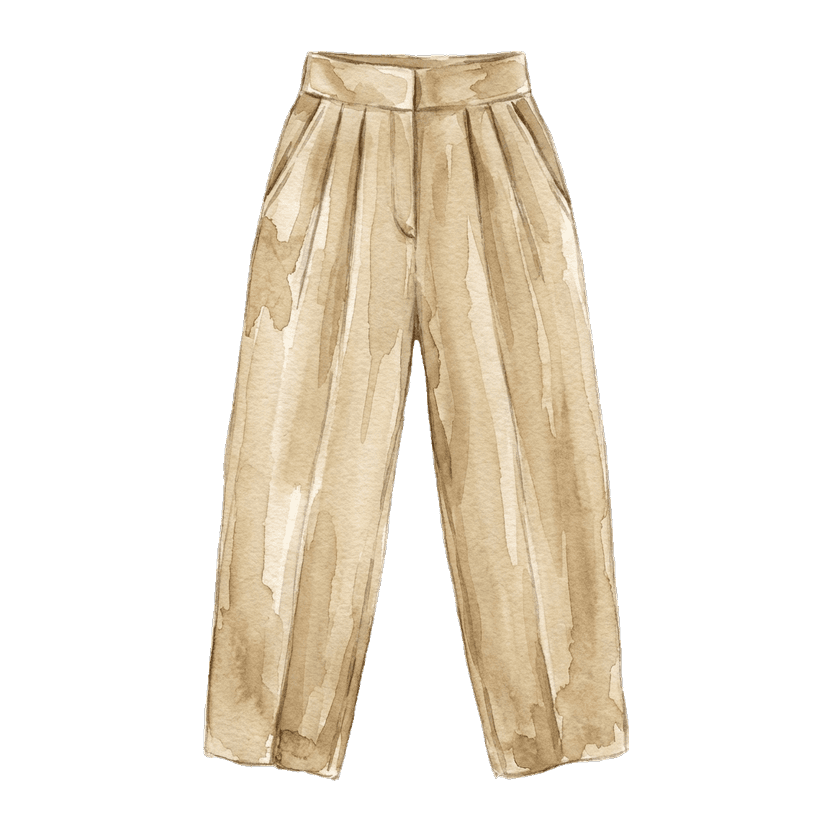 04Khaki high-waist pleated tapered trousers
Trousers, not a skirt, is the south-easter rule. On NOAA's daily record about 13 January days bring a sustained wind of 41 km/h or more, and a loose hem becomes a sail. Pleats give room at the hip for six hours on your feet, and the tapered ankle keeps the leg still in a gust. Khaki cotton hides the dust blown off the Green Point streets.
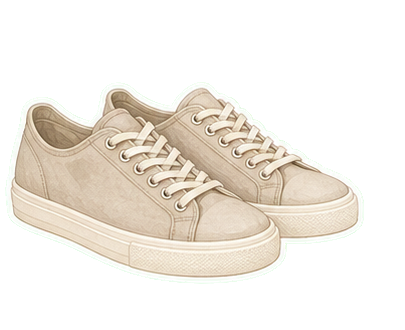 05Taupe canvas low-top sneakers
Wear closed shoes to the parade. The City's 2026 route ran 1.2km down Somerset Road from Chiappini Street into the stadium, with road closures from 06:00 to 21:00, and you will be standing in a crowd for hours. Canvas low-tops with a rubber cupsole keep toes covered and blown sand out, which a sandal does not, and taupe goes with khaki and the navy shell.
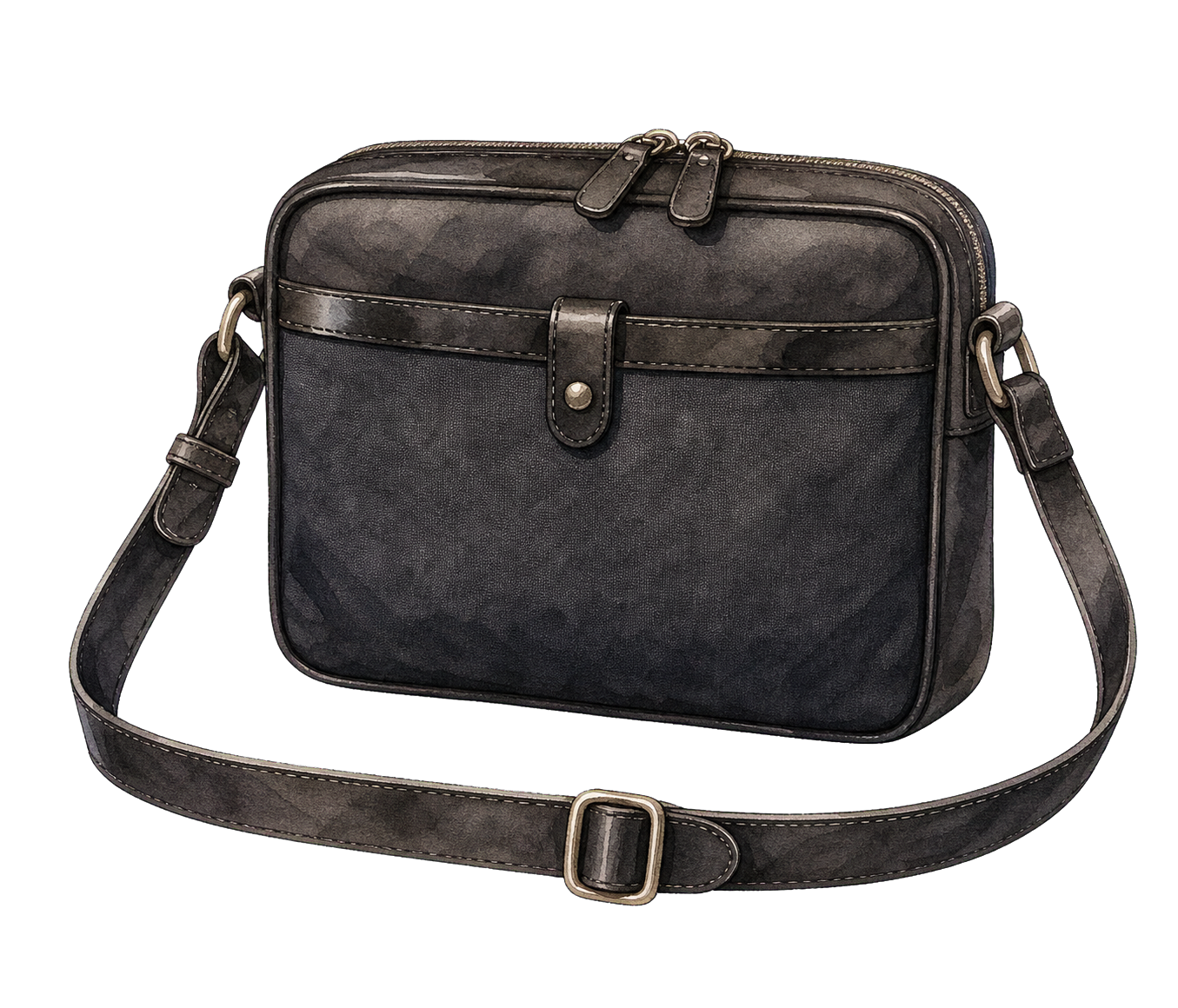 06Black zip-top crossbody, buckled front pocket
The City of Cape Town expected tens of thousands of spectators to line the 2026 parade route, and close to 25,000 more watched in the stadium. A zip-top crossbody worn in front keeps a phone, cash and sunscreen shut in that crowd. A zip top and a buckled front pocket keep blown grit out, and the adjustable strap lets the bag sit high and still when the wind catches it.
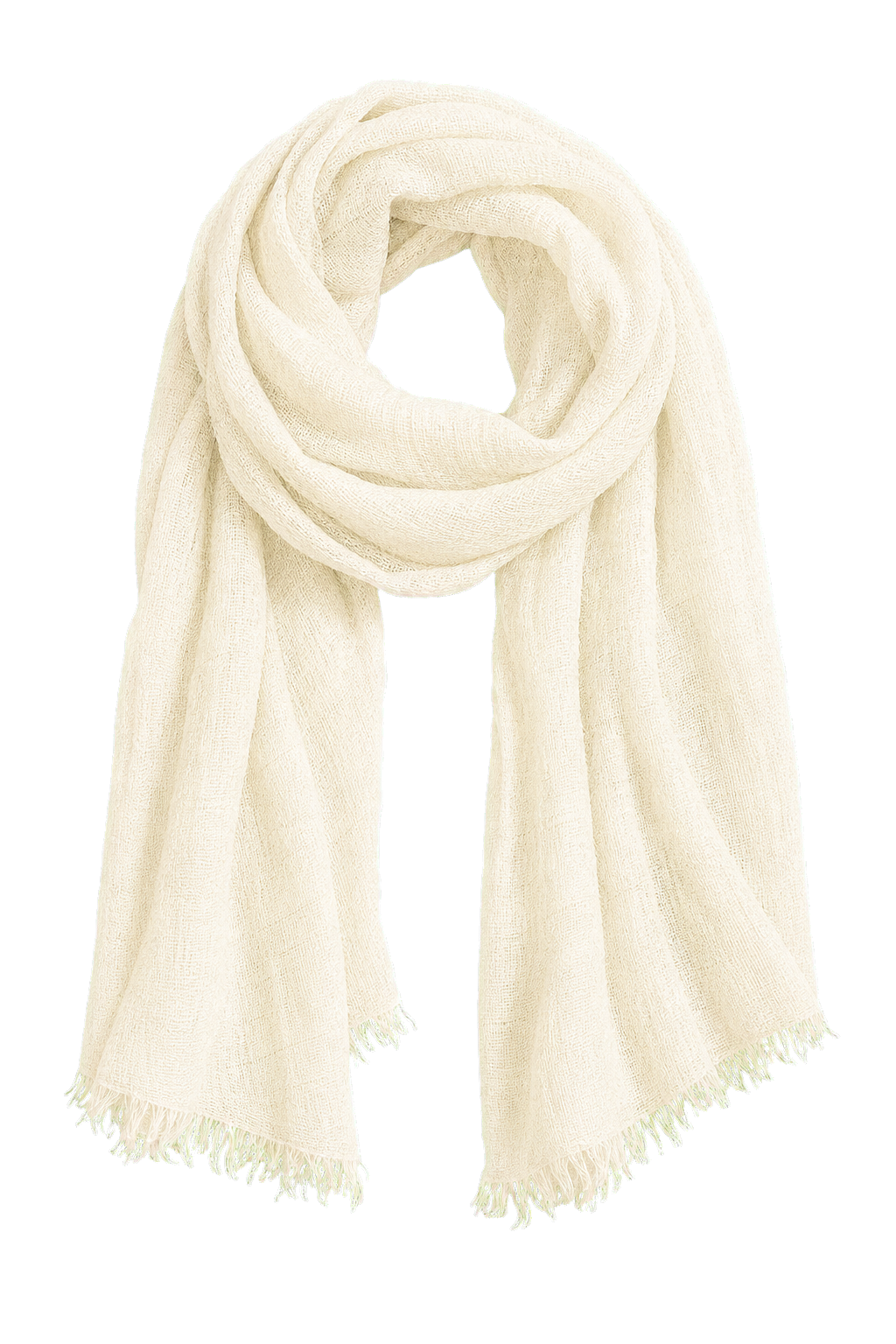 07Ivory fringed cotton scarf
A long ivory cotton scarf earns its slot in two ways: tie it over your hair when the wind picks up on the promenade, and knot it at your neck for the drive home after sunset, when the temperature settles toward 16.5°C.
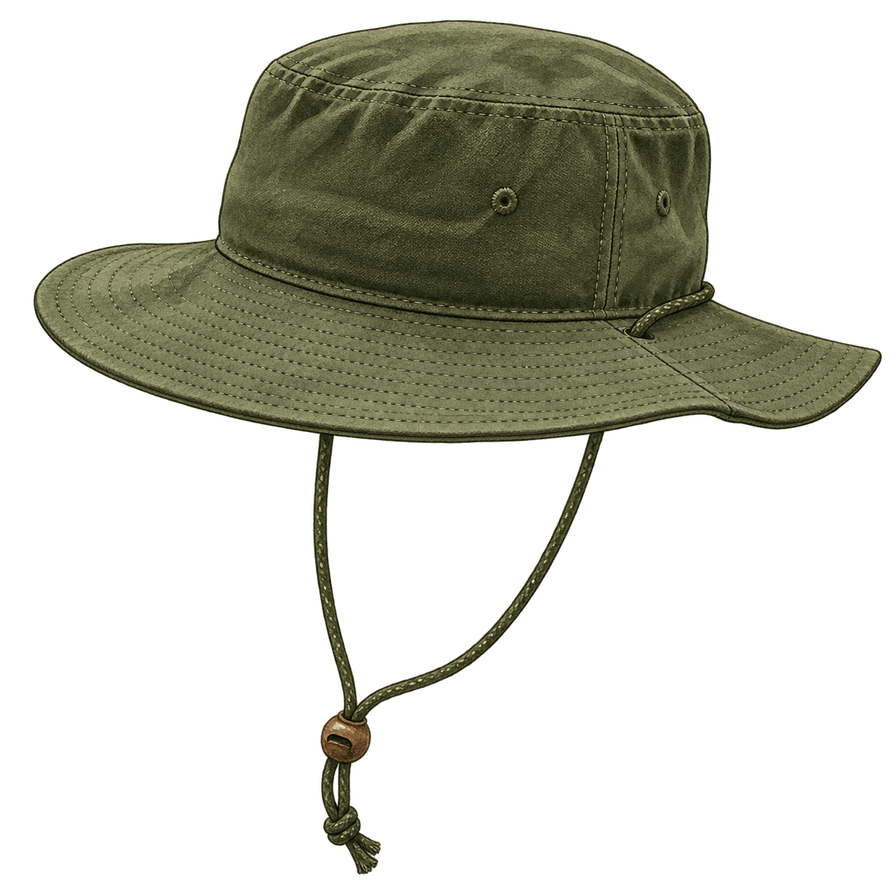 08Deep olive canvas wide-brim hat with a chin cord
CANSA's advice is precise: thickly woven fabric hats with wide brims, and no caps that leave the neck and ears exposed. Canvas meets the first half, and a chin cord is what keeps it on your head in the windiest month of the Cape year. Wear the cord fastened on the Cableway's top station and along Somerset Road, and let it hang loose indoors.
Day to night
Striped tank · cream palm-embroidered shirt open over it · khaki tapered trousers · taupe sneakers · olive canvas hat, cord fastened · black crossbody in front · navy shell tied at the waist. Somerset Road before the 11:00 start on parade day, water and sunscreen in the bag.
Striped tank · khaki trousers · navy shell zipped · taupe sneakers · ivory scarf knotted at the neck. The last car up Table Mountain at 8pm if the Cableway is running, sunset at about 8pm early in the month, and down by 9pm.
A suggested look — navy and ecru striped tank, cream palm-embroidered shirt, khaki pleated tapered trousers, taupe canvas sneakers, olive canvas sun hat with chin cord.
What to avoid
- A loose skirt or sundress — about 13 January days bring a sustained 41 km/h wind
- A cap as sun cover — CANSA says it leaves the neck and ears exposed
- A brim with no cord — the south-easter takes it
- Sandals and an open tote at the parade — hours in a dense crowd on closed roads
- A fixed Cableway booking — it runs until 9pm in January, weather permitting
Frequently asked questions
Hot, dry and windy. On NOAA NCEI's figures for Cape Town International, which the South African Weather Service runs, January averages 27.8°C at its high and 16.5°C at its low, with about 11mm of rain; rain is measurable on about 4 days and only about 2 reach 1mm. The same record gives January the highest mean daily wind of the year, 23.8 km/h, and about 13 days with a sustained wind of 41 km/h or more, nearly all from between south-east and south. Sunset holds near 8pm until mid-month and slips to about 7:50pm by the 31st.
A navy hooded packable shell, a cream long-sleeve palm-embroidered shirt, a navy-and-ecru striped ribbed tank, khaki high-waist tapered trousers, taupe canvas sneakers, a black zip-top crossbody, an ivory fringed cotton scarf, and an olive canvas wide-brim hat with a chin cord. That covers a 28°C / 82°F afternoon in full sun, a south-easter that reaches a sustained 41 km/h on about 13 days a month, and an evening on the mountain as it cools toward 16.5°C. Leave loose skirts, caps and uncorded straw at home.
Closed shoes, trousers, sleeves, a corded brim and a zipped bag. Tweede Nuwe Jaar means second new year, but the official street parade does not always fall on 2 January: in 2026 the City of Cape Town listed it for Monday 5 January, starting at 11:00, with the troupes marching 1.2km down Somerset Road from Chiappini Street into the stadium and the last troupe on the route around 17:00. It is free, and roads were closed from 06:00 to 21:00. The 2027 date has not been published. CANSA's advice to stay out of the sun from 10am to 4pm covers almost the whole parade, so wear the shade you need.
Early January for the city's own celebrations, late January for quieter weekdays. The Tweede Nuwe Jaar parade opened the season on 5 January in 2026, and the Kaapse Klopse competitions then ran at Athlone Stadium through January, with finals in February. South Africa's public schools reopen on Wednesday 13 January 2027. The Cableway keeps its peak hours, last car down at 9pm, until 31 January. Daylight shrinks by about 35 minutes over the month, from 14h 20m on the 1st to 13h 45m on the 31st, and the wind is strong in both halves.
About a degree warmer at both ends, drier and windier. NOAA's airport figures give January 28°C / 82°F by day and 17°C / 63°F at night, against December's 27°C / 81°F and 15°C / 59°F, with about 11mm of rain against 18mm. The mean daily wind rises from 22.8 km/h to 23.8 km/h, the year's highest, and days with a sustained 41 km/h wind go from about 11 to about 13. December's capsule is a sundress and a one-piece for the beach; January's is tapered trousers, a hood and a corded brim, because the wind is the bigger problem. Our December guide covers the beaches.
Two registers, and the parade shows both. The Kaapse Klopse troupes march in satin costumes, with painted faces and umbrellas, as the City of Cape Town described the 2026 parade, and a spectator dresses down beside them: cotton, closed shoes and a hat that ties on. For a leather bag with local roots, Missibaba, led by artist Chloe Townsend, handmakes its bags in a studio at 232 Albert Road in Woodstock, overlooking Table Mountain. Around town the pattern holds: long cotton sleeves, trousers that stay put in the south-easter, and a bag that zips.
Sources
- NOAA NCEI — 1991–2020 climate normals, Cape Town International stationSAWS operates the station; NOAA NCEI computed this month's figures from its 68816099999 global-summary-of-the-day and global-hourly records. Recorded per month because the rest of this city's pages are sourced differently.
- NOAA National Centers for Environmental Information — Climate Data Online — accessed 2026-04-23
- City of Cape Town — Tweede Nuwe Jaar parade set for historic new heights (Monday 5 January 2026, Somerset Road, road closures) — accessed 2026-09-27
- City of Cape Town — Tweede Nuwe Jaar: Tens of thousands celebrate in Cape Town (6 January 2026) — accessed 2026-09-27
- The Table Mountain Fund (WWF-SA associated trust) — Our famous life giving tablecloth (the summer south-easter) — accessed 2026-09-27
- Table Mountain Aerial Cableway — Operating hours (November; peak hours 1 December – 31 January) — accessed 2026-09-26
- Cancer Association of South Africa (CANSA) — Be SunSmart — accessed 2026-09-26
- South African Government — School calendar (2027: term 1 from 13 January) — accessed 2026-09-27
- Missibaba — About us: handmade leather bags, Woodstock studio, led by Chloe Townsend — accessed 2026-09-27