What to Wear in Cape Town in August
Cape Town in August is late southern-hemisphere winter — 18°C / 64°F afternoons, 9°C / 48°F nights, 11 rain days. Spring approaches; whale watching continues.
- Layered cotton/wool blend — 9°C / 48°F mornings
- Mid-weight wool sweater — Country Road
- Packable rain shell — 11 rain days
- Leather boots
- Light wool overcoat — NW cold-front wind
- Whale watching layered for cold ocean wind
- Don't pack heavy parkas — Cape winter mild
- Don't expect Northern Hemisphere late-summer warmth — wrong hemisphere
- Don't skip rain shell — 11 rain days
Cape Town in August is late southern-hemisphere winter. SAWS data put afternoon highs at 18°C / 64°F and overnight lows at 9°C / 48°F with 11 rain days. Daylight stretches from 10h in early August to 11h 30m by month-end as spring approaches. The dressing rule continues from June-July: layered cotton/wool blend, mid-weight wool sweater (Country Road, ALC), packable rain shell, leather boots, light wool overcoat or trench, scarf, polarized sunglasses. Imprint by Mash, Sindiso Khumalo, ALC, Country Road, Magents, Adriaan Kuiters, Mr Price, Woolworths continue. Whale watching at peak — Southern Right Whales calving in Walker Bay (Hermanus). Cape Town Carnival (Mardi-Gras-equivalent celebration) typically falls in October-November (outside the May-August window). Late August evenings begin warming toward September spring.
Cape Town August is late southern-hemisphere winter — Hermanus whale-watching at peak Southern Right migration, Stellenbosch wine country in heart-of-winter tastings, spring approaching with August's slightly warmer afternoons. Cape design holds firm: linen, cotton, leather.
The capsule
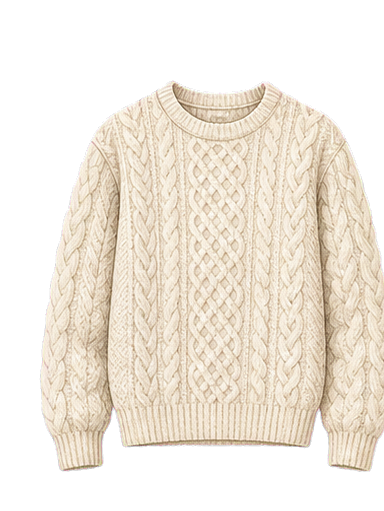 01Mid-weight wool sweater — Country Road, ALC
SAWS puts late Cape winter at 18°C / 64°F afternoons and 9°C / 48°F mornings — slightly warmer than July as spring approaches but the swing still demands the layer. Country Road (the Australian-South African mid-tier with V&A Waterfront flagships) reads correctly; ALC for the Bree Street design register. Worn through Truth Coffee at 8am to Foxcroft at Constantia by 13:30.
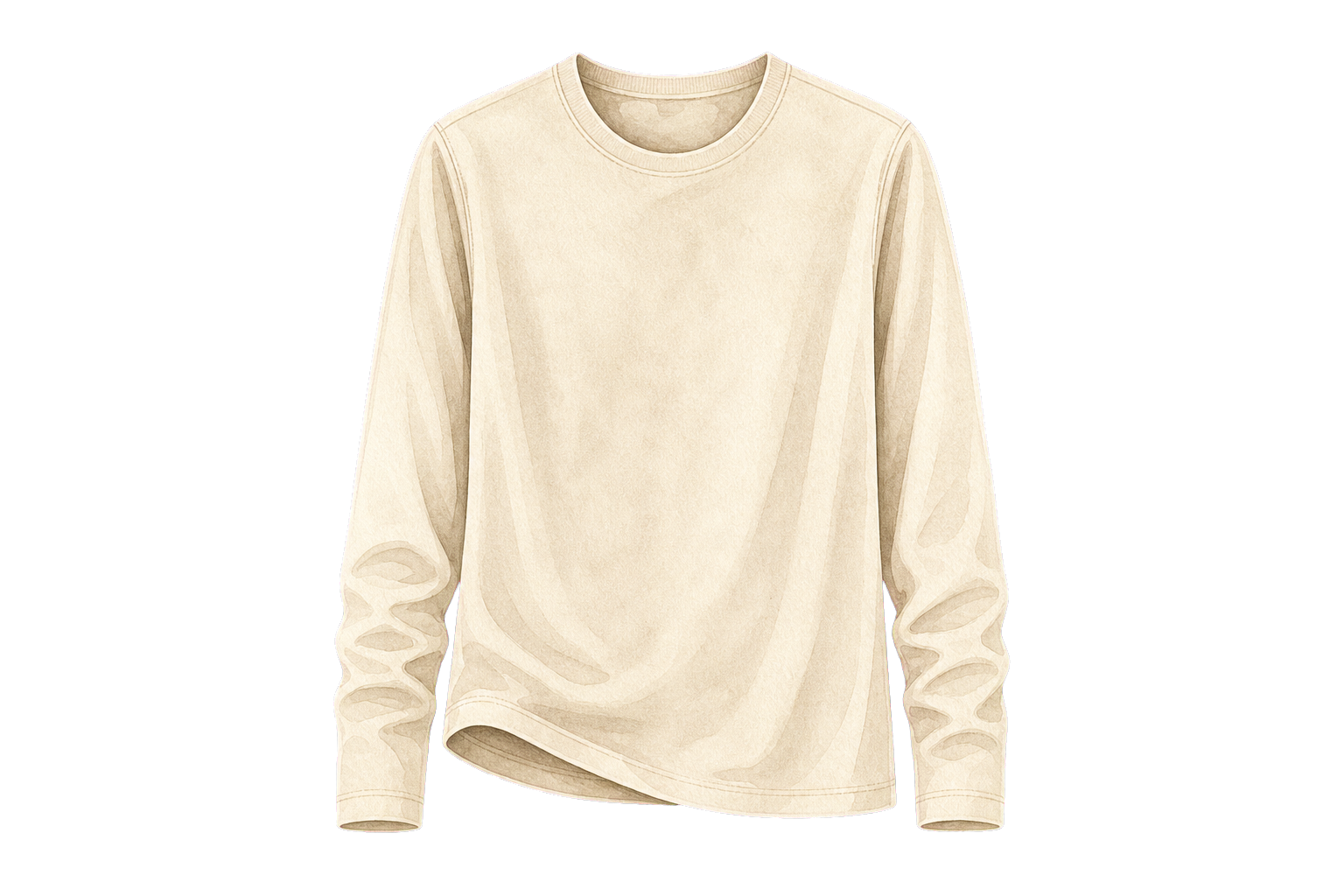 02Cotton/wool blend long-sleeve base
Cape August's 9°C / 48°F to 18°C / 64°F daily swing demands a blend — pure cotton runs cold at the dawn at Sea Point, pure wool runs hot under the wool sweater by the time you're walking the West Coast wildflower bloom at Postberg. The blend sits invisible under everything from base camp to summit.
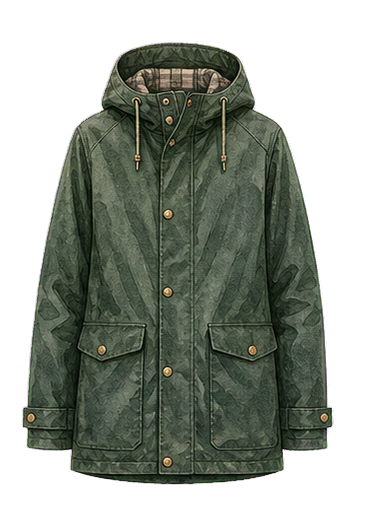 03Packable rain shell — Patagonia, Cape Storm
SAWS logs 11 rain days in August — the Cape winter rainy season still at peak, though daylight stretches from 10h early-month to 11h 30m by month-end. Cape Storm (South African outdoor brand) for local register; Patagonia for the heritage anchor. Pack it folded into the crossbody for the Cape Point + Boulders Beach loop.
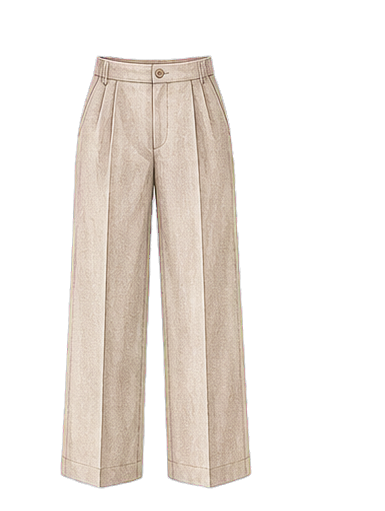 04Tailored trousers or dark jeans
Cape Town's tailored register holds through August — Bree Street (FYN, Pot Luck Club at Old Biscuit Mill) and Constantia (La Colombe, Foxcroft) both expect cut. Dark jeans for the Woodstock creative loop (Sindiso Khumalo studio, Maxhosa Africa Cape outpost); wool blend trousers for cellar doors at Kanonkop and Boschendal (1685).
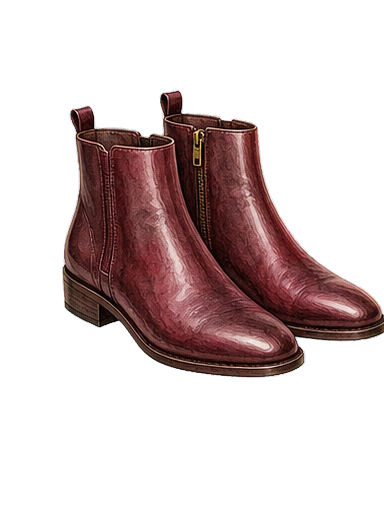 05Structured leather boots
August rain still turns Cape Peninsula trails slick — the Cape Point cliff paths and Boulders Beach boardwalk both demand grip. Structured leather (Veldskoen, the South African heritage suede since the 1800s; or Tsonga from Limpopo) holds the wet quartzite. Also the right shoe for Postberg's wildflower walks once the section opens for the bloom.
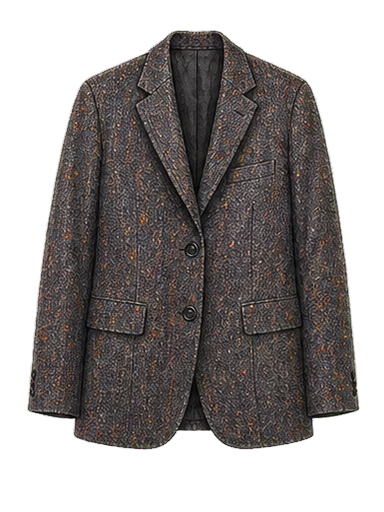 06Light wool overcoat or trench
Late Cape winter still brings NW cold fronts at 30-40 knots — the Cape Doctor (SE summer wind) starts returning only in late September. Lightweight wool overcoat covers the 9°C / 48°F dawn at Camps Bay and the 11°C / 52°F evening at Constantia. Trench for the rain-burst days. Skip a parka — Cape August stays mild.
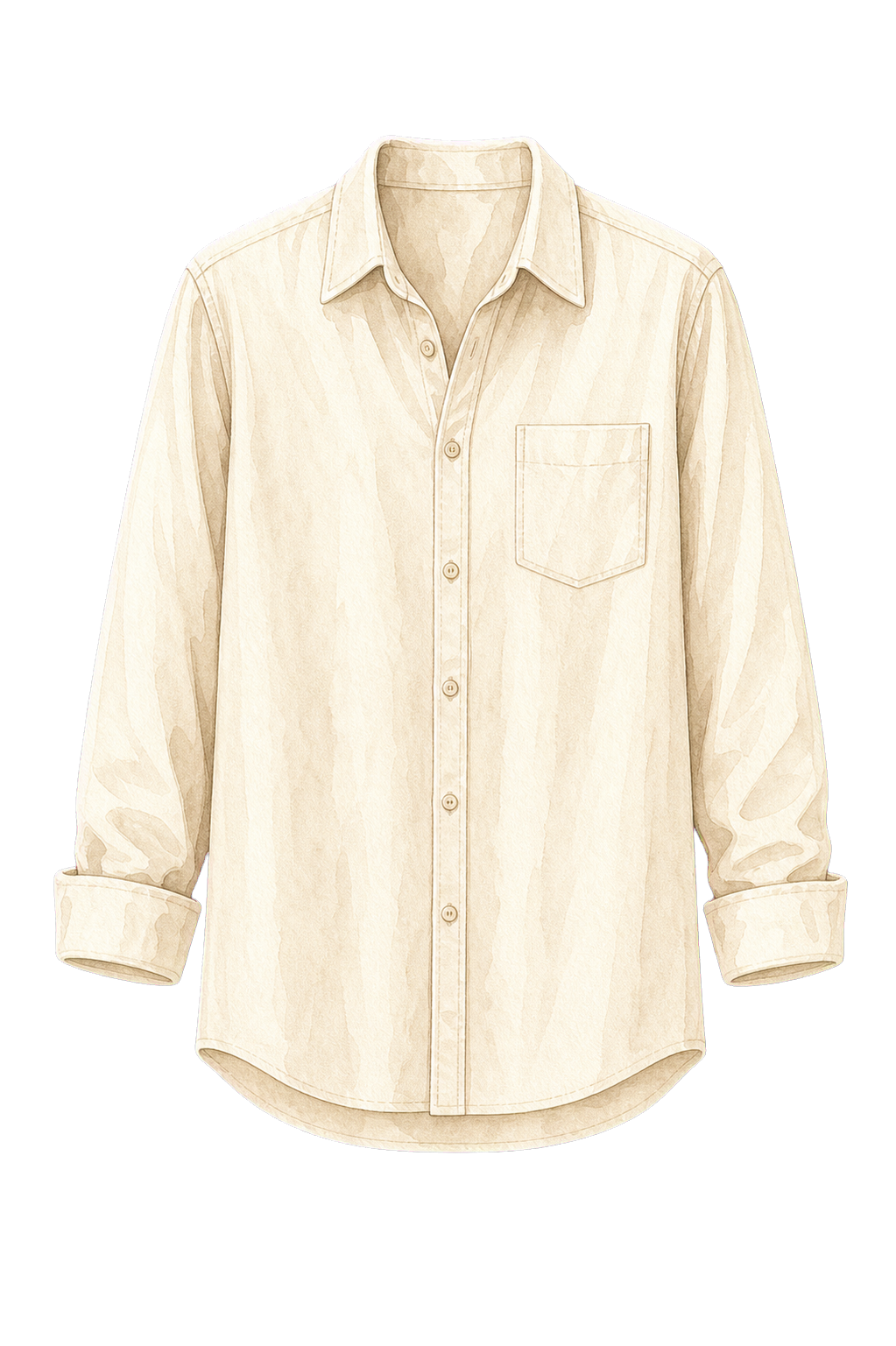 07Cotton or wool button-down
FYN (1-Michelin, Bree Street, Africa's most-cited fine dining) and La Colombe (1-Michelin, Constantia, World's 50 Best regular) both expect tucked smart-casual. Foxcroft (Constantia, the casual sister to La Colombe) runs slightly more relaxed but button-down still reads right. White cotton or fine merino, switched to leather boots for the evening.
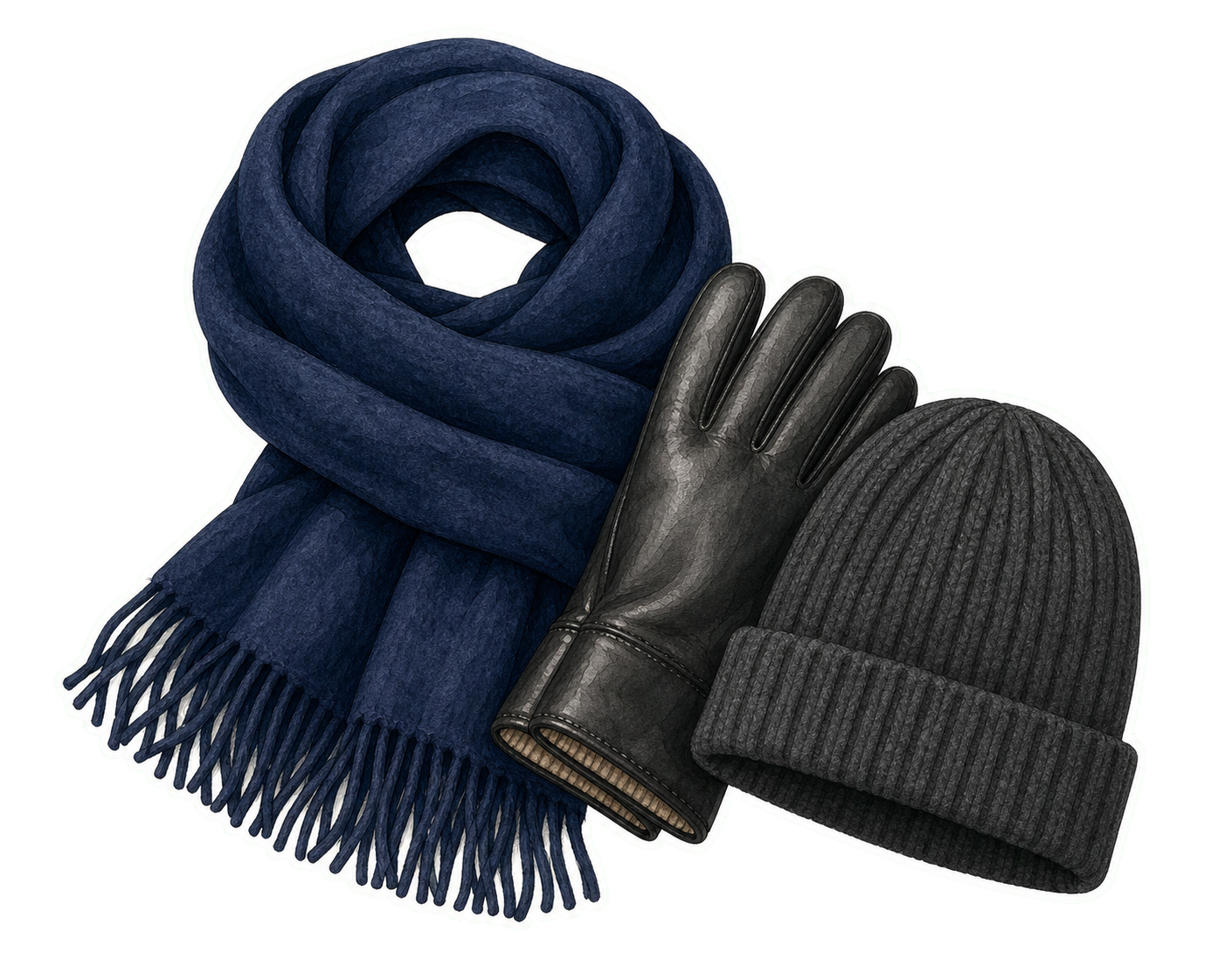 08Scarf + leather gloves + crossbody + sunglasses
August Atlantic glare at Cape Point and Camps Bay tests the eyes — polarized cuts the reflection off Table Bay quartzite. The wool scarf handles the NW cold-front wind chill; lightweight leather gloves for the early-morning Cape Peninsula loop. Crossbody for the wildflower walks at Postberg (West Coast National Park, August-September only).
Day to night
Wool blend base · trousers · boots · sweater · overcoat · scarf · crossbody. Truth Coffee 8am, Cape Peninsula loop 9am, Boulders Beach penguins 11am, lunch at Foxcroft (Constantia) 13:30.
Trousers · button-down · wool overcoat · boots. Dinner at FYN or La Colombe 19:30; cocktails at The House of Machines after.
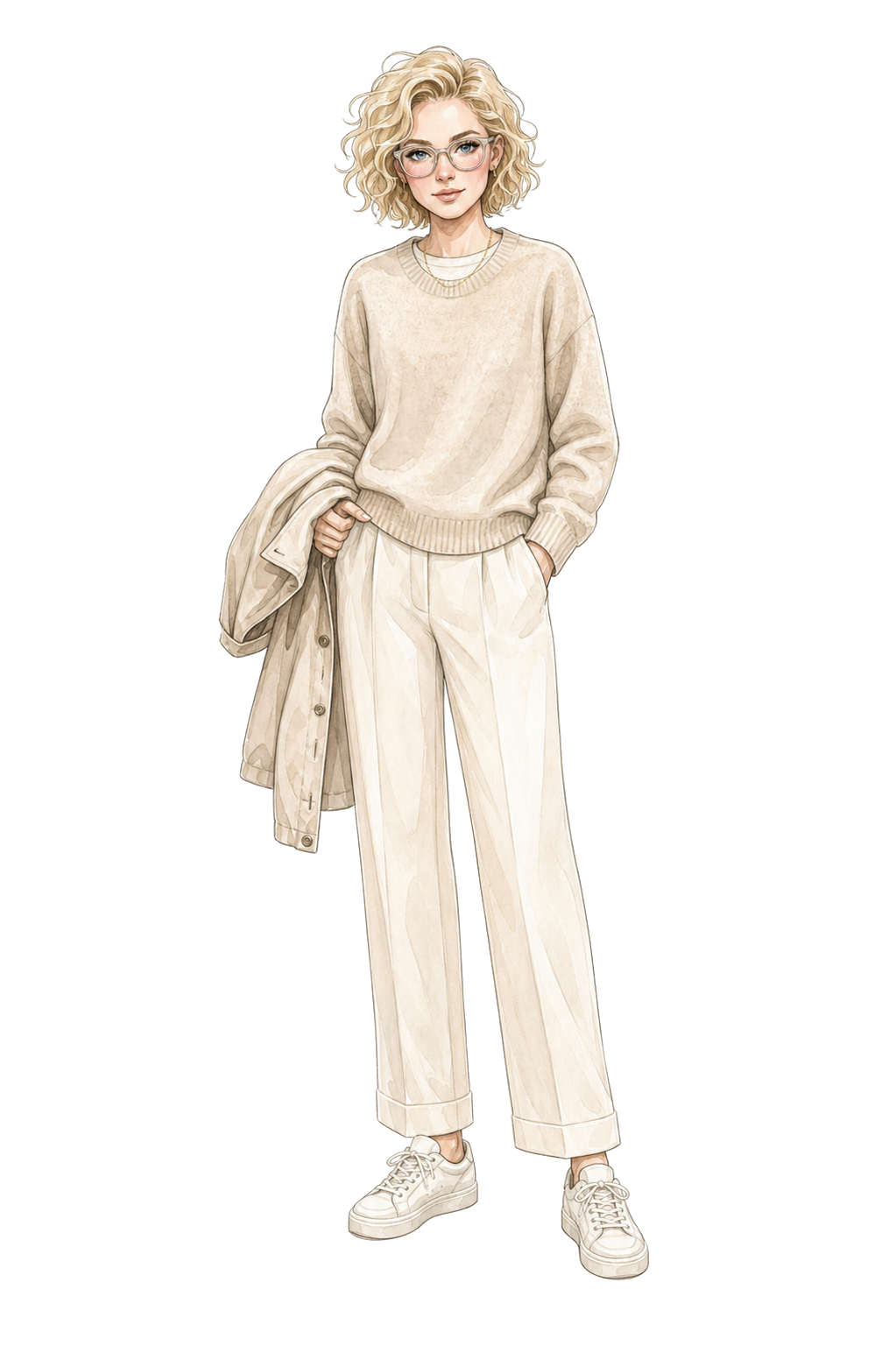
A suggested look — cape-town august suggested look alias: Sydney August morning transition look: ivory base, oatmeal sweater, cream trousers, sneakers, beige jacket carried; no bag and no sunglasses.
What to avoid
- Heavy parkas — Cape winter mild
- Northern Hemisphere late-summer warmth — wrong hemisphere
- No rain shell — 11 rain days
- Flip-flops at restaurants
- Walking at night outside tourist areas — petty crime
Frequently asked questions
September 1 marks the official start of southern-hemisphere spring. August is the last winter month; afternoons begin warming toward 18°C / 64°F (vs July's 17°C / 63°F). Spring (September-November) brings 19-25°C / 66-77°F afternoons, dropping rainfall, and the wildflower bloom across the West Coast (Namaqualand) August through September. Late August often has 18-20°C / 64-68°F afternoons signaling spring approach. Full warmth returns in late October.
Per SAWS: average daily high 18°C (64°F), low 9°C (48°F), 11 rain days totalling 80mm. Late southern-hemisphere winter; daylight stretches from 10h in early August to 11h 30m by month-end as spring approaches. UV index 4-5 (moderate). The NW cold-front wind off the Atlantic cools afternoons 4-6°C / 7-11°F at evening (the Cape Doctor itself is a SE summer wind and stays dormant in winter).
Yes — the West Coast wildflower bloom (Namaqualand and West Coast National Park, 90 minutes north of Cape Town) is a heritage South African spectacle — the semi-arid landscape covered in orange, yellow, white, purple wildflowers. Peak bloom August-September depending on rainfall (the bloom requires winter rainfall). Best viewing: West Coast National Park (Postberg section, opens August-September only); Namaqua National Park (further north, 4 hours from Cape Town); Skilpad Wildflower Reserve (near Kamieskroon). Pack: layered cotton/wool, mid-weight wool sweater, packable rain shell, structured walking shoes, scarf, sun hat, polarized sunglasses, water bottle, sunscreen.
Cape Town is not in a malaria zone and is far from the Big Five game reserves (Kruger Park, Sabi Sands — 2-hour flight northeast). Closest game options: Aquila Private Game Reserve (2 hours from Cape Town, Big Five viewing); Sanbona Wildlife Reserve (3 hours, larger and quieter); Garden Route's Addo Elephant Park (8 hours east, largest African elephant population); Inverdoorn Game Reserve (2.5 hours). For full Big Five safari, fly to Skukuza (Kruger Park) or Hoedspruit. Pack: khaki / tan / olive cotton (no bright colors — animals avoid; no white — shows dust; no black — heat absorption), structured boots, mid-weight wool sweater (cool early-morning game drives), packable rain shell, sun hat with chin-tie, polarized sunglasses, SPF 50, DEET (mandatory in Kruger malaria zone), water bottle, binoculars.
V&A Waterfront (the heritage harbor with the Watershed craft market, the Two Oceans Aquarium, the Cape Wheel); Bo-Kaap (the heritage Cape Malay-quarter with colorful houses, Cape Malay food culture); Robben Island (the prison-island where Nelson Mandela was held — book the ferry months ahead); Kirstenbosch National Botanical Garden (the most-cited African botanical garden, with the Boomslang treetop walkway); Camps Bay (the upmarket beach district); Constantia wine valley (in-Cape-Town wine country); Cape Point + Boulders Beach (penguins); District Six Museum (apartheid-era forced-removals museum). Pack: layered cotton/wool, leather boots, packable rain shell, scarf, sun hat.
Sources
- SAWS — climate normals