What to Wear in Cape Town in October
Cape Town in October: 23°C / 73°F afternoons against 11°C / 52°F nights — spring, and the Cape Doctor starting to blow.
- A packable windbreaker — wind, not rain, is what October brings
- An ivory long-sleeve and a pale blue cotton blouse to layer
- A white cotton tee for the 23°C / 73°F middle of the day
- An olive chino and indigo jeans — the 12-degree swing needs both
- Tan leather sneakers, because the streets are steep
- A sun hat WITH a chin cord — without one the South-Easter takes it
- Pack for a Mediterranean summer — the nights drop to 11°C / 52°F
- Bring an umbrella — only 2.4 days a month clear a tenth of an inch, and the wind wins
- Wear a brimmed hat with no cord — you will lose it on Table Mountain
- Bring wool — a 23°C / 73°F afternoon rules it out entirely
October in Cape Town is when the rain stops and the wind starts. Locals call the South-Easter the Cape Doctor, on the old argument that it sweeps the city clean, and from about now it blows through spring and summer. NOAA's records from the Cape Town International station give an October average high of 23.0°C and an average low of 11.3°C over 1991–2020, with measurable precipitation on only 6.6 days of which just 2.4 clear a tenth of an inch. So the winter wet season is genuinely closing. What replaces it is an eleven-and-a-half degree daily swing, the largest of any city in this batch, and a wind that makes the same afternoon feel different depending on which side of the mountain you are standing on. The cloud that spills over Table Mountain and is known locally as the tablecloth is formed by exactly this wind, which is a useful visual cue: if the tablecloth is out, the South-Easter is running and the waterfront will be sharper than the City Bowl. The packing answer is layers you can add and shed across twelve degrees, cotton rather than wool, and nothing loose enough to be taken from you.
October in Cape Town is when the rain stops and the wind starts. Locals call it the Cape Doctor, and it decides what you can wear.
The capsule
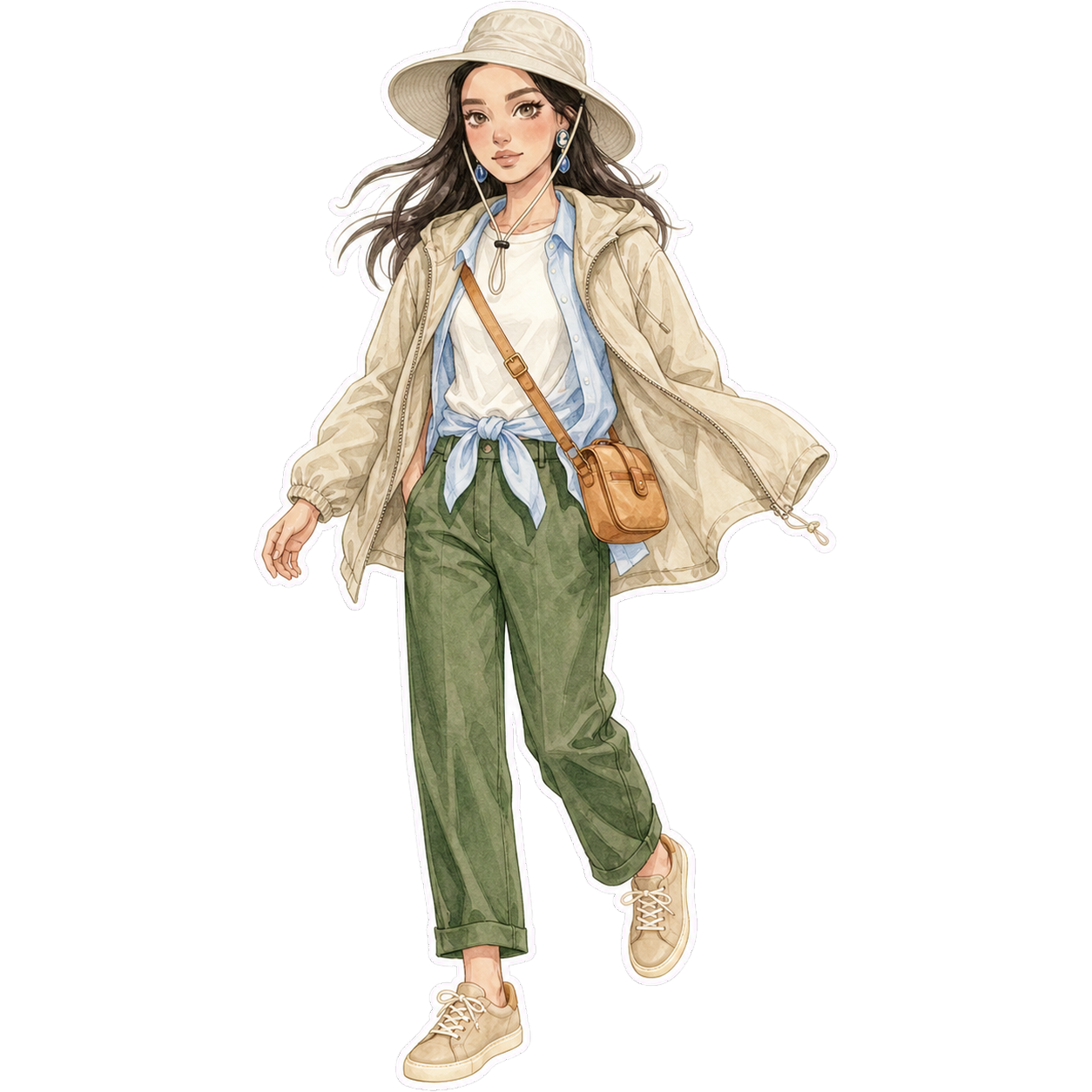
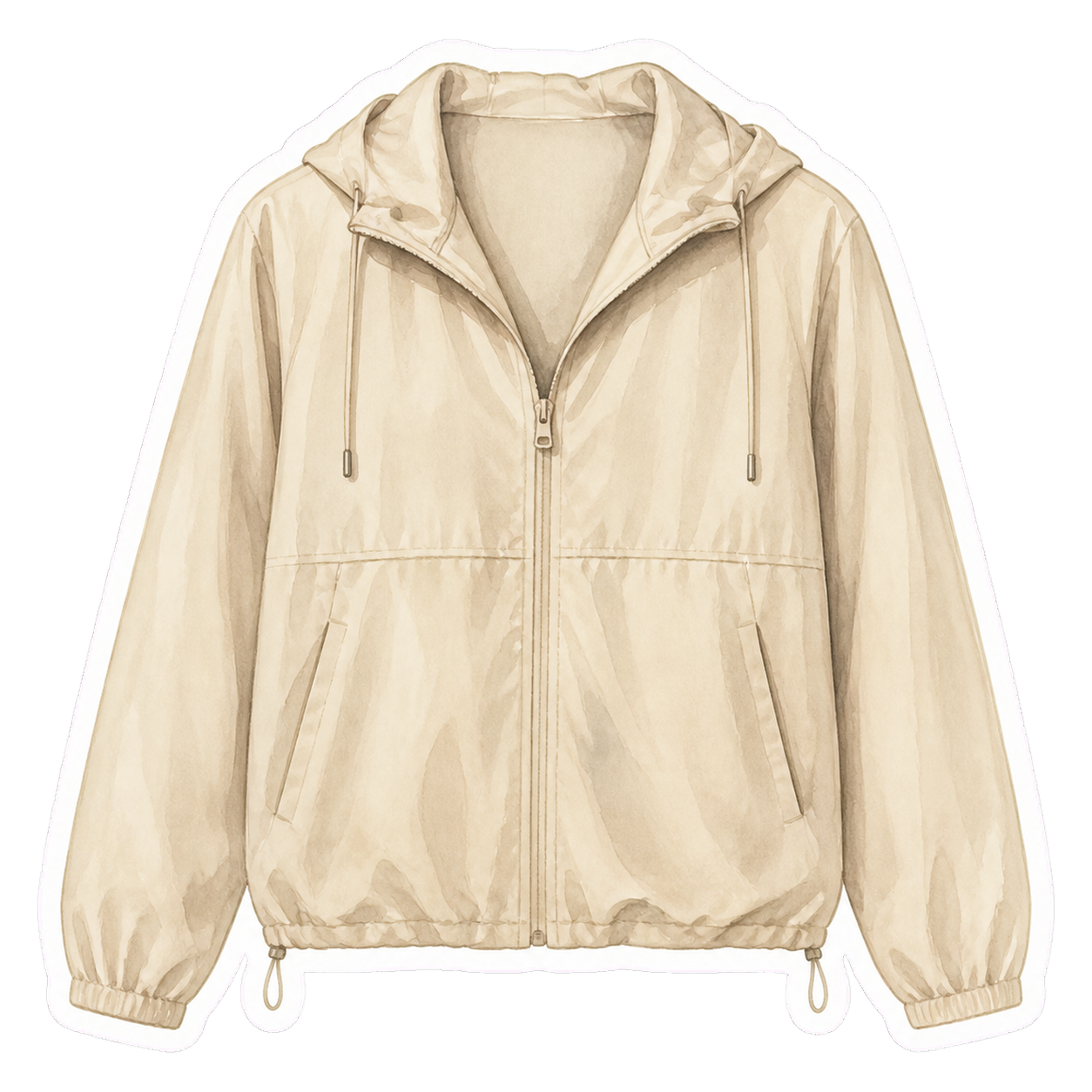 01Sand packable windbreaker, hip length
A wind garment rather than a rain garment, and the distinction matters here — only 2.4 days a month deliver more than a tenth of an inch, but the South-Easter blows most of them. Packable because it spends the middle of a 23°C / 73°F day in a bag. A drawcord hem stops it filling like a sail on the Sea Point promenade.
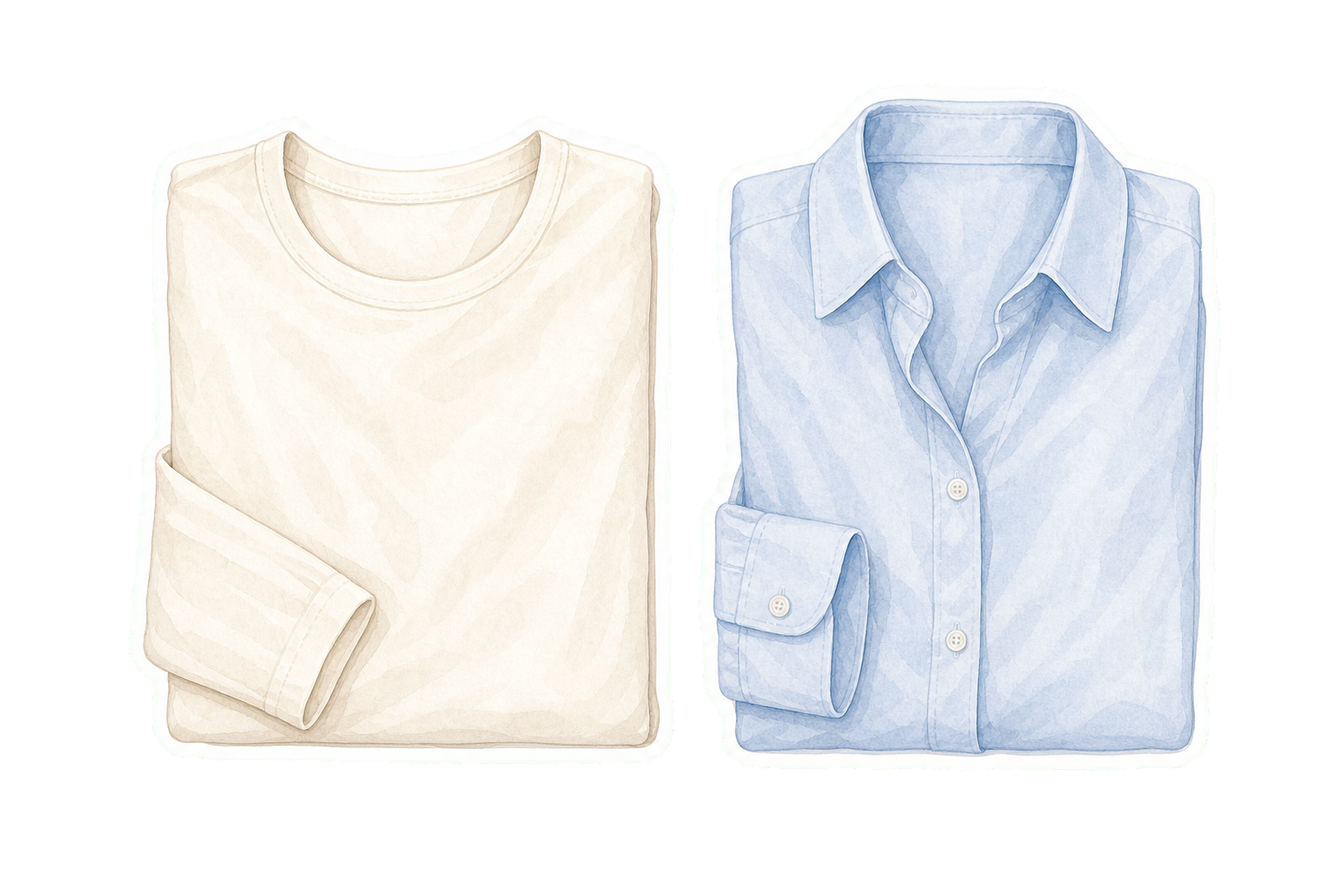 02Ivory long-sleeve tee and pale blue cotton blouse
Two light layers rather than one warm one is the correct response to an eleven-and-a-half degree swing. The long-sleeve handles an 11°C / 52°F morning in the City Bowl, the blouse goes over it or ties at the waist by noon, and neither is wool, which a 23°C / 73°F afternoon would make unwearable. Pale blue also holds up against the glare that comes off the Atlantic here.
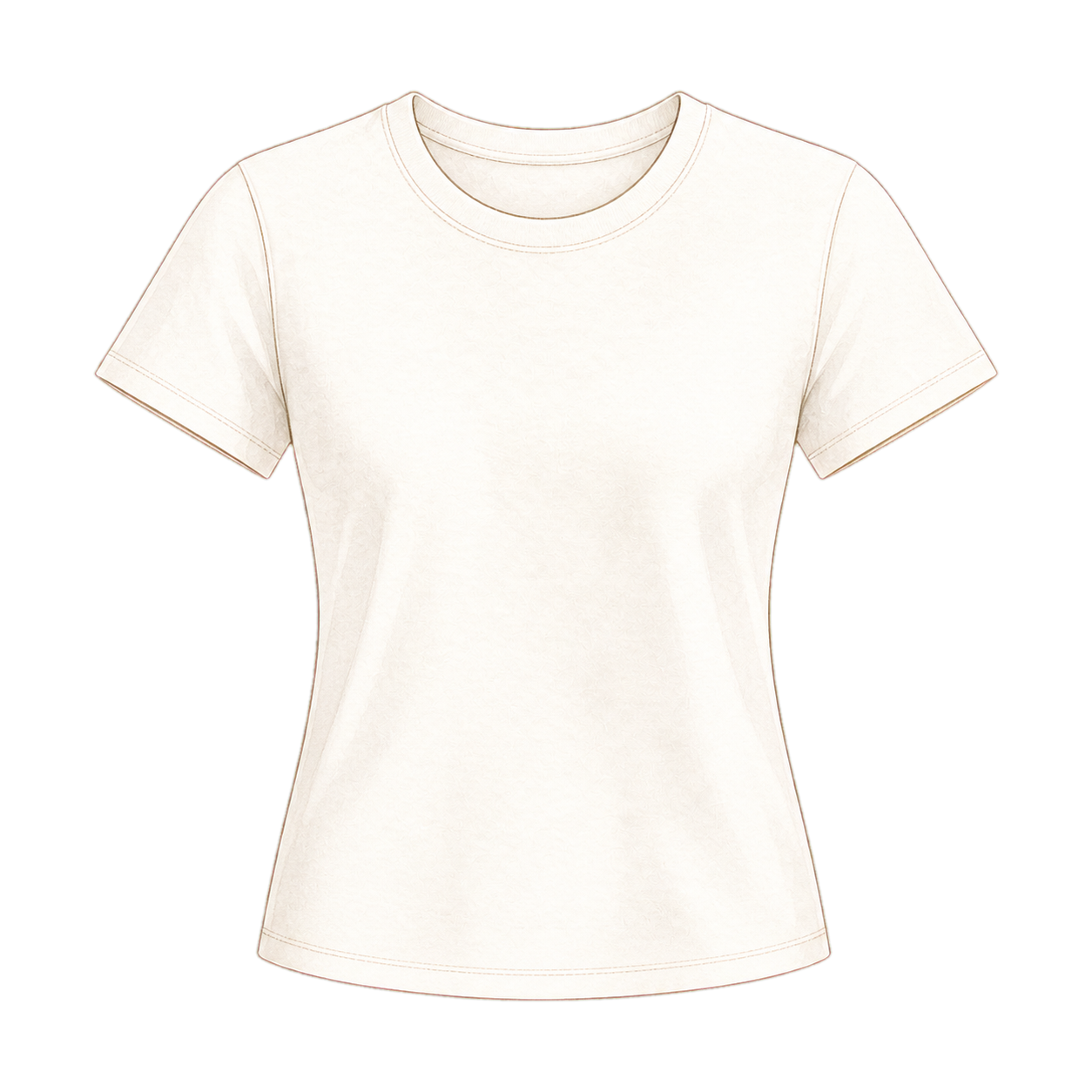 03Plain white cotton tee
What the middle of the day reduces you to once the windbreaker and the blouse are both in the bag. White reflects rather than absorbs, which matters under spring sun at this latitude where UV climbs fast through October. Relaxed rather than fitted, since it also works under the blouse without bunching at the shoulder.
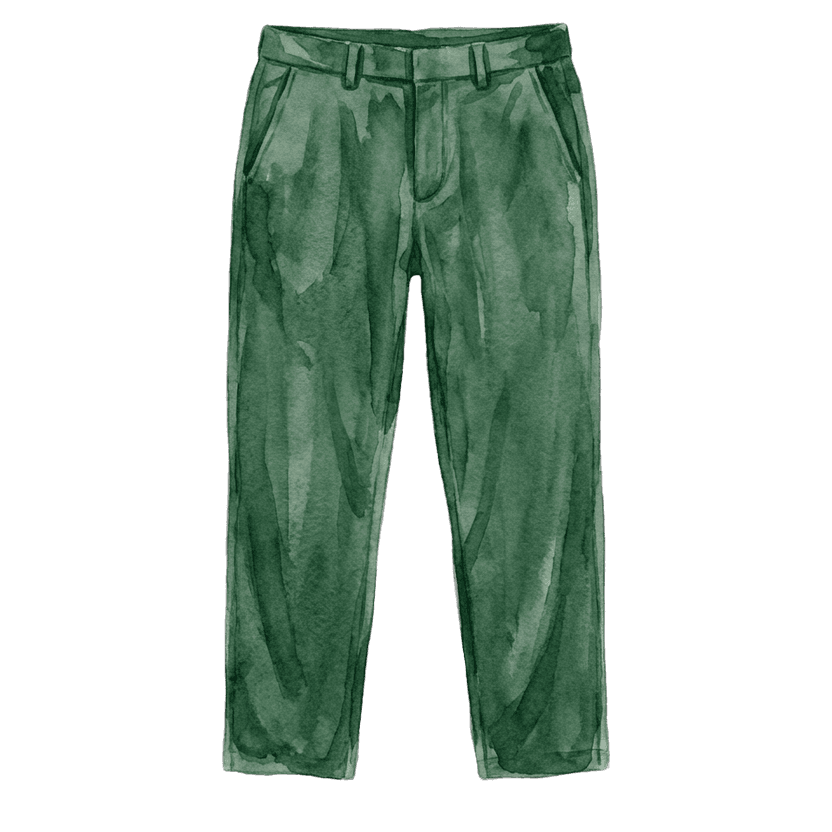 04Olive cotton chino, straight leg
Cotton for a 23°C / 73°F afternoon and a straight leg because Cape Town's streets climb — Bo-Kaap and Tamboerskloof both put you on a real gradient within a block. Olive rather than stone hides the dust that the South-Easter lifts off the ground on the drier days, which is a genuine feature of this month.
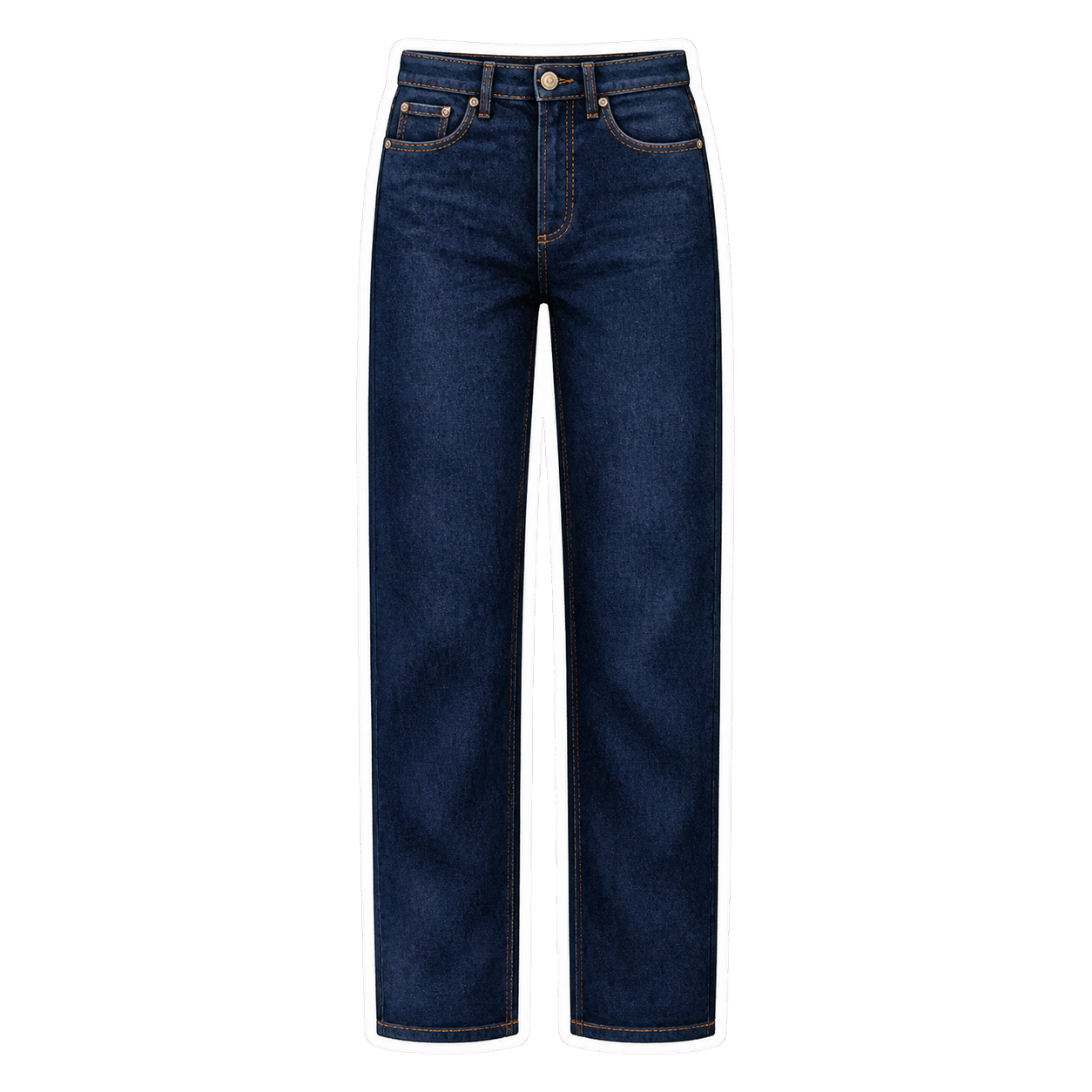 05Mid-indigo straight-leg jeans
The evening half, once the temperature has dropped eleven degrees and the chino is no longer enough on its own. Mid-indigo rather than black, because Cape Town's evening register is relaxed and a black jean reads over-dressed in a city where dinner happens outside whenever the wind allows.
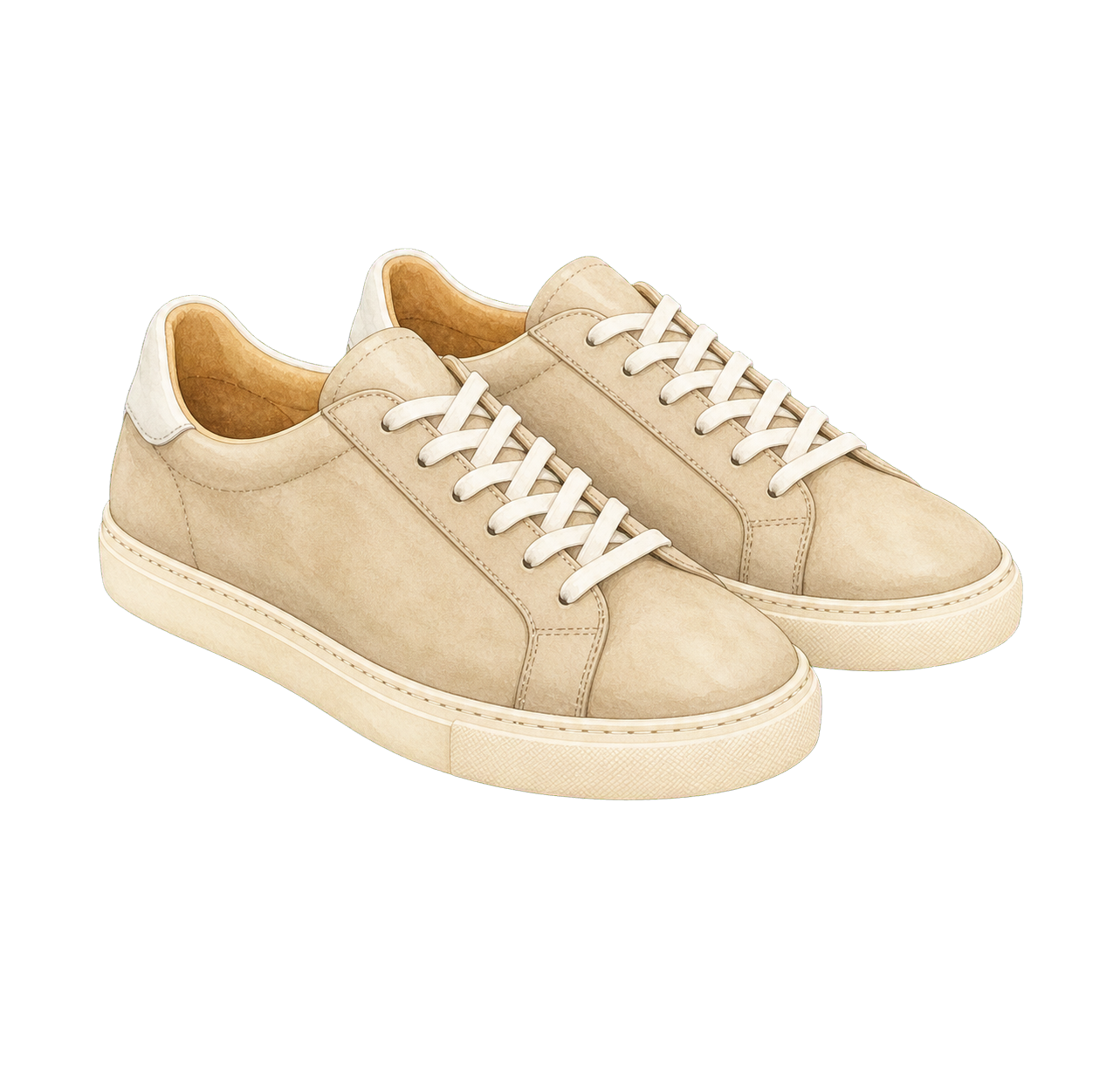 06Tan leather low-top sneaker, gum sole
You will walk further here than you plan to, and much of it uphill — the city sits in a bowl with a mountain at the closed end. A gum sole grips on the smooth paving around the Company's Garden and the V&A, which gets slick on the few wet mornings. Tan rather than white, because the dust this wind carries shows immediately on white.
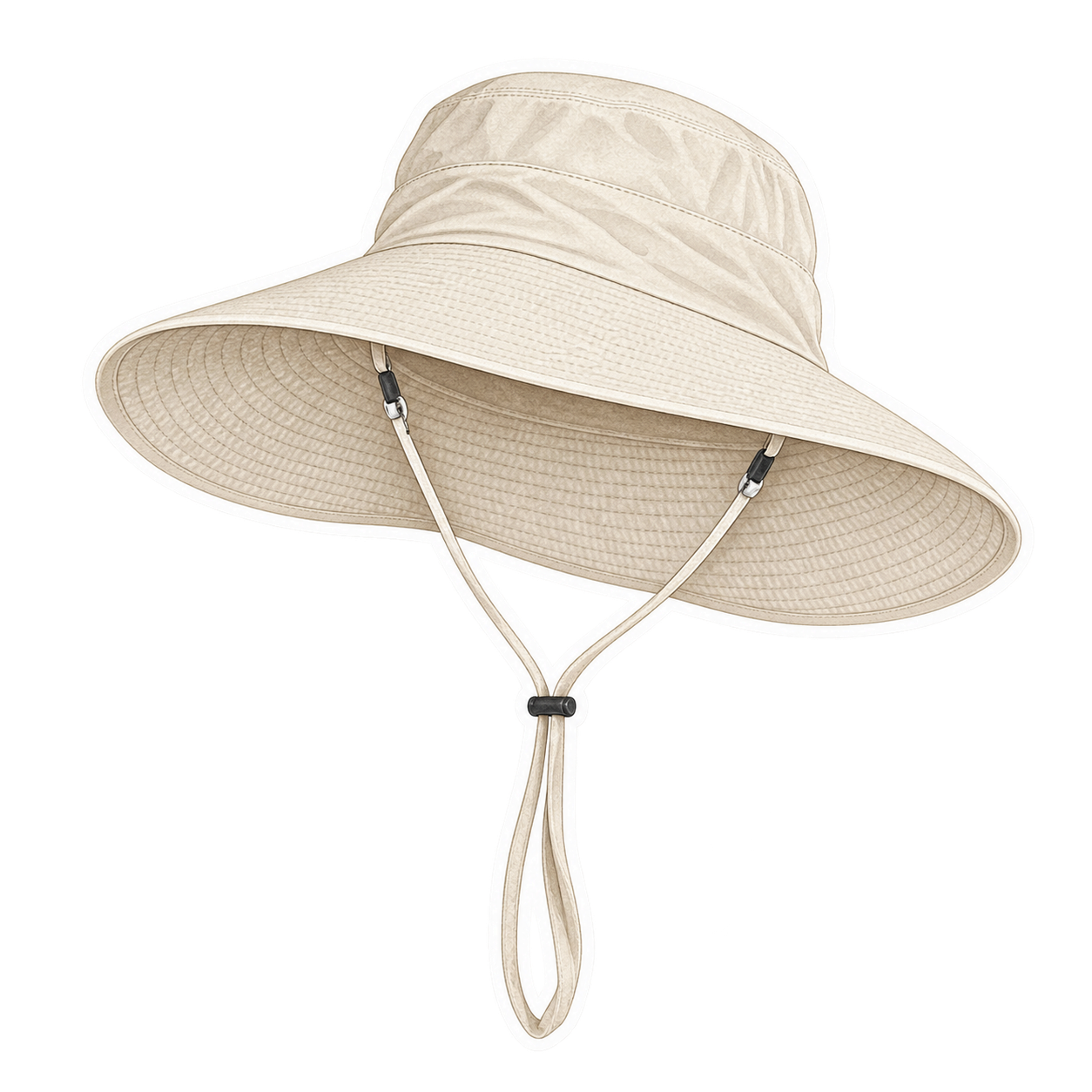 07Packable sun hat with a chin cord
The cord is not a detail, it is the entire requirement. The South-Easter will take a brimmed hat off your head on the Table Mountain cableway platform or anywhere along the Atlantic Seaboard, and people lose them here constantly. Packable so it survives being stuffed in a bag between the windy stretches and the sheltered ones.
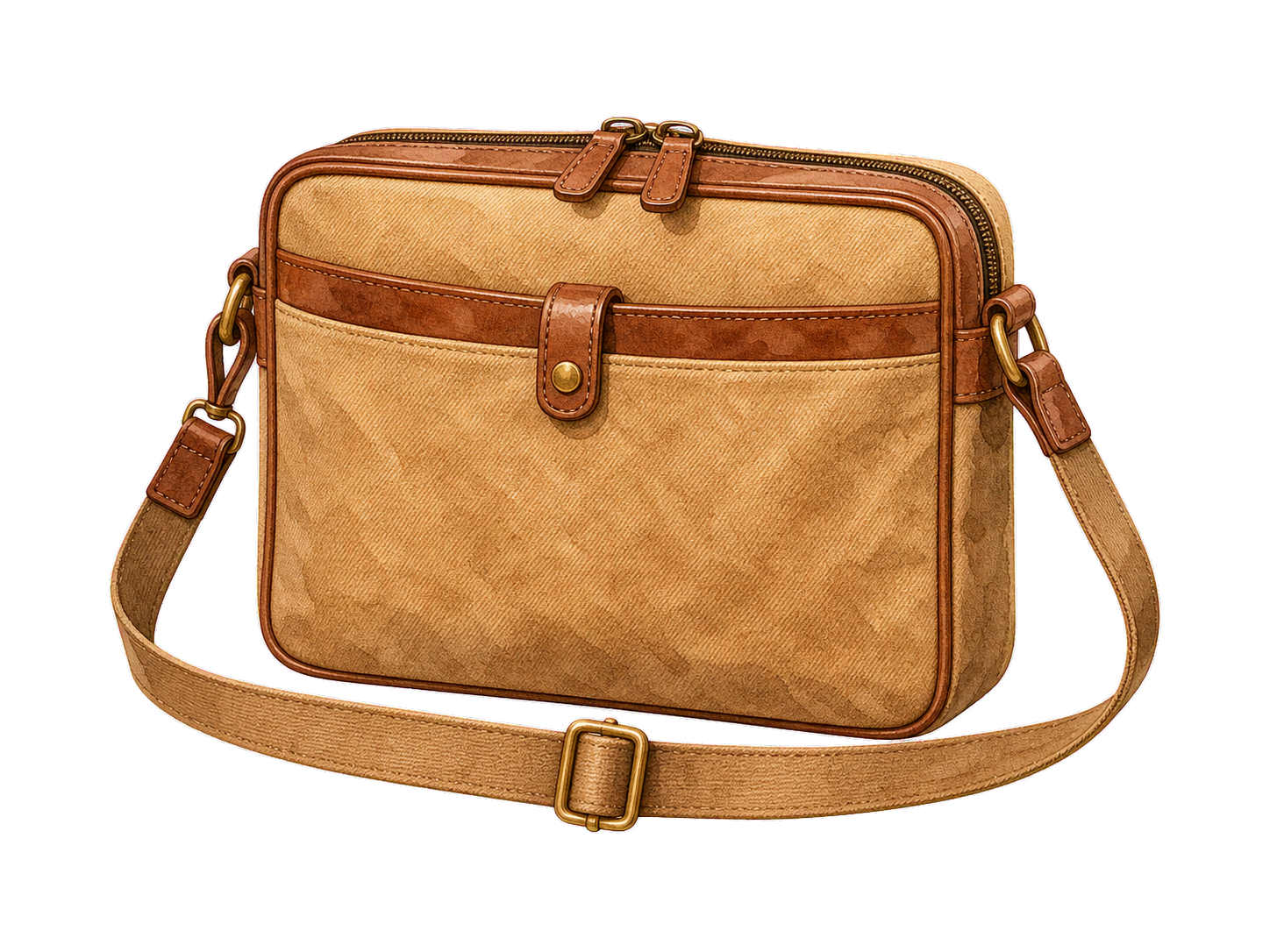 08Sand canvas crossbody with a zip top
Worn tight across the body so the wind cannot swing it, and zipped because the same wind lifts dust and sand onto everything left open. Canvas rather than leather since this is a daytime, outdoors, mountain-and-beach month rather than a city-dinner one. Sand keeps it in the same register as the windbreaker and the hat.
Day to night
Ivory long-sleeve under the pale blue blouse · olive chino · tan sneakers · sun hat with the cord on · windbreaker open · canvas crossbody tight. Kirstenbosch early while it is still 11°C / 52°F and calm, before the wind gets up.
White tee under the blouse · indigo jeans · same sneakers · windbreaker back on. Dinner outdoors in the City Bowl; it drops toward 11°C / 52°F and the windbreaker is doing the work the wool you did not pack would have.
A suggested look — open sand windbreaker, white cotton tee, pale blue cotton blouse tied at the waist, olive straight chinos, tan leather sneakers.
What to avoid
- Packing for a Mediterranean summer — nights fall to 11°C / 52°F, an 11.5-degree swing
- An umbrella — only 2.4 days clear a tenth of an inch, and the South-Easter wins
- A brimmed hat with no chin cord — the most common thing visitors lose here
- Wool — a 23°C / 73°F afternoon rules it out
- Assuming one forecast fits the city — the wind splits the Seaboard from the Bowl
Frequently asked questions
Warm, bright and increasingly windy — this is Southern Hemisphere spring. NOAA's records from the Cape Town International station give an October average high of 23.0°C / 73°F and an average low of 11.3°C / 52°F over 1991–2020, with measurable precipitation on 6.6 days of which only 2.4 clear a tenth of an inch. Daylight runs about 12h 50m. The winter rain is ending and the South-Easter is beginning.
It is the South-Easterly wind that blows across the peninsula through spring and summer, nicknamed on the old argument that it sweeps the city clean. Practically it means three things for packing: a windbreaker earns its place more than a raincoat does, any hat needs a chin cord, and a bag should be worn tight across the body rather than loose on a shoulder. The cloud spilling over Table Mountain, the tablecloth, is formed by this wind — if it is out, the wind is running.
It is one of the best months. Spring flowers are out, Kirstenbosch is at its peak, the winter rain has largely stopped at 6.6 wet days, prices sit below the December–February high season and the crowds have not arrived. The trade-offs are the wind, which genuinely shapes the day, and an eleven-degree drop between afternoon and night that catches people who packed only for the high.
Yes, but a light one. The 11.3°C / 52°F overnight low and the wind together mean you want a packable windbreaker rather than nothing, while the 23.0°C / 73°F afternoon rules out anything heavier. Wool would be unwearable by mid-morning. Two light cotton layers plus a wind shell covers the entire twelve-degree range without anything bulky.
Much less than in winter. October records 6.6 days with measurable rain and only 2.4 above a tenth of an inch, as the Cape's winter rainfall season winds down. That is dry enough that an umbrella is not worth the space, particularly given the wind. A packable shell handles the occasional shower and does the more useful job of blocking the South-Easter.
Sources
- NOAA NCEI — 1991–2020 climate normals, Cape Town International stationSAWS operates the station; NOAA NCEI computed this month's figures from its 68816099999 global-summary-of-the-day record. Recorded per month because the rest of this city's pages are sourced differently.