What to Wear in Dubai in January
Dubai in January: 24°C / 75°F afternoons, 15°C / 59°F nights, the coolest month and one spent outdoors from before sunrise.
- Beige oversized jacket — the marathon's mass start is at 6:30am, before a 7am sunrise
- Grey V-neck cardigan — Visit Dubai puts January nights at about 14°C
- Striped cotton scarf — the Shamal stirs blowing sand and dust inland
- Taupe canvas sneakers — the Desert Classic asks for suitable footwear on uneven ground
- Navy chinos — golf hospitality rules out denim
- Tall straw hat — the tournament tells spectators to seek shade where possible
- Denim, flip-flops or spiked shoes in Desert Classic hospitality
- Driving to the Desert Classic — no public parking in 2027
- Plastic water bottles at the golf — bring a refillable one
- Assuming a dry month — Visit Dubai says January to March see the most rain
Pack for early starts and wind. NOAA's figures for Dubai International Airport give January 24.3°C by day and 15.5°C at night across 1991–2020, with about 12mm of rain over one or two days, and Visit Dubai calls it the coldest month, at about 24°C by day and 14°C at night. The National Center of Meteorology describes "cool days and cold nights" and says the north-westerly Shamal winds "often stir blowing sand and dust in inland areas". The city answers by going outside early. The Dubai Marathon runs on Sunday 17 January, with the mass start at 6:30am, about half an hour before sunrise, and the Hero Dubai Desert Classic returns to Emirates Golf Club later in the month. Pack a jacket for the start line, a scarf for the sand, and shoes for a golf course.
January is Dubai's coolest month, and the city spends it outdoors at the edges of the day: a marathon before sunrise, a round of golf, a desert evening. Dress for 15°C at both ends.
The capsule
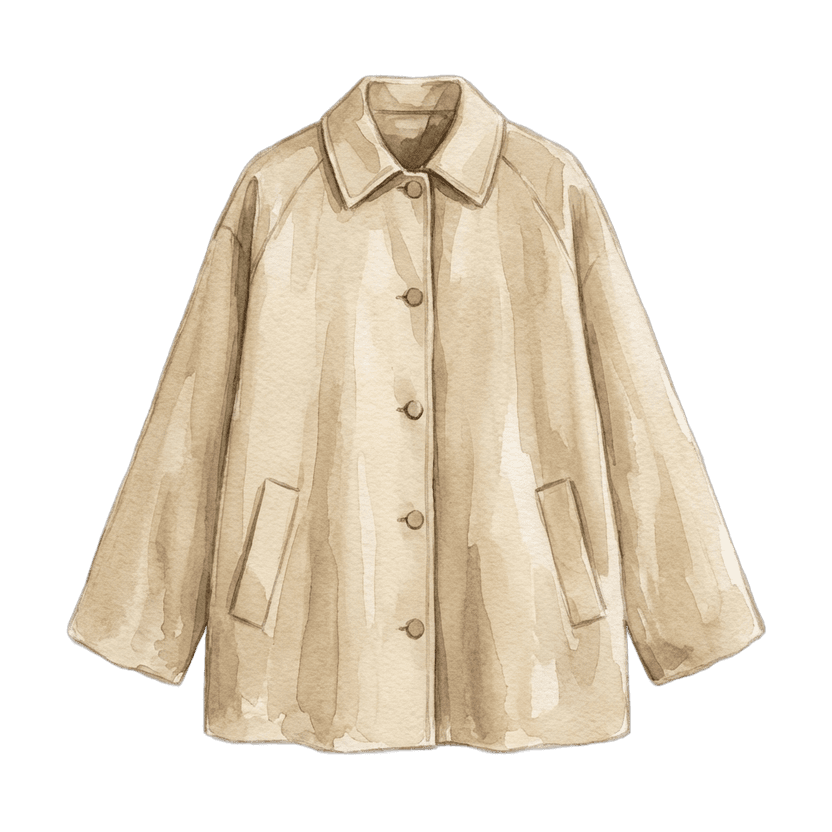 01Beige oversized coach jacket
Marathon morning starts early: the mass start is at 6:30am on 17 January, about half an hour before sunrise, when the airport averages 15.5°C. An oversized coach jacket goes over running kit or a cardigan at the start line on Umm Suqeim Road and comes off once the sun is up. Beige hides the dust of a Shamal day.
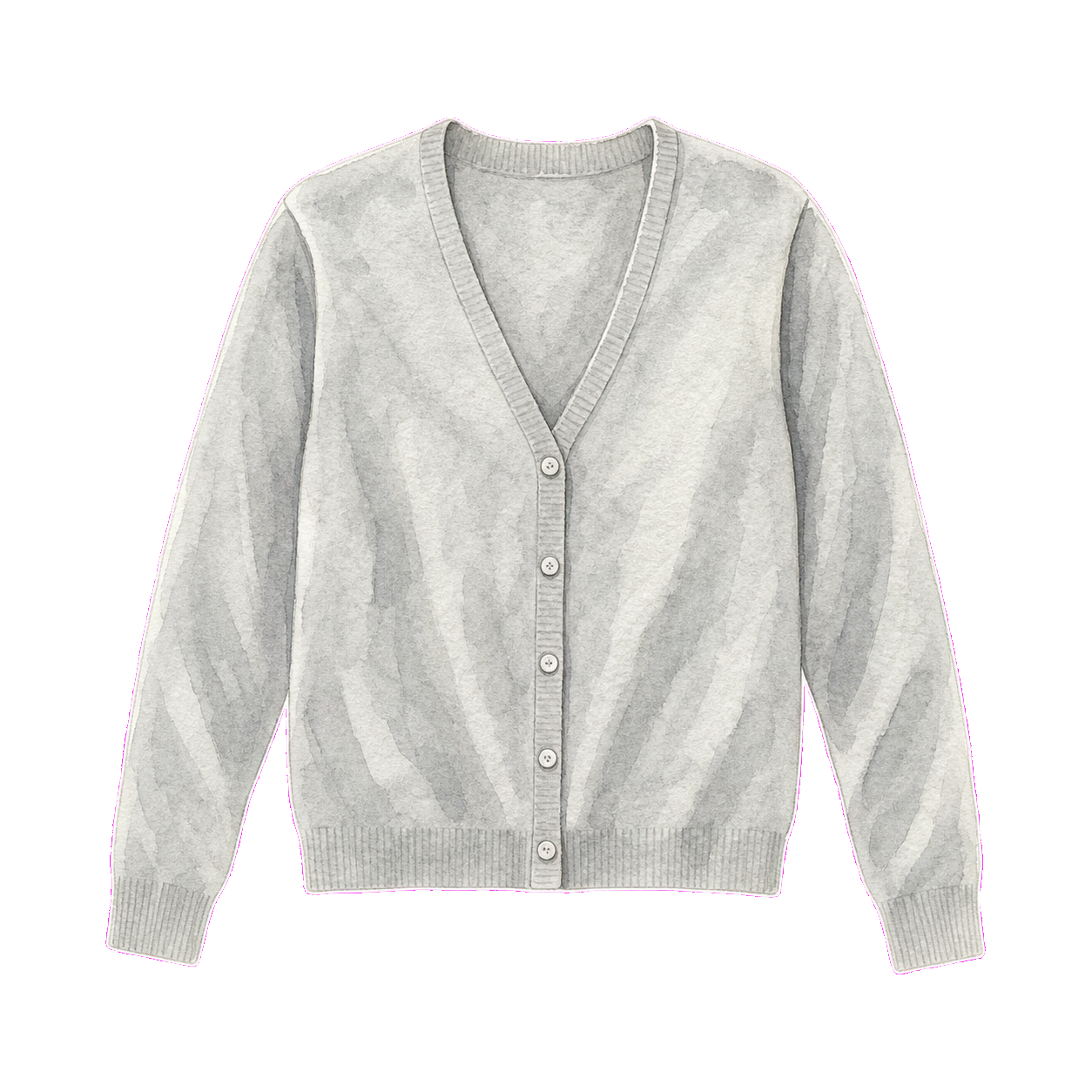 02Grey V-neck cotton cardigan
Visit Dubai puts January nights at about 14°C and says a light sweater is enough. A cotton V-neck cardigan goes over the sage tee for an evening at Global Village, which stays open until midnight or later, and under the jacket at dawn.
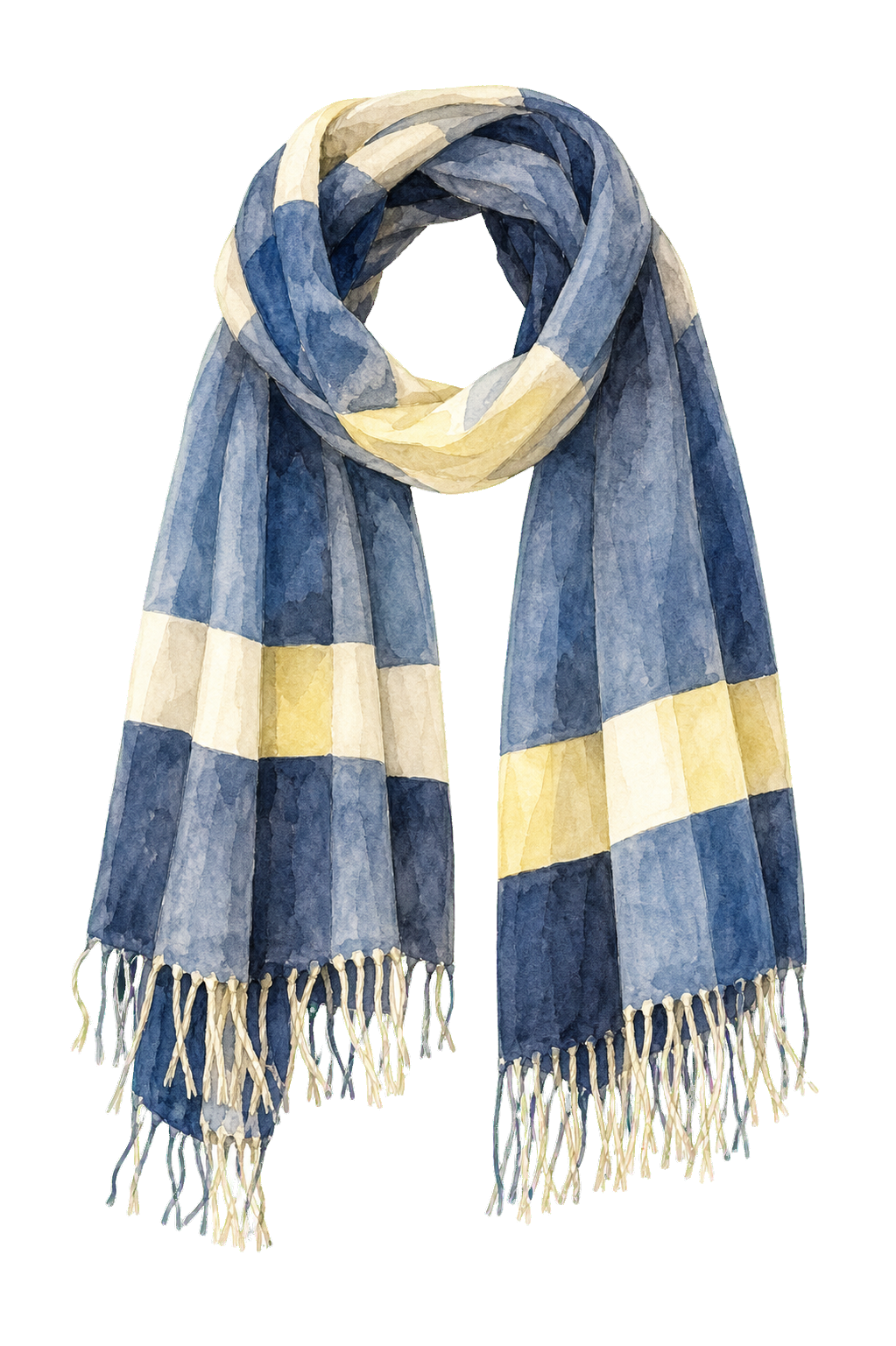 03Blue, cream and yellow striped cotton scarf
January's Shamal winds, the National Center of Meteorology says, "often stir blowing sand and dust in inland areas" and bring rough seas. A long cotton scarf goes over your nose and mouth on a windy desert drive, and around your neck on a foggy inland morning.
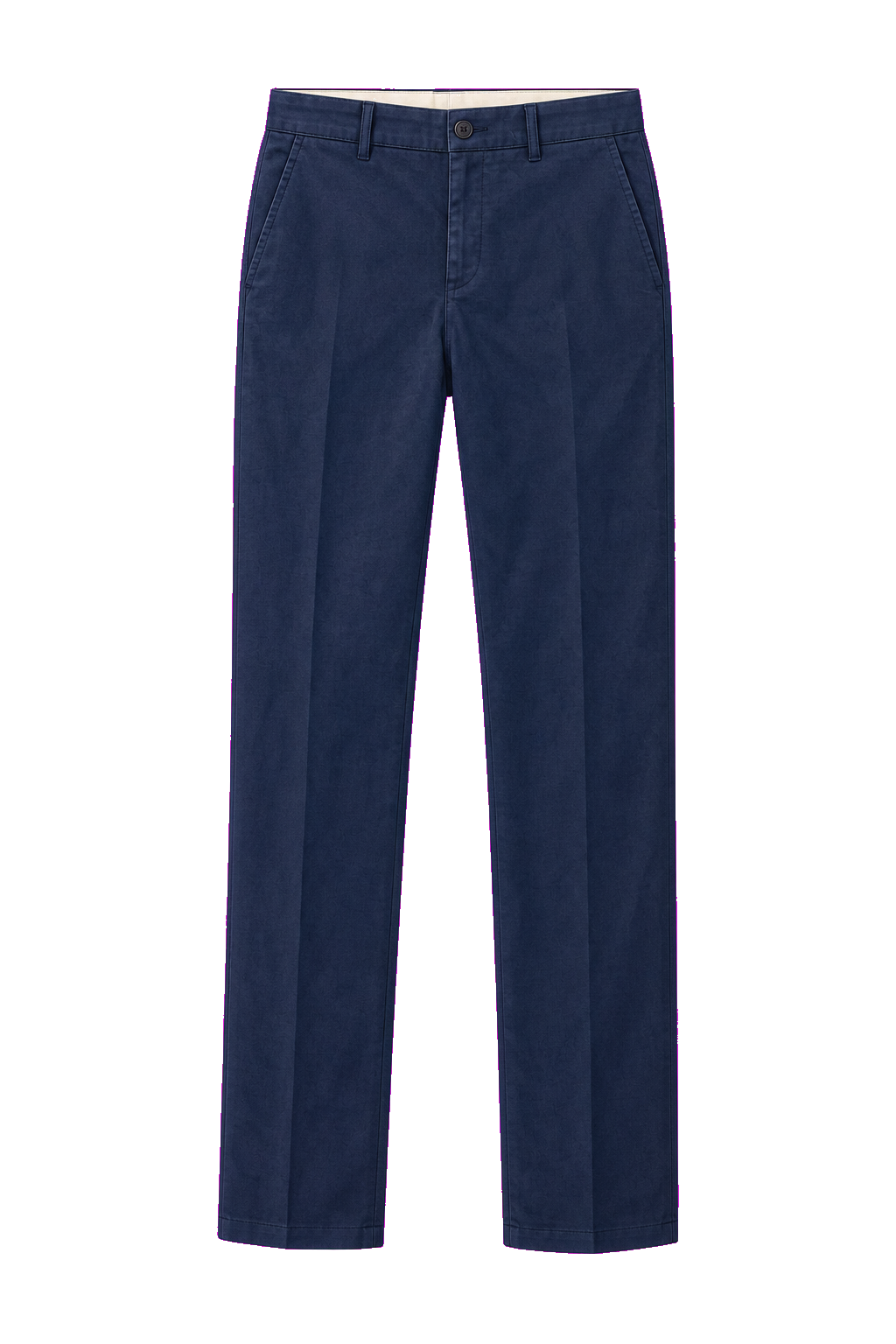 04Navy cotton chinos
The Desert Classic asks hospitality guests for "smart casual/golf attire" and bans denim, flip-flops and spiked shoes there. General admission has no dress code, but visitors are asked to consider local norms. Navy chinos pass both, and full length covers your legs at a 15°C dusk.
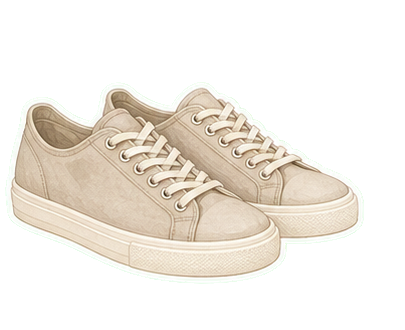 05Taupe canvas low-top sneakers
The tournament's own advice is to "wear suitable footwear and be alert at all times to uneven surfaces found on a golf course". A flat canvas sneaker walks the rough and the paths all day, and taupe hides sand where white shows it.
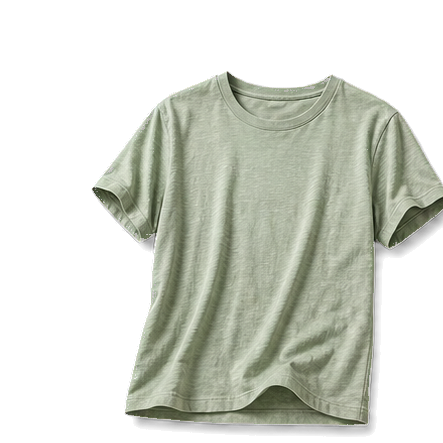 06Sage cotton-linen tee
By early afternoon the airport averages 24.3°C, and a cotton-linen tee is enough in the sun. It sits under the cardigan once the light goes, at about 5:50pm mid-month, and sage keeps to the capsule's muted palette.
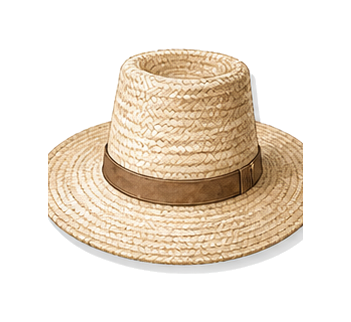 07Straw hat, tall crown, brown band
A golf day is hours in the open, and the Desert Classic tells spectators to avoid long exposure to the sun, wearing suncream and "seeking shade where possible". A straw brim is shade you carry, and it breathes in the afternoon sun.
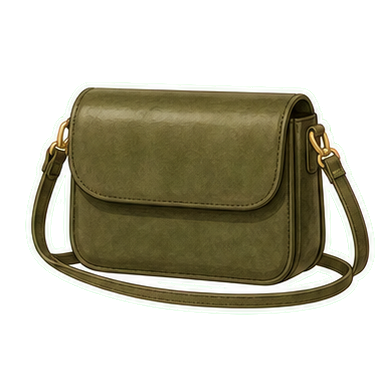 08Olive leather flap crossbody
There is no public parking at the 2027 Desert Classic, and the Metro stops at the gate, so the day runs from a train platform to a fairway. A flap crossbody holds a phone, a card and suncream, and olive leather goes with the navy and the sage.
Day to night
Sage tee · grey cardigan · navy chinos · taupe sneakers · beige jacket · striped scarf. The Dubai Marathon on 17 January, with the mass start at 6:30am before sunrise, or the 10km at 8am.
Sage tee · navy chinos · taupe sneakers · straw hat · olive crossbody. The Desert Classic by Metro, then the cardigan on at Global Village after sunset at about 5:50pm.
A suggested look — sage tee, grey v-neck cardigan, navy chinos, taupe canvas sneakers, beige oversized jacket.

What to avoid
- Denim, flip-flops or spiked shoes in Desert Classic hospitality
- Driving to the Desert Classic — no public parking in 2027
- Plastic water bottles at the golf — bring a refillable one
- A thin top alone at the marathon start — it is before sunrise
- Assuming a dry month — January to March see the most rain
Frequently asked questions
The coolest month of the year. NOAA's figures for Dubai International Airport give an average January high of 24.3°C and a low of 15.5°C across 1991–2020, with about 12mm of rain over one or two days; Visit Dubai puts it at about 24°C by day and 14°C at night. The National Center of Meteorology describes cool days and cold nights, Shamal winds that raise blowing sand inland and rough seas, and early fog that is more likely inland than on the coast. Sunset moves from about 5:40pm on 1 January to 6:02pm on the 31st.
A beige oversized jacket, a grey V-neck cardigan, a striped cotton scarf, navy chinos, taupe canvas sneakers, a sage tee, a straw hat and an olive crossbody. That covers a dawn at the marathon, a day at the golf, a windy desert drive and an evening at Global Village. Add a swimsuit if you want the beach; Visit Dubai says the sea is at its coldest in February, at 21°C to 24°C.
Layers for the marathon, walking shoes for the golf. The Dubai Marathon runs on Sunday 17 January 2027, its organisers say, with the elite start at 5:45am, the mass start at 6:30am, the 10km at 8am and the 4km fun run at 10am, starting on Umm Suqeim Road and running along Jumeirah Beach Road past the Burj Al Arab. The Hero Dubai Desert Classic returns to Emirates Golf Club in January 2027; its dates were not yet published. It has no dress code for general admission but asks for "smart casual/golf attire" in hospitality, with no denim, flip-flops or spikes, and there is no public parking.
Mid to late January, for the events. New Year's Day is a UAE public holiday, and Dubai's private schools go back on 4 January, which ends the resident holiday rush. The marathon fills 17 January, and the Desert Classic ran from 22 to 25 January in 2026; its 2027 dates were not out by late September. The Dubai Shopping Festival's 2026–27 dates were also unannounced; the last edition ended on 11 January.
February is a little warmer and drier. NOAA's airport figures give February 25.9°C by day and 16.6°C at night, with about 4mm of rain, against January's 24.3°C, 15.5°C and 12mm. Visit Dubai says the sea is at its coldest in February, between 21°C and 24°C, and that January, February and March see the most rain in general. The same cardigan works for both months' evenings.
A light layer, and full cover for a mosque. January's cool days suit a day trip to Abu Dhabi's Sheikh Zayed Grand Mosque, whose visitor code asks women for loose clothing to the ankles with sleeves to the wrists and hair covered, and men for full-length trousers; visitors pre-book an access pass, and the code leaves it to tour operators to provide attire. In Dubai, Jumeirah Mosque, a 1979 gift from the late Sheikh Rashid bin Saeed Al Maktoum, lends abayas, sheilas and kanduras to visitors who need them.
Sources
- NOAA NCEI — 1991–2020 climate normals, Dubai International Airport stationthe UAE National Center of Meteorology operates the station; NOAA NCEI computed this month's figures from its 41194099999 global-summary-of-the-day record, 30 complete Januaries. Recorded per month because the rest of this city's pages are sourced differently.
- NOAA National Centers for Environmental Information — Climate Data Online — accessed 2026-04-23
- Emirates 24|7 — reprint of the NCM January climate summary (secondary) — accessed 2026-09-27
- Visit Dubai (DET) — Weather in Dubai, monthly averages and FAQs — accessed 2026-09-27
- Dubai Marathon — 2027 race confirmed for 17 January — accessed 2026-09-27
- Dubai Marathon — General information (start times, route) — accessed 2026-09-27
- Hero Dubai Desert Classic — January 2027 return, getting there — accessed 2026-09-27
- Hero Dubai Desert Classic — Spectator FAQs (dress code, footwear, water) — accessed 2026-09-27
- Hero Dubai Desert Classic — 2026 tickets (22–25 January 2026) — accessed 2026-09-27
- KHDA — Academic calendar for Dubai private schools 2026–27 — accessed 2026-09-27
- Government of Dubai Media Office — 2026 retail calendar (Fitness Challenge, Diwali, Eid Al Etihad) — accessed 2026-09-27
- Global Village — Plan your visit (hours, visitor rules) — accessed 2026-09-27
- Sheikh Zayed Grand Mosque Centre — Visitor code of conduct and dress code — accessed 2026-09-27
- SMCCU / Jumeirah Mosque — About the mosque (opened 1979) — accessed 2026-09-27
- SMCCU / Jumeirah Mosque — Dress code for visitors — accessed 2026-09-27