What to Wear in New Orleans in October
New Orleans in October: 27°C / 81°F afternoons, 18°C / 64°F nights, 7 rain days — the driest month of the year and the first comfortable one since April.
- Oversized white linen — the silhouette matters as much as the fabric
- Warm sand wide-leg trousers, cropped above the ankle
- A navy lightweight cardigan for the 9°C drop after dark
- A structured Panama, not a floppy beach hat
- Lug-sole loafers — French Quarter flagstone is genuinely broken
- A seersucker blazer if you own one; Haspel built it here in 1909
- Pack heavy denim — 27°C / 81°F with any humidity left makes it miserable
- Wear thin or stiletto heels — the Quarter's flagstone catches them
- Bring black synthetics — they hold heat and show sweat
- Assume hurricane season is over — it runs to 30 November
October is the month New Orleans becomes liveable again. NOAA's 1991–2020 normals at MSY record an average high of 27°C / 80.6°F against an overnight 18°C / 64.3°F, and just 7.1 days of measurable rain, which makes October the driest month of the entire year here. Set that against August's sixteen wet days and the difference is not subtle. The humidity that defines May through September finally lifts, usually with the first real cold front around the middle of the month, and the city moves outdoors. What this changes about dressing is the evening. A 9°C drop between afternoon and night is larger than anything the summer produces, so for the first time since spring you need a layer to carry rather than a fabric to survive in. During the day the rule is unchanged: loose, pale, natural. New Orleans has been solving that commercially for a long time. Joseph Haspel built the washable seersucker suit here in 1909 on the premise that a man should be able to swim in his suit and wear it to dinner, and Meyer the Hatter has sold straw and felt on St. Charles since 1894. Both businesses exist because of exactly this climate.
October is the month New Orleans becomes liveable again, and the city dresses like it knows the reprieve is temporary.
The capsule
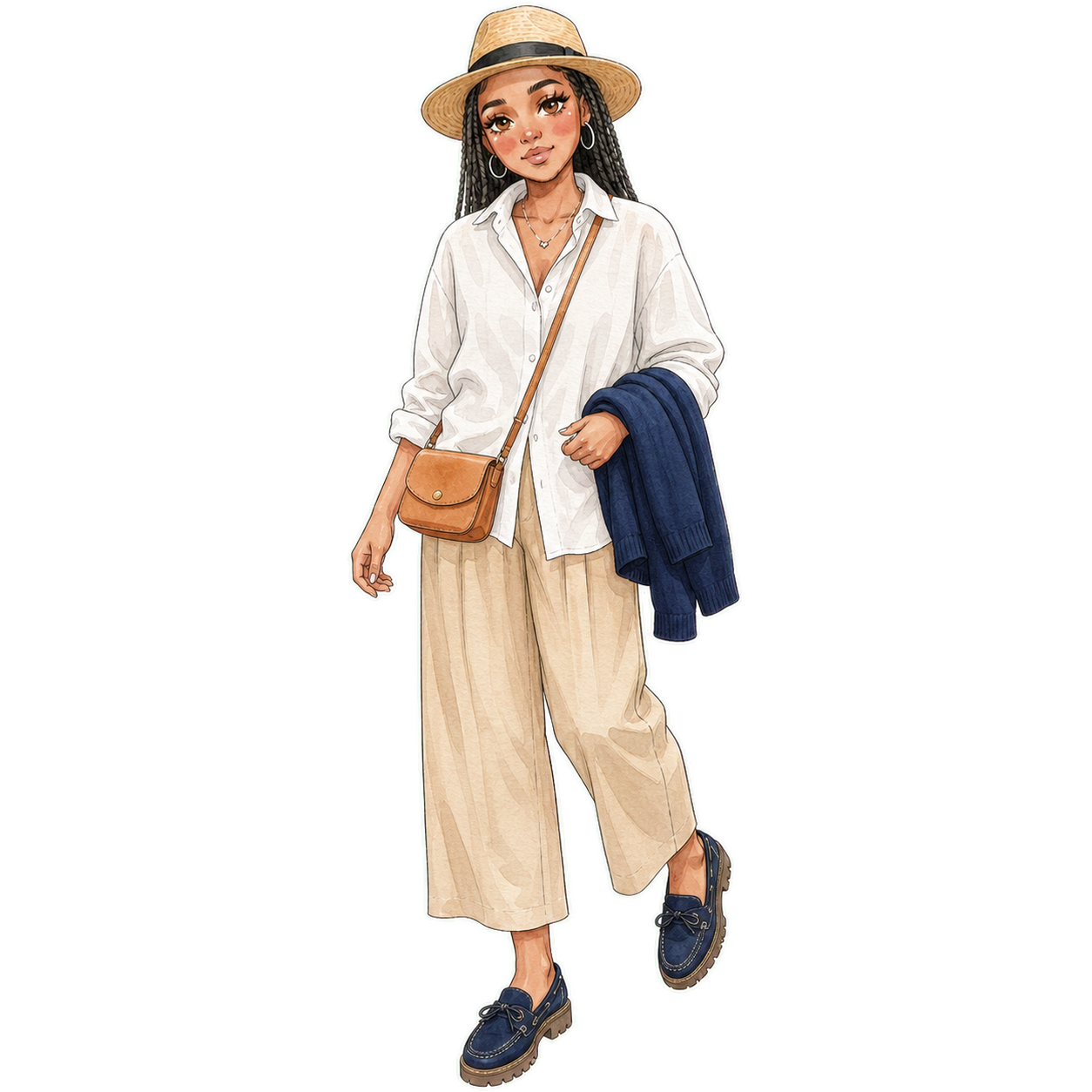
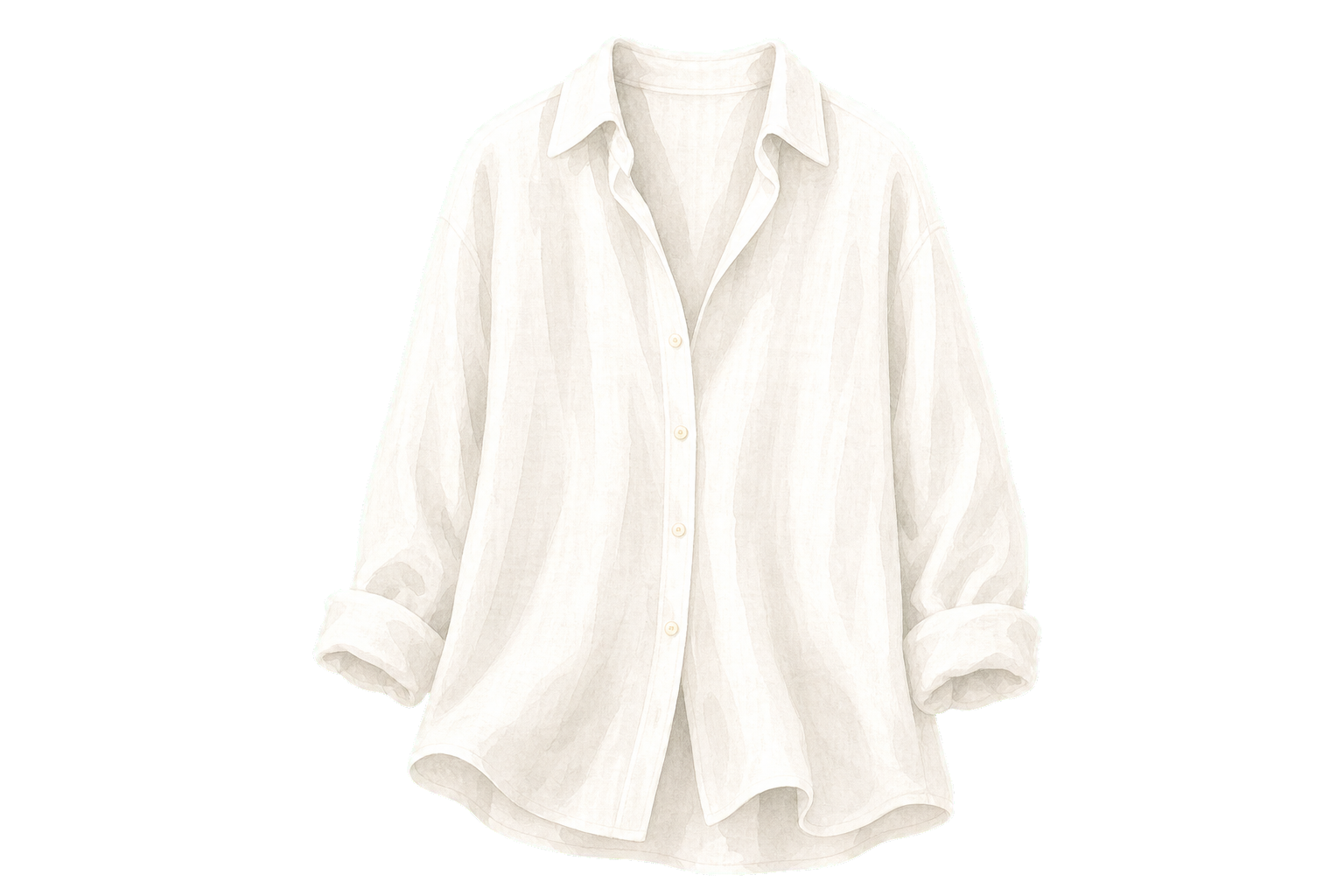 01Oversized white linen button-down
Oversized is doing the work here, not the linen alone. Air has to move between the fabric and your skin, and a fitted linen shirt in 27°C / 81°F is barely better than cotton. Wear it open over a tank at midday and buttoned with the sleeves rolled by evening. White reflects, which matters walking the unshaded stretches of Esplanade or the Marigny in the early afternoon.
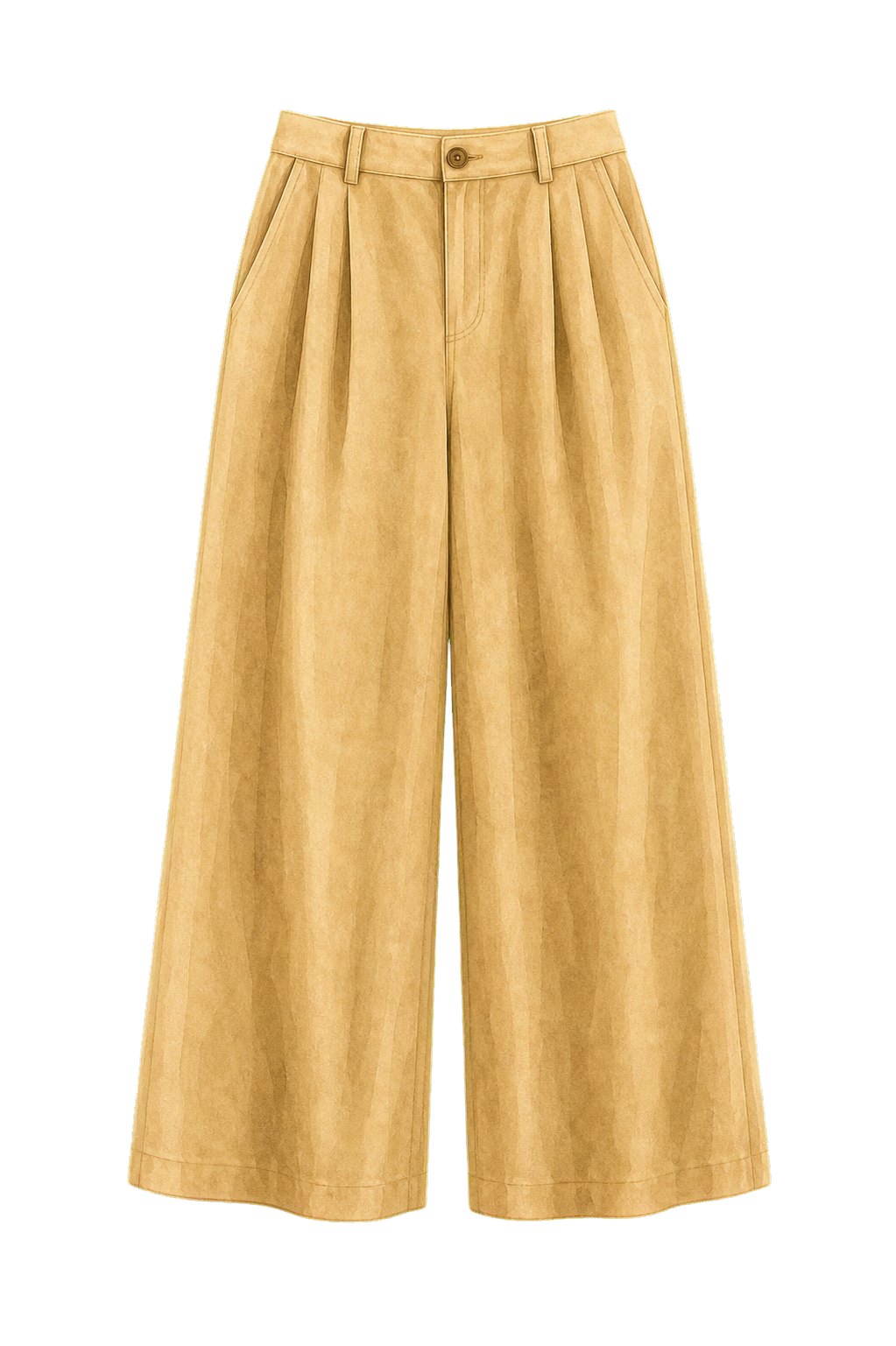 02Warm sand pleated wide-leg trousers, cropped above the ankle
Cropped is deliberate: October still puts standing water on Quarter pavement after a short rain, and a full-length wide leg drags through it. Pleated and high-waisted keeps the fabric off the thigh. Sand rather than white because the Quarter's ground is genuinely dirty and white trousers do not survive a day of it.
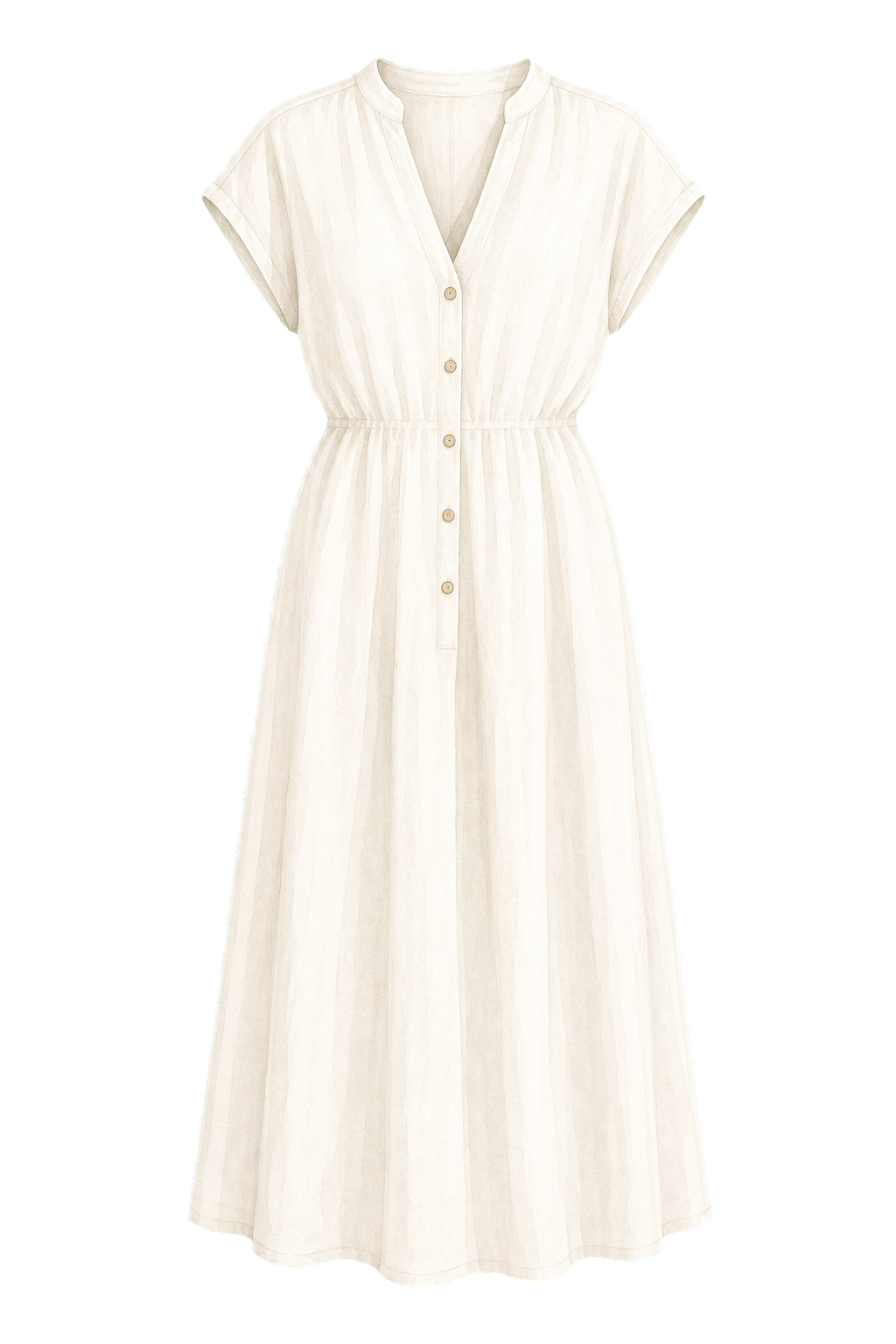 03Ecru cotton-poplin midi dress, loose through the body
The single garment answer for a 27°C / 81°F afternoon, and the reason it works is that no part of it touches you. No waist seam, no lining, nothing fitted through the hip. Poplin rather than linen for this one so it holds a shape across a whole day rather than collapsing into creases by two. It takes the cardigan over it at night without looking like a compromise.
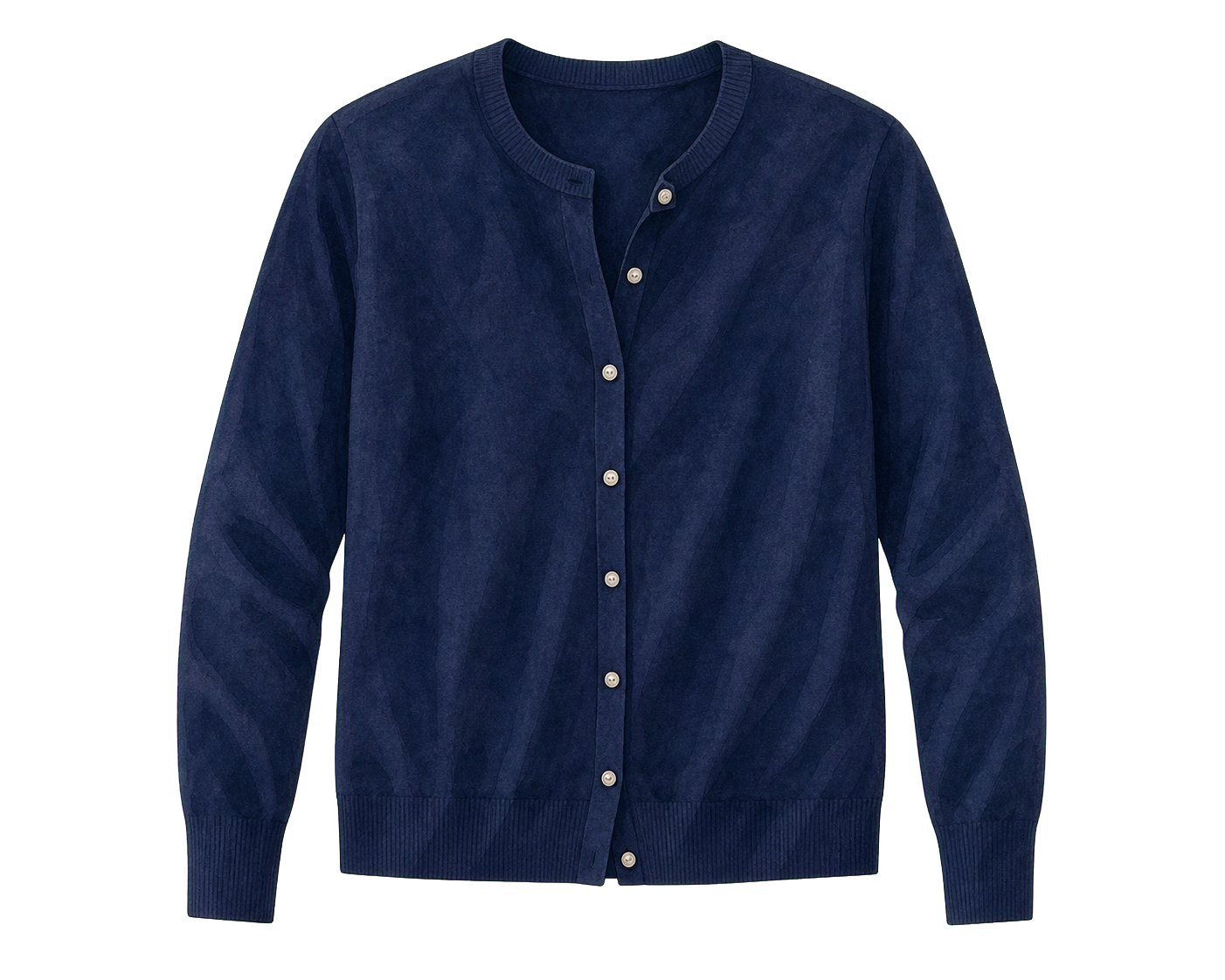 04Navy lightweight cardigan, fine gauge
This is the piece October needs and August does not. The overnight low of 18°C / 64.3°F sits about 9°C under the afternoon, which is the widest gap the New Orleans year produces, and courtyard dinners run late. Fine gauge so it packs to nothing in a bag all day. Navy because it goes over both the linen shirt and the dress without either combination looking accidental.
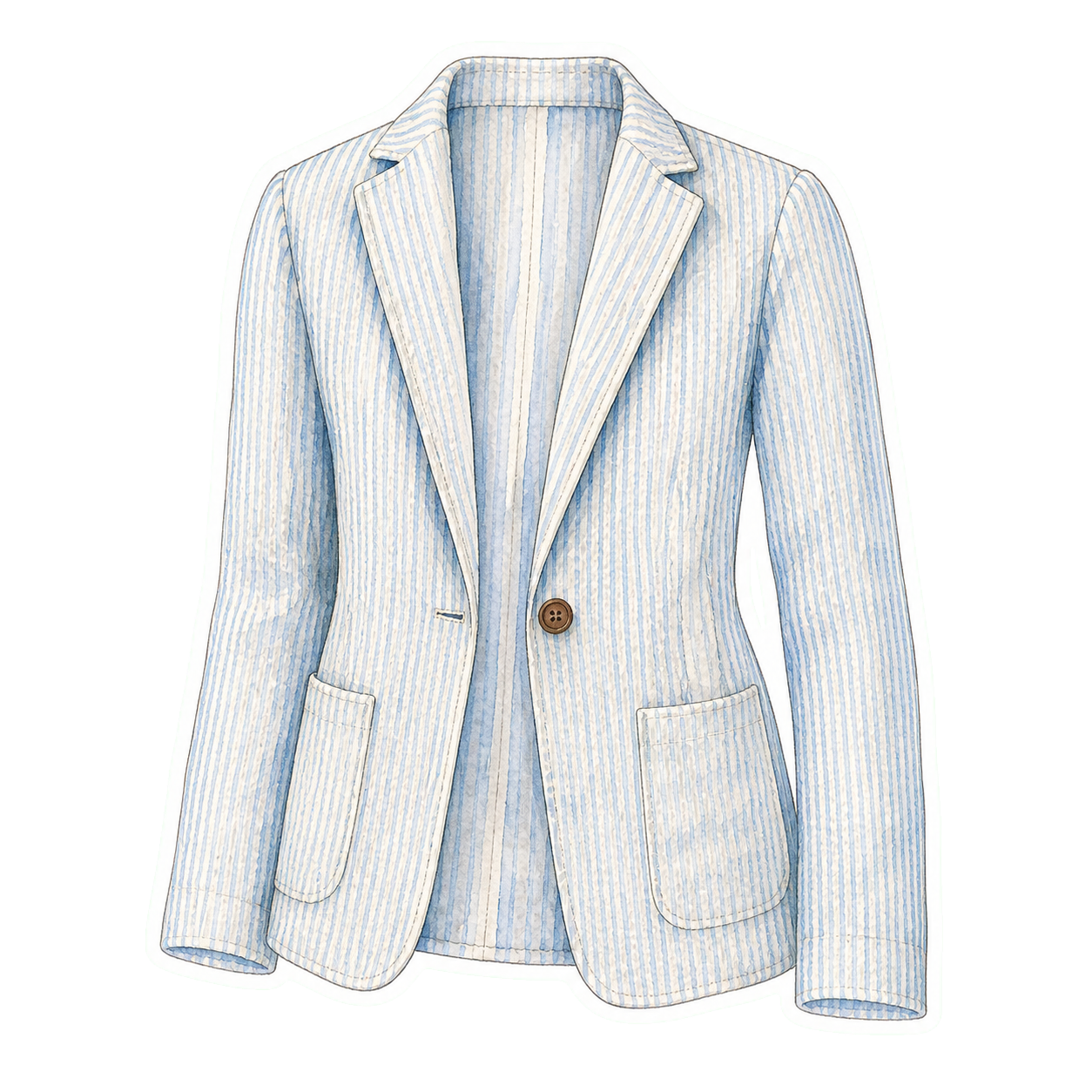 05Unstructured seersucker blazer, blue-and-white stripe
The city's own garment, and the one that reads local rather than costume if it is unlined and soft-shouldered. Joseph Haspel started making the washable seersucker suit in New Orleans in 1909, and the puckered weave exists for precisely this climate: the fabric stands off the skin instead of clinging. Over the dress for dinner, or with the sand trousers when a place has a dress code.
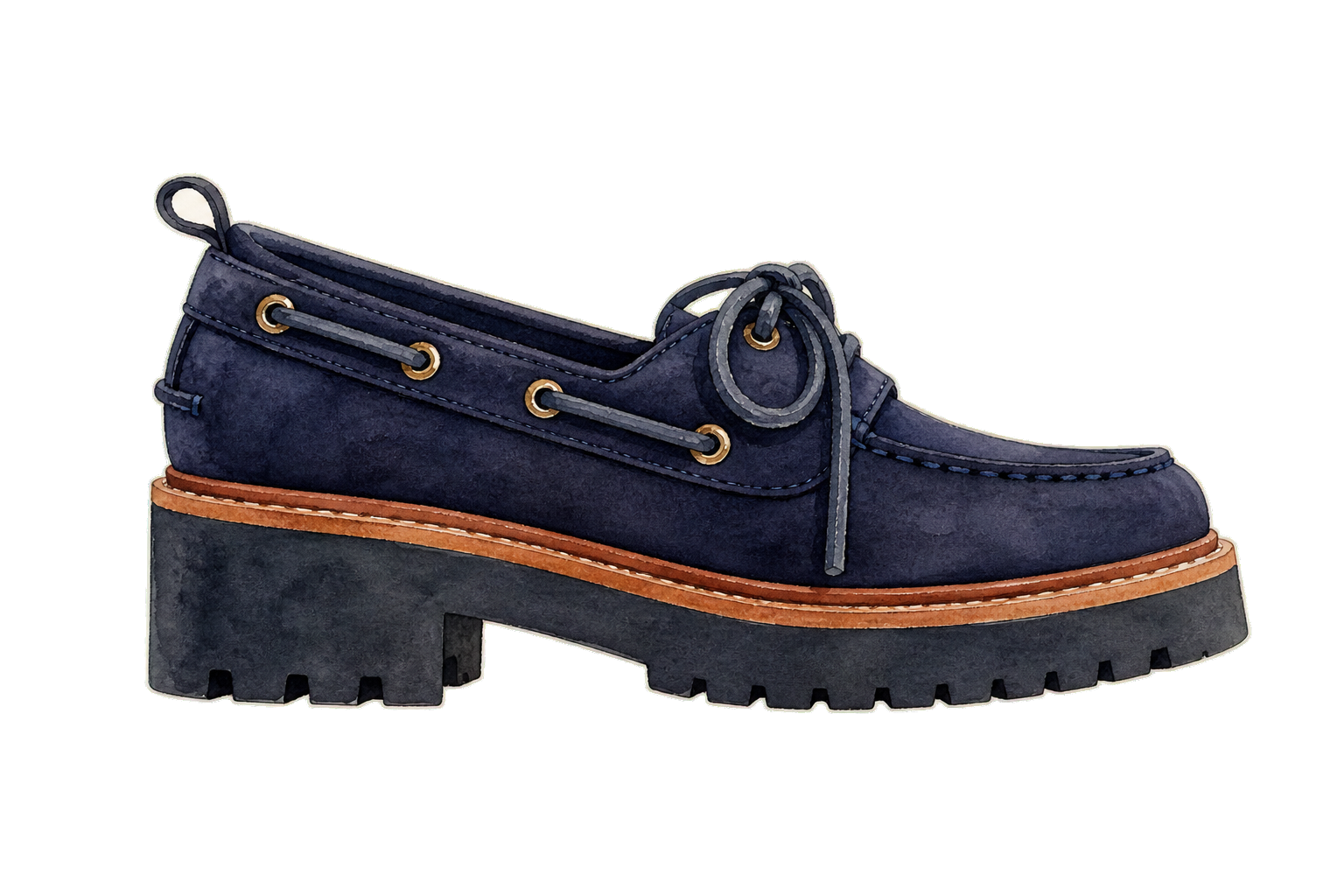 06Navy suede boat loafer on a lug platform sole
Buy this for the platform rather than the boat-shoe styling. French Quarter flagstone is broken, uneven and frequently pitched, and a thin flat sole transmits every edge of it across a long evening. A lug platform lifts you off wet stone after a short rain as well. Navy suede rather than tan keeps it out of the way of the sand trousers.
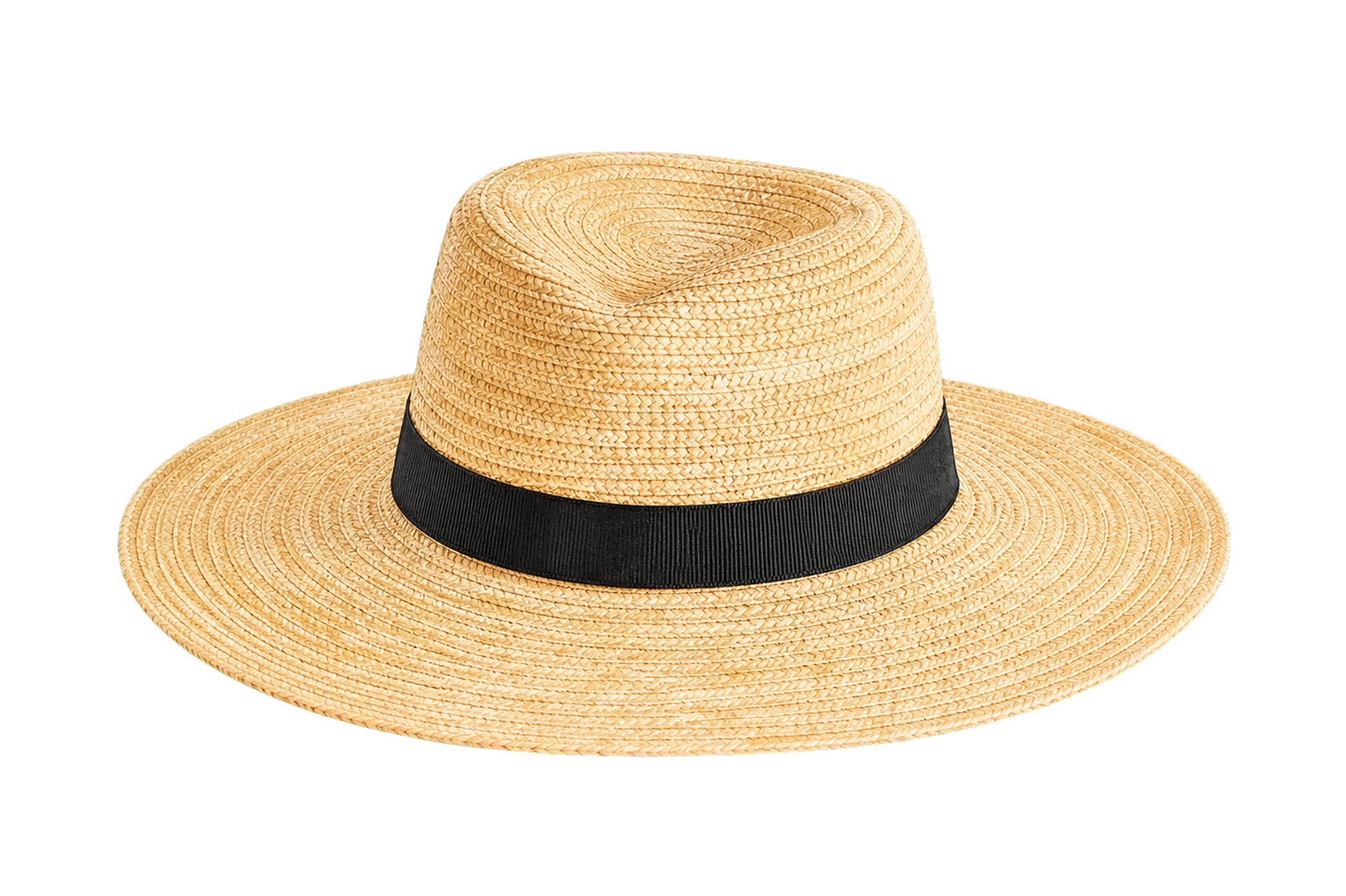 07Natural straw Panama with a black grosgrain band
Structured Panama rather than a floppy beach brim, which is the difference between reading as a local and reading as a cruise passenger. October sun here is still direct enough at midday to matter. Meyer the Hatter has been on St. Charles since 1894 and will block one to your head in an afternoon, which is a better souvenir than most.
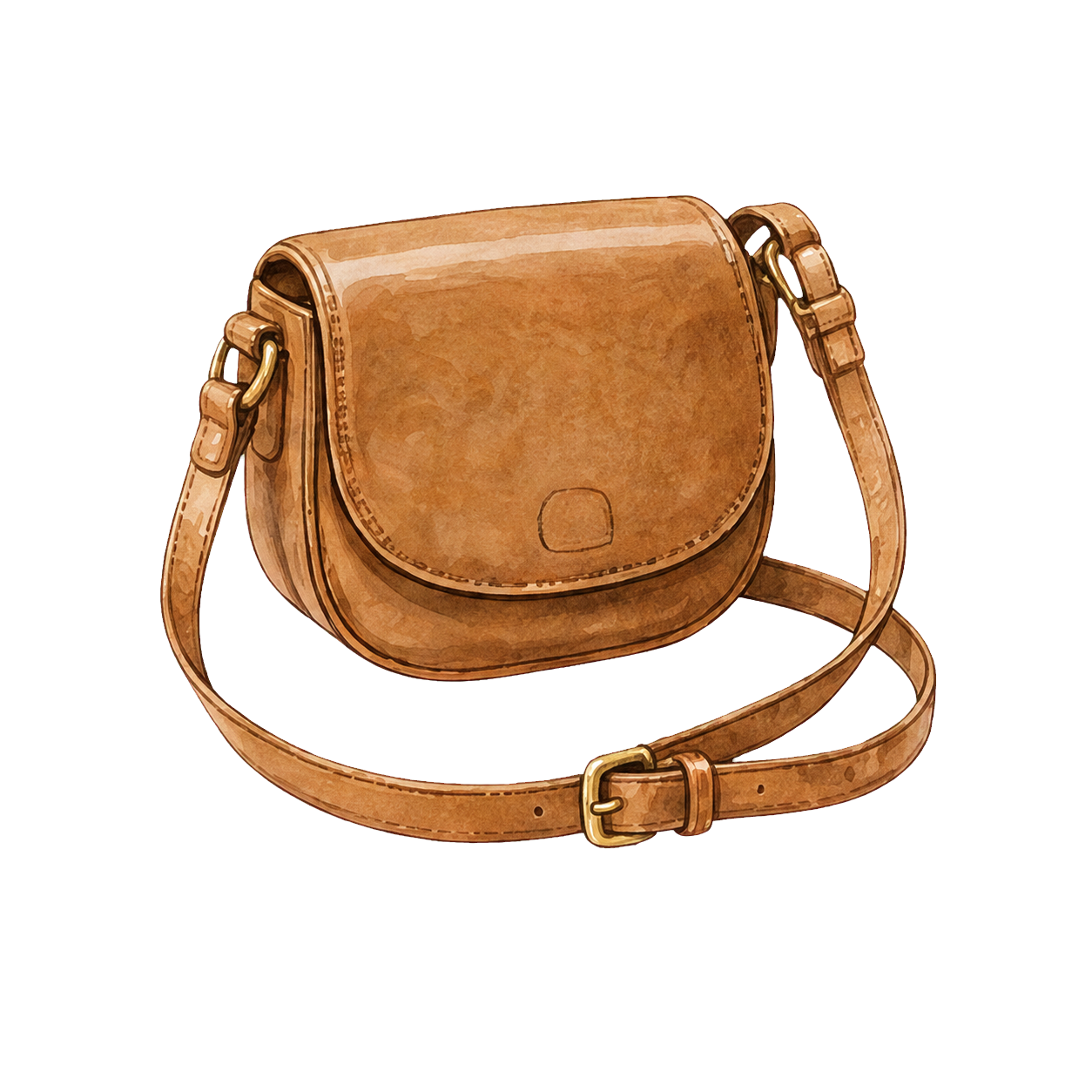 08Small tan leather crossbody with a flap closure
Small is the specification, because you will be in crowds on Frenchmen and Royal and a flap closure worn across the front is simply more secure than an open tote. Tan leather warms up against the sand trousers where black would sit flat. Big enough for a phone, a card and a fan, which is all October still requires.
Day to night
Linen button-down open over a tank · sand wide-leg trousers · boat loafers · Panama · small crossbody. Coffee on Esplanade, then the Marigny before the sun clears the rooftops.
Poplin midi dress · seersucker blazer or the navy cardigan · boat loafers · crossbody. Courtyard table at eight; it drops to 18°C / 64°F by eleven and the layer stops being optional.
A suggested look — oversized white linen button-down, warm sand pleated cropped trousers, navy lug-sole boat loafers, natural Panama hat, tan leather crossbody.
What to avoid
- Heavy denim — 27°C / 81°F with residual humidity, and it stays damp
- Thin or stiletto heels — Quarter flagstone is broken and pitched
- Black synthetics — they hold heat and show every mark
- Anything fitted through the body — air between fabric and skin is the whole strategy
- Assuming the season is over — hurricane season runs to 30 November
Frequently asked questions
Warm, bright and unusually dry. NOAA's 1991–2020 normals at MSY record an average high of 27°C / 80.6°F, an average low of 18°C / 64.3°F, and 7.1 days with measurable precipitation, of which 4.3 clear a tenth of an inch. That makes October the driest month of the New Orleans year, against sixteen wet days in August. Daylight is about 11h 25m at mid-month.
It is arguably the best month. The humidity that defines May through September lifts with the first cold front, usually mid-month, rainfall is at its annual low, and the city moves outdoors — courtyards, festivals, and the Krewe of BOO! parade before Halloween. The trade-off is that it is still genuinely warm at 27°C / 81°F in the afternoon, so this is a linen month rather than a sweater one.
A light one, and mainly after dark. The overnight low of 18°C / 64.3°F sits roughly 9°C below the afternoon high, which is the widest daily gap the New Orleans year produces. A fine-gauge cardigan or an unlined seersucker blazer is enough — nothing heavier. Courtyard and balcony dinners run late and that is when you notice it.
No. The Atlantic hurricane season runs through 30 November, so October sits inside the window even though it is statistically the driest month here at 7.1 wet days. Peak activity has usually passed by early October, but check forecasts before travelling and keep a packable shell in the bag rather than relying on an umbrella, which the wind defeats.
Something flat or lug-soled with real cushioning. French Quarter flagstone is broken, uneven and often pitched toward the street, and thin soles punish a long evening on it. Skip stilettos and thin heels entirely, which catch in the gaps. A lug-platform loafer or a sturdy flat handles both the pavement and the standing water that follows a short rain.
Sources
- NOAA — 1991–2020 climate normals, Louis Armstrong New Orleans International Airport (MSY) station