What to Wear in New Orleans in November
New Orleans in November: 22°C / 72°F afternoons, 12°C / 54°F nights, the humidity gone and hurricane season ending on the 30th.
- A light denim jacket — the only outer layer this month asks for
- A cream cotton knit, not wool, which is unwearable by lunch at 22°C / 72°F
- A blue-stripe cotton shirt to layer under it or wear alone
- Indigo trousers for evening and an olive chino for daytime
- Brown suede lug-sole loafers — the lug is for Quarter flagstone
- A light cotton scarf for the 12°C / 54°F evening drop
- Bring wool — a 22°C / 72°F afternoon makes it unwearable by noon
- Pack a heavy coat, which this city does not need until January if at all
- Wear thin heels on Quarter flagstone — the gaps catch them
- Assume hurricane season is over before the 30th — it runs the whole month
November is the month New Orleans stops being something you endure outdoors and starts being somewhere you linger. NOAA's 1991–2020 normals at MSY record an average high of 21.8°C and an average low of 12.1°C, against October's 27.0°C and 17.9°C. That is a five-degree drop by day and nearly six by night, and it is the difference between managing heat and forgetting about it. The humidity that defines this city from May onward has genuinely broken. Rain holds steady at 7.1 days, of which 4.6 clear a tenth of an inch, so the practical guidance from October carries over unchanged. What is new is the evening. A 12.1°C night is the first since spring that asks for a layer, and the answer is a denim jacket rather than anything heavier, because the afternoon will still reach the low seventies. The Atlantic hurricane season, which the National Hurricane Center runs from 1 June to 30 November, is technically live for the entire month, though activity this late is uncommon. Practically it means the same packable rain plan as October, and a city that spends the whole month outdoors because it finally can.
November is the month New Orleans stops being something you endure outdoors and starts being somewhere you linger.
The capsule
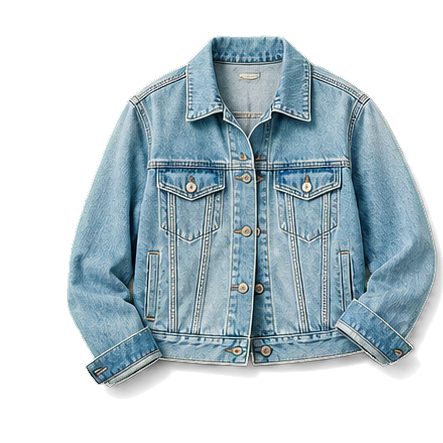 01Light-wash denim trucker jacket
This is the only outer layer the month requires, and its weight is the point. A 22°C / 72°F afternoon rules out wool entirely, but a 12°C / 54°F evening on a Marigny sidewalk needs something, and denim covers exactly that band. Light wash rather than raw, because it reads correctly against the pastel stucco the Quarter and Bywater are built from.
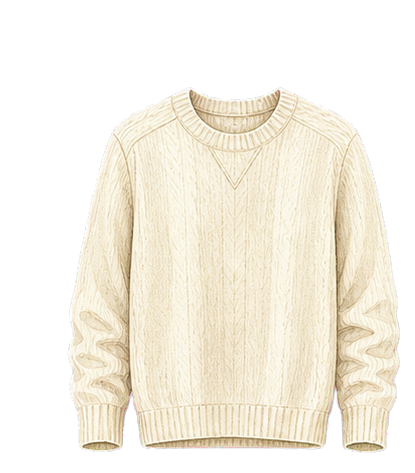 02Cream mid-weight cotton crew knit
Cotton rather than wool, which is the single most important fabric call for this month. Wool at 22°C / 72°F is off within an hour of stepping outside; a mid-weight cotton crew holds the evening drop and still works at noon. Cream also does something practical here — it stays cool under the low sun that reaches the Quarter's narrow streets in the afternoon.
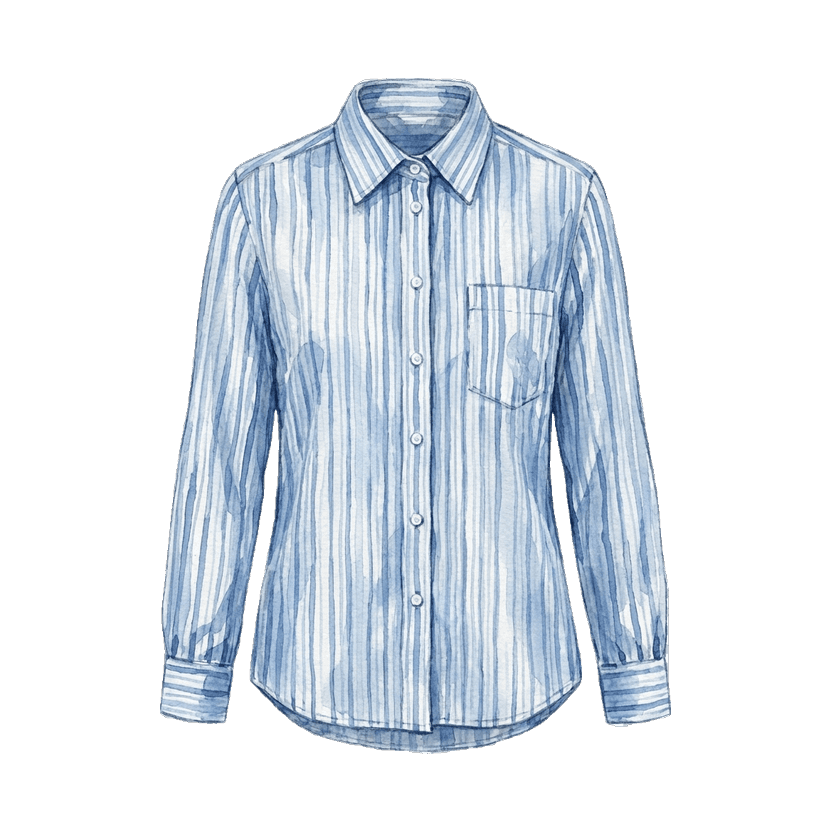 03Blue-and-white fine-stripe cotton shirt
Worn alone at midday, collar out under the knit after dark. A fine stripe reads better than a plain white here because the city's own palette is saturated and a flat white goes stark against it. Relaxed rather than fitted, so it works untucked over the chino and tucked into the indigo trousers without needing a press.
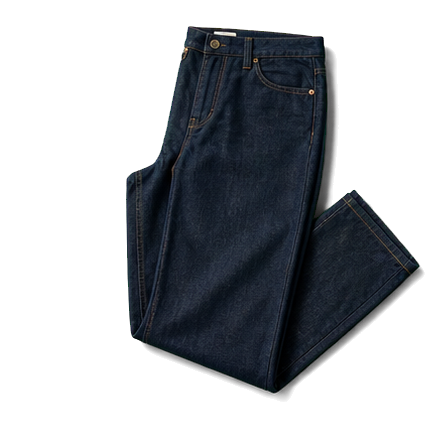 04Dark indigo tailored trousers
The evening half. Indigo takes the low light of a Frenchmen Street bar better than black, which flattens completely once the neon starts. Tailored but not sharp — this is a city where an over-pressed trouser reads as though you are attending something rather than living somewhere. These carry a restaurant and a late set without a change.
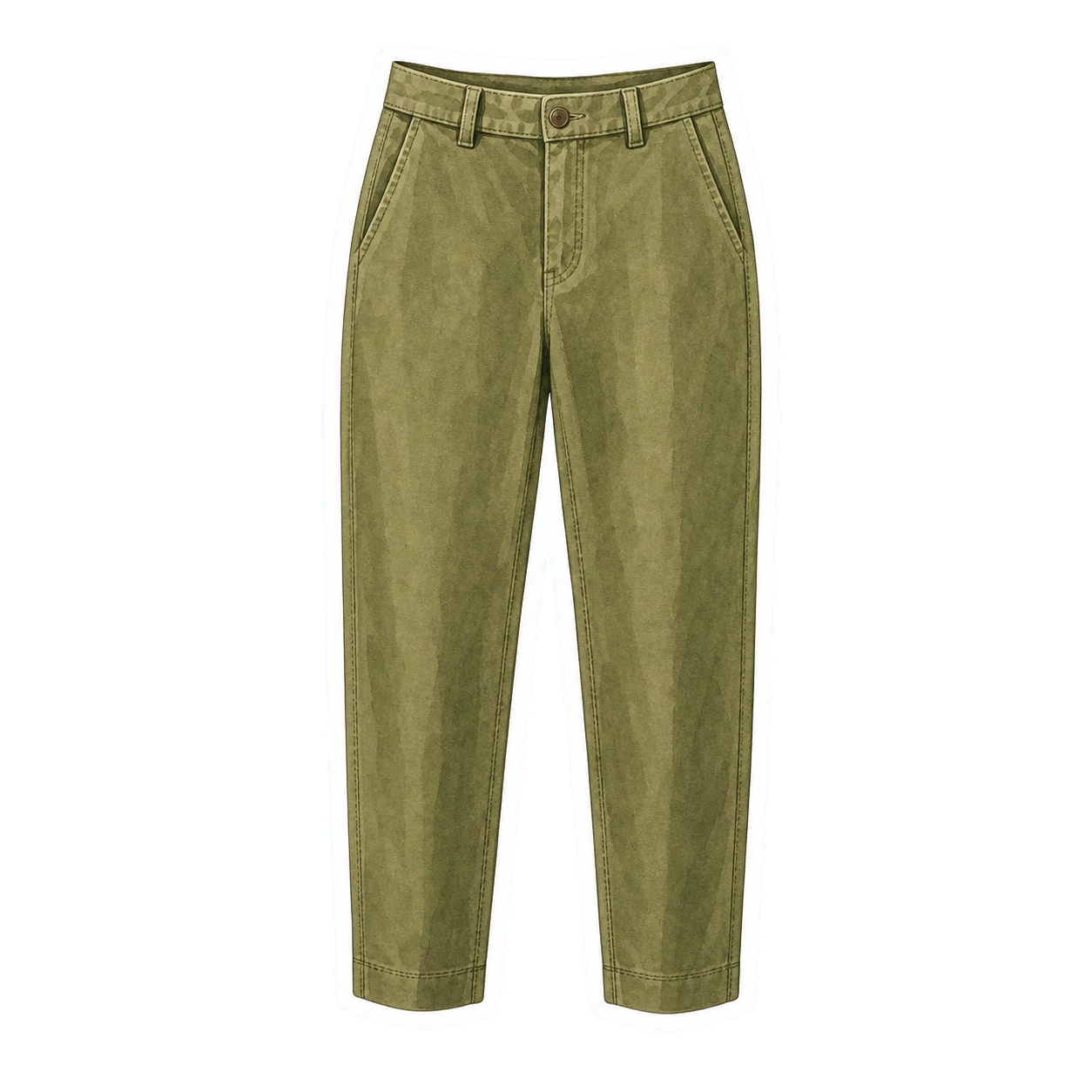 05Olive cotton chino, straight leg
The daytime alternative and the one that handles a 22°C / 72°F afternoon of walking. Cotton breathes where the indigo trouser does not, and olive hides the dust that comes off Quarter flagstone in a dry month. Straight leg with a clean break so it sits properly over the loafer rather than pooling on uneven pavement.
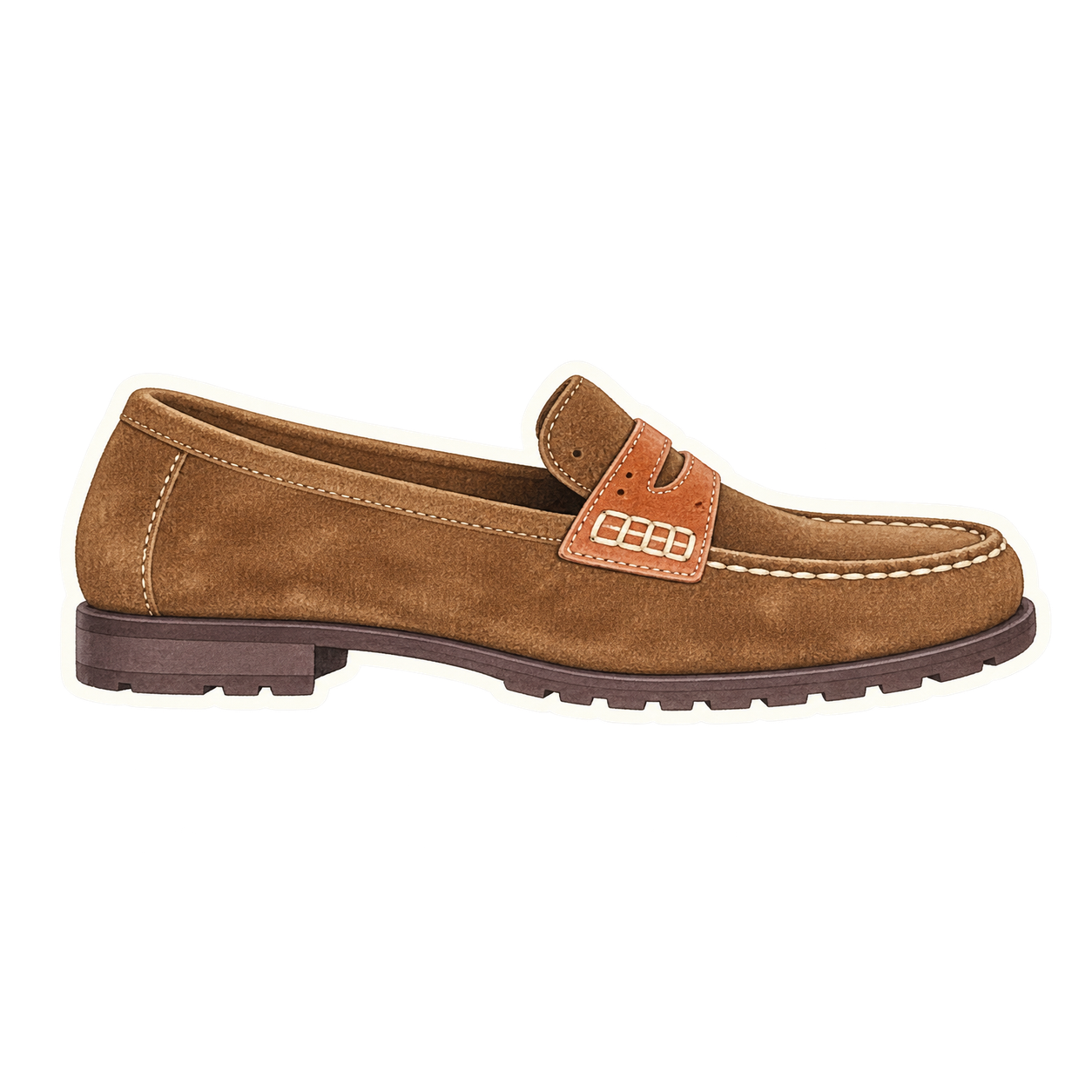 06Brown suede lug-sole penny loafer
Suede is finally safe here — 7.1 wet days is the same as October and among the driest stretches of the New Orleans year, unlike a genuinely wet city where it would be a mistake. The lug sole is not optional though. French Quarter flagstone is broken, uneven and pitched toward the street, and a thin leather sole punishes a long evening on it.
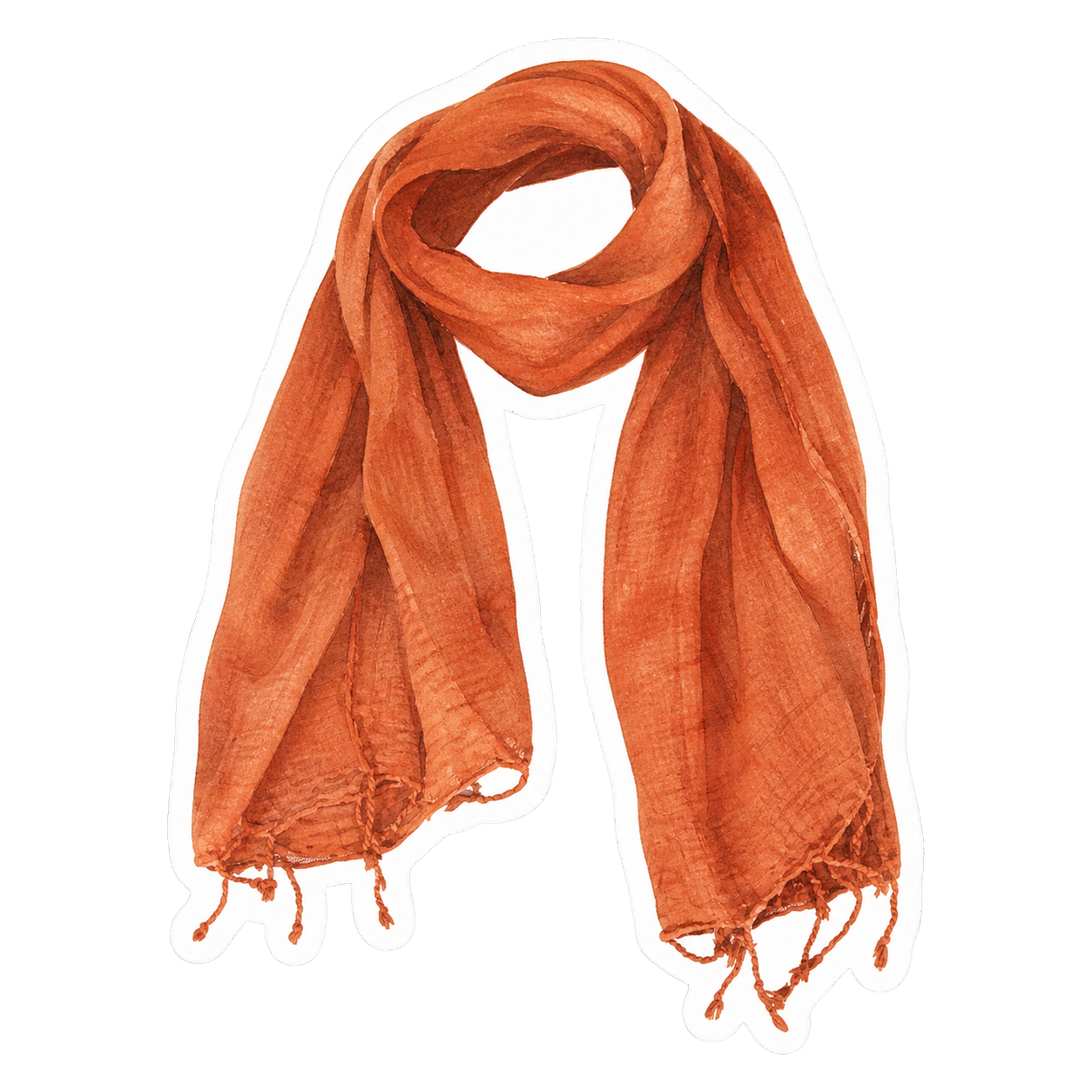 07Lightweight rust cotton-blend scarf
For the 12°C / 54°F evening and nothing else, which is why it is cotton-blend rather than wool. It packs to nothing in the bag through a warm afternoon and comes out when you sit down outside after dark. Rust is the one warm note against a cream, indigo and olive capsule, and it picks up the city's own brick.
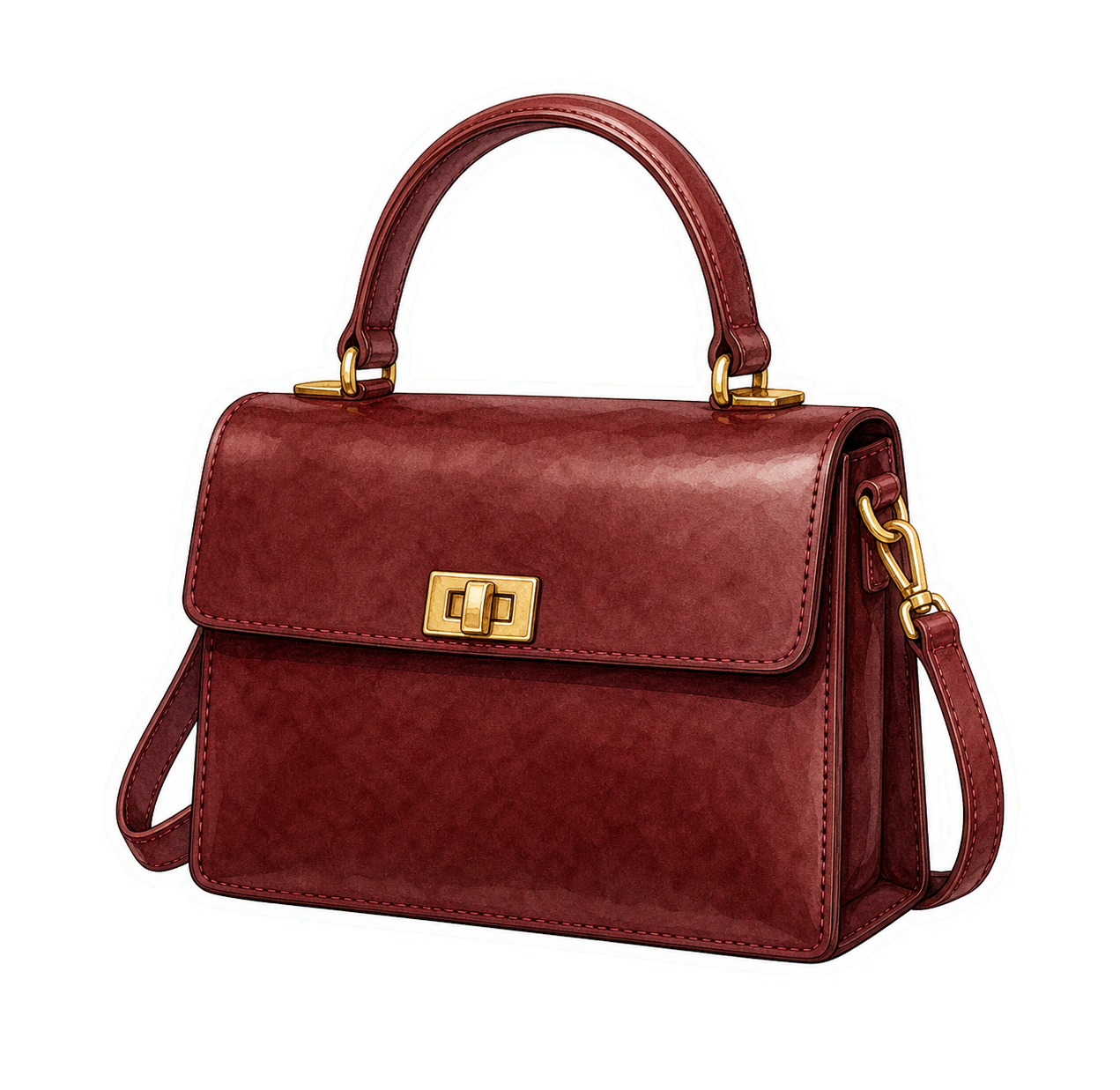 08Oxblood structured top-handle bag with gold hardware
Structured and carried by the handle, which suits a month spent sitting outside at tables rather than pushing through crowds. Oxblood against cream and olive is the kind of colour this city rewards, where a neutral would simply disappear. Gold hardware rather than silver reads warmer under the Quarter's evening lighting.
Day to night
Stripe shirt alone · olive chino · suede loafers · oxblood bag, denim jacket in hand. Coffee at the Marigny end, then the Quarter before the day trippers arrive and while the light is still flat.
Cream cotton knit over the shirt · indigo trousers · same loafers · rust scarf · denim jacket on. Dinner at eight, then Frenchmen Street; it is 12°C / 54°F by midnight and the jacket is finally doing something.
A suggested look — open light-wash denim trucker, cream cotton crew knit, blue-and-white striped shirt, dark indigo trousers, brown suede loafers.

What to avoid
- Wool in any form — unwearable within an hour of a 22°C / 72°F afternoon
- A heavy coat — this city does not need one in November
- Thin heels on Quarter flagstone — the gaps catch them and the pavement is pitched
- Assuming hurricane season is over — it runs to 30 November
- An umbrella as the rain plan — a packable shell handles 7 wet days better
Frequently asked questions
Warm by day, genuinely cool at night, and far less humid. NOAA's 1991–2020 normals at MSY record an average high of 21.8°C / 72°F and an average low of 12.1°C / 54°F, with measurable precipitation on 7.1 days of which 4.6 clear a tenth of an inch. Daylight sits near 10h 40m. The drop from October is about five degrees by day and six by night, which is the point at which the humidity stops being a factor.
Not until the end of the month. The National Hurricane Center runs the Atlantic season from 1 June to 30 November, so November sits inside the window in full. Late-season activity affecting Louisiana is uncommon but not unheard of, so check forecasts before travelling and keep a packable shell rather than relying on an umbrella. From 1 December the risk is effectively gone.
Yes, for the evening — and this is the first month since spring that is true. The average low of 12.1°C / 54°F is cool enough to want a layer after dark, while the 21.8°C / 72°F afternoon rules out anything heavier than denim or a light cotton jacket. A denim trucker covers the entire band. A wool coat would be unwearable by noon.
It is arguably the best month of the year. The humidity has broken, the temperature sits in the low seventies, hurricane risk is at its lowest inside the season, and the city is deep in festival and football weekends without the spring-festival crowds or prices. The only real trade-off is that evenings now need a layer, which is a small thing to plan for.
A lug-soled loafer or a sturdy flat — and unlike a wet city, suede is fine here at 7.1 rain days. The constraint is the ground rather than the weather: French Quarter flagstone is broken, uneven and pitched toward the street, so thin soles punish a long evening and thin heels catch in the gaps. Cushioning matters more than waterproofing this month.
Sources
- NOAA — 1991–2020 climate normals, Louis Armstrong New Orleans International Airport (MSY) station