What to Wear in Osaka in September
Osaka in September: 30°C / 86°F afternoons, 22°C / 72°F nights at 67% humidity — August with a festival and a typhoon, not autumn.
- White short-sleeve linen shirt — the first fortnight holds 30°C / 86°F
- Black quick-drying trousers — 4.6 days deliver 10mm or more in a burst
- A hooded shell that works in wind — typhoon rain arrives sideways
- Closed shoes for 19–20 September — the Danjiri crowd runs to about 400,000
- One flexible day — Kansai rail suspends with about a day's notice
- A cooling towel and a hand fan — ordinary Osaka carry, not tourist kit
- Knitwear before the last week — it stays in the case at 30°C / 86°F
- An umbrella as the whole rain plan — typhoon wind folds it in a minute
- Cotton as your main fabric — at 67% humidity it holds the damp overnight
- October's jacket — the evening floor here is 22°C / 72°F, not 16°C / 61°F
The name of the month does the arguing, and it is wrong. Japan Meteorological Agency (JMA) normals put Osaka's September afternoon at 30°C / 86°F and the night at 22°C / 72°F, at 67% humidity, with 152.8mm of rain across about 10 days. The first fortnight is August under a different number. Two things make the month its own article. The Kishiwada Danjiri Matsuri falls on 19–20 September 2026, a standing, sweating, outdoor day in front of floats hauled round corners at a run. And September is the peak of typhoon season, which closes Kansai rail with about a day of notice. Pack August's clothes, add a rain layer that survives wind, leave one day loose.
September in Osaka is August with a festival and a typhoon. The calendar argues autumn; the street gives you 30°C / 86°F at 67% humidity, and only the last week changes its mind.
The capsule
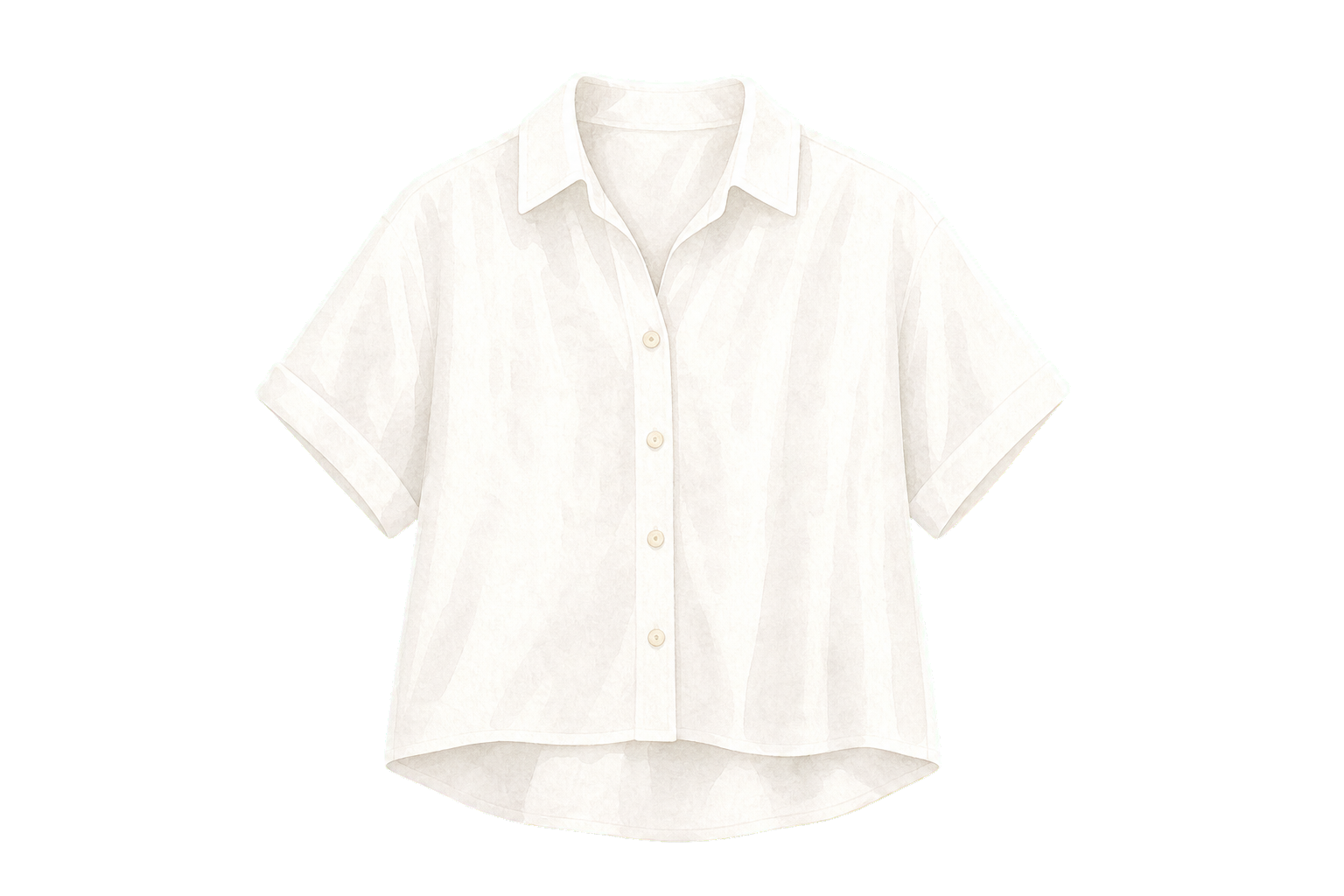 01White linen short-sleeve button-down, camp collar
Start with white, because the first two weeks of Osaka's September are August under a different number. JMA puts the afternoon at 30°C / 86°F and the humidity at 67%, and a boxy cut with an open camp collar and a curved hem moves air across your back where a fitted tee sticks to it. Linen rather than cotton jersey for the same reason: it dries between Umeda and Namba, and Osaka walks that stretch instead of driving it.
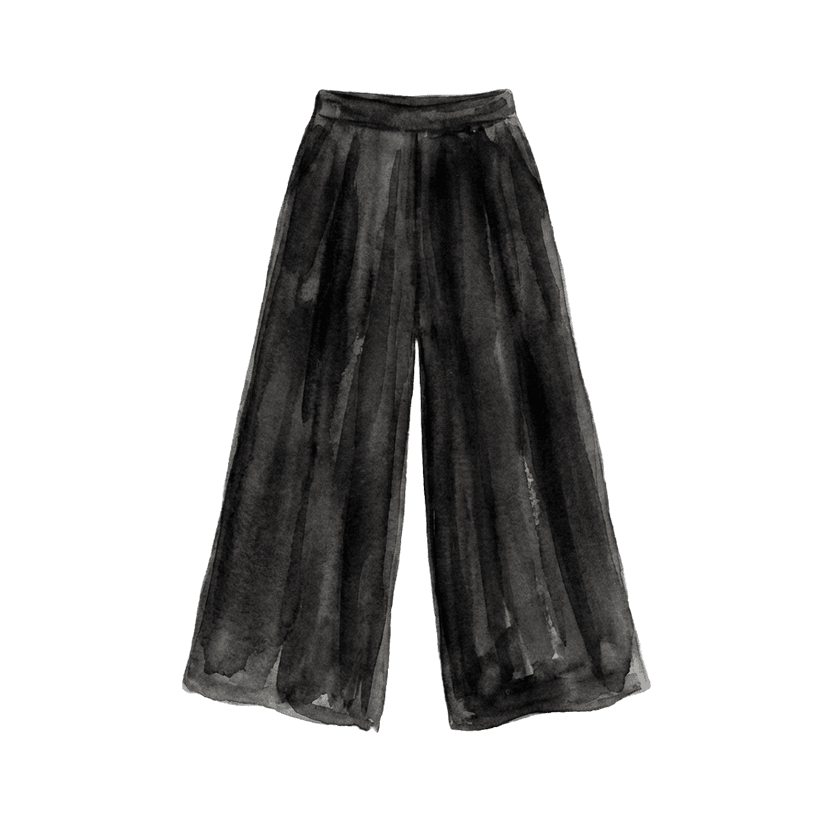 02Black wide-leg lightweight trousers
Full length, and wide enough that the cloth barely touches your leg. Shorts strand you at a shrine gate and read wrong at most counters, and a slim trouser at 67% humidity is worse than a loose one by mid-morning. Black rather than stone because 4.6 days of this month deliver 10mm or more in a single burst, and kerb splash off a Dotonbori pavement sits on pale cloth for the rest of the day. Take a technical or rayon blend over cotton twill; you wear these again tomorrow.
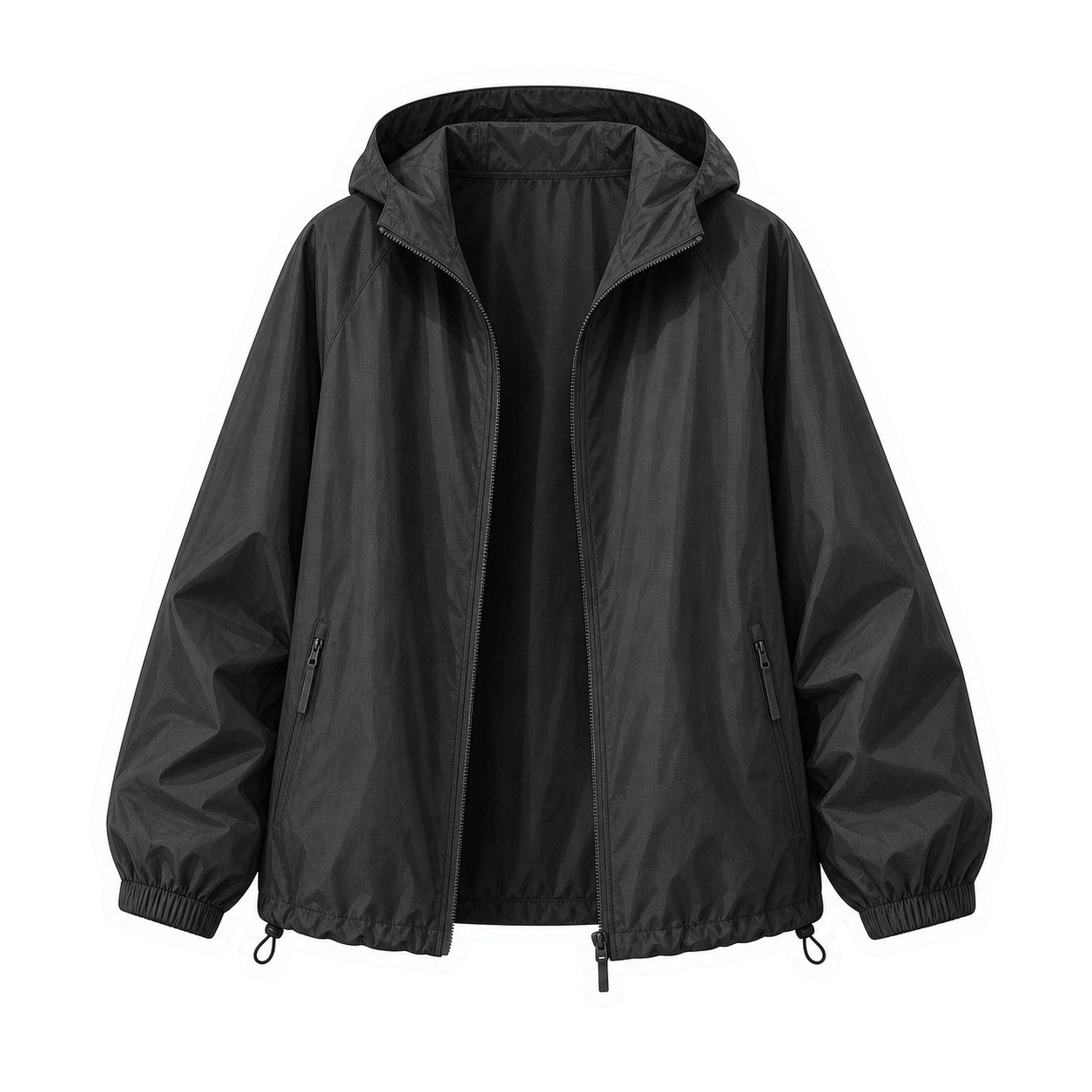 03Black hooded packable rain shell
Here is the piece that separates September from October in Kansai. October rain falls downward and a ¥700 konbini umbrella handles it. September rain arrives on the leading edge of a typhoon, comes in sideways, and folds an umbrella inside out in about a minute. A hood, an elasticated cuff and a drawcord hem shut the three places water gets in, and the shell has to crush small, because you carry it far more often than you wear it.
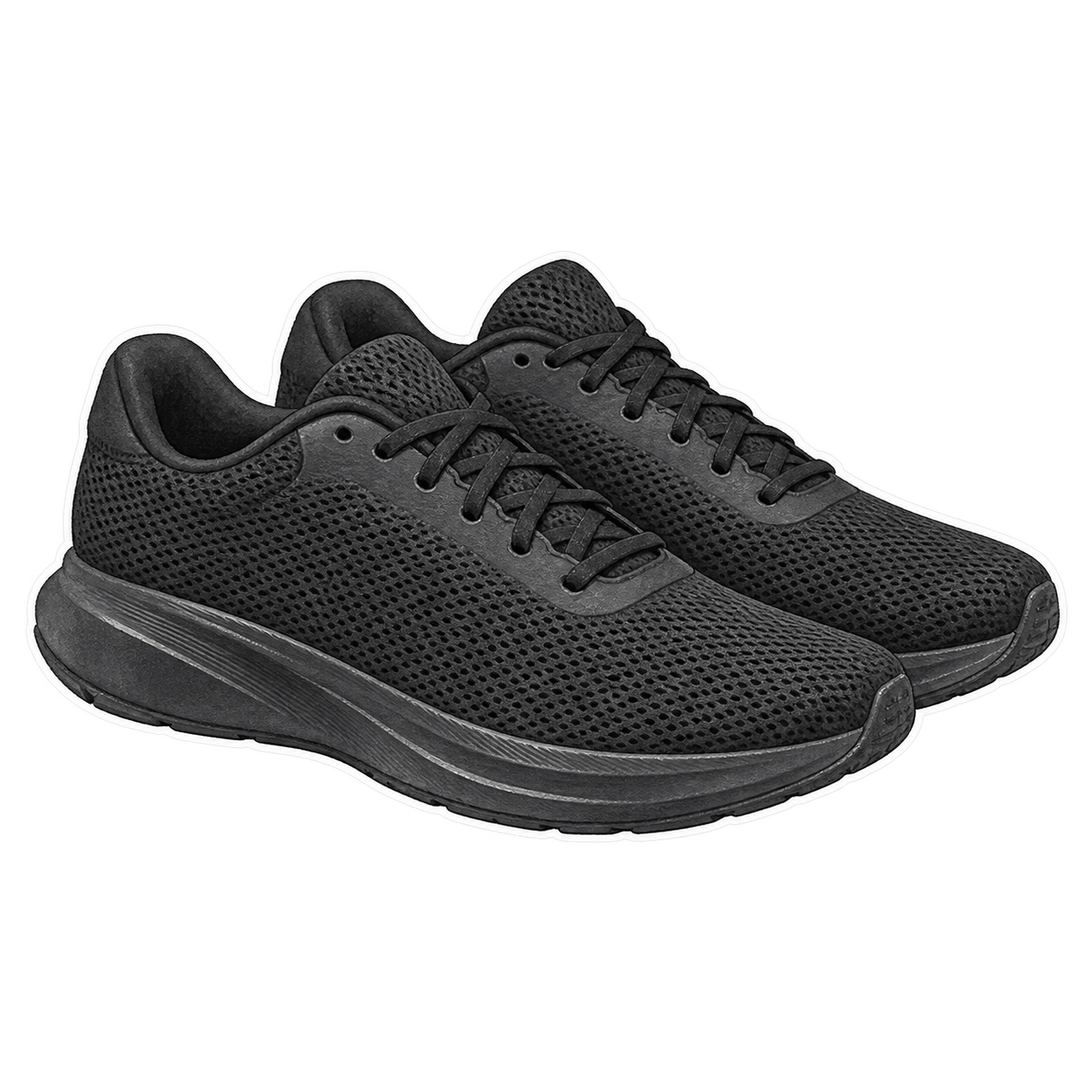 04Black quick-drying closed runners
Two arguments for a closed shoe, and the festival is the louder one. On 19 and 20 September you stand in a Kishiwada crowd of roughly 400,000 while teams haul danjiri floats round corners at a run, and an open slide leaves your instep under a stranger's heel. Water is the second argument: 4.6 days bring 10mm or more in a burst and the side streets take their time clearing it. Mesh and synthetic dry by morning. Canvas does not, and leather is finished.
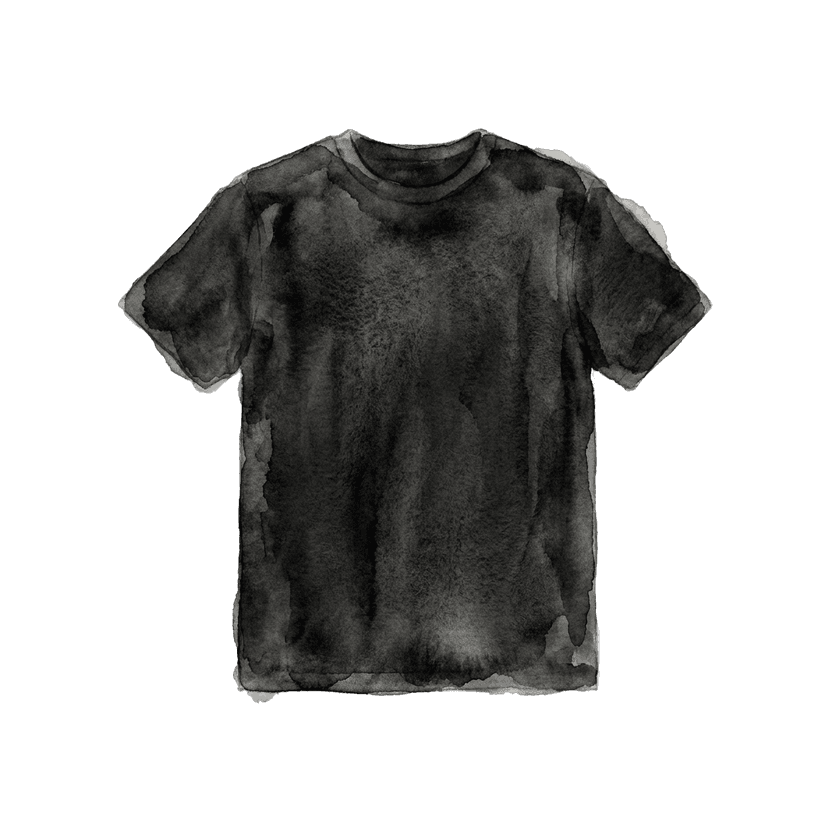 05Black short-sleeve crew, the second top
Two tops, because one of them is wet by lunch. Locals change; visitors carry the morning shirt into a 19:00 counter seat at Shinsekai and cannot work out why they feel conspicuous. Black is the colour that does not show what the day did to it, and it takes the sand overshirt over the top at night without a fight. Buy it in a rayon or poly-blend jersey rather than heavy cotton, which at 67% humidity holds the damp until tomorrow.
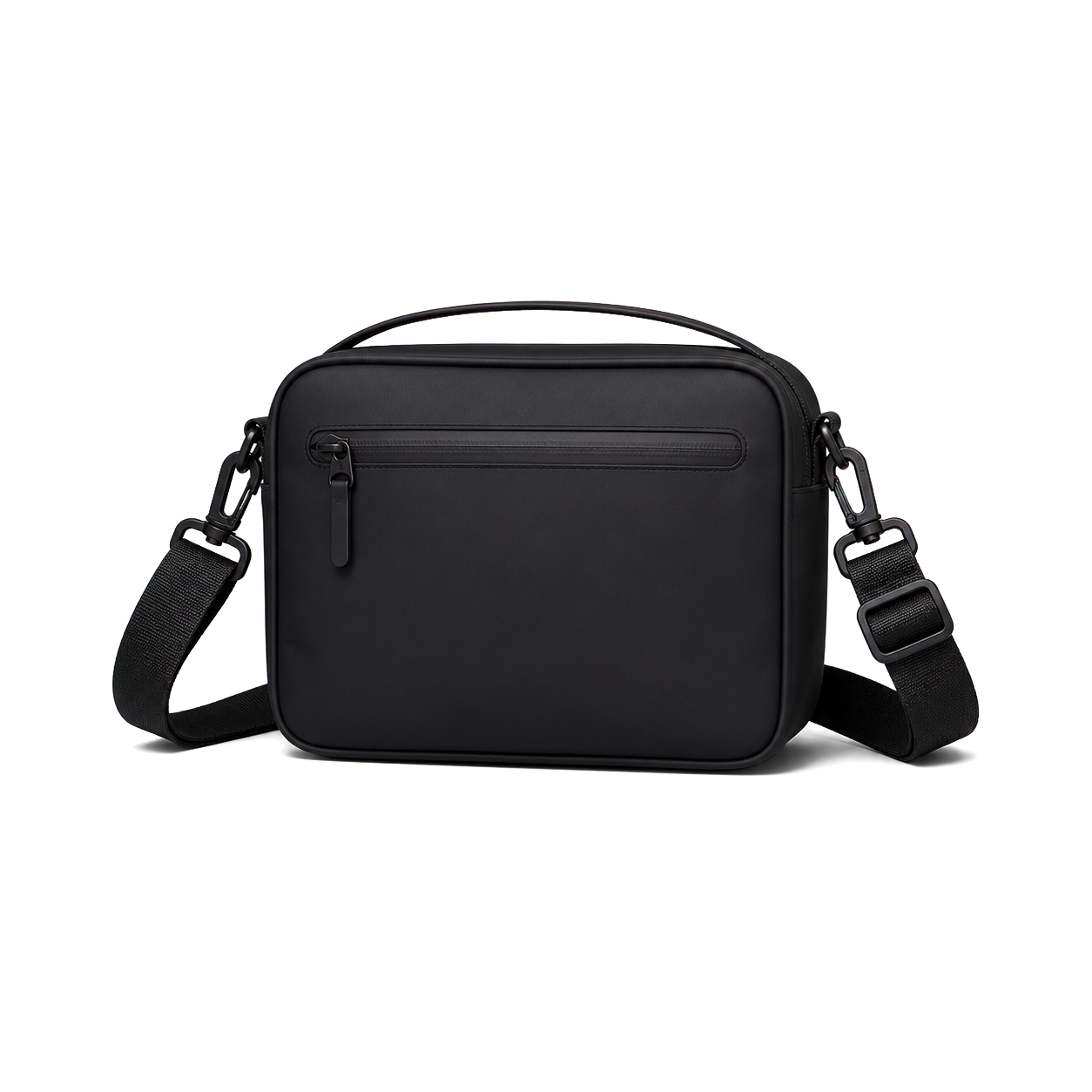 06Black coated-nylon zip-top crossbody
Zip, coated, worn across the body. A 10mm burst arrives with no warning worth the name, and an open tote hands it straight to your phone and your ICOCA card. Across the body leaves both hands free for the shell and the handrail on a Midosuji carriage. Keep it small as well: the Danjiri route is standing-room from early morning, and a big bag is a liability in a crowd that moves all at once.
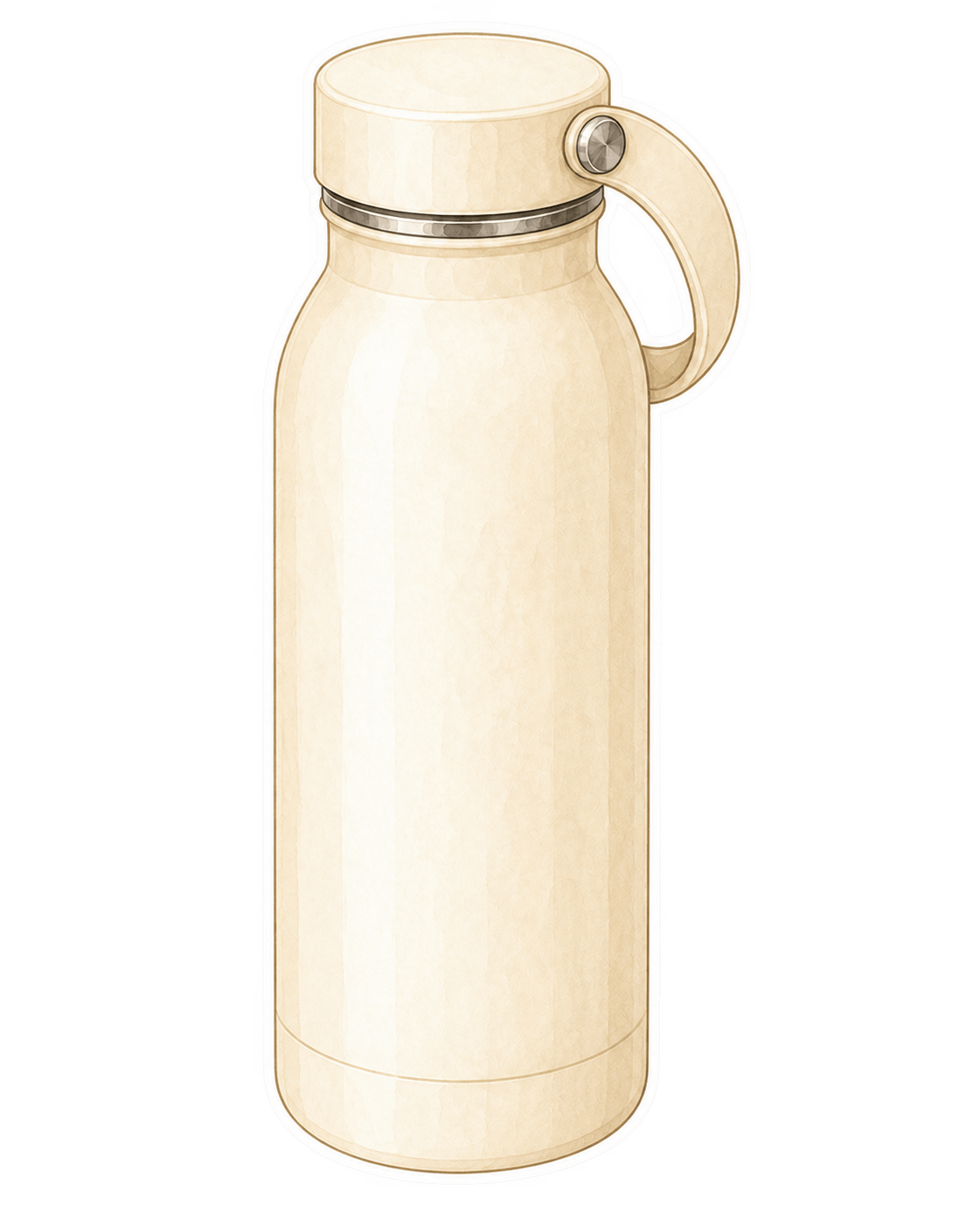 07Insulated water bottle
The bottle answers a festival day spent standing on asphalt at 30°C / 86°F under 5.4 hours of daily sun. Keep it filled before joining the Danjiri crowd; getting back out to buy a drink is harder than carrying one in.
 08Small cooling towel
Small towels sell on every arcade corner and get used constantly at 67% humidity. A light cooling towel takes almost no room in the crossbody and earns its place on the walk back to the station.
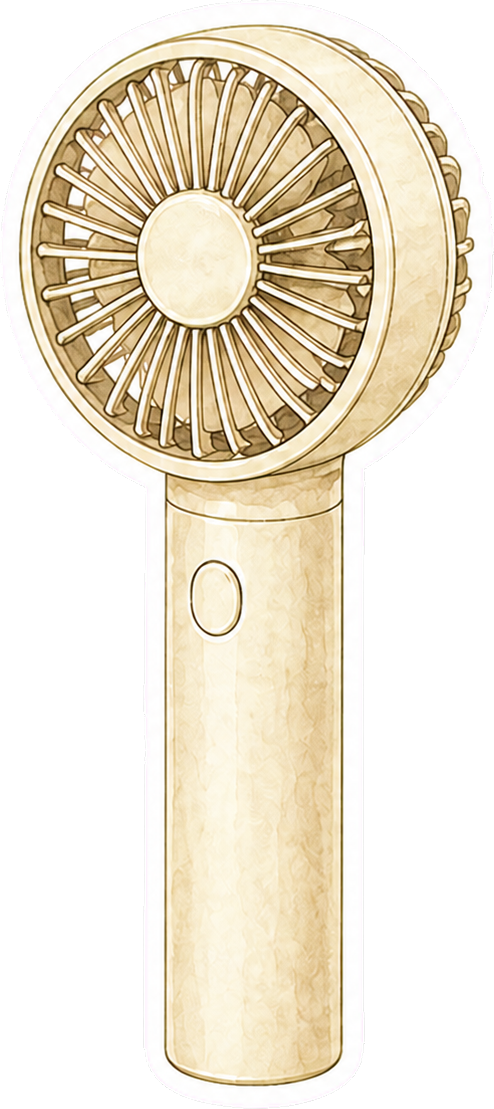 09Portable hand fan
The hand fan is standard on a packed Kansai platform. Keep a small rechargeable one in the bag for the Nankai queue and the still-hot return to Namba; September evenings remain around 22°C / 72°F.
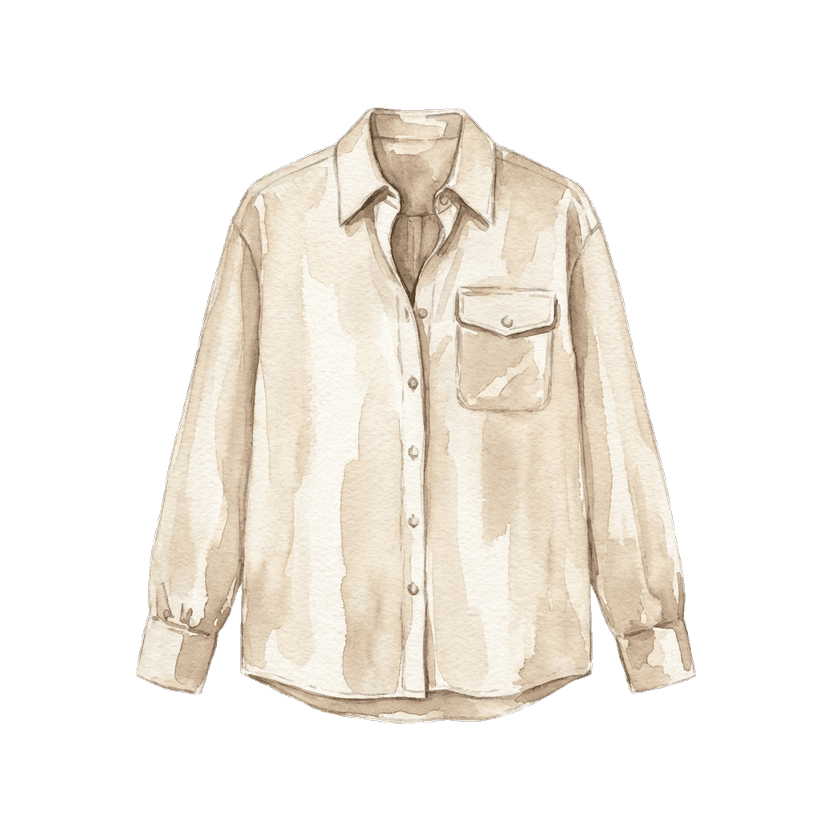 10Sand overshirt, worn open
Earns its place twice, and neither reason is warmth outdoors. Air conditioning first: Hankyu Umeda, the Midosuji line and the forty-minute Nankai run down to Kishiwada all sit well below street temperature, and a long sleeve you can shrug on beats sitting through it. The last week second, when the night finally slides off 22°C / 72°F toward October. Sand cloth rather than a knit, because a knit at this humidity never leaves the case.
Day to night
White linen short-sleeve · black wide-leg trousers · closed quick-dry runners · shell crushed into the bag · black zip crossbody · towel and fan. Nankai line south from Namba at 08:00, in Kishiwada by 09:30 for the corners.
Black crew · same trousers · sand overshirt open over it · shell worn if a front is moving through. Back at Namba by 19:00, kushikatsu on a Shinsekai counter, still 22°C / 72°F on the walk home.
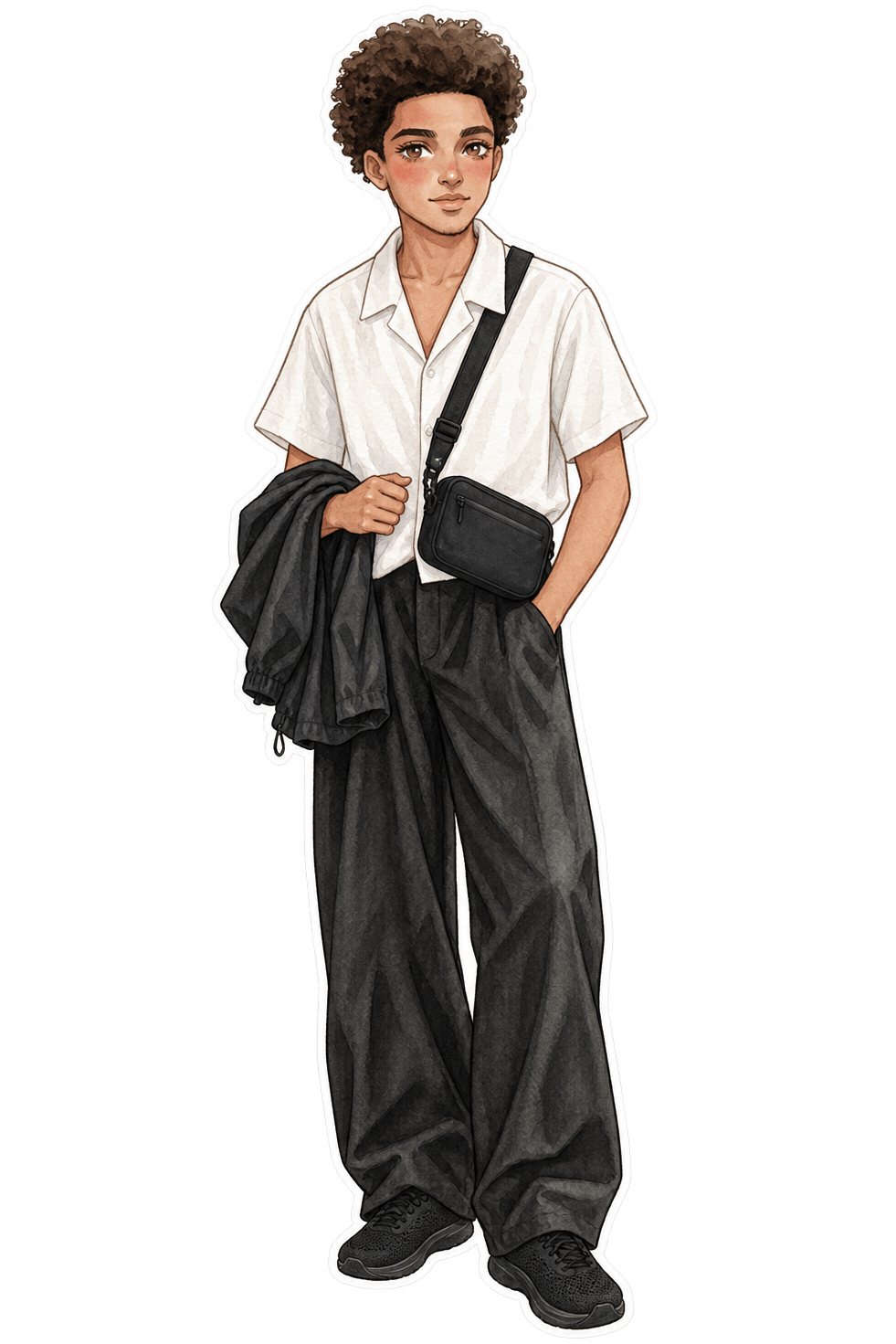
A suggested look — white linen camp-collar shirt, wide black lightweight trousers, black mesh runners, black coated-nylon crossbody, black packable rain shell.
What to avoid
- Knitwear before the last week — 30°C / 86°F afternoons at 67% humidity
- An umbrella as the only rain plan — typhoon rain comes in sideways
- Cotton as the main fabric — it holds the damp overnight at 67% humidity
- A rigid itinerary — Kansai rail suspends with about a day's notice
- Expecting autumn — the Midosuji ginkgo turns mid-to-late November
Frequently asked questions
Per Japan Meteorological Agency (JMA) normals at the Osaka station: the average daily maximum is 29.5°C, the average daily minimum is 21.9°C, and the monthly mean is 25.2°C. Rain totals 152.8mm across 9.5 days of 1mm or more, of which 4.6 days deliver 10mm or more. Sunshine runs 161.6 hours, about 5.4 hours a day, and relative humidity sits at 67%. In round numbers that is a 30°C / 86°F afternoon and a 22°C / 72°F night. The first fortnight is indistinguishable from August; only the last week eases. September is also the peak of Japan's typhoon season.
Yes, with one scheduling caveat. The Kishiwada Danjiri Matsuri runs 19–20 September 2026, the weekend before Respect for the Aged Day on the 21st, and it is the reason to take this month over October: roughly 400,000 people watch teams haul danjiri floats round the corners of Kishiwada at a run, forty minutes south of Namba on the Nankai line. The last week of the month is the first genuinely easier stretch since June. The caveat is typhoons. September is the peak of the season, and a system can suspend Kansai rail and shut outdoor attractions for a day or more. Build one flexible day into the trip and September pays.
Pack August's bag and add a rain layer that works in wind. A white short-sleeve linen shirt, a black short-sleeve crew as the second top, black wide-leg quick-drying trousers, a hooded packable shell, closed quick-drying shoes, a black zip-top crossbody, a cooling towel and a hand fan, and one thin sand overshirt for air conditioning and for the final week. Leave knitwear, canvas and leather at home. At 67% humidity every item has to answer one question: is it wearable again tomorrow?
Dress for standing outdoors at 30°C / 86°F for most of a day. A loose short-sleeve shirt, full-length quick-drying trousers, and closed shoes rather than slides or sandals: roughly 400,000 people line the route, the crowd shifts hard when a float takes a corner at a run, and an exposed foot is what ends a day early. Carry water, a small towel and a fan, and keep the bag small and zipped. Wear nothing you would mind soaking, because September delivers 10mm or more on 4.6 days and the festival does not pause for it. The 2026 dates are 19 and 20 September, the weekend before Respect for the Aged Day on the 21st.
Six degrees, and the jacket arrives. JMA normals put September at 29.5°C by day and 21.9°C at night against October's 23.7°C and 16.0°C, so the evening floor drops from 22°C / 72°F to 16°C / 61°F, and humidity eases from 67% to 65%. Rain falls from 152.8mm across 9.5 days to 136.0mm across 8.3. In clothing terms September carries no outer layer about warmth at all, since its shell is there for wind and water, while October wants one unlined jacket and a fine-gauge knit. September also owns the typhoon risk that October only tails.
Expect disruption rather than danger. JMA issues warnings and advisories well ahead of landfall, and the practical shape of it in Kansai is a planned rail suspension announced roughly a day before: JR West, Hankyu, Hanshin and Nankai all pre-announce, department stores and museums close, and flights through Kansai Airport can stop with them. Treat it as an indoor day, follow JMA rather than an international forecast app that lags the local picture, and keep one day of the itinerary unbooked so the plan moves instead of breaking.
Sources
- Japan Meteorological Agency — 1991–2020 climate normals, Osaka station