What to Wear in Berlin in September
Berlin in September: 20°C / 68°F afternoons, 11°C / 52°F nights, 10 rain days — Art Week in the first half, the marathon on the last Sunday.
- Black leather biker jacket — the one outer that works at 20°C / 68°F and at 11°C / 52°F
- Light grey crew knit — the layer that goes under it from about seven
- A white tee, the only light note in a city that dresses in black
- Olive straight cotton trousers — a wide leg catches a bike chain here
- Black leather sneakers you can stand in for six hours of openings
- A tote big enough for the knit you take off at two
- A wool coat — that is October's, and you will carry it from noon
- A heavy scarf — 11°C / 52°F is a collar problem, not a neck one
- White trainers you care about — Berlin pavement, U-Bahn stairs, 10 rain days
- Crossing the marathon route by taxi on 27 September — the centre closes from early morning
Pack for two Septembers. NOAA NCEI's record from the Tempelhof station, which Deutscher Wetterdienst operates, puts Berlin's September at a 19.9°C daily maximum over a 10.8°C minimum, with 47mm of rain across about ten days. That is light rain on many days rather than a soaking on a few, which is why the answer here is a jacket and not an umbrella. The first half belongs to Berlin Art Week, 9 to 13 September 2026, when 125 venues open at once and you walk Mitte to Kreuzberg in shirtsleeves. The last Sunday belongs to the marathon, and by then the nights are 11°C / 52°F. One jacket covers both ends: black leather, worn open at two and zipped at ten.
Berlin's September is two cities three weeks apart. Art Week opens 125 venues into a 20°C afternoon; the marathon shuts the centre on an 11°C morning.
The capsule
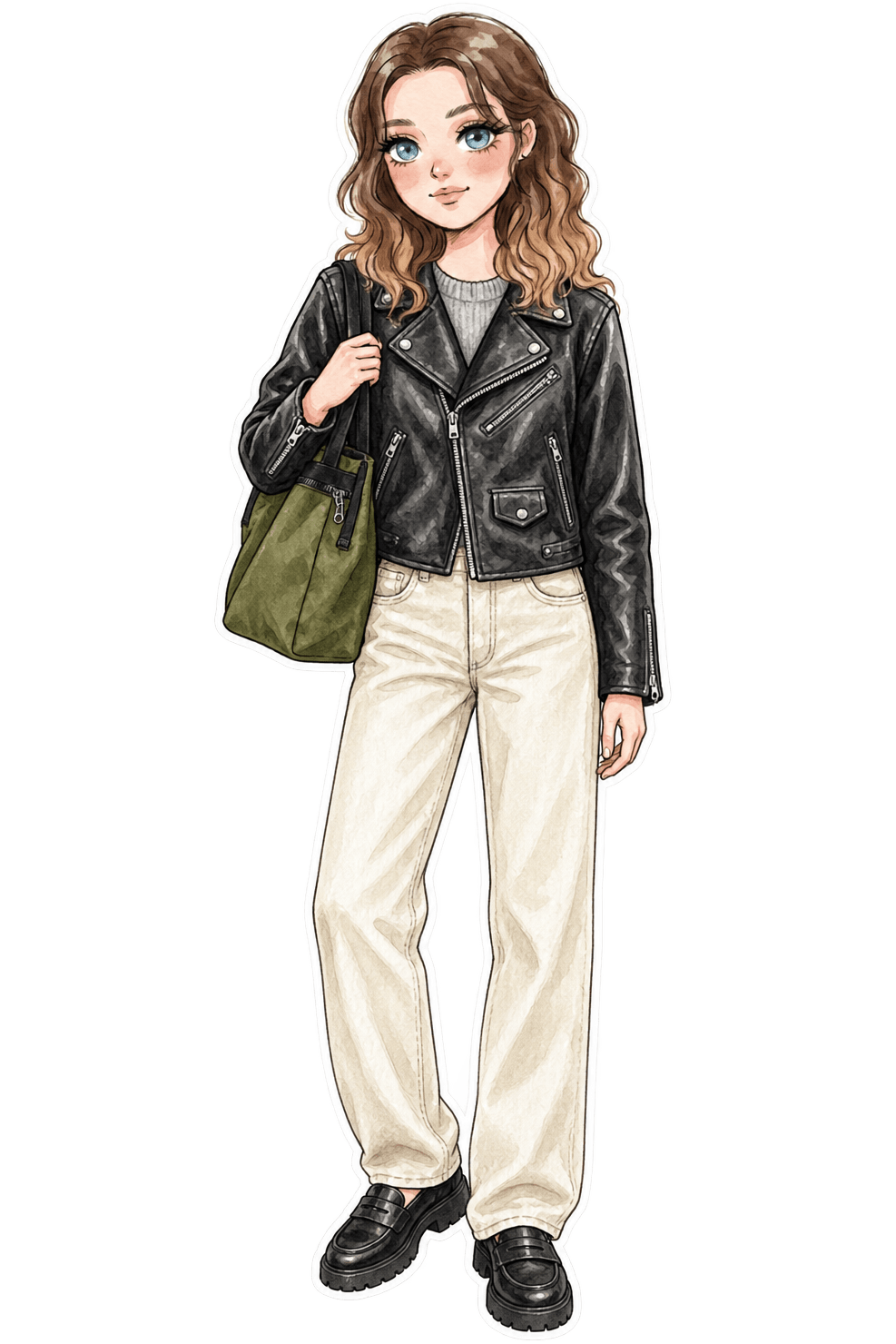
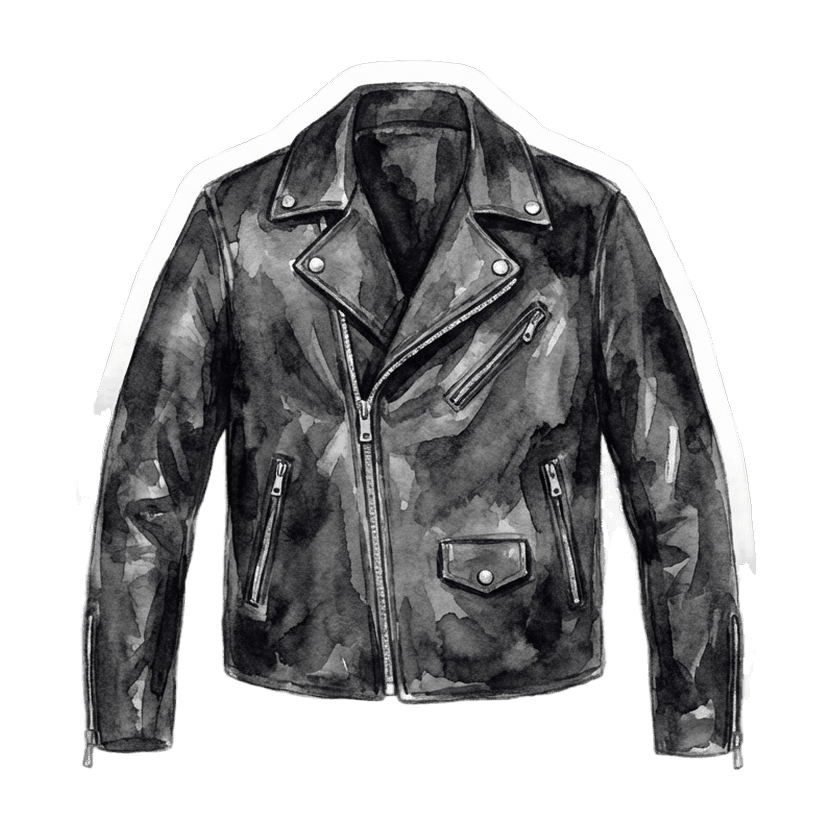 01Black leather biker jacket, asymmetric zip
September is when this jacket does the most work in Berlin, and the reason is the nine degrees between a 19.9°C afternoon and a 10.8°C night. Open over a tee at two, zipped over a knit at ten, and untroubled by drizzle that lands on ten days of the month. Snap-tab collar and four zip pockets rather than a belt or a storm flap you have to think about. A wool coat does none of this until October.
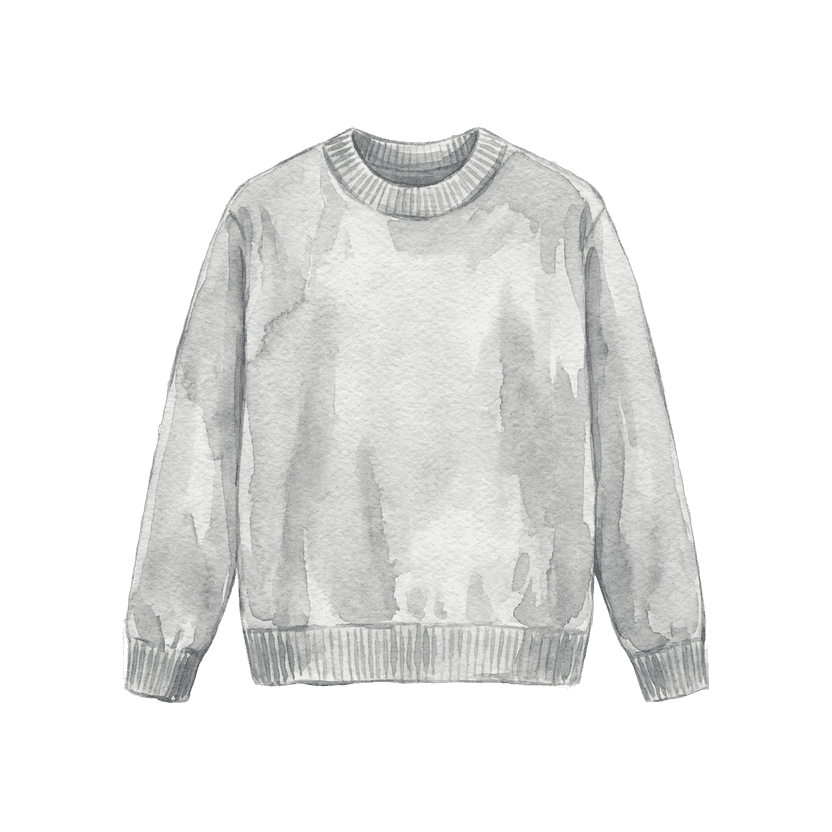 02Light grey crew knit, ribbed collar and cuffs
Wear it under the jacket from about seven, which is when a Berlin September gives the afternoon back. Light grey rather than black keeps a separation from the jacket instead of reading as one dark mass, and it is the shade that still registers in a gallery where everyone else is in black. Relaxed through the body and dropped at the shoulder, so it goes over the tee without pulling.
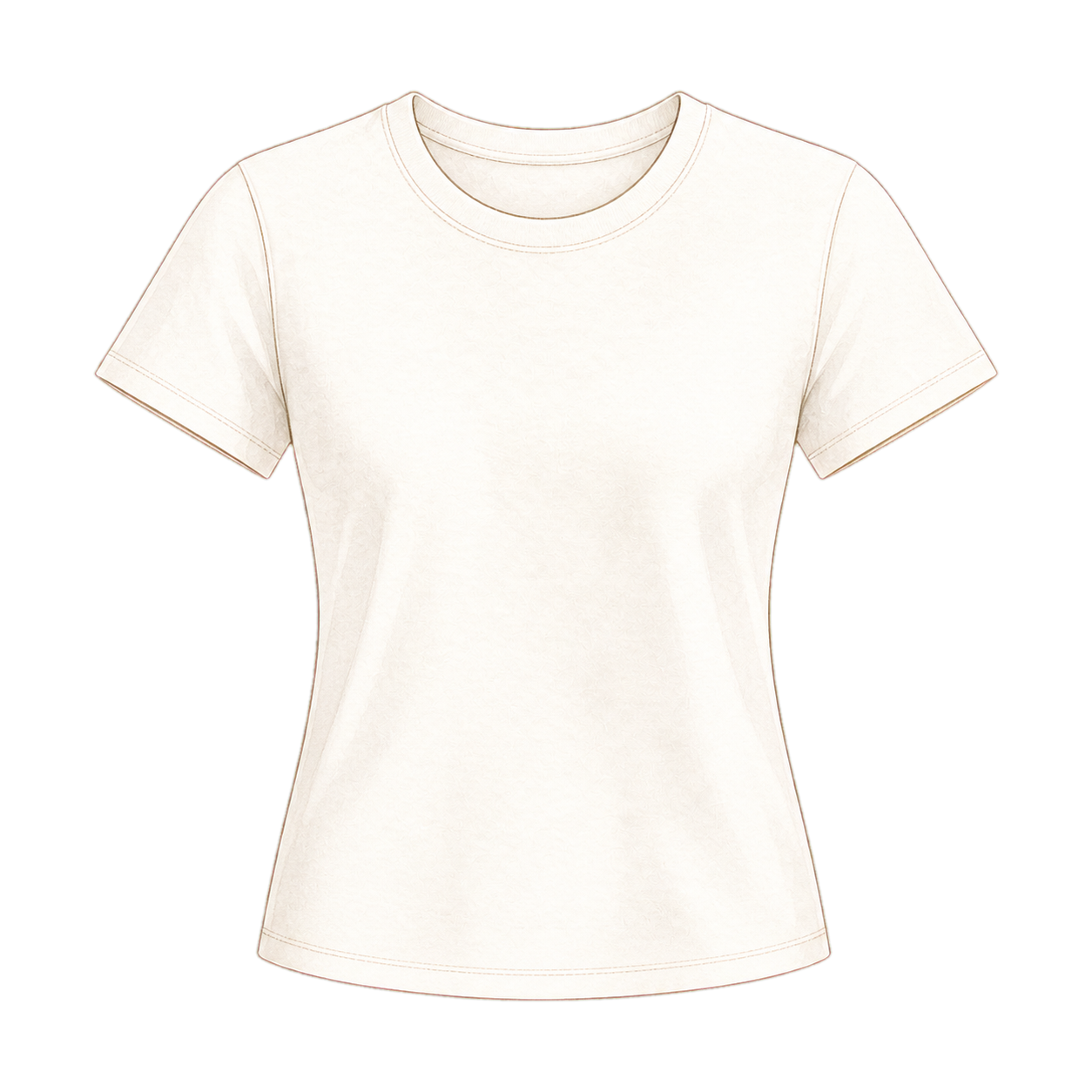 03Warm-white fitted cotton tee
One white tee is the only light note you need against a black jacket and olive trousers, and it is what keeps the outfit from reading funereal. Warm white rather than optic white, which goes grey by the fourth day of U-Bahn handrails and gallery walls. Fitted, so it layers under the crew knit without bunching at the waist. Pack two if you are staying a week.
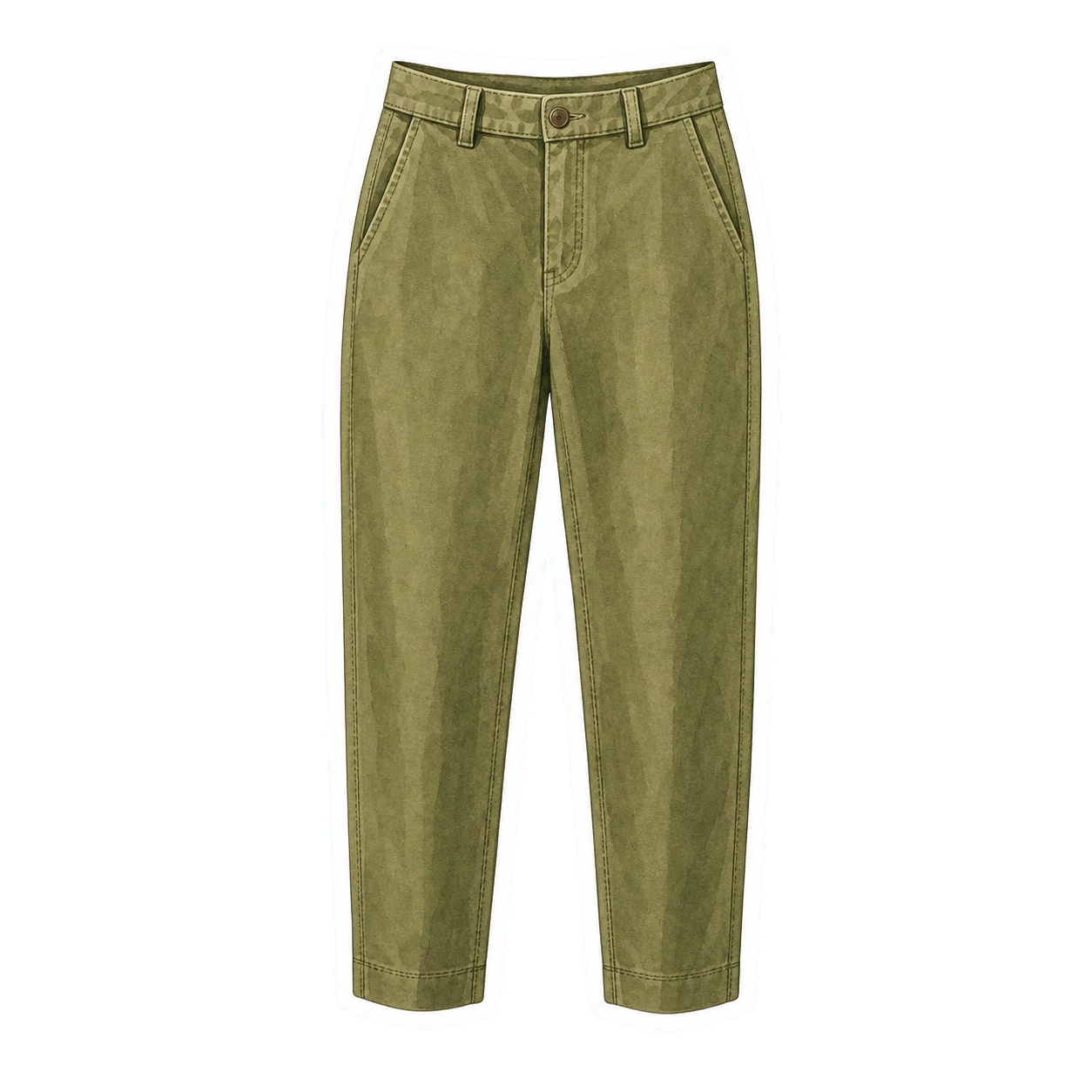 04Olive straight-leg cotton utility trousers
Olive is the second colour Berlin allows itself, and the straight cotton leg is what the city's transport demands: Berlin moves by bicycle and a wide leg catches a chain. Cropped just above the ankle, so the hem clears wet pavement on the ten rain days. Single button, belt loops, slant pockets, and no strap or buckle that turns workwear into costume.
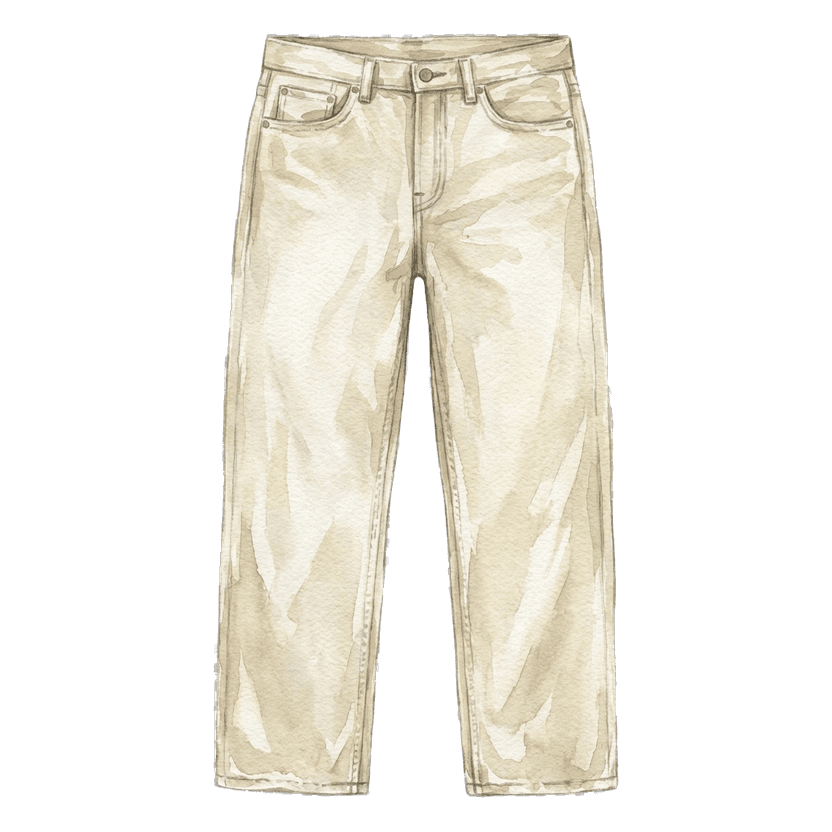 05Ecru straight-leg five-pocket cotton trousers
Your second bottom, and the one that carries the warm half of the month. Ecru against a black jacket is the Art Week look, and it holds up better in a gallery's flat light than black on black does. Heavier cotton in a five-pocket cut, so it takes a day of standing and does not crease across the lap on the S-Bahn. Keep it for the dry days; it shows a splash.
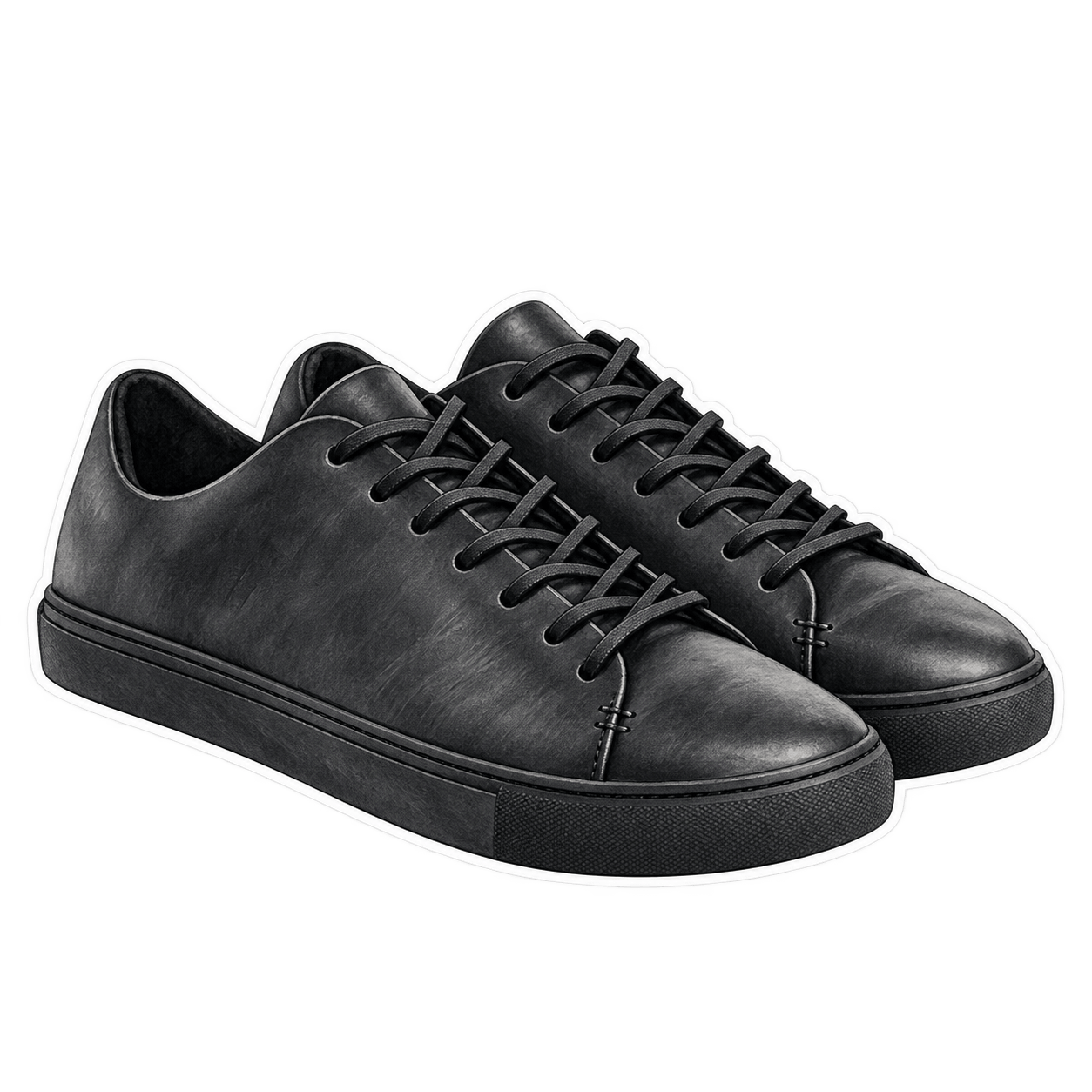 06Black leather low-top sneakers
Ten rain days and 125 venues across five days is the arithmetic that picks this shoe. Leather rather than canvas, because canvas takes on water at the first shower and is still damp for the second; black rather than white, because Berlin pavement and U-Bahn stairs finish a white trainer inside a week. A plain low-top with a real outsole and no visible branding.
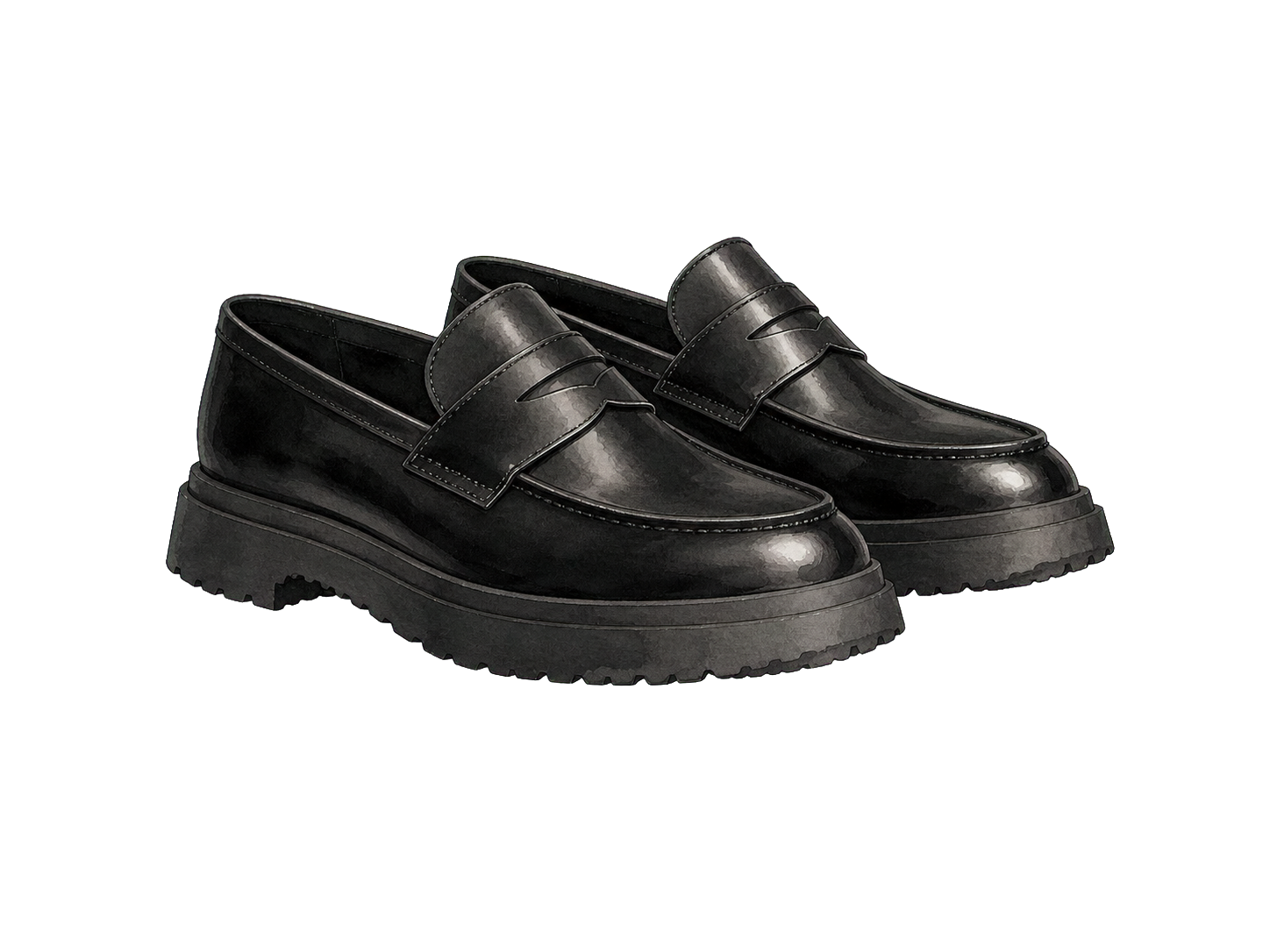 07Black leather penny loafer, chunky lug sole
The evening shoe, and the only concession this capsule makes to anyone's door policy. A high-shine black upper on a deep lug reads considered at a Kreuzberg opening without reading dressed up, and the sole handles wet cobble at the Kulturforum and the tram tracks at Rosenthaler Platz. It comes off in one motion at the end of a night that ran long.
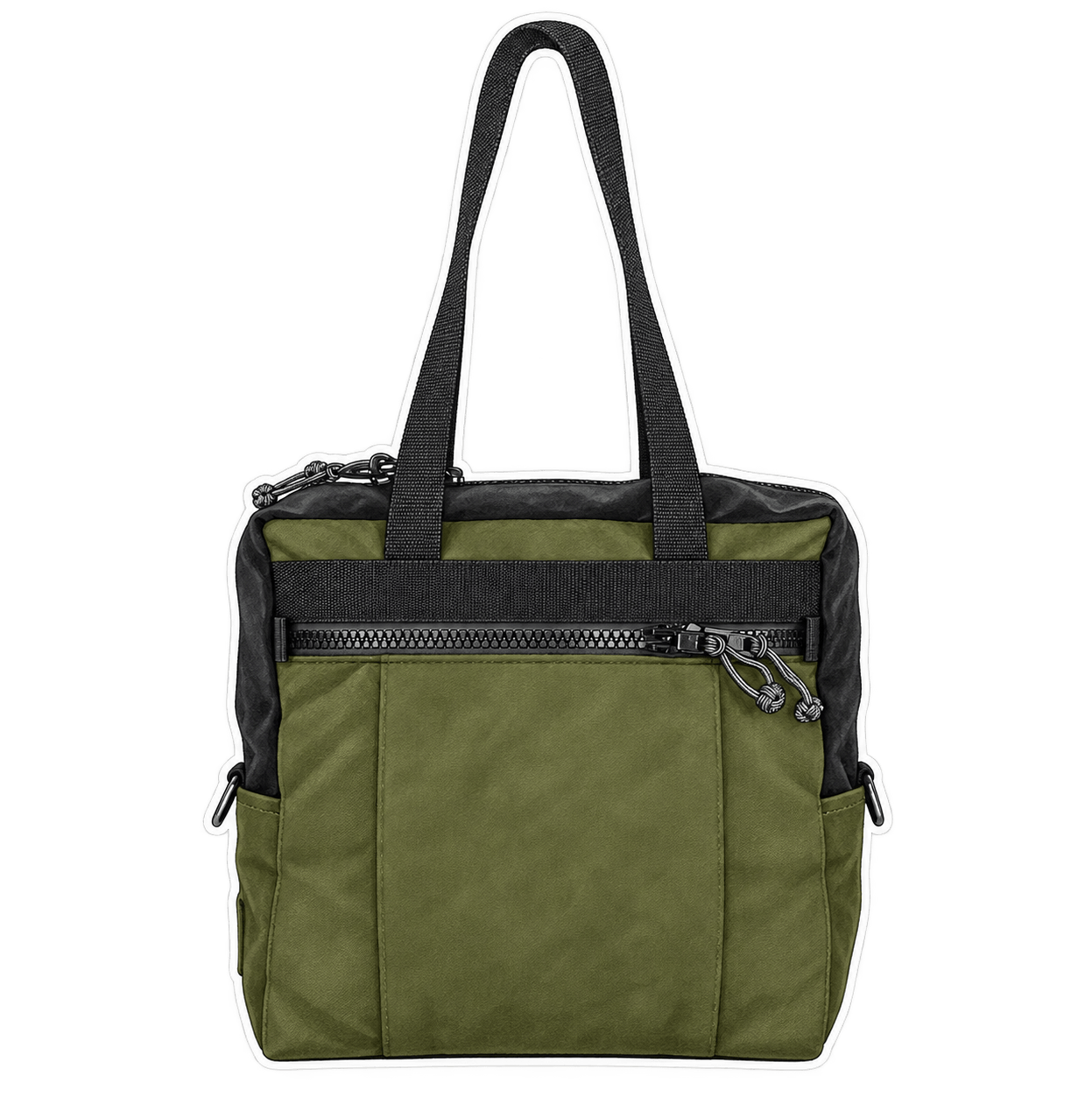 08Olive technical-nylon tote
Carry the knit rather than wear it, because the afternoon is 20°C / 68°F and the walk home is not. Coated nylon takes a shower without marking, holds an art-fair catalogue flat, and rides on one shoulder rather than across the body, which is how a bag is worn in a gallery crowd. Olive keeps the whole capsule to three colours against the black.
Day to night
White tee · olive straight trousers · black leather sneakers · jacket over the arm · olive tote. Coffee in Mitte at ten, the Auguststraße galleries, then Positions in a Tempelhof Airport hangar by two at 20°C / 68°F.
Light grey crew knit under the zipped jacket · ecru trousers · black lug-sole loafers. Openings in Kreuzberg from seven, dinner at nine; it is 11°C / 52°F by the walk to the U-Bahn and only the knit and the shoes changed.
A suggested look — black leather biker jacket, light grey crewneck knit, ecru straight trousers, black lug-sole penny loafers, olive nylon tote.
What to avoid
- A wool coat — October's garment; at 19.9°C you carry it from noon
- A heavy scarf — 11°C / 52°F at night is solved by zipping the jacket
- White trainers you care about — ten rain days, Berlin pavement, U-Bahn stairs
- The umbrella as the hero piece — 47mm across the month, light and frequent
- Crossing the marathon route by taxi on 27 September — Mitte, Tiergarten and Charlottenburg close from early morning
Frequently asked questions
Mild by day and genuinely cool after dark. NOAA NCEI's global-summary-of-the-month record for the Berlin-Tempelhof station, which Deutscher Wetterdienst operates, gives a September average daily maximum of 19.9°C / 68°F and an average daily minimum of 10.8°C across thirty complete Septembers from 1991 to 2020, with 47mm of precipitation on 9.9 days. Daylight runs about 12h 45m in the middle of the month and keeps shortening. DWD publishes its own Berlin normals only behind a search form; its September figures sit within a few tenths of a degree of these.
Yes, and the week you pick changes the trip. Berlin Art Week runs 9 to 13 September 2026, its fifteenth edition, with more than 100 openings and around 300 events across 125 venues, the Positions fair in a Tempelhof Airport hangar and the Kulturforum as the hub; that is the warm half of the month, at 20°C / 68°F, and the city's cultural calendar restarting after the summer break. The BMW Berlin Marathon takes the last Sunday, 27 September 2026, and closes roads across Mitte, Tiergarten and Charlottenburg from early morning. By then the nights are 11°C / 52°F.
A black leather biker jacket, a light grey crew knit, a warm-white fitted tee, one pair of olive straight-leg cotton trousers and one pair of ecru, black leather low-top sneakers for the day, a black lug-sole loafer for the evening, and an olive nylon tote. Eight things, and they cover a 20°C / 68°F gallery afternoon and an 11°C / 52°F walk to the U-Bahn. Leave the wool coat, the heavy scarf and the umbrella at home: 47mm across about ten days is rain you walk through.
Yes, with a knit under it. The gap between a 19.9°C afternoon and a 10.8°C night is nine degrees, and a leather jacket over a long-sleeve crew closes it. Leather also blocks wind, which is what makes 11°C / 52°F on an open stretch of Karl-Marx-Allee feel colder than the number reads. A wool coat overshoots in both directions: you carry it through every 20°C / 68°F afternoon and take it off again in every overheated gallery. Save it for October, when the Tempelhof average high drops to 14°C / 57°F.
Four degrees cooler by day, three cooler at night, and fewer wet days. NOAA's Tempelhof figures put August at 24°C / 75°F and 14°C / 57°F across 13 rain days, against September's 20°C / 68°F and 11°C / 52°F across about 10. August is a Wannsee swim and a cotton tee on its own; September is that tee under a leather jacket by eight in the evening, with the galleries open again after Sommerferien. October then drops to 14°C / 57°F across 12 rain days, and the wool coat replaces the jacket.
Black, mostly, with the effort hidden. The September street here is a leather jacket over a plain knit or tee, a straight cotton trouser, a flat black shoe and a soft bag on one shoulder. Nothing is pressed and nothing announces a price. Helmut Lang's 1990s Berlin period is still the register the city dresses against, and what follows from it is a list of negatives: no logos, no bright block colour, no thin-soled dress shoe. Olive, grey and white are the colours that get let in, one at a time.
Sources
- NOAA NCEI — 1991–2020 climate normals, Berlin-Tempelhof stationDeutscher Wetterdienst operates the station and publishes Berlin's normals only behind a search form; NOAA NCEI computed this month's figures from its GME00111445 global-summary-of-the-month record across 30 complete Septembers. Recorded per month because the rest of this city's pages are sourced differently.