What to Wear in Tokyo in September
Tokyo in September: 27.6°C / 82°F afternoons, 20.8°C / 69°F nights, 225mm of rain — August with typhoons, not autumn.
- Breathable summer clothing — the first half still reaches 33°C / 91°F
- A real rain layer, not just an umbrella — typhoon rain arrives sideways
- Shoes that survive a full soaking and dry overnight
- Quick-dry fabrics — humidity sits near 75% and nothing air-dries
- A light layer for the last week, when evenings finally ease
- Flexible plans — typhoon warnings close trains with a day's notice
- Knitwear — you will not wear it before the very end of the month
- Booking outdoor days tightly — September is peak typhoon season
- Expecting autumn colour or cool air — both are two months away
- Cotton everywhere — at 75% humidity it stays wet all day
Nobody packs correctly for Tokyo in September, because the name of the month does the arguing. Japan Meteorological Agency (JMA) normals give the afternoon 27.6°C / 82°F and the night 20.8°C / 69°F, with 225mm of rain and humidity around 75%. The first fortnight regularly touches 33°C / 91°F. September is also the peak of Japan's typhoon season, which is a scheduling problem as much as a clothing one: a system can close rail lines and shutter attractions with about a day of notice. Pack the summer wardrobe you would have packed for August, add a rain layer that works in wind, and keep one evening free to move.
September is the month Tokyo looks like autumn on a calendar and feels like August on the street.
The capsule
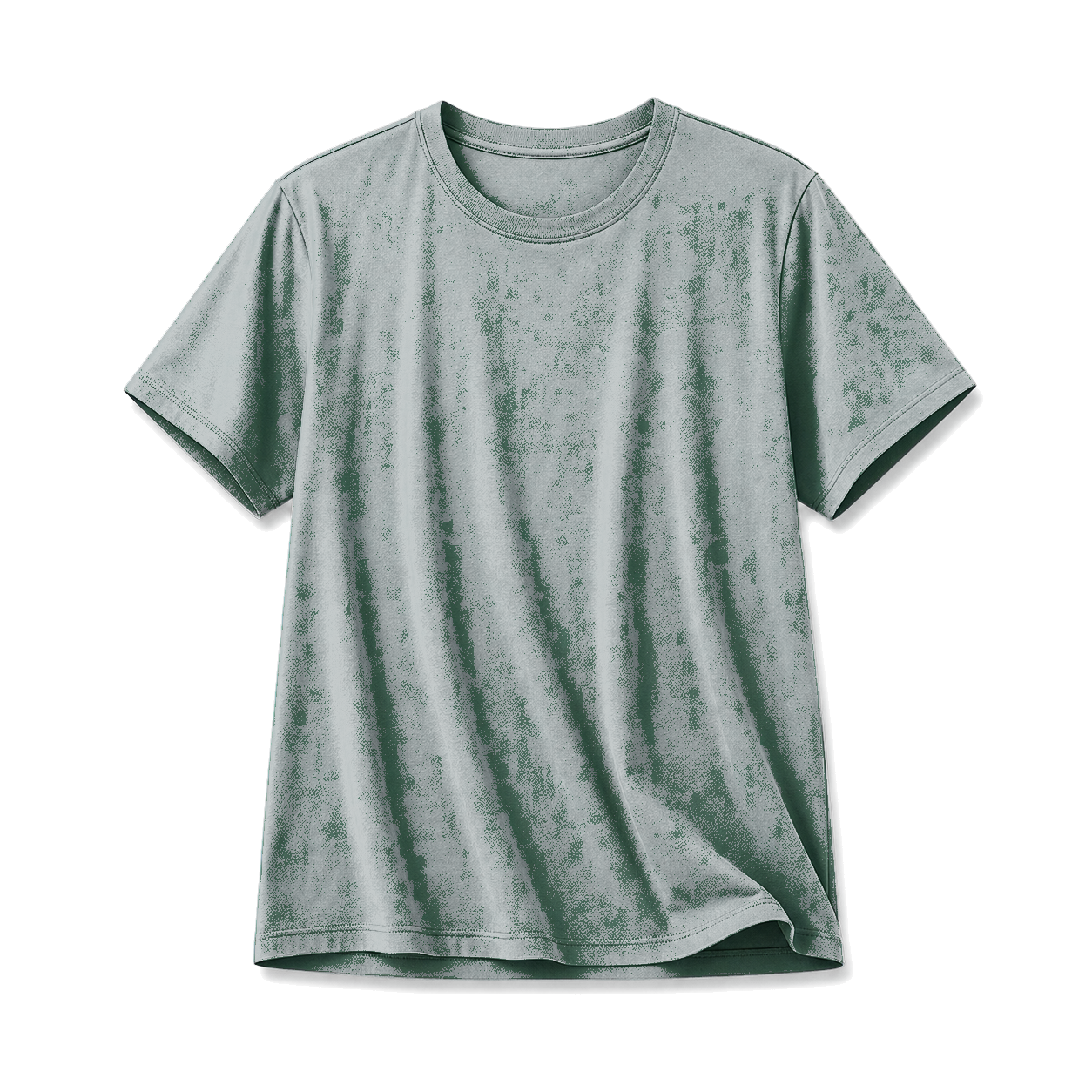 01Loose linen or technical short-sleeve shirt
Begin with the fact that this is still a summer month. At 27.6°C / 82°F and 75% humidity, anything close-fitting is unwearable by mid-morning, and Tokyo is a city where you are indoors and outdoors a dozen times a day. Loose linen or a technical woven breathes and, crucially, dries — cotton at this humidity stays damp from the first station to the last.
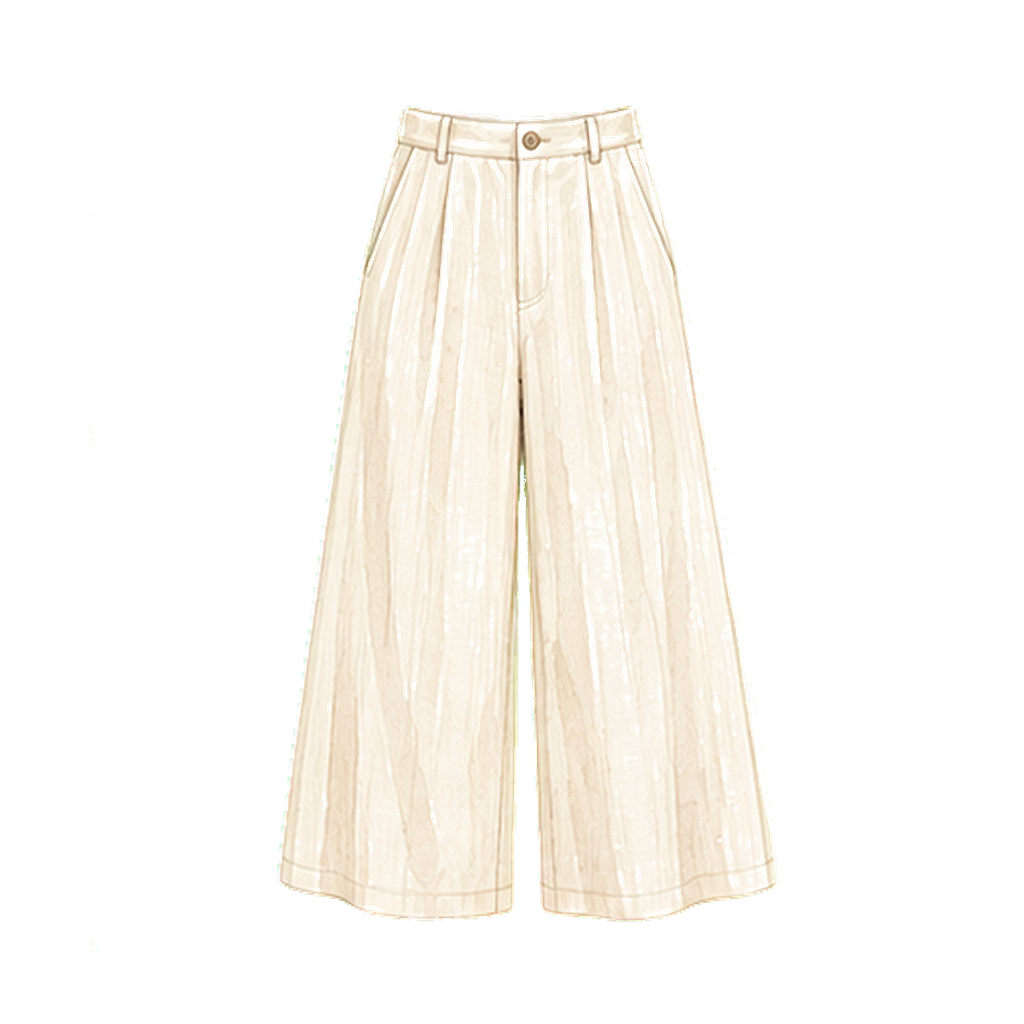 02Wide-leg lightweight trousers
Full-length rather than shorts, which read as beachwear across most of Tokyo outside the youngest neighbourhoods, and full length also spares you from air conditioning set aggressively low on every train and in every department store. Lightweight and loose so air moves; a technical blend if you have one, because it will be rained on and needs to be wearable again tomorrow.
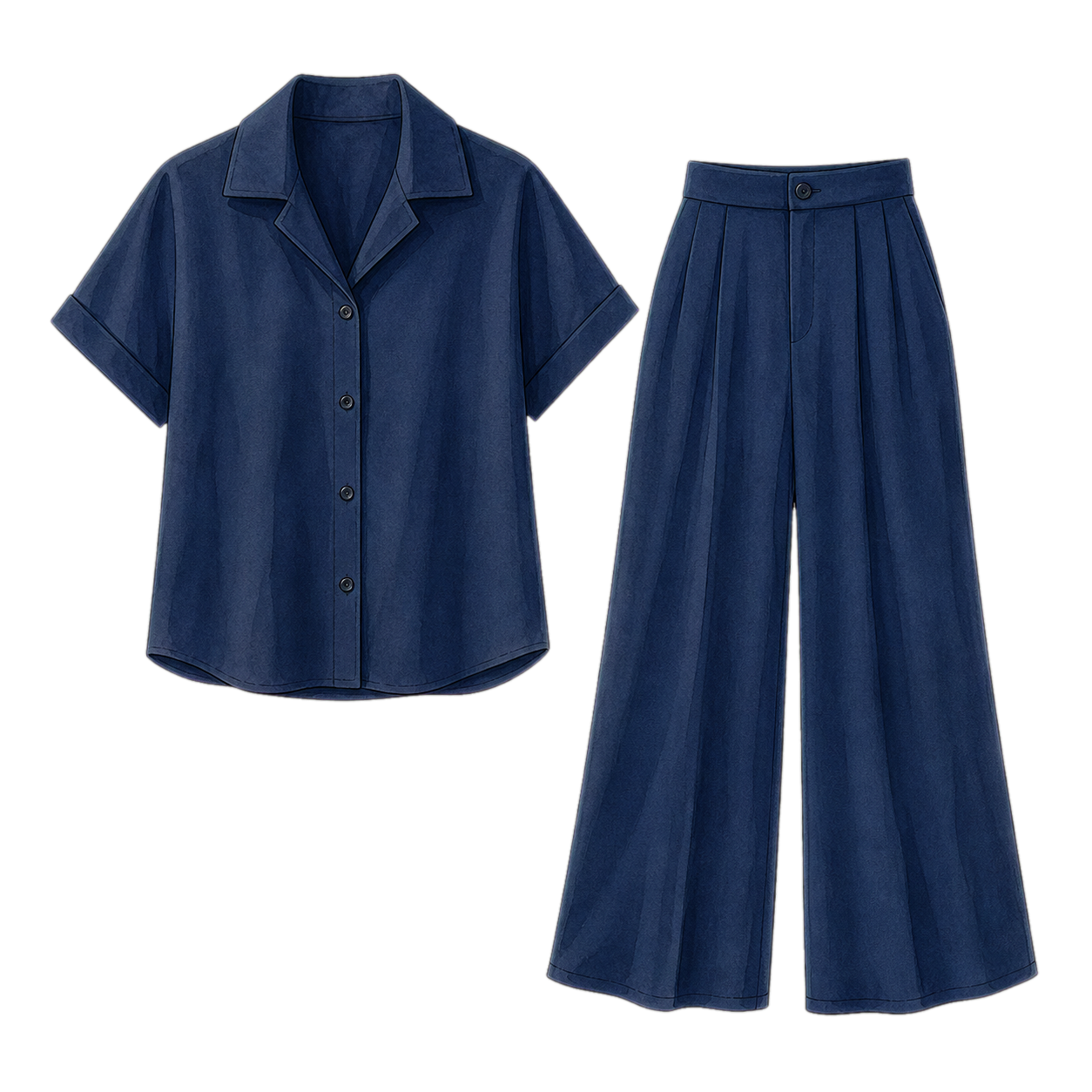 03Second full change of clothes
Unusual advice for a capsule, and the humidity earns it. September in Tokyo means walking 15,000 steps at 27.6°C / 82°F and 75% humidity, and what you wore in the morning will not be pleasant by dinner. Locals change; visitors sweat through one outfit and wonder why they feel out of place at a nice restaurant.
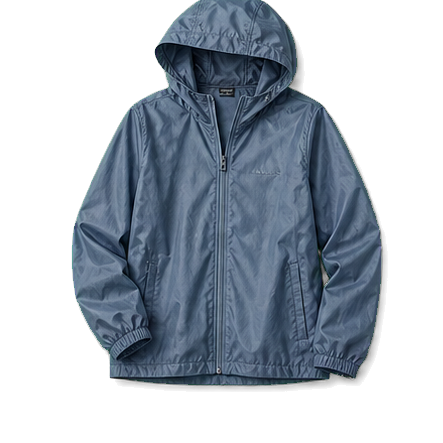 04Wind-capable rain jacket
This is the piece that separates September from October. October rain falls straight down and an umbrella handles it; typhoon-season rain arrives horizontally and turns an umbrella inside out within a minute. A light hooded shell that packs small is the only thing that works, and you will use it perhaps four times in a fortnight — but those four times are the ones that matter.
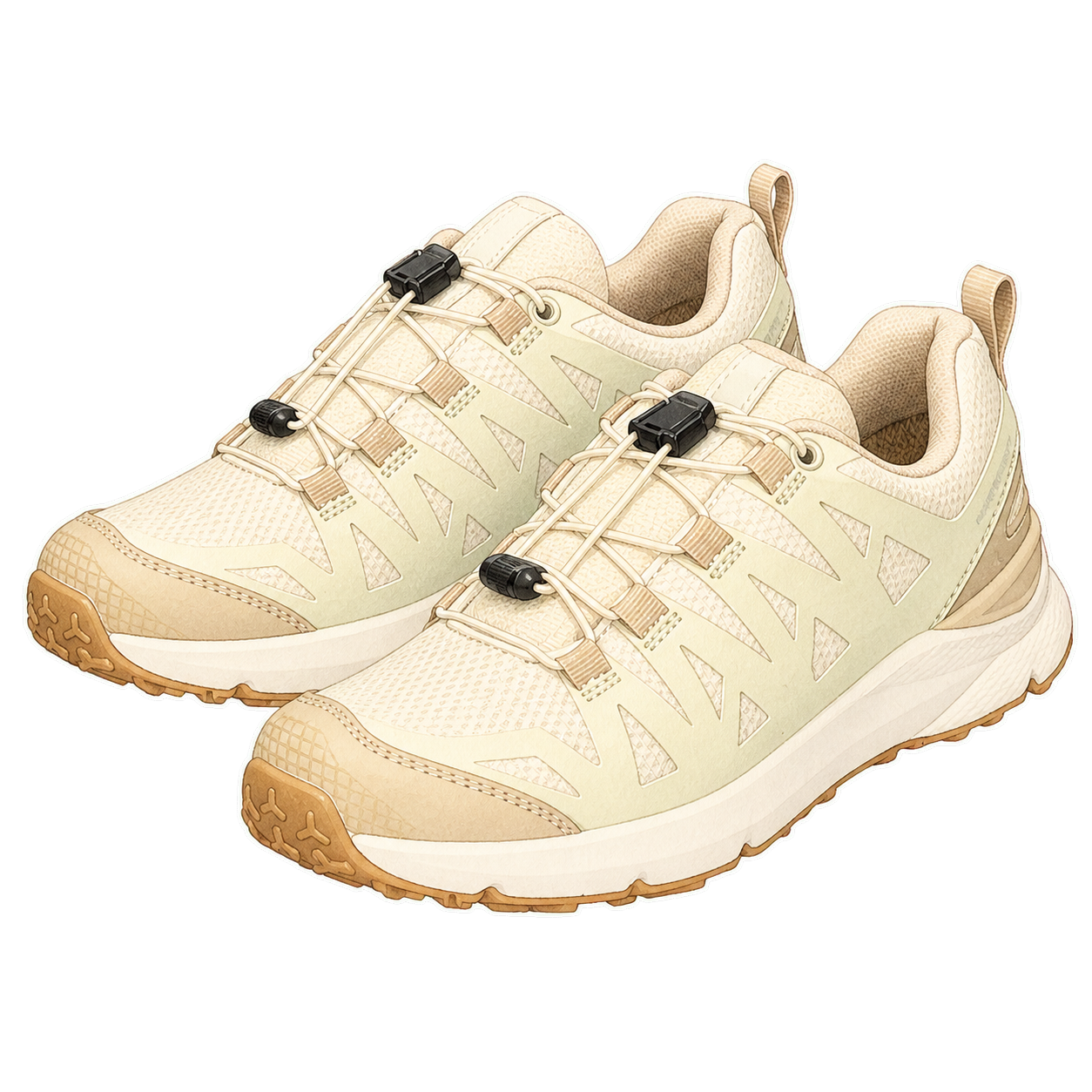 05Quick-drying closed shoes
Assume a full soaking at least once. Streets flood fast in heavy rain and station stairs run with water, so the question is not whether shoes get wet but whether they are wearable the next morning. A mesh-and-synthetic sneaker or treated leather dries overnight; canvas does not, and suede is finished on contact.
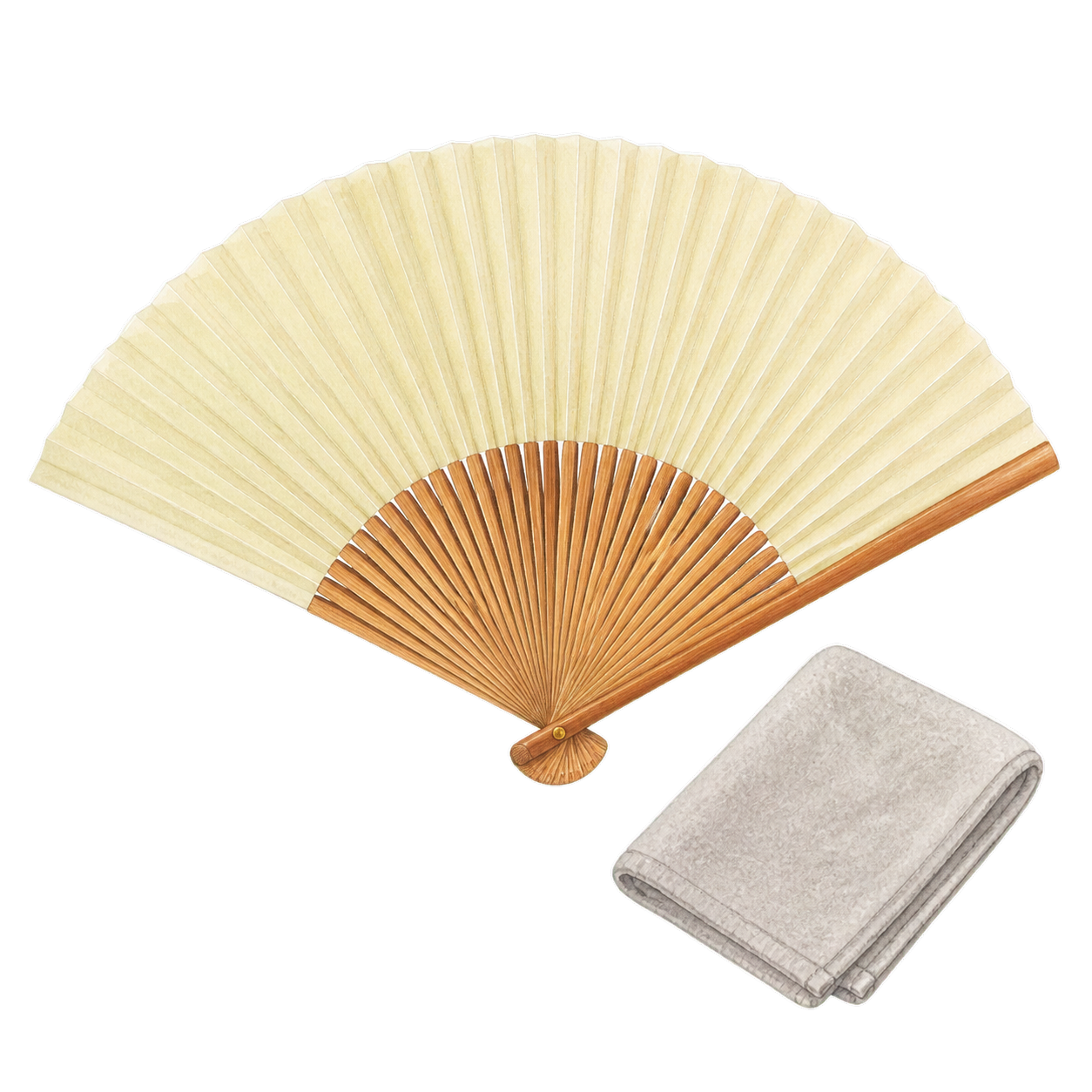 06Compact towel and a folding fan
Both are ordinary Japanese carry rather than tourist eccentricity. Small towels are sold everywhere and used constantly at this humidity, and the folding fan is standard on a crowded platform. Neither takes space, and both do more for comfort at 27.6°C / 82°F than any clothing choice in this list.
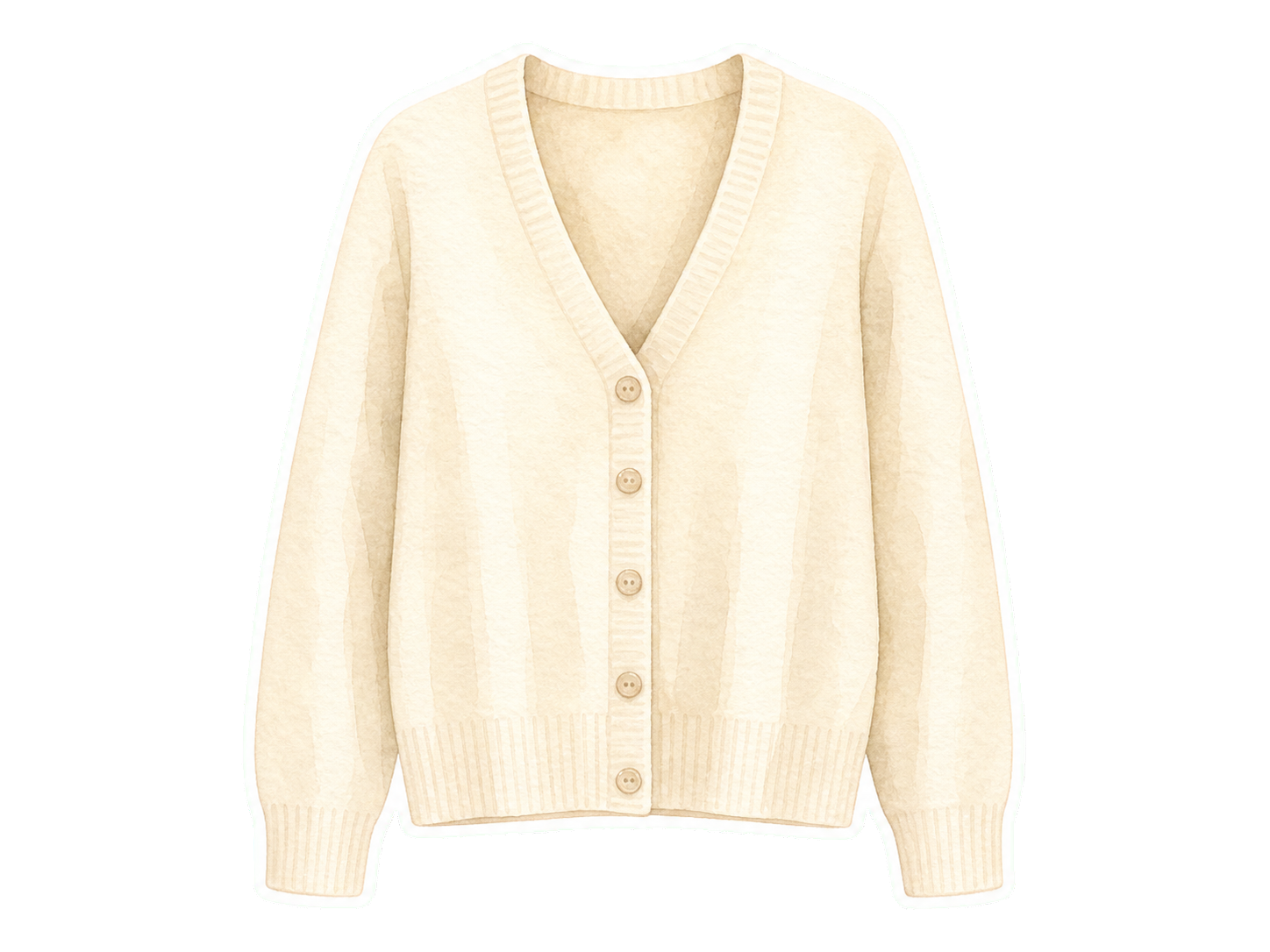 07Light cardigan or overshirt for the last week
Earns its place only from about the 25th, when evenings finally slip toward 20°C / 68°F and the humidity breaks. Before that it stays in the case. Bring it if your trip runs into the final week or overlaps into October; leave it if you are visiting the first fortnight, when it will not come out once.
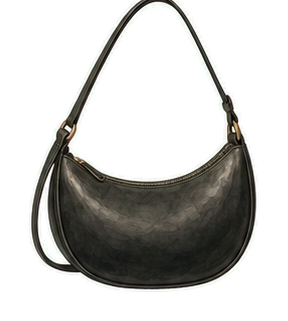 08Zip-top crossbody
Small, closed, and worn across the body, for the same reasons that apply all year in Tokyo — crowded trains, constant walking, and the need for a free hand. In September add one more: a bag that keeps a phone dry when the rain starts without warning, which in this month it does.
Day to night
Linen short-sleeve · wide-leg lightweight trousers · quick-dry sneakers · rain shell in the bag · fan and towel. Yanaka early, then indoors by noon when it hits 30°C / 86°F.
Second change of clothes · same trousers · zip crossbody. An 19:00 table in Nakameguro, still 24°C / 75°F walking home.
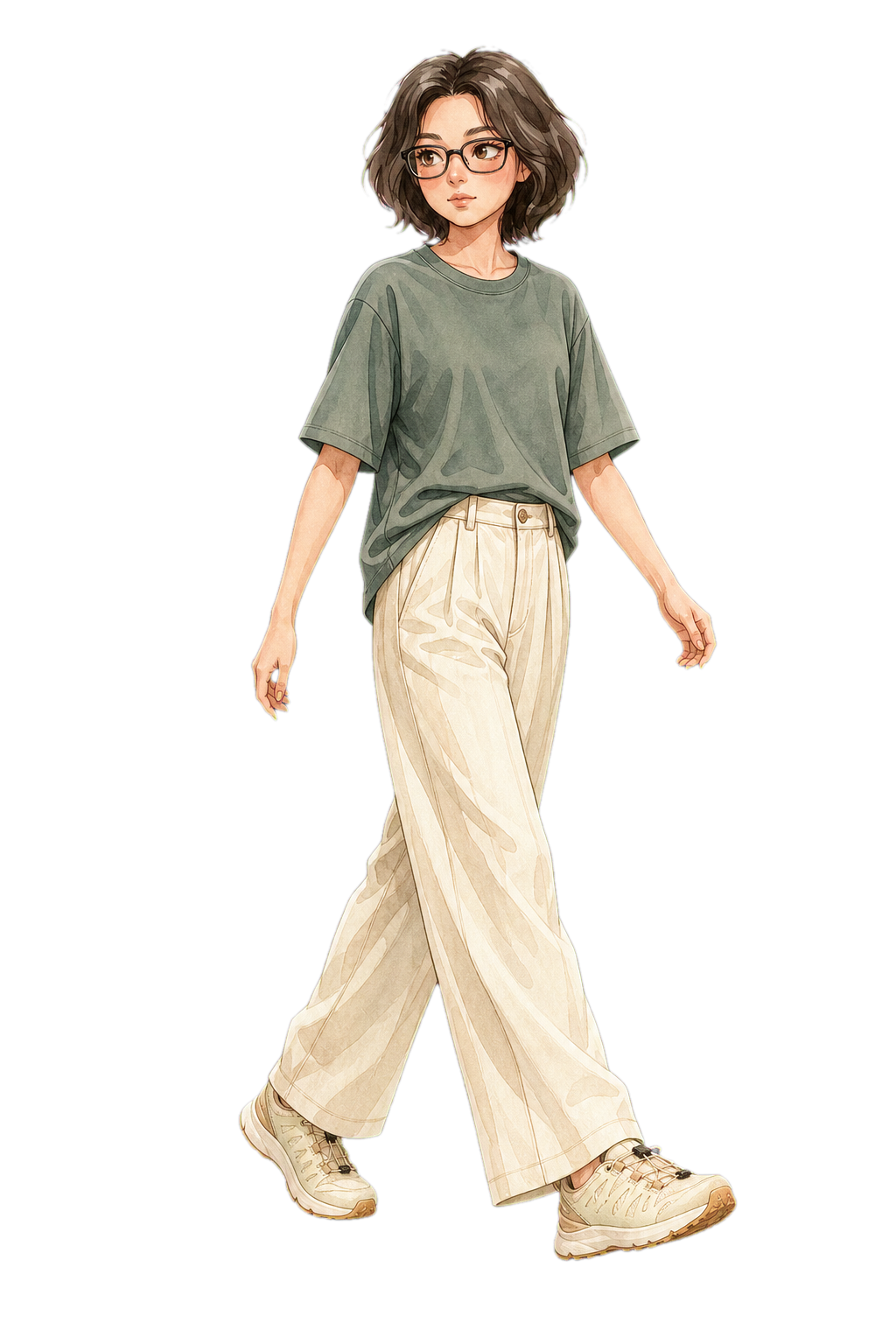
A suggested look — sage technical t-shirt, cream wide-leg trousers, cream quick-dry sneakers.
What to avoid
- Knitwear — 27.6°C / 82°F and 75% humidity means it stays packed
- An umbrella as your only rain plan — typhoon rain comes in sideways
- Cotton as the main fabric — it absorbs and never dries at this humidity
- Tight outdoor scheduling — typhoon warnings close rail with a day's notice
- Expecting autumn colour — Tokyo's kōyō is two months away
Frequently asked questions
Per Japan Meteorological Agency (JMA) normals: the average daily maximum is 27.6°C / 82°F, the average minimum is 20.8°C / 69°F, and rainfall averages 225mm. Humidity sits near 75%. The month is strongly two-halved — the first fortnight regularly reaches 33°C / 91°F and is indistinguishable from August, while the last week finally eases toward genuinely comfortable evenings. September is also the peak month of Japan's typhoon season.
It is a reasonable month with one real caveat. Crowds are lighter than the spring and autumn peaks, hotel rates sit below both, and the last week is genuinely pleasant. The caveat is typhoons: September is the peak of the season, and a system arriving during a short trip can suspend rail services and close outdoor attractions for a day or more. Build one flexible day into the itinerary and September is good value.
Pack for August. Loose linen or technical short-sleeve shirts, wide-leg lightweight trousers, quick-drying closed shoes, a packable hooded rain shell, a zip-top crossbody, a small towel and a folding fan. Add a second full change of clothes, which the humidity genuinely justifies. Bring a light cardigan only if your trip runs into the final week — before then it will not come out of the case.
They are different seasons wearing consecutive numbers. September runs 27.6°C / 82°F by day and 20.8°C / 69°F at night against October's 22.2°C / 72°F and 15.3°C / 60°F — a drop of more than five degrees at both ends. Rainfall is close, at 225mm against 235mm, but the character differs: September's arrives with typhoons and wind, October's as steady rain an umbrella can handle. September needs no warm layer at all; October needs a knit.
Japan handles them extremely well, and the practical effect on a visitor is usually disruption rather than danger. JMA issues warnings well in advance, rail operators announce planned suspensions the day before, and department stores, museums and many restaurants close. The sensible response is to treat it as an indoor day, keep the hotel booking flexible, and follow JMA advisories rather than international forecasts, which tend to lag.
Sources
- Japan Meteorological Agency — 1991–2020 climate normals, Tokyo station