What to Wear in Osaka in May
Osaka in May is Japanese late spring — 25°C / 77°F afternoons, 15°C / 59°F mornings, 11 rain days. Dotonbori at peak food-tourism crowds; Kansai food capital.
- Layered cotton — 15°C / 59°F mornings + 25°C / 77°F afternoons
- Mid-weight cardigan — daily standard + AC
- Packable rain shell — 11 rain days
- Slip-on shoes — Sumiyoshi Taisha, Shitennoji temples remove
- Modest cuts for temple visits
- Issey Miyake 1970 + local Osaka streetwear register
- Don't pack only summer — Osaka May mornings 15°C / 59°F
- Don't expect Tokyo's polished register — Osaka runs more streetwear-rebellious
- Don't skip slip-on shoes — temple removes
Osaka in May is Japanese late spring. JMA data put afternoon highs at 25°C / 77°F and overnight lows at 15°C / 59°F with 11 rain days. The dressing register is Japanese-Tokyo plus local Osaka rebellious-streetwear: Issey Miyake (Tokyo 1970, multiple Umeda and Namba flagships); Comme des Garçons (Tokyo 1969, Hankyu Umeda flagship); Yohji Yamamoto (Tokyo 1972, Hankyu Umeda); Mihara Yasuhiro (Tokyo, popular in Osaka streetwear); Junya Watanabe (Tokyo); local Osaka register: Kansai-no-Yasai (vegetable-printed streetwear), Bonjour Records (vinyl-and-streetwear cluster on Tezukayama-yon-chome). Dotonbori (the heritage Glico-Running-Man-sign neon canal district) is the most-photographed Osaka tourism zone; Kuromon Market (the heritage food market) for sashimi-and-sushi street food; Sumiyoshi Taisha shrine (founded 211 CE, the heritage Shinto shrine — bridge-and-tile-roof distinctive); Shitennoji temple (founded 593 CE, the heritage Buddhist temple — Japan's oldest officially administered temple); Osaka Castle (the heritage 1583 castle, restored).
Osaka May is the Kansai food-capital month — Dotonbori takoyaki and okonomiyaki street stalls running peak crowds, the Kuromon Market sashimi-and-sushi-stand culture at peak, the Issey Miyake Pleats Please Umeda flagship putting the spring collection in the window. Osaka runs more streetwear-rebellious than Tokyo's polished metropolitan.
The capsule
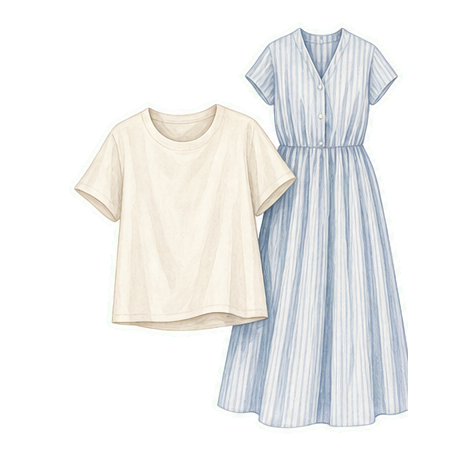 01Lightweight cotton tee + cotton dress
JMA Osaka station puts May afternoons at 25°C / 77°F with mild humidity. Pick ivory, sage, or indigo cotton in a midi or knee-length cut so you can layer or strip without losing the modest Sumiyoshi Taisha shoulder line. Uniqlo U or Muji weight, never linen-blend wrinkly enough to read sloppy at Kuromon Ichiba lunch.
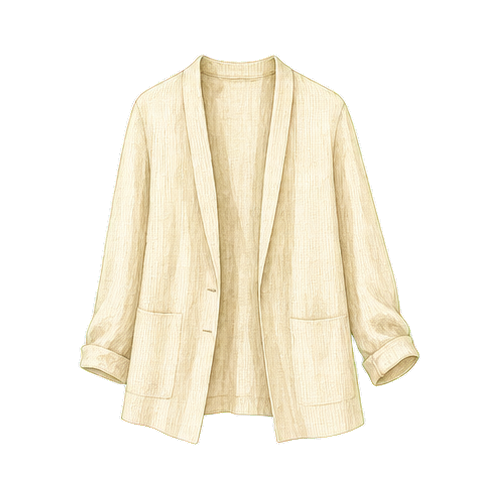 02Mid-weight cardigan or wool sweater
Mornings drop to 15°C / 59°F per JMA, and the JR Loop Line plus Midosuji subway run AC at 22°C / 72°F year-round — an 8-10°C / 14-18°F swing across one commute. Charcoal merino or oatmeal lambswool from Uniqlo or Beams (Tokyo 1976, huge Umeda flagship at Hankyu) handles both.
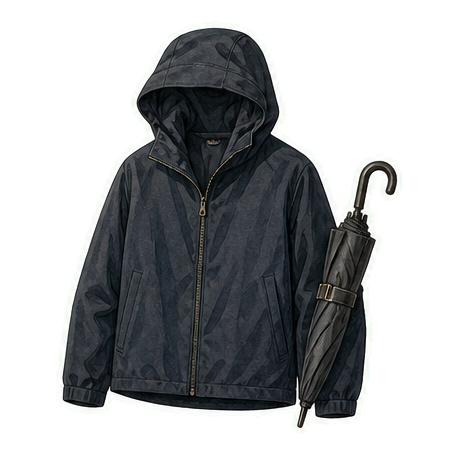 03Packable rain shell — Patagonia, Uniqlo Pocketable
11 rain days in May per JMA, and Kansai showers arrive in 20-minute bursts rather than all-day systems. Patagonia Houdini or Uniqlo Pocketable Parka folds into a Dotonbori crossbody pocket; pull it on between Glico Running Man sign and Hozenji Yokocho without losing the takoyaki queue spot.
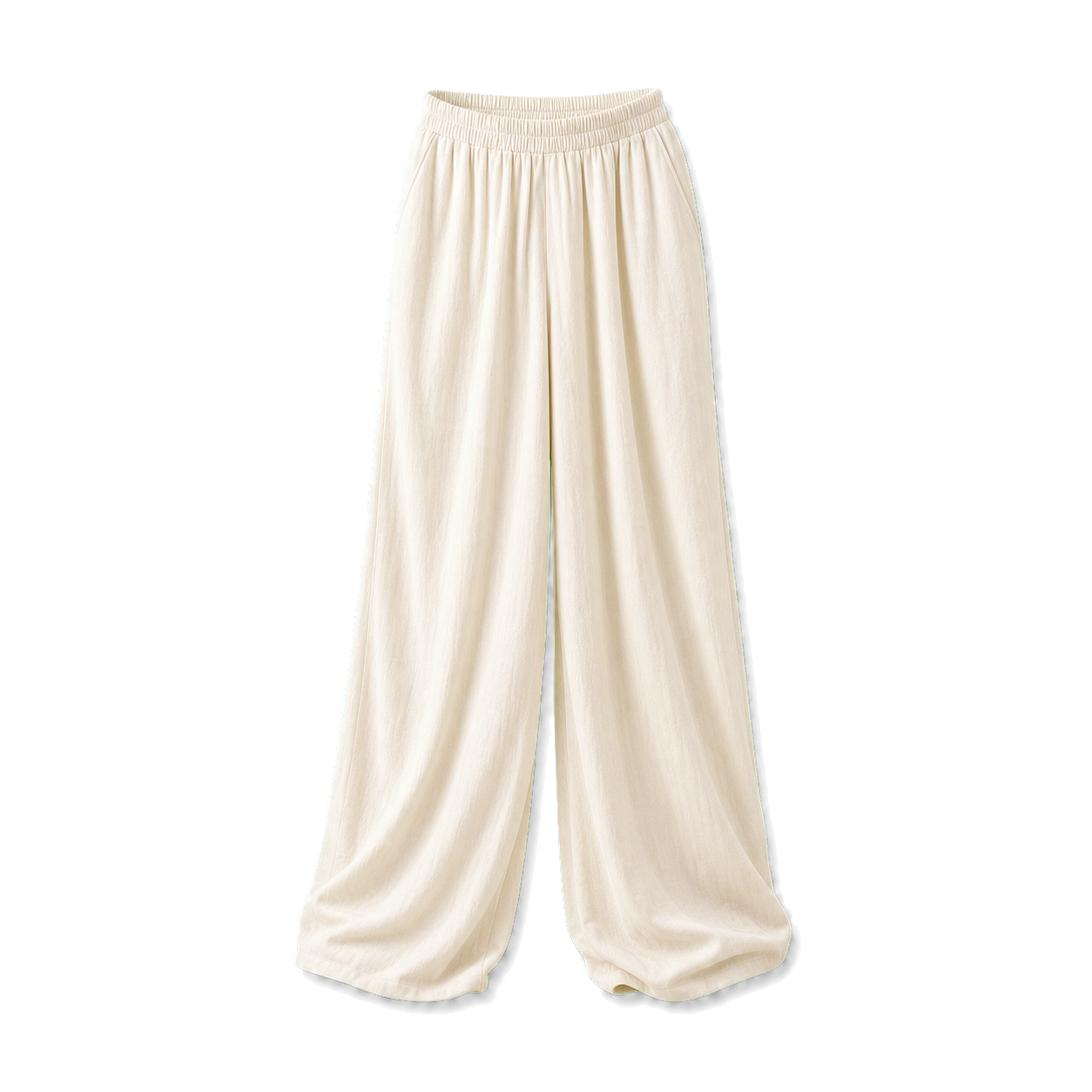 04Cotton trousers or dark jeans
Osaka dresses more streetwear-rebellious than Tokyo's polished register — straight-leg charcoal denim or wide-leg sage cotton trousers read native in Horie (the Daikanyama-equivalent creative-design district) and at Bonjour Records. Skip pressed wool — too Marunouchi salaryman for Minami.
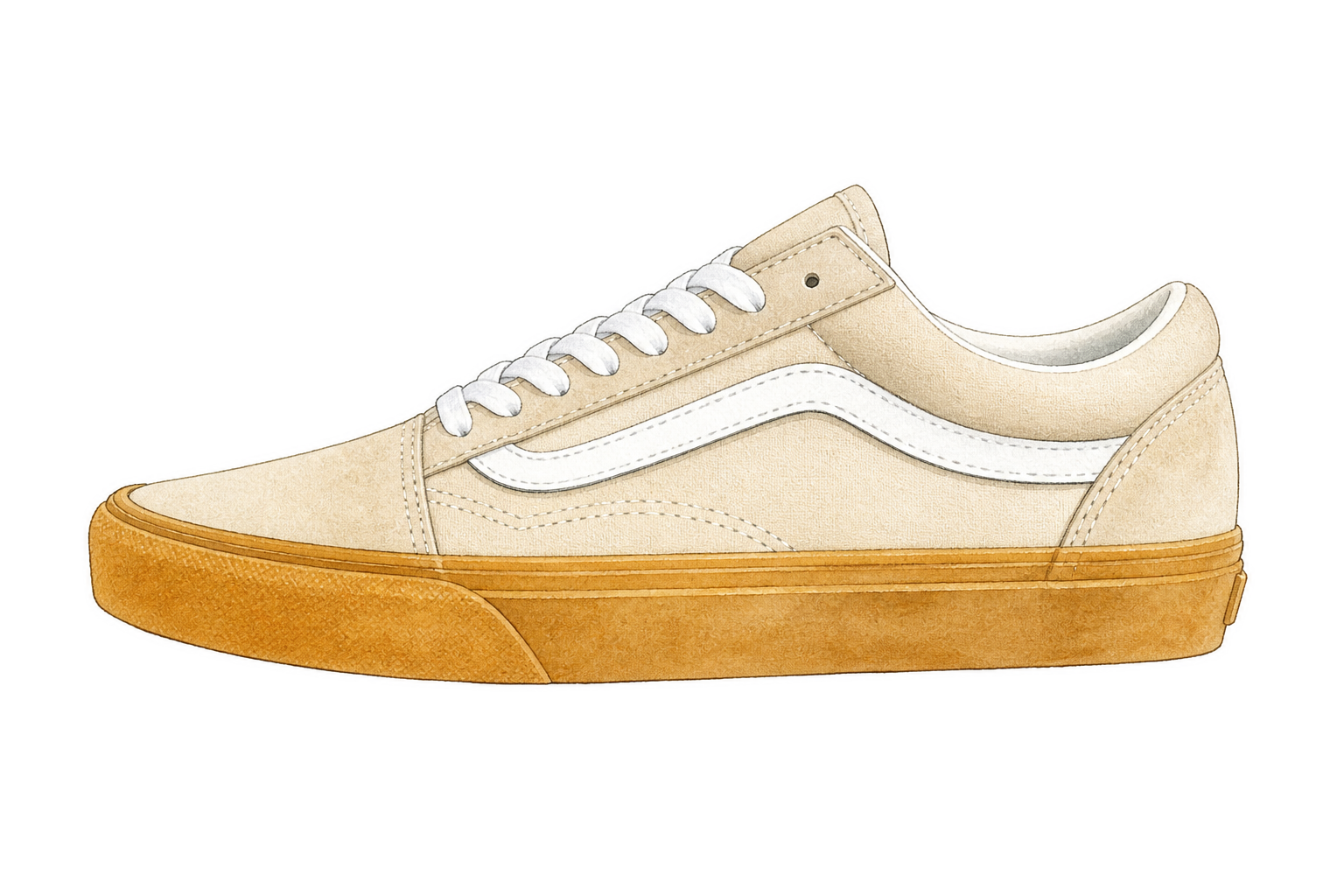 05Slip-on canvas sneakers + leather sandals
Sumiyoshi Taisha (founded 211 CE) and Shitennoji (593 CE, Japan's oldest officially administered temple) both require shoe removal at the inner halls. Onitsuka Tiger Mexico 66 (Kobe 1949 — the local Kansai heritage) slip on with a single tug; pair with Birkenstock Arizona for evening Kuromon Ichiba browsing.
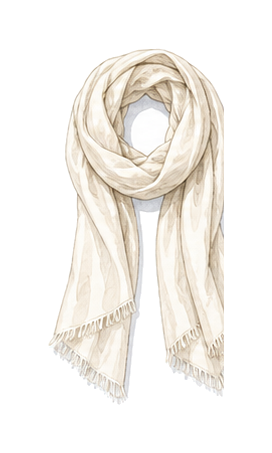 06Long cotton scarf or pashmina
Sumiyoshi Taisha and Shitennoji ask for shoulder cover when you enter the inner shrine; the same cotton pashmina doubles as an AC blanket on the 25-minute Shinkansen to Kyoto. Indigo or terracotta over a sleeveless dress holds the modesty line without the trench-coat heat.
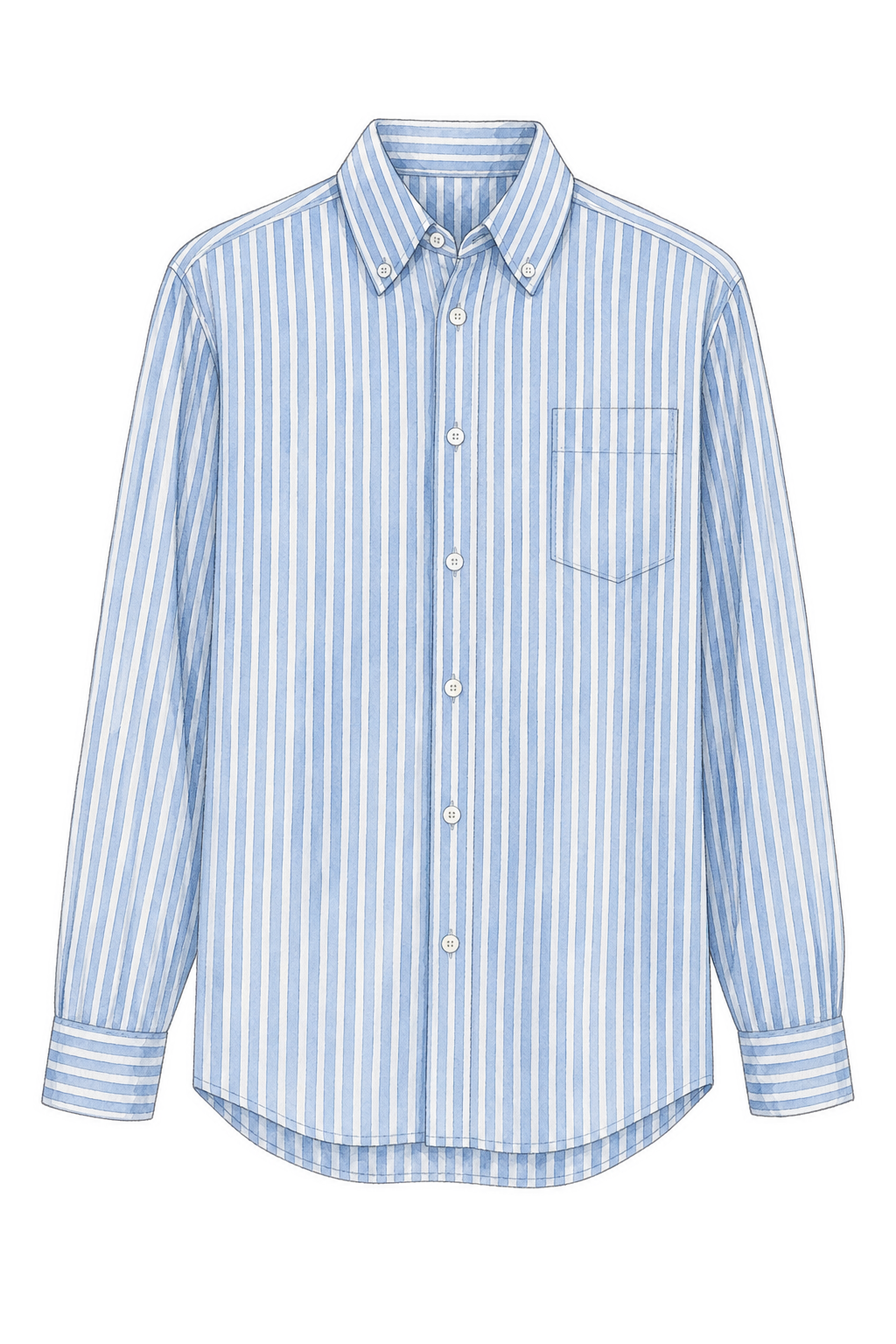 07Cotton button-down — for evening
Tucked into wide-leg trousers for kappo at Kahala (Michelin since 1986) or progressive Hajime (3-Michelin since 2009). Osaka dining runs 18:00-22:00 — slightly later than Kyoto's 21:00 cutoff but still earlier than Tokyo. Crisp ivory or charcoal cotton, never short-sleeve at the omakase counter.
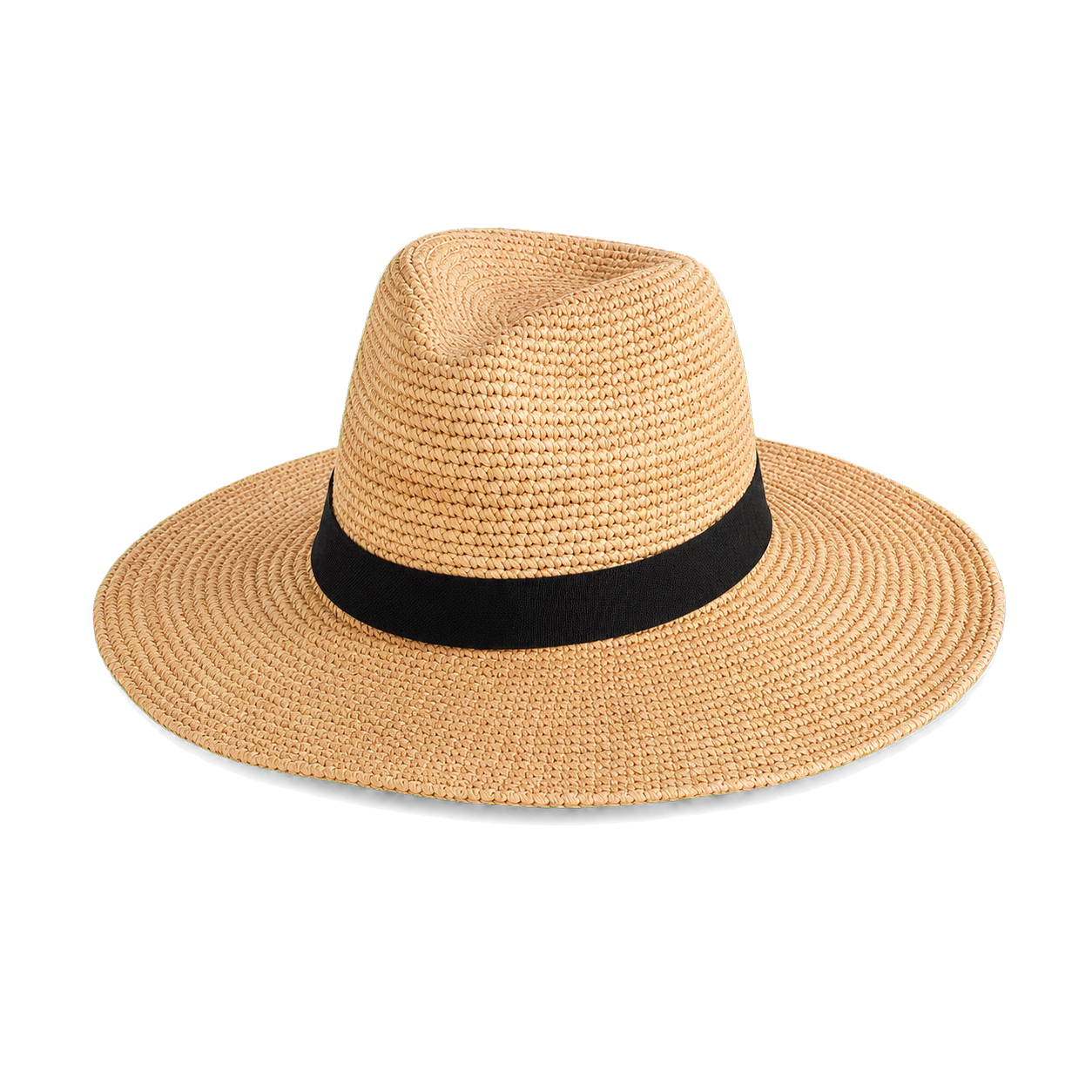 08Crossbody bag + sunglasses
Dotonbori canal at golden hour means crowds 4-deep at the Glico Running Man sign — hands free for takoyaki cones from Wanaka and the iPhone shot. A small canvas or coated-cotton crossbody (skip leather; Osaka humidity climbs toward summer mold range by late May) plus polarized sunglasses for UV index 7-8.
Day to night
Cotton dress · trousers · sneakers · cardigan · rain shell · scarf · crossbody. Coffee at LiLo Coffee Roasters 8am, Osaka Castle 9am, Kuromon Market lunch 12:00.
Cotton trousers · button-down · cardigan · slip-on sandals. Dinner kaiseki at Kashiwaya (3-Michelin star) or Hajime 19:00; cocktails at Bar Augusta after.
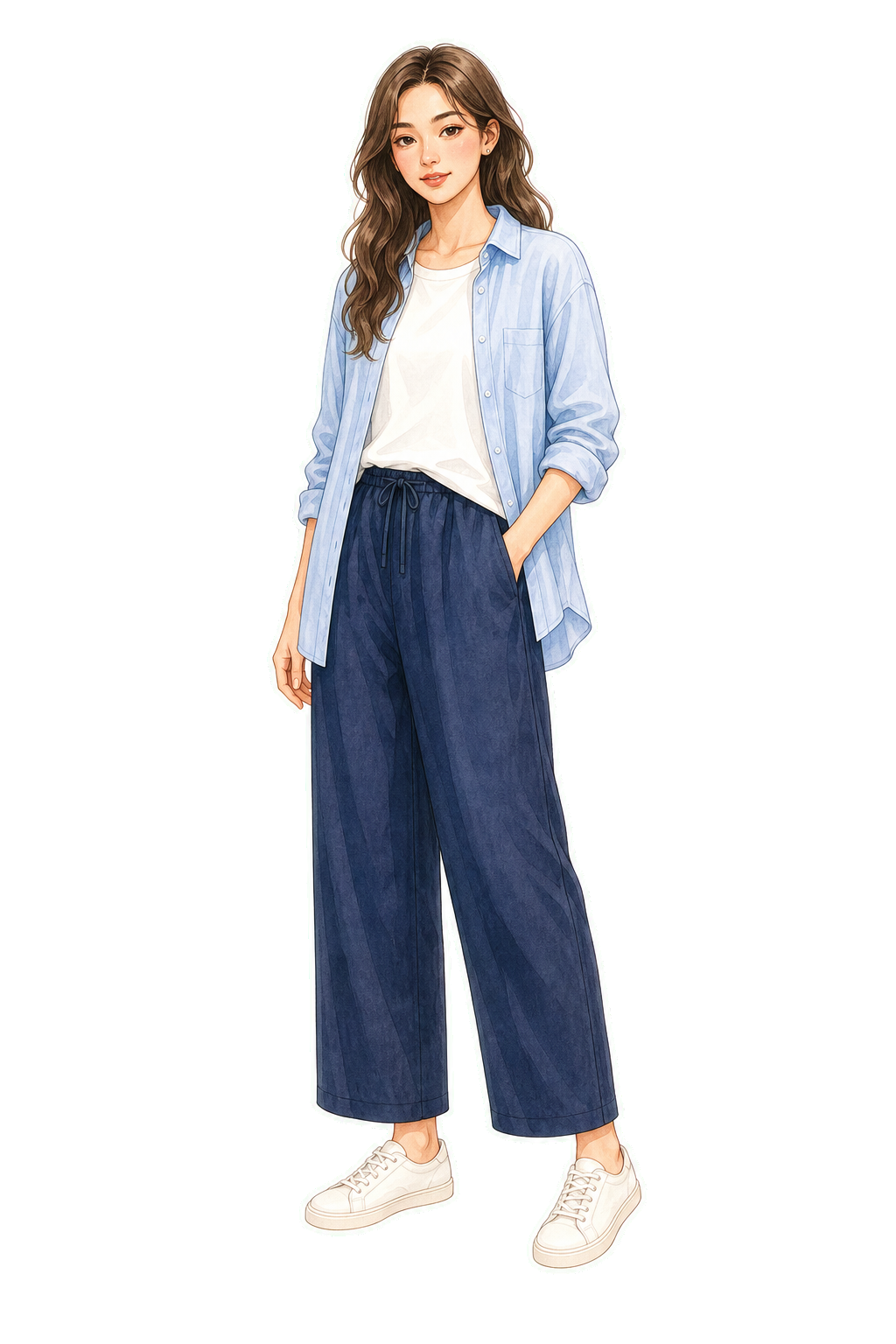
A suggested look — White cotton tee, light blue open linen overshirt, loose navy ankle trousers, white low-profile sneakers. Osaka warm spring, 25C/15C..
What to avoid
- Pure summer clothes — Osaka May mornings 15°C / 59°F
- Tokyo polished register — Osaka streetwear-rebellious
- Lacing shoes at temples — slip-on essential
- Flash photography at temple prayer
- Dotonbori without takoyaki + okonomiyaki — Kansai signatures
Frequently asked questions
Per the Japan Meteorological Agency (JMA): average daily high 25°C (77°F), low 15°C (59°F), 11 rain days totalling 140mm. Japanese late spring; similar to Kyoto and Tokyo (~1-2°C / 2-4°F warmer than Tokyo due to Osaka's slightly southern position). Daylight 13h 50m. UV index 7-8 (high).
Osaka runs Kansai food-capital + streetwear-rebellious — the heritage takoyaki, okonomiyaki, Dotonbori neon, Kuromon Market food culture, more relaxed dress register than Tokyo's polished metropolitan. Tokyo runs metropolitan-modern + avant-garde — Comme des Garçons (1969), Yohji Yamamoto (1972), Issey Miyake (1970), Tsumori Chisato design. Osaka has the same Tokyo brands available (Hankyu Umeda + Namba flagships) but locals lean more streetwear and less polished. Climate similar; Osaka 1-2°C / 2-4°F warmer. Pack: cotton-and-cardigan-and-slip-on-shoes for both.
Dotonbori (道頓堀) is Osaka's heritage entertainment district — a 600m / 2,000ft canal lined with neon signs, food stalls, restaurants, theaters. The most-photographed Osaka image: the Glico Running Man sign (since 1935). Dotonbori is the home of Osaka food culture: takoyaki (octopus balls — try at Takoyaki Wanaka or Kogaryu); okonomiyaki (savory pancake — try at Mizuno or Chibo); kushikatsu (deep-fried skewers — try at Daruma); Yakiniku grilled meat. Pack: cotton tee, slip-on sneakers, casual register; Dotonbori runs 24-hour food culture with peak crowds 18:00-23:00.
Osaka Castle (the heritage 1583 castle, restored — surrounded by the Nishinomaru Garden, particularly photogenic in cherry-blossom early April but also May green); Sumiyoshi Taisha shrine (founded 211 CE, the heritage Shinto shrine with the distinctive arched bridge); Shitennoji temple (founded 593 CE, Japan's oldest officially administered Buddhist temple); Universal Studios Japan (the most-cited theme park, with the Super Nintendo World expansion); Osaka Aquarium Kaiyukan (one of the world's largest aquariums); Tempozan Ferris Wheel; Umeda Sky Building (the heritage 1993 twin-tower with the Floating Garden Observatory). Pack: lightweight cotton, modest cuts, slip-on sneakers, packable rain shell, sun hat.
Kashiwaya (3-Michelin star, Senri-Yamada, kaiseki — among Japan's most-cited fine dining); Hajime (3-Michelin star, contemporary French-Japanese, the most-internationally-known Osaka chef — Yoshikoshi Hajime); Fujiya 1935 (1-Michelin star, contemporary Spanish-Japanese, by Tetsuya Fujiwara); Mizuno (the heritage Dotonbori okonomiyaki since 1945); Chibo (the heritage Dotonbori okonomiyaki); Kogaryu (Dotonbori takoyaki); Daruma (Shinsekai kushikatsu, the heritage 1929 deep-fried-skewers institution); Honke Yamatoya (the heritage Senba udon since 1877). Pack: smart-casual to formal at kaiseki; casual at Dotonbori. Osaka dining 18:00-22:00.
Sources
- Japan Meteorological Agency — 1991–2020 climate normals, Osaka station