What to Wear in Venice in January
Venice in January: 8°C / 46°F afternoons, 0°C / 32°F nights, about 14 nights below freezing, fog on about 11 days and a Befana regatta on the Grand Canal.
- Bottle-green loden coat — boiled wool for 0°C / 32°F nights and fog on about 11 days
- Charcoal Aran roll-neck — most of an hour standing still on a fondamenta at the Befana regatta
- Charcoal merino thermal — about 14 January nights fall below freezing at Tessera
- Charcoal corduroy trousers — they tuck into either pair of boots
- Black lined riding boots on a lug sole — bridge steps turn slick after a freezing night
- Charcoal rubber mid-calf boots — in 2026 the MOSE barriers rose 30 times from 28 January
- Smooth leather soles — the stone steps of the bridges turn slick after a frost
- Suede — the tides return before the month is out, and salt water leaves a line
- December's coat without a thermal — January averages about three more nights below freezing
- Daylight plans after five — sunset is about ten to five in mid-January
Pack for standing still in the cold. NOAA NCEI's daily record for Venice Tessera puts January at 8°C / 46°F by day and 0.4°C at night, with about 14 nights below freezing and fog on about 11 days, the most of any month, but only about 6 rain days. The Befana regatta on 6 January means most of an hour on a fondamenta in the late morning, so you need wool at the neck, merino underneath and gloves. The water has not gone for the winter either: the Autorità per la Laguna counted 30 MOSE raisings between 28 January and 20 February 2026, so a pair of rubber boots comes for the last week.
January is the quiet month in Venice, and fog is half the reason. The far bank of the Grand Canal disappears, the bridge steps stay slick after a frost, and the one crowd of the month gathers on the fondamenta to watch five Befane row.
The capsule
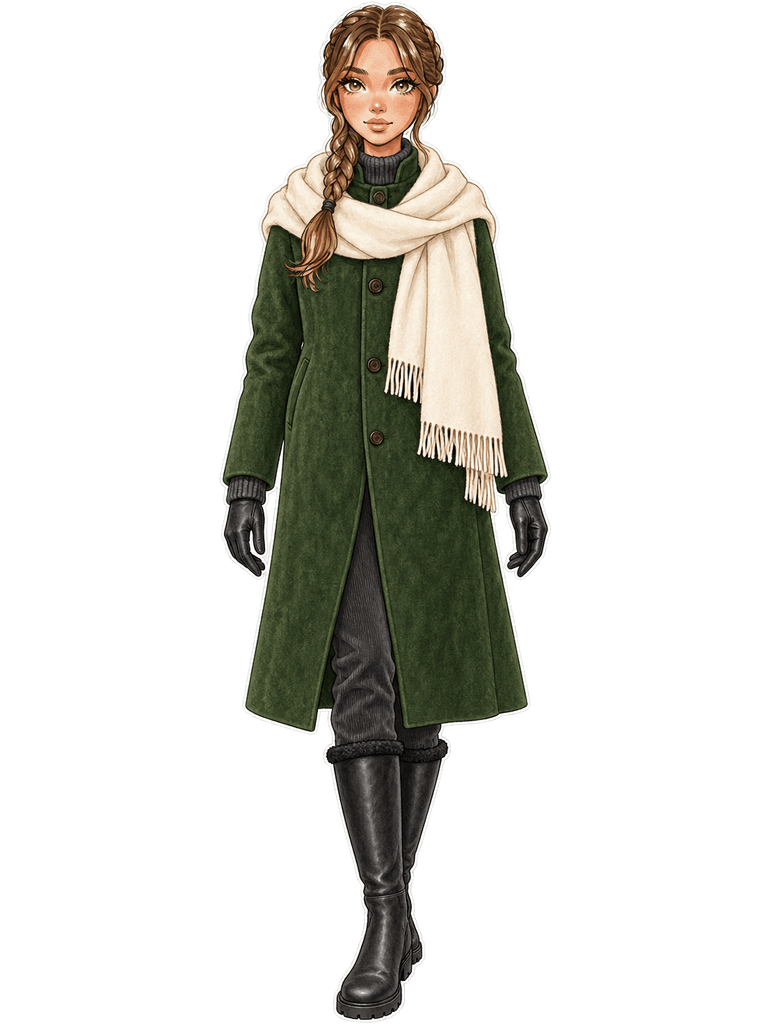
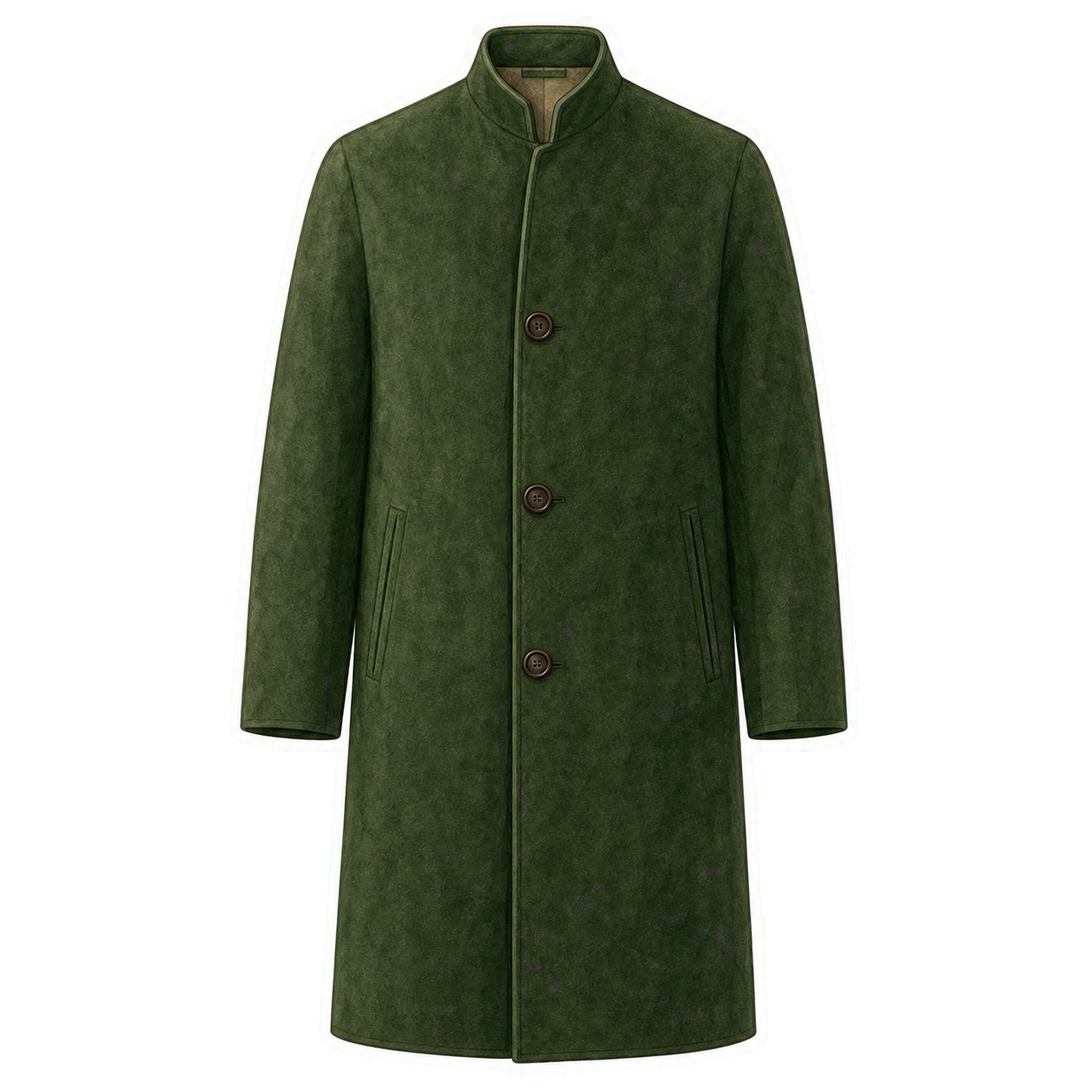 01Deep bottle-green loden coat, stand collar, knee length
Loden, not a trench. Boiled, felted wool keeps its warmth in fog and drizzle, and on a night vaporetto at 0°C / 32°F a trench over a knit leaves you cold before your stop. The stand collar buttons up over the roll-neck with no gap for the wind off the lagoon, knee length covers the top of the riding boots, and bottle green is the one colour in a capsule of charcoal, black and cream.
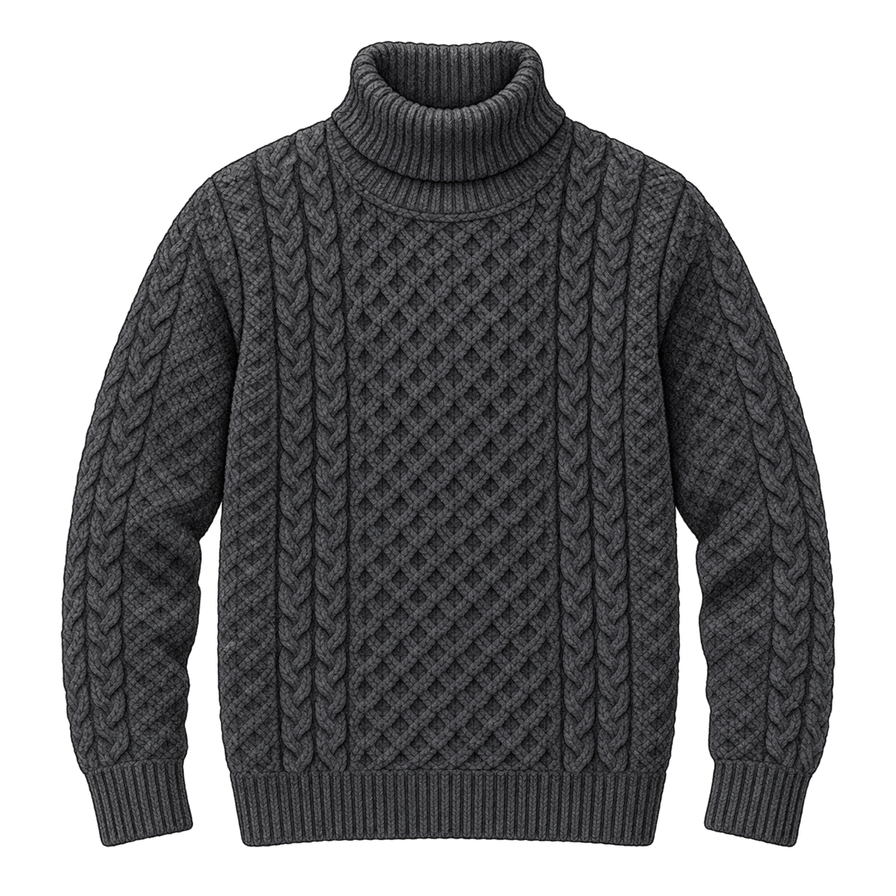 02Charcoal Aran cable-knit wool roll-neck
Scarf and sweater in one. At the Befana regatta you stand on a fondamenta for most of an hour, in a month with fog on about 11 days, and a folded wool collar keeps the damp off your throat. Aran cables hold more warm air than a flat knit, and charcoal hides the mark a wet vaporetto rail leaves on a sleeve.
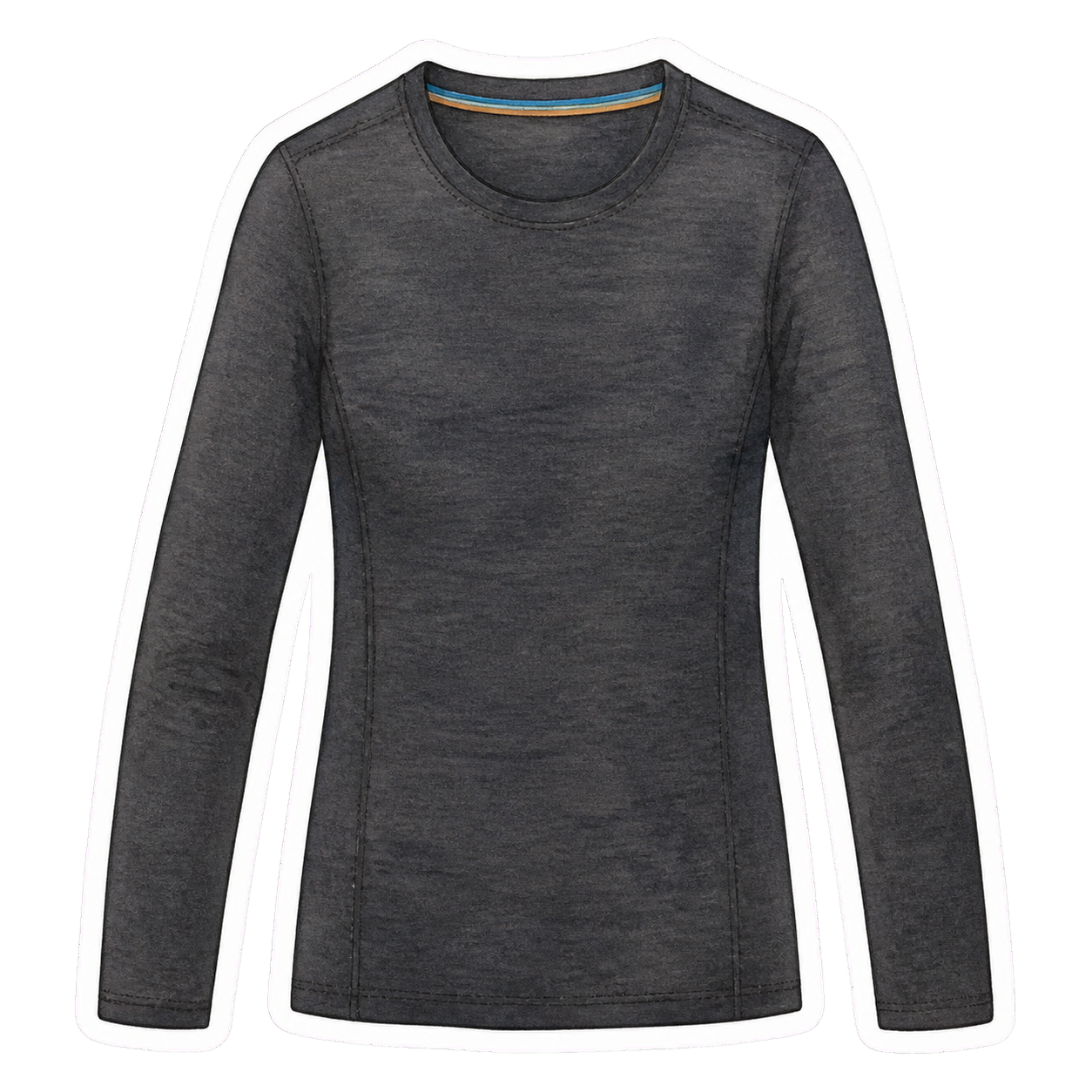 03Charcoal merino thermal long-sleeve, crew neck
About 14 January nights fall below freezing at Tessera, more than in any other month, and this layer is how you get through them. Fine merino under the roll-neck adds warmth without bulk under a buttoned coat, and it stays dry against your skin when you walk out of a 0°C / 32°F street into a heated shop during the sales. Leave the cotton tee at home.
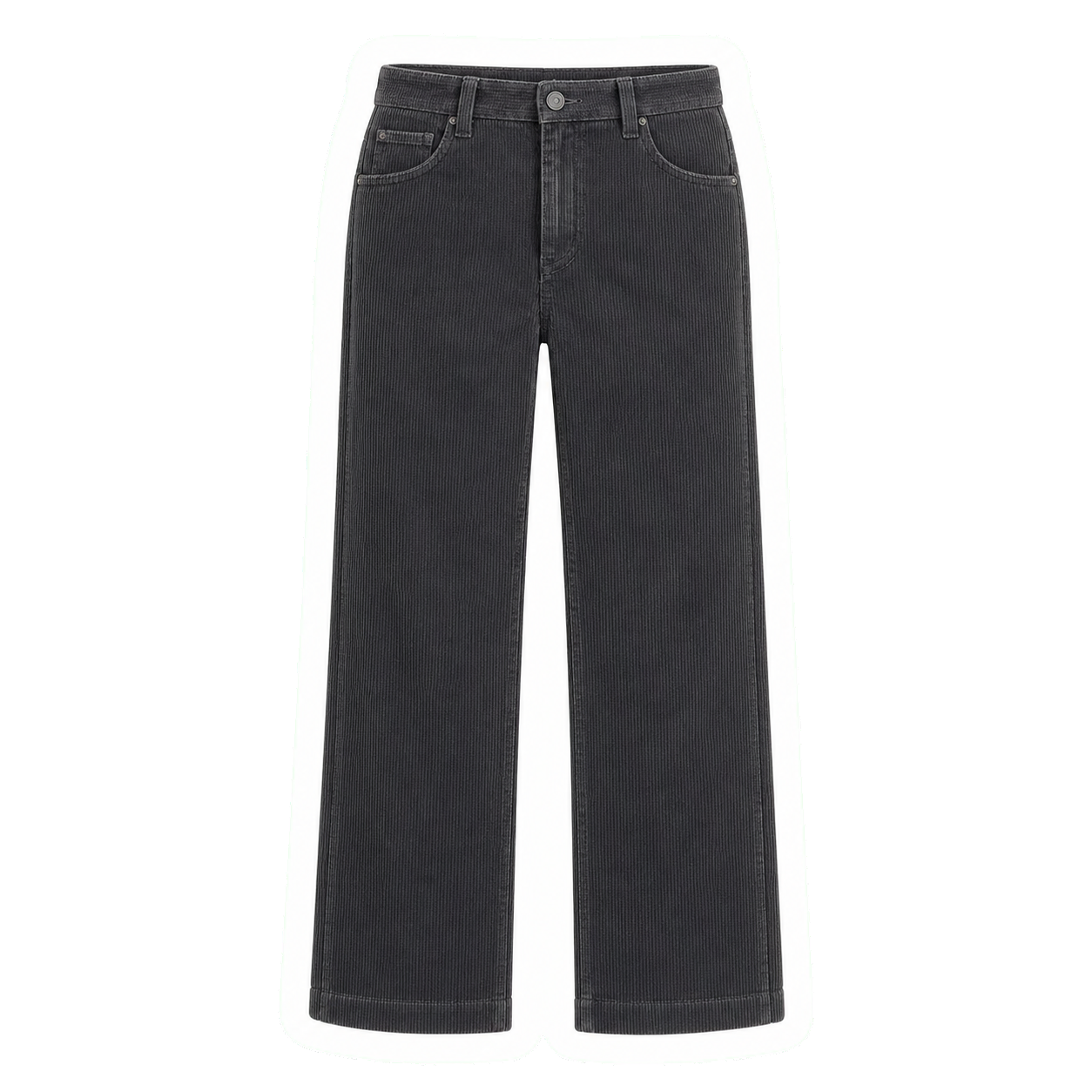 04Charcoal fine-wale corduroy trousers, five-pocket
One pair for both pairs of boots. A straight five-pocket leg tucks into the riding boots on a frosty morning and into the rubber boots on a tide day without bunching at the knee. Fine-wale cord stops the wind off the lagoon better than denim, and charcoal matches the roll-neck so the loden coat carries the colour.
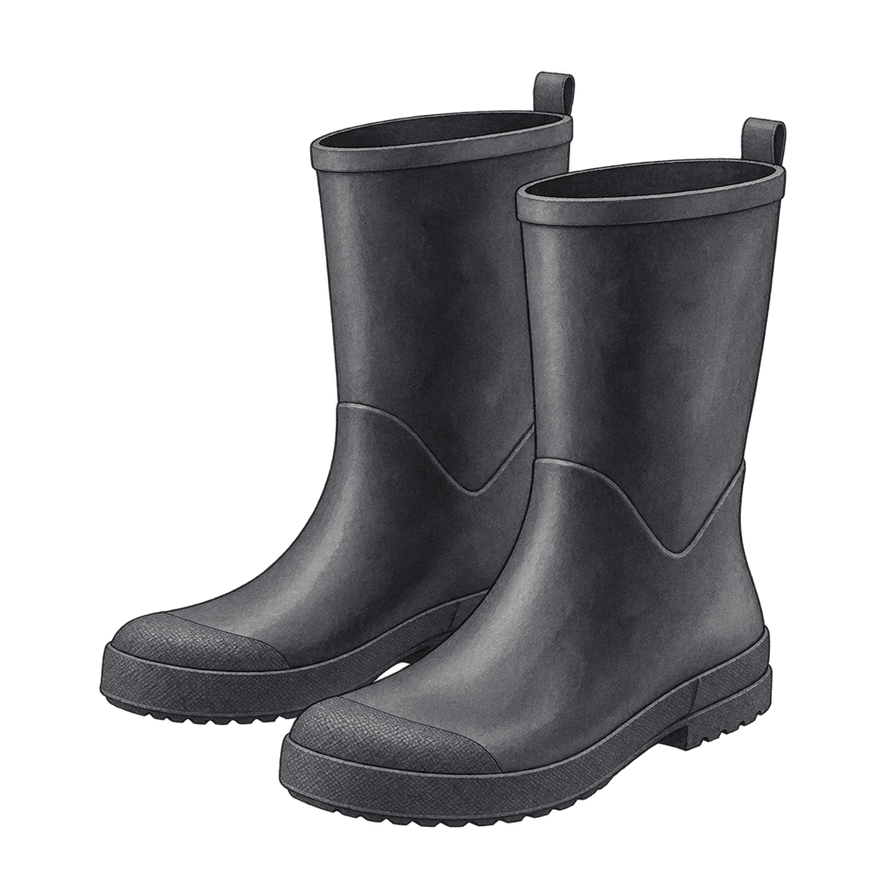 05Charcoal rubber mid-calf rain boots, pull tab
For the last week of the month. The Autorità per la Laguna raised the MOSE barriers 30 times between 28 January and 20 February 2026, and a tide just below the 110 cm trigger leaves the barriers down and still puts water in the lowest squares. Mid-calf rubber crosses a flooded campo with the cords tucked in, and it packs flatter than a knee boot.
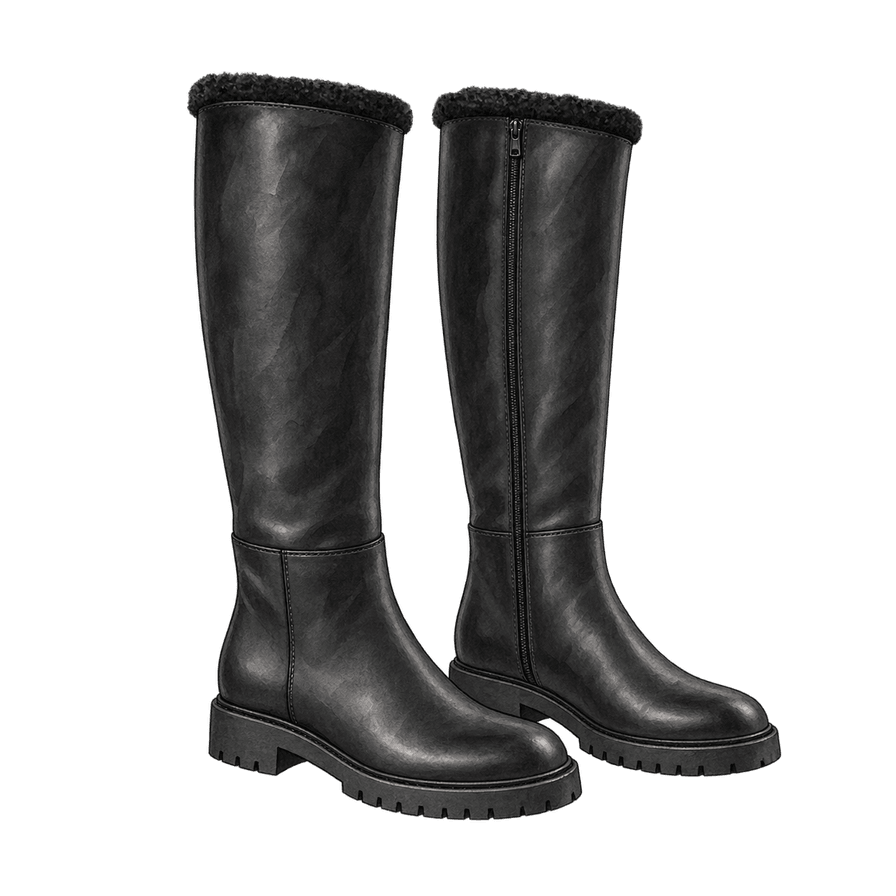 06Black leather knee-high riding boots, shearling cuff, lug sole
For every morning the tide forecast stays low. After a freezing night the stone steps of the bridges turn slick, and a deep lug grips where a smooth leather sole slides. A lined shaft to the knee keeps your legs warm through the regatta, and the inside zip lets you change into rubber at the hotel door without sitting down.
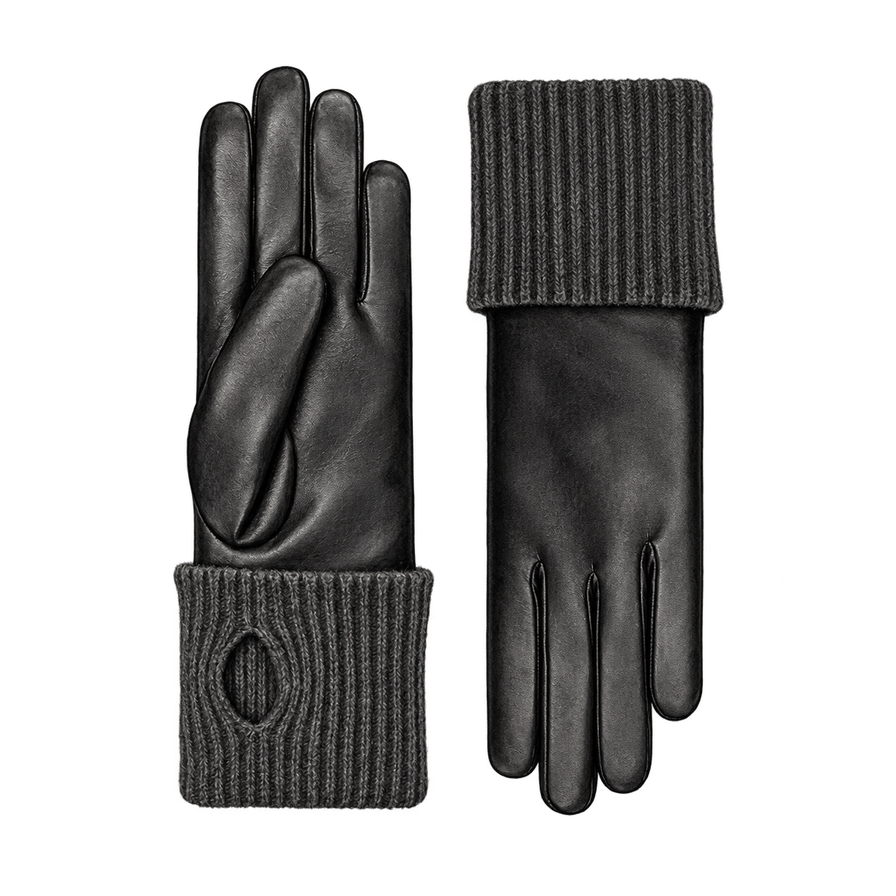 07Black leather gloves, long charcoal rib-knit cuffs
Pack them for the hour you do not move. The Befana regatta started at 11am in 2026, on a Grand Canal morning a few degrees above freezing, and hands on a stone railing go numb within minutes. Leather keeps the wind out, and the long knit cuff closes the gap between glove and coat sleeve.
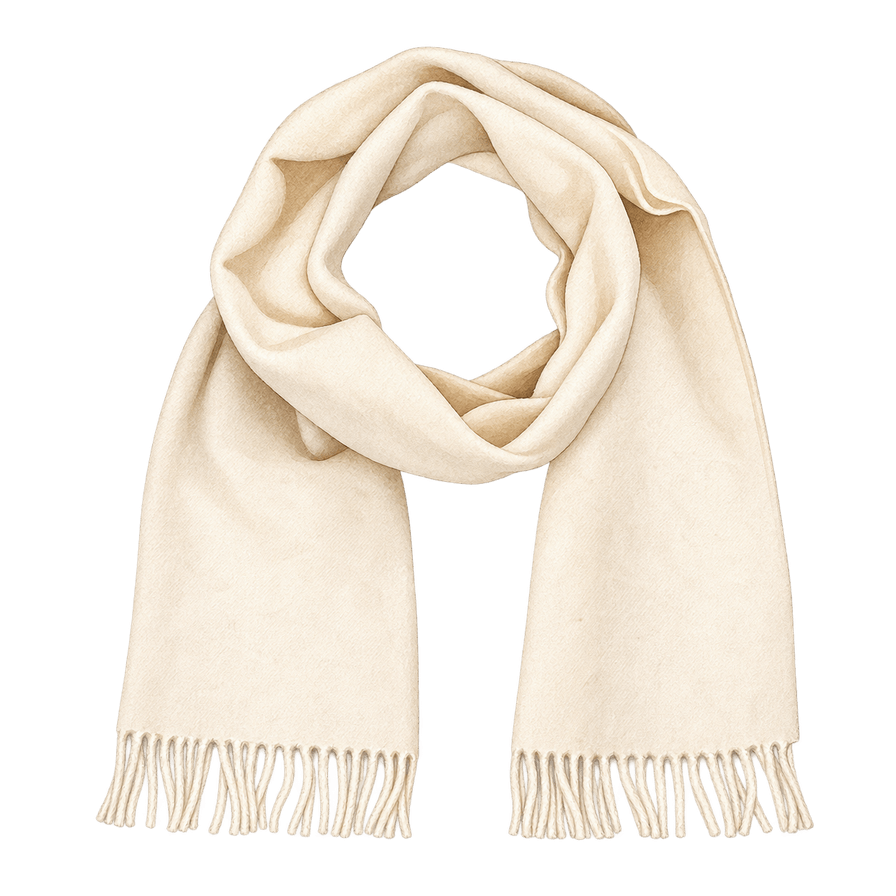 08Cream brushed-wool stole, fringed
Wrap it once over the loden coat for the hour at the regatta, and use it as a blanket on the open deck of a late vaporetto when the air is close to 0°C / 32°F. Plain cream is the one light note against charcoal, black and bottle green, and a wide brushed-wool stole folds flat in a suitcase.
Day to night
Loden coat buttoned to the collar · charcoal roll-neck over the merino thermal · cords tucked into black riding boots · black gloves · cream stole over the coat. Wednesday 6 January: in 2026 the Befana procession reached Rialto at half past ten and the race started at eleven, so find your place on the fondamenta by twenty past ten.
Coat open over the roll-neck · cords over the riding boots · stole across the shoulders · gloves in a pocket. An afternoon in the sales, sunset at about ten to five, dinner in Cannaregio. On a late-January evening with a high tide forecast, rubber boots instead of leather.
A suggested look — bottle green loden coat, charcoal roll-neck sweater, charcoal corduroy trousers, black knee-high riding boots with shearling cuffs, black leather gloves.
What to avoid
- Smooth leather soles — bridge steps turn slick after a freezing night, and there are about 14
- Suede — MOSE rose 30 times between 28 January and 20 February 2026, and salt water leaves a line
- December's coat without a thermal — about three more nights below freezing than December
- Bare hands at the Befana regatta — most of an hour standing still on the fondamenta
- Daylight plans after five — sunset is about ten to five in mid-January
Frequently asked questions
NOAA NCEI's figures for Venice Tessera airport give an average January high of 7.7°C and a low of 0.4°C, with about 48mm of rain across about 6 days of measurable rain, 4 or 5 of them above 1mm. January is the coldest month at night and the foggiest: the daily record averages about 14 nights below freezing and fog on about 11 days, more than any other month. Daylight grows from about 8h 45m on 1 January to about 9h 40m on the 31st, and sunset moves from about 4:35pm to about 5:15pm. The tide season runs on: in 2026 the MOSE barriers rose 30 times from 28 January.
A deep bottle-green loden coat with a stand collar, a charcoal Aran roll-neck, a charcoal merino thermal, charcoal fine-wale corduroy trousers, charcoal rubber mid-calf boots, black lined leather riding boots on a lug sole, black leather gloves and a cream brushed-wool stole. That covers 0°C / 32°F nights, an hour standing still at the Befana regatta, a day in the sales and a late-January tide. Leave the trench, the suede and any smooth-soled shoes at home.
On 6 January, as every year; in 2027 that is a Wednesday, the Epiphany holiday. The Comune di Venezia's notice for the 45th edition in 2026 set the race for 11am on the Grand Canal, organised by the Reale Società Canottieri Bucintoro 1882. The five Befane were dressed at the club's base in the Magazzini del Sale on the Zattere at 8:30, left in a water procession at 10 and reached Rialto at 10:30, where a giant stocking hangs. The 2027 timetable is not yet published. Dress for most of an hour standing still in fog: loden coat buttoned, roll-neck up, gloves on, the stole over your shoulders and lined boots with a grip.
Early January for the Epiphany and the sales, late January for the start of Carnival and, if 2026 is a guide, the return of the tides. The Befana regatta is on 6 January. The Veneto opens its winter sales on the first working day before Epiphany, moved to Saturday only when that day is a Monday; in 2026 they ran from 3 January to 28 February, and the rule puts the 2027 start on Tuesday 5 January, although the Regione had not confirmed it by late September 2026. At the other end, the official Carnival site lists the 2027 edition from 23 January, and in 2026 a run of 30 MOSE raisings began on 28 January. Sunset moves from about 4:35pm on the 1st to about 5:15pm on the 31st.
Much the same by day and colder at night. On the same NOAA Tessera record, December averages 8.4°C and 1.2°C / 34°F, January 7.7°C and 0.4°C. January is drier, about 48mm across 6 rain days against December's 66mm across 8, but it has more of the two things that shape a winter capsule: about 14 nights below freezing against 11 or 12, and fog on about 11 days against 10. December has La Fenice's New Year concerts; January has the Befana regatta and the sales. Keep December's wool coat, add a merino thermal and gloves, and keep rubber boots for late January. Our December guide covers the earlier month.
Dark wool on the street and, for one morning, a costume. In the fog the city walks in long wool coats buttoned to the neck and closed leather boots, and the rubber pair waits by the door for a tide forecast. The exception is 6 January, when five rowers dressed as the Befana, the Epiphany figure of Italian folklore, race the Grand Canal. They come from the Reale Società Canottieri Bucintoro, a club that carries its founding year of 1882 in its name and keeps its base in the Magazzini del Sale, the old salt warehouses on the Zattere, and they race in mascarete, light Venetian rowing boats.
Sources
- NOAA NCEI — 1991–2020 climate normals, Venezia-Tessera stationNOAA NCEI computed this month's figures from the Venice Tessera airport global-summary-of-the-day record (16105099999): 30 complete Januaries for temperature and 27 for rain (Januaries whose daily rain reports cover at least 90% of the days), counting days with at least 0.01 in (0.25 mm). Recorded per month because the rest of this city's pages are credited to ISPRA.
- NOAA NCEI — Global Summary of the Day, Venezia Tessera (16105099999), 1991–2020: daily max/min, precipitation and fog flags — accessed 2026-09-29
- NOAA National Centers for Environmental Information — Climate Data Online — accessed 2026-04-23
- Comune di Venezia — Martedì 6 gennaio si disputa la 45^ Regata delle Befane (11:00, Canal Grande; Reale Società Canottieri Bucintoro 1882) — accessed 2026-09-29
- Regione del Veneto — Saldi invernali: vendite di fine stagione (2026: 3 January – 28 February; start on the first working day before Epiphany) — accessed 2026-09-29
- Confcommercio Veneto — Saldi invernali anticipati a sabato 3 gennaio 2026 — accessed 2026-09-29
- Autorità per la Laguna di Venezia — Rianalisi degli eventi di marea tra gennaio e febbraio 2026 (30 MOSE activations, 28 January – 20 February 2026) — accessed 2026-09-29
- Autorità per la Laguna di Venezia — Operatività M.O.S.E. — accessed 2026-09-26
- Carnevale di Venezia — Official site, 2027 edition (23 January – 9 February 2027) — accessed 2026-09-29