What to Wear in Munich in January
Munich in January: 4°C / 39°F afternoons, −2°C / 28°F nights, and the Zugspitze at −10.3°C with almost twice the sun.
- Navy insulated hooded parka — city sleet at 520m and wind on the glacier at 2,600m
- Navy merino base — the layer that matters at a −10.3°C summit and the one you strip to in a Wirtshaus
- Cream Fair Isle sweater — the warm middle for both altitudes
- Black softshell trousers — snow on the plateau soaks denim
- Dark wraparound sunglasses — WHO says fresh snow reflects up to 80% of UV
- Tan insulated leather gloves — the Zugspitze averages about 30 ice days in 31
- Jeans on the Zugspitze — wet denim at −10°C stops insulating
- Fashion sunglasses above the snowline — no side cover against reflected glare
- Smooth soles — about 19 frost days in the city and packed snow on the plateau
- Dressing for Munich's grey and forgetting the summit sun — 138 hours against 75
Pack for two altitudes. NOAA's figures for Deutscher Wetterdienst's Nymphenburg station put Munich's January at 3.8°C / 39°F by day and −2.1°C / 28°F at night, and DWD's own normals give the city about 19 frost days and just 75 hours of sun for the month. Then take the train south. The Bayerische Zugspitzbahn's cogwheel railway leaves from beside Garmisch-Partenkirchen station, and at the top DWD's Zugspitze station, at 2,956 metres, averages −10.3°C for January, stays below zero on almost every day, and logs 138 hours of sun, almost twice the city's. The snow up there is the problem as much as the cold: WHO says fresh snow can reflect up to 80% of incoming UV. So the capsule has a merino base, a real parka, trousers that shed snow, and dark lenses.
Munich's January is two climates a train ride apart: a grey city at freezing and a summit at −10°C in bright sun. The bag has to work at both.
The capsule
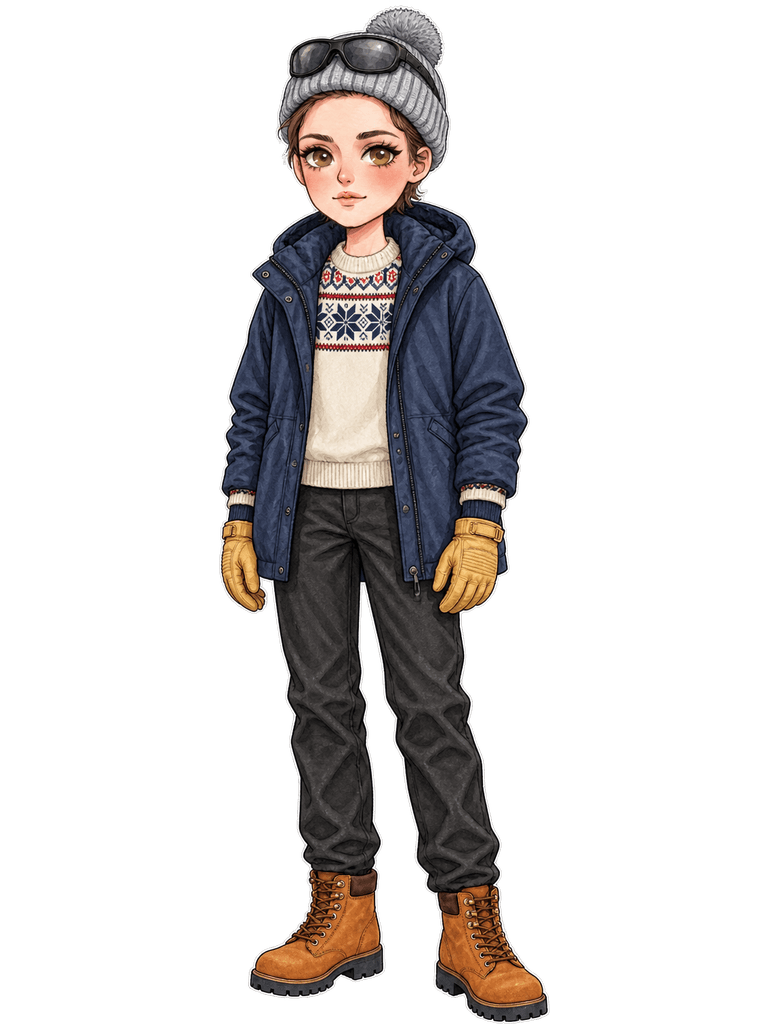
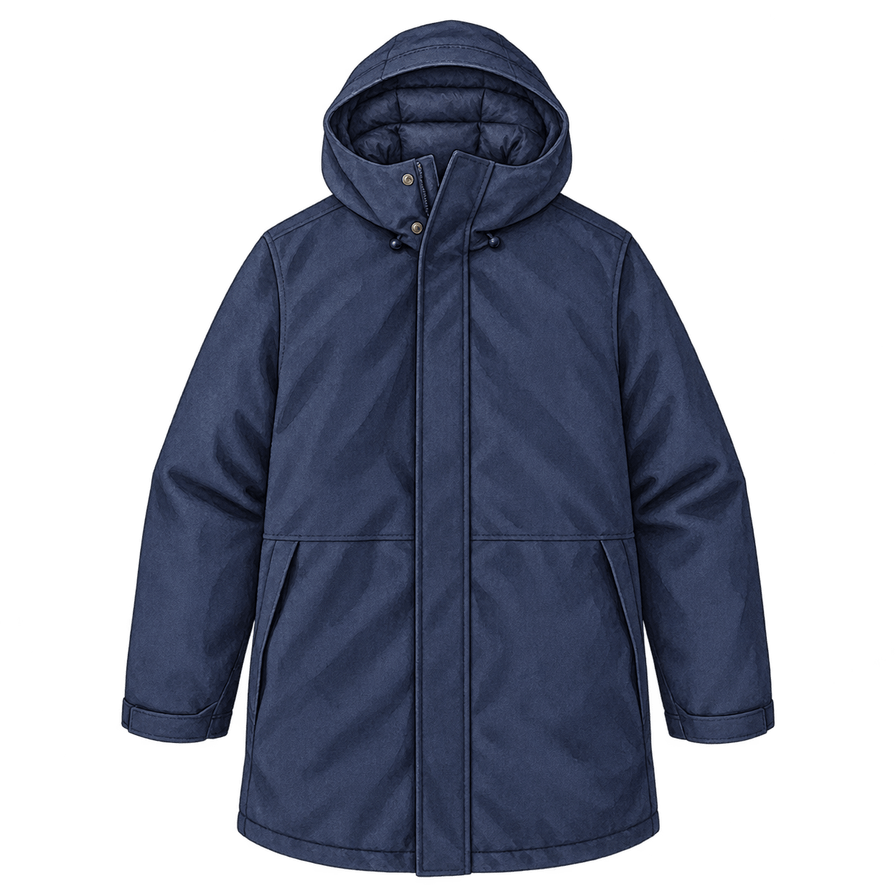 01Deep navy insulated hooded parka, thigh length
One coat has to cover both climates, so it is insulated and waterproof rather than wool. In the city it takes about 13 days of rain, sleet or snow; on the glacier plateau at 2,600 metres it takes the wind, and the hood goes up over the toque. Thigh length covers you on a cold bench at the cogwheel station, and deep navy sets off the cream knit underneath.
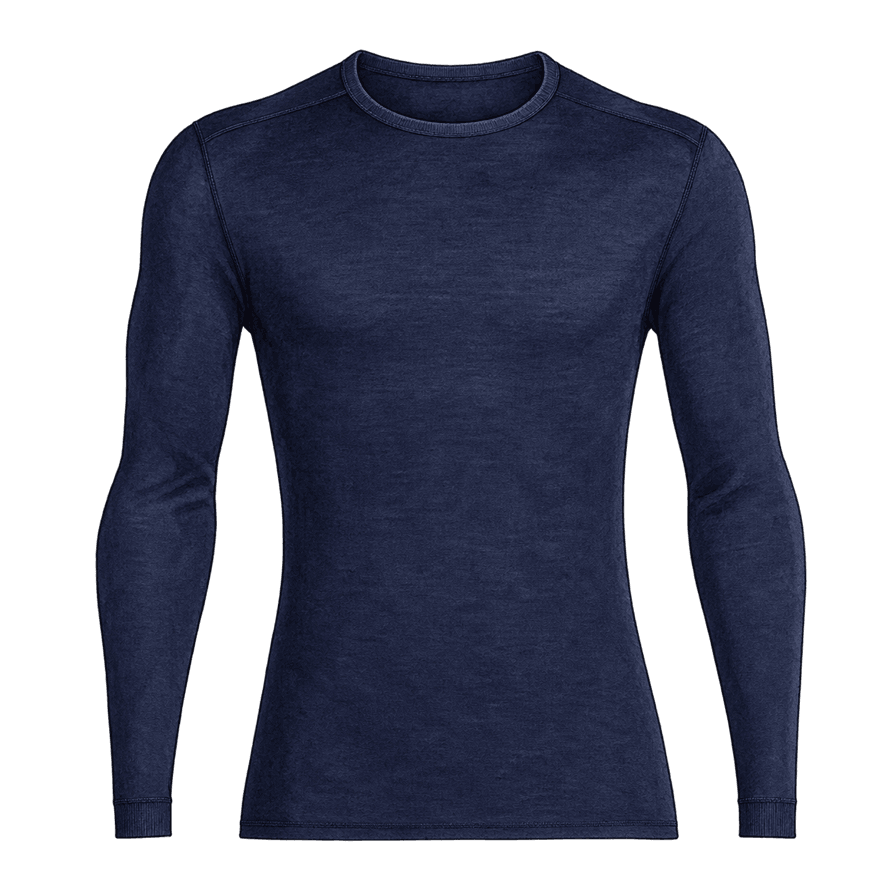 02Navy merino long-sleeve crew
The base does the altitude work. At a summit averaging −10.3°C, merino next to the skin keeps warm when you sweat on the walk from the cogwheel platform, which cotton does not. Back in a Munich Wirtshaus heated to room temperature, the parka and the knit come off and the long-sleeve is enough on its own.
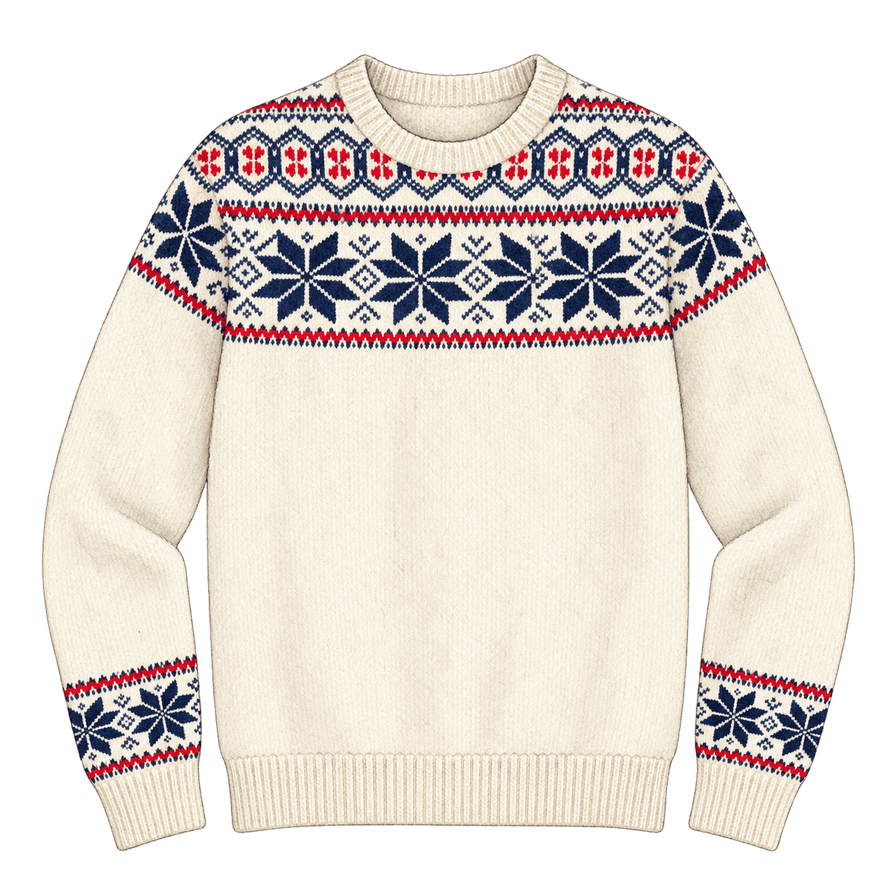 03Cream wool sweater with a navy-and-red Fair Isle yoke
A thick wool crew is the warm middle at both altitudes, and a patterned yoke belongs on a mountain terrace and in a beer hall alike. Cream with a navy and red snowflake band shows under the open navy parka, picks up the navy of the base, and is the one piece in the capsule that says Alpine without being costume.
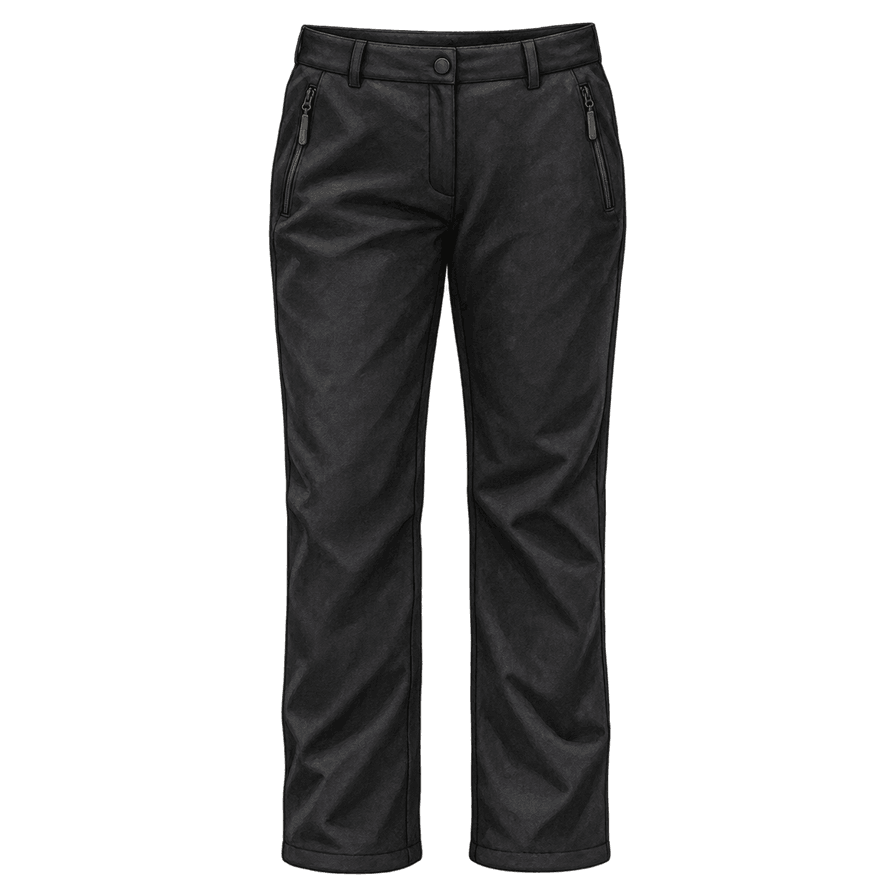 04Black softshell trousers, brushed lining
Denim is the wrong fabric above the snowline: it soaks, then freezes, and at −10.3°C wet cotton stops insulating. A softshell trouser with a brushed lining sheds snow on the Zugspitze plateau, blocks the wind at the summit, and looks like ordinary black trousers at dinner in the Altstadt. A snow cuff inside the hem keeps powder out of the boots.
 05Tan waterproof lug-sole lace-up boots
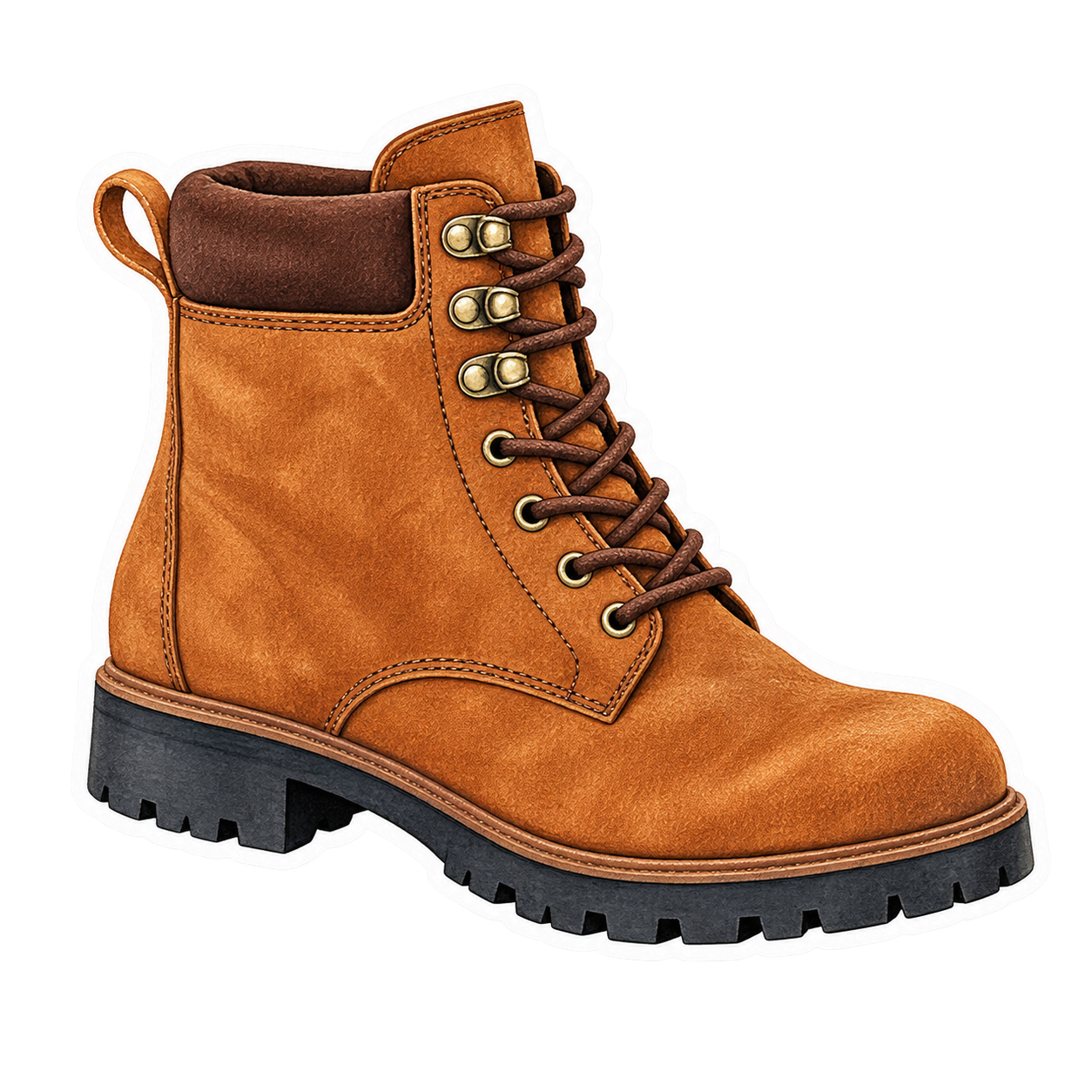
Deutscher Wetterdienst counts about 19 frost days in a Munich January, and the plateau under the Zugspitze is snow all month, so the sole needs real lugs and the upper has to keep water out. Laces pull the boot tight over a wool sock, and the padded collar keeps snow off the ankle. Tan leather reads as a city boot on the Viktualienmarkt, too.
 06Dark wraparound sunglasses with side shields
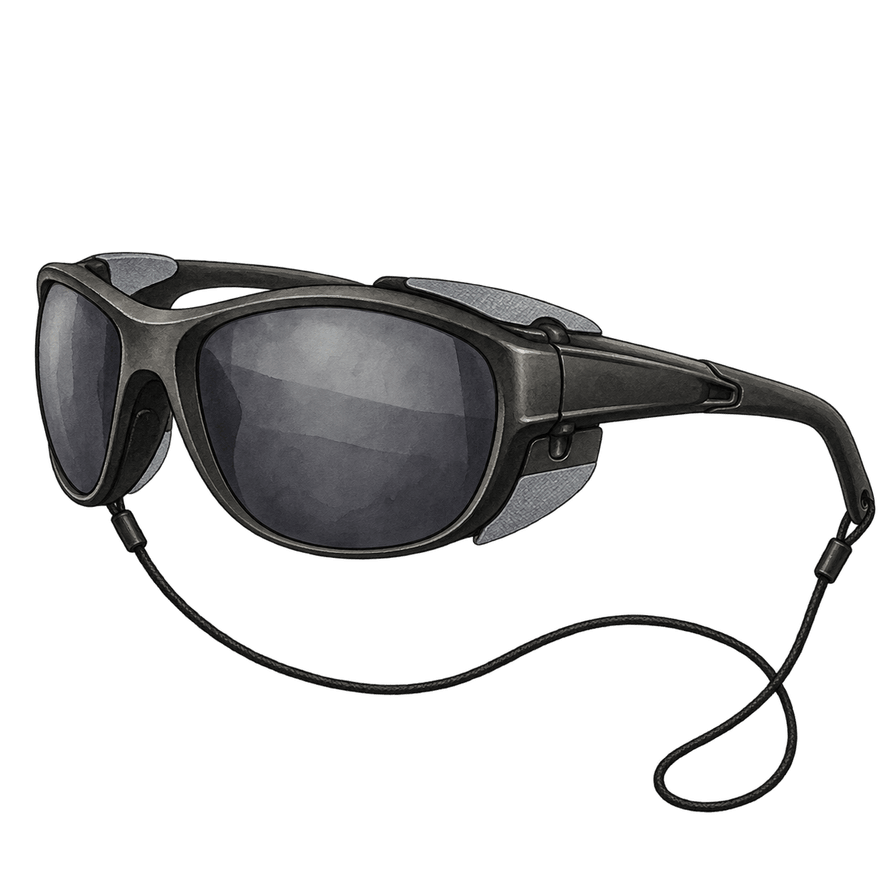
The summit gets almost twice Munich's January sunshine, and the ground throws it back: WHO says fresh snow can reflect up to 80% of incident UV, which is how skiers and climbers get snow blindness. Wraparound frames with dark lenses and side shields block the glare that comes in from below and beside, which a fashion frame leaves open.
 07Tan insulated leather gloves, knit cuff
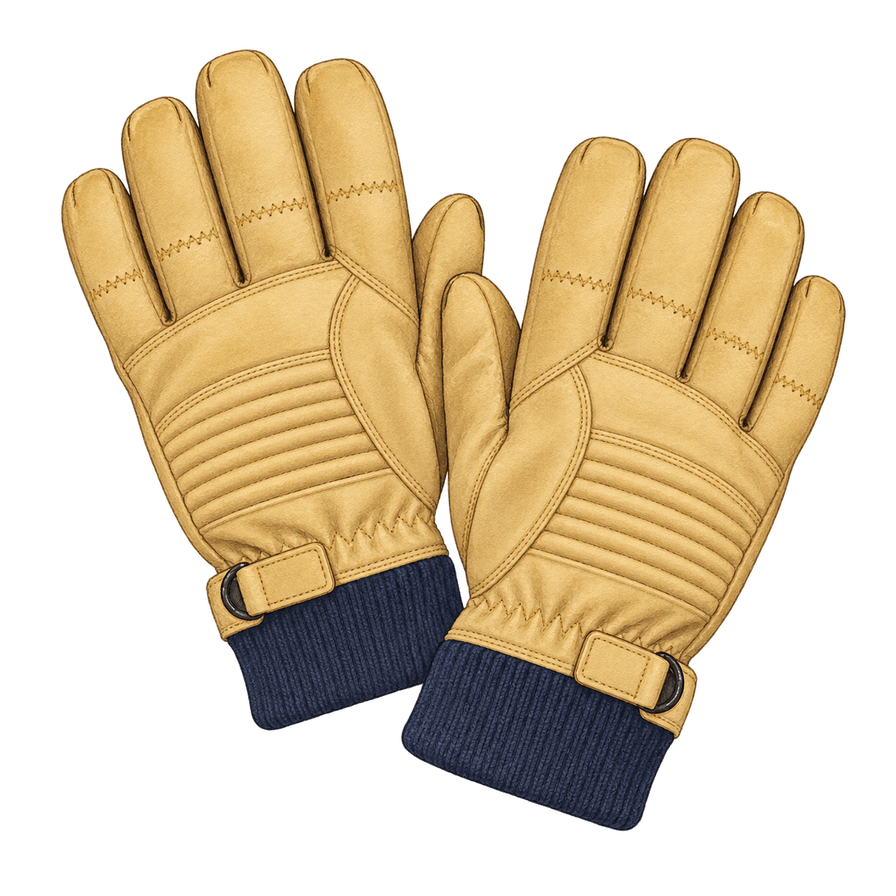
DWD's normals give the Zugspitze about 30 ice days in 31: in January the summit almost never climbs above zero. Padded leather gloves keep your fingers working on a railing, a camera and a zip at that temperature, and a knit cuff tucks under the parka sleeve. They also cover the city's 8 or so ice days on a Munich pavement.
 08Heather-grey ribbed wool toque with a pompom
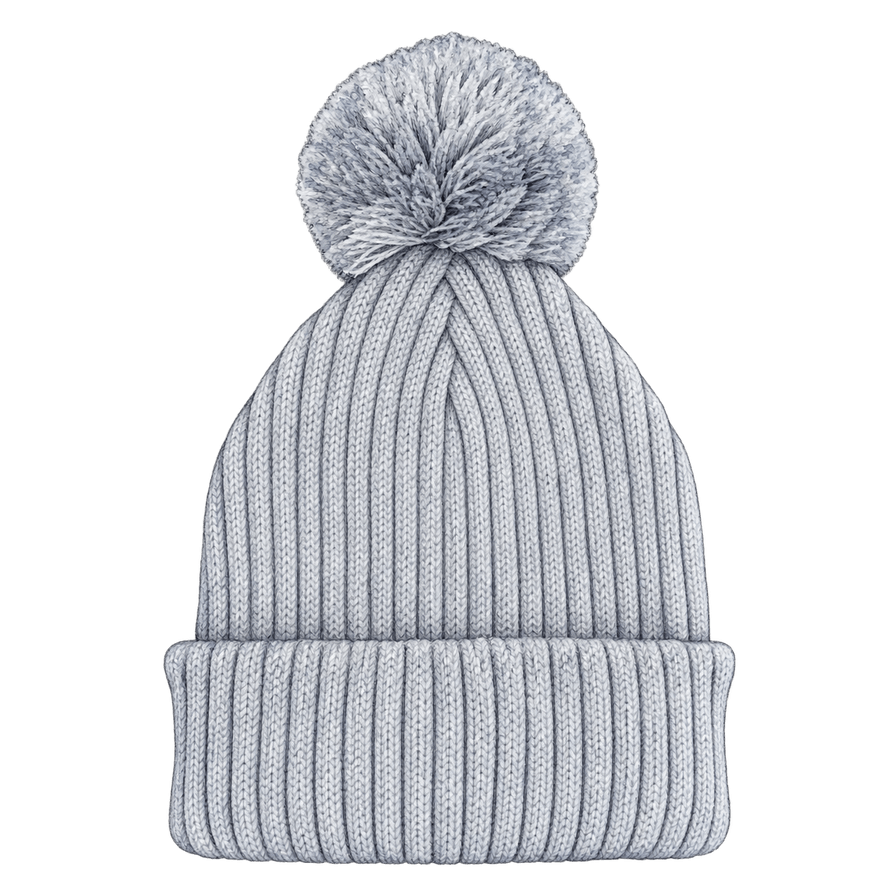
Your head goes cold first at altitude, and a ribbed wool toque with a folded cuff doubles the knit over your ears under the parka hood. It rolls into a pocket in the cogwheel carriage. Grey sits between the navy parka and the cream knit, and the pompom is the one frivolous thing in a hard-working bag.
Day to night
Navy merino base · Fair Isle sweater · softshell trousers · lug-sole boots · navy parka · grey toque · gloves · sunglasses on the toque. An early regional train from München Hauptbahnhof to Garmisch-Partenkirchen, the cogwheel railway from beside the station, and the glacier plateau at 2,600 metres by late morning.
Back in the city after dark, parka and knit off in a Wirtshaus near the Viktualienmarkt, merino long-sleeve and softshell trousers under the table. Sunset in Munich comes at about 4:45pm in mid-January, so the day on the mountain is the day's light.
A suggested look — navy insulated hooded parka, cream fair isle sweater, navy merino base layer, black softshell trousers, tan lug-sole boots.
What to avoid
- Jeans on the Zugspitze — wet denim at −10.3°C stops insulating
- Fashion sunglasses above the snowline — fresh snow reflects up to 80% of UV
- Smooth soles — about 19 frost days in the city
- The Deutschland-Ticket to the summit — it covers only the valley section to Grainau
- Packing only for the grey city — the summit gets almost twice the sun
Frequently asked questions
Cold and mostly grey in the city, colder and sunnier on the mountains. NOAA NCEI's figures for München-Nymphenburg, a station Deutscher Wetterdienst operates, give a January average high of 3.8°C / 39°F and a low of −2.1°C / 28°F, with 51.9mm of precipitation across about 13 days. DWD's own normals for München-Stadt count about 19 frost days, about 8 days that stay below zero and 75 hours of sun, about 2.4 a day. On the Zugspitze DWD records a January mean of −10.3°C and 138 hours of sun. Munich's daylight grows from 8h 25m on 1 January to 9h 25m on the 31st.
A deep navy insulated hooded parka, a navy merino long-sleeve crew, a cream Fair Isle sweater, black softshell trousers, tan waterproof lug-sole boots, dark wraparound sunglasses, insulated leather gloves and a wool toque. That covers a −2°C / 28°F morning in the city, a day on the Zugspitze at −10°C in bright sun, and a Wirtshaus in the evening. Leave the jeans and the fashion sunglasses at home, and pack thick wool socks and sunscreen for the mountain.
Yes, and January is inside the season: the Bayerische Zugspitzbahn expects the Zugspitze ski season to run from 27 November 2026 to 2 May 2027. Regional trains run from Munich to Garmisch-Partenkirchen, and the Zugspitzbahn station sits about 200 metres from the western exit of the Deutsche Bahn station, with the cogwheel railway timed to meet the trains; a combination ticket from München Hauptbahnhof covers train and mountain railway. The glacier plateau is at 2,600 metres, and DWD's summit station averages −10.3°C for January. Wear a merino base, a warm knit, an insulated parka, softshell trousers, lug-sole boots, gloves, a hat and wraparound sunglasses.
Late January, for light, unless you are here for business. Sunset moves from about 4:30pm on 1 January to about 5:10pm on the 31st, and the day grows by an hour. BAU, the building trade fair, takes over Munich from 11 to 15 January 2027, so book hotels early if your dates overlap it. The Zugspitze ski season runs through the whole month, so the mountain day works at either end; early January simply gives you less city daylight around it.
Colder in the city, and the reason to travel moves up the mountain. DWD's normals for München-Stadt count about 19 frost days in January against 17 in December, and about 8 days that stay below zero all day against 5, with a little more sun, 75 hours against 66. Precipitation drops slightly, from 58.5mm to 51.9mm. Our December guide is about snow in the streets and the Christkindlmarkt, and argues for a parka and a boot with depth. January keeps the parka and boots and adds what the summit needs: softshell trousers, gloves built for −10°C and dark wraparound sunglasses.
Mountain clothes worn in the city: a quilted or insulated parka, a wool knit, dark trousers and a lug-sole boot, often bought from shops that also service skis. Sporthaus Schuster, a family business since 1913, still has its flagship on Marienplatz and sharpens edges in its ski service. For the dressier end, Lodenfrey goes back to 1842, when Johann Georg Frey took out a weaving licence in Munich, and its flagship stands on Maffeistraße, a few minutes' walk from Schuster.
Sources
- NOAA NCEI — 1991–2020 climate normals, München-Nymphenburg stationDeutscher Wetterdienst operates the station; NOAA NCEI computed this month's temperatures and wet days from its GM000004199 global-summary-of-the-month record. Frost days, ice days, sunshine and the Zugspitze figures are DWD's own 1991–2020 station normals. Recorded per month because the rest of this city's pages are sourced differently.
- NOAA National Centers for Environmental Information — Climate Data Online — accessed 2026-04-23
- Deutscher Wetterdienst — multi-annual station normals 1991–2020 for München-Stadt, Zugspitze and Garmisch-Partenkirchen (frost days, ice days, sunshine, mean temperature, precipitation) — accessed 2026-09-27
- Bayerische Zugspitzbahn — opening hours and timetables (Zugspitze ski season expected 27 November 2026 – 2 May 2027) — accessed 2026-09-27
- Bayerische Zugspitzbahn — getting here: cogwheel station 200 m from Garmisch-Partenkirchen DB station; Deutschland-Ticket valid only to Grainau — accessed 2026-09-27
- Bayerische Zugspitzbahn — the glacier on the Zugspitze plateau, 2,600 metres — accessed 2026-09-27
- World Health Organization — Radiation: the known health effects of ultraviolet radiation (snow reflects up to 80% of UV) — accessed 2026-09-27
- BAU 2027 — building trade fair, Munich, 11–15 January 2027 — accessed 2026-09-27
- Sporthaus Schuster — family business since 1913, flagship on Marienplatz, ski service — accessed 2026-09-27
- Lodenfrey — History of the Maffeistraße flagship, founded 1842 — accessed 2026-09-26