What to Wear in Barcelona in May
Barcelona in May is the shoulder-season window — 21°C / 70°F, 5 rain days, before the July-August tourist density. The city-plus-beach dual mode is what separates it from Rome.
- Linen midi dress or cotton button-down + tailored trousers — the Mediterranean uniform
- Leather sandals or canvas espadrilles broken in — Gothic Quarter cobblestones defeat new soles
- Cardigan or shirt in the bag — Mediterranean evenings drop 5-7°C / 9-13°F from midday
- Structured leather crossbody worn diagonally — pickpocketing on La Rambla is consistent
- Swimsuit underneath — Barceloneta is 30 minutes by metro from anywhere central
- Sunglasses + SPF — Mediterranean sun reflects sharp off the Eixample limestone
- Don't wear backpacks behind you on La Rambla, the metro, or in El Raval — primary pickpocket target
- Don't wear heavy fabrics — the 21°C / 70°F high feels closer to 25°C / 77°F in the stone-canyon Gothic Quarter at 3pm
- Don't expect dinner before 9pm — Catalans dine 9-11pm, kitchens open at 8 at earliest
May is when Barcelona behaves like the postcard. AEMET data (Barcelona Airport) put afternoon highs at 21°C / 70°F and lows at 13°C / 55°F with about 5 rain days. The city's distinctive challenge is the city-plus-beach mode: a single day can move from the Gothic Quarter's stone-canyon shade to the wide-open sun of Barceloneta to a Carrer Enric Granados rooftop dinner with a Mediterranean breeze pulling temperatures down by 7°C / 45°F after sunset. The capsule has to clear all three. Catalans solve it with linen pieces that move from city to beach without changing register, sandals that walk the Gothic Quarter's narrow medieval streets and the sand of Sant Sebastià beach, and a swimsuit always under whatever else is on. Pickpocketing is real and concentrated: La Rambla, Plaça Reial, and the metro between Liceu and Sagrada Família are documented hotspots, and a small leather crossbody worn diagonally is the local standard.
Barcelona is the only European capital that runs city-plus-beach in a single day — Gothic Quarter at 11am, Barceloneta at 4pm, Eixample rooftop at 9pm. The wardrobe needs to clear all three.
The capsule
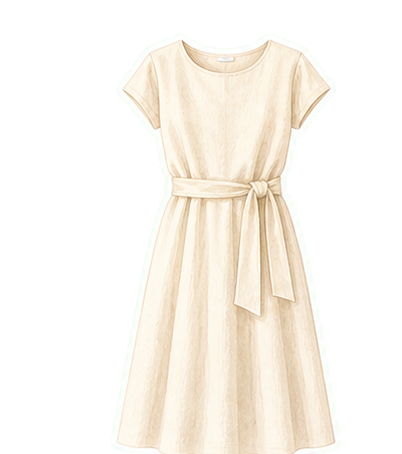 01Linen midi dress or cotton sundress
The single most-worn piece in Barcelona May. Linen breathes through Gothic Quarter heat-trap moments and pairs with sandals at Barceloneta or with espadrilles for evening tapas in El Born. Skip mini lengths if visiting La Sagrada Família or Santa Maria del Mar (modest dress code at religious sites).
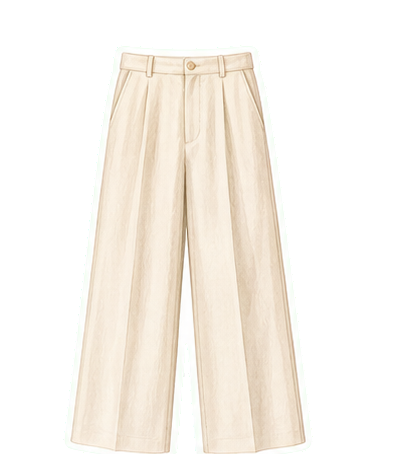 02Tailored cotton or linen wide-leg trousers
When you'd rather not wear a dress. Wide-leg breathes; pair with a tucked white tee for daytime or a silk shell for evening rooftops. Catalan brands Sita Murt, Ailanto, and Mango set the local register; Cos and Massimo Dutti cover the same silhouette at lower price.
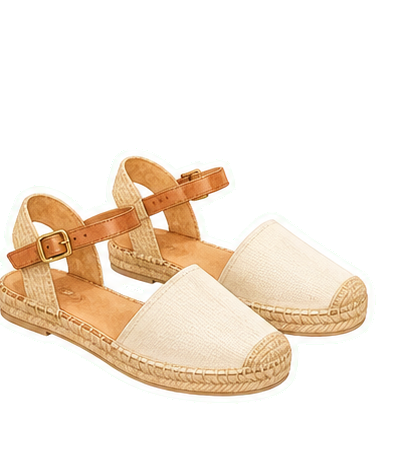 03Leather sandals or canvas espadrilles — broken in
Gothic Quarter cobblestones and El Born's narrow medieval streets defeat new shoes. Espadrilles (Castañer is the heritage Catalan brand, founded 1927; Manebí for the Bilbao tier) read locally for evening; leather sandals (Camper from Mallorca, Birkenstocks) for daytime walking. Skip pure flat thongs after day three — feet swell in stone shade.
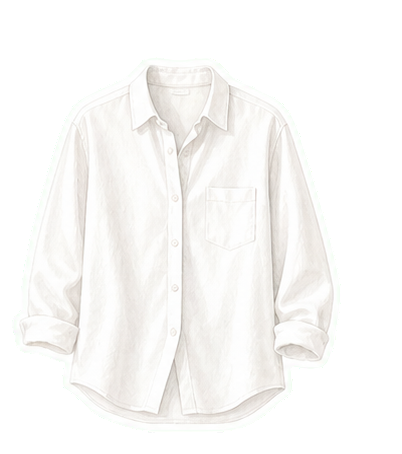 04Cotton button-down or fine knit top
Tucked into trousers for tapas dinners; over a swimsuit at Barceloneta; under a cardigan for Eixample rooftop evenings. White, cream, or the Catalan classic of soft blue stripe. Brands like Sita Murt and Cos hit the mark.
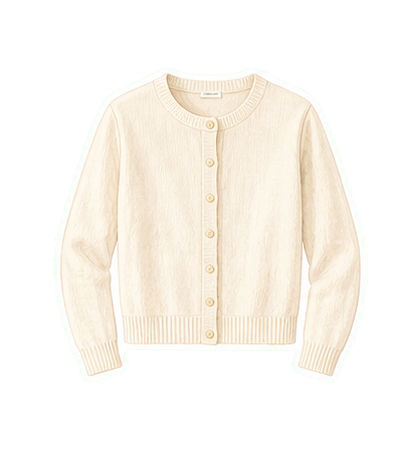 05Light cardigan or unstructured linen shirt
Mediterranean evenings drop 5-7°C / 9-13°F below midday; the wind from the Mediterranean pulls dinner-rooftop temperatures from 21°C / 70°F to 14°C / 57°F in two hours. A thin cashmere cardigan or an oversized linen shirt over the dress is non-negotiable for evenings. Loro Piana for heritage; Cos and Quince at lower price.
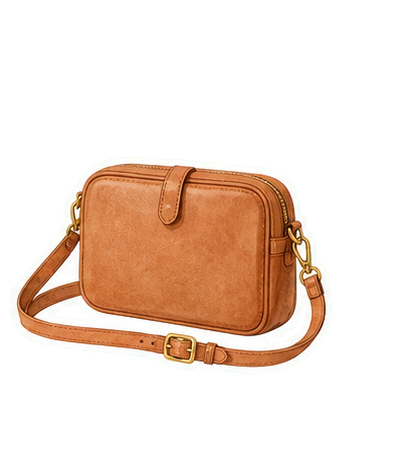 06Structured leather crossbody — small to medium
Pickpocketing on La Rambla, Plaça Reial, and the metro between Liceu and Sagrada Família is real and consistent — Barcelona Mossos d'Esquadra (regional police) reports thousands of cases yearly. A leather crossbody worn diagonally, hand on the bag in crowds, is the local standard. Skip backpacks worn behind, canvas totes, and external pockets that pickpockets can reach in a single motion.
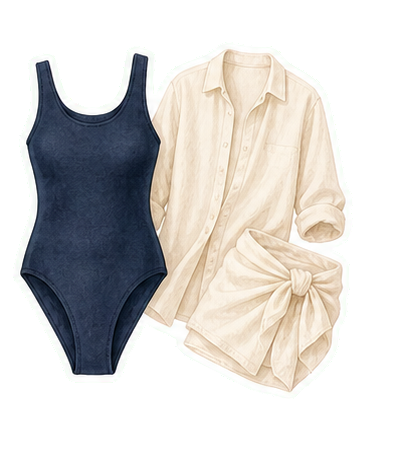 07Swimsuit + cover-up
Barceloneta is 30 minutes by metro (L4 yellow line) from almost anywhere central, and locals routinely move from city to beach in one afternoon. A swimsuit under the dress + a cotton sarong or linen shirt as cover-up clears the dual mode without changing outfit. Cala Bandida, Eres, or Hunza G all make swimsuits that read polished enough to walk to the beach in.
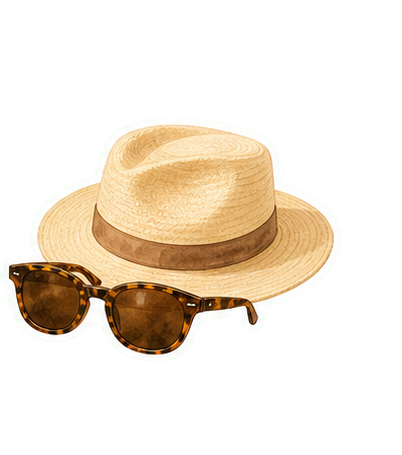 08Oversized sunglasses + sun hat
Mediterranean sun reflects off the Eixample's pale limestone facades; the light is sharper than Northern European at the same temperature. A wide-brim straw hat or fedora and oversized sunglasses round out the daytime look. Catalan heritage: La Manual Alpargatera (also makes hats); contemporary picks: Lack of Color, Ruslan Baginskiy.
Day to night
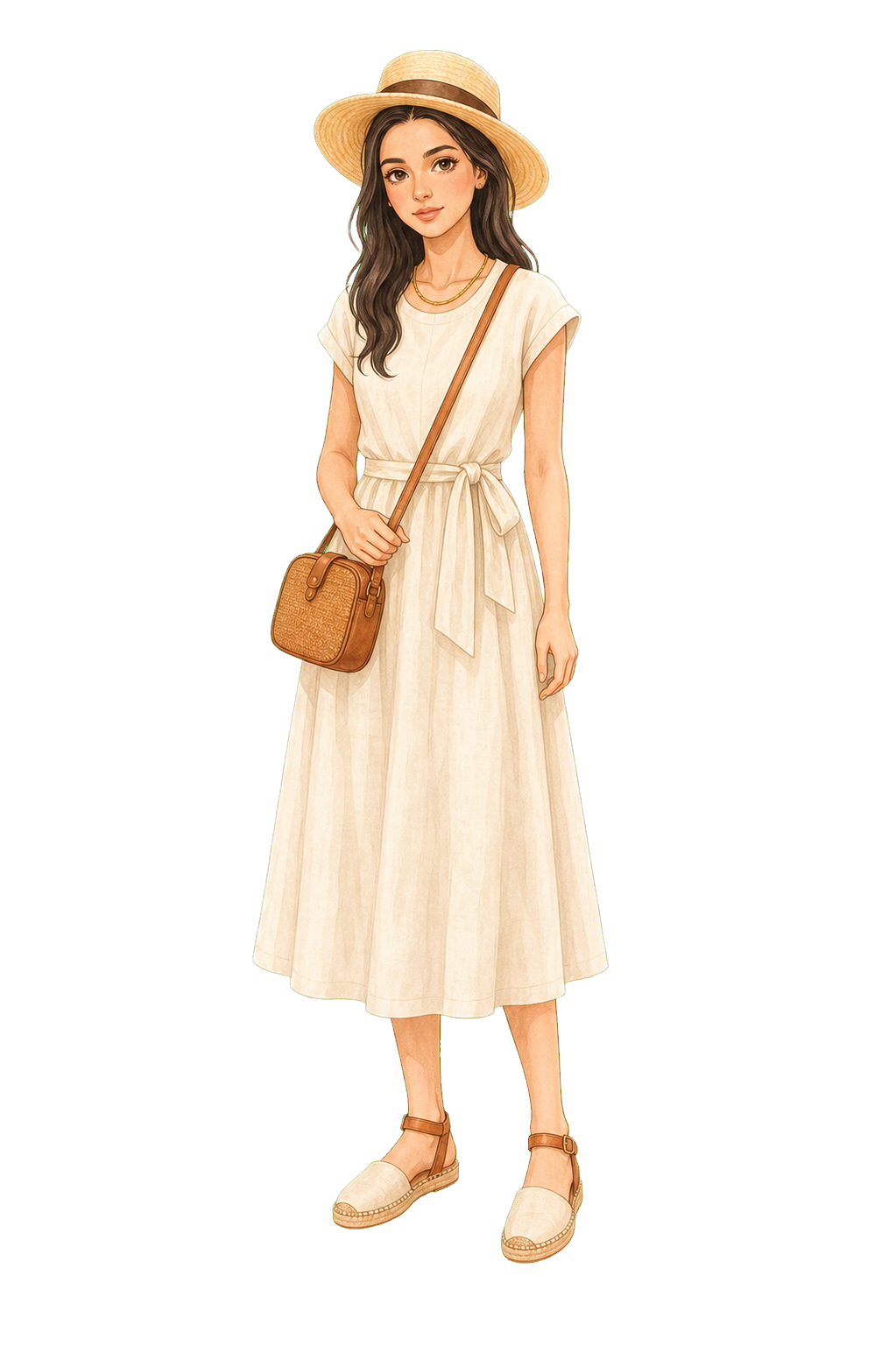
Linen midi dress · espadrilles · sun hat · crossbody. Coffee at Satan's Coffee Corner, walk through Gothic Quarter before tour groups arrive at 11.
Linen trousers · button-down · cardigan over shoulders · sandals or block heels. Tapas at Bar Cañete or Quimet & Quimet at 9pm; rooftop drinks at Hotel Casa Fuster or Mirablau after.
A suggested look — Barcelona May morning look: cream linen midi sundress, tan flat espadrille sandals, natural straw sun hat, small brown leather crossbody worn diagonally; city-to-beach light styling, no backpack.
What to avoid
- Backpacks worn behind on La Rambla, metro, Plaça Reial — documented pickpocket hotspots
- Pure white sneakers — Eixample limestone dust kills them quickly
- Athletic wear or gym sneakers anywhere central — Catalans dress polished daily
- Expecting dinner before 9pm — kitchens open 8-8:30, locals eat 9:30-11
- Casual North American uniform (jeans + tee + cap) — reads polished European here
Frequently asked questions
Per AEMET data (Barcelona Airport): average daily high is 21°C (70°F), low is 13°C (55°F). About 5 rain days totalling 47mm. Mediterranean breeze cools evenings 5-7°C / 9-13°F below midday. May is one of Barcelona's best-weather months alongside September; July and August push humidity higher and tourist density up.
Generally yes for violent crime, but pickpocketing is documented and concentrated. Mossos d'Esquadra (Catalan regional police) and the Guardia Urbana report tens of thousands of pickpocket cases yearly, concentrated on La Rambla, Plaça Reial, the metro between Liceu and Sagrada Família, and at the entrances to major tourist sites. The fix is consistent: small leather crossbody worn diagonally across the body, hand on the bag in crowds, never a backpack worn behind you, and no phone or wallet in back pockets.
Modest — shoulders covered, knees covered. The dress code at La Sagrada Família and Santa Maria del Mar is enforced at the entrance, similar to most Catholic religious sites. The simplest fix: a midi-length dress + a light cardigan or shirt with sleeves, or trousers + a button-down. Bring water and SPF — the queue can run 60-90 minutes in direct sun outside the entrance even with timed tickets.
Yes — and they're a Catalan invention. Espadrilles originated in the Pyrenees and Catalonia in the 13th century; the heritage brand Castañer (founded 1927) is based outside Barcelona and is the supplier to Yves Saint Laurent's first ready-to-wear espadrille (1971) and to Hermès, The Row, and Chanel. Catalans wear flat espadrilles for daytime and wedge espadrilles for evening; tourists wearing them won't read costume. Skip them in rain — wet rope soles mold permanently.
Barceloneta (the closest, busiest, most touristic) for convenience; Bogatell or Mar Bella (one and two metro stops further on L4 yellow line) for cleaner, less-crowded sand and better facilities. Catalan locals favor Bogatell and Mar Bella; Sant Sebastià is the most southern and least crowded of the central beach strip. All are 30-45 minutes from anywhere central by metro. Bring your own towel — the rental ones are overpriced.
Sources
- AEMET Spain — 1981–2010 climate normals, Barcelona Airport stationAEMET has not published a 1991–2020 series for this station, so Barcelona sits on the older baseline while the rest of the site uses 1991–2020.