What to Wear in Reykjavík in May
Reykjavík in May is sub-arctic spring — 10°C / 50°F afternoons, 4°C / 39°F mornings, 19h of daylight, 11 rain days. Wind is the bigger challenge than rain.
- Merino wool base layer — Smartwool, Icebreaker, Icelandic 66°North base
- Lopapeysa (traditional Icelandic wool sweater) — buy local, Álafoss or Handknitting Association of Iceland
- Windproof shell — 66°North (Icelandic outerwear since 1926), Patagonia Houdini for backup
- Waterproof or rubber-soled boots — Hunter, Sorel, Icelandic 66°North boots
- Wool socks always — merino or thicker Icelandic wool
- Hat + scarf — wind chill is real even at 10°C / 50°F
- Don't pack only summer clothes — May is sub-arctic, 4°C / 39°F mornings
- Don't wear cotton as base layer — cotton holds water in Icelandic wet wind
- Don't skip the windproof outer — wind speeds 15-25mph year-round
Reykjavík in May is sub-arctic spring. Veðurstofa Íslands (Icelandic Meteorological Office) data put afternoon highs at 10°C / 50°F and lows at 4°C / 39°F with 11 rain days and 53mm of rainfall. The 19 hours of daylight (sun rises 4am, sets 11pm in late May) is the city's most distinctive May feature. The defining wardrobe item is the *lopapeysa*, the traditional Icelandic wool sweater knitted from the unique double-layered Icelandic sheep wool with a distinctive yoke pattern; the lopapeysa is both daily wear for Icelanders and the most-photographed Reykjavík wardrobe item. Wind is the bigger challenge than rain — Atlantic Gulf Stream warms the air but wind speeds run 15-25mph year-round. The dressing rule: merino base layer (cotton holds water in Icelandic wet wind), lopapeysa or wool sweater for insulation, windproof shell for outer, waterproof boots with rubber soles, wool socks always, hat and scarf for wind chill. Iceland's outerwear brand 66°North (founded 1926) sets the heritage tier; Icewear, Cintamani, and the Handknitting Association of Iceland (Handprjónasamband Íslands) are the local choices.
Reykjavík is the only major capital where summer means a wool sweater. The lopapeysa, the traditional Icelandic yoke-pattern sweater, was developed for Icelandic farmers and is now the city's most-photographed wardrobe item.
The capsule
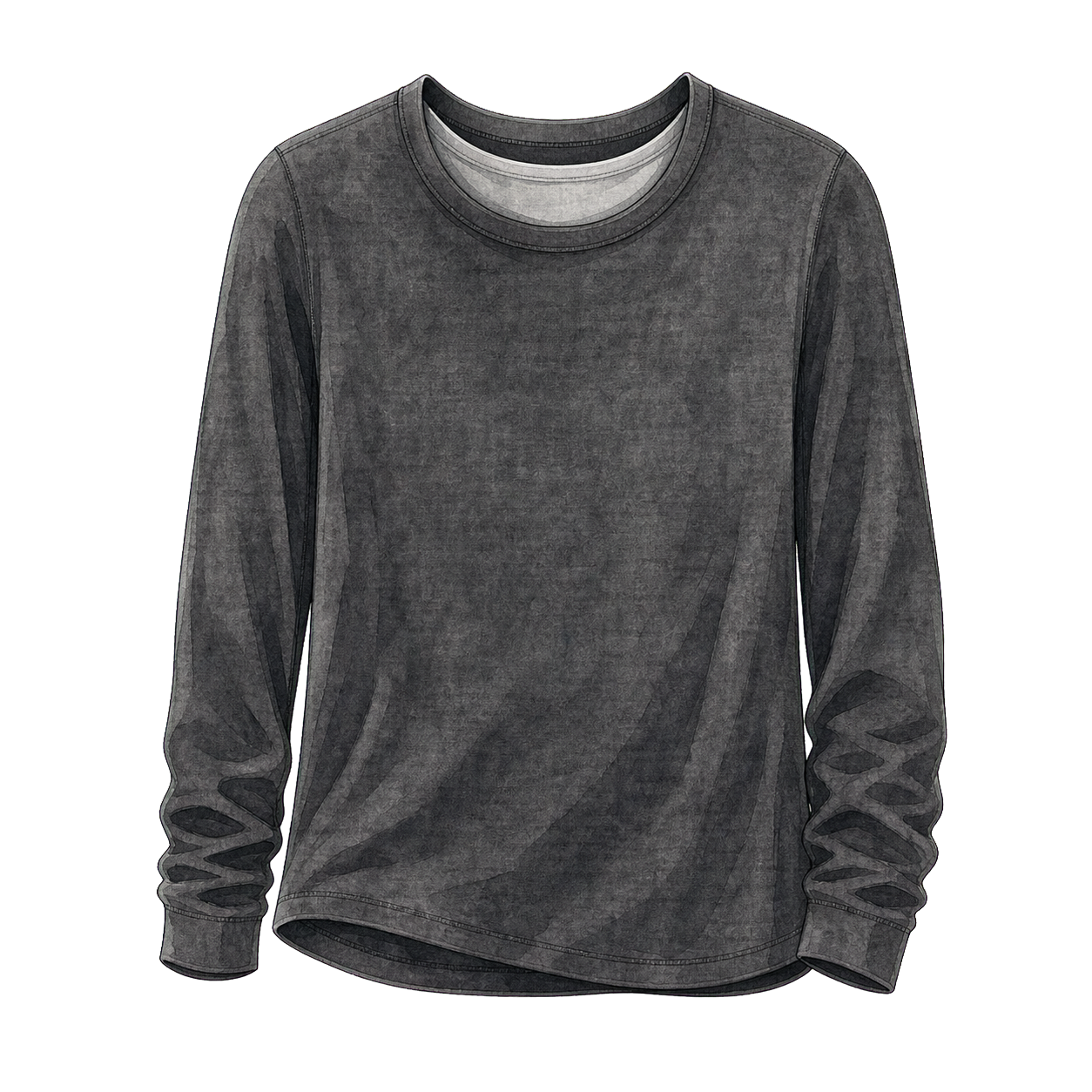 01Merino wool base layer — long-sleeve + tank or shirt
Cotton holds water in Icelandic wet wind. Merino wool wicks moisture, dries faster, and resists odor on multi-day wear. Smartwool, Icebreaker, or Icelandic 66°North base layers all work.
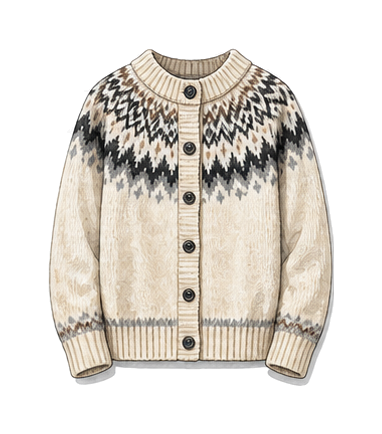 02Lopapeysa (Icelandic wool sweater) or wool cardigan
The traditional Icelandic yoke-pattern sweater knitted from double-layered Icelandic sheep wool. Buy local at Álafoss (founded 1896, the original Icelandic wool mill) or Handknitting Association of Iceland (Handprjónasamband Íslands) for authentic hand-knit. Reads as local; works as the daily insulation layer.
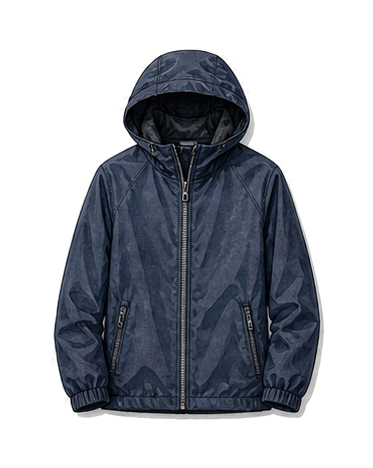 03Windproof shell — 66°North or Patagonia Houdini
Wind is the bigger challenge than rain. 66°North is the Icelandic heritage outerwear brand (founded 1926, originally for Icelandic fishermen); Patagonia Houdini is the international tier. The shell goes over the lopapeysa and stays in the bag the rest of the time.
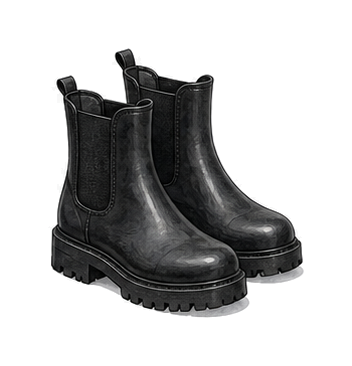 04Waterproof or rubber-soled boots
Icelandic streets are wet, the harbor walks are spray-prone, and excursions outside the city (waterfalls, geothermal areas) require waterproof footwear. Hunter Wellingtons, Sorel boots, or Icelandic 66°North boots all work. Skip leather sneakers as daily wear.
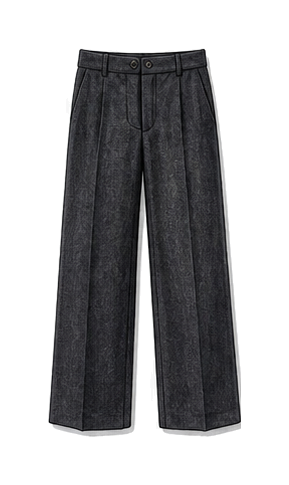 05Tailored straight-cut trousers — wool or cotton-wool blend
Wool blends breathe and insulate. Skip athletic leggings (read tourist) and very thin cotton trousers (cold). Mid-rise to high-waisted stays in place against the Icelandic wind.
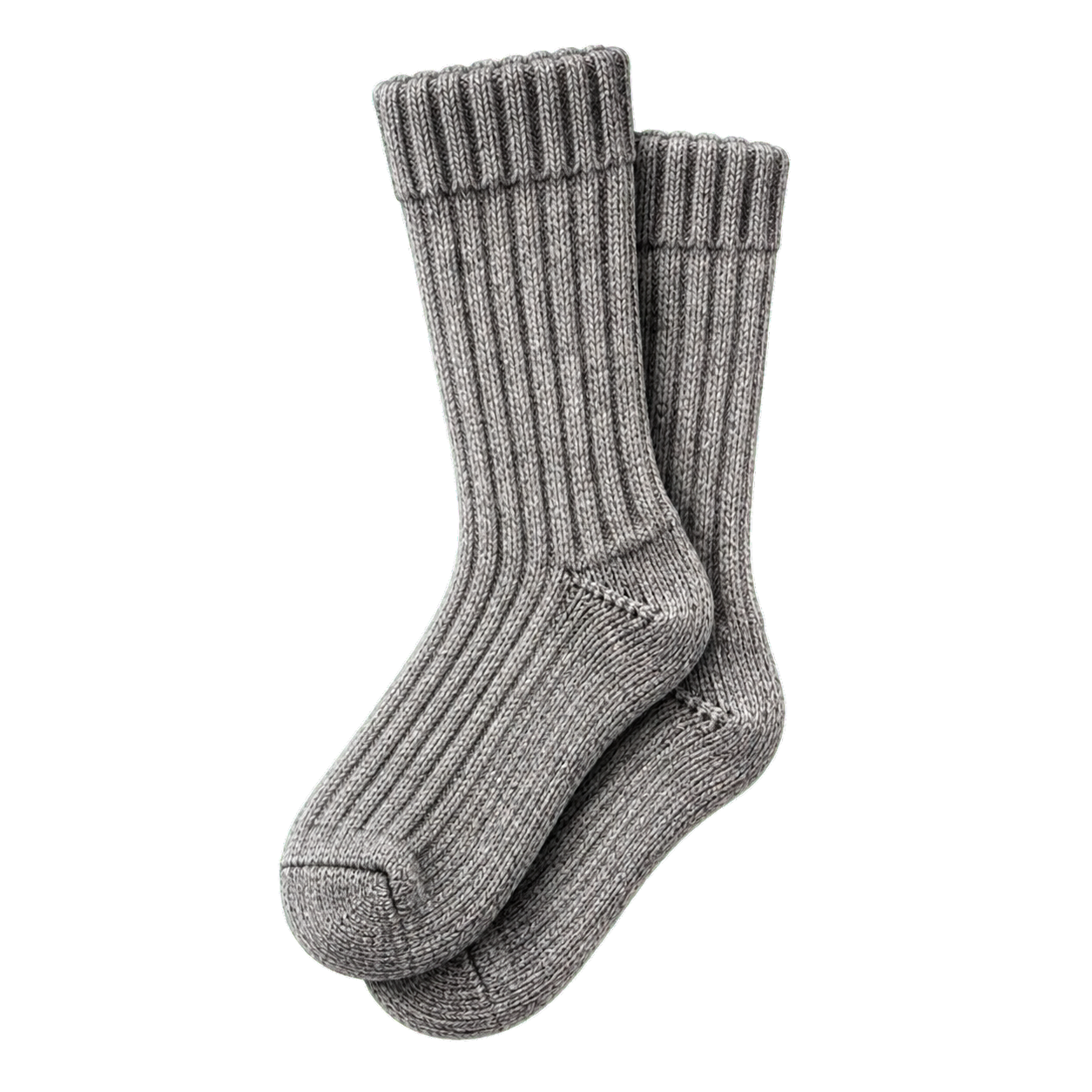 06Wool socks — merino or Icelandic wool
Wool wicks moisture and insulates against the cold. Smartwool, Icebreaker, or Icelandic-wool socks from local outdoor stores. Always pack 2x what you think you'll need; wet socks are the most common comfort failure in Iceland.
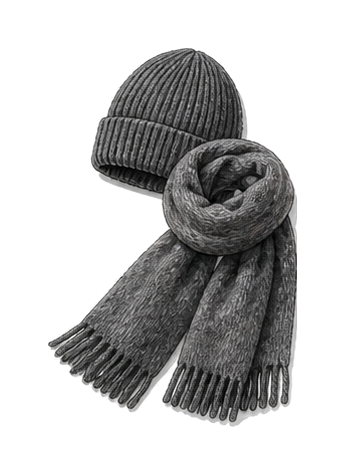 07Wool or fleece hat + scarf
Wind chill at 4-10°C / 39-50°F with 15-25mph wind is significant. A wool beanie + wool or fleece scarf is non-negotiable. Icelandic brands Geysir, Steinunn, or 66°North.
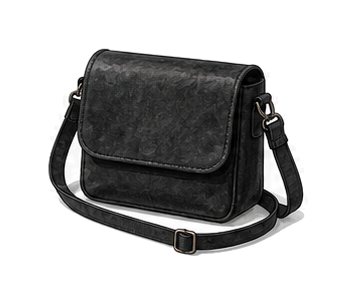 08Crossbody bag with weather-resistant closure
Reykjavík streets stay wet; the bag needs to protect electronics and valuables. Structured leather or treated canvas with closing flap, worn diagonally. Skip soft canvas totes.
Day to night
Merino base · lopapeysa · wool trousers · waterproof boots · wool hat · windproof shell · crossbody. Coffee at Reykjavík Roasters 8am, walk Laugavegur main street 9am, lunch at Sandholt bakery 11am.
Wool trousers · button-down · lopapeysa · waterproof boots. Dinner at Dill (Iceland's Michelin-starred Nordic restaurant) or Matur og Drykkur 8pm; drinks at Slippbarinn rooftop or Lebowski Bar after.
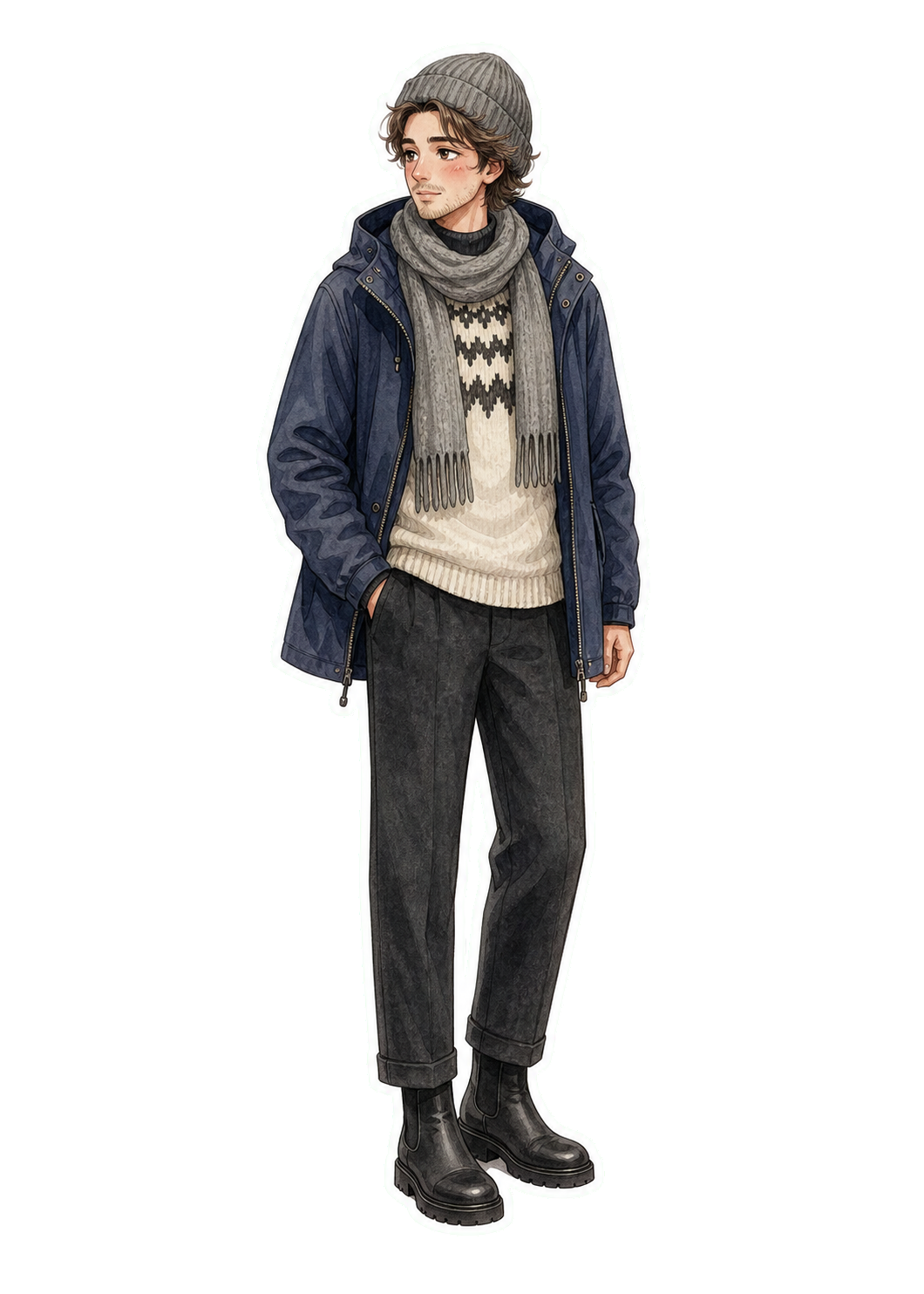
A suggested look — Reykjavik May evening look: merino base, cream-and-black lopapeysa, navy windproof shell, wool trousers, waterproof boots.
What to avoid
- Cotton as base layer — holds water in Icelandic wet wind, chills in minutes
- Leather sneakers as daily wear — wet streets year-round require rubber-soled or waterproof
- Pure athletic wear in Laugavegur or downtown 101 — Reykjavík reads minimalist Nordic
- Thin summer-weight clothing — 4°C / 39°F mornings + 15-25mph wind
- Underestimating wind — wind chill drops perceived temp 5-10°C / 9-18°F below actual
Frequently asked questions
Per Veðurstofa Íslands (Icelandic Meteorological Office): average daily high is 10°C (50°F), low is 4°C (39°F). About 11 rain days totalling 53mm. Daylight: 19 hours (sun rises 4am, sets 11pm in late May). Wind speeds run 15-25mph year-round. The Atlantic Gulf Stream keeps temperatures milder than other sub-arctic locations at the same latitude (Reykjavík is at 64°N, similar to Anchorage), but wind chill is significant.
Lopapeysa is the traditional Icelandic wool sweater knitted from double-layered Icelandic sheep wool with a distinctive yoke pattern (the wool is unique to Icelandic sheep, with both warm inner and water-resistant outer fibers). The pattern is a 1950s development that became the national wardrobe item. Buy local: Álafoss (the original Icelandic wool mill, founded 1896, located in Mosfellsbær 15 minutes from Reykjavík) or Handknitting Association of Iceland (Handprjónasamband Íslands, downtown Laugavegur) for hand-knit; Geysir and 66°North for retail-knit options. Authentic Icelandic lopapeysas have a 'Made in Iceland' tag and use Icelandic wool exclusively; tourist-trap imitations use Chinese acrylic.
Yes — Reykjavík streets are wet year-round (11 rain days in May, more in fall/winter), and any excursion outside the city (Golden Circle waterfalls, Blue Lagoon, geothermal areas) requires waterproof footwear. Hunter Wellingtons, Sorel boots, or Icelandic 66°North boots all work. Leather sneakers as daily wear get punished by the constant wet; reserve them for indoor evening only if at all. Wool socks are non-negotiable; pack 2x what you think you'll need.
Yes — May is one of the best months. Pros: 19 hours of daylight (the famous 'midnight sun' starts in late May), milder temperatures than winter (10°C / 50°F vs December's 1°C / 34°F, still possible to see Northern Lights early in the month, fewer tourists than peak July-August, cherry blossoms in early May. Cons: persistent wind and rain (11 rain days), 4°C / 39°F mornings still cold, some highland roads still closed (Landmannalaugar, Þórsmörk open mid-June). For Reykjavík plus the Golden Circle and Blue Lagoon, May is excellent. For the highlands, wait until late June.
66°North is the heritage Icelandic outerwear brand, founded 1926 originally to produce protective gear for Icelandic fishermen. The name refers to the latitude line that crosses Iceland (66°33' North is the Arctic Circle). The brand makes the city's most-cited windproof shells, waterproof shells, fleeces, and wool layers; flagship store is on Laugavegur in downtown Reykjavík. 66°North reads as authentically local; tourists wearing it won't read costume. Other Icelandic outerwear brands worth considering: Cintamani, Icewear, ZO-ON Iceland.
Sources
- Veðurstofa Íslands — 1991–2020 climate normals