What to Wear in Seoul in May
Seoul in May is pre-Jangma — 24°C / 75°F dry afternoons, 14°C / 57°F mornings, the last comfort window before the late-June monsoon arrives.
- Layered base — tucked tee + tailored trousers + light jacket for 14°C / 57°F mornings
- K-fashion palette — cream, navy, soft beige, charcoal, structured tailoring over loose layering
- Structured sneakers — Adidas Sambas, Nike Killshot, Veja, or Korean brands like Hyle (clean lines preferred over chunky)
- Always a thin layer in the bag — café AC runs 16-18°C / 61-64°F inside, brutal contrast to 24°C / 75°F street
- Compact umbrella by mid-May — rain frequency increases through the month
- Crossbody bag — Hongdae, Itaewon, Myeongdong dense with weekend crowds
- Don't wear loose athleisure — Seoul reads polished, structured, intentional
- Don't wear pure white sneakers — Seoul streets are clean, but the weather shift is coming
- Don't expect dinner before 8pm at recognized Korean restaurants — Korean dining runs 7-10pm
Seoul in May is the comfort window before Jangma. KMA (Korea Meteorological Administration) data put afternoon highs at 24°C / 75°F and lows at 14°C / 57°F with 7 rain days. The dry warmth is the city at its most photographed: cherry blossoms have ended (April), the air is cleanest in May before the monsoon humidity, and the temperature swing of 10°C / 18°F means a layered base (tee + jacket + trousers) is the daily standard. Korean style favors precision: clean color blocking, structured tailoring, sneakers selected with care, intentional accessorizing — the opposite of West Coast California casual. The dressing register shifts neighborhood-to-neighborhood: Hannam-dong runs quiet luxury and minimal silhouettes (cream, navy, charcoal), Seongsu reads industrial-creative streetwear, Gangnam is polished K-fashion magazine, Hongdae is loud youth culture and bold silhouettes. Tourists who dress thoughtfully read as locals; tourists in athleisure and gym sneakers read as American visitors immediately. Café AC is unusually aggressive (16-18°C / 61-64°F inside many specialty coffee shops), and a thin layer is the daily standard.
Seoul moves block-to-block in style codes the way Tokyo does — Hannam-dong is quiet luxury, Seongsu is industrial-creative, Gangnam reads K-fashion magazine, Hongdae is loud youth culture. The wardrobe needs to read where you're going.
The capsule
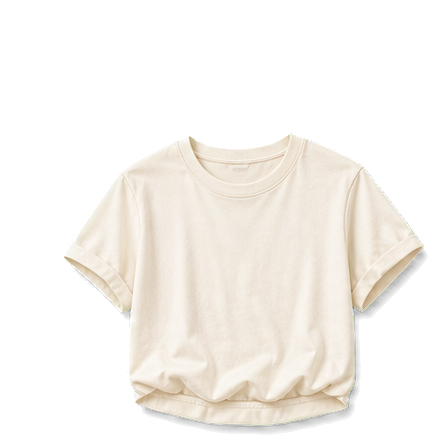 01Tucked white or cream tee + tailored trousers
The Seoul minimalist uniform. Korean brands like Daniel Andresen, COS Korea, or Solid Homme set the local register. White or cream tee tucked into wide-leg navy or beige trousers is the Hannam-dong default; pair with a structured blazer for evening at recognized restaurants like Mingles or Kwon Sook Soo.
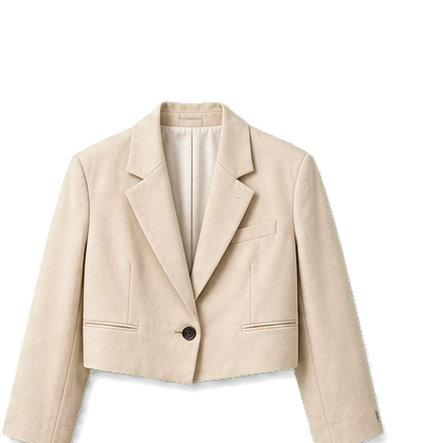 02Light jacket — denim, cropped blazer, or trench
14°C / 57°F mornings + AC pauses. A denim jacket reads casual Hongdae; a structured cropped blazer (the K-fashion uniform) reads Hannam or Gangnam; a light trench works for the late-May rain frequency. Korean brands Andersson Bell, Wooyoungmi, Solid Homme set the menswear tier; LIE, Eenk for womenswear.
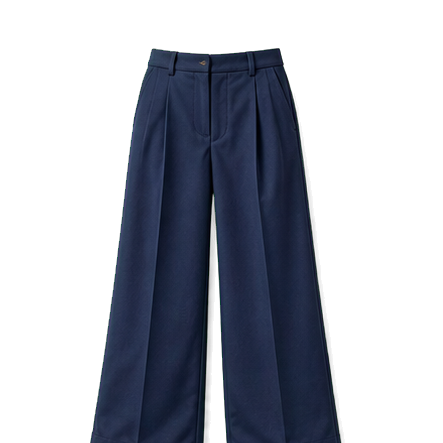 03Wide-leg or straight-cut tailored trousers
Cream, oat, navy, charcoal — the Korean palette. Wide-leg breathes through 24°C / 75°F and reads polished; straight-cut is the alternative if more structured. Skip skinny — they read 2010s in 2026 Seoul.
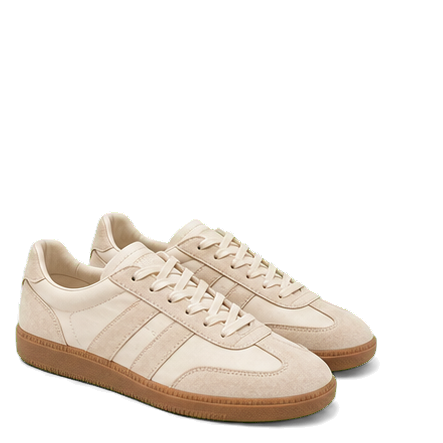 04Structured sneakers — Adidas Sambas, Nike Killshot, Veja, Hyle
Clean-line sneakers over chunky 'dad shoe' silhouettes. Adidas Sambas are the universal current Seoul uniform (cream, brown, or black leather); Nike Killshot 2 is the second-most-cited; Veja Esplar is the European-tier reference; Hyle (Korean brand, sustainable suede) is the local choice. Skip pure white sneakers as they age fast in monsoon-pre season; brown or beige reads sharper.
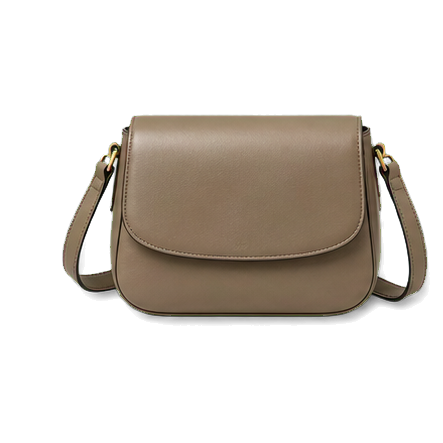 05Structured crossbody bag — leather or canvas
Hongdae, Itaewon, and Myeongdong weekend crowd density compresses; a structured crossbody bag worn diagonally is the Seoul standard. Korean brands MARGE SHERWOOD and OSOI for local; Mansur Gavriel, COS for international. Skip soft canvas totes for evening; structured silhouettes read intentional.
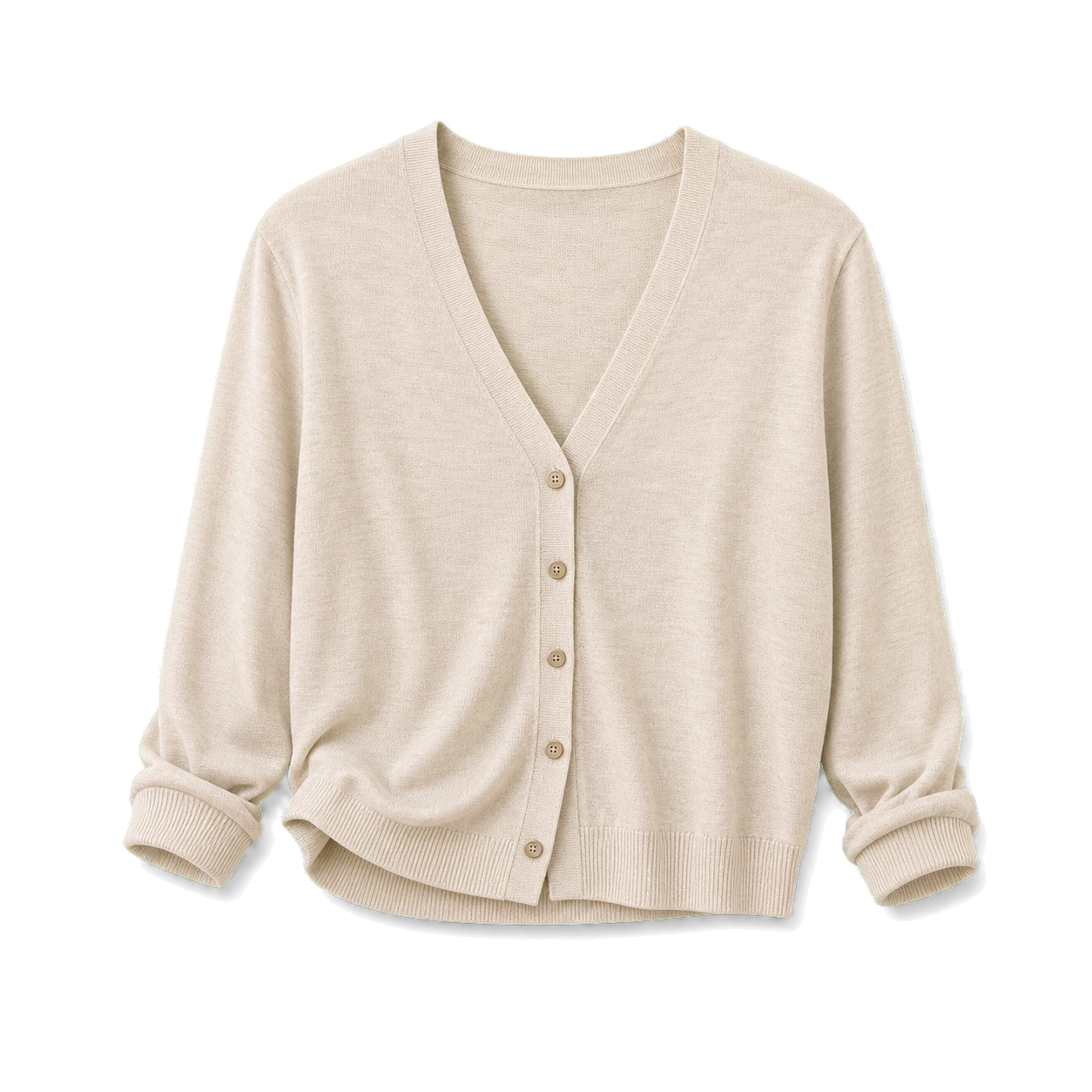 06Thin cardigan or oversized cotton shirt
Seoul café AC at 16-18°C / 61-64°F is unusually aggressive — a thin cashmere cardigan or oversized cotton shirt rolled in the bag is the daily standard. Korean brands Recto, Andersson Bell for the contemporary tier; Loro Piana, Cos for international.
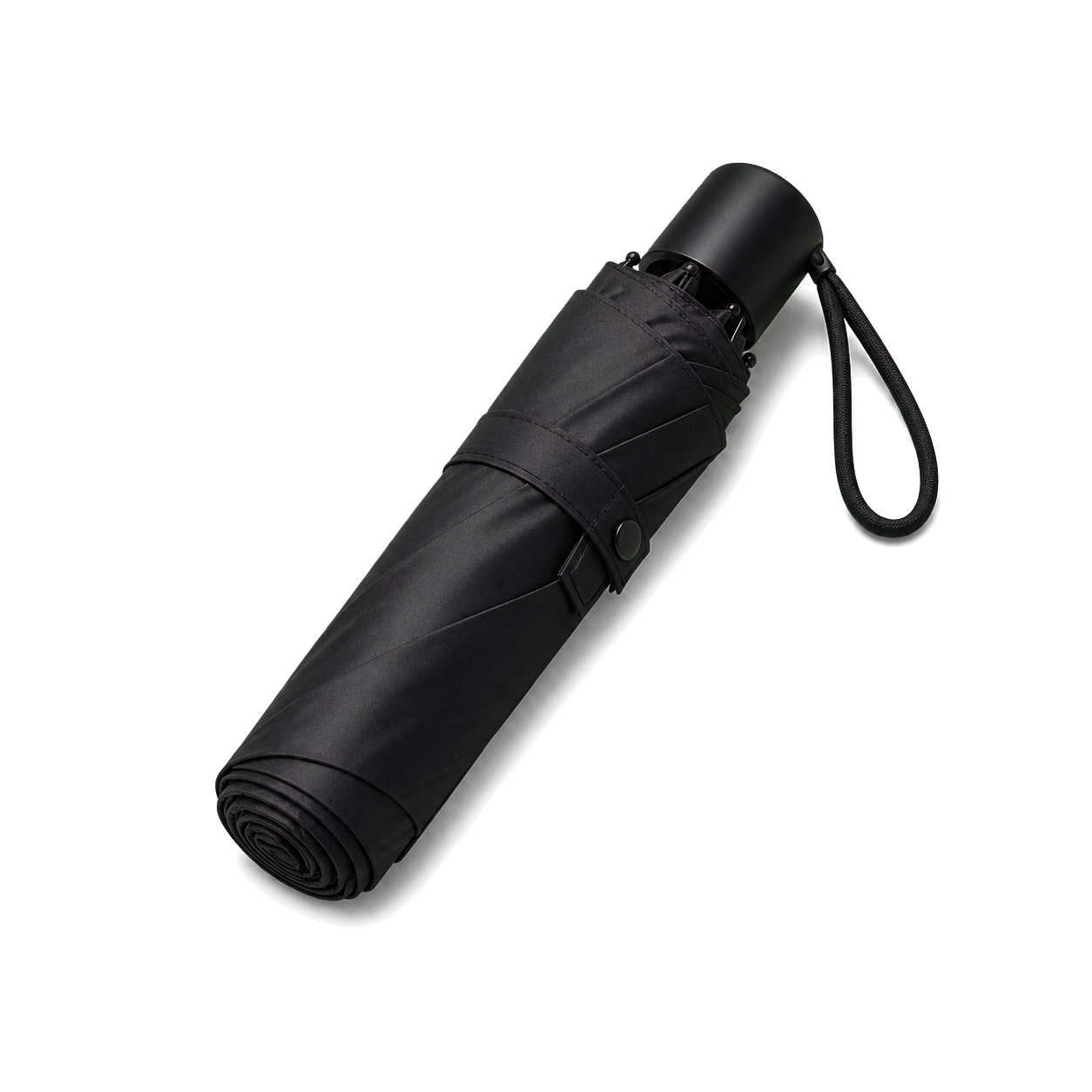 07Compact umbrella — by mid-May
Rain frequency increases through May as the city moves toward the late-June Jangma onset. A compact umbrella in the bag is the daily addition by mid-May.
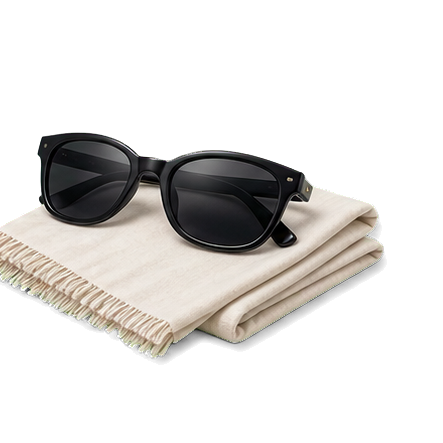 08Sunglasses + SPF + light scarf
Korean SPF use is universal — most Korean drugstore SPF (Beauty of Joseon, Innisfree, Etude House) is excellent and lighter than Western SPF. Oversized sunglasses (Korean brand Gentle Monster sets the contemporary register; Ray-Ban for heritage) round out the look.
Day to night
Tucked tee · tailored trousers · light jacket · structured sneakers · crossbody. Coffee at Fritz Coffee 8am, walk Hannam-dong design district 10am, brunch at Café Onion Anguk 11am.
Tailored trousers · cropped blazer · button-down · polished sneakers or low loafers. Korean dinner at Mingles or Hadongkwan 8pm; cocktails at Le Chamber or Charles H after.
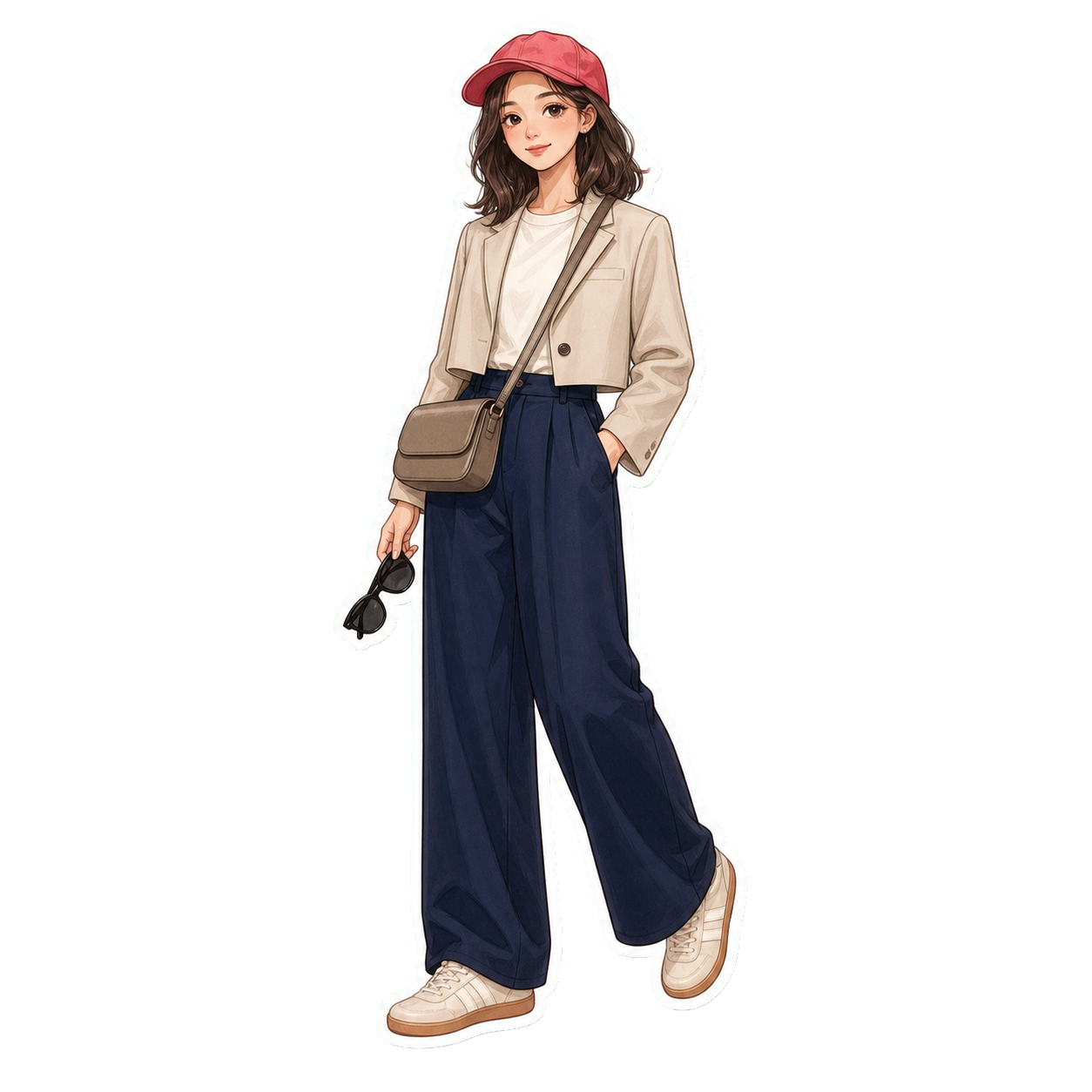
A suggested look — cream tee, navy wide-leg trousers, cropped beige blazer, beige structured sneakers, taupe crossbody.
What to avoid
- Loose athleisure or California casual — Seoul reads polished and structured
- Pure white sneakers in monsoon-pre season — brown or beige are more practical
- Heavy fabrics or all-black in midday — 24°C / 75°F + 60-70% humidity calls for lighter
- Backpacks worn behind on subway in Itaewon, Hongdae, Myeongdong — crowd compression
- Dinner before 8pm — Korean dining runs 7-10pm
Frequently asked questions
Per KMA (Korea Meteorological Administration): average daily high is 24°C (75°F), low is 14°C (57°F). About 7 rain days totalling 104mm. Pre-Jangma (Korean monsoon) dry warmth — the comfort window before the late-June rainy season arrives. Daylight: 14 hours. May is one of Seoul's best-weather months alongside September; the temperature swing of 10°C / 18°F between morning and afternoon is the daily dressing problem.
Korean fashion (K-fashion) favors precision: clean color blocking, structured tailoring, intentional accessorizing, sneakers selected with care over fashion statements. Seoul differs from Tokyo (Tokyo runs more individual subculture and architectural silhouettes) and Hong Kong (Hong Kong runs more luxury statement). Seoul is closer to Copenhagen in its quiet-luxury tendencies, with a stronger emphasis on monochrome palettes and supportive footwear. The Hannam-dong neighborhood is the quiet-luxury reference; Seongsu is industrial-creative; Gangnam is K-fashion magazine; Hongdae is loud youth culture.
Adidas Sambas (the dominant current sneaker across Hannam, Seongsu, Gangnam), Nike Killshot 2 (the second-most-cited), Veja Esplar (European reference), and Hyle (Korean sustainable brand). The current preference is clean-line silhouettes in cream, brown, or black leather over chunky 'dad shoe' silhouettes that peaked in 2018-2022. White sneakers are still common but skew brown-beige in 2026 Seoul. New Balance 990v6 is the running-shoe-as-fashion option.
Unusually aggressive — most specialty coffee shops, restaurants, and shopping centers run AC at 16-18°C / 61-64°F inside, regardless of street temperature. The contrast from 24°C / 75°F outside is enough to chill within ten minutes. A thin cardigan, oversized cotton shirt, or light cropped blazer rolled into the bag is the Seoul daily standard. The aggressive AC is a cultural preference — Korean cafés are designed for long studying or working sessions and the cool temperature is part of the design.
Smart casual — tailored trousers + tucked button-down + polished shoes (sneakers or loafers, both acceptable), or a midi dress. Recognized Korean restaurants like Mingles, Kwon Sook Soo, Hadongkwan run a polished register similar to European fine dining; athleisure and gym sneakers read American tourist immediately. Some traditional Korean restaurants (especially in Insadong) require shoes-off entry — wear easily removable shoes if visiting traditional venues.
Sources
- Korea Meteorological Administration — 1991–2020 climate normals