What to Wear in Marrakech in May
Marrakech in May is desert-edge spring — 29°C / 84°F afternoons, 15°C / 59°F mornings, only 2 rain days. The pre-summer heat window before peak July-August.
- Lightweight cotton or linen — white, cream, sand, soft sage
- Modest cuts — medina respect, knees/shoulders covered preferred
- Comfortable walking sandals broken in — Italian leather or local babouches
- Sun hat + SPF — Moroccan sun is sharp
- Crossbody bag — Jemaa el-Fnaa and souk pickpocketing documented
- Light scarf or shawl — for cool desert evenings (15°C / 59°F lows)
- Don't wear synthetic in 29°C / 84°F dry heat — overheating risk
- Don't expect Mediterranean humidity — Marrakech is desert-edge dry
- Don't wear shoulder/knee-exposed clothing in the medina or near religious sites
Marrakech in May is desert-edge spring. Direction de la Météorologie Nationale (Maroc Météo) data put afternoon highs at 29°C / 84°F and lows at 15°C / 59°F with only 2 rain days. The dryness is the defining climate feature — humidity sits at 30-40% (significantly drier than Mediterranean cities), and the temperature swing of 14°C / 25°F between morning and afternoon is the wider than any Mediterranean city. The dressing rule: lightweight cotton or linen in light colors (white, cream, sand, soft sage — pale colors reflect the Moroccan sun better than dark), modest cuts (the medina respects modesty year-round; non-Muslims cannot enter Moroccan mosques but the Koutoubia Mosque exterior plaza requires knees and shoulders covered as a sign of respect), comfortable walking sandals broken in (the medina's cobblestone alleys are narrow and uneven), sun hat + SPF non-negotiable. The medina (the old walled city) houses the Jemaa el-Fnaa main square, the Koutoubia Mosque, the souks (covered markets), and most riad accommodations; pickpocketing is documented. Gueliz (the New Town, French colonial-era) runs contemporary international; Hivernage is luxury hotels and palms.
Marrakech is desert-edge — 29°C / 84°F dry afternoons, 15°C / 59°F clear-sky mornings, the Atlas Mountains visible to the south, the Sahara two days drive south, the Moroccan sun unfiltered.
The capsule
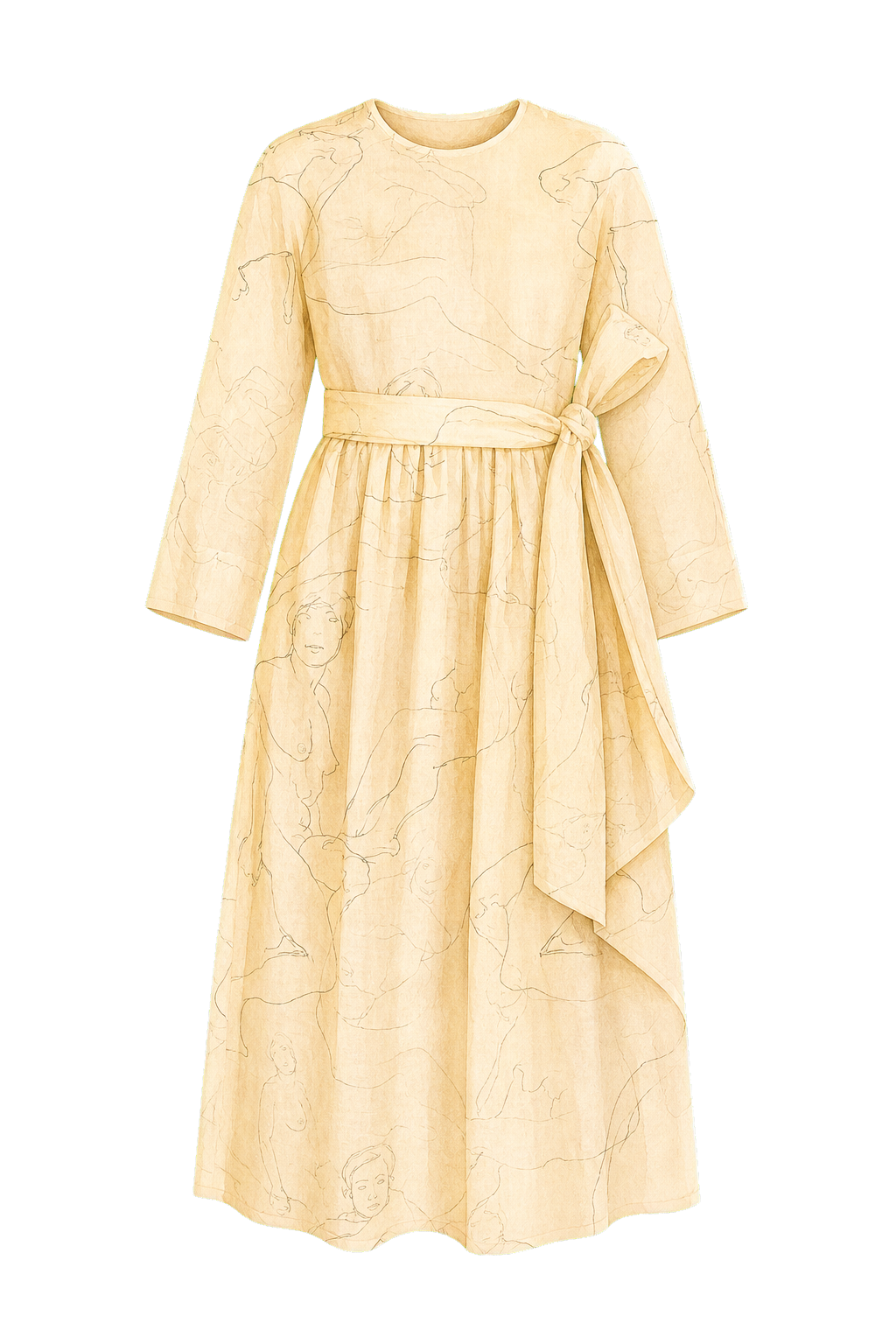 01Lightweight cotton kaftan or linen midi dress
Modest, breathable, locally read. The kaftan is Moroccan heritage; light midi dresses also work.
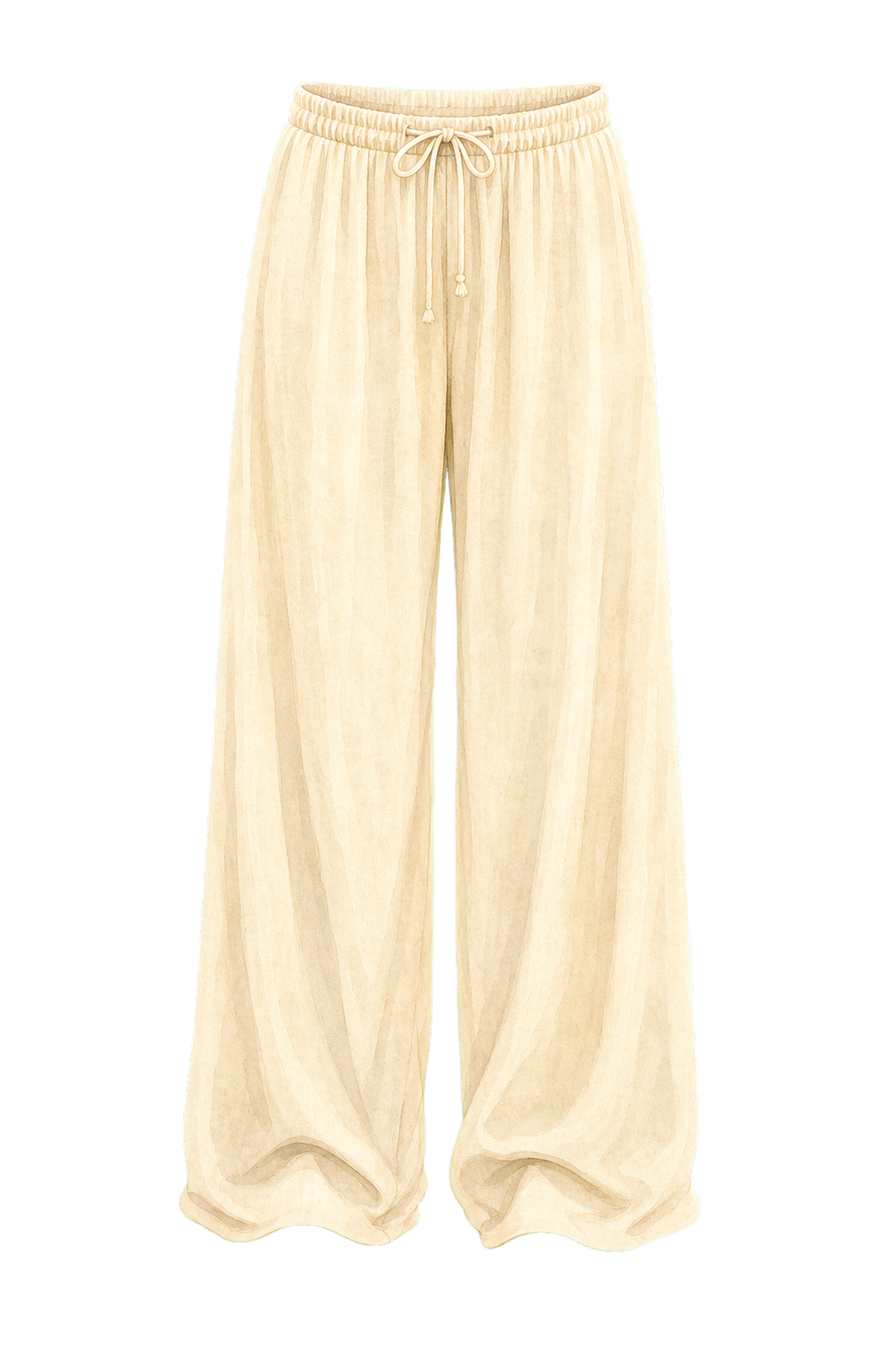 02Wide-leg linen trousers — cream, sand, white
Breathe through dry desert heat; pair with tucked button-down for evening.
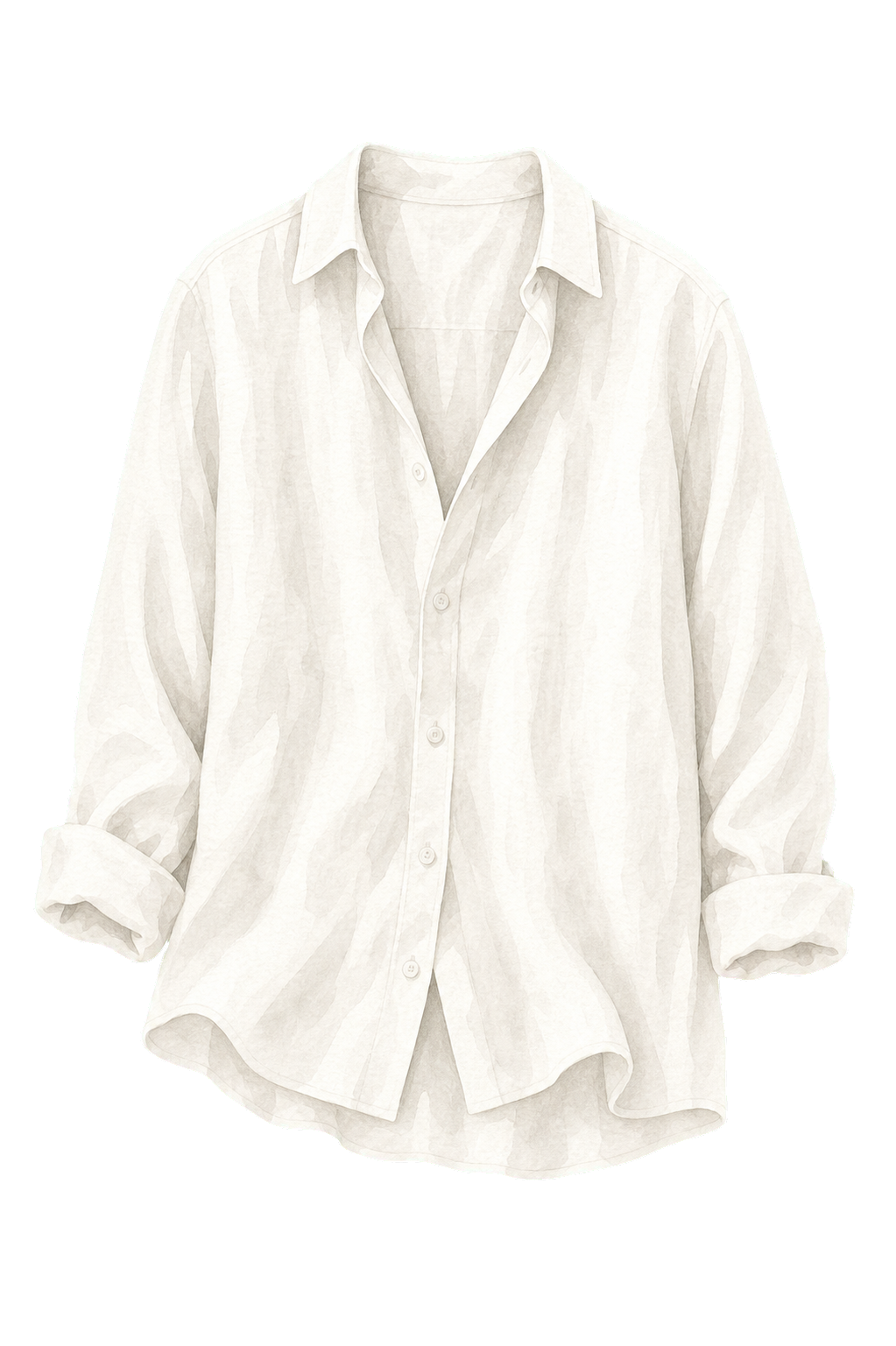 03Cotton or linen button-down — white, cream, soft stripe
Tucked into trousers for evening; over a tank for daytime medina walking.
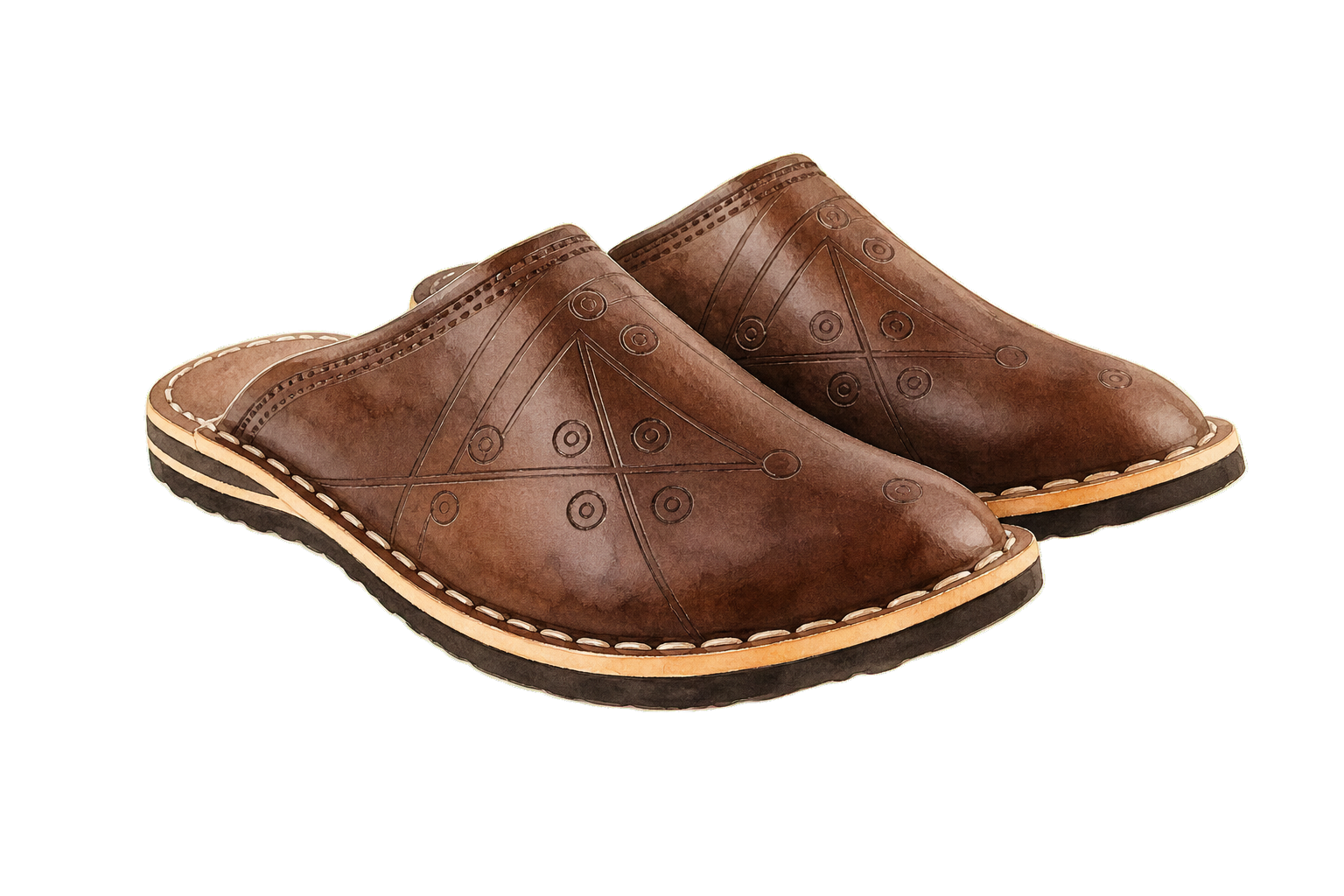 04Comfortable walking sandals — Italian leather or local babouches
Babouches are the traditional Moroccan slip-on leather sandal; supportive Italian (Tod's, Birkenstocks) work too. Skip pure flat thongs after day three — feet swell in heat.
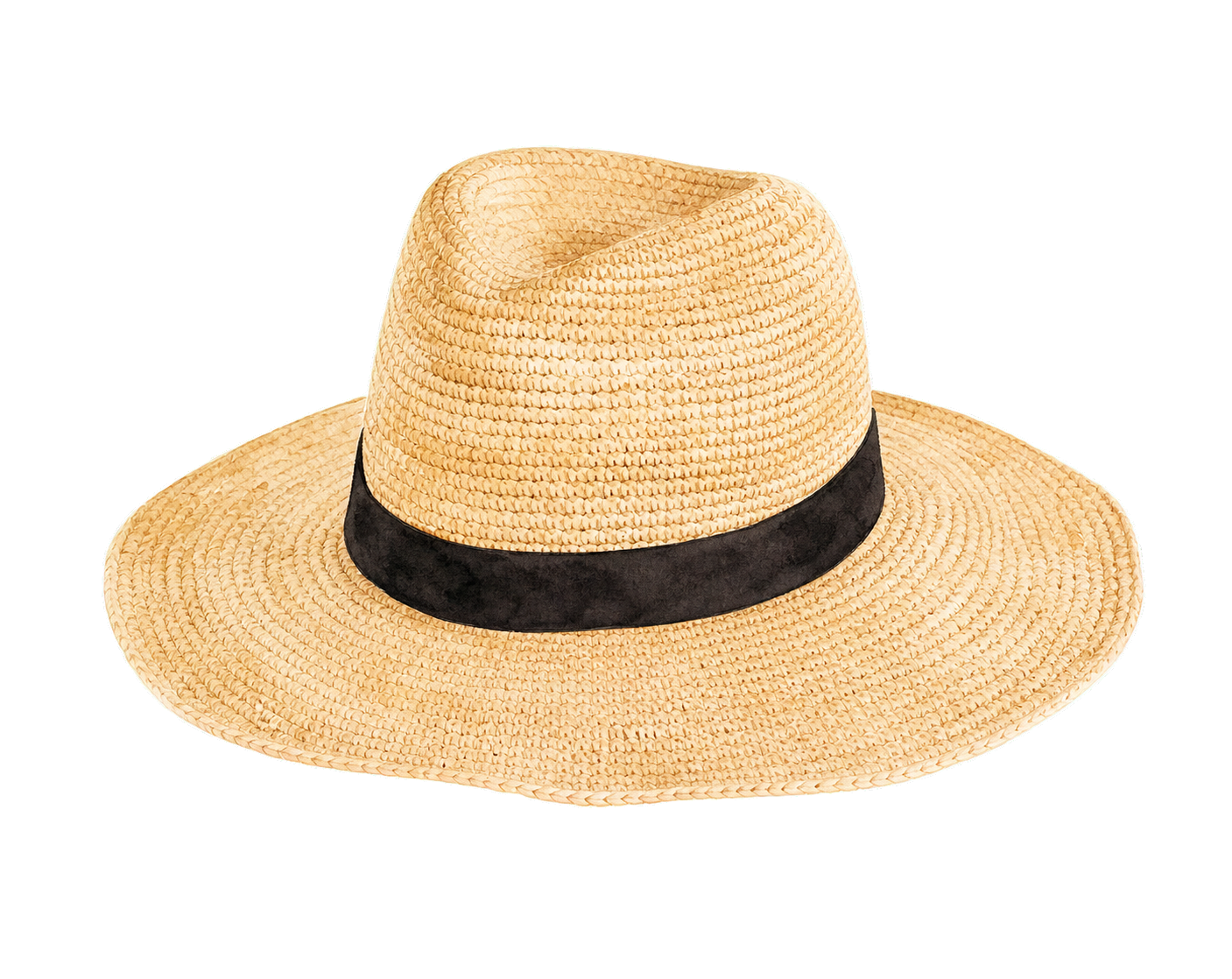 05Wide-brim sun hat — straw or canvas
Moroccan sun is sharp at 29°C / 84°F; non-negotiable for souk and Yves Saint Laurent Garden visits.
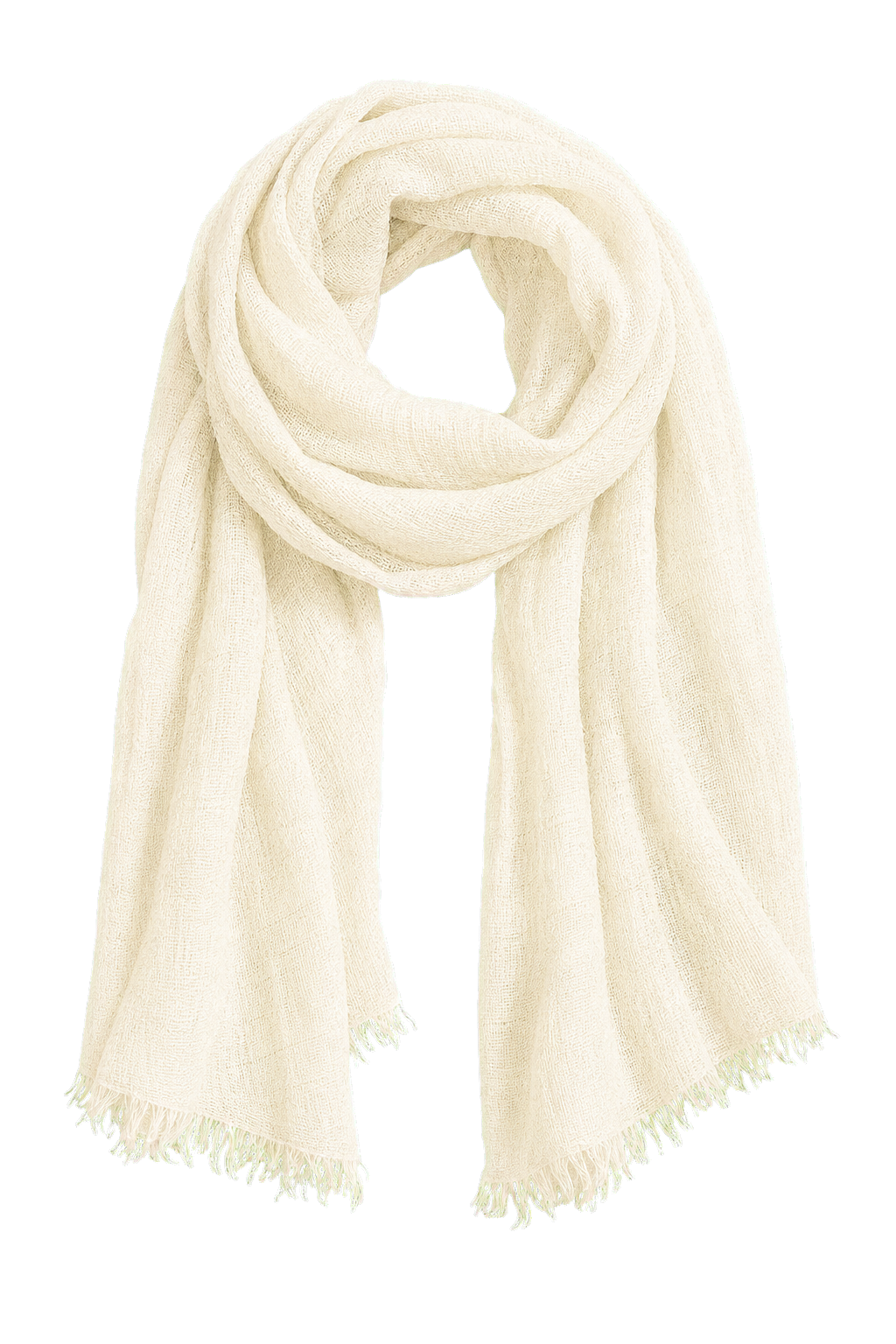 06Light cotton scarf or shawl
Cool 15°C / 59°F evenings + medina dust + religious sites + souk shawl-buying tradition.
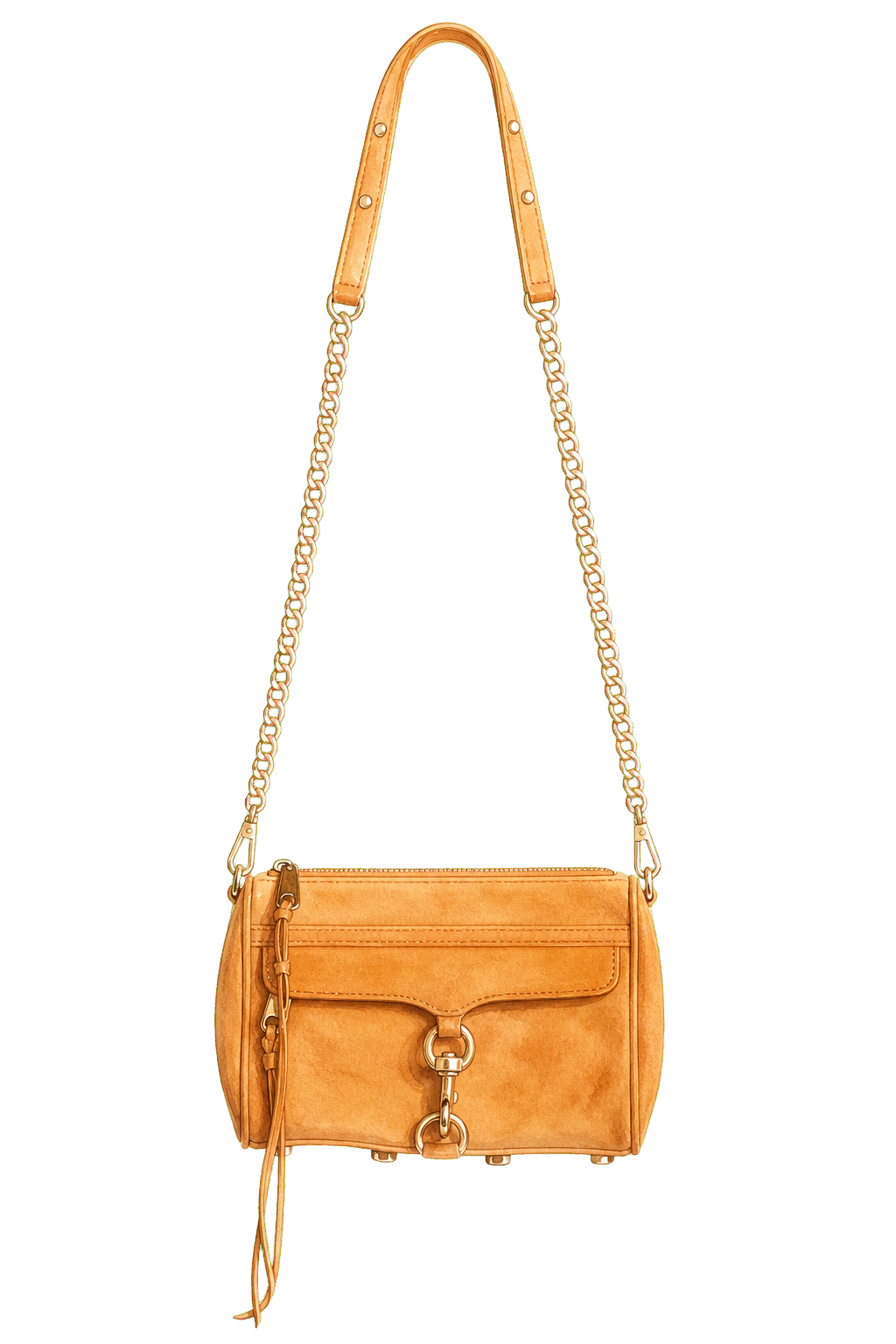 07Structured leather crossbody — small to medium
Jemaa el-Fnaa and souk pickpocketing; worn diagonally with hand on bag.
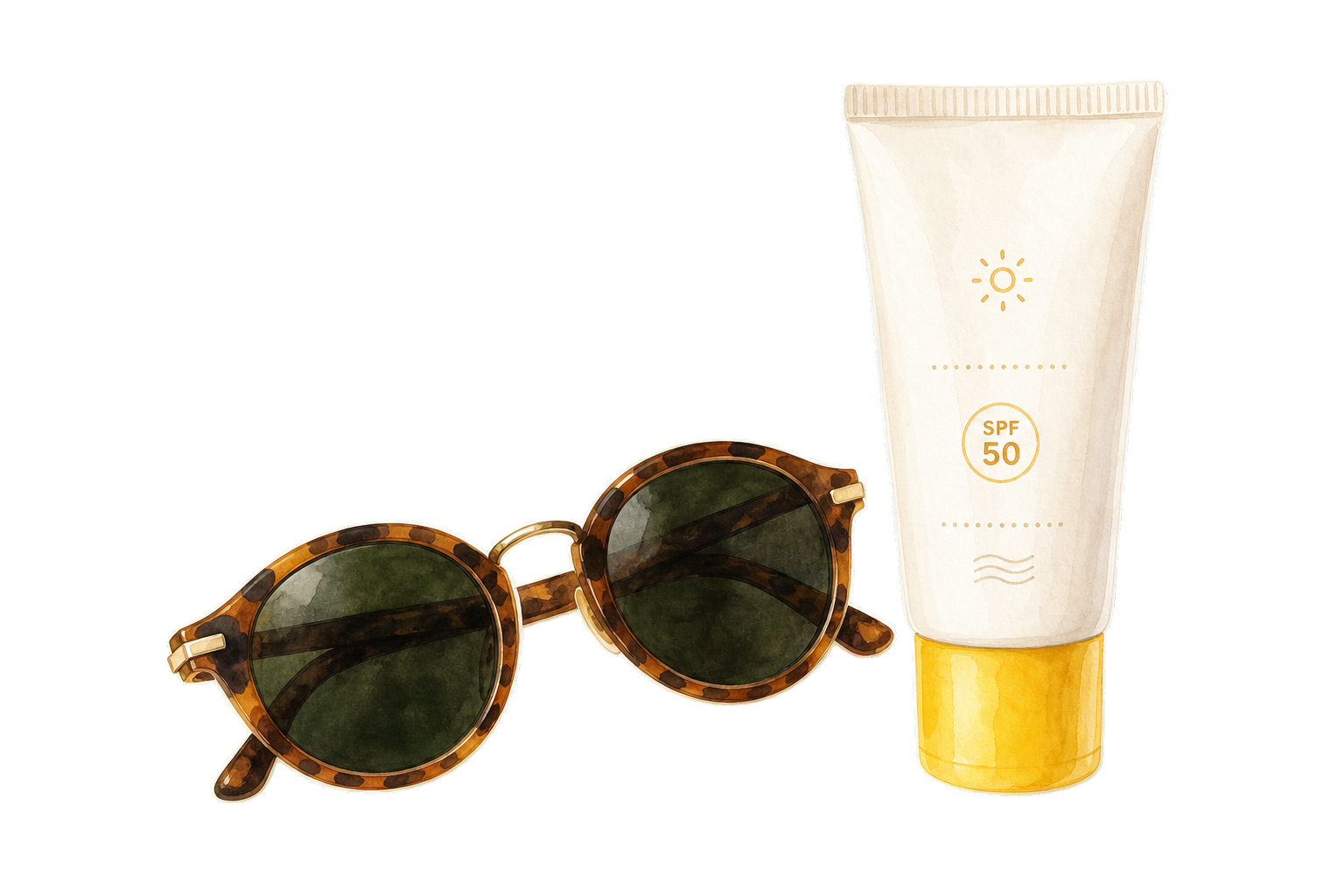 08SPF 50+ + sunglasses — Moroccan sun is unfiltered
Drier air means stronger UV; SPF 50+ is the local recommendation.
Day to night
Cotton kaftan · linen trousers · babouches · sun hat · crossbody. Mint tea at Café des Épices 8am, walk medina + souks 9am, lunch at Le Jardin 1pm.
Linen midi dress · block heels or polished sandals · light scarf. Dinner at La Mamounia or Plus 61 8pm; cocktails at El Fenn rooftop after.
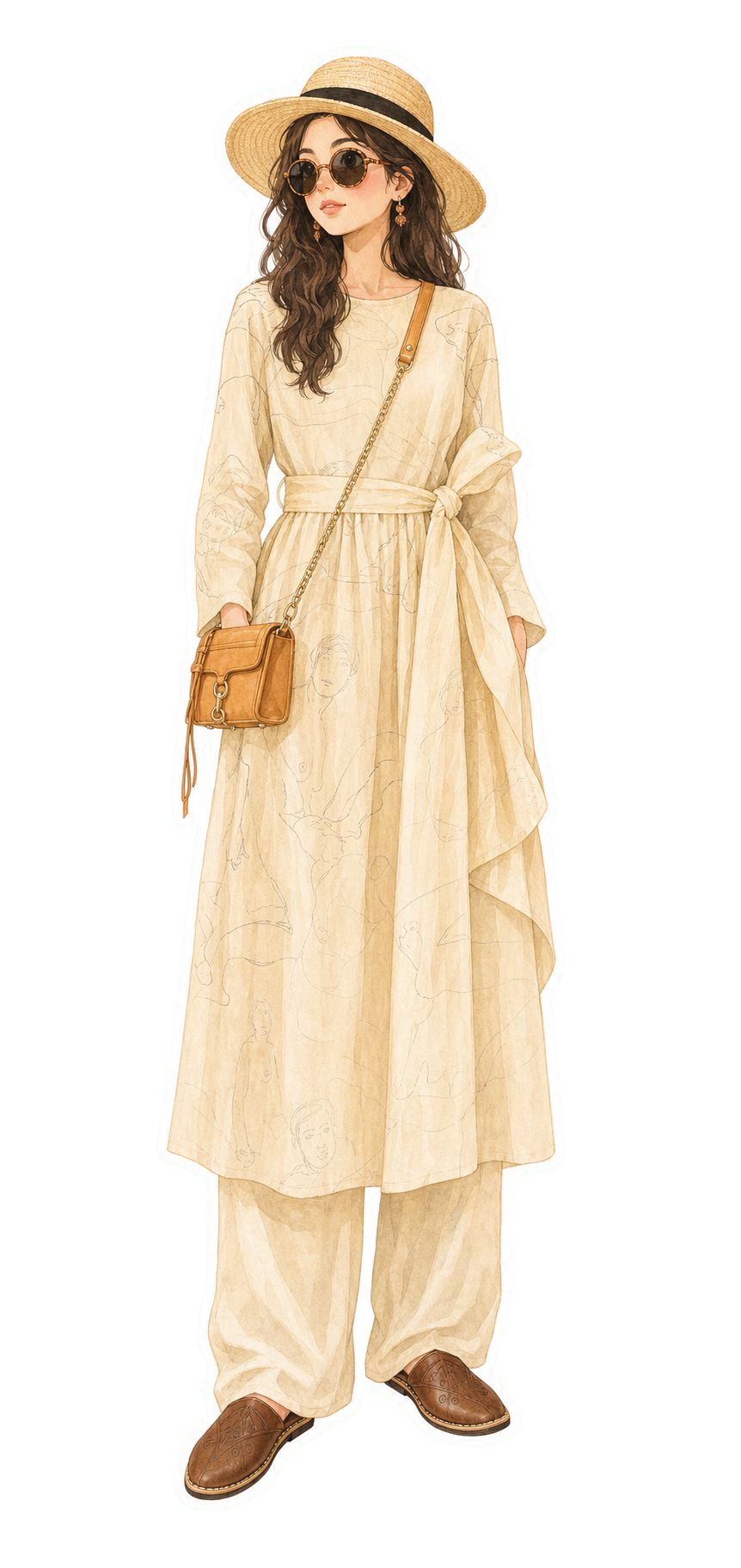
A suggested look — morning look: pale cream linen kaftan midi dress worn over cream wide-leg linen trousers, dark brown Moroccan babouche sandals, tan structured leather crossbody bag, wide-brim straw hat, round tortoiseshell sunglasses.
What to avoid
- Synthetic fabrics in 29°C / 84°F dry heat — polyester is unbearable
- Shoulder/knee-exposed clothing in medina or near religious sites
- Pure flat sandals after day three — feet swell in dry heat
- Backpacks behind in Jemaa el-Fnaa and souks — documented pickpocket zone
- Walking medina alone at night without guide — confusing alleys, occasional harassment
Frequently asked questions
Per Direction de la Météorologie Nationale (Maroc Météo): average daily high is 29°C (84°F), low is 15°C (59°F), only 2 rain days totalling 12mm. Humidity sits at 30-40% (desert-edge dry). The temperature swing of 14°C / 25°F between morning and afternoon is significant. Daylight: 13h 25m.
No — Moroccan mosques (with the exception of the Hassan II Mosque in Casablanca) are closed to non-Muslims. The Koutoubia Mosque in Marrakech, the city's largest mosque, has an exterior plaza that requires knees and shoulders covered as a sign of respect; the interior is closed to non-Muslim visitors. Tourists can visit the religious schools (madrasas) — the Ben Youssef Madrasa is restored and open to visitors. Madrasa visiting requires similar modesty: shoulders/knees covered, removing shoes before entering prayer halls.
The Jardin Majorelle (Majorelle Garden) — a 12-acre botanical garden originally designed by French painter Jacques Majorelle (1923) and purchased by Yves Saint Laurent and Pierre Bergé in 1980 to save it from demolition. The garden's iconic 'Majorelle Blue' walls and the Berber Museum within are highlights. Yves Saint Laurent's ashes were scattered in the garden after his 2008 death. Adjacent: the Yves Saint Laurent Museum Marrakech (opened 2017), with rotating exhibitions of YSL's archives. Combined ticket recommended; book ahead in May for both. Dress: lightweight breathable, sun hat, comfortable sandals.
Generally yes for daytime tourist activity. The medina and Jemaa el-Fnaa main square are tourist-friendly during the day; pickpocketing is documented but less than European cities like Barcelona or Rome. Night-time medina walking alone (especially for women) is occasionally challenging due to confusing alley navigation and occasional harassment; book a riad accommodation that arranges nighttime walks with guides. Standard precautions: small leather crossbody worn diagonally, hand on bag in Jemaa el-Fnaa and souk crowd density, no valuables in back pockets.
The medina souks (look for the 'rugs' section near the Henna Souk) for the broad selection; specific rug specialists at the rim of Jemaa el-Fnaa for the higher tier. Atlas Mountain villages (40 minutes drive from Marrakech) for direct-from-weaver authentic Berber rugs; many riad accommodations arrange village trips. Authentic Moroccan rugs carry origin documentation; tourist-trap imitations are widely sold. Negotiate (start at 30-40% of asking), and request shipping if buying anything large. The Souk Lghzal section of the medina is the most-cited rug area.
Sources
- Direction de la Météorologie Nationale — climate normals