What to Wear in Mumbai in May
Mumbai in May is pre-monsoon extreme heat — 34°C / 93°F peak, 27°C / 81°F nights, only 1 rain day. The hottest month before the southwest monsoon arrives in June.
- Lightweight cotton or rayon — white, cream, soft blue, pastel
- Modest cuts — mid-thigh and above uncommon outside resort areas
- Comfortable walking sandals (Italian leather or local Kolhapuri chappals)
- Sun hat + SPF — Indian May sun is brutal
- Crossbody bag — Bandra-Lower Parel style standard
- Linen/cotton kurta or sundress — Indian summer base
- Don't wear synthetic in 34°C / 93°F humidity — sweat shows immediately
- Don't expect Mediterranean dryness — Mumbai pre-monsoon humidity is high
- Don't enter religious sites in shoulder/knee-exposed clothing — modesty enforced
Mumbai in May is pre-monsoon extreme heat. India Meteorological Department (IMD) data put afternoon highs at 34°C / 93°F and lows at 27°C / 81°F with only 1 rain day — the hottest, driest month before the southwest monsoon arrives in June and brings the city's rainiest period. The Mumbai humidity even pre-monsoon makes the perceived temperature higher than dry inland cities. The dressing rule: lightweight cotton or rayon in light colors (white, cream, soft pastel — avoid heat-absorbing dark colors), modest cuts (Indian street-style standard is mid-thigh and above is uncommon outside resort/Bollywood-adjacent areas), comfortable walking sandals (Kolhapuri chappals are the Indian leather sandal heritage; Italian sandals work too), sun hat + SPF non-negotiable. Bandra West and Lower Parel run the contemporary international register; Colaba and Worli run polished traditional; the gateway tourist sites (Gateway of India, Marine Drive, Crawford Market) all run modest by visitor-default expectation.
May in Mumbai is the city before monsoon — 34°C / 93°F heat, the air thick with anticipation, locals counting days until the southwest monsoon arrives in early June and breaks the heat with 506mm of rain.
The capsule
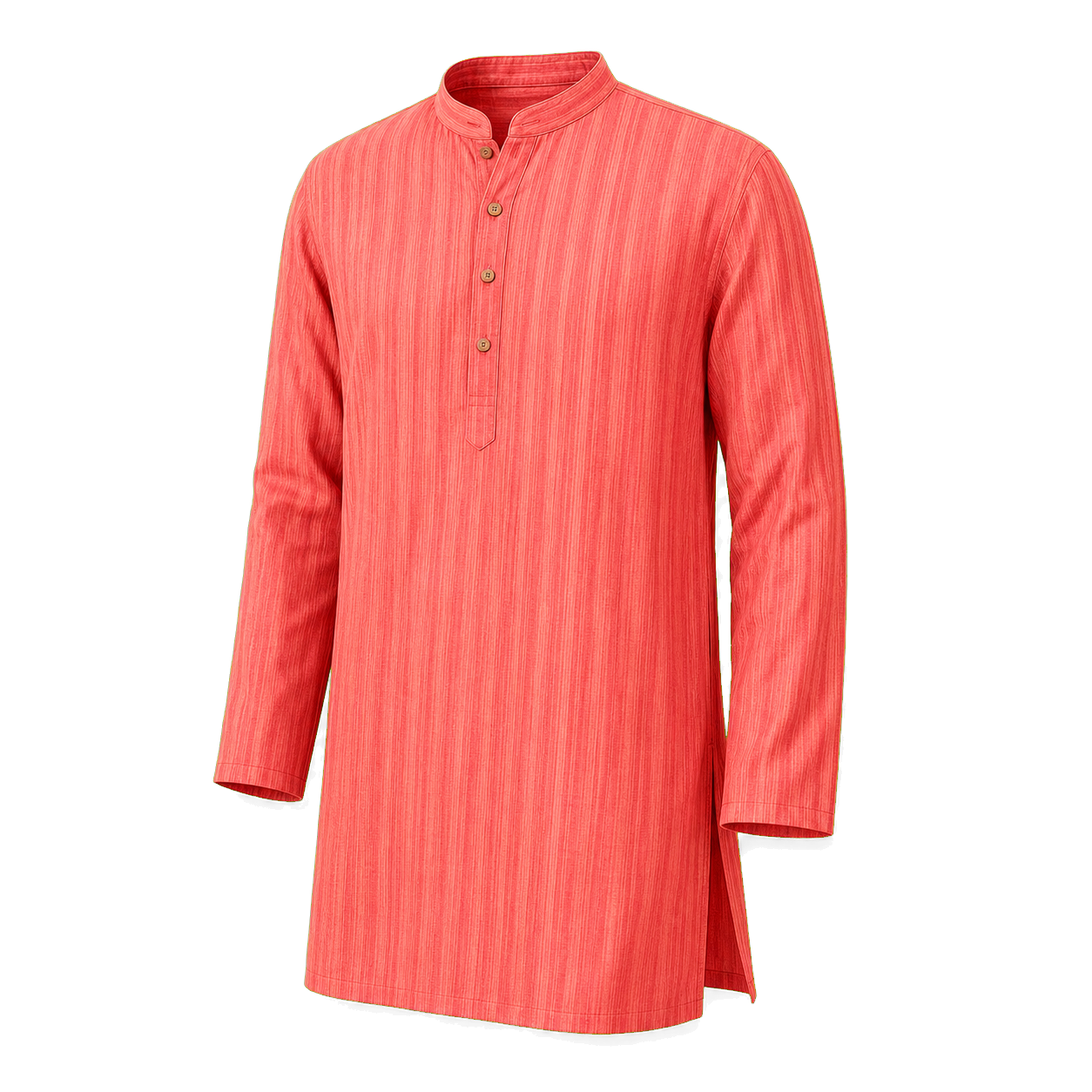 01Lightweight cotton or rayon kurta
Indian summer staple. Modest, breathable, locally read. FabIndia, Anokhi, Good Earth.
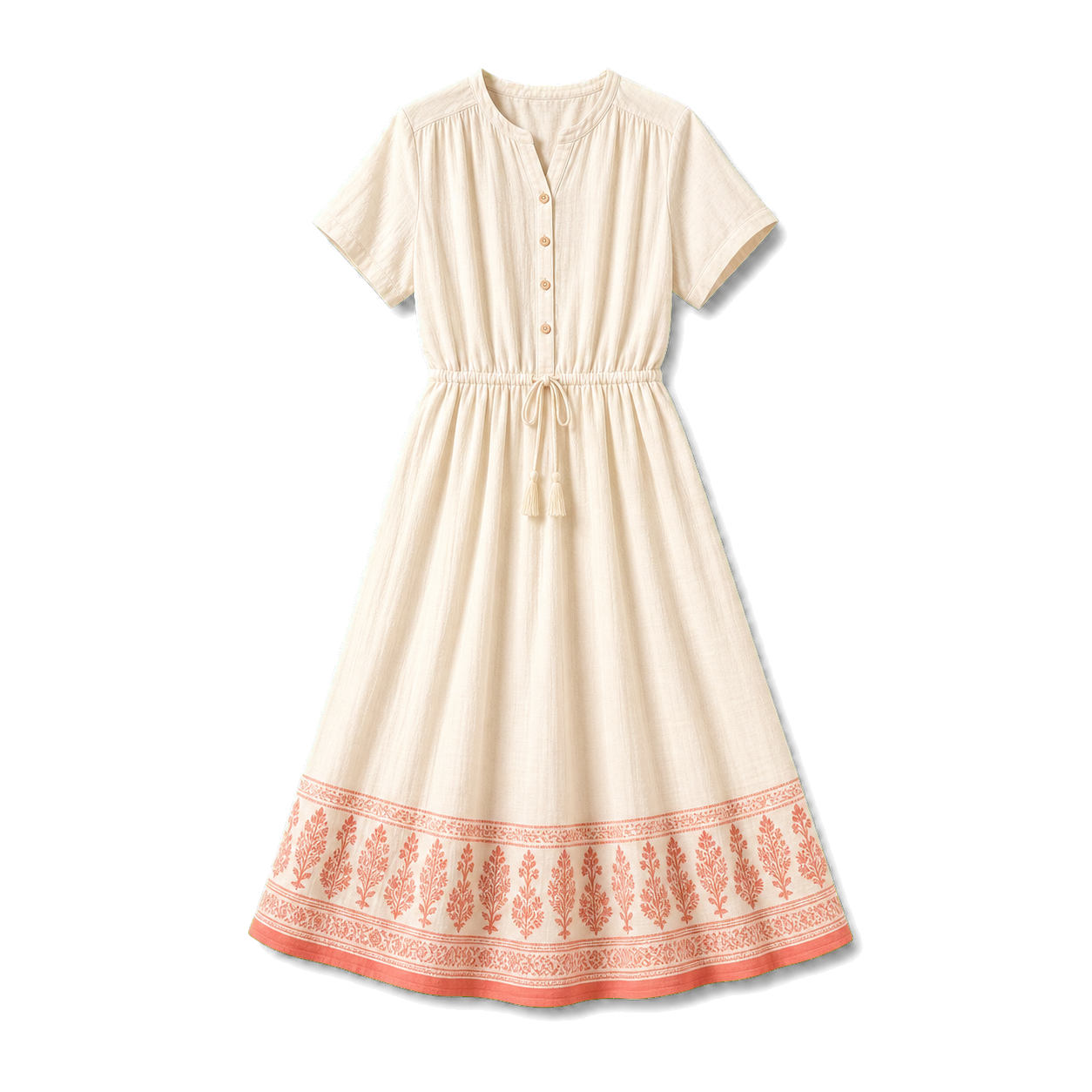 02Cotton or rayon midi dress
Mid-thigh+ length to clear religious sites and cultural register.
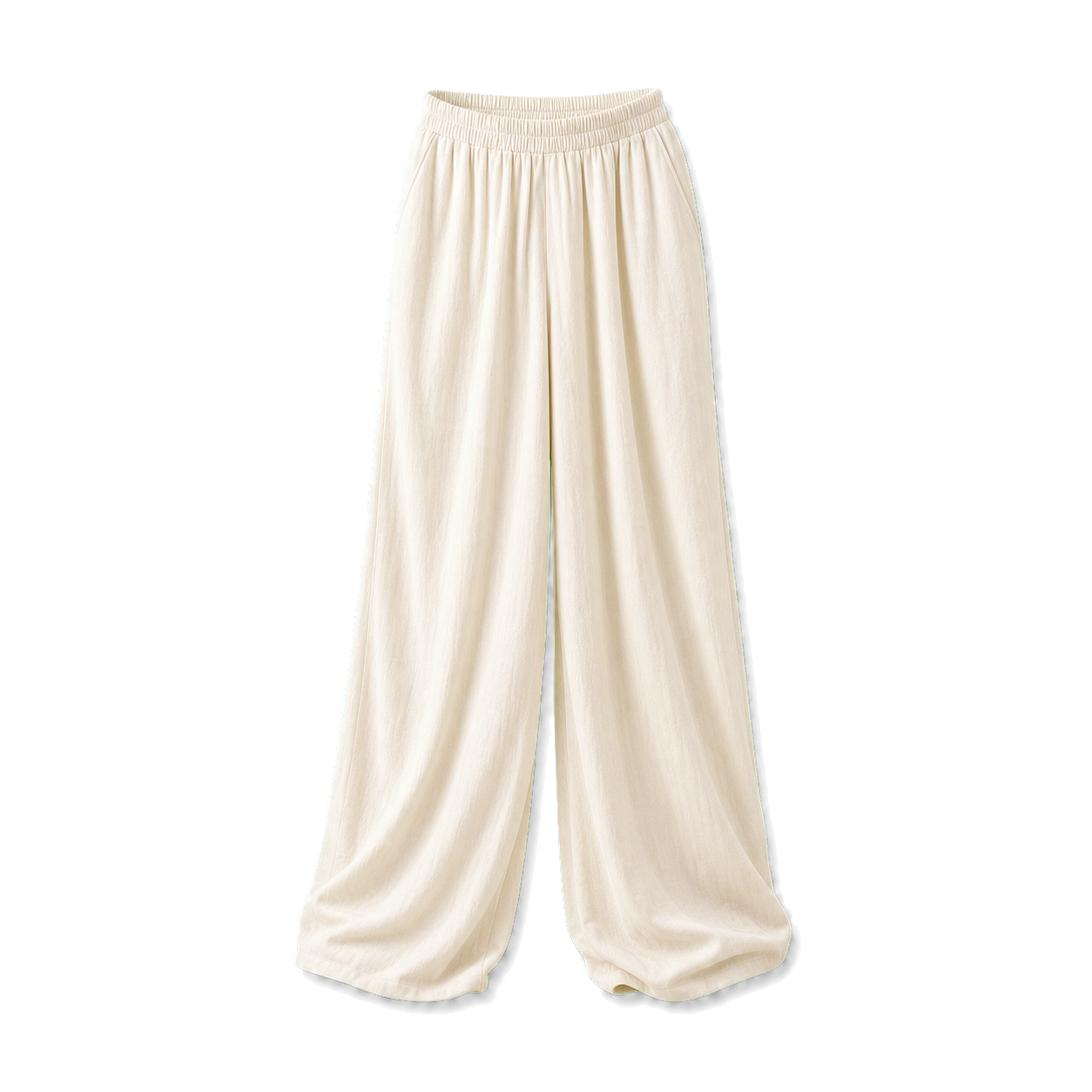 03Lightweight cotton or rayon trousers
Wide-leg or salwar; pair with kurta for the Indian uniform.
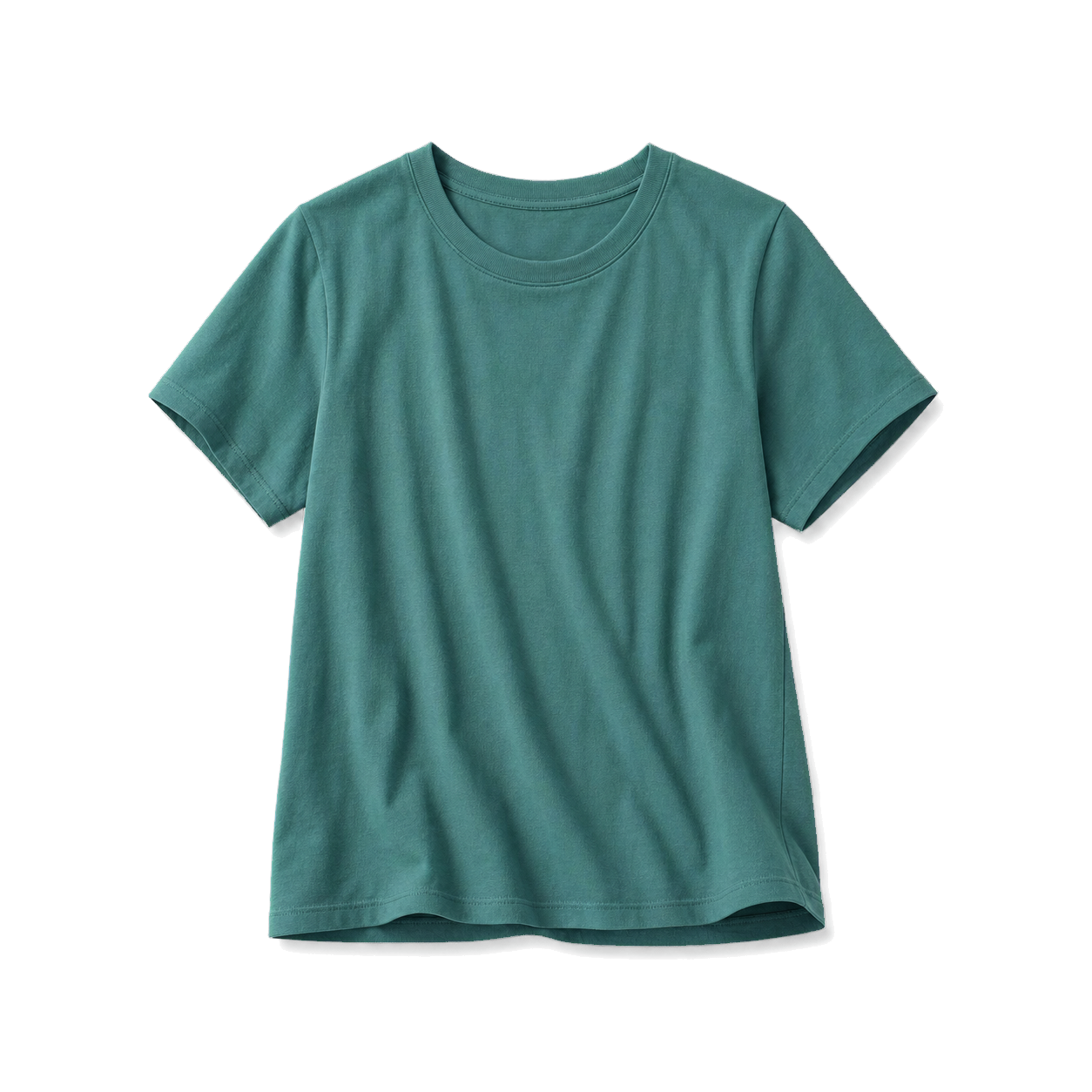 04Cotton tank or short-sleeve top
Layered under kurta for AC; pair with skirt for Bandra-style contemporary.
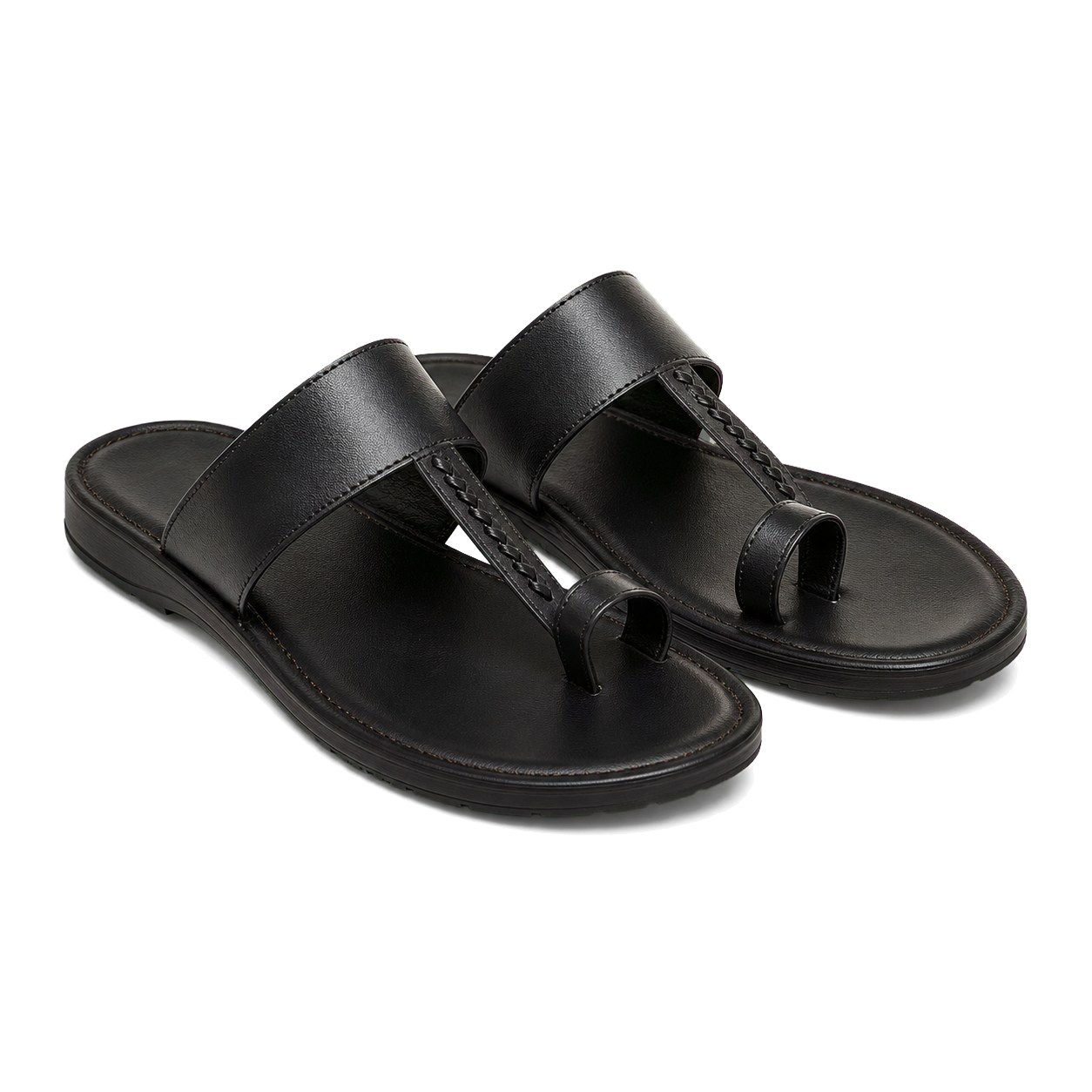 05Comfortable walking sandals — Kolhapuri chappals or Italian leather
Mumbai walking surfaces include marble, stone, dust; supportive sandals essential. Skip flip-flops outside immediate beach.
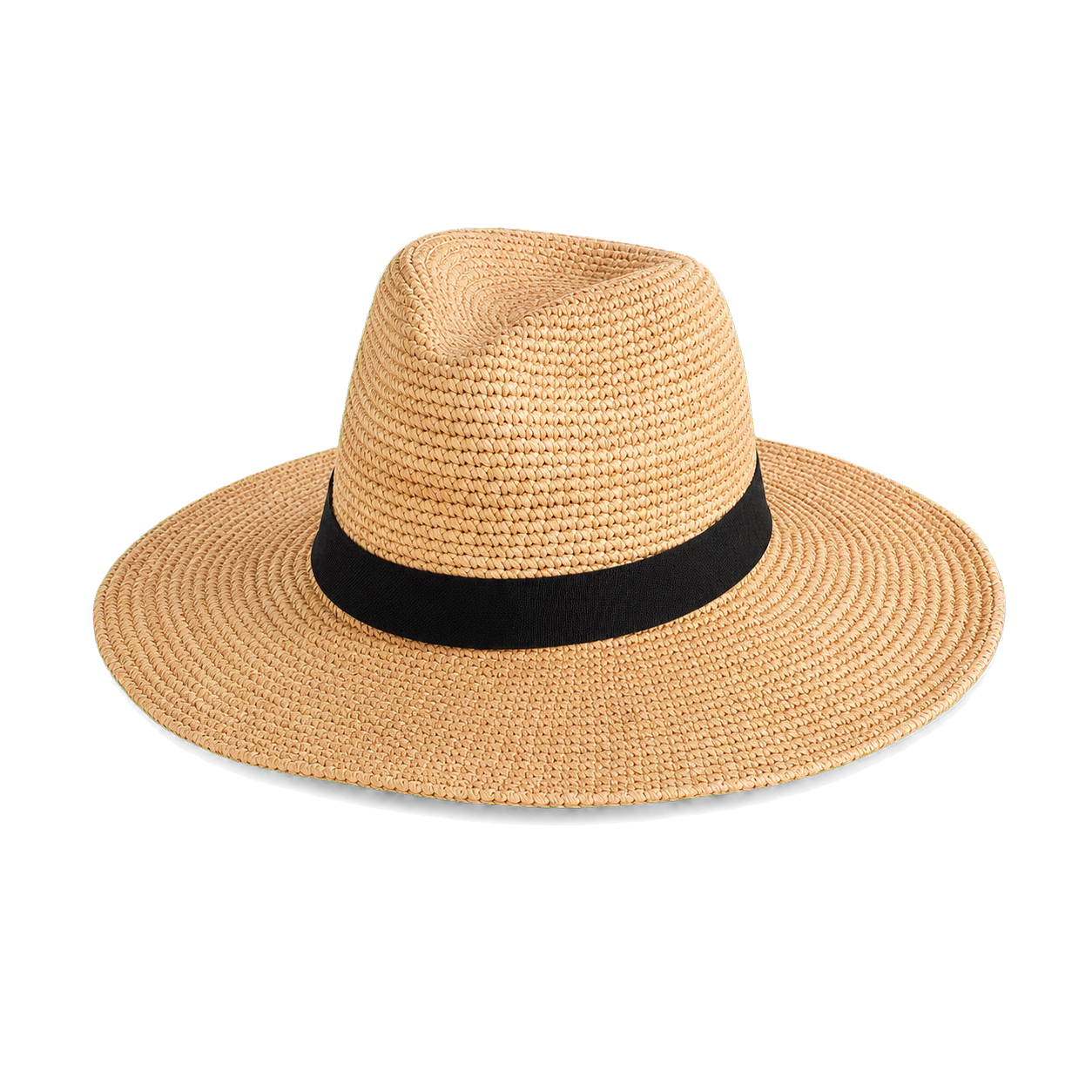 06Sun hat — wide-brim or Indian-style umbrella
May sun is brutal; the Indian umbrella (used by both genders) is a local norm.
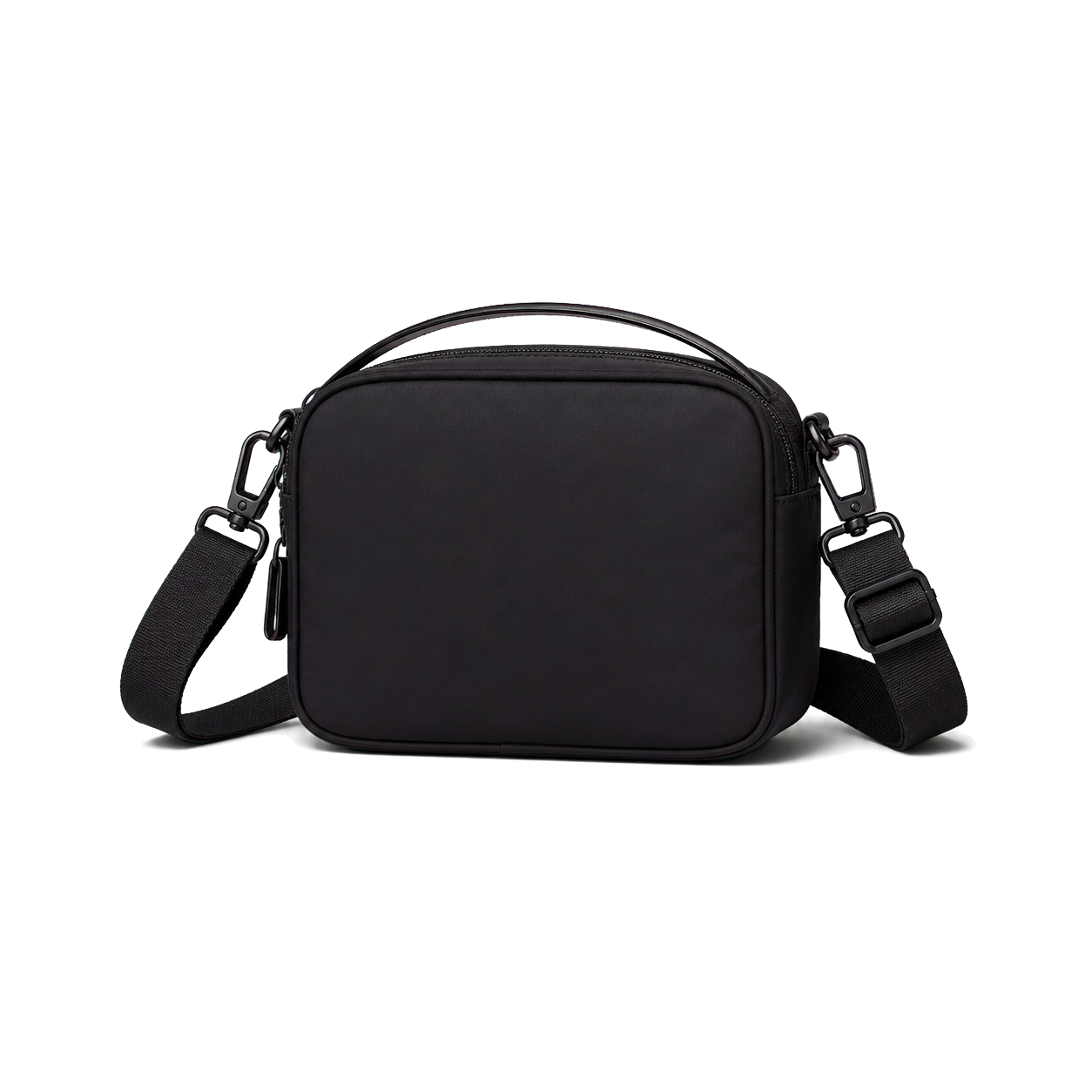 07Crossbody bag — structured leather or canvas
Mumbai pickpocketing in Crawford Market, local trains, Colaba causeway. Worn diagonally.
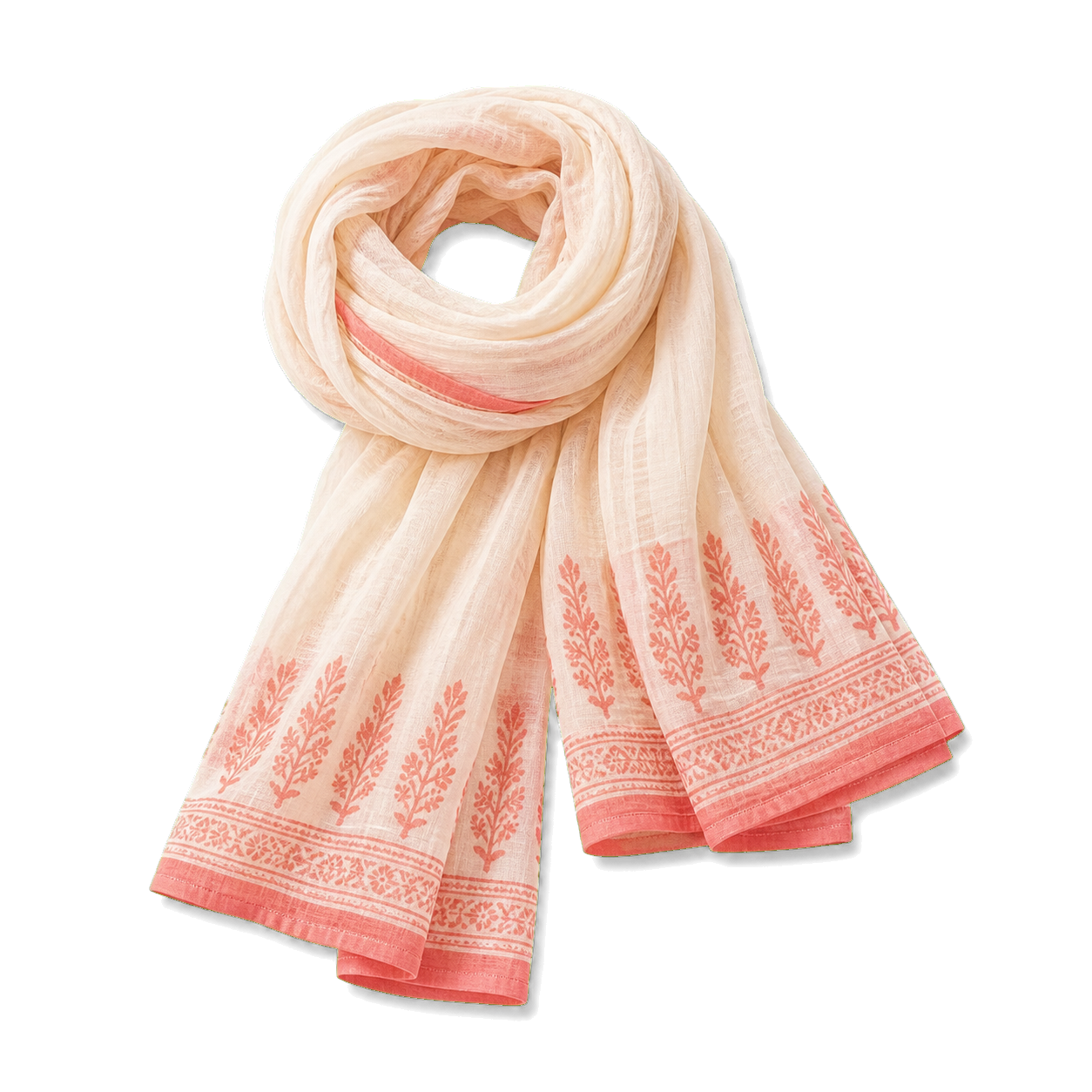 08Light scarf or dupatta
AC layer (Indian malls and restaurants run aggressive 18°C / 64°F AC); religious site shoulder cover; sun protection.
Day to night
Cotton kurta · trousers · Kolhapuri sandals · sun hat · crossbody. Coffee at Kala Ghoda Café 8am, walk Crawford Market 9am, brunch at The Table or Yauatcha 11am.
Lightweight midi dress · sandals · light scarf or dupatta. Dinner at Wasabi by Morimoto, Masala Library, or Indian Accent 8:30pm; drinks at Aer or AER's terrace at Four Seasons after.
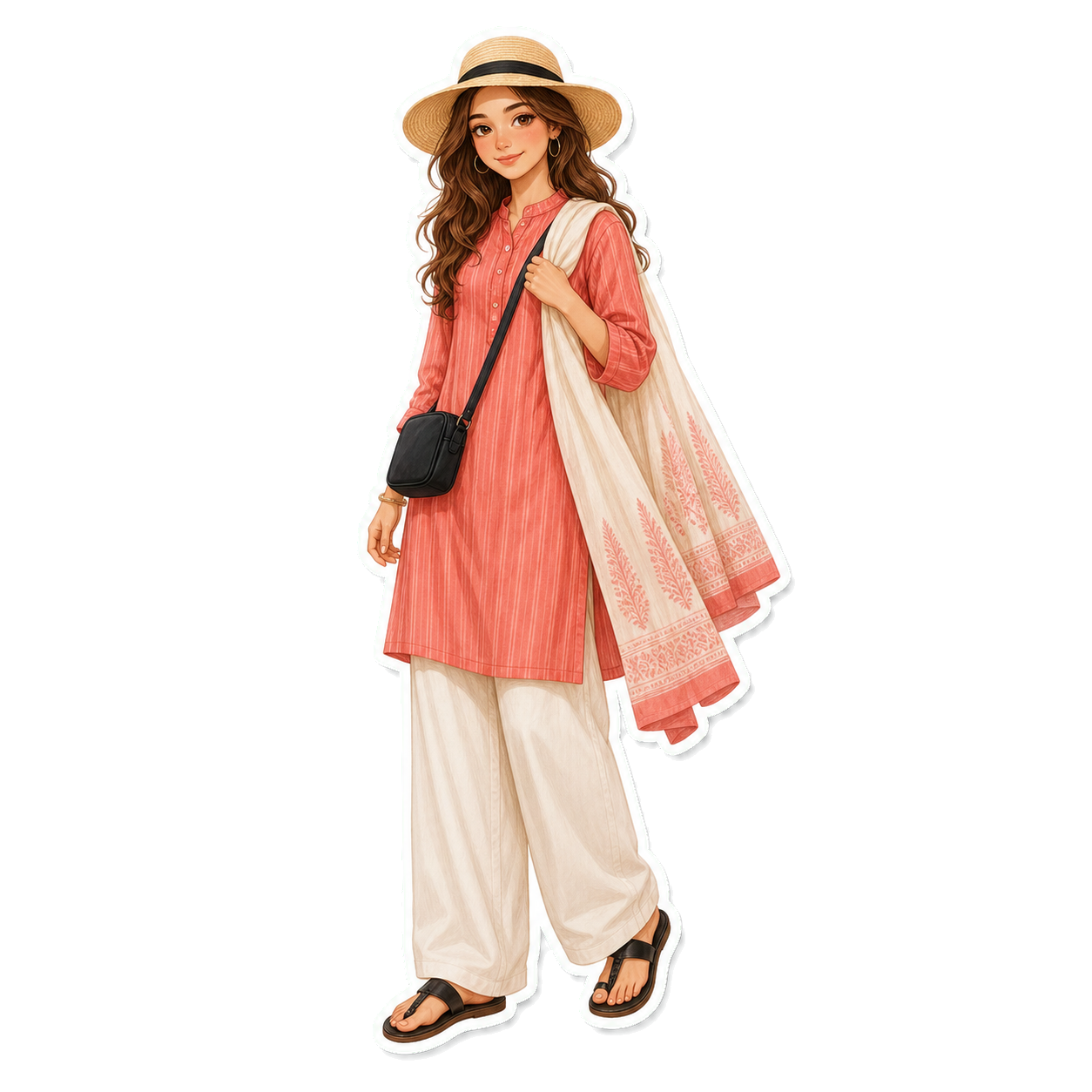
A suggested look — coral cotton kurta over ivory wide-leg trousers, Kolhapuri sandals, straw sun hat, black crossbody, light coral dupatta.
What to avoid
- Synthetic fabrics — 34°C / 93°F with humidity makes polyester unbearable
- Religious sites without shoulder/knee coverage — modesty enforced
- Pure athletic wear in central Mumbai — cultural register expects coverage
- Local trains during peak hours — 9-11am, 6-8pm density overwhelming
- External bag pockets in Crawford Market, train stations, Colaba — pickpocketing
Frequently asked questions
Per India Meteorological Department (IMD, Santa Cruz station): average daily high is 34°C (93°F), low is 27°C (81°F), only 1 rain day totalling 16mm. May is the hottest, driest month before the southwest monsoon arrives in June. Humidity is 70%+ pre-monsoon. The Bombay Plate (Mumbai's meteorological zone) is hot and humid year-round but May is the peak of the dry season heat.
Shoulders and knees covered, no leather (the leather restriction applies at most Hindu temples — leather bags, belts, and shoes must be removed before entry). The simplest fix: cotton kurta + trousers or salwar, or a midi dress with a dupatta (Indian scarf) draped over the shoulders. Many temples provide a head covering for women; some provide ankle-length skirts at the entrance. Siddhivinayak Temple, Mahalakshmi Temple, ISKCON Temple all enforce modesty; Haji Ali Dargah is a Muslim shrine and requires headcover for women.
Yes, even pre-monsoon. May humidity in Mumbai sits at 70%+, with afternoon temperatures of 34°C / 93°F creating a heat index that frequently exceeds 40°C / 104°F. The Arabian Sea coastal location keeps humidity high year-round; the monsoon (June-September) brings 80%+ humidity. Mumbai is significantly more humid than inland Indian cities like Delhi or Jaipur.
Bandra West (the city's contemporary fashion district): FabIndia, Anokhi, Good Earth (heritage Indian); Sabyasachi (couture, by appointment); Nimai for traditional jewelry. Lower Parel: Phoenix Mills shopping has international brands. Linking Road and Hill Road in Bandra for street fashion. The High Street Phoenix mall has the most-cited shopping cluster.
It depends. The pros: pre-monsoon clear skies, full restaurant operations, Bollywood film events at peak (the IIFA Awards sometimes fall in May), all major sites accessible. The cons: 34°C / 93°F extreme heat, Indian Premier League cricket finals fill the city, peak tourist density at Gateway of India + Elephanta Caves + Marine Drive. October-November and February-March are the more comfortable months. June-September is monsoon — a different but spectacular experience.
Sources
- India Meteorological Department — climate normals, Santa Cruz station