What to Wear in New York in December
New York in December: 6.8°C / 44°F afternoons, 1°C / 34°F nights, 4.9 inches of snow — and more standing still outdoors than any other month.
- A properly warm coat — you will be stationary outdoors for hours
- Waterproof boots with grip — slush at every kerb, ice on side streets
- Gloves and a hat, worn constantly rather than carried
- Thermal base layer for the tree, the windows and any queue
- Something dressy — December is the city's biggest dining-out month
- A bag that closes, since it will sit in slush and snow
- Dressing as though you will keep walking — December is a standing month
- City shoes with smooth soles — kerbside slush is ankle-deep by afternoon
- A stylish coat that is not warm — 1°C / 34°F and wind off two rivers
- Forgetting that indoor heat runs high — you need layers you can strip
Every other month in New York rewards a coat you can walk in. December asks for one you can stand in. NOAA's Central Park normals give the month an average high of 44.3°F / 6.8°C, an average low of 33.8°F / 1°C and 4.9 inches of snow, which sounds manageable until you count how much of a December itinerary is stationary and outside: the tree at Rockefeller Center, the Fifth Avenue windows, the queue for the Rockettes, the wait at Wollman Rink, the crowd at Bryant Park. Standing still at 1°C / 34°F with wind coming off both rivers is a different problem from walking at the same temperature, and it is the one visitors underestimate.
December is the month New York asks you to stand still outdoors, and nothing in a normal winter wardrobe is built for that.
The capsule
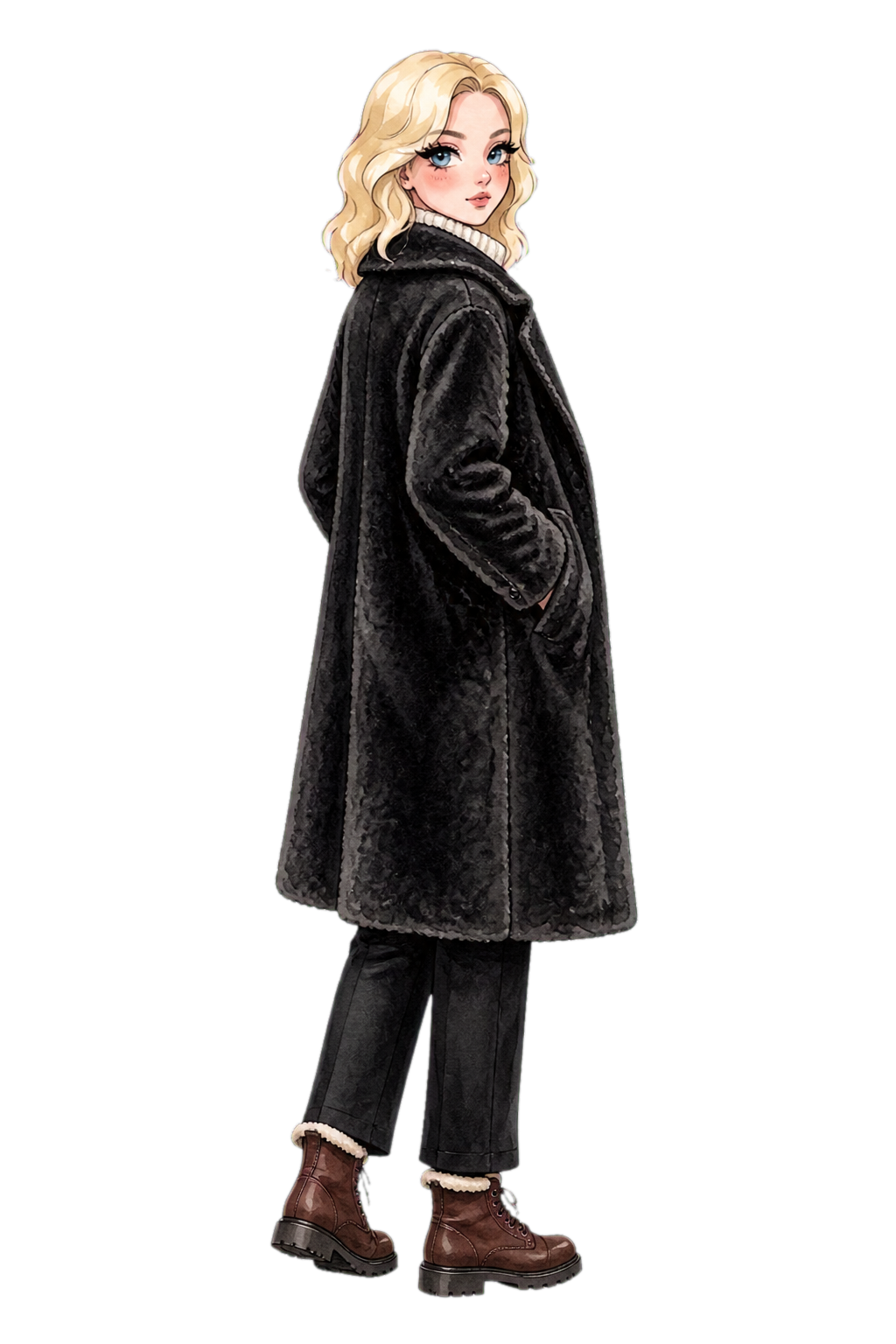
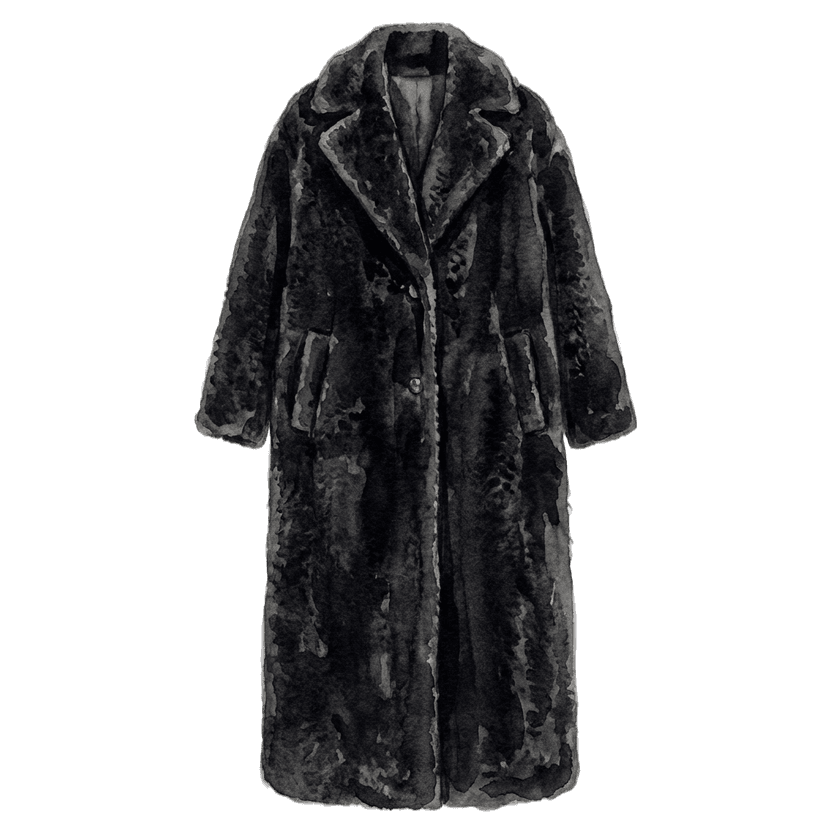 01Full-length teddy or faux-fur coat, black
Length is the specification that matters, because you will be standing rather than moving. A cropped coat leaves the tops of the thighs exposed exactly where cold settles when you are stationary; this one falls past mid-calf and keeps the wind off entirely. A dense teddy pile traps air the way unlined wool tailoring does not, and wool tailoring is what fails in an hour-long queue at 1°C / 34°F.
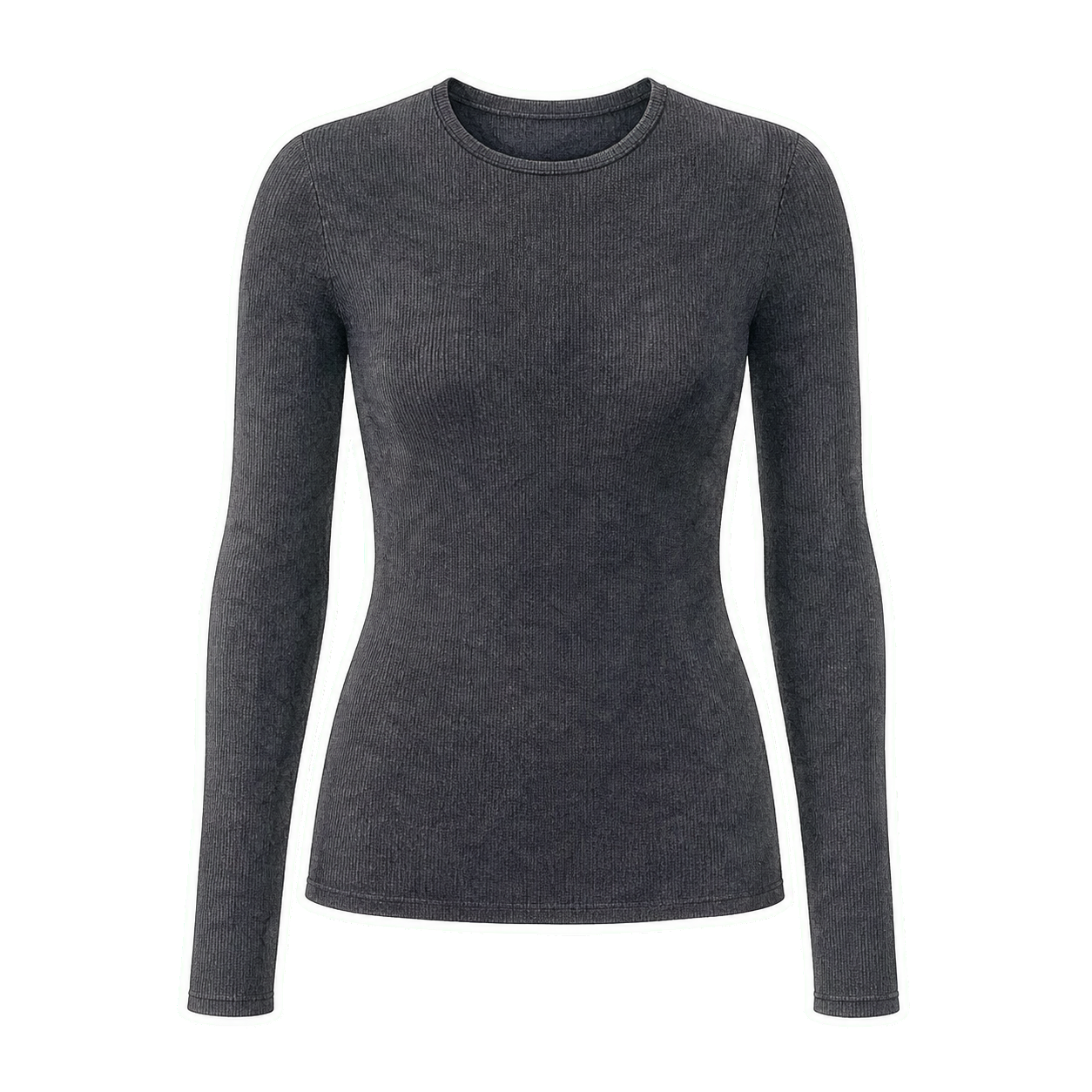 02Merino or synthetic thermal base layer
This is the piece that decides whether the Rockefeller tree is twenty minutes of pleasure or twenty minutes of endurance. A thin base layer under everything else adds no bulk and does more than a second sweater, and it means you can strip back to shirtsleeves in a restaurant that has its heating set to July, which most of them do.
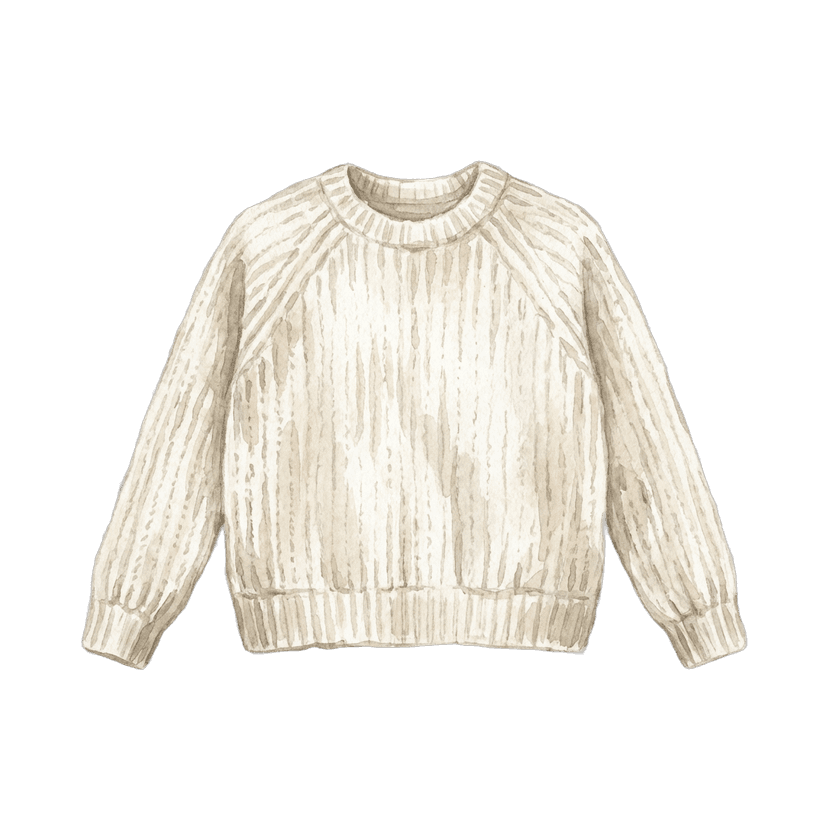 03Cream chunky rib-knit sweater, crew neck
Sits between the base layer and the coat and comes off indoors. New York's December interiors overcorrect hard — steam heat in older buildings runs genuinely hot — so the layer you need is one that removes cleanly at a coat check rather than a knit you keep on because there is nothing underneath. Cream reads warmer than grey against a black coat, and drop shoulders let it go over the base layer without pulling.
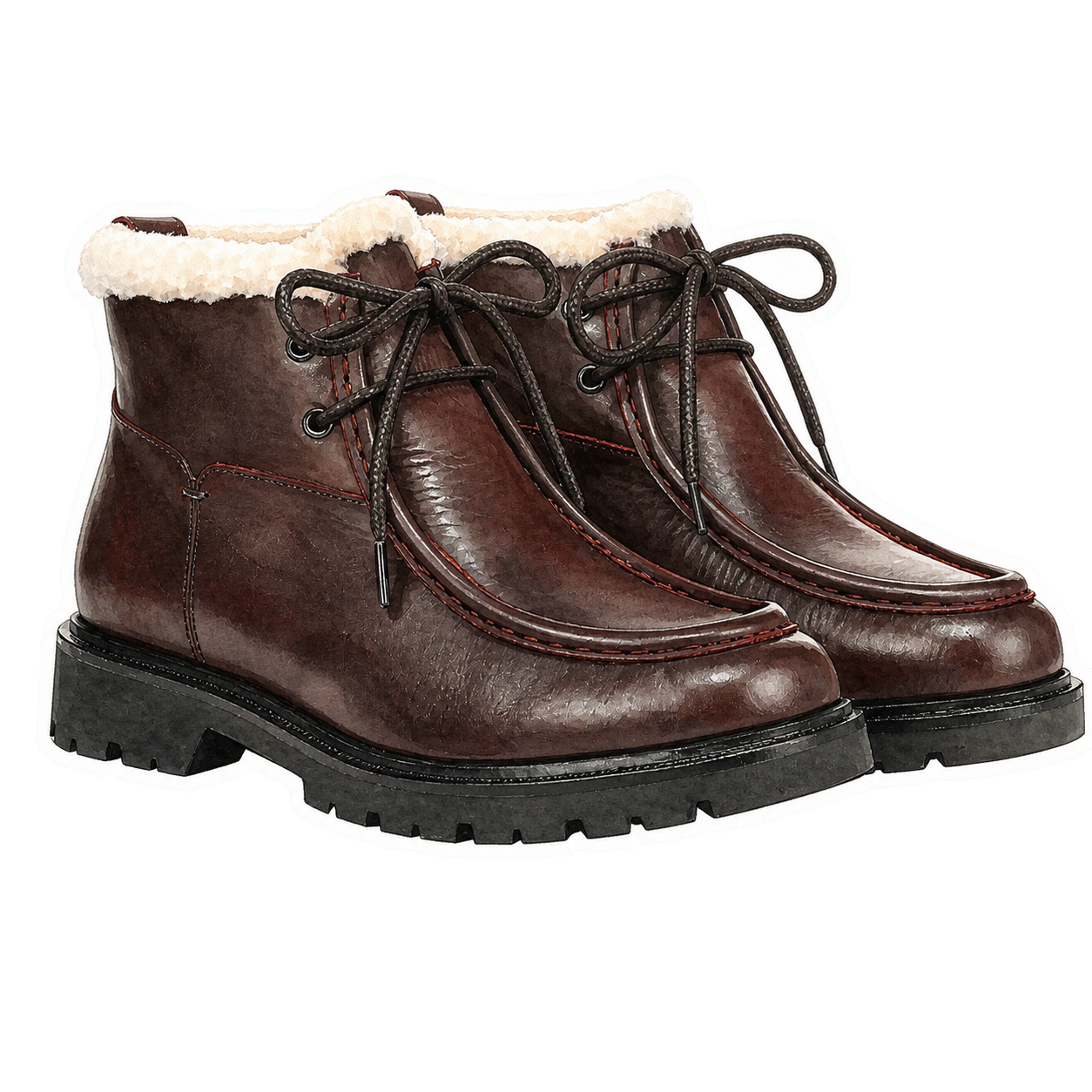 04Waterproof boots with a lugged sole
Kerbside slush is the thing nobody warns you about. Plows push snow into ridges at every crossing, it melts into ankle-deep grey water by afternoon and refreezes after dark, and crossing an avenue means stepping into it. Waterproof rather than water-resistant, lugged rather than smooth, and tall enough to clear the kerb — a leather city boot is soaked by the second block.
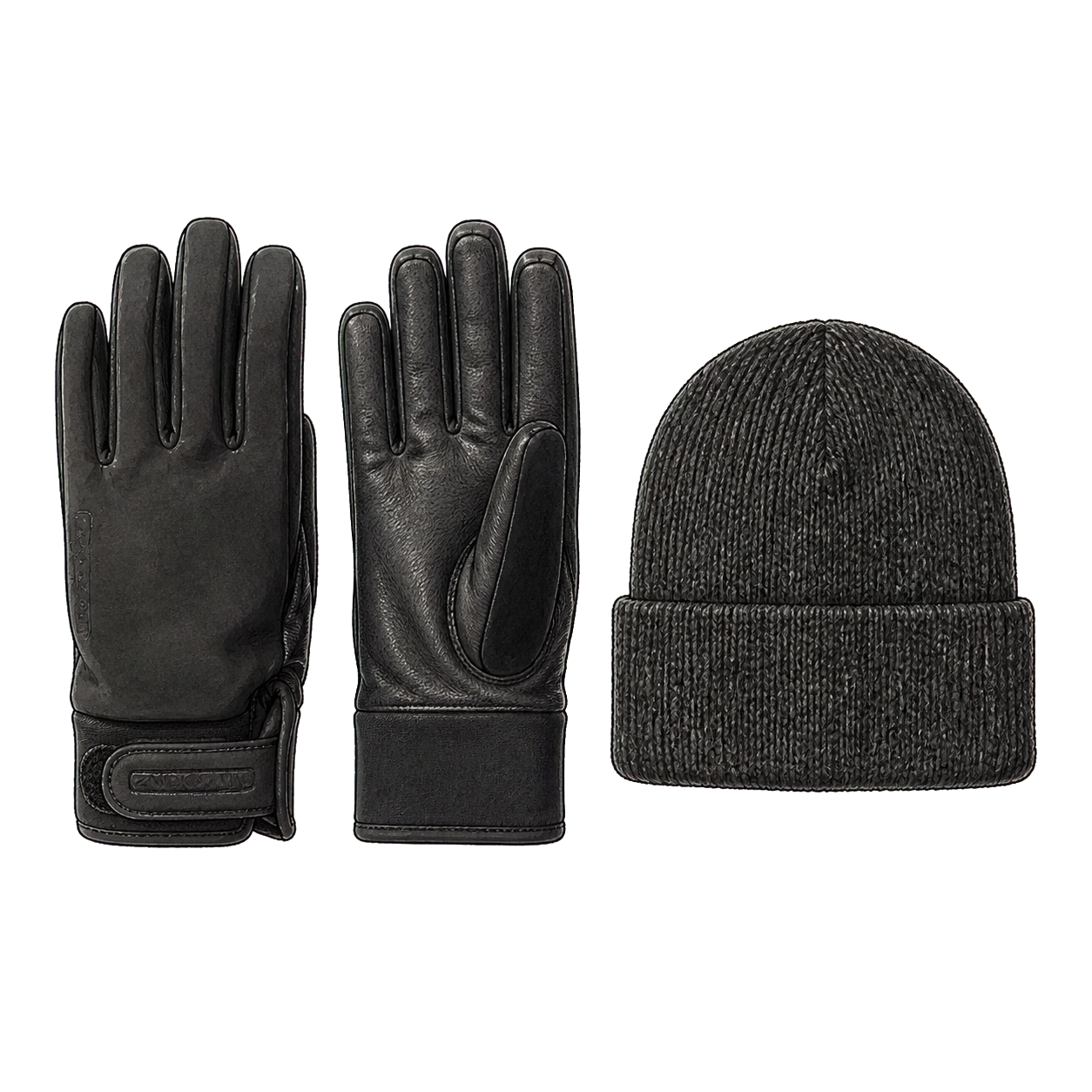 05Wool hat and insulated gloves
Worn constantly rather than carried, which is the difference between December and every other month here. The wind funnels down the avenues and off both rivers, and bare hands become unusable within minutes of standing still. Touchscreen-compatible gloves if you intend to photograph anything, because taking them off repeatedly at 1°C / 34°F undoes the point.
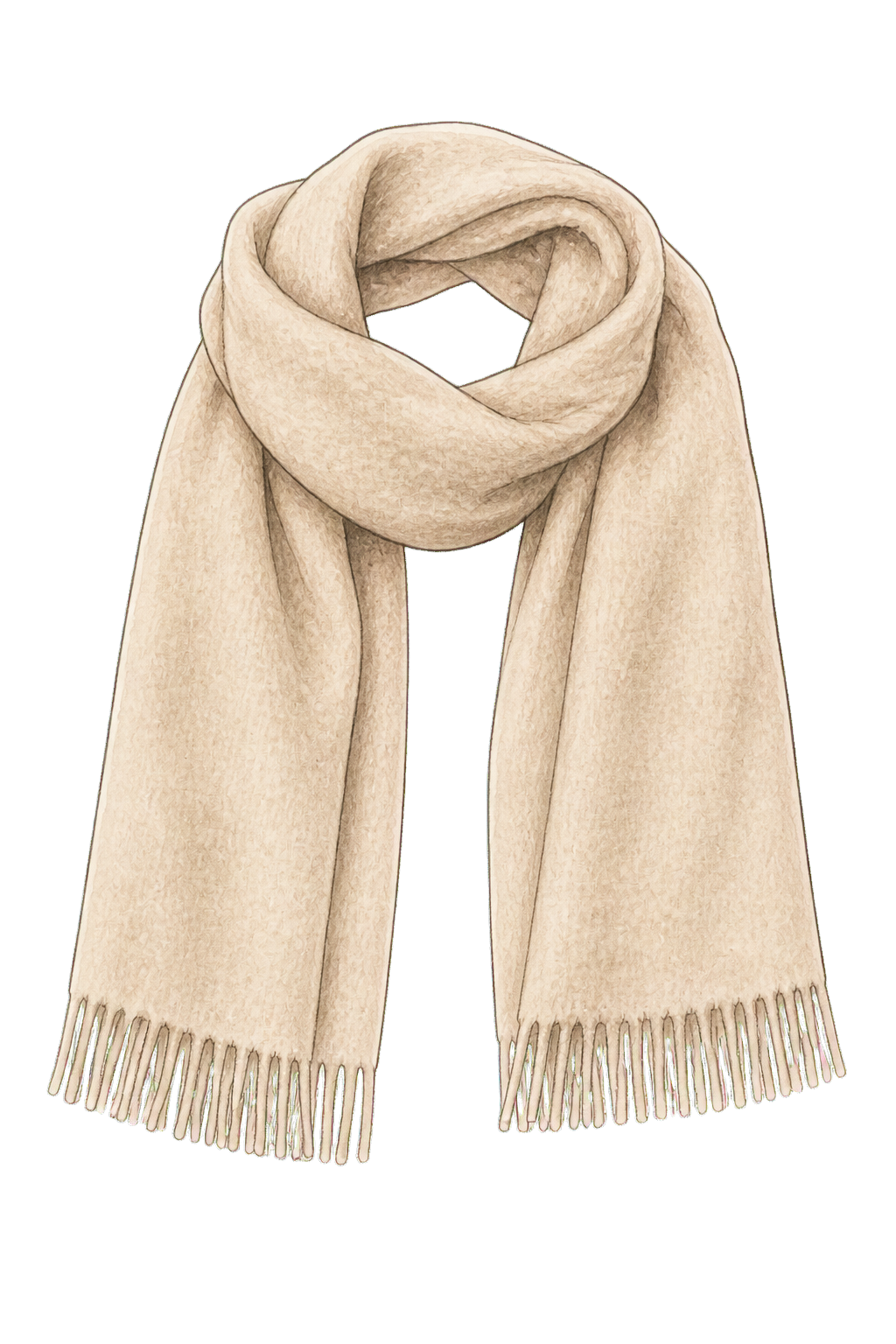 06Long wool scarf
Wrapped twice, high enough to cover the gap between coat collar and chin, which is where standing-still cold gets in first. Long enough to cross over at the front, since a short scarf pulls apart the moment you move. This is also the cheapest way to add real warmth to a coat that turns out to be less warm than it looked in the shop.
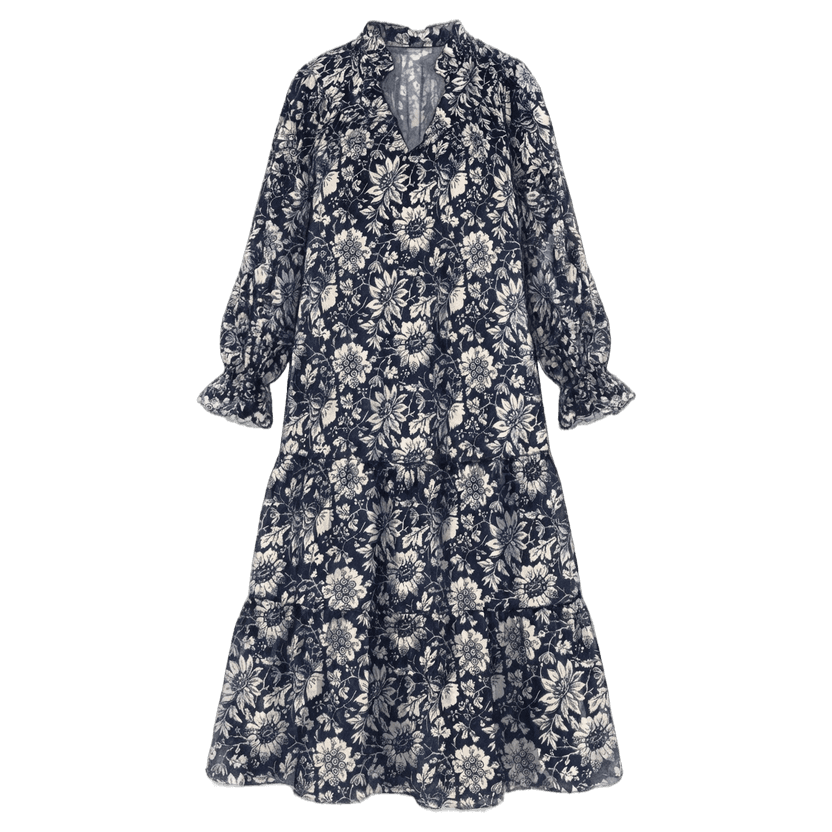 07One dressy outfit that fits under the coat
December is New York's biggest month for dining out and going to things, and the constraint is that everything has to fit under an insulated coat without crushing. A knit dress or good trousers with a fine top works; a structured jacket with shoulders does not. The coat is the outfit outdoors, so the clothes underneath only have to work from the coat check onward.
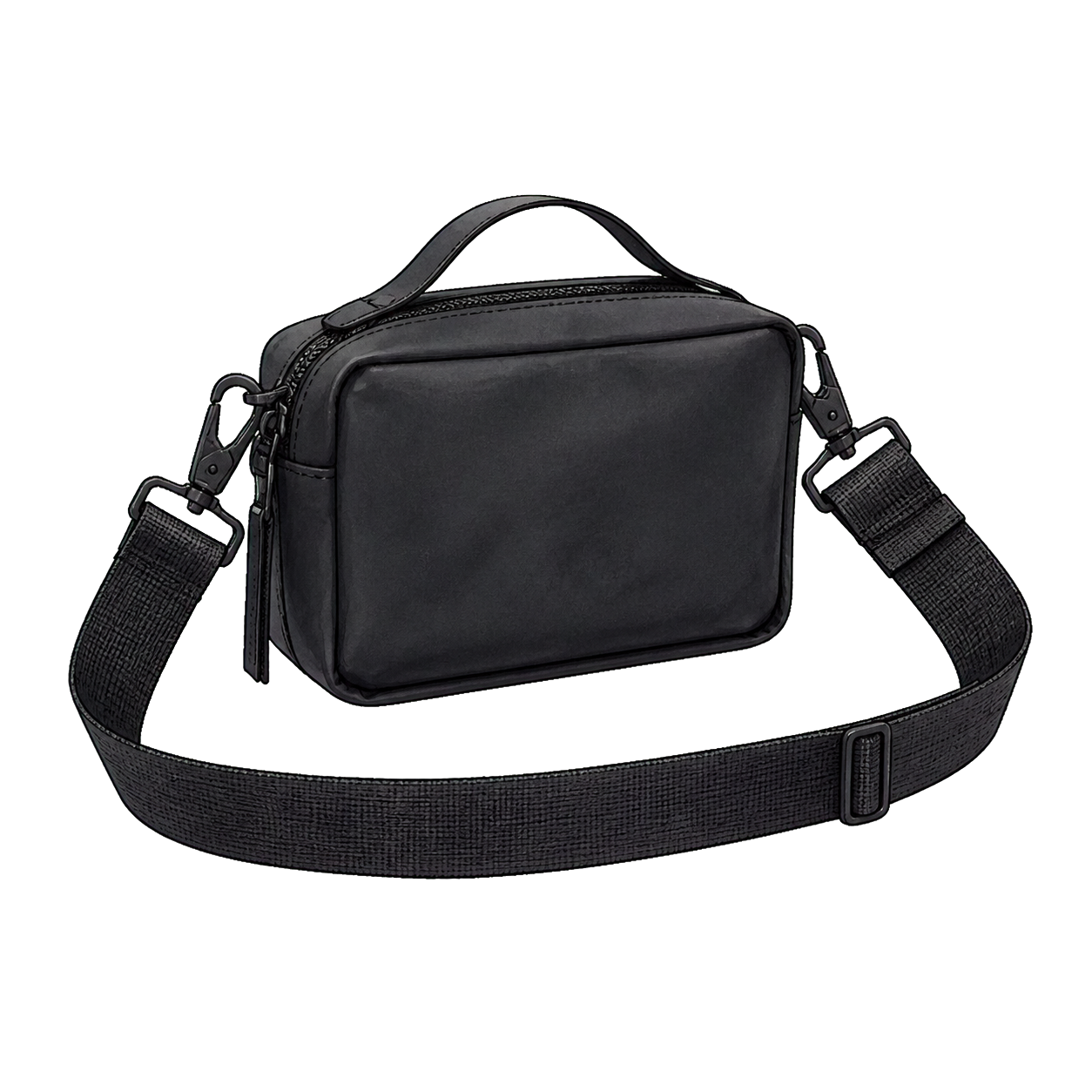 08Closed crossbody or small shoulder bag
It will be set down in slush, snowed on, and squeezed through a crowd at Bryant Park. Closed rather than open, compact enough to sit under the coat rather than over it, and with a strap that works over bulk — a bag sized for an autumn jacket will not go over a December one.
Day to night
Thermal base · heavy knit · insulated coat · waterproof boots · hat, gloves, long scarf. The windows on Fifth from 50th up, then Bryant Park before the afternoon crowd.
Knit dress or fine top under the same coat · boots swapped only if the forecast is dry. An 8pm table downtown, home at 1°C / 34°F.
A suggested look — black teddy coat, cream chunky-knit sweater, black straight trousers, dark lined lug boots.
What to avoid
- Dressing as though you will keep walking — December is a standing month
- Smooth-soled city shoes — slush ridges at every crossing, ice after dark
- An unlined wool coat picked for looks — it fails in an hour-long queue
- Carrying rather than wearing hat and gloves
- A bag strap that will not fit over a bulky coat
Frequently asked questions
Per NOAA's National Weather Service normals for Central Park (1991–2020): the average daily maximum is 44.3°F / 6.8°C, the average minimum is 33.8°F / 1°C, and the monthly mean is 39.1°F / 3.9°C. Precipitation averages 4.38 inches and snowfall averages 4.9 inches. Daylight is at its shortest, around 9 hours 15 minutes, so most of a December evening itinerary happens in the dark and the felt temperature is lower than the numbers suggest.
An insulated coat cut to mid-thigh or longer, a merino or synthetic thermal base layer, one heavy knit, waterproof lugged-sole boots, a wool hat, insulated gloves, a long wool scarf, a closed crossbody, and one dressy outfit that fits under the coat without crushing. Skip unlined wool coats and smooth-soled city shoes. The base layer matters more than an extra sweater because indoor heating runs high and you need to strip back.
Usually some, rarely a lot. NOAA's Central Park normals put December snowfall at 4.9 inches on average, but the distribution is uneven — many Decembers deliver a dusting or two while others produce a single large storm. January and February are snowier. The practical implication is footwear rather than itinerary: even without fresh snow, plowed slush at kerbsides refreezes overnight and side streets stay icy for days.
It is the most atmospheric month and the most expensive one. The windows, the tree, the markets and the theatre season are all genuine draws, and the city commits to them completely. In return you get the shortest days of the year, the highest hotel rates alongside October, and crowds at every seasonal attraction. Early December is meaningfully cheaper and quieter than the stretch between the 20th and New Year, which is the peak of the peak.
Colder than 33.8°F / 1°C suggests, because of wind and because you are not moving. Manhattan's avenue grid channels wind off both the Hudson and the East River, and the cross-streets funnel it further. An hour standing at Rockefeller Center or in a Radio City queue is the coldest most visitors will feel all trip, and it is the reason the packing advice here weights insulation and coverage over how a coat looks while walking.
Sources
- NOAA — 1991–2020 climate normals, Central Park (Belvedere Castle) station