What to Wear in Chicago in November
Chicago in November: 9°C / 48°F days against 1°C / 34°F nights — the month the night crosses freezing.
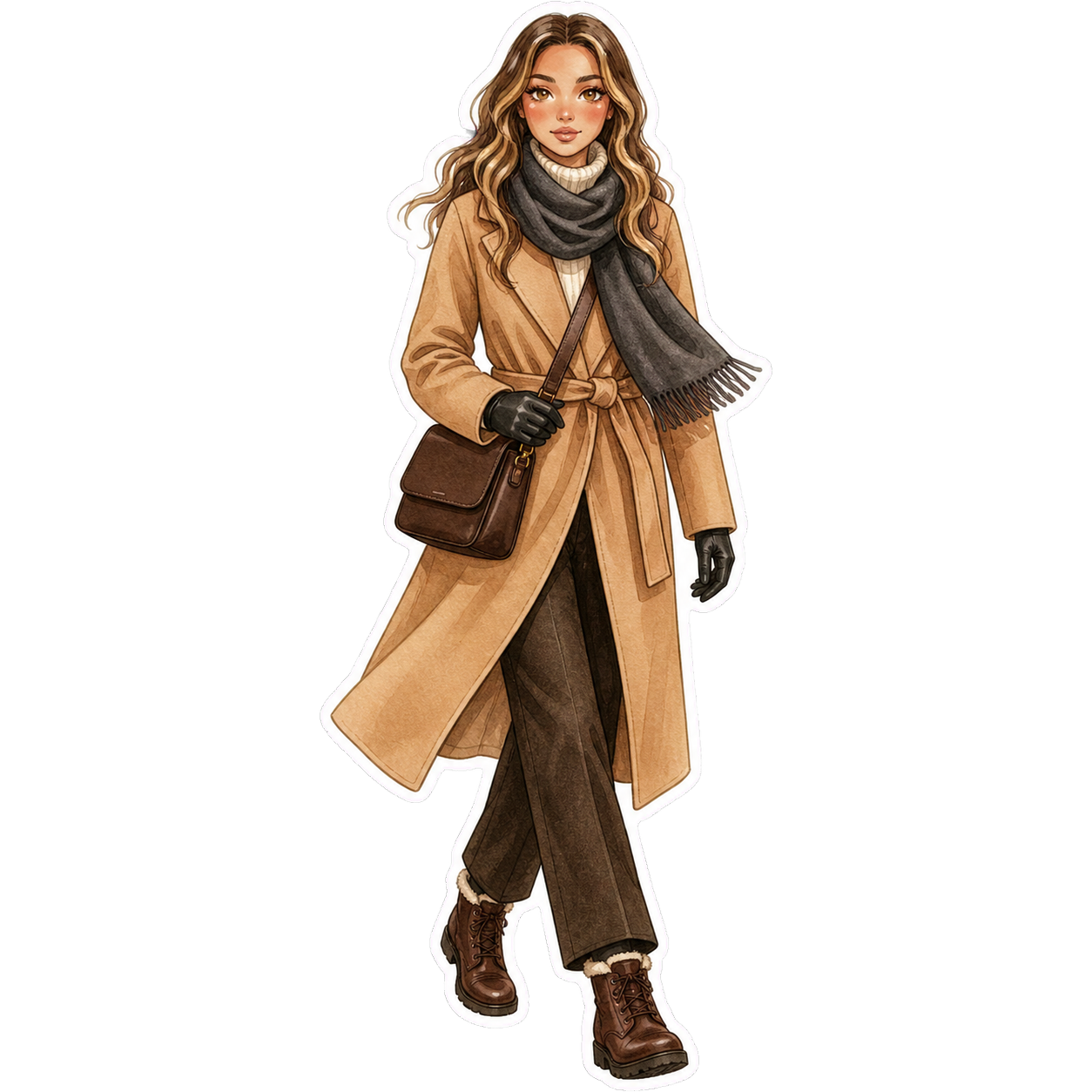
- A belted wool overcoat — the belt is what stops lake wind going up the front
- A heavy lambswool roll-neck, which closes the neck a crew leaves open
- A mid-weight merino thermal base — this one is insulation, not wicking
- Deep brown wool trousers over anything lighter
- Lined leather ankle boots with a lug sole and sealed seams
- Gloves and a wool scarf — the two things people leave until December and regret
- Reuse October's layers — the overnight floor drops 11°F between the two months
- Leave your hands bare — the average night is 1°C / 34°F and half of them are colder
- Assume the lake wind eases — it does not, and now it is near freezing
- Bring a full snow parka — the 9°C / 48°F afternoon makes it dead weight
October in Chicago is a swing. November is a floor, and the floor is freezing. NOAA's 1991–2020 normals at O'Hare record an average high of 9.1°C and an average low of 1.2°C, which is one degree above zero and therefore means roughly half the nights of the month go under it. Compare that with October's 7.4°C overnight and the change is obvious: the daily gap actually narrows, from about ten degrees to about eight, but the bottom drops away by eleven degrees Fahrenheit. That is a different packing problem, and it is why October's advice does not simply carry over. Precipitation stays unremarkable at 10 days with only 5.3 above a tenth of an inch, but a share of it now arrives as the season's first snow. Daylight falls to 9h 45m, and the lake wind that made October's evenings sharp is still there, only now it is working on air near zero. The answer is a coat that closes properly rather than one that merely covers, wool against the neck instead of an open crew, and gloves. The Magnificent Mile Lights Festival fills North Michigan Avenue on the Saturday before Thanksgiving, in the dark, in exactly this weather.
October in Chicago is a swing. November is a floor, and the floor is freezing.
The capsule
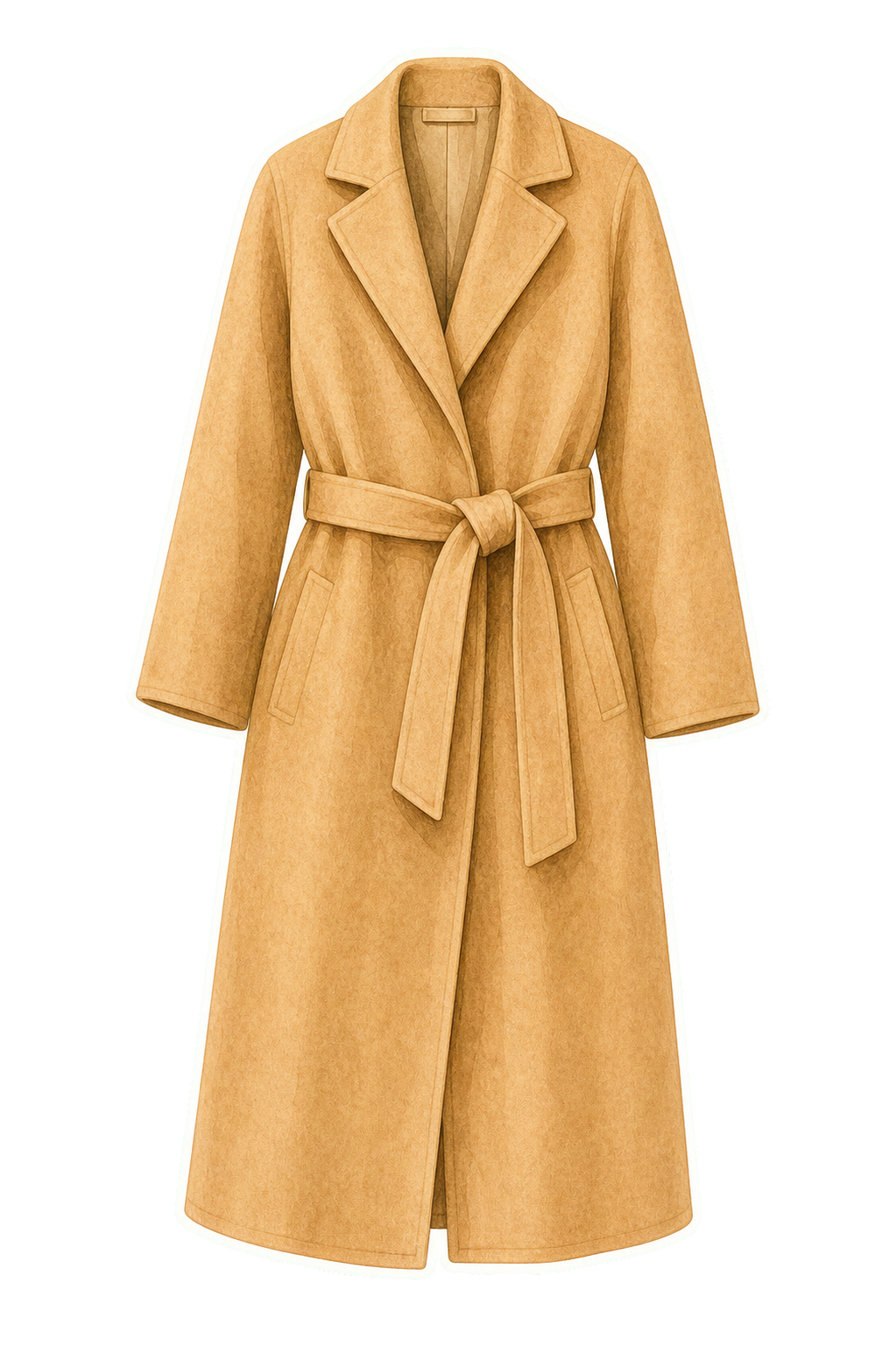 01Camel belted wool wrap overcoat
The belt is the functional detail, not a styling one. An open-front overcoat lets lake wind straight up the body, and cinching the waist closes that gap in a way buttons alone do not. Long enough to cover the trouser to mid-calf. Camel rather than the charcoal that carried October, partly because the month is darker and partly because you will be photographed under Michigan Avenue lights.
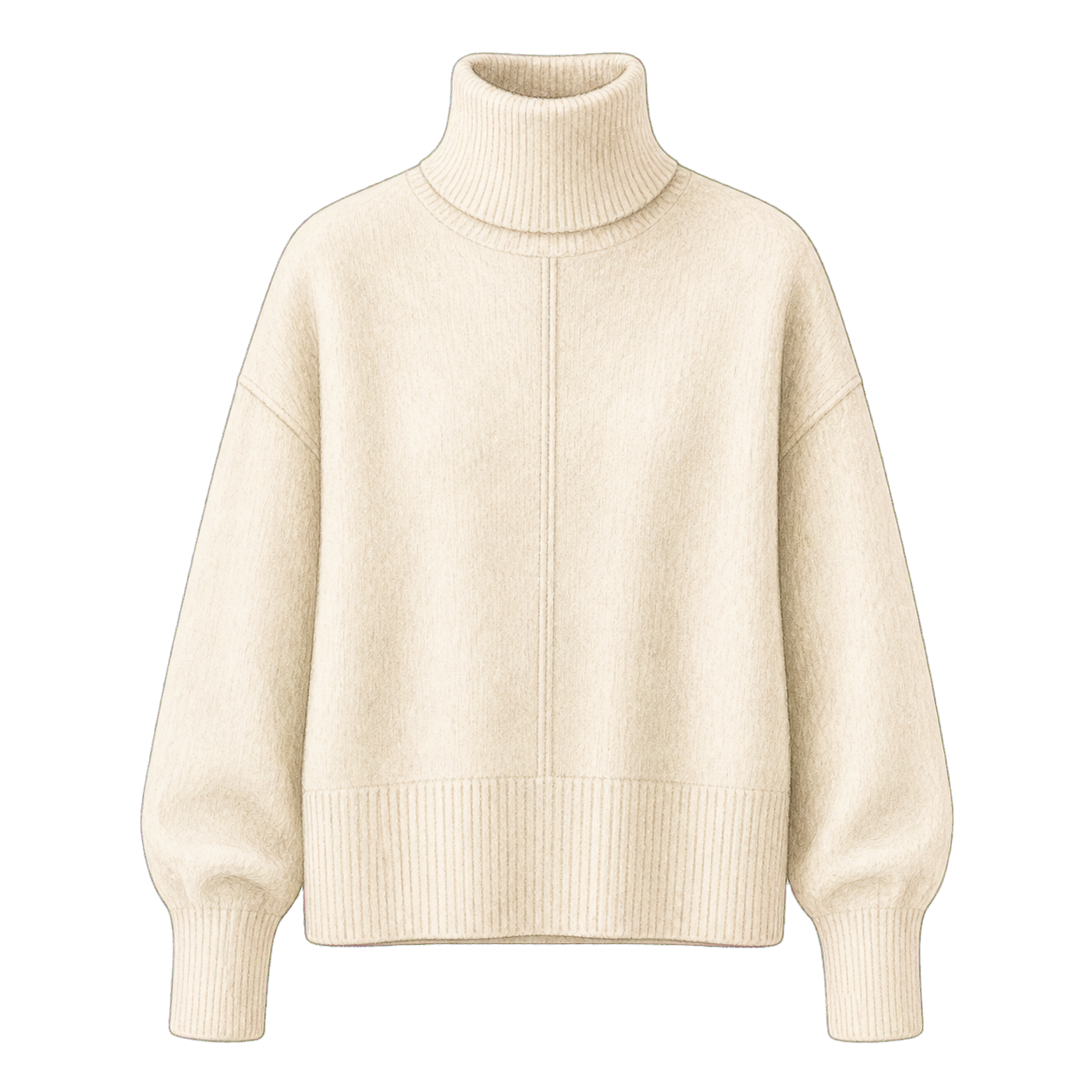 02Oatmeal heavy lambswool roll-neck
A roll-neck rather than a crew, because the neck is where the last of the warmth goes when the temperature sits near zero and the wind is horizontal. Heavy lambswool holds its shape under a belted coat instead of compressing flat. Oatmeal keeps it from vanishing against a camel coat, and it is the piece you will wear alone in an overheated restaurant.
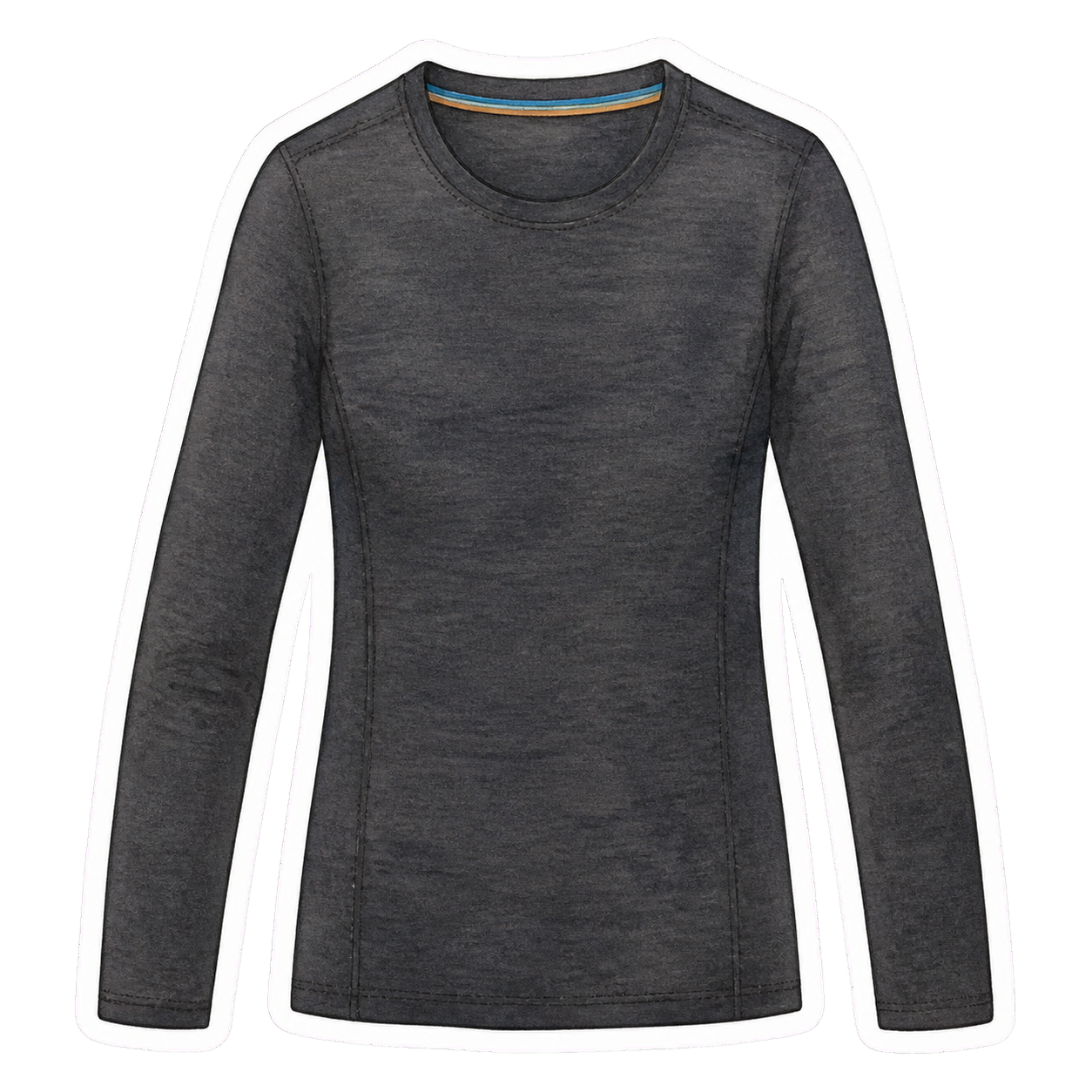 03Mid-weight merino thermal base, charcoal
Mid-weight is the specification: this layer is doing insulation rather than moisture management, which is the opposite of what a summer base layer is for. It is also what lets the same coat work at 9°C / 48°F in the afternoon and 1°C / 34°F at night without adding a second outer garment. Charcoal so it disappears under everything.
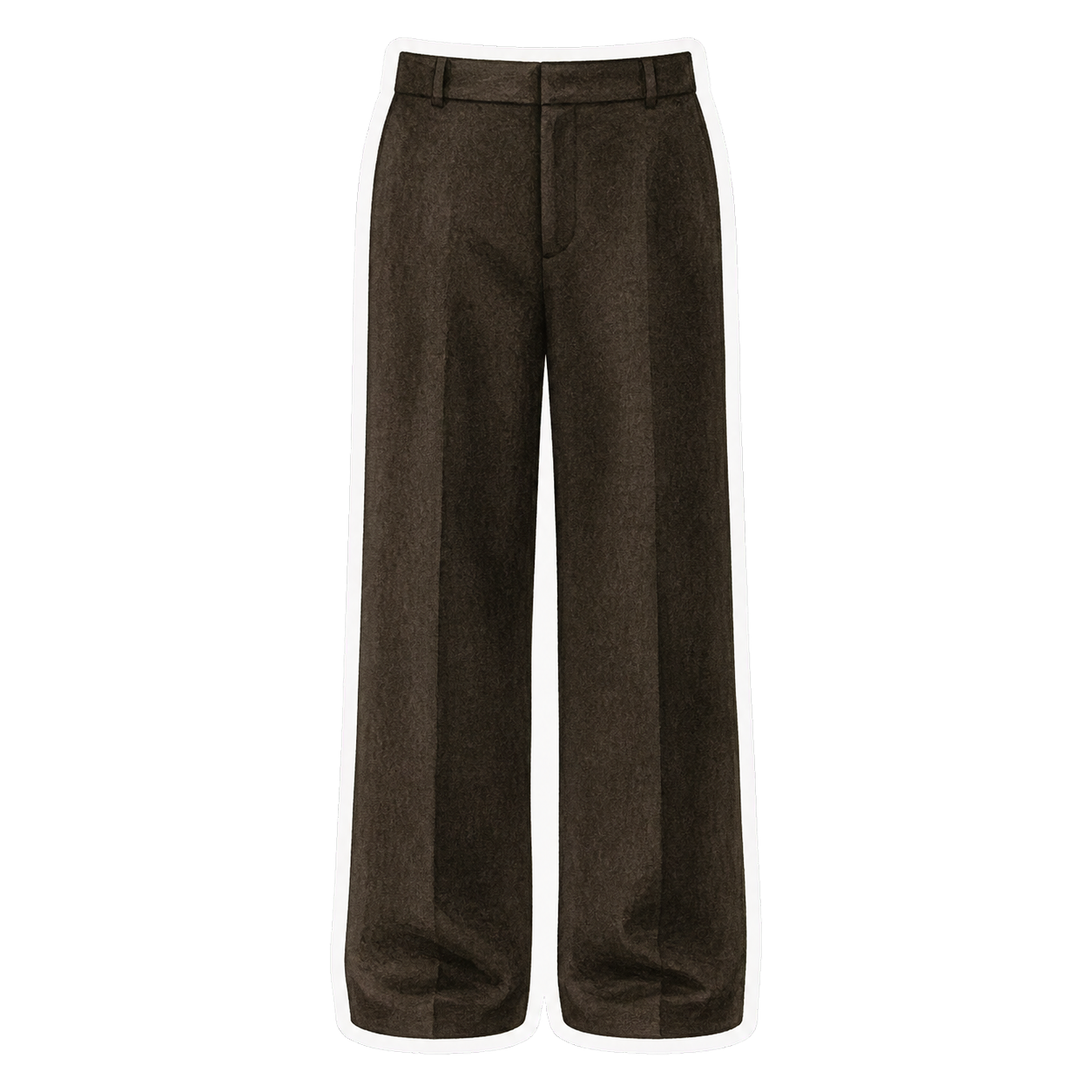 04Deep brown wool trousers, straight leg
Wool because the wind cuts through cotton chino at this temperature and you feel it on the front of the thigh within a block. Straight leg with a full break so the hem meets the boot and nothing is exposed at the ankle, which is where people actually get cold. Deep brown ties to the boot and the bag and lifts an otherwise camel-and-charcoal capsule.
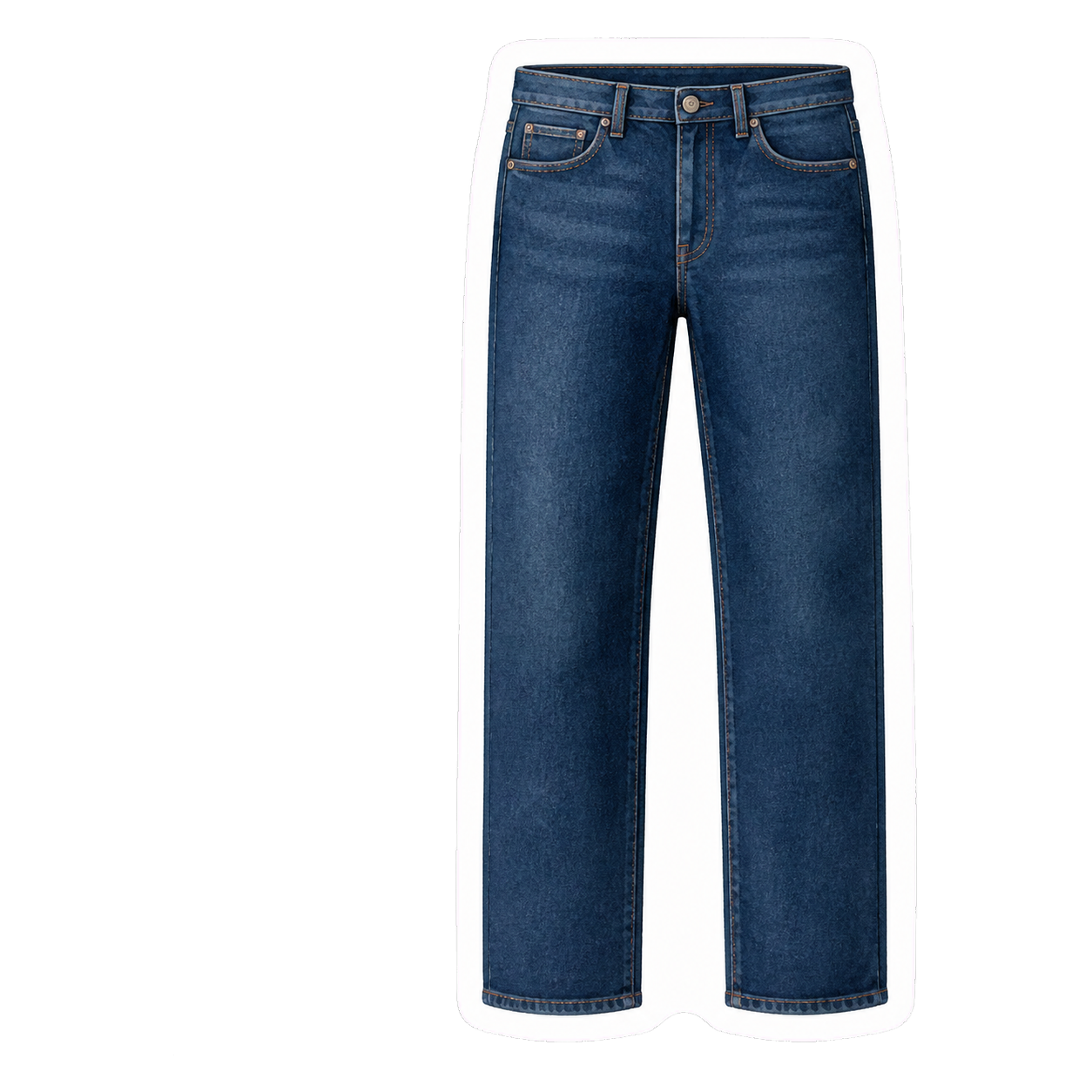 05Dark-wash straight-leg jeans
The daytime alternative, for the architecture walk or the museum campus rather than dinner. Dark wash hides the salt spray that starts appearing on pavements once the city begins treating them, which in Chicago can begin in November. Straight leg for the same reason as the wool trousers: it sits on the boot instead of riding above it.
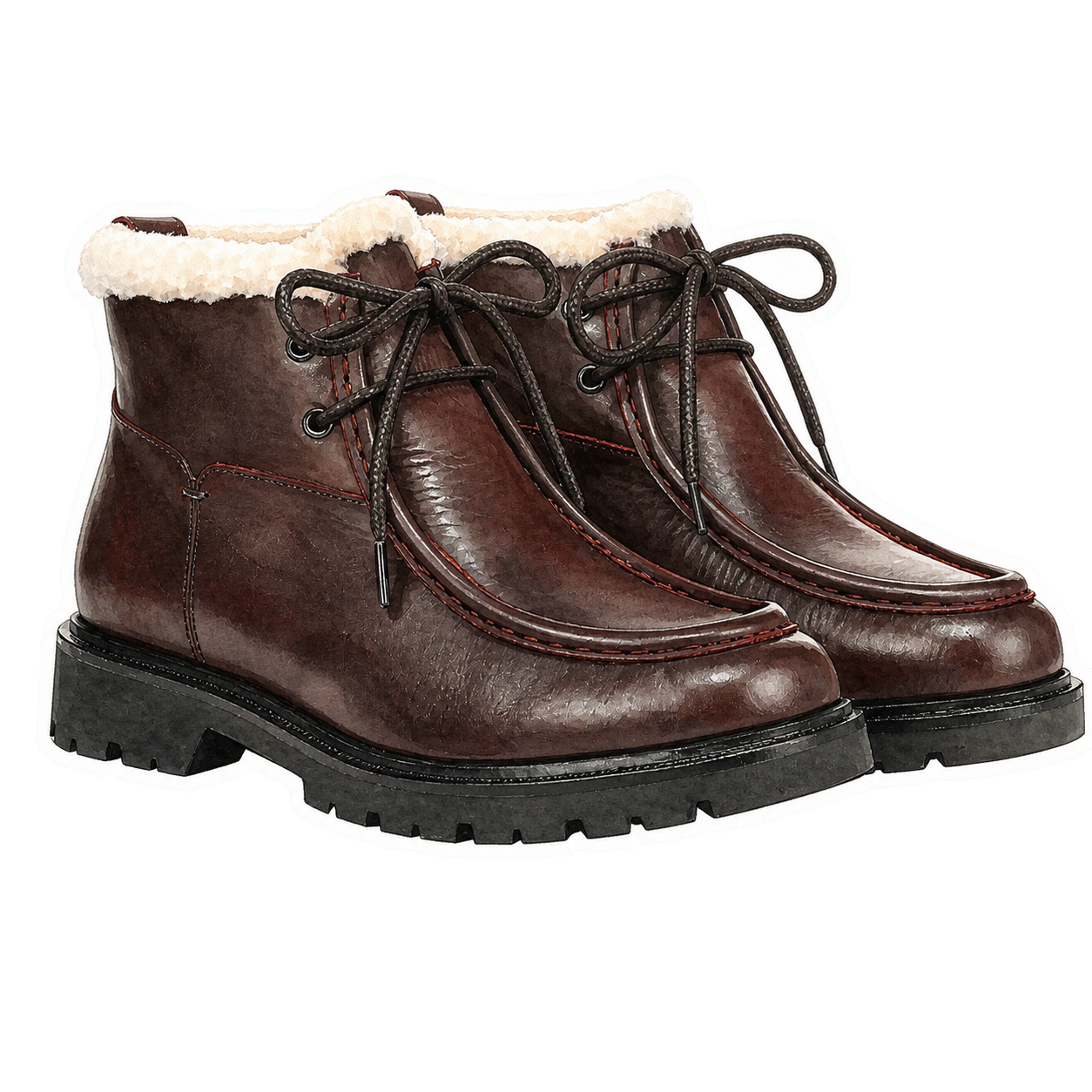 06Dark brown lined leather ankle boot, lug sole
Lined rather than unlined, which is the single upgrade from October and the one people skip. Sealed seams and a lug sole handle the first slush without committing you to a snow boot that would be absurd on a 9°C / 48°F afternoon. A low stacked heel keeps the mileage comfortable across the Loop, which is still flat and still long.
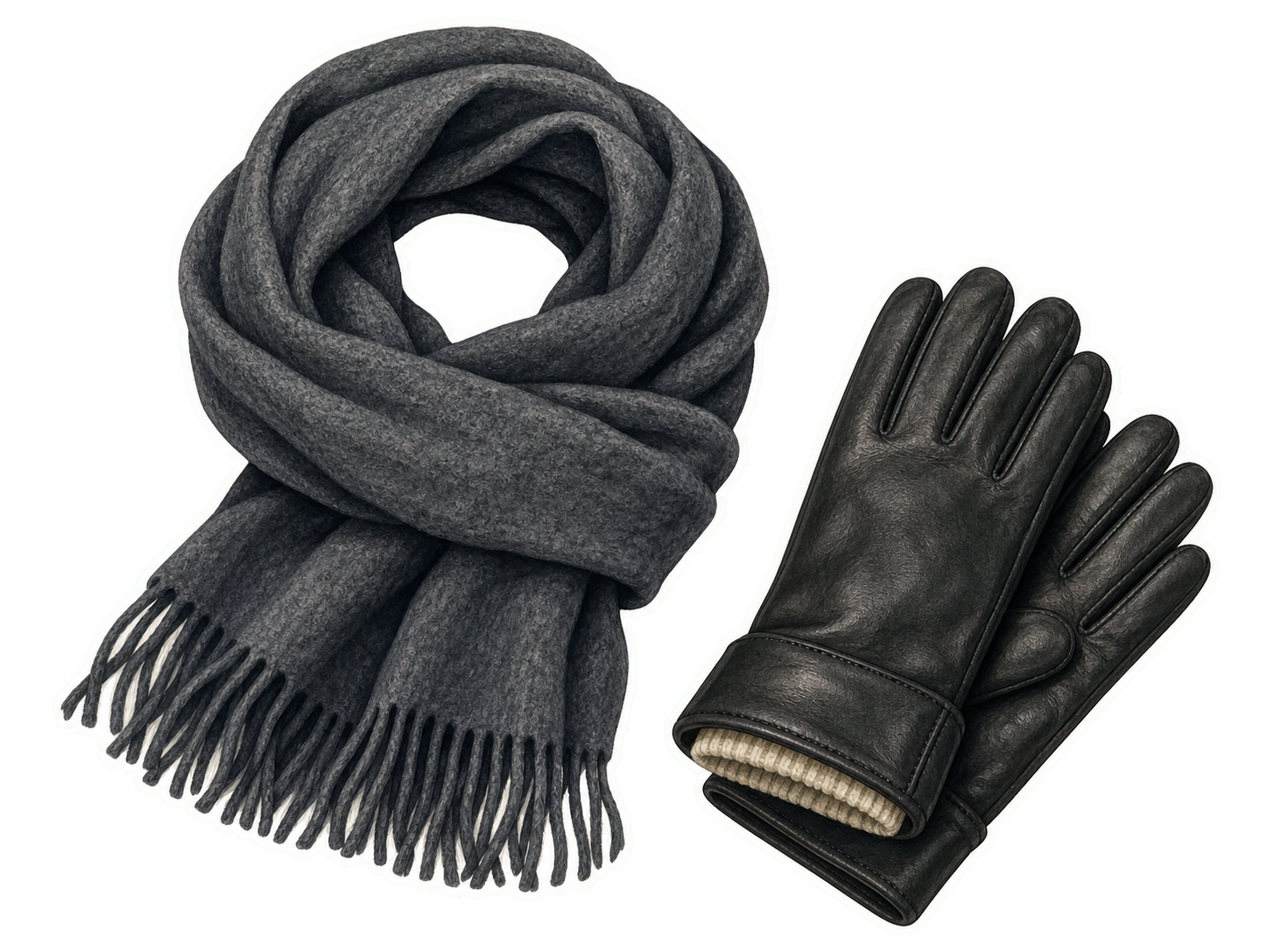 07Charcoal fringed wool scarf and black lined leather gloves
These are the two pieces that separate a November visitor from a November local, and both get left at home by people who checked only the daytime high. Leather with a knit lining beats a knitted glove in wind, because wind passes straight through knit. The scarf fills the gap the roll-neck leaves once the coat is belted and the collar is up.
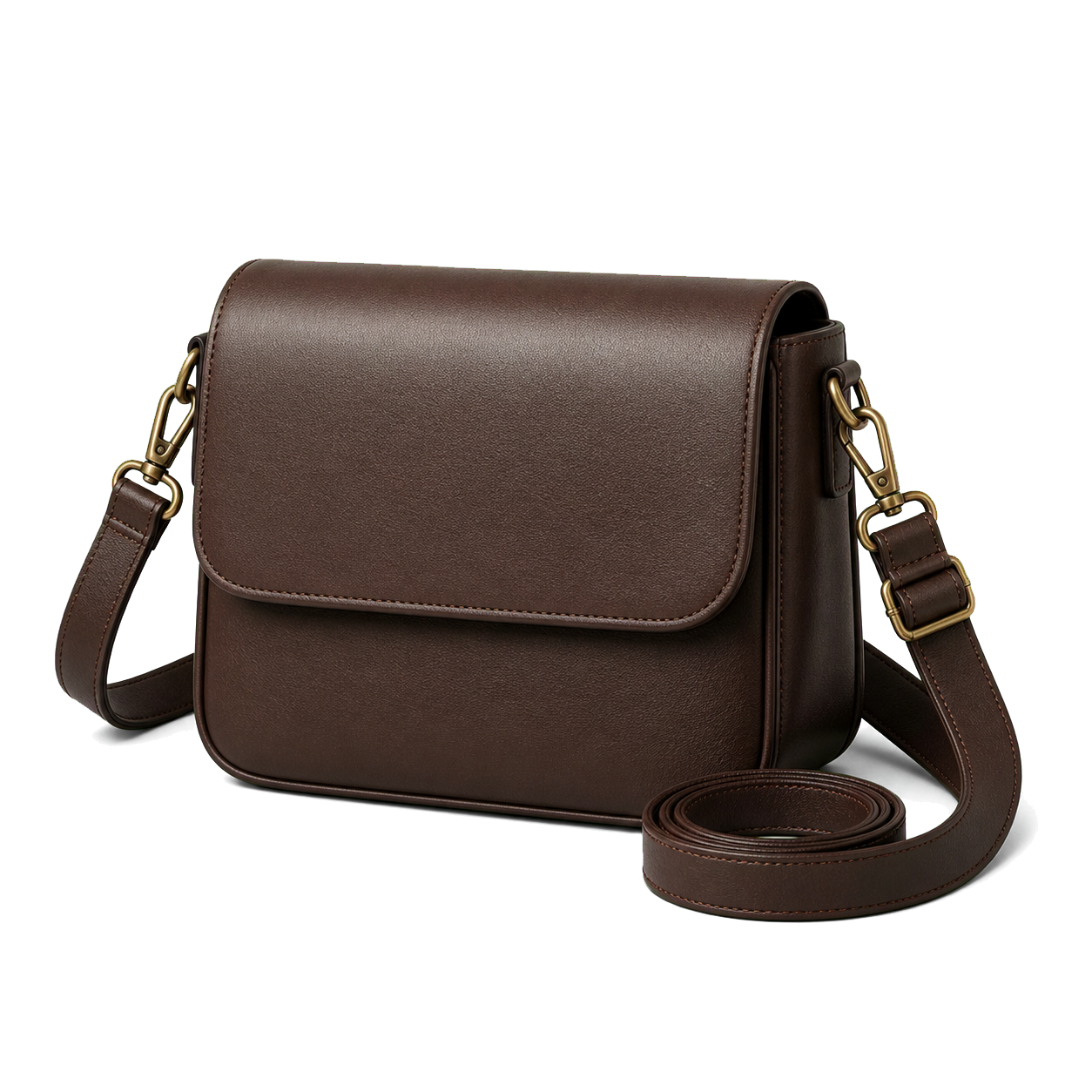 08Dark brown structured crossbody with brass hardware
Structured so it holds its shape against a belted coat rather than bunching under the belt line. Worn cross-body under the coat, which keeps it out of the weather entirely and leaves both gloved hands free. Brass rather than untreated hardware, since road salt reaches everything at this time of year.
Day to night
Thermal base under the lambswool roll-neck · dark-wash jeans · lined ankle boots · coat unbelted and open · crossbody. The Art Institute before noon, then the river walk while there is still light in it.
Same roll-neck over the base · deep brown wool trousers · boots · scarf, gloves on · coat belted and closed. Dinner in the Loop at seven; it has been dark since half four and it is heading for 1°C / 34°F.
A suggested look — belted camel wool wrap coat, oatmeal lambswool roll-neck, deep brown wool trousers, dark brown leather ankle boots, charcoal wool scarf.
What to avoid
- Reusing October's layers — the overnight floor drops 11°F between the two months
- Bare hands — the lake wind makes a 1°C / 34°F evening painful without gloves
- A full snow parka — that is January here, and dead weight by mid-afternoon
- Unlined boots — the first slush usually arrives in November
- Any hem that stops above the ankle bone — that gap is where the wind finds you
Frequently asked questions
Cold, grey and windy, with the first real bite of winter. NOAA's 1991–2020 normals at O'Hare record an average high of 9.1°C / 48°F and an average low of 1.2°C / 34°F, with precipitation on 10 days of which 5.3 clear a tenth of an inch. Daylight falls to about 9h 45m. Because the average low sits one degree above freezing, roughly half the nights in the month drop below it.
Usually a little. November is typically when Chicago records its first measurable snow of the season, though accumulation is generally light and rarely lasts on the ground. Plan for slush rather than snowbanks: that means a lined boot with sealed seams and a lug sole, not a full snow boot, and a trouser long enough to meet the boot at the ankle.
Substantially at night, less so by day. The average high falls from 17.1°C / 63°F in October to 9.1°C / 48°F in November, but the more important change is the overnight low, which drops from 7.4°C / 45°F to 1.2°C / 34°F. The daily swing actually narrows; the floor is what moves. That is why October's layers do not simply carry over and why gloves become non-negotiable.
Yes, and ideally one that closes at the waist. A belted wool overcoat over a heavy roll-neck and a thermal base handles both the 9°C / 48°F afternoon and the near-freezing night. A full down parka is too much for the daytime and you will carry it. The wind off Lake Michigan is the reason a belt matters here more than it would in a sheltered city at the same temperature.
The Magnificent Mile Lights Festival fills North Michigan Avenue on the Saturday before Thanksgiving, in the dark and in near-freezing wind, so dress for the overnight low rather than the afternoon. Thanksgiving itself falls on the fourth Thursday. Museum season is at its best — the Art Institute and the Field are both far quieter than in summer — and the city's indoor architecture tours continue after the boat tours stop.
Sources
- NOAA — 1991–2020 climate normals, O'Hare station