What to Wear in Vienna in January
Vienna in January: 4°C / 39°F afternoons, −1°C / 30°F nights, frost on about 19 nights, and eight balls on WienTourismus's calendar between 14 and 30 January.
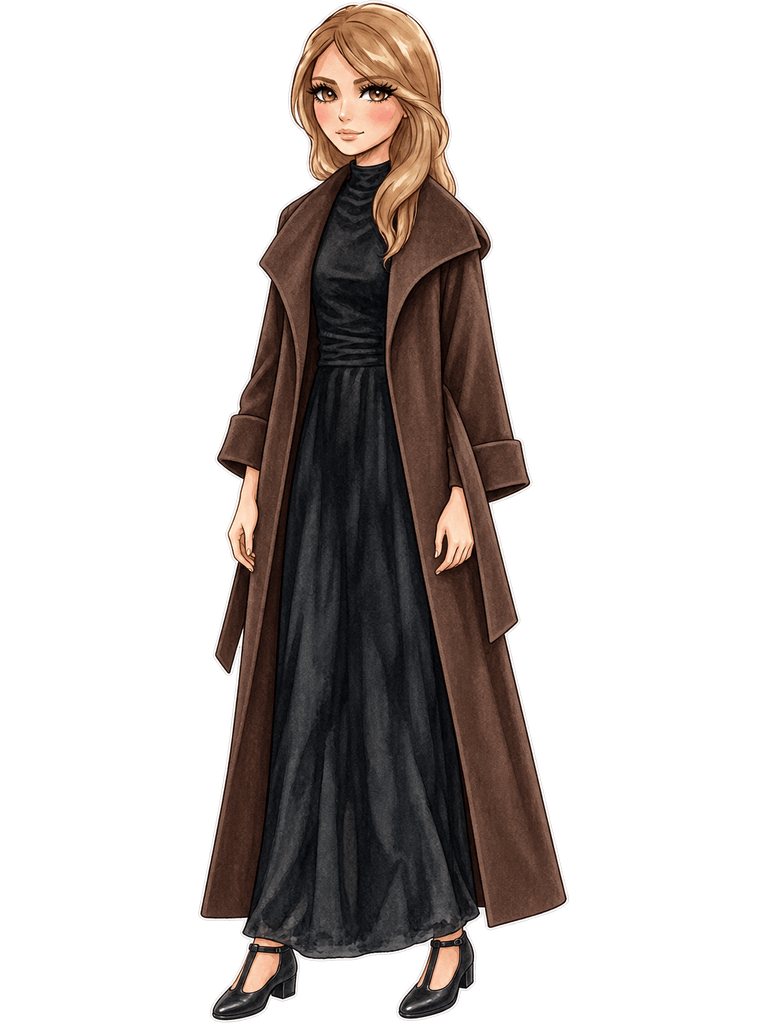
- Black floor-length gown — the ZuckerBäckerball's code rules out cocktail dresses and trouser suits
- Olive dirndl below the knee for the Jägerball — its committee reserves the right to refuse entry without Tracht
- Black T-bar pumps on a low block heel — the strap holds through a 1am quadrille
- Chocolate ankle-length wool coat — it covers the gown's skirt at −1°C / 30°F
- Black lug-sole riding boots for the walk in — about 19 frost nights, and the pumps go on at the cloakroom
- Black beaded clutch — the day bag stays in the cloakroom with the boots
- A cocktail dress or trouser suit — the ZuckerBäckerball's code names both
- A gown at the Jägerball — women need a dirndl or Tracht that covers the knee
- Dance shoes on the pavement — a thin leather sole has no grip on frozen stone
- A long necktie on your partner — the ZuckerBäckerball asks for a bow tie
Pack for the ball first and the street second. WienTourismus says the ball season peaks in January and February, and its calendar lists eight balls between 14 and 30 January 2027. Each writes its own code. The ZuckerBäckerball on the 14th asks for a floor-length gown and bars Tracht. The Kaffeesiederball on the 22nd wants a ball robe or floor-length evening dress, with tails or a dinner suit beside it. The Jägerball on the 25th wants a dirndl that covers the knee. Then there is the walk. GeoSphere Austria's Hohe Warte record makes January the coldest month of the year, at 3.6°C by day and −1.3°C / 30°F at night, with frost on about 19 nights and snow lying on about 11 days. So the coat reaches your ankles, boots take you to the door, and the pumps go on at the cloakroom.
In January the ball sets Vienna's dress code, not the weather. The ZuckerBäckerball bars Tracht on the 14th; eleven days later the Jägerball reserves the right to turn you away without it.
The capsule
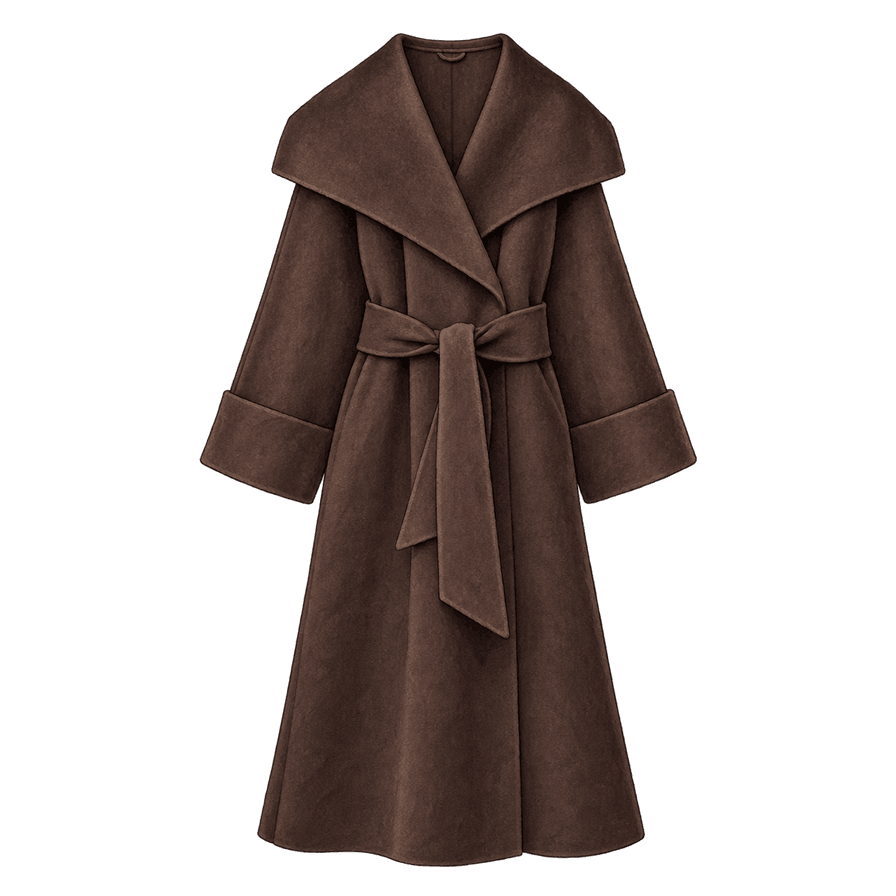 01Chocolate-brown ankle-length wool coat, shawl collar
Length decides this coat. A floor-length gown under a knee-length coat leaves the skirt out in −1.3°C / 30°F while you wait at the Hofburg door, and the Jägerball opens at 8pm and closes at 5am. A double-faced wool coat to the ankle covers a gown and a dirndl alike, and chocolate brown sits over black, olive and cherry red without fighting any of them. By day it goes over the plaid skirt and the boots.
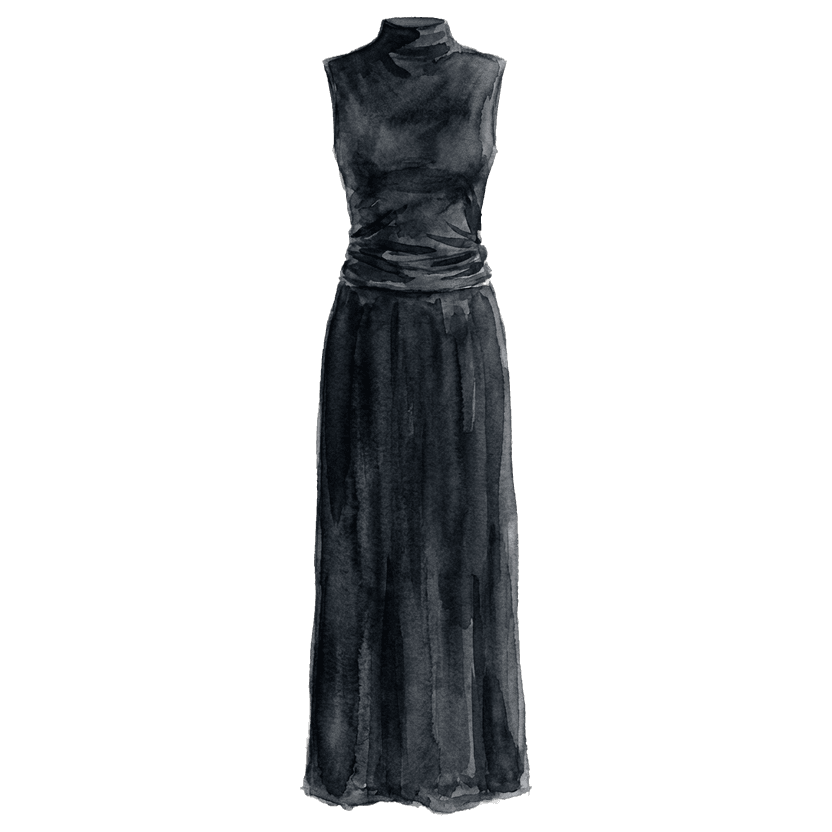 02Black sleeveless mock-neck gown, floor length
Pack for the strictest code and every Hofburg ball in the month is covered. The ZuckerBäckerball asks for a floor-length ball gown and names what fails: short skirts, cocktail dresses, trouser suits and Tracht. The Kaffeesiederball asks for a ball robe or a floor-length evening dress. A black column with a high neck and a ruched waist meets both, has no train to step on in a Fledermaus quadrille, and keeps you clear of the white the debutantes wear to open the ball.
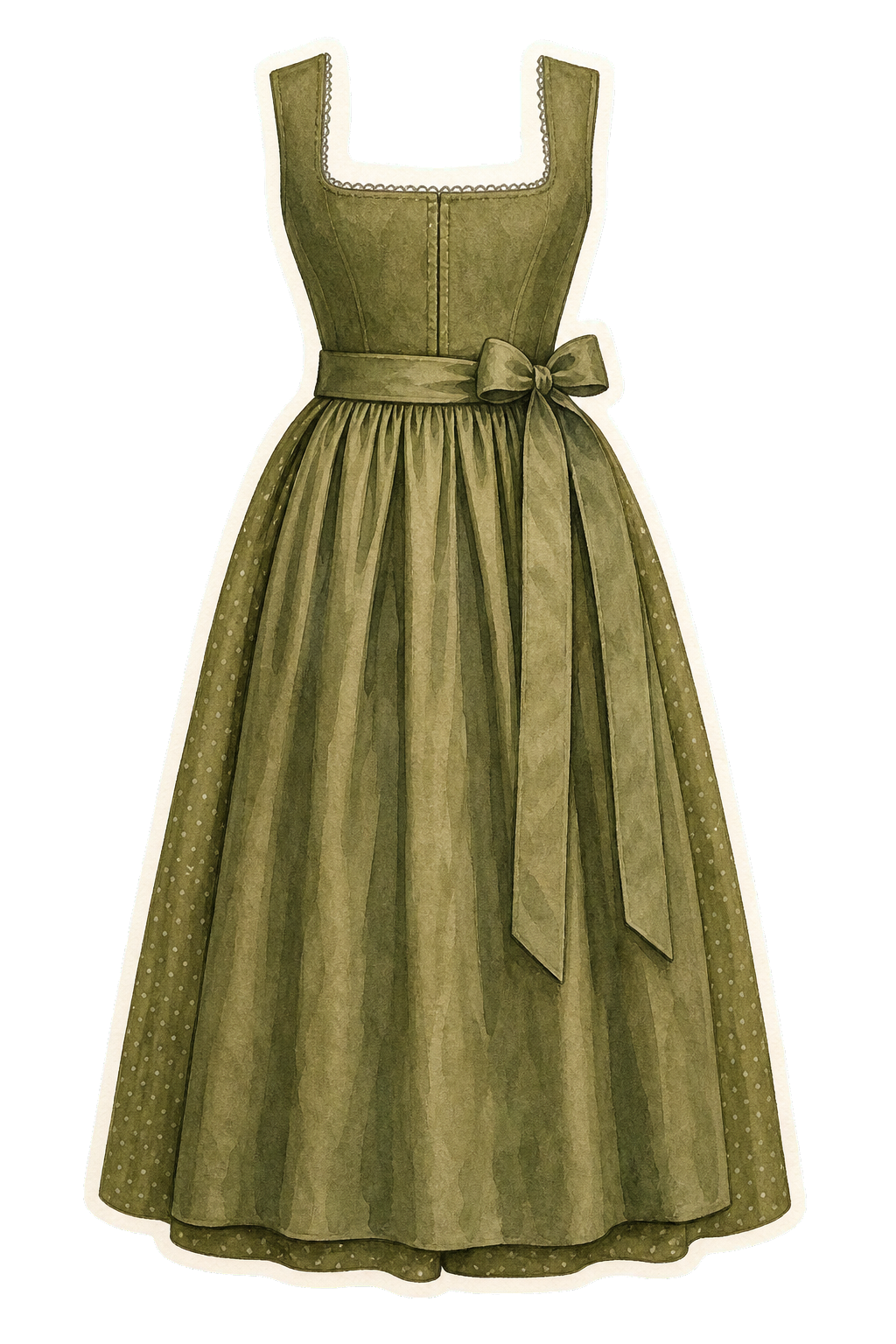 03Olive dirndl with a tied apron, below the knee
For one night, and not optional. The Jägerball on Monday 25 January asks women for a knee-covering dirndl or Tracht, no leather shorts, and its committee reserves the right to turn away anyone who ignores the code. Olive with a matching apron reads hunting ball rather than beer tent, and a hem below the knee clears the rule with room to spare. Wear a white blouse under the square neck.
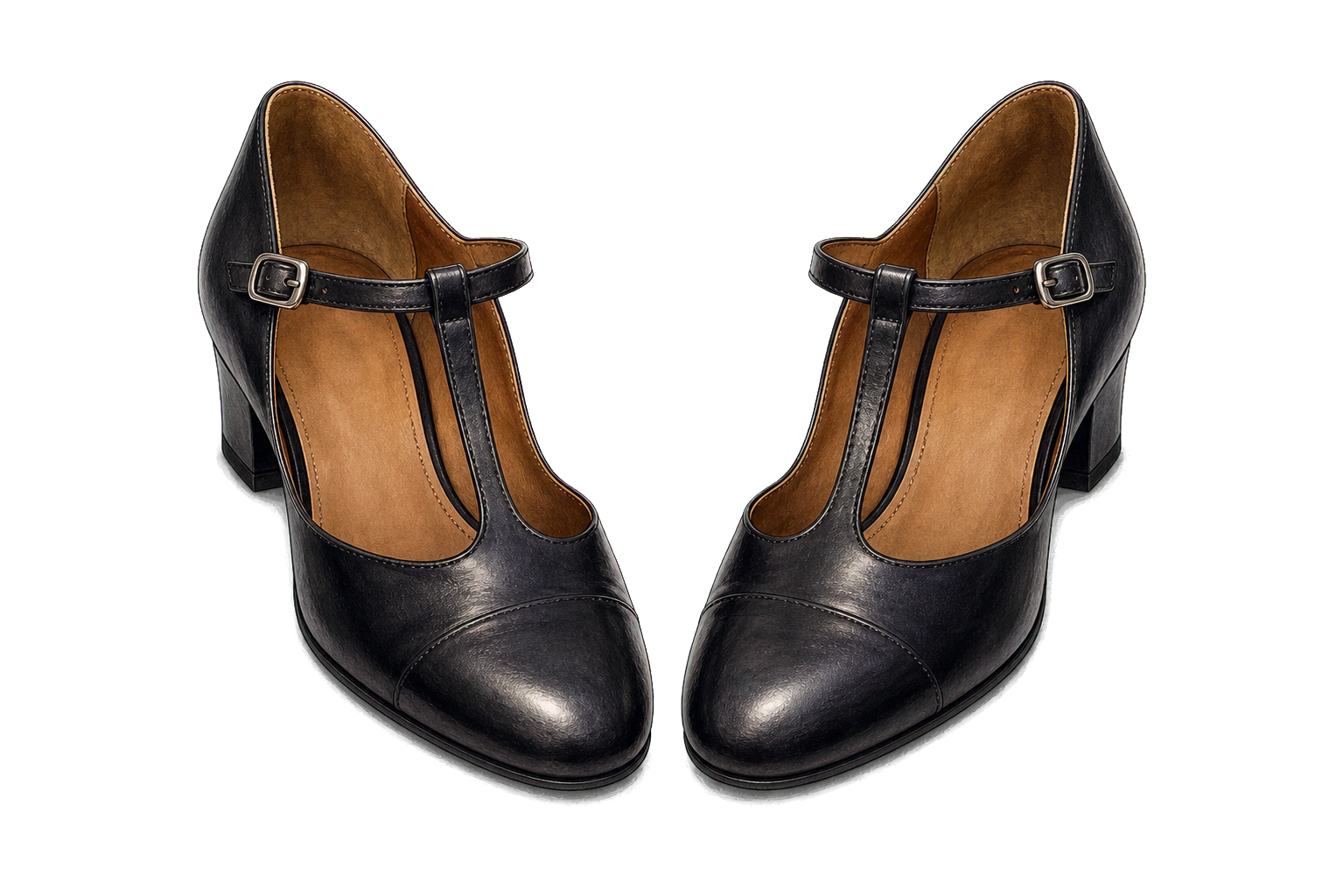 04Black leather T-bar pumps, low block heel
A ball is hours on parquet. The Jägerball programme runs from doors at 8pm to a midnight quadrille, a public quadrille at 1am and a close at 5am. A strap across the instep keeps the shoe on through a turn, a low block heel spreads your weight, and a closed toe survives a crowded floor. Black leather sits under the gown and under the dirndl, so one pair covers every ball on the list.
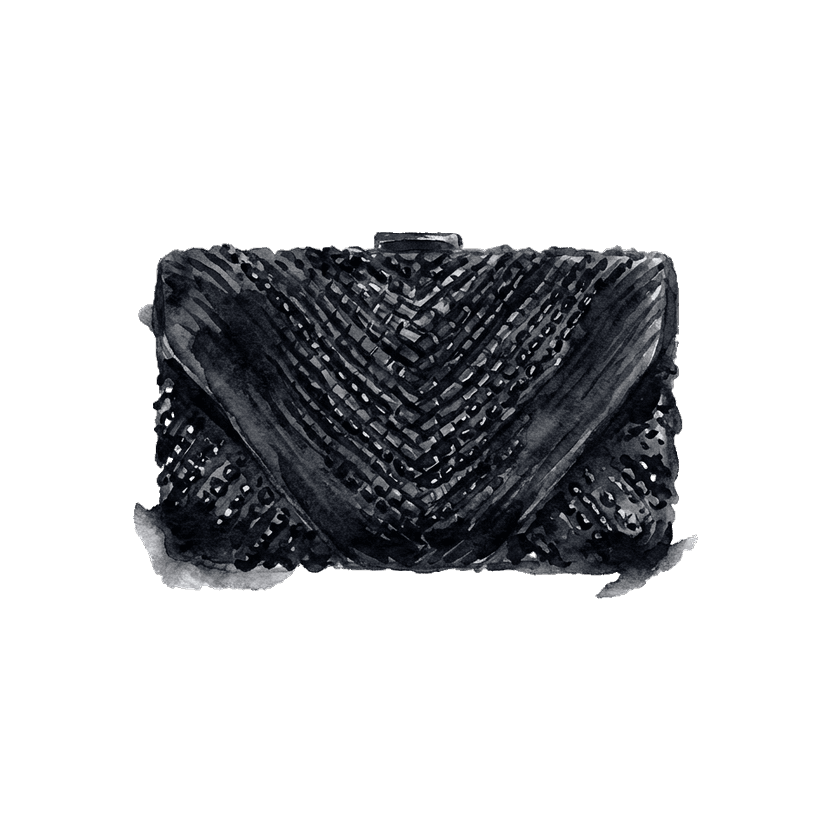 05Black beaded clutch with a clasp
Your coat, boots and day bag go to the cloakroom, and what stays with you is a card, a phone, a lipstick and the cloakroom ticket. A small beaded clutch with a closing clasp holds exactly that, has no strap to cut across a high neckline, and matches the black pumps without adding another colour to the evening.
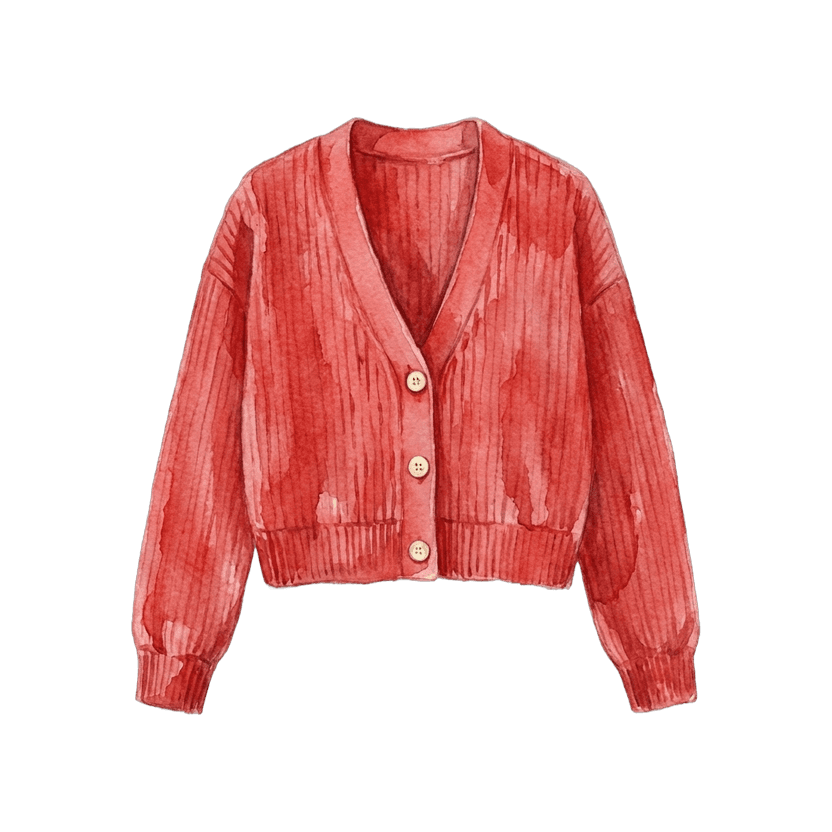 06Cherry-red ribbed V-neck cardigan, cropped
Two jobs in one knit. By day it is the colour in a brown-and-plaid outfit, in a month with about 2.3 hours of sun a day. At the Jägerball it goes over the dirndl's bodice for the walk between rooms, and the cropped hem stops at the apron's waistband instead of hiding the bow. A mid-weight rib keeps it light enough to wear inside a heated ballroom.
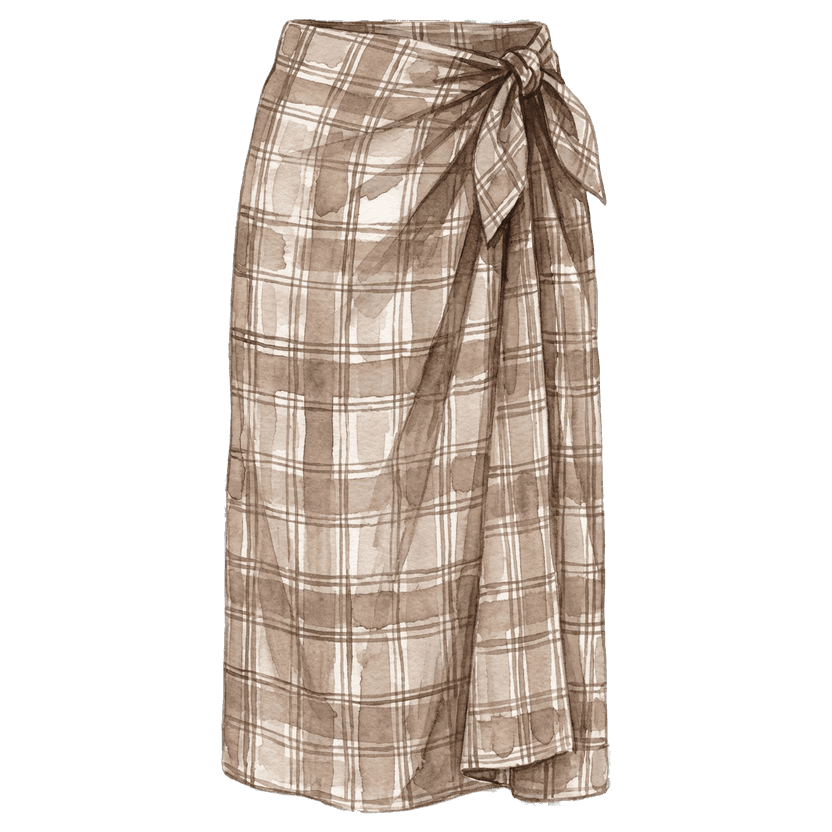 07Tan-and-brown plaid wrap midi skirt, knotted at the hip
Daytime is museums and coffee houses at 3.6°C, and a midi skirt over tall boots keeps your legs covered from the coat's hem down. A wrap front knotted at the hip adjusts over thick tights. Tan and brown plaid picks up the chocolate coat and gives the red cardigan something warm to sit against, so the day look and the ball look share one coat.
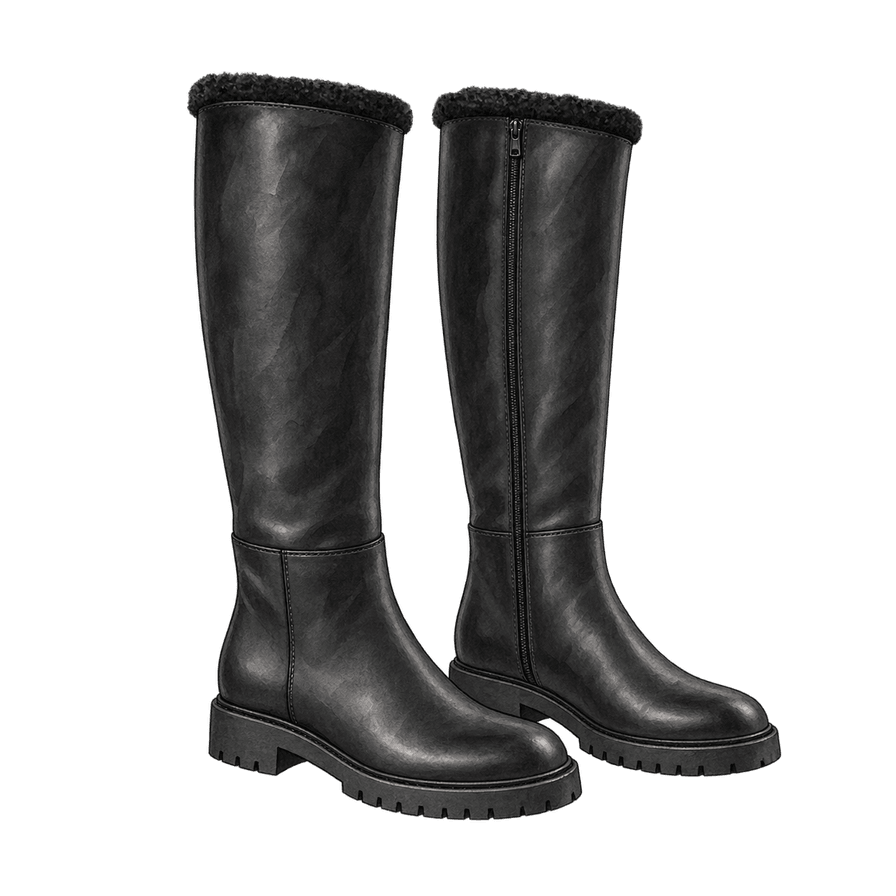 08Black leather knee-high boots on a lug sole
GeoSphere Austria's record counts about 19 frost nights in January and snow lying on about 11 days, so a smooth sole is the wrong tool on the Ringstraße at 7pm. A knee-high boot on a rubber lug covers your leg under the midi skirt by day and walks you to the ball at night. Change into the pumps at the cloakroom and check the boots with the coat.
Day to night
Cherry-red cardigan · plaid wrap midi skirt · black lug-sole riding boots · chocolate ankle-length coat. The Kunsthistorisches at ten, a coffee house at noon, the Heldenplatz in daylight before sunset at about 4:25pm in mid-January.
Black floor-length gown · chocolate coat closed to the ankle · riding boots to the door, T-bar pumps on at the cloakroom · beaded clutch. The Kaffeesiederball on Friday 22 January, doors at 7:30pm, and goulash in a coffee house on the way home, which is how WienTourismus says a ball night ends.
A suggested look — chocolate ankle-length wool coat, black mock-neck floor-length gown, black leather t-bar pumps.
What to avoid
- A cocktail dress or trouser suit — the ZuckerBäckerball's code refuses both
- A gown at the Jägerball — women need a dirndl or Tracht that covers the knee
- A long necktie — the ZuckerBäckerball's code says bow tie
- Dance shoes on the pavement — about 19 frost nights, and no grip on frozen stone
- A knee-length coat over a gown — the skirt stays out at −1°C / 30°F
Frequently asked questions
Cold, often frosty and a little brighter than December. GeoSphere Austria's monthly record for Wien-Hohe Warte averages 30 Januaries at 3.6°C by day and −1.3°C / 30°F at night, which makes January the coldest month of the year. Frost comes on about 19 nights, the temperature stays below zero all day on about 8 days, and snow lies on the ground on about 11. Precipitation totals about 42mm over roughly 9 days of 1mm or more, and the sun shines about 2.3 hours a day. Daylight grows from 8h 25m on 1 January to 9h 25m on the 31st.
A chocolate ankle-length wool coat, a black floor-length gown, an olive dirndl if you have a Jägerball ticket, black T-bar pumps on a low block heel, a black beaded clutch, a cherry-red cropped cardigan, a plaid wrap midi skirt and black knee-high boots on a lug sole. That covers a 4°C / 39°F museum day and a ball night that ends near dawn at −1°C / 30°F. Add a white blouse for the dirndl and thick tights for the skirt. Leave the cocktail dress, the knee-length coat and any thin-soled day shoes at home.
Whatever that ball's code says, so read it before you pack. WienTourismus gives the rule for the traditional Hofburg balls: "The ladies appear in a long evening gown, the men wear a tuxedo or tails." The ZuckerBäckerball on Thursday 14 January asks for a floor-length gown, or a dinner suit or dark suit with a bow tie, and rules out Tracht. The Kaffeesiederball on Friday 22 January asks for a ball robe or floor-length evening dress, and tails, a dinner suit or gala uniform; its official menswear outfitter, Herrenmodehaus Teller in the 3rd district, sells and rents. The Jägerball on Monday 25 January reverses it: a knee-covering dirndl or Tracht for women, and a hunting dinner jacket, Trachten suit or knee-length Lederhose with jacket and tie for men.
Late January, if the balls are the reason. WienTourismus's calendar goes from the Chimney Sweepers' Ball in November straight to the ZuckerBäckerball on 14 January, then lists eight balls in seventeen days: the Flower Ball at City Hall on the 15th, the Philharmonic Ball on the 21st, the Kaffeesiederball on the 22nd, the Ball of Industry and Technology and the Ball of Sciences on the 23rd, the Jägerball on the 25th and the Doctors' Ball on the 30th. Late January also has more light, with sunset moving from about 4:10pm on the 1st to about 4:50pm on the 31st. Early January suits a museum trip with no gown in the case, and the Schönbrunn Christmas market runs to 6 January.
January is the colder month, and balls replace markets. On GeoSphere Austria's Hohe Warte record January brings about 19 frost nights against December's 15, about 8 days that stay below zero all day against 6, and snow lying on about 11 days against 6. It is a little brighter, at about 2.3 hours of sun a day. Our December guide dresses you for standing still at a Christmas market. The Rathausplatz market closes on 26 December and Schönbrunn's on 6 January, and after that the evenings move indoors to a ballroom, so the coat's job becomes the walk to the door.
By day a long dark coat, a knit, a skirt or wool trousers and a boot with grip; at night whatever the ball demands, and Vienna has its own institutions for both. Tanzschule Elmayer, which the cavalry captain Willy Elmayer-Vestenbrugg founded in 1919 in the former stables of Palais Pallavicini, still teaches at Bräunerstraße 13, beside the Hofburg, and offers ballroom refreshers of just three sessions before a ball. For the walk there, Mühlbauer has made hats in Vienna since 1903, when the milliner Julianna Mühlbauer opened a workshop and shop in Floridsdorf; the fourth generation now sells from Seilergasse 10.
Sources
- GeoSphere Austria (formerly ZAMG) — 1991–2020 climate normals, Hohe Warte station
- WienTourismus — Vienna ball season (opens 11 November at 11:11 on the Graben) — accessed 2026-09-26
- ZuckerBäckerball — 124th ball, 14 January 2027, Hofburg: dress code (floor-length gown; dinner suit or dark suit with bow tie; no traditional attire) — accessed 2026-09-27
- Wiener Kaffeesiederball — 68th ball, Friday 22 January 2027, Hofburg: doors 19:30, dress code (Ballrobe or floor-length evening dress; tails, dinner suit or gala uniform) — accessed 2026-09-27
- Verein Grünes Kreuz — 104th Jägerball, Monday 25 January 2027, Hofburg and Spanish Riding School — accessed 2026-09-27
- Verein Grünes Kreuz — Jägerball programme and dress code (knee-covering dirndl or Tracht for women; doors 20:00, close 05:00) — accessed 2026-09-27
- GeoSphere Austria Data Hub — monthly station data (klima-v2-1m), Wien Hohe Warte, 1991–2020 — accessed 2026-09-27
- Tanzschule Elmayer — founded 1919 by Willy Elmayer-Vestenbrugg at Palais Pallavicini, Bräunerstraße 13 — accessed 2026-09-27
- Mühlbauer — history: Julianna Mühlbauer's hat workshop in Floridsdorf, 1903; store at Seilergasse 10 — accessed 2026-09-27
- WienTourismus — Vienna's Christmas markets 2026 (openings 6–20 November) — accessed 2026-09-26
- Wiener Christkindlmarkt — Rathausplatz, 13 November – 26 December 2026 — accessed 2026-09-26