What to Wear in Kyoto in June
Kyoto in June is tsuyu (plum-rains) season — 28°C / 82°F afternoons, 19°C / 66°F nights, 13 rain days. Humidity 80% peak.
- Lightweight cotton — Japanese tsuyu humidity 80%
- Mid-weight cardigan — AC at JR Shinkansen station + restaurants
- Packable rain shell + compact umbrella — tsuyu peak
- Slip-on shoes — every temple removes
- Modest cuts — Gion + temple modesty
- SOU SOU (Kyoto 2002) jikatabi for slip-on walking
- Don't wear leather — tsuyu humidity 80% causes mold
- Don't skip rain shell — tsuyu peak 13 rain days
- Don't pack only summer — 19°C / 66°F mornings + AC
Kyoto in June is tsuyu (Japanese plum-rains) season. JMA data put afternoon highs at 28°C / 82°F and overnight lows at 19°C / 66°F with 13 rain days. Humidity 80% peak. The dressing rule: lightweight cotton, mid-weight cardigan or wool sweater for AC at JR Shinkansen station and restaurants, packable rain shell + compact umbrella (tsuyu peak), slip-on canvas sneakers or jikatabi (SOU SOU heritage slip-on rubber-soled shoes), modest cuts, polarized sunglasses, sun hat. SOU SOU (Kyoto 2002), Issey Miyake heritage, Chiso (1555 kimono), Eirakuya (1615 traditional textiles) continue. Skip leather everything during tsuyu — leather sandals, leather bags rot in the humidity within a week. Kiyomizu-dera, Fushimi Inari Taisha, Kinkaku-ji, Ginkaku-ji, Arashiyama, the Gion district at peak tourist programming despite the rain. Tsuyu rain is sustained and frequent rather than dramatic — most days have 1-3 hour wet windows.
Kyoto June is the tsuyu month — Japanese plum-rains soaking the temple gardens, Kiyomizu-dera moss-and-green at peak, the SOU SOU jikatabi the most-practical slip-on rain shoe. Heritage kimono houses pivot to lighter yukata for summer.
The capsule
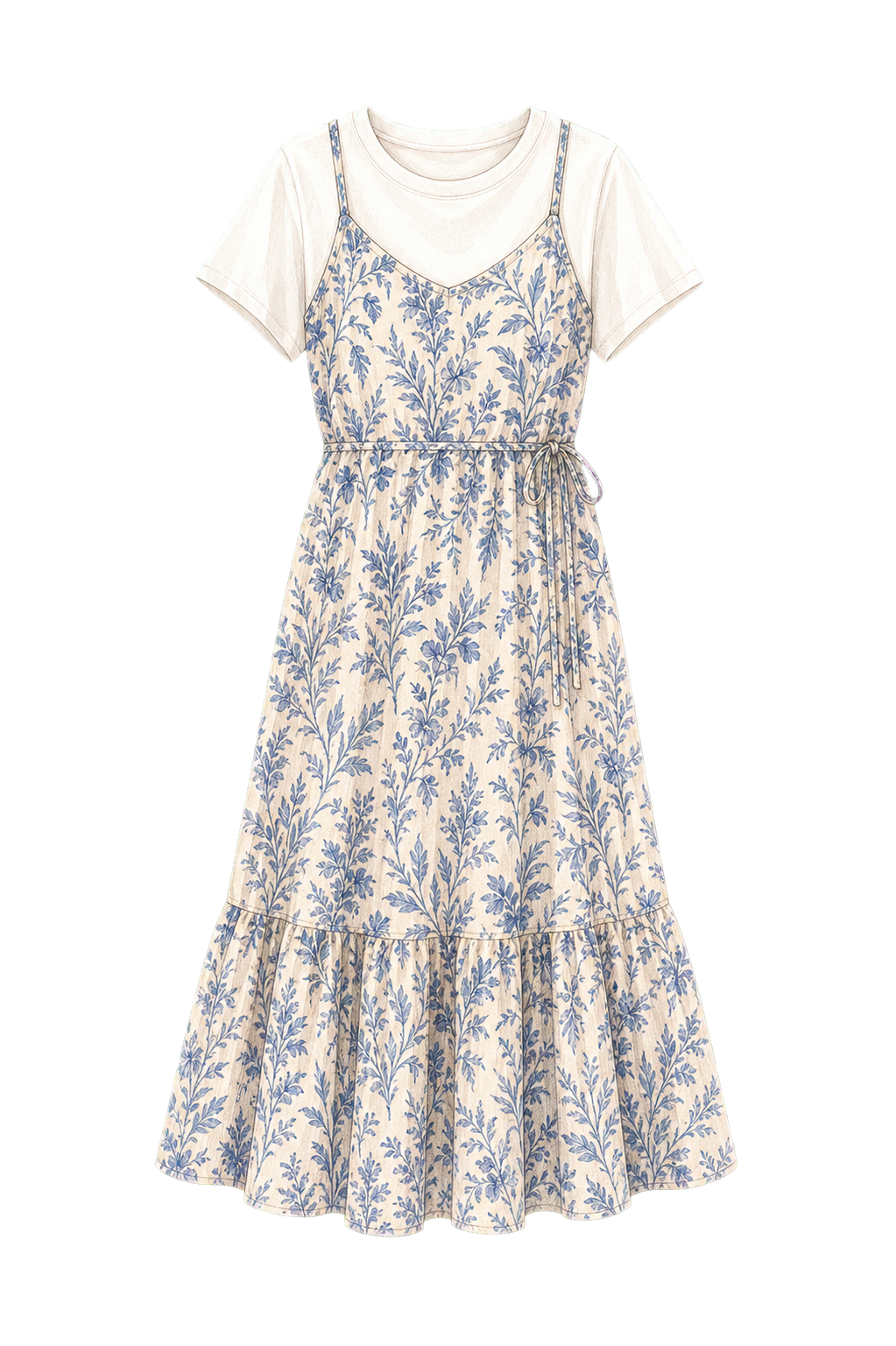 01Lightweight cotton tee + cotton dress
JMA Kyoto Marutamachi puts June at 28°C / 82°F afternoons with tsuyu humidity at 80% — the inland basin traps moisture worse than Tokyo. Open-weave cotton or seersucker in ivory, sage, or indigo dries between showers; skip linen-rayon blends that go translucent the moment a Higashiyama downpour catches you near Kiyomizu-dera.
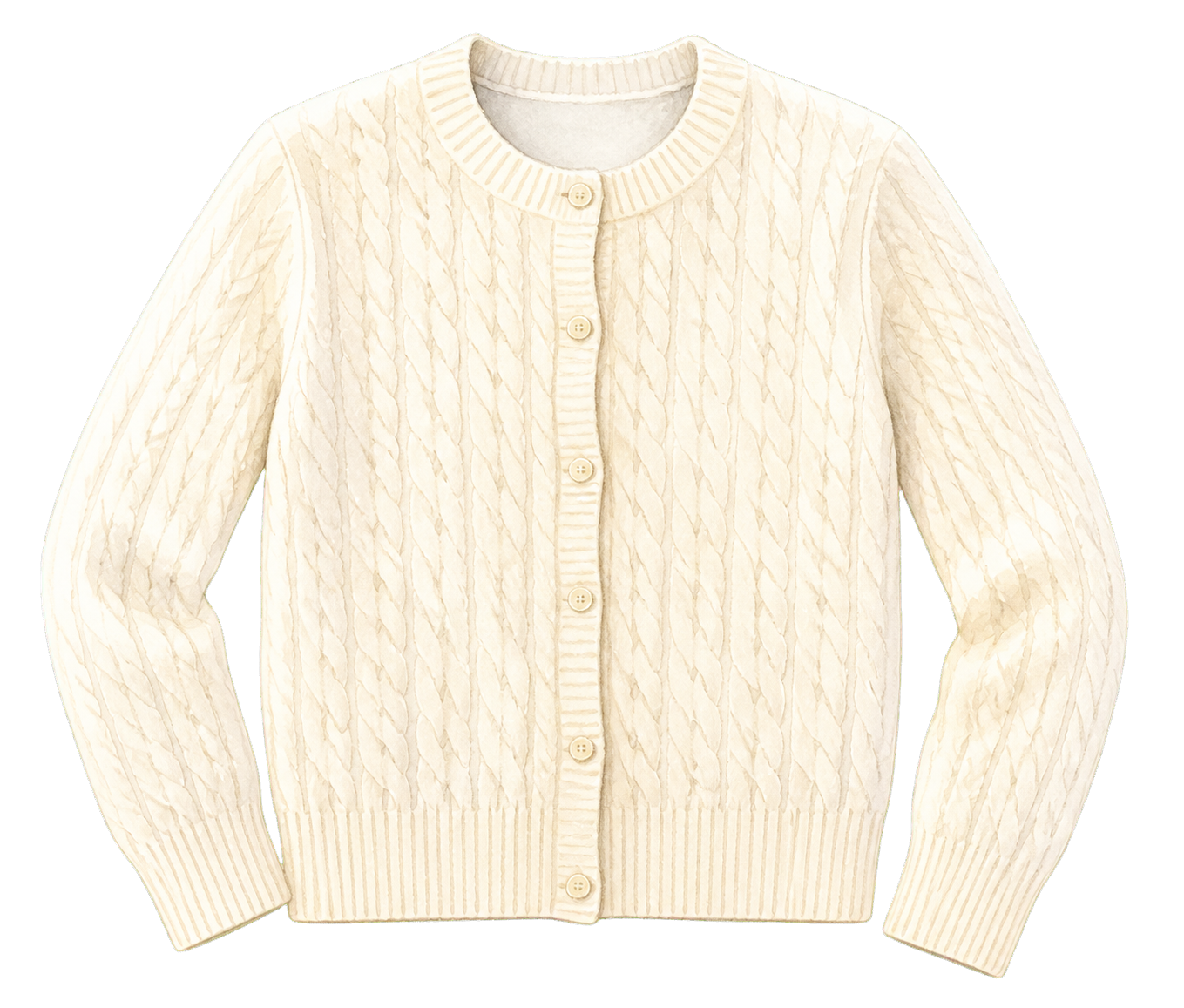 02Mid-weight cardigan or wool sweater
Kyoto Station, the Hankyu Karasuma line, and the Daimaru Kyoto BAL all run AC at 22°C / 72°F against 28°C / 82°F outside — 8-10°C / 14-18°F shock that triggers head colds inside three days. Charcoal Uniqlo washable wool or oatmeal Cos (stocked at Kyoto BAL) packs into the rain shell pocket.
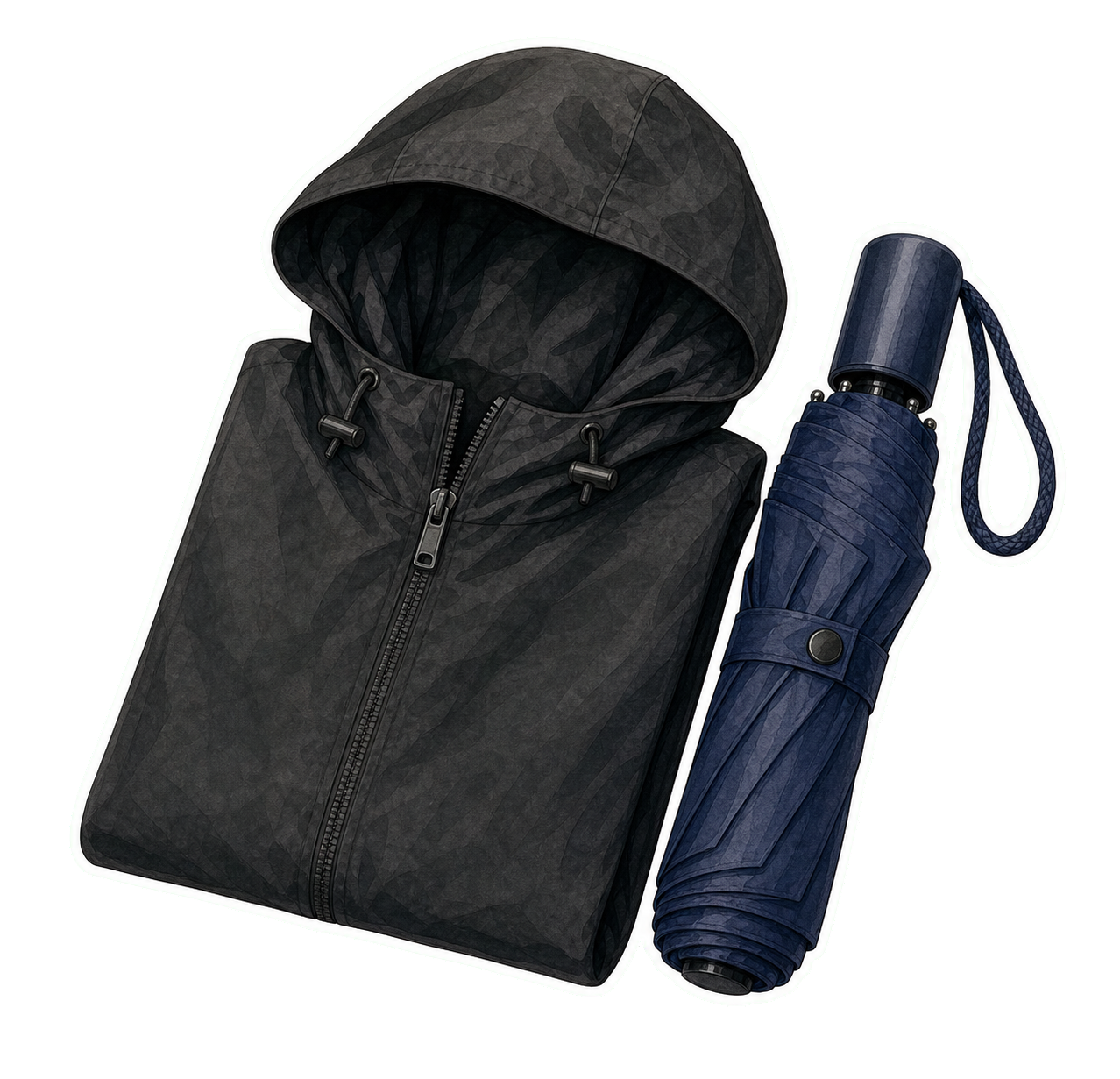 03Packable rain shell + compact umbrella
JMA records 13 rain days in June with tsuyu storms running 1-3 hour wet windows. Patagonia Houdini plus Mont-bell Travel Umbrella (88g) handles the morning Fushimi Inari hike and the afternoon Pontocho walk back. Konbini umbrellas at Lawson are the backup; prep your own for the temple-to-temple day.
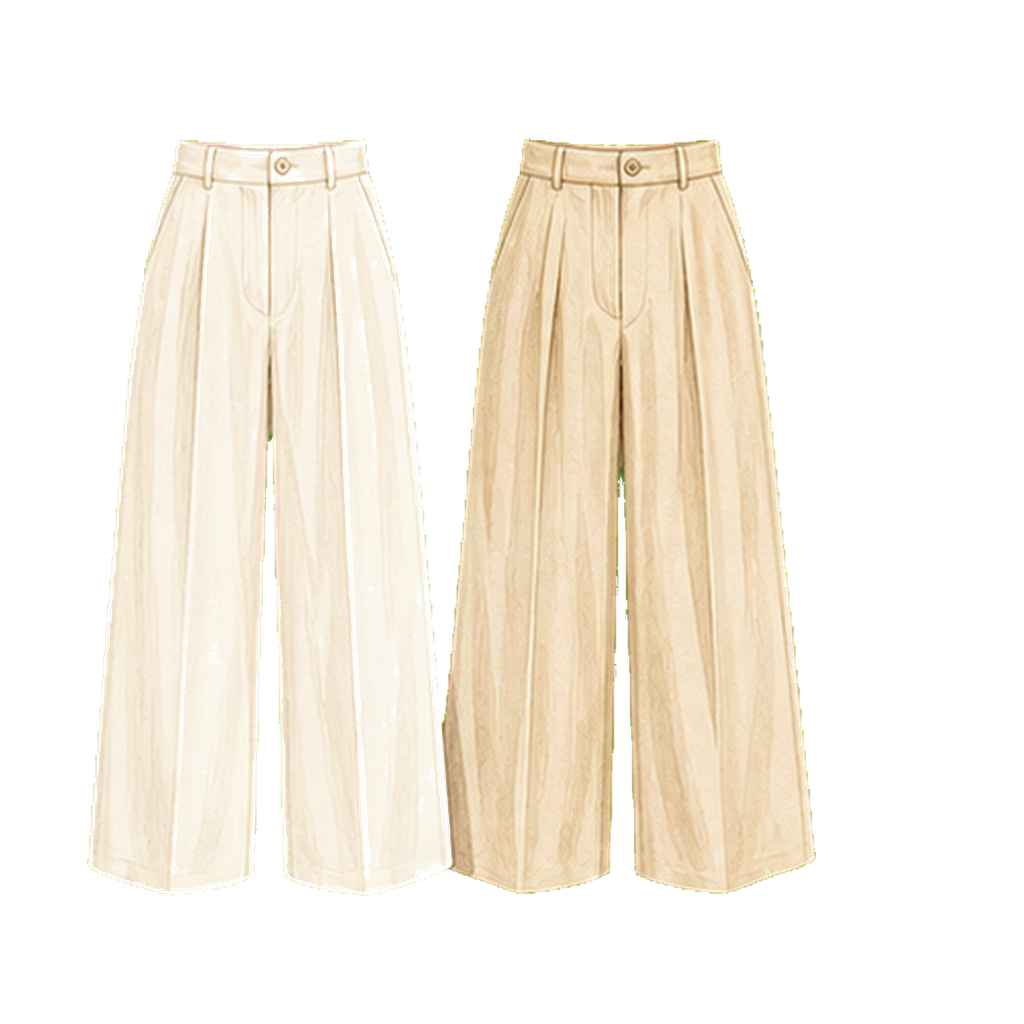 04Cotton trousers or wide-leg pants
Kiyomizu-dera, Tofuku-ji, and Sanjusangen-do enforce knee cover at the inner halls regardless of tsuyu heat. Wide-leg indigo or sage cotton lets the Kamogawa river breeze pass; pair with the Sou Sou (Kyoto 2002) modern-tabi trouser if you want the local register on Shijo-Tominokoji.
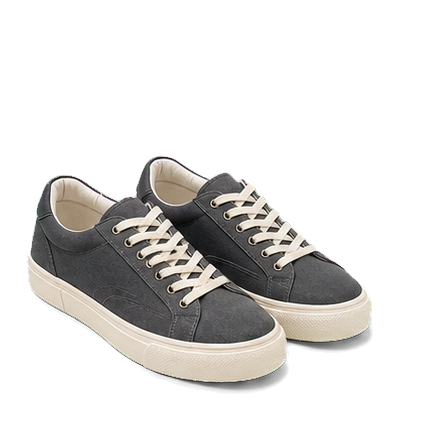 05Slip-on canvas sneakers + jikatabi (SOU SOU)
Every temple — Kiyomizu-dera, Sanjusangen-do, Ginkaku-ji — strips shoes at the genkan. Sou Sou jikatabi (Kyoto 2002, the modern split-toe rubber-sole) slip on in one motion and signal local; canvas sneakers dry faster than leather, which goes mold-spotted inside a week at 80% tsuyu humidity.
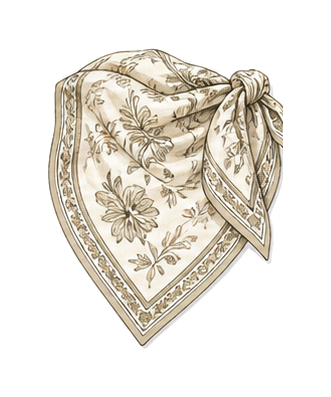 06Long cotton scarf or pashmina
Kiyomizu-dera and Sanjusangen-do ask for shoulder cover at the inner halls; the same indigo cotton doubles as a layer against the JR Shinkansen 22°C / 72°F AC. Skip silk pashmina — silk holds tsuyu humidity and stops drying between wears. Sou Sou textiles on Shijo-Tominokoji stocks the regional cotton weights.
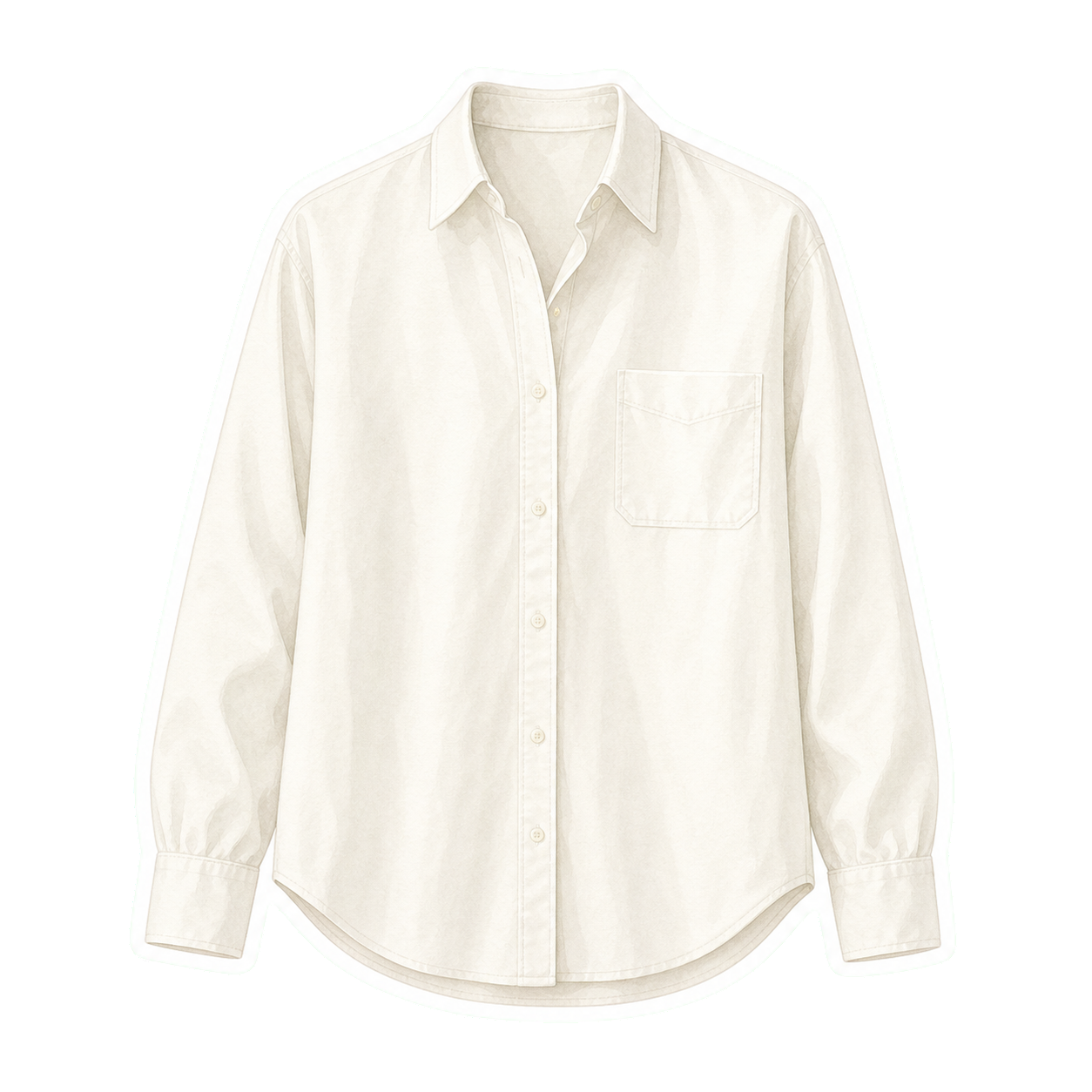 07Cotton button-down — for evening
Tucked into wide-leg trousers for kaiseki at Kikunoi (3-Michelin since 1912) or the heritage Hyotei (3-Michelin since 1837 — Kyoto's oldest). Kyoto dining runs 18:00-21:00, earlier than Osaka. Crisp ivory or charcoal cotton holds press through the Pontocho walk over the Kamogawa better than linen ever does.
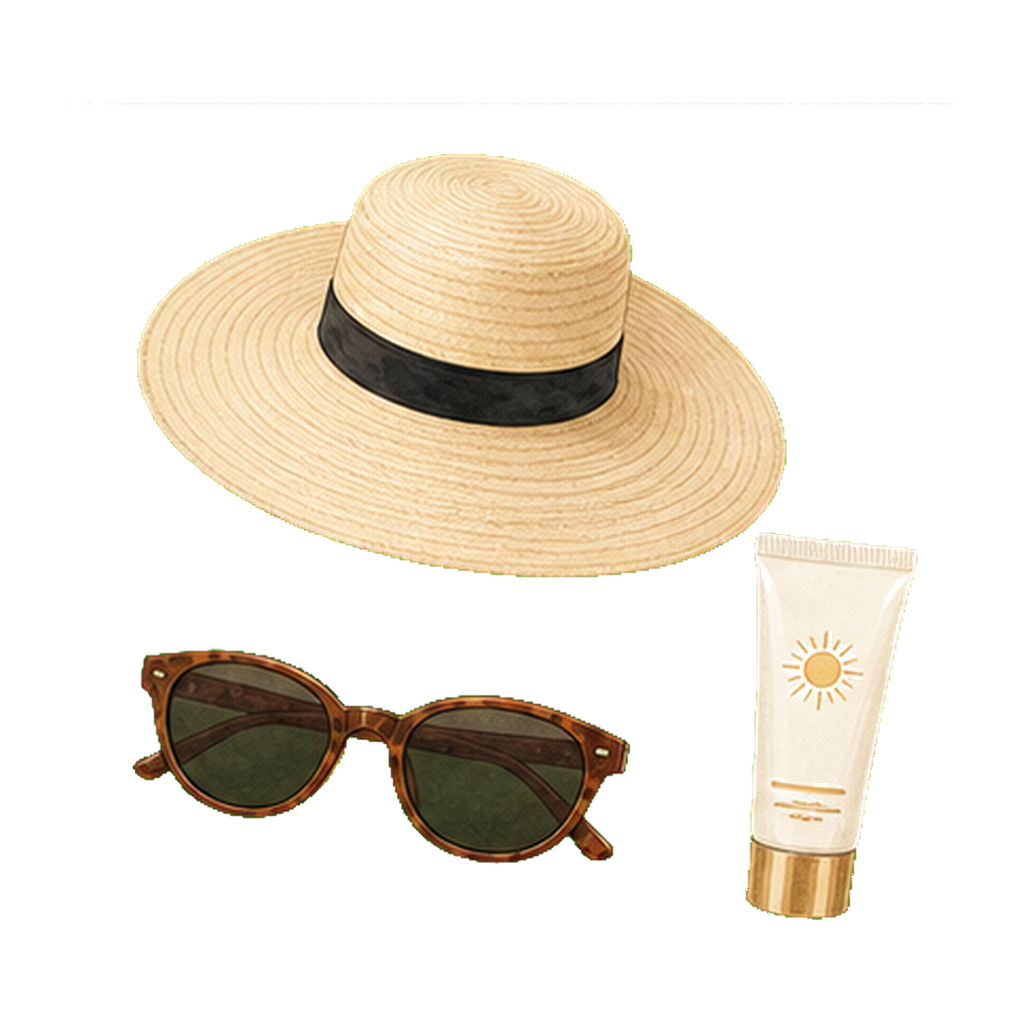 08Canvas crossbody (skip leather) + sunglasses
Tsuyu at 80% humidity turns calf leather to mold-spotted ruin within a week — Kyoto BAL and Daimaru staff warn about this every June. Coated canvas or recycled-nylon crossbody (Sou Sou or Beams Boy carry options) holds the umbrella, the wallet, the Aritsugu (Nishiki Market 1560) knife you couldn't leave behind.
Day to night
Cotton dress · trousers · sneakers · cardigan · rain shell · umbrella · sun hat · crossbody. % Arabica 8am, Kiyomizu-dera 9am (before tsuyu afternoon), lunch at Hyotei 12:00.
Cotton trousers · button-down · cardigan · jikatabi. Dinner kaiseki at Kichisen 18:30; coffee at Weekenders Coffee after.
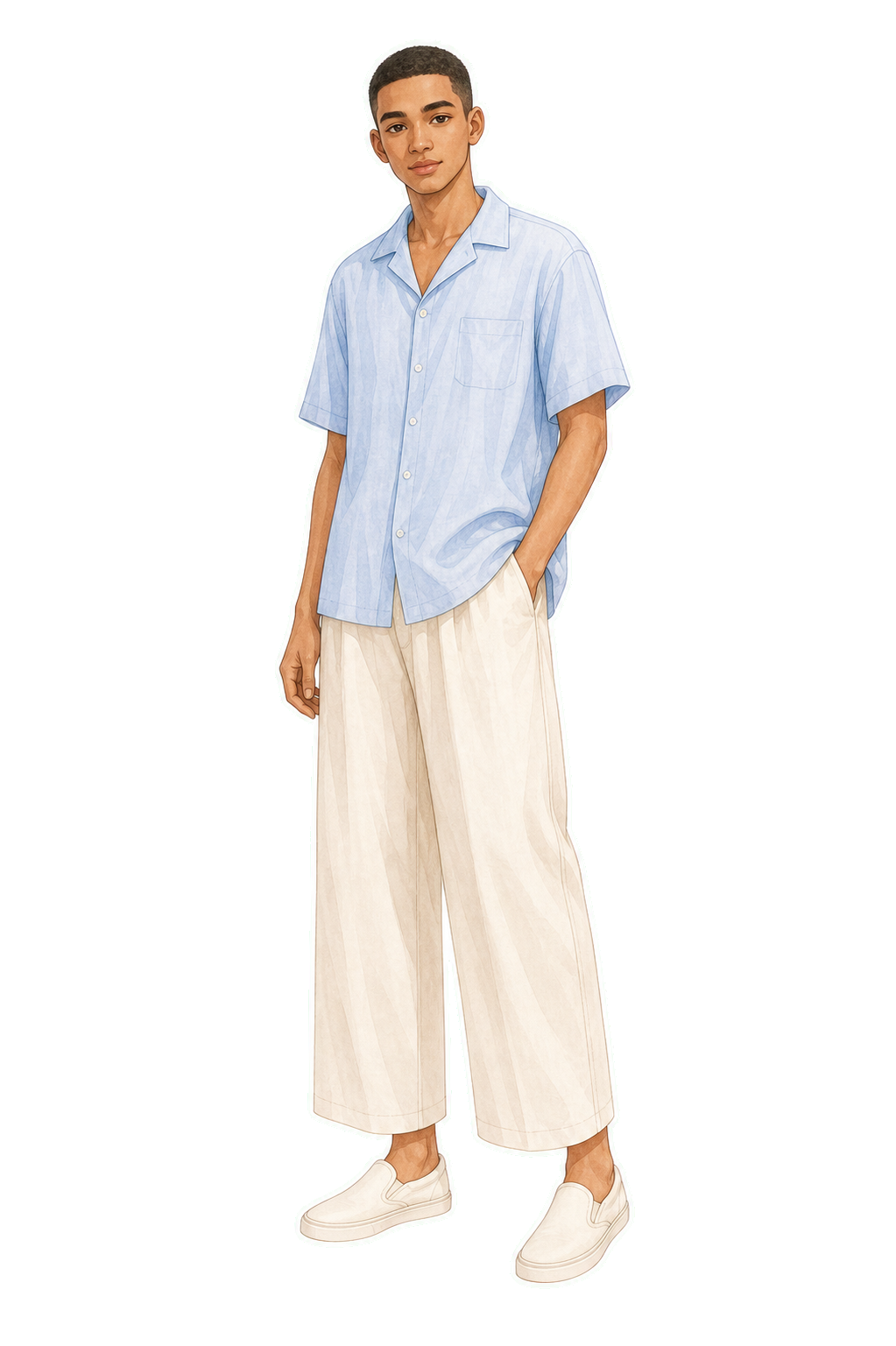
A suggested look — Pale blue short-sleeve linen shirt, loose ivory ankle trousers, canvas slip-on sneakers. Kyoto tsuyu humidity, 28C/19C..
What to avoid
- Leather — tsuyu humidity 80% rots
- No rain shell — tsuyu peak 13 rain days
- Lacing shoes at temples — slip-on essential
- Flash photography during temple prayer
- Gion paparazzi-style photos — fines enforced
Frequently asked questions
Tsuyu (梅雨, the Japanese plum-rains season) is East Asia's transitional rainy season — typically mid-June through mid-July across Honshu (Kyoto, Tokyo, Osaka). The same méiyǔ pattern as Taipei and southern China. Humidity 80%; sustained afternoon-and-evening rain; 13 rain days in June. Pack: packable rain shell + compact umbrella; cotton (skip leather and synthetic); slip-on shoes that dry fast. SOU SOU jikatabi work well as slip-on tsuyu shoes.
Modest cuts (knee-length minimum, shoulders covered), slip-on shoes (every inner hall removes — laces add friction), no flash photography during prayer ceremonies, voice down. Specific temples: Kiyomizu-dera (cliffside Buddhist, full shoulder/knee cover); Fushimi Inari Taisha (the orange torii-gates Shinto shrine, less strict but respectful); Kinkaku-ji + Ginkaku-ji (Golden + Silver Pavilions, garden-style — exterior visit only); Tofuku-ji (Zen, full modest); Sanjusangen-do (the 1001 Kannon statues, slip-on shoes inside). Pack: cotton trousers + button-down or modest dress; long pashmina; slip-on canvas or jikatabi.
Kimono rental is a documented Kyoto tourist experience — multiple rental shops (Yumeyakata, Kyoto Kimono Rental Wargo, Tomihiro) offer kimono-yukata-and-styling for ~¥3,000-8,000 ($20-55) per day, including hair styling. Walk Gion or Kiyomizu in rented kimono. Etiquette: ask permission before photographing strangers; tip ~¥500-1,000 if hair styling included. Skip in heavy tsuyu rain (silk or polyester kimono ruined by water). Pack: shorts and light tops to wear under (kimono fabric is delicate; no jewelry).
Jikatabi (地下足袋) is the Japanese split-toe rubber-soled shoe — heritage carpenter's and farmer's footwear, modernized into walking-shoe-equivalent by SOU SOU (Kyoto 2002). The split-toe (between big toe and second toe) accommodates traditional tabi socks. Pack: jikatabi work as a single Kyoto shoe — slip-on for temples, rubber-soled for walking, lightweight for tsuyu, distinctive for photos. Sizing runs Japanese; a US 9 = ~JP 27cm. SOU SOU Kyoto (Shijo-Tominokoji) is the most-cited source.
Yes — Nara (45 minutes south by train) is the most-cited Kyoto day-trip — the heritage Japanese ancient capital (710-794 CE), home to Todai-ji (the world's largest wooden building, housing the 15m / 49ft Daibutsu — the Great Buddha), Nara Park (with the famous bowing deer that approach tourists for shika senbei deer crackers), Kasuga Taisha shrine. Pack: cotton tee, modest trousers, slip-on canvas sneakers, packable rain shell, sun hat, water bottle, modest dress for the temple (cover shoulders/knees). Allow 5-6 hours on-site.
Sources
- Japan Meteorological Agency — 1991–2020 climate normals, Kyoto station