What to Wear in Kyoto in August
Kyoto in August is peak Japanese summer + Daimonji Festival August 16 — 33°C / 91°F afternoons, 24°C / 75°F nights, 11 rain days.
- Lightweight cotton — peak Japanese summer
- Mid-weight cardigan — AC at JR station
- Packable rain shell — afternoon thunderstorms
- Slip-on shoes — every temple removes
- Hydration — heat-stroke risk peak
- SOU SOU jikatabi for slip-on walking
- Don't wear leather — humidity 75% rots
- Don't skip slip-on shoes
- Don't skip hydration — heat-stroke peak
Kyoto in August is peak Japanese summer + Bon Festival heritage. JMA data put afternoon highs at 33°C / 91°F and overnight lows at 24°C / 75°F with 11 rain days. Heat-stroke risk peaks late July through mid-August; humidity 75%; heat index can hit 40°C / 104°F+. Gozan no Okuribi (the heritage 5-mountain bonfires of August 16, marking the end of Obon — the Japanese summer-festival honoring ancestors) is the major August Kyoto cultural event — five character-shaped bonfires (Daimonji 'big', Myo, Ho, Funagata, Toriigata, Hidari Daimonji) lit across the Kyoto basin. Bon Festival programming runs all of August. The dressing rule continues from July: lightweight cotton, mid-weight cardigan for AC, packable rain shell (afternoon thunderstorms), slip-on canvas sneakers or jikatabi, modest cuts, hydration. SOU SOU (Kyoto 2002), Issey Miyake heritage, Chiso (1555 kimono), Eirakuya (1615 traditional textiles) continue.
Kyoto August is the Daimonji-bonfire month — Gozan no Okuribi (the 5-mountain bonfires of August 16) lighting Daimonji and 4 other character-shaped fires across the Kyoto basin, the Bon-summer-festival heritage at peak. Heat-stroke risk peaks; SOU SOU jikatabi for slip-on temple walking.
The capsule
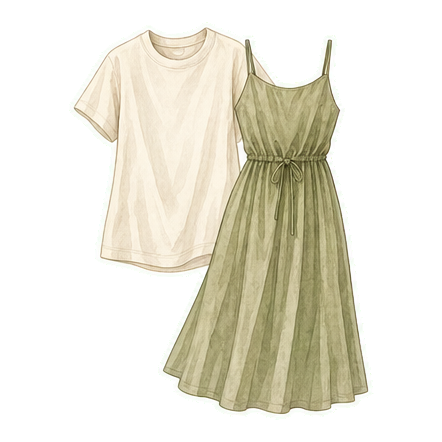 01Lightweight cotton tee + cotton dress
JMA Kyoto Marutamachi puts August at 33°C / 91°F afternoons with humidex 40-42°C / 104-108°F — the inland basin makes Kyoto Japan's hottest major summer city, hotter than Tokyo or Osaka. Open-weave cotton or cotton-jersey in ivory, sage, or dusty rose; UV index 9+ for the entire month, cap sleeves over a tank for the Daimonji August 16 evening.
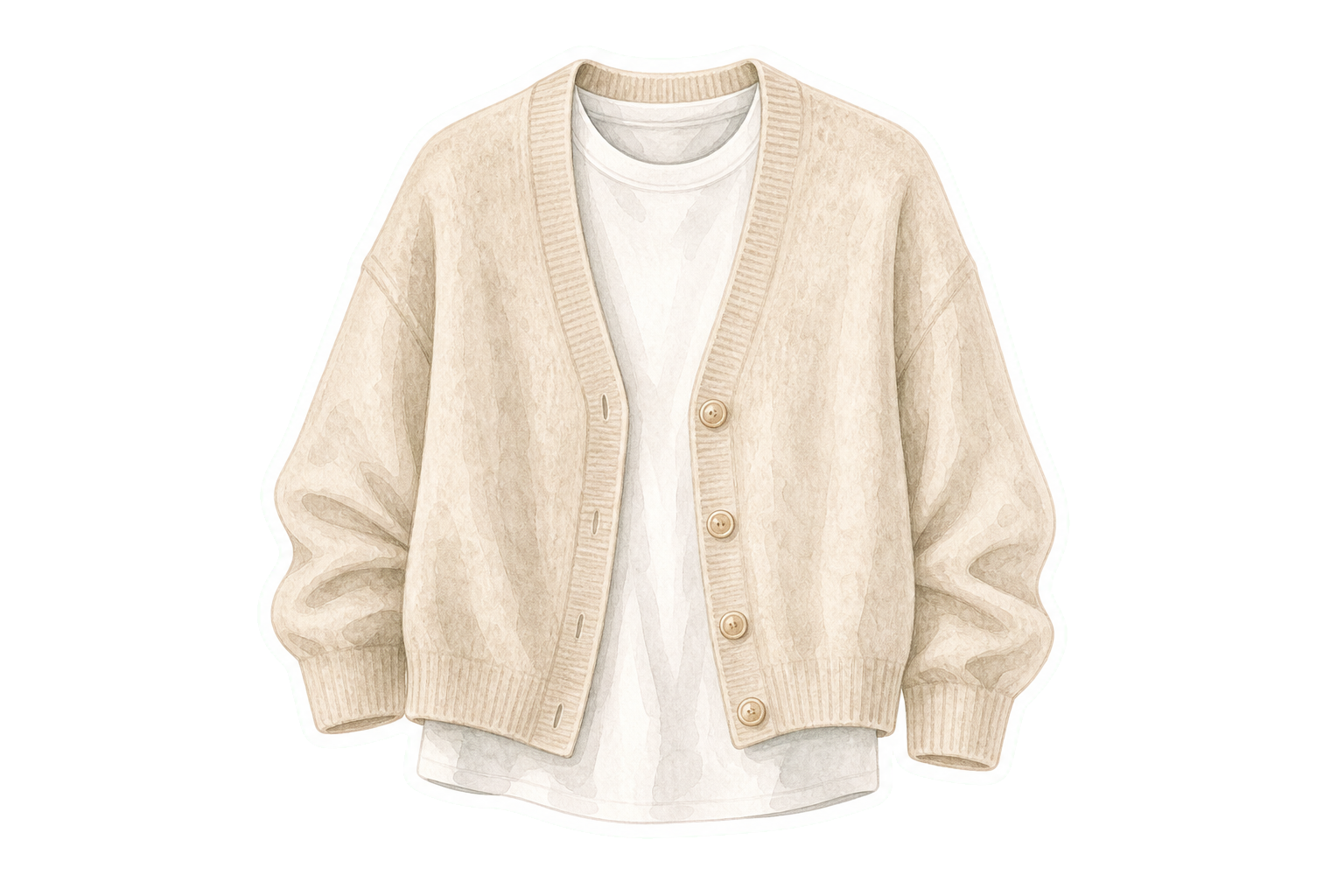 02Mid-weight cardigan or wool sweater
Evenings hold 24°C / 75°F per JMA, but Kyoto Station, Daimaru Kyoto, and the Kyoto National Museum all run AC at 22°C / 72°F — an 11°C / 20°F shock at every threshold. Charcoal Uniqlo washable wool or oatmeal Cos (Kyoto BAL) packs into the canvas crossbody between Kiyomizu and Pontocho.
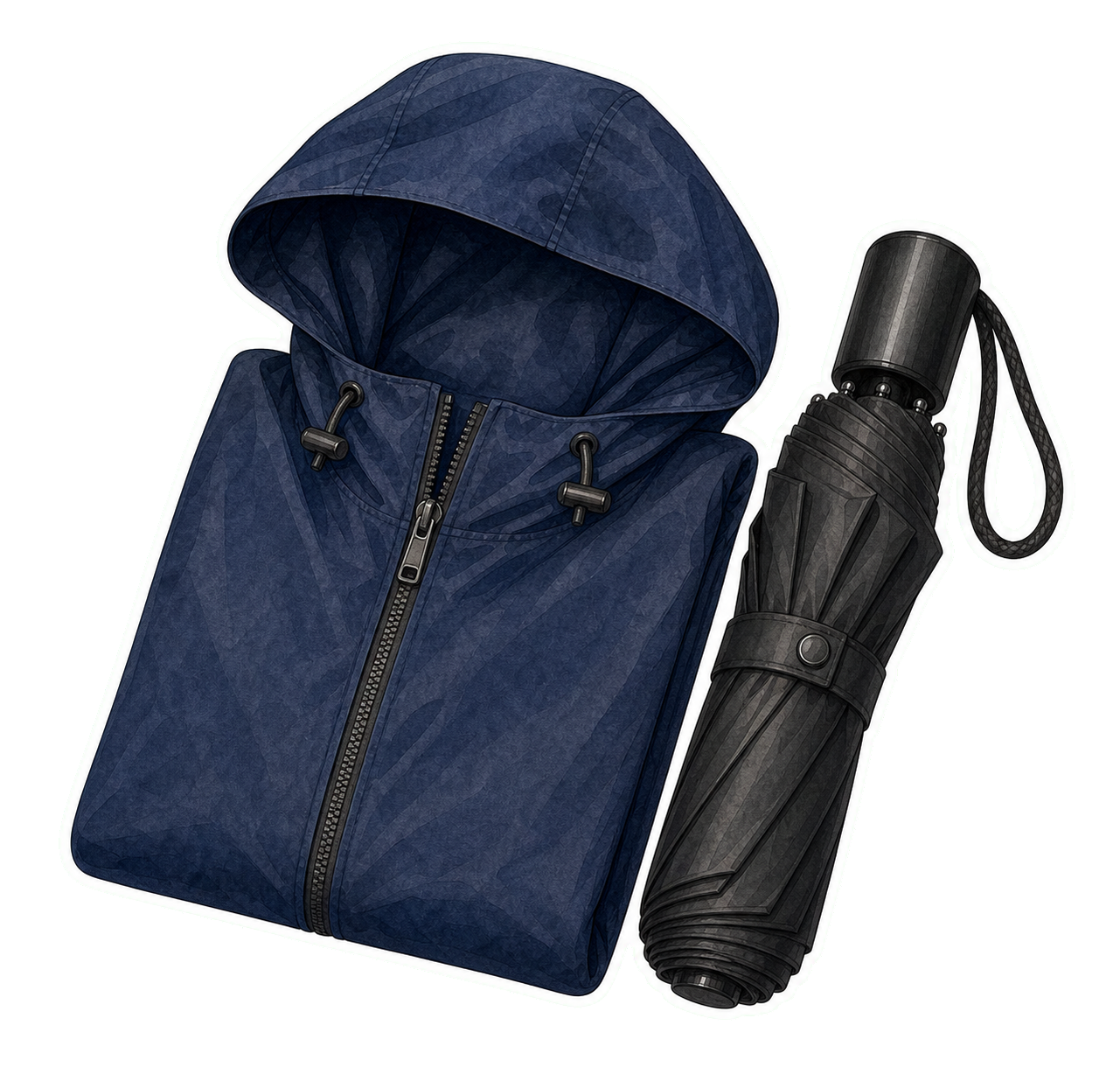 03Packable rain shell + compact umbrella
JMA logs 11 rain days in August — convective afternoon thunderstorms over the Higashiyama ridge plus possible typhoon outer-band rain by month-end. Patagonia Houdini plus Mont-bell Travel Umbrella (88g) folds into a pocket for the Fushimi Inari morning hike and the Daimonji August 16 Kamogawa viewing pivot.
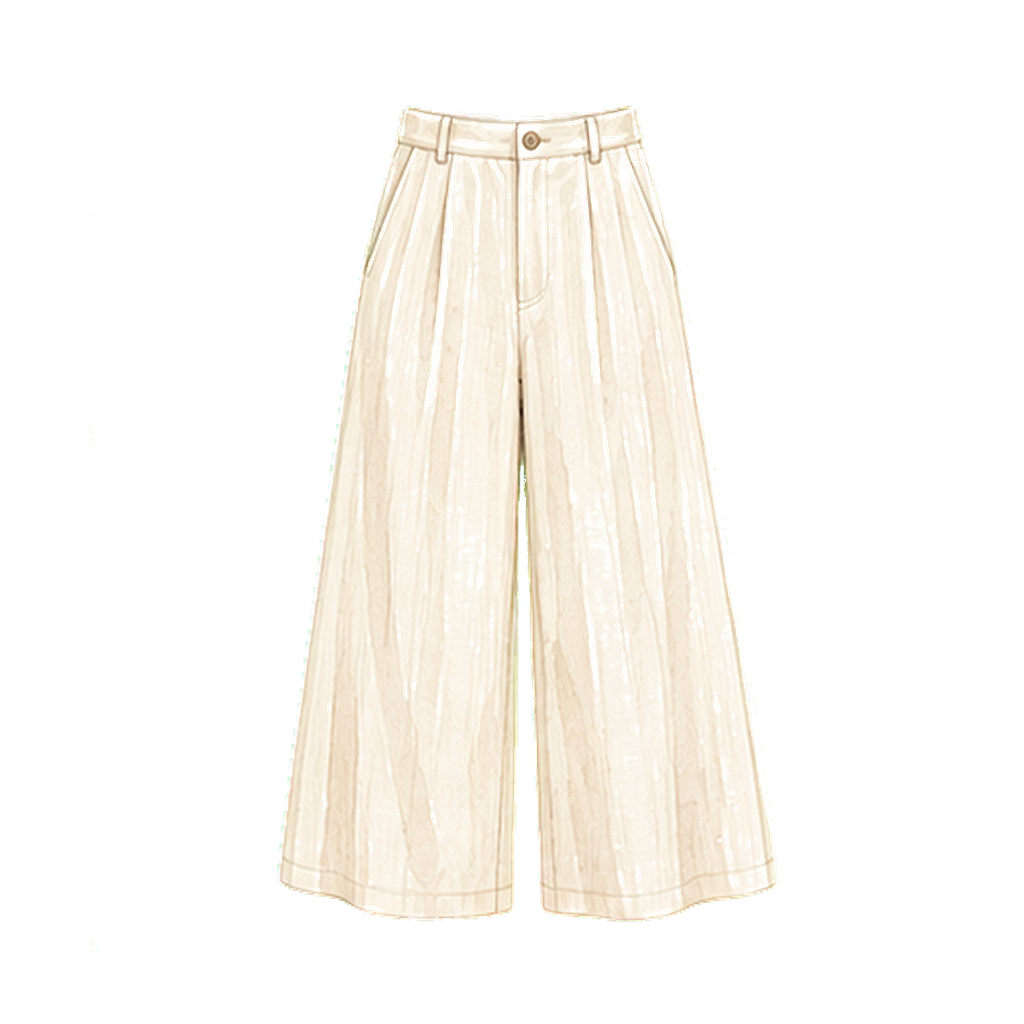 04Cotton trousers or wide-leg pants
Kiyomizu-dera, Tofuku-ji, and Sanjusangen-do enforce knee cover at the inner halls through August. Wide-leg indigo or sage cotton lets the Kamogawa breeze through; the Sou Sou (Kyoto 2002) modern-tabi trouser reads native on Shijo-Tominokoji and dries between sweat-soaks better than woven cotton from Uniqlo.
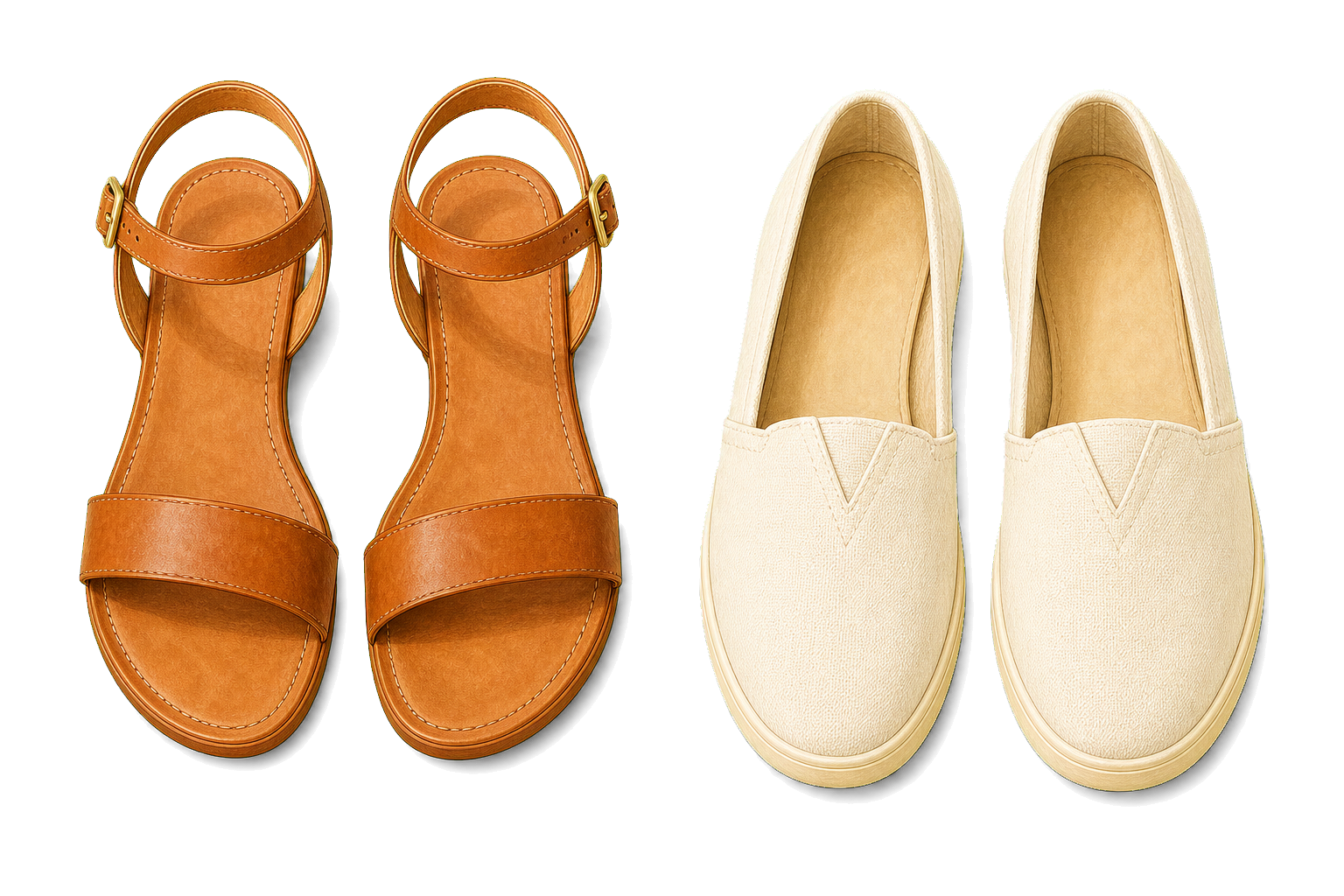 05Slip-on canvas sneakers + jikatabi (SOU SOU)
Every temple — Kiyomizu-dera, Sanjusangen-do, Kinkaku-ji, Ginkaku-ji — strips shoes at the genkan. Sou Sou jikatabi (Kyoto 2002, the modern split-toe rubber-sole from Shijo-Tominokoji) slip on in one motion and signal local. Bring two canvas pairs so August humidity doesn't compound the same insole twice in 24 hours.
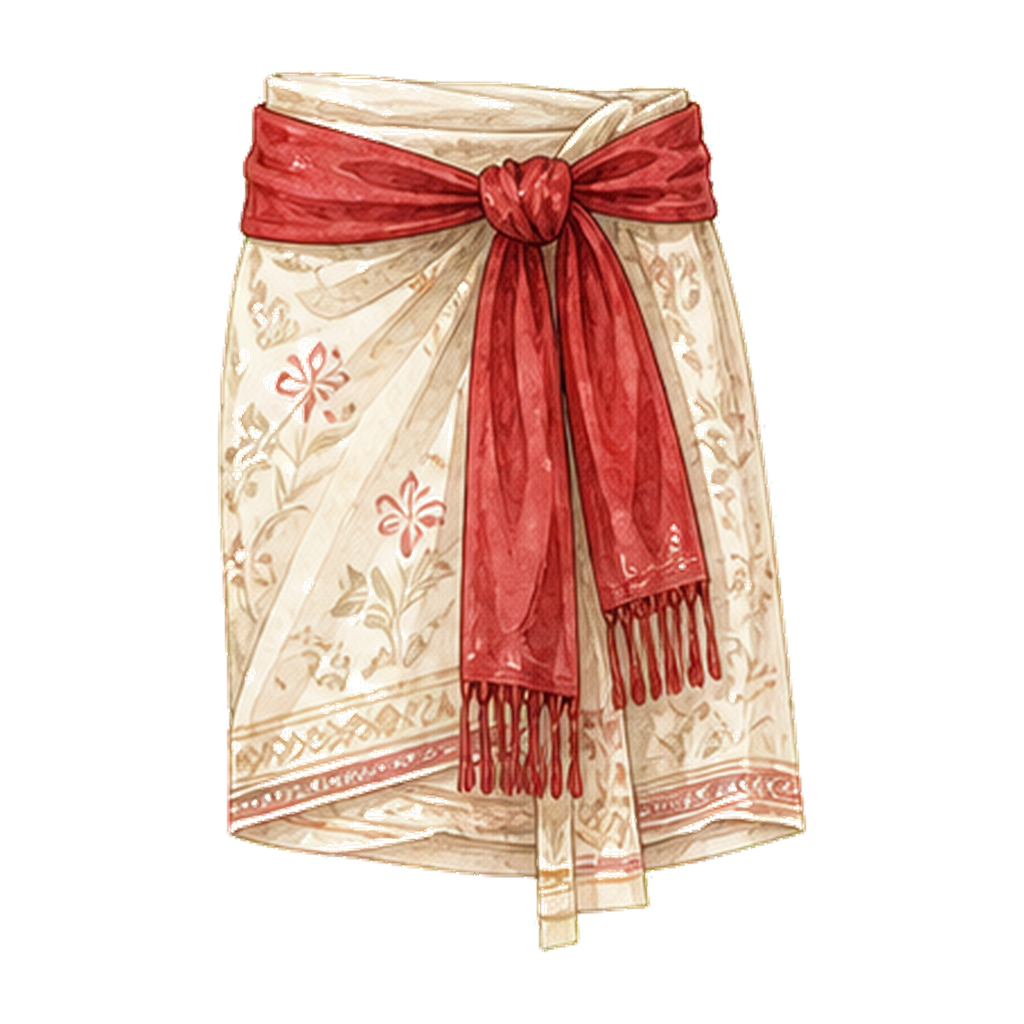 06Yukata for evening Bon Festival programming
Obon (mid-August, 13-16) leads to Daimonji Gozan no Okuribi August 16 — five mountain bonfires (the 'big' character on Mount Nyoigatake plus four others) lit across the Kyoto basin to send off ancestral spirits. Locals turn out in yukata along the Kamogawa; rent at Yumeyakata or Tomihiro (¥3,000-8,000) and pair with jikatabi or geta.
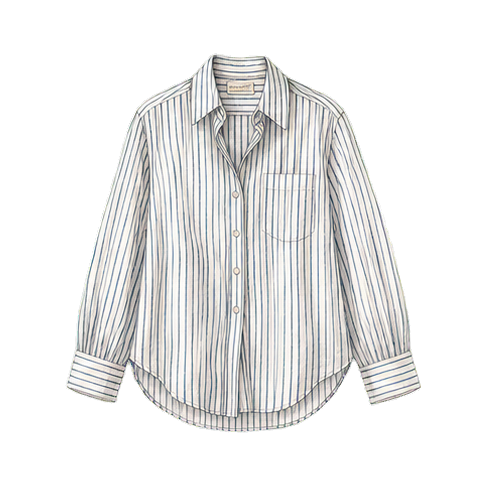 07Cotton button-down — for evening
Tucked into wide-leg trousers for kaiseki at Kikunoi (3-Michelin since 1912) or the heritage Hyotei (3-Michelin since 1837 — Kyoto's oldest, by Nanzen-ji). Kyoto dining runs 18:00-21:00 even mid-Bon when small shops close. Crisp ivory or charcoal cotton outlasts the Pontocho humidity walk better than linen.
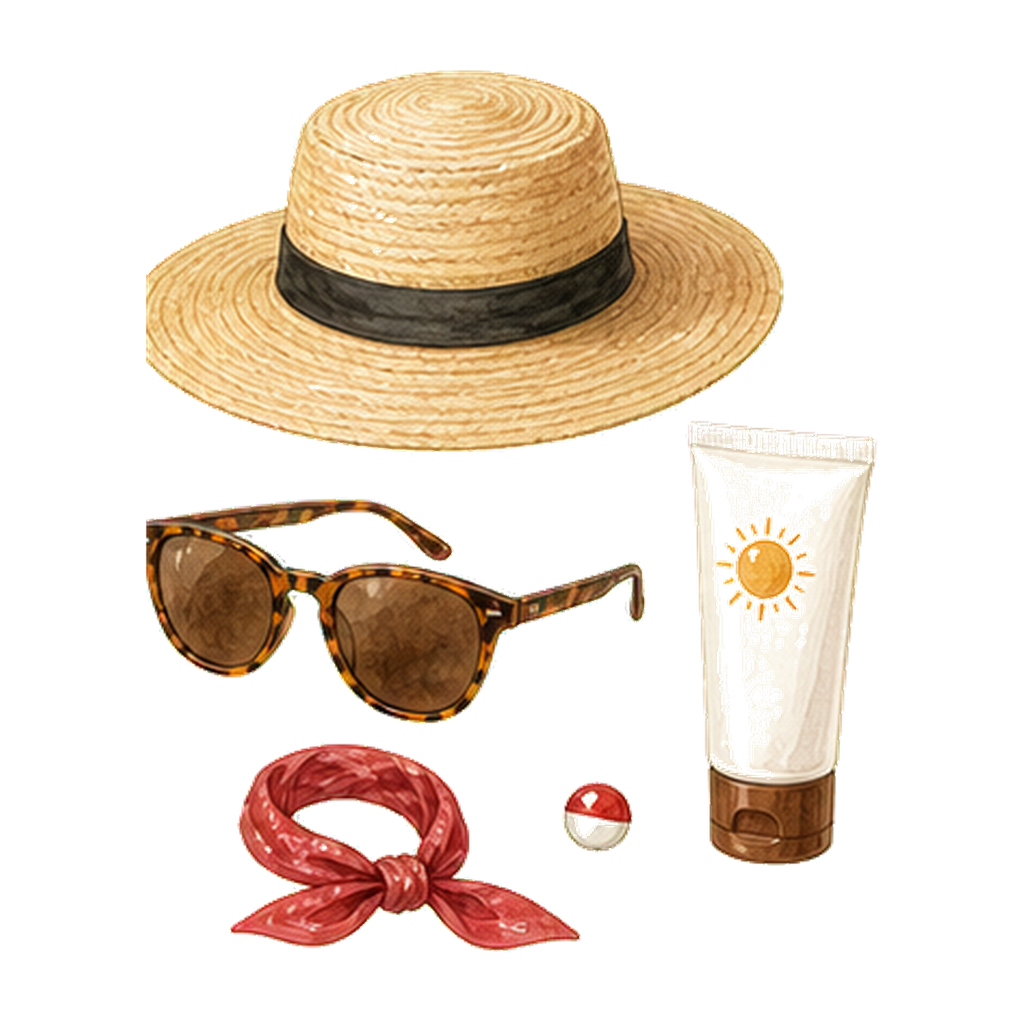 08Canvas crossbody + sunglasses + sun hat + reusable water bottle
JMA logs August as Kyoto's heat-stroke admissions peak — humidex 40-42°C / 104-108°F, UV index 9+ for 31 straight days. A 1L water bottle plus polarized sunglasses plus a wide-brim straw hat (Daimaru Kyoto accessories floor) are the non-negotiable trio for the Fushimi Inari summit hike. Coated canvas crossbody carries it all.
Day to night
Cotton dress · trousers · sneakers · cardigan · rain shell · sun hat · water bottle · crossbody. % Arabica 7am, Fushimi Inari hike before peak heat 8am, lunch at Hyotei 12:00.
Cotton trousers · button-down · cardigan · jikatabi. Dinner kaiseki at Kichisen 18:30; Daimonji bonfire viewing from Kamogawa River 20:00 (August 16).
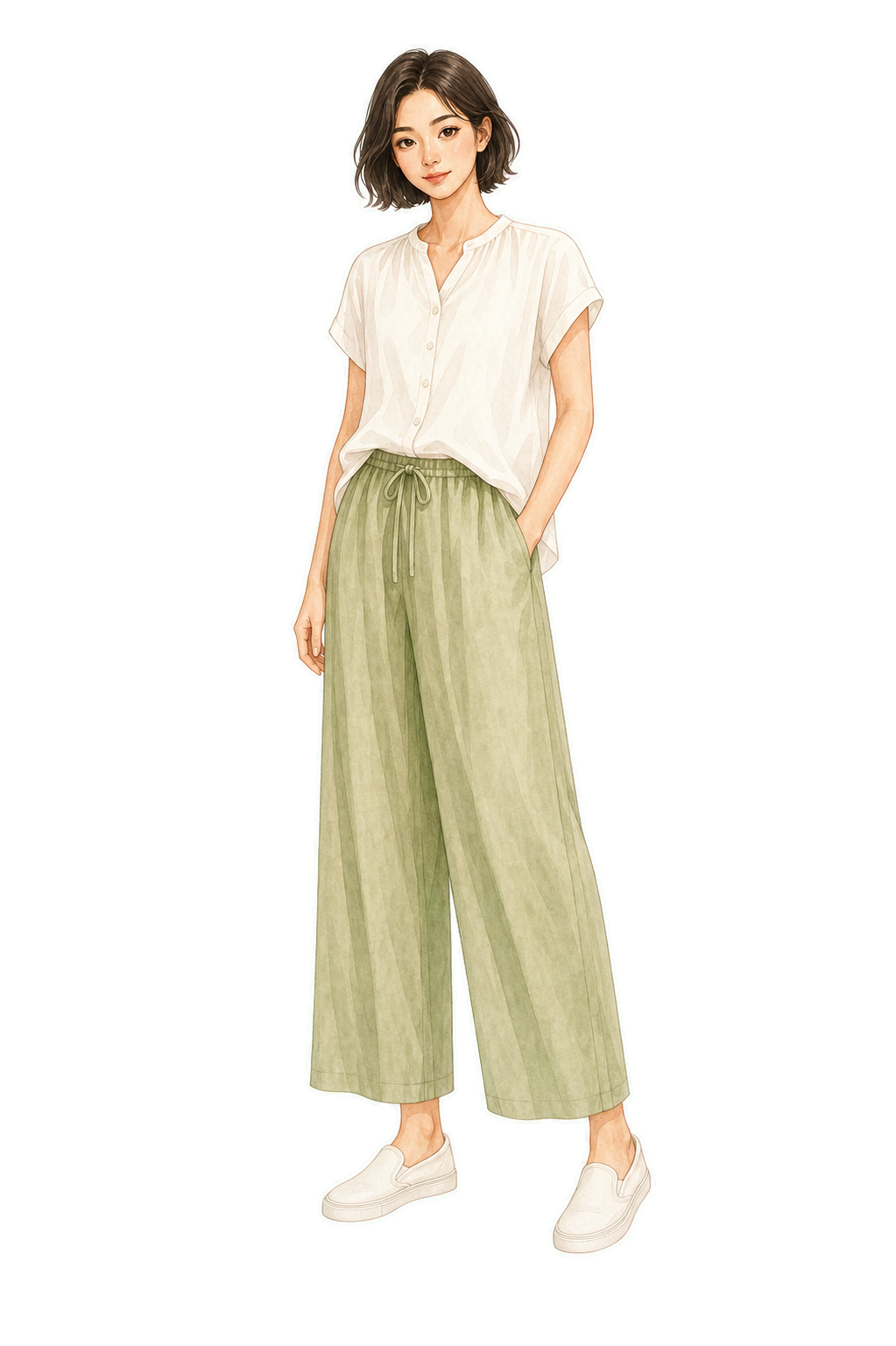
A suggested look — Ivory short-sleeve cotton blouse, sage wide-leg linen trousers, white canvas slip-ons. Kyoto peak humid summer, 33C/24C..
What to avoid
- Leather — humidity rots
- Outdoor 12:00-16:00 — heat-stroke peak
- Lacing shoes at temples — slip-on essential
- Hydration neglect — hospital admissions peak
- Bon Festival closures — many shops close mid-August
Frequently asked questions
Gozan no Okuribi (五山送り火, the 'Five-Mountain Sending-Off Fire') is the heritage Kyoto bonfire ritual on August 16, marking the end of Obon (the Japanese summer festival honoring ancestors). Five character-shaped bonfires are lit on five Kyoto-basin mountains: Daimonji ('big' character, Mount Nyoigatake — the most-photographed); Myo + Ho ('Wonderful Law', the Buddhist-sutra characters); Funagata ('boat shape'); Toriigata ('torii gate shape'); Hidari Daimonji ('left big' character). Best viewing: Kamogawa River bank, Imadegawa, the Kyoto Imperial Palace gardens. Pack: lightweight cotton, sandals, sun hat, reusable water bottle, light cardigan for cool 24°C / 75°F evening.
Mixed — August is peak Japanese summer (33°C / 91°F, 24°C / 75°F mornings, 11 rain days, humidity 75%, heat index 40°C / 104°F+). Heat-stroke risk peak. But August brings Daimonji bonfires (August 16), Bon Festival programming all month, evening yukata culture. Hotel rates lower than late March-early April cherry-blossom peak. If you go: pack lightweight cotton, hydration, sun hat, slip-on jikatabi or canvas sneakers, modest cuts. Skip outdoor activity 12:00-16:00.
Per JMA: average daily high 33°C (91°F), low 24°C (75°F), 11 rain days totalling 130mm. Peak Japanese summer. Humidity 75%; heat index 40°C / 104°F+. UV index 8-9 (very high). Daylight 13h 30m. Heat-stroke risk peak — Japanese hospitals see spike in heat-stroke admissions.
Start at 6-7am to avoid peak heat. % Arabica coffee (Higashiyama, the most-photographed Kyoto coffee shop with the Yasaka Pagoda view); Fushimi Inari Taisha hike (the orange-torii-gates-up-the-mountain, 2-3 hour round trip — go early to beat heat and crowds); breakfast at Inoda Coffee (1947 heritage); morning Gion walk; Kiyomizu-dera by 9am. Pack: cotton tee, modest trousers, slip-on canvas sneakers, packable rain shell, sun hat, polarized sunglasses, reusable water bottle, jikatabi, ORS hydration powder. Retreat indoor 12:00-16:00 — museum, kaiseki lunch, hotel pool. Resume 16:00-21:00.
Amanohashidate (the heritage 'Bridge to Heaven', a 3.6km / 2.2-mile pine-covered sandbar in Kyoto Prefecture, 2.5 hours north by train + ferry — one of the Three Views of Japan) and Ise Jingu (the heritage Shinto shrine in Mie Prefecture, 2.5 hours southeast — Japan's most sacred Shinto shrine, dedicated to Amaterasu) are both viable Kyoto day-trips. Allow 8-10 hours. Pack: lightweight cotton, mid-weight cardigan, packable rain shell, slip-on shoes, sun hat, water bottle, modest cuts (Ise requires shoulders/knees covered).
Sources
- Japan Meteorological Agency — 1991–2020 climate normals, Kyoto station