What to Wear in Kyoto in May
Kyoto in May is Japanese late spring — 25°C / 77°F afternoons, 14°C / 57°F mornings, 11 rain days, the cherry blossoms gone but the maple-tree green at peak across the temples.
- Layered cotton — 14°C / 57°F mornings + 25°C / 77°F afternoons
- Mid-weight cardigan — daily standard
- Packable rain shell — 11 rain days
- Slip-on shoes — every temple removes
- Modest cuts — Gion district + temple visits
- SOU SOU (Kyoto-founded modern Japanese) local register
- Don't pack only summer — Kyoto May mornings 14°C / 57°F
- Don't expect Tokyo's bigger-city pace — Kyoto runs slower
- Don't skip slip-on shoes — every temple removes
Kyoto in May is Japanese late spring. Japan Meteorological Agency (JMA) data put afternoon highs at 25°C / 77°F and overnight lows at 14°C / 57°F with 11 rain days. The dressing register is Japanese-heritage Kyoto: SOU SOU (Kyoto-founded 2002, the modern Japanese tabi-and-jikatabi heritage — the most-cited contemporary Kyoto brand); Issey Miyake (founded 1970, Tokyo but Kyoto-significant — Pleats Please flagship); Yamato Yashinari (Kyoto-based contemporary); Kyoto-cut Issey Miyake heritage; traditional kimono and yukata houses (Chiso 1555, Eirakuya 1615 — historic Kyoto kimono-and-textile houses); 和傘 wagasa (oiled-paper umbrella) heritage. The Gion district (the heritage geisha quarter — Pontocho, Hanamikoji), Kiyomizu-dera (the heritage cliffside Buddhist temple), Fushimi Inari Taisha (the famous orange torii-gates Shinto shrine), Arashiyama (bamboo grove), Kinkaku-ji (Golden Pavilion), Ginkaku-ji (Silver Pavilion) anchor the city's tourist programming. Kyoto temple etiquette: shoulders covered, knees covered, slip-on shoes (you'll remove at every inner hall — laces add friction), no flash photography during prayer ceremonies. Aoi Matsuri (the Hollyhock Festival, May 15) is one of three major Kyoto festivals.
Kyoto May is the Japanese late-spring turn — Kiyomizu-dera maple-tree green at peak, the SOU SOU Kyoto flagship putting the modern jikatabi-and-tabi-socks collection in the window, the Gion geisha district at quiet evening rhythm. Kimono-and-yukata heritage holds firm.
The capsule
 01Lightweight cotton or linen midi dress
25°C / 77°F afternoons. Japanese-mild humidity.
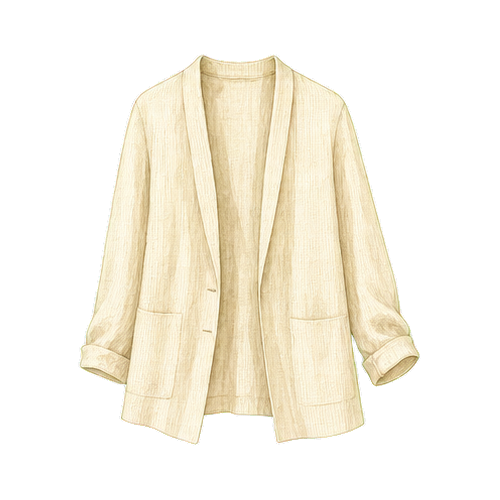 02Mid-weight cardigan or wool sweater
14°C / 57°F mornings + temple interior cool.
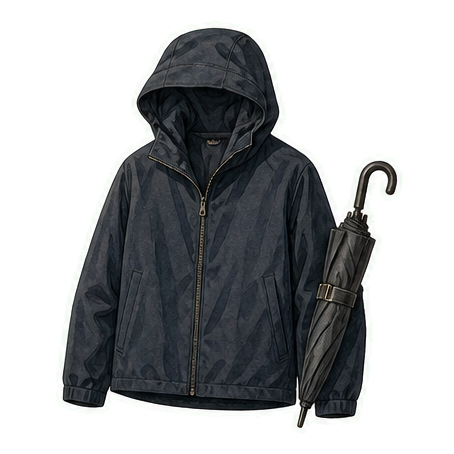 03Packable rain shell — Patagonia, Uniqlo Pocketable
11 rain days; Kyoto rain develops fast.
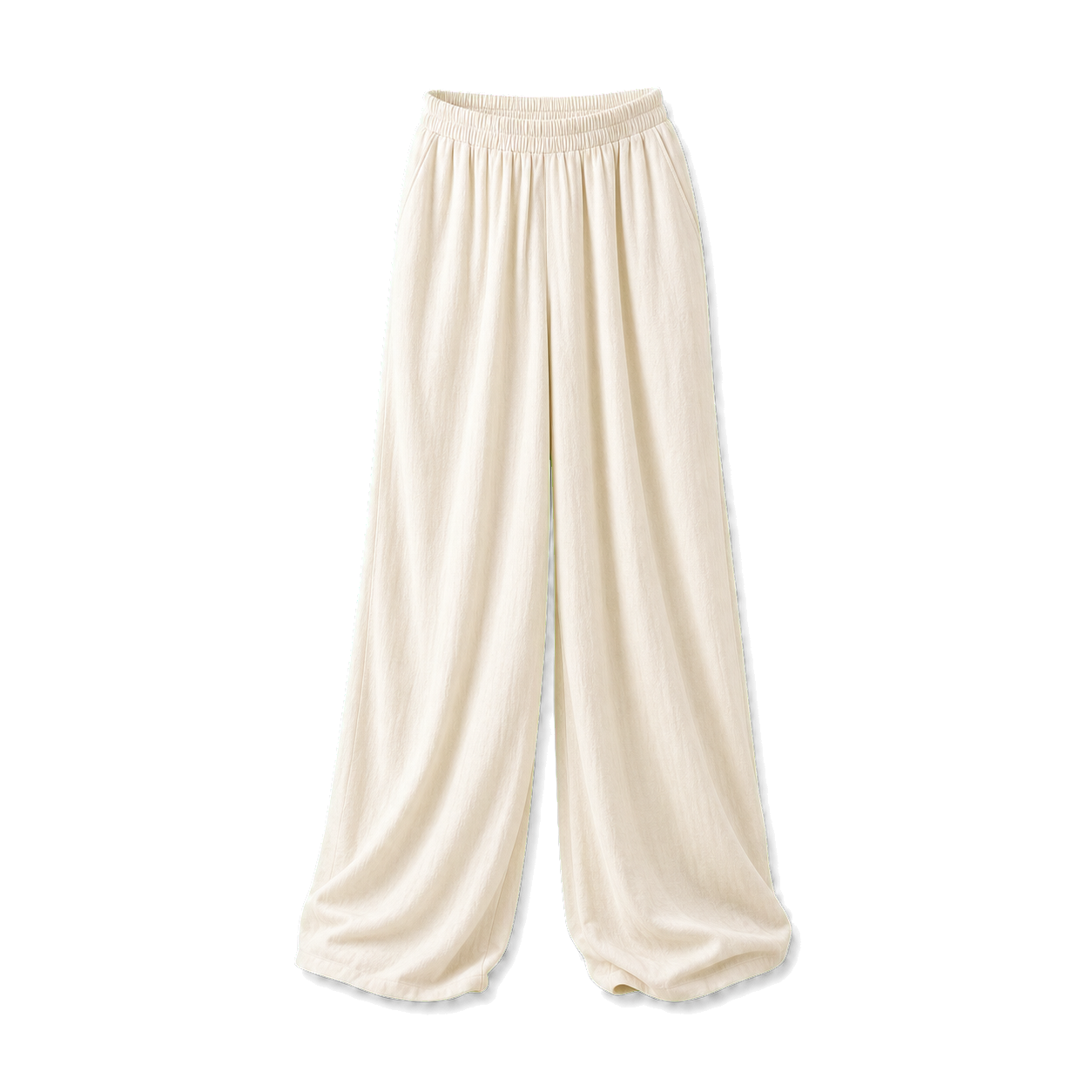 04Cotton trousers or wide-leg pants
Daily wear; modest cuts for temples.
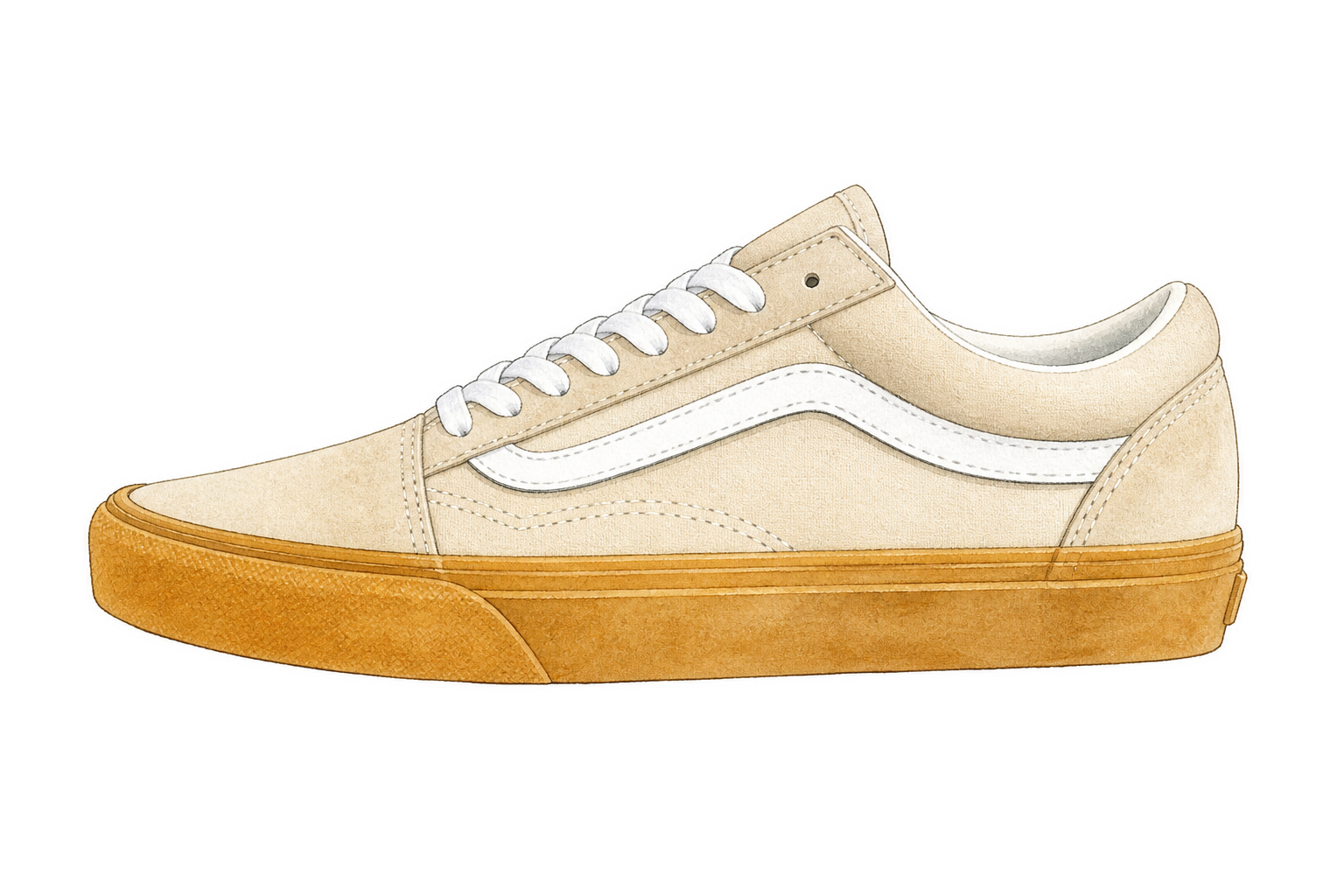 05Slip-on canvas sneakers + leather sandals
Every temple removes; lacing wastes time at Kiyomizu, Fushimi Inari.
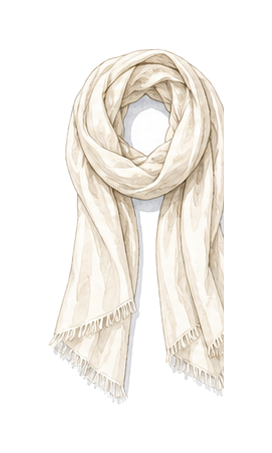 06Long cotton scarf or pashmina
Temple shoulder cover + AC layer at JR Shinkansen station.
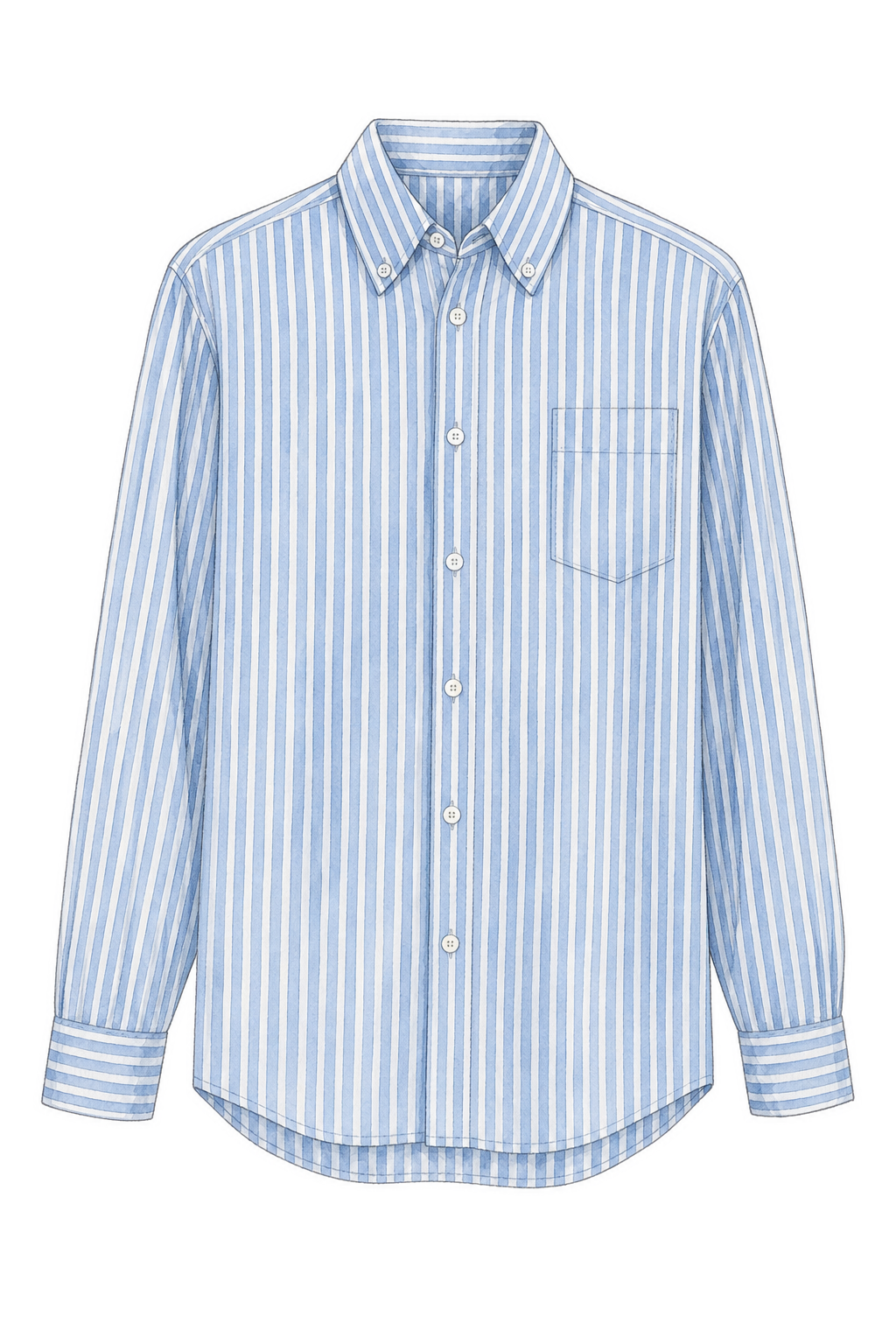 07Cotton button-down — for evening
Tucked for kaiseki at Kichisen, Hyotei (founded 1837); Kyoto dining 18:00-21:00.
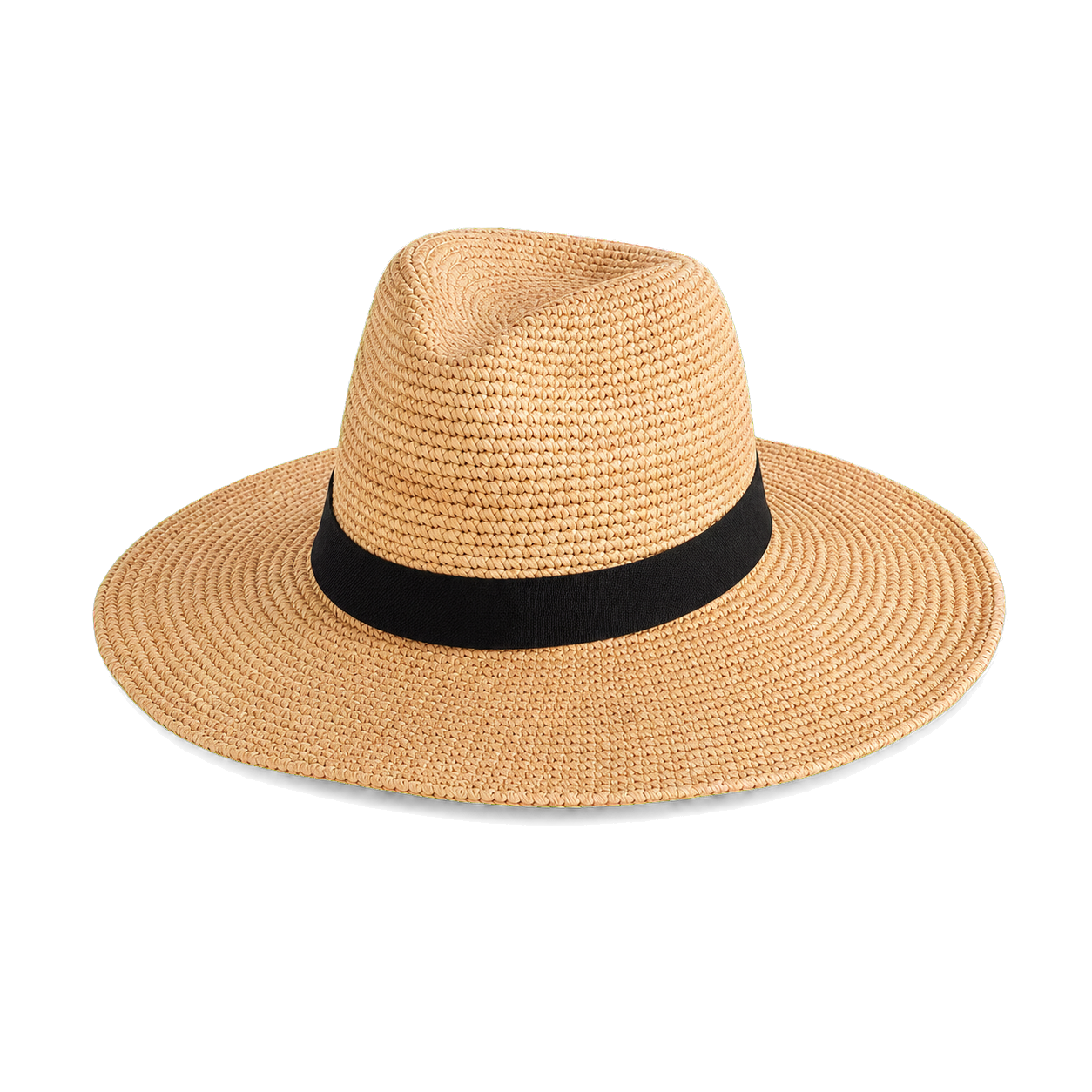 08Crossbody bag + sunglasses + sun hat
Fushimi Inari hike; Arashiyama bamboo grove.
Day to night
Cotton dress · trousers · sneakers · cardigan · rain shell · sun hat · crossbody · scarf. Coffee at % Arabica (Higashiyama) 8am, Kiyomizu-dera 9am, Gion walk 11am, lunch at Hyotei (1837 heritage kaiseki) 12:00.
Cotton trousers · button-down · cardigan · slip-on sandals. Dinner kaiseki at Kichisen or Yoshidaya 18:30; pour-over coffee at Weekenders Coffee after.
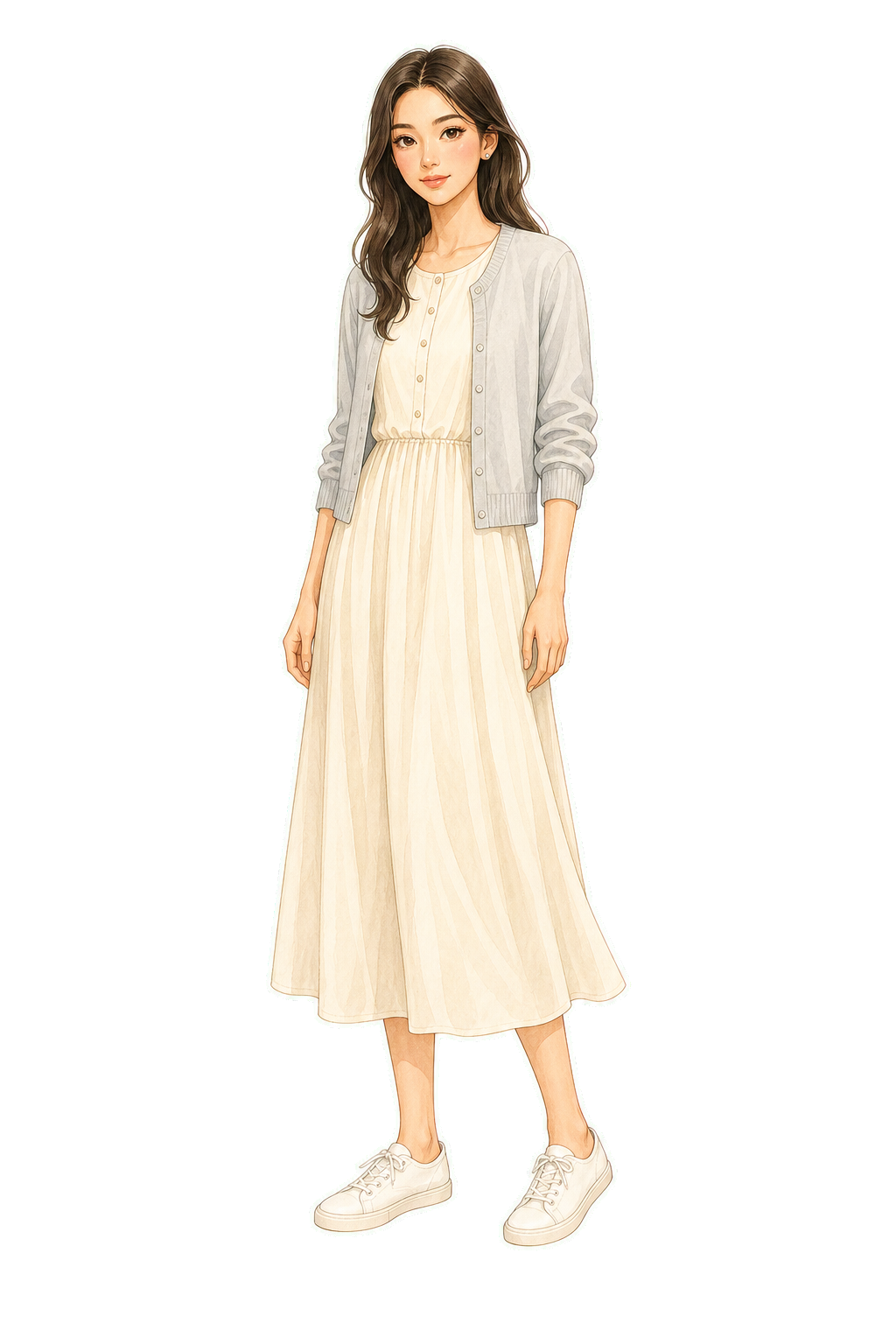
A suggested look — Cream cotton midi dress, light gray cropped cardigan, white canvas sneakers. Kyoto late-spring temple walk, mild 25C/14C..
What to avoid
- Pure summer clothes — Kyoto May mornings 14°C / 57°F
- Tokyo's bigger-city pace expectations — Kyoto runs slower
- Lacing shoes at temples — every temple removes; slip-on essential
- Flash photography during temple prayer ceremonies
- Geisha-photo behavior in Gion — Kyoto enforces fines
Frequently asked questions
Per the Japan Meteorological Agency (JMA): average daily high 25°C (77°F), low 14°C (57°F), 11 rain days totalling 150mm. Japanese late spring. Daylight 13h 50m. UV index 7-8 (high). The cherry-blossom (sakura) season ended late April; May is maple-tree (momiji) green at peak across the temple grounds. Aoi Matsuri (the Hollyhock Festival) on May 15.
Kyoto runs Japanese-heritage at slower pace — temples, traditional kaiseki, Gion geisha district, kimono culture, contemporary brands like SOU SOU (Kyoto 2002) leaning more traditional-modern. Tokyo runs metropolitan-modern at faster pace — Shibuya, Daikanyama, Aoyama, Harajuku, contemporary brands like Comme des Garçons (Tokyo 1969), Yohji Yamamoto (Tokyo 1972), Issey Miyake (Tokyo 1970). Climate similar; Kyoto slightly warmer and drier than Tokyo. Kyoto runs more conservative dress register; Tokyo more avant-garde. Pack: cotton-and-cardigan-and-slip-on-shoes for both.
SOU SOU (Kyoto-founded 2002, the most-cited contemporary Kyoto brand) makes modern Japanese clothing rooted in traditional silhouettes — tabi (split-toe socks), jikatabi (split-toe rubber-soled shoes), modern reimaginings of kimono and yukata, all with bold contemporary patterns by founder Katsuji Wakisaka. The Kyoto flagship cluster (multiple shops on Shijo-Tominokoji) includes a kimono shop, a tabi/jikatabi shop, a textile shop, a tea shop. Pack: SOU SOU jikatabi work surprisingly well as walking shoes for temple visits (slip-on, lightweight, distinctive).
Kaiseki is Japanese multi-course haute cuisine — the heritage Kyoto culinary form, served at ryokan (traditional inns) and dedicated kaiseki restaurants. Most-cited Kyoto kaiseki: Hyotei (founded 1837 — the heritage Nanzen-ji-area institution); Kichisen (3-Michelin star, modern kaiseki); Kikunoi (3-Michelin star, classical kaiseki); Yoshidaya (mid-tier traditional). Dinner kaiseki runs 7-15 courses; reservations 1-3 months ahead at top venues. Pack: smart-casual minimum (no athletic wear); slip-on shoes (you'll remove at the entrance of most kaiseki ryokan — bring socks without holes). Kyoto dining 18:00-21:00, earlier than Tokyo.
Gion is Kyoto's heritage geisha quarter — Pontocho (the narrow alley along the Kamogawa River) and Hanamikoji (the major Gion street) host ochaya (geisha tea houses) and ryotei (formal restaurants). Geiko (Kyoto's term for geisha) and maiko (apprentice geiko) sometimes walk between engagements 6-7pm. Tourist behavior: do NOT touch, follow, or photograph geiko/maiko walking — Kyoto enforces fines on disruptive geisha-photo behavior. Watch the Miyako Odori (the spring geiko-and-maiko dance, late March through April) or Gion Odori (autumn) at the Gion Kobu Kaburenjo theater.
Sources
- Japan Meteorological Agency — 1991–2020 climate normals, Kyoto station