What to Wear in Marrakech in June
Marrakech in June is early summer desert heat — 34°C / 93°F, 1 rain day. Locals retreat indoors 12-5pm; sightseeing is dawn-and-dusk only.
- Lightweight cotton/linen — white, cream, sand, pale sage
- Modest cuts — medina respect
- Comfortable walking sandals broken in
- Wide-brim sun hat + SPF 50+ — Moroccan sun unfiltered
- Crossbody bag — souk pickpocketing
- Light shawl for 18°C / 64°F clear-sky evenings
- Don't wear synthetic in 34°C / 93°F dry heat
- Don't wear dark colors — sun absorption
- Don't sightsee 12-5pm — locals retreat, midday brutal
Marrakech in June is when desert summer arrives. Maroc Météo data put afternoon highs at 34°C / 93°F and lows at 18°C / 64°F with only 1 rain day. The 16°C / 29°F temperature swing is significant; mornings still need a light layer, afternoons cook in dry heat, evenings clear and cool back to 20-22°C / 68-72°F with the desert sun setting. Locally, the rhythm shifts: early sightseeing 7-11am, midday at the riad pool or in shaded gardens (Jardin Majorelle, Le Jardin Secret), evening dining 8-10pm, late-night walks under unbroken stars. The dressing rule sharpens from May: lightweight cotton or linen exclusively, light colors only (pale colors reflect the Moroccan sun where dark colors absorb it), modest cuts, comfortable walking sandals broken in, wide-brim sun hat + SPF 50+ (the unfiltered Moroccan sun is genuinely intense). The medina at midday in June can hit 38°C / 100°F in covered alleys; locals avoid these hours for shopping.
June in Marrakech is when desert summer arrives — 34°C / 93°F dry afternoons, 18°C / 64°F clear-sky evenings under unbroken stars, the city retreating indoors during the worst midday heat.
The capsule
 01Lightweight cotton kaftan or linen midi dress
The kaftan is Moroccan heritage (worn for centuries across the Maghreb) and reads correctly in the medina, at riad dinners, and at the Yves Saint Laurent Garden. Modest cuts cover knees and shoulders — required at the Koutoubia Mosque exterior plaza and respected throughout the medina. White, cream, or pale sage reflect the 34°C / 93°F dry heat where dark colors absorb it.
 02Wide-leg linen trousers — cream, sand, white
Pale palette reflects the Moroccan sun (humidity 30-35% means UV is unfiltered and sharp). Wide-leg breathes through the desert-edge dryness; pair with a tucked button-down for evening at La Mamounia or Plus 61. Skip black or navy — sun absorption can make dark trousers genuinely uncomfortable by midday.
 03Cotton or linen button-down — white, cream
Tucked into linen trousers for dinner at La Mamounia, Plus 61, or Mardi (Moroccan summer dining runs 8:30-10pm); layered open over a tank for the dawn medina walk before the 11am heat closes in. Linen wicks faster than cotton in the desert-dry air.
 04Comfortable walking sandals — Italian leather or babouches, broken in
Babouches are the traditional Moroccan slip-on leather sandal (Souk Cherratine in the medina is the babouche source); supportive Italian (Tod's, Birkenstock) work too. Feet swell faster in 34°C / 93°F dry heat than in humid heat — broken-in arch support is non-negotiable for the dawn medina walks across uneven cobblestone alleys.
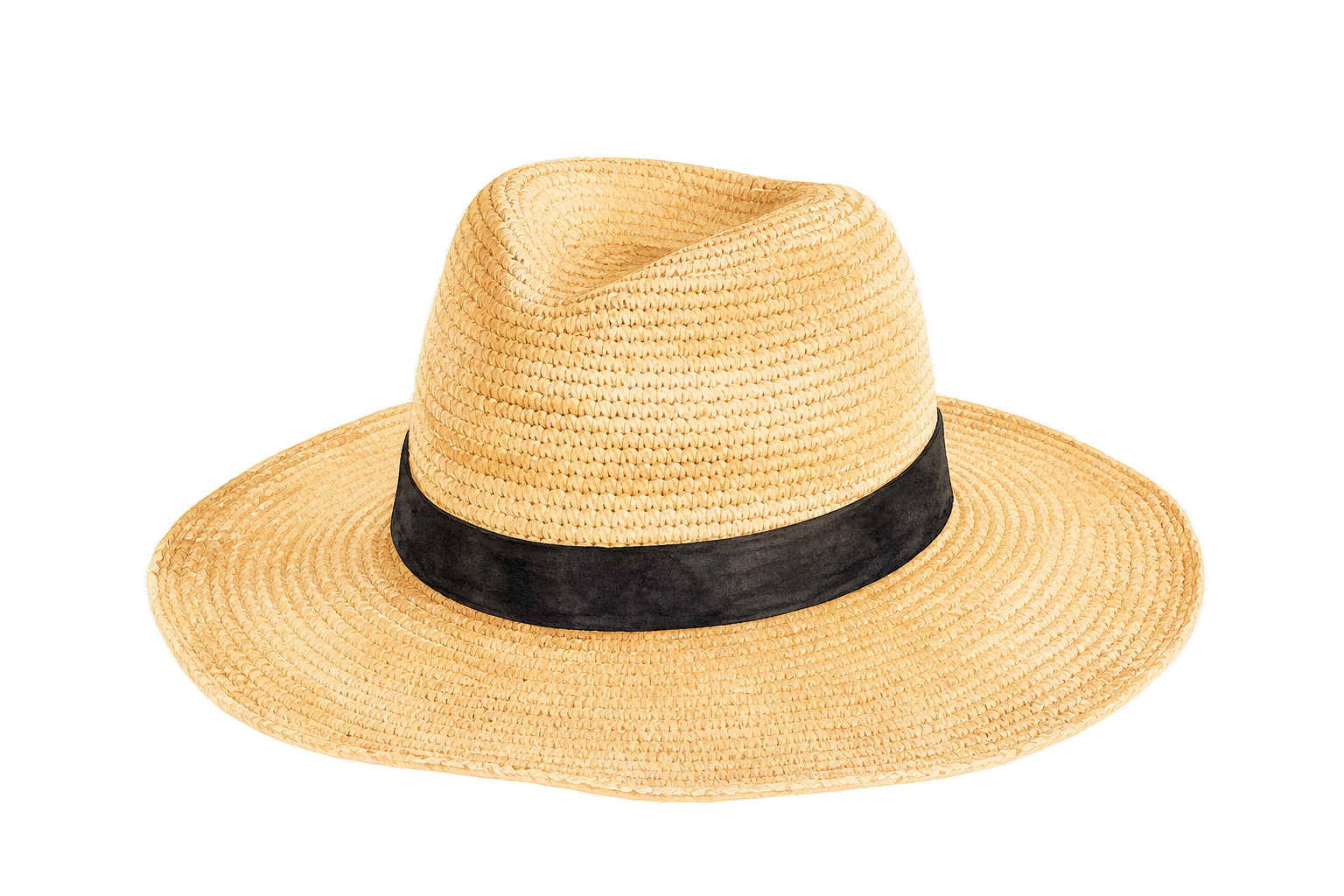 05Wide-brim sun hat — non-negotiable
The Moroccan sun is unfiltered (humidity 30-35%, UV index 9+ at midday in June). Wide-brim straw or canvas covers the face, neck, and shoulders; baseball caps leave the neck exposed and the back of the neck burns first. Mandatory for the Yves Saint Laurent Garden, the Bahia Palace courtyards, and the Jemaa el-Fnaa square at dusk.
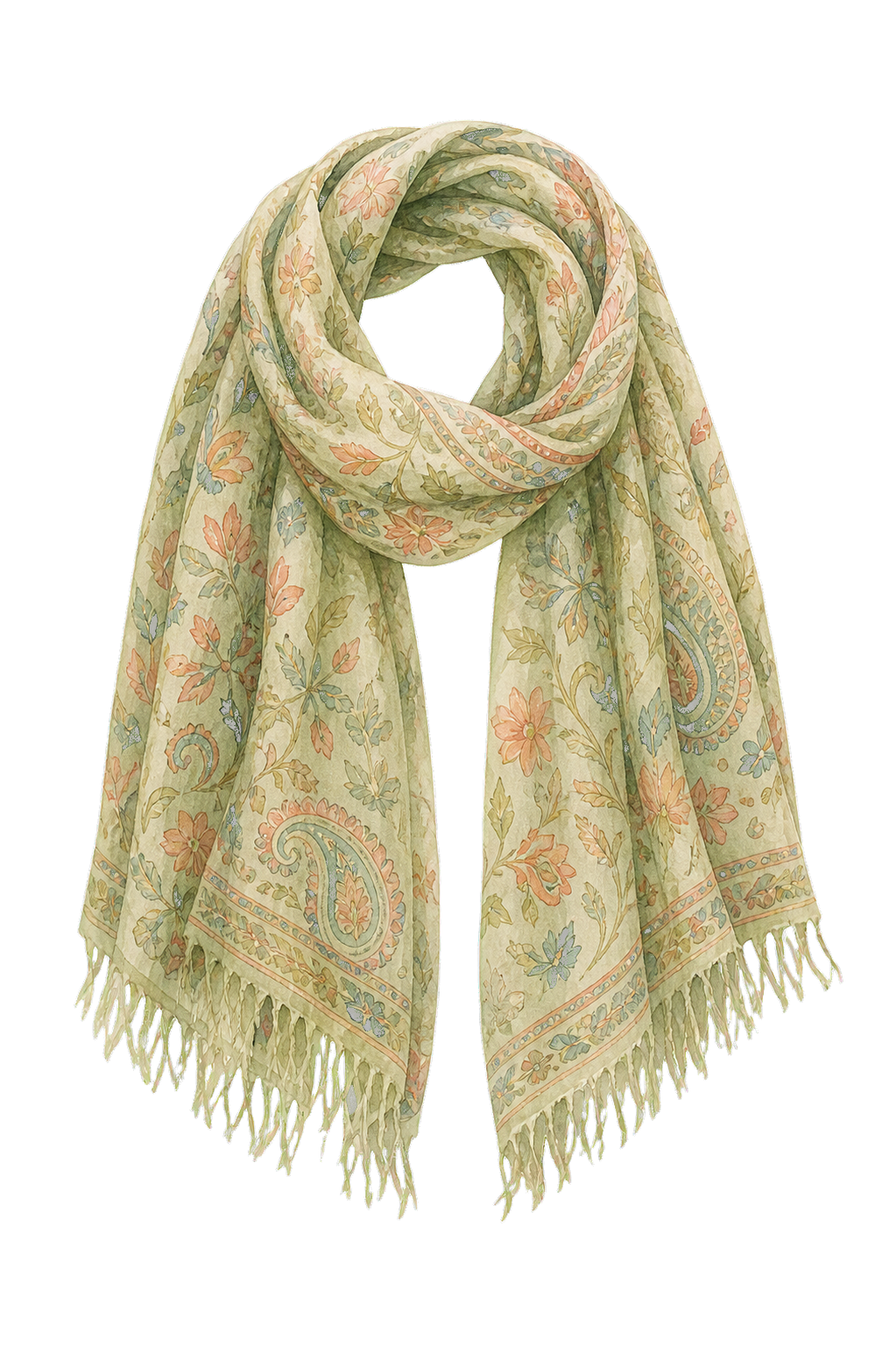 06Light cotton scarf or shawl
The 16°C / 29°F temperature swing means evenings drop to 18°C / 64°F clear-sky cool — the desert's nightly relief. The scarf doubles as shoulder cover at the Koutoubia Mosque exterior, dust filter in the souks, and the souk shawl-buying tradition (Berber-woven cotton from Atlas villages is the most-cited souvenir).
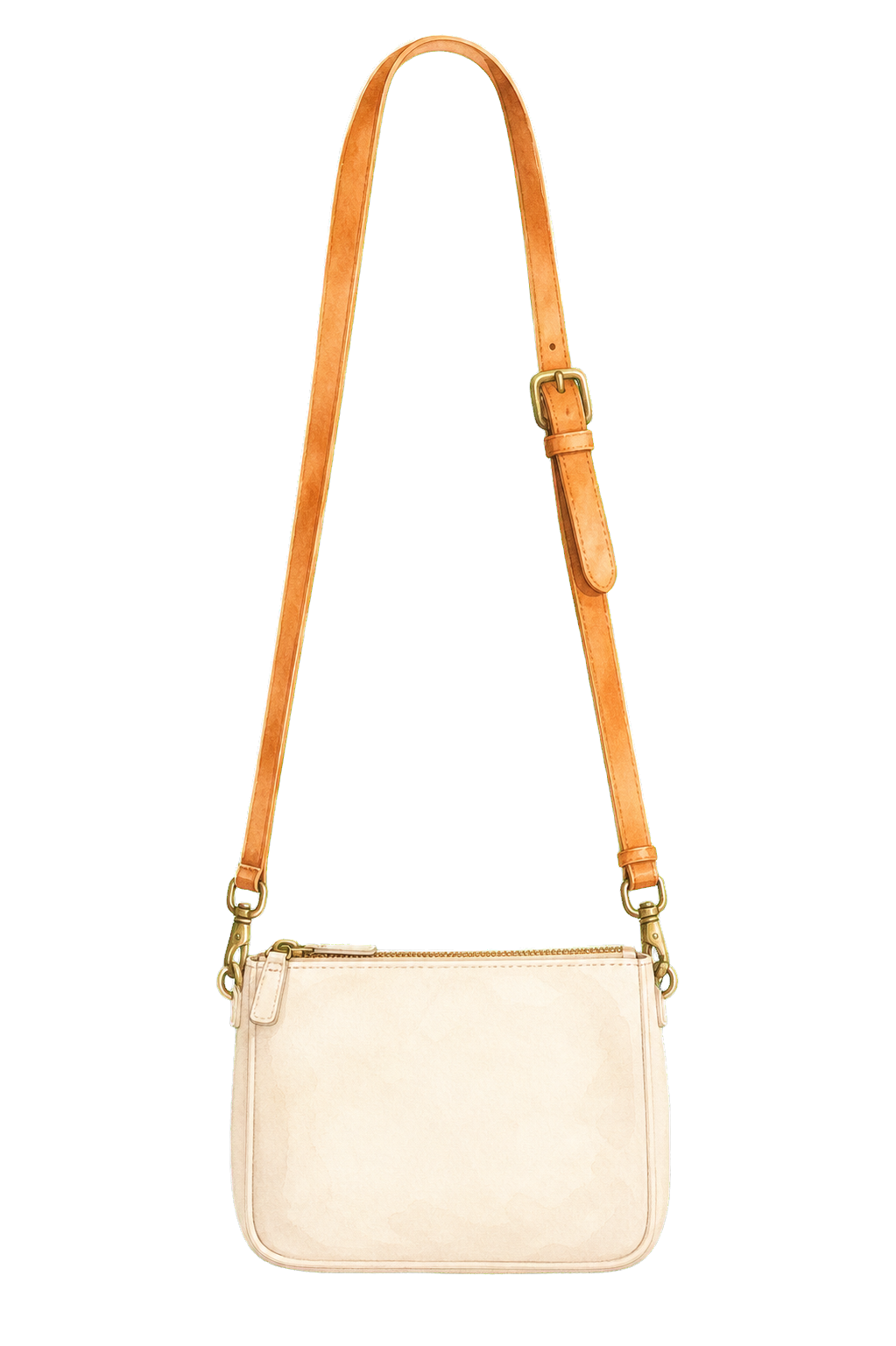 07Structured leather crossbody
Jemaa el-Fnaa main square and the souks (Souk Smarine, Souk Cherratine, Souk Haddadine) are documented pickpocketing zones at peak density — 10am-1pm and 6pm-9pm. A small leather crossbody worn diagonally with hand on bag is the local standard. Skip backpacks worn behind in souk crowds.
 08SPF 50+ + sunglasses + water bottle
Desert-edge dry air means UV is genuinely stronger than in coastal Mediterranean cities at the same temperature; SPF 50+ is the local recommendation, reapplied every 2 hours. The 1L water bottle is non-negotiable — dehydration symptoms come faster in 30-35% humidity than in humid heat, and the medina's covered alleys can hit 38°C / 100°F at midday.
Day to night
Cotton kaftan · linen trousers · babouches · sun hat · crossbody. Mint tea at Café des Épices 7am, walk medina at 8am opening 9am, lunch at Le Jardin 1pm.
Linen midi dress · block heels · light shawl · sandals. Dinner at La Mamounia, Plus 61, or Mardi 8:30pm; cocktails at El Fenn rooftop or Sky Lounge after.
A suggested look — morning look: pale sage long tunic-style kaftan over cream wide-leg linen trousers, cream arch-support walking sandals, cream leather crossbody bag, wide-brim straw hat, tortoiseshell sunglasses.

What to avoid
- Synthetic in 34°C / 93°F dry heat
- Dark colors — sun absorption intense
- Sightseeing 12-5pm — medina 38°C / 100°F in covered alleys
- Backpacks behind in souks
- Religious sites without modesty cover
Frequently asked questions
Per Maroc Météo: average daily high is 34°C (93°F), low is 18°C (64°F), only 1 rain day. Humidity 30-35% — desert-edge dry. Heat waves push afternoons above 38°C / 100°F in late June. The medina's covered alleys can read 5-7°C / 9-13°F cooler than open streets due to shading; the central Jemaa el-Fnaa square hits the highest midday temperatures.
9-11am or after 6pm. The medina souks open at 9am and run to 9pm; the morning window has the smallest tourist density and the coolest covered-alley temperatures. Most shops close 1-4pm for the local lunch and rest period; reopen 4-9pm. After 6pm catches golden hour and the cooler evening air; locally favored shopping time. Skip 12-3pm — many shops closed, and the heat in open areas is brutal.
A riad is a traditional Moroccan house with an interior courtyard, often converted to boutique accommodation in the medina. Dress for arrival: lightweight cotton or linen (the medina is conservatively-attired even at boutique riads); change to swimsuit + cover-up for the rooftop pool. Many riads have rooftop terraces with afternoon tea and dinner; dress smart casual modest (no shoulder/knee exposure). Riads with restaurant service expect smart casual dinner attire.
It depends on heat tolerance. Pros: lower hotel rates than peak season (October-April), full operations at major sites (Yves Saint Laurent Garden, Bahia Palace, Saadian Tombs), late-evening medina explorations cooler. Cons: 34°C / 93°F+ midday heat, sightseeing limited to dawn-and-dusk windows, riad pool retreat the local strategy. October-April is the more comfortable visiting window. June is the start of the off-season pricing.
The Ourika Valley (45 minutes drive south) and the Imlil village (90 minutes drive south, base for Toubkal Mountain hikes) are the most-cited Atlas Mountains day trips. Both run 5-10°C / 9-18°F cooler than Marrakech (so 24-29°C / 75-84°F in June vs. Marrakech's 34°C / 93°F, with running streams and mountain views. Pack: lightweight base, comfortable walking shoes (the trails are uneven rocks), sun hat, water, light layer for the cooler higher elevations. Berber villages along the route offer mint tea hospitality; modest dress respected.
Sources
- Direction Générale de la Météorologie — 1991–2020 climate normals, Marrakech-Ménara station