What to Wear in Kyoto in July
Kyoto in July is Gion Matsuri month — 32°C / 90°F afternoons, 23°C / 73°F nights, 14 rain days. The most-cited Kyoto festival running all of July.
- Lightweight cotton — peak Japanese summer
- Mid-weight cardigan — AC at JR station
- Packable rain shell — late tsuyu early July
- Slip-on shoes — every temple removes
- Yukata (light summer kimono) for Gion Matsuri evenings
- Hydration — Japanese summer heat-stroke risk
- Don't wear leather — tsuyu humidity rots
- Don't skip rain shell — early July still tsuyu
- Don't skip slip-on shoes — temple removes
Kyoto in July is peak Japanese summer + Gion Matsuri. JMA data put afternoon highs at 32°C / 90°F and overnight lows at 23°C / 73°F with 14 rain days. Tsuyu typically ends mid-July; the second half of July is hot-and-humid Japanese summer (with afternoon thunderstorms but no sustained tsuyu rain). Gion Matsuri (the heritage 1,100-year-old festival, runs all of July at Yasaka Shrine and Gion district) — the most-cited Kyoto festival, with the Yamaboko Junko parade on July 17 (the heritage Yamaboko festival floats). Locals wear yukata (the lightweight summer kimono) at evening. The dressing rule lightens: lightweight cotton, mid-weight cardigan for AC, packable rain shell (late tsuyu in early July), slip-on canvas sneakers or jikatabi, modest cuts, hydration (heat-stroke risk — Japanese summers see hospitalization rates spike in late July-August). SOU SOU (Kyoto 2002), Issey Miyake heritage, Chiso (1555 kimono), Eirakuya (1615) continue. Skip leather — humidity still rots in early July.
Kyoto July is Gion Matsuri month — the heritage 1,100-year-old festival running all month, Yamaboko Junko parade July 17 with the heritage Yamaboko floats, locals in yukata at evening, the SOU SOU jikatabi the most-practical festival slip-on shoe.
The capsule
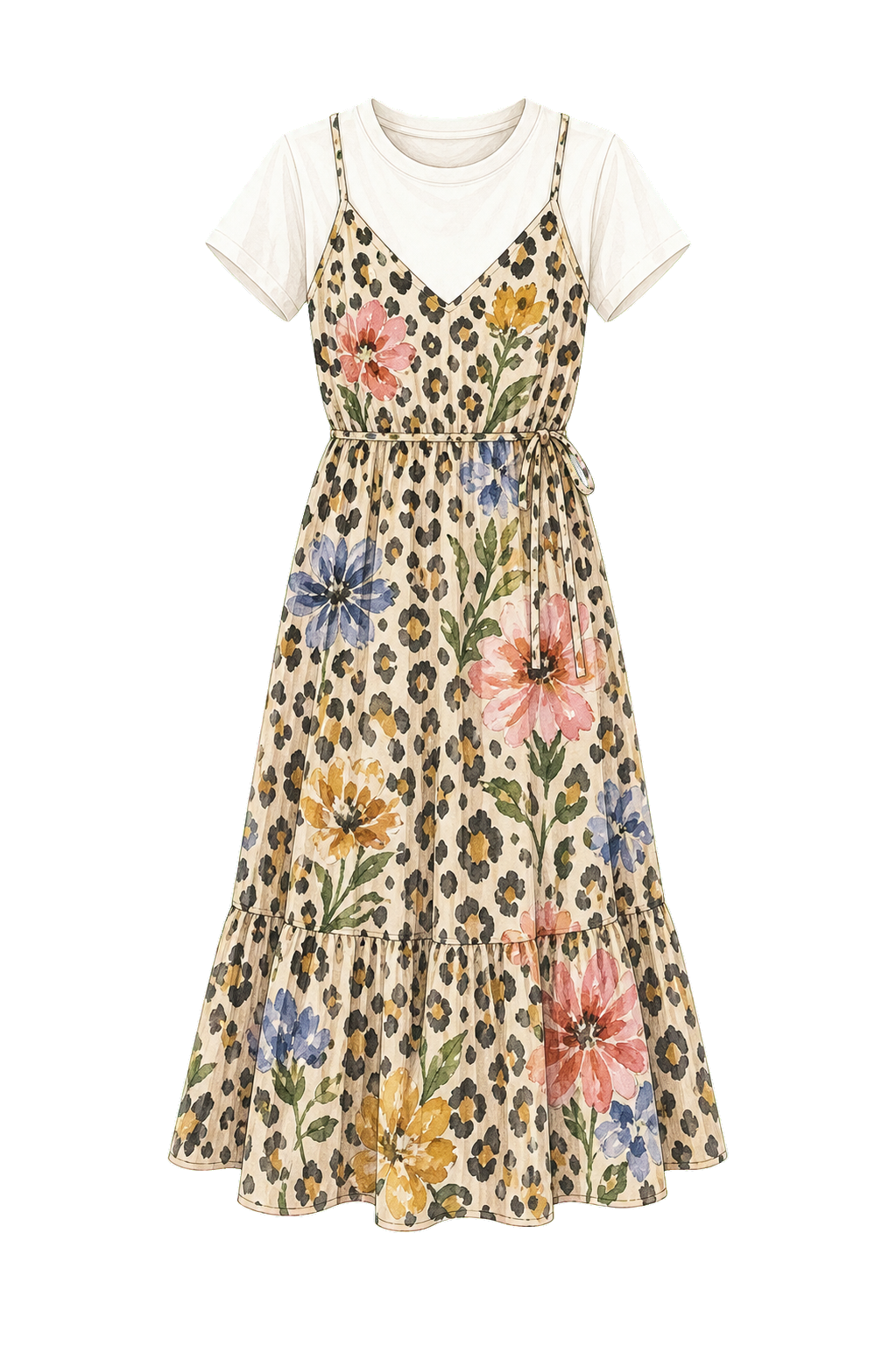 01Lightweight cotton tee + cotton dress
JMA Kyoto Marutamachi puts July at 32°C / 90°F afternoons with humidex 38-42°C / 100-108°F — the inland basin makes Kyoto one of Japan's hottest summer cities. Open-weave cotton or cotton-jersey in ivory, sage, or dusty rose; UV index 9+ for the entire month, so cap sleeves protect more than they constrain at Fushimi Inari.
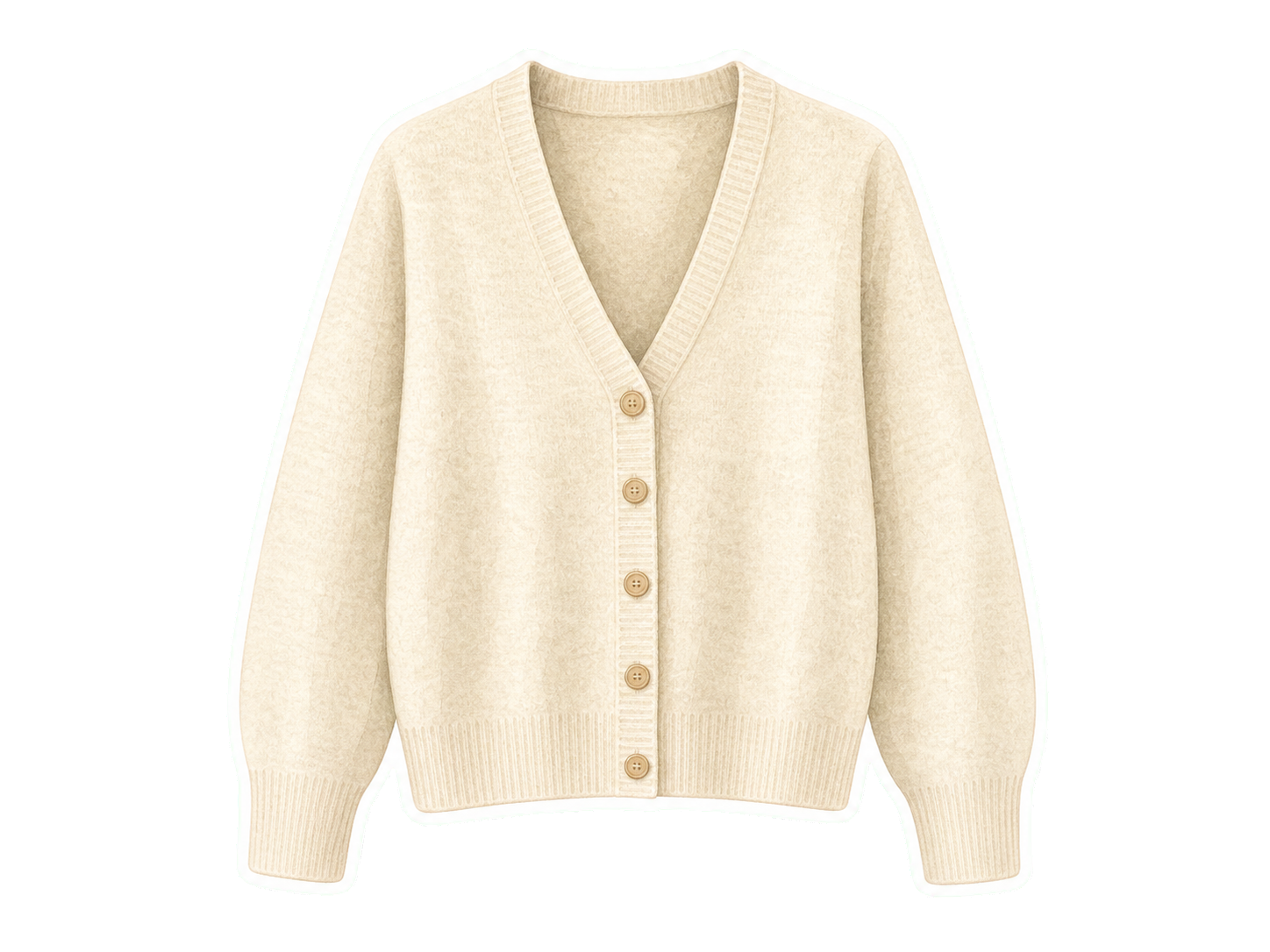 02Mid-weight cardigan or wool sweater
Evenings hold 23°C / 73°F per JMA, but Kyoto Station, Daimaru Kyoto, and the Kyoto Imperial Palace museum all run AC at 22°C / 72°F — a 10°C / 18°F shock at every doorway. Charcoal Uniqlo washable wool or oatmeal Cos (stocked at Kyoto BAL) packs into the canvas crossbody between stops.
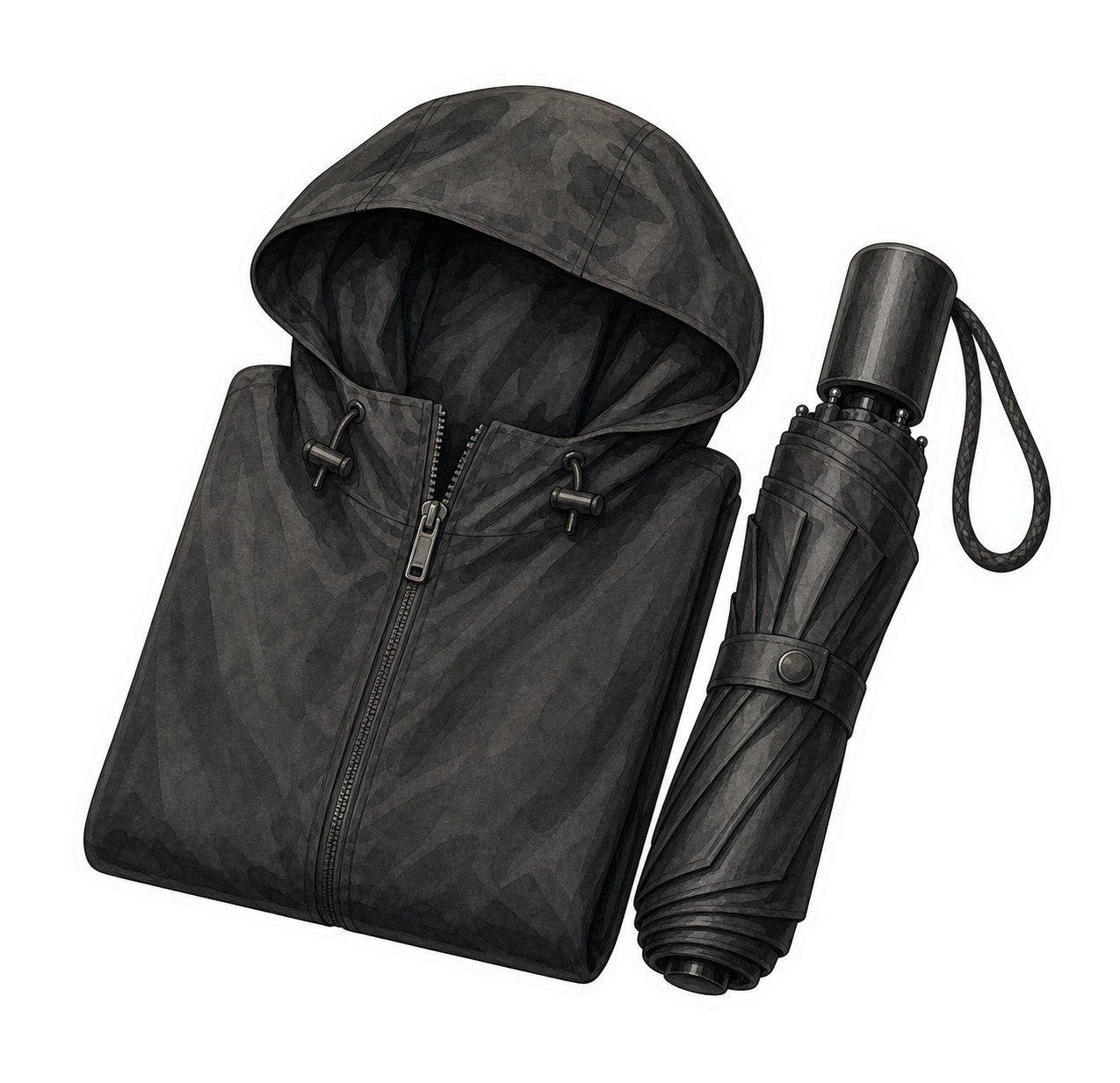 03Packable rain shell + compact umbrella
Tsuyu typically clears mid-July per JMA, but the second half brings convective afternoon thunderstorms that arrive without warning over the Higashiyama ridge. Patagonia Houdini plus Mont-bell Travel Umbrella (88g) handles the morning Fushimi Inari hike and the Yoiyama July 14-16 evening crowd.
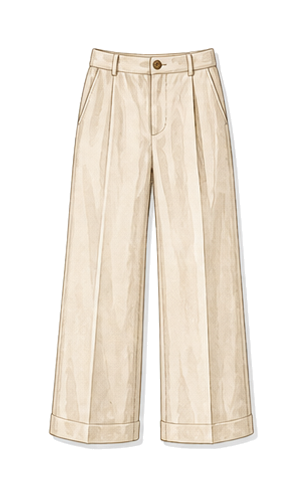 04Cotton trousers or wide-leg pants
Kiyomizu-dera, Tofuku-ji, and Sanjusangen-do enforce knee cover at the inner halls even at 33°C / 91°F. Wide-leg indigo or sage cotton lets the Kamogawa river breeze through; pair with the Sou Sou (Kyoto 2002) modern-tabi trouser for the Shijo-Tominokoji walk between flagship and tea house.
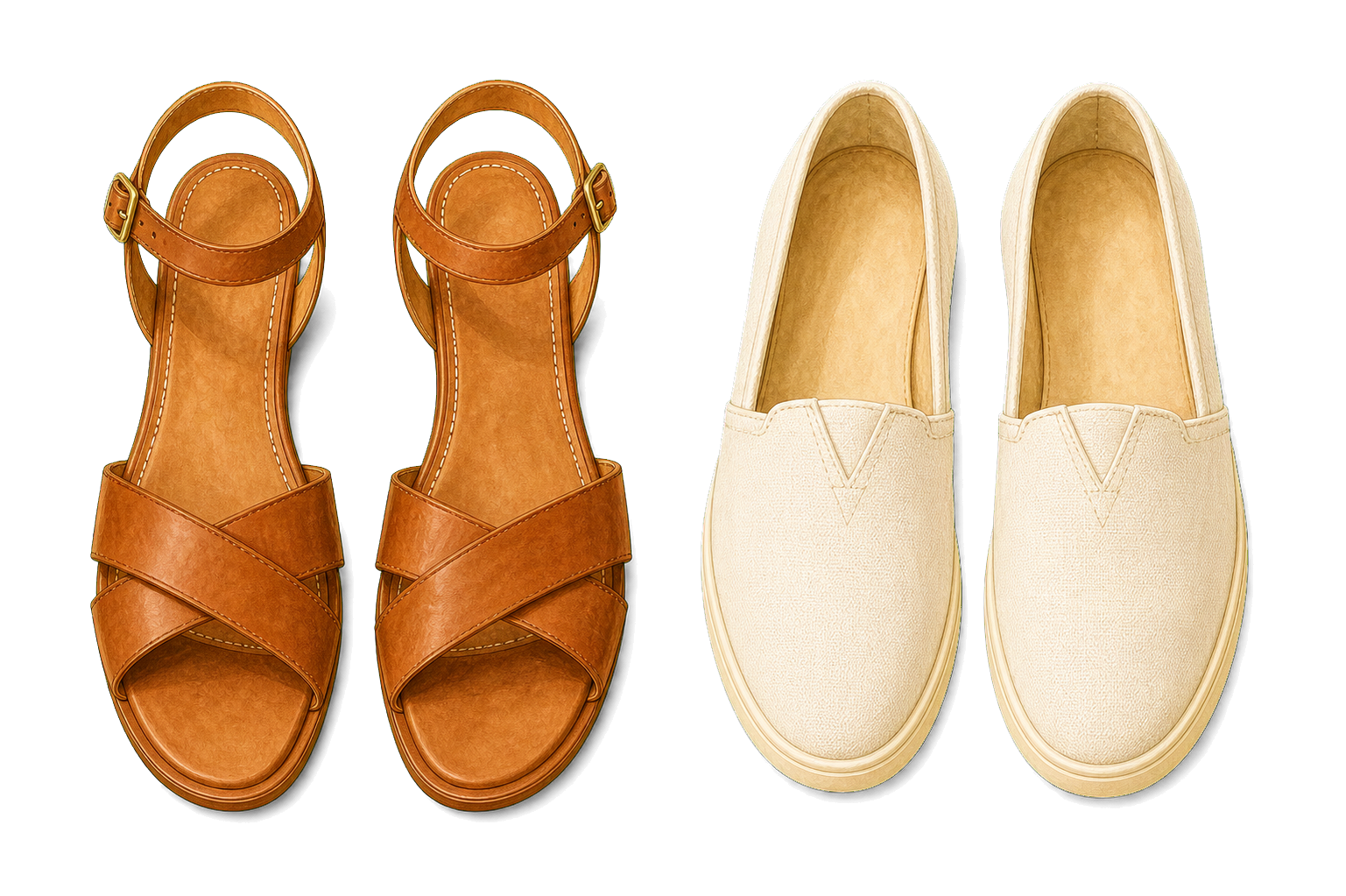 05Slip-on canvas sneakers + jikatabi (SOU SOU)
Every temple — Kiyomizu-dera, Sanjusangen-do, Kinkaku-ji — strips shoes at the genkan. Sou Sou jikatabi (Kyoto 2002, the modern split-toe rubber-sole) slip on in one motion and signal local. Canvas dries between sweat-soaks; bring two pairs so July humidity doesn't compound the same insole twice.
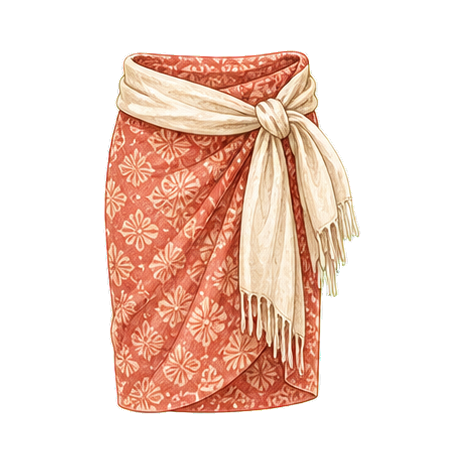 06Yukata for Gion Matsuri evening
Gion Matsuri runs all of July at Yasaka Shrine — the heritage 1,100-year-old festival dating to 869 CE. Yoiyama (July 14-16) and the Yamaboko Junko parade (July 17, UNESCO Intangible Cultural Heritage) draw locals in yukata. Rent at Yumeyakata or Tomihiro (¥3,000-8,000); pair with jikatabi or geta and a folding fan.
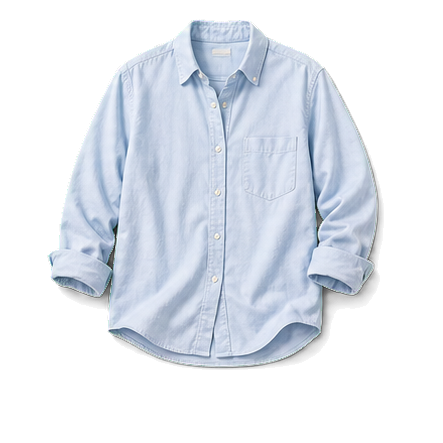 07Cotton button-down — for evening
Tucked into wide-leg trousers for kaiseki at Kikunoi (3-Michelin since 1912) or the heritage Hyotei (3-Michelin since 1837). Kyoto dining runs 18:00-21:00, earlier than Tokyo or Osaka. Crisp ivory or charcoal cotton holds press through the Pontocho riverside walk better than any linen blend.
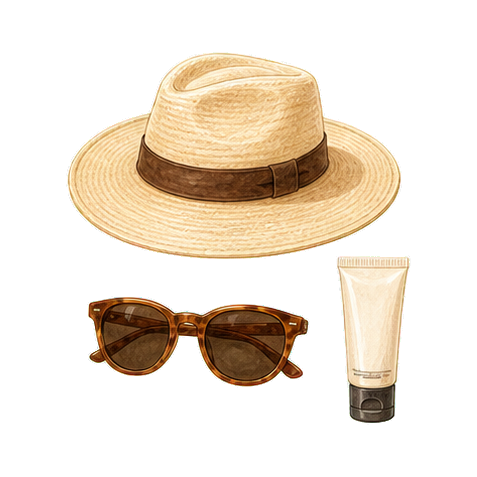 08Canvas crossbody + sunglasses + sun hat + reusable water bottle
Kyoto July hospitalizations spike per JMA — humidex 38-42°C / 100-108°F, UV index 9+ across the basin. A 1L water bottle plus polarized sunglasses plus a wide-brim straw hat are the non-negotiable trio for the Fushimi Inari summit hike. Coated canvas crossbody (skip leather; tsuyu still rotting in early July) carries it all.
Day to night
Cotton dress · trousers · sneakers · cardigan · rain shell · sun hat · water bottle · crossbody. % Arabica 8am, Fushimi Inari hike before peak heat 9am, lunch at Hyotei 12:00.
Yukata for Gion Matsuri evening · jikatabi sandals; or cotton trousers · button-down · cardigan. Dinner kaiseki at Kichisen 18:30; Yamaboko Junko parade July 17.
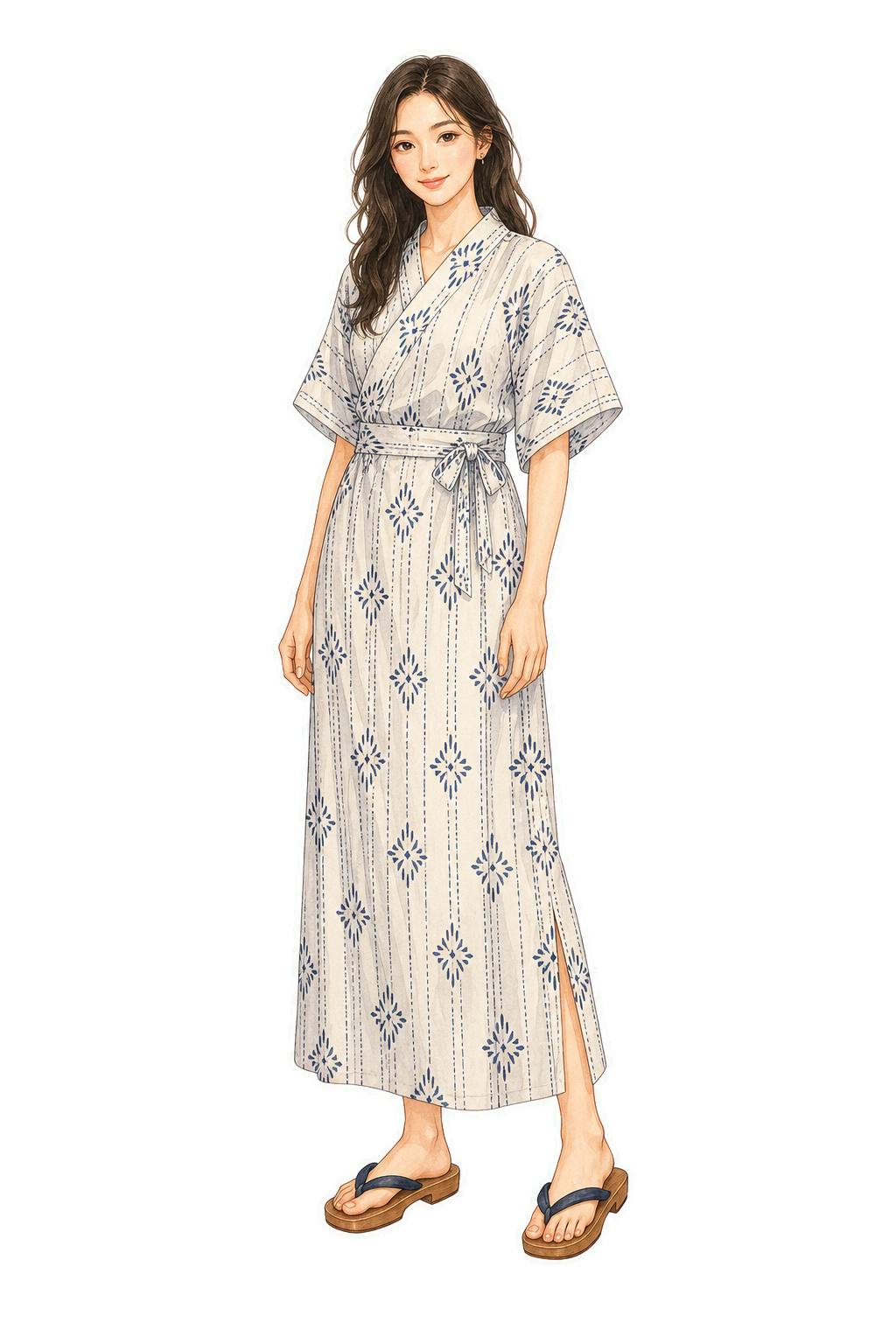
A suggested look — Lightweight indigo-and-white cotton yukata-inspired summer dress, flat sandals. Kyoto Gion Matsuri heat, 32C/23C..
What to avoid
- Leather — humidity rots
- No rain shell early July — late tsuyu
- Lacing shoes at temples — slip-on essential
- Outdoor activity 14:00-17:00 — heat-stroke risk
- No hydration — heat index 40°C / 104°F
Frequently asked questions
Per JMA: average daily high 32°C (90°F), low 23°C (73°F), 14 rain days totalling 220mm. Late tsuyu (typically ends mid-July) through peak Japanese summer. Humidity 75-80%; heat index can hit 40°C / 104°F. UV index 8-9 (very high). Daylight 14h 15m. Heat-stroke risk peaks late July through August — Japanese hospitals see spike in heat-stroke admissions.
Gion Matsuri (祇園祭) is the heritage 1,100-year-old Kyoto festival — runs all of July at Yasaka Shrine and Gion district. Founded 869 CE as a purification ritual against plague. The Yamaboko Junko parade on July 17 features 33 heritage Yamaboko floats (UNESCO Intangible Cultural Heritage); the floats are paraded through downtown Kyoto. Yoiyama (the festival eve, July 14-16) brings crowds to Shijo street with food stalls and lit floats. Pack: yukata (light summer kimono — rent locally for ~¥3,000-8,000); jikatabi or geta (wooden sandals); fan; reusable water bottle; cotton tee underneath.
Yes — yukata (light summer cotton kimono) is the traditional Gion Matsuri dress. Multiple rental shops in Gion and Shijo (Yumeyakata, Tomihiro, Kyoto Kimono Rental Wargo, Yumekoubou) offer yukata-and-styling for ~¥3,000-8,000 per day. Yukata is more practical than full kimono: lighter weight, simpler tying (or even pre-tied for tourists), easier walking. Wear with geta (wooden sandals) or jikatabi (SOU SOU rubber-soled split-toe). Pack cotton tee underneath; bring a folding fan; carry a small crossbody bag.
Kaiseki (Japanese multi-course haute cuisine) etiquette: arrive 5-10 minutes early; remove shoes at the entrance — wear socks without holes; sit seiza (kneeling) on tatami at traditional kaiseki ryokan, or at modern restaurant chairs; eat each course as served; don't mix dishes; finish all rice (leaving rice is considered wasteful); use the wet towel (oshibori) before the meal; thank the chef at the end with 'gochisousama'. Kaiseki dinner runs 7-15 courses; budget 2-3 hours. Pack: smart-casual minimum; slip-on shoes; socks. Hyotei (1837) is the most-cited heritage Kyoto kaiseki institution.
Yes — Mount Hiei (60 minutes northeast of Kyoto) is the heritage Tendai Buddhist mountain — the Enryaku-ji temple complex (UNESCO World Heritage, founded 788 CE) is the most-cited Tendai Buddhist site. The cable car + bus access is the standard tourist route. Pack: layered cotton/cool-wool blend, packable rain shell, structured walking shoes (the temple paths are uneven), sun hat, polarized sunglasses, water bottle, modest dress (covered shoulders and knees). Mount Hiei runs cooler than Kyoto by 4-6°C / 7-11°F at the summit.
Sources
- Japan Meteorological Agency — 1991–2020 climate normals, Kyoto station