What to Wear in Kathmandu in June
Kathmandu in June is monsoon onset — 30°C / 86°F afternoons, 19°C / 66°F nights, 13 rain days. Southwest monsoon arrives mid-June; high-altitude trekking pauses.
- Lightweight cotton — Himalayan-mild climate
- Mid-weight cardigan — 19°C / 66°F evenings
- Packable rain shell — monsoon onset mid-June
- Rubber sandals + cotton sandals — monsoon waterlogs leather
- Modest cuts — temple modesty
- DEET mosquito repellent — dengue risk monsoon
- Don't pack leather — monsoon waterlogs
- Don't skip rain shell — monsoon arrives mid-June
- Don't trek high-altitude — clouds obscure views + landslide risk
Kathmandu in June is the southwest monsoon arriving. DHM Nepal data put afternoon highs at 30°C / 86°F and overnight lows at 19°C / 66°F with 13 rain days. The monsoon onset hits Kathmandu typically mid-June (June 13-20 average); pre-monsoon dry through early June, then the rain pattern starts. The Himalayan foothills wrap in cloud; high-altitude trekking (Annapurna, Everest, Langtang) pauses June-September for landslide safety and obscured mountain views — the trekking season resumes mid-September. The dressing rule extends: lightweight cotton, mid-weight cardigan, packable rain shell, rubber sandals (Crocs, waterproof Birkenstocks — leather waterlogs in monsoon), modest cuts, hydration, DEET mosquito repellent (dengue and malaria peak monsoon), SPF 50 (UV between rains still high at altitude). Mahaguthi, Pasang Dolma Sherpa Textiles, Jamarko, Sherpa Adventure Gear, Tibetan refugee handicrafts remain the local register. Pashupatinath, Boudhanath, Swayambhunath, Patan and Bhaktapur Durbar Squares all stay open; the religious-site shoulder/knee cover continues. Cultural festivals: Buddha Jayanti (May-June, Buddha's birth-enlightenment-death day, peak observance at Boudhanath and Swayambhunath); Sithi Nakha (Newari festival, late May-early June).
Kathmandu June is the monsoon-onset month — the southwest monsoon arriving mid-June after starting in Kerala (June 1), the Himalayan foothills wrapped in cloud, the high-altitude trekking pausing for landslide safety. Cotton, modest cuts, rubber sandals, packable rain shell.
The capsule
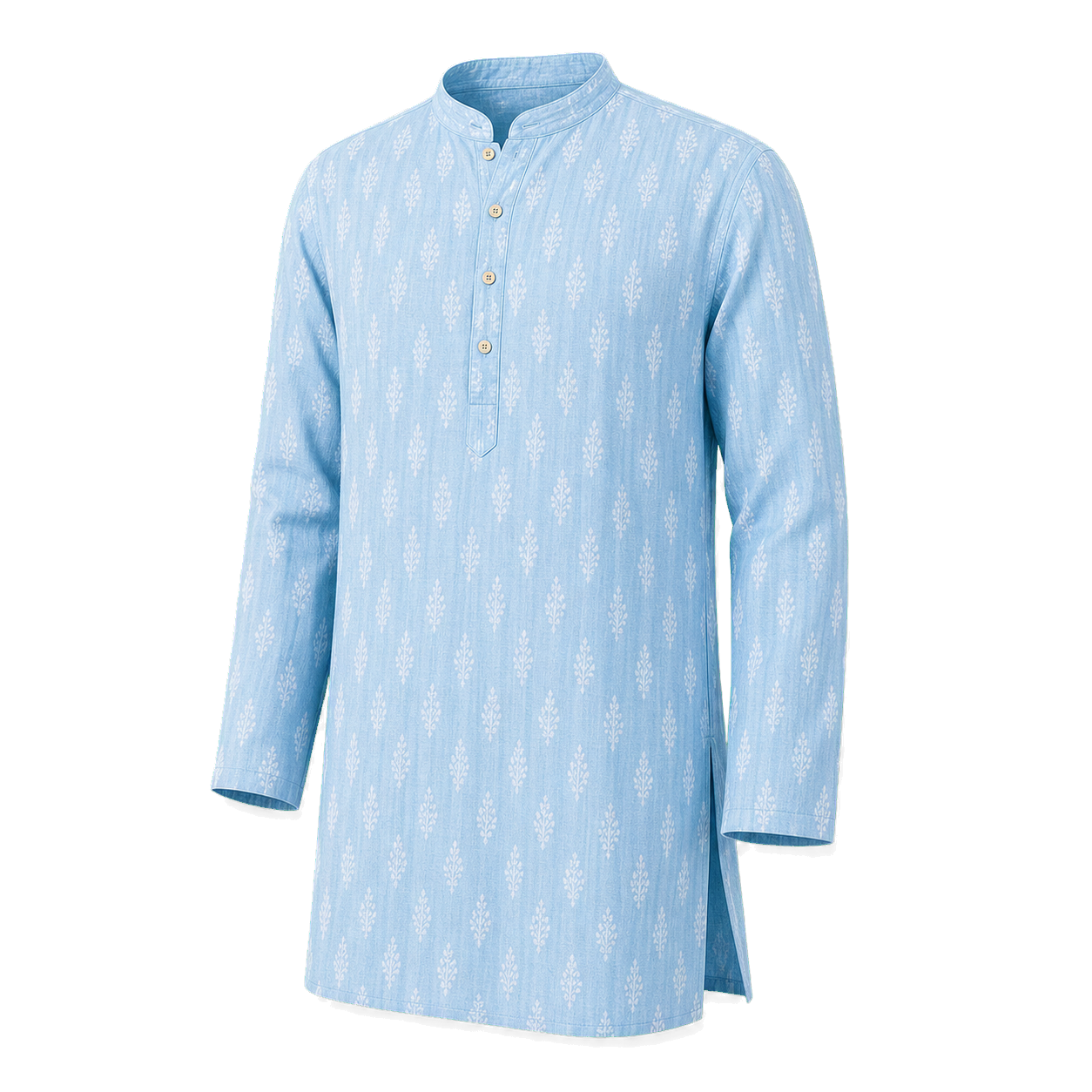 01Lightweight cotton tee or cotton kurta
DHM Nepal logs 30°C / 86°F afternoons against rising humidity once the southwest monsoon reaches Kathmandu by June 13-20. Cotton breathes through the Boudhanath circumambulation and the Pashupatinath Bagmati-side walk; synthetic traps sweat against altitude-dry skin.
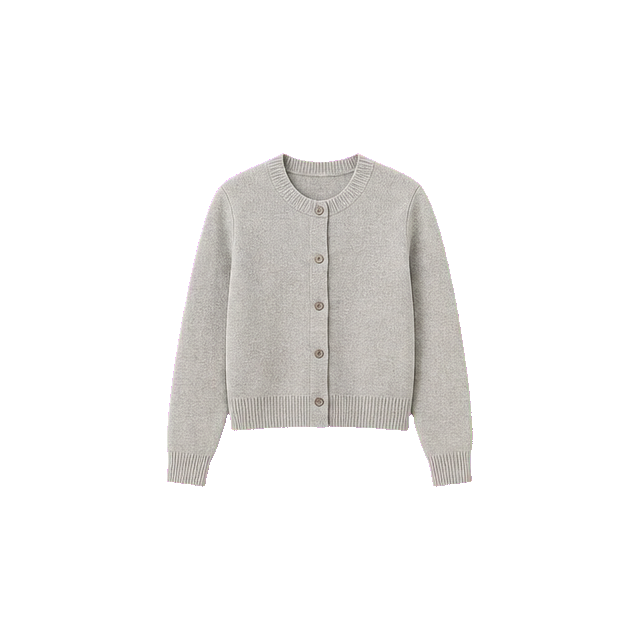 02Mid-weight cardigan or wool sweater — Mahaguthi handknit
Pre-storm 19°C / 66°F evenings around Patan Durbar Square need a layer once the cloud closes in. Mahaguthi (Kathmandu fair-trade since 1984) handknits in undyed sheep wool sit at the Nepali heritage register; works as both the Garden of Dreams cardigan and the Krishnarpan dinner cover.
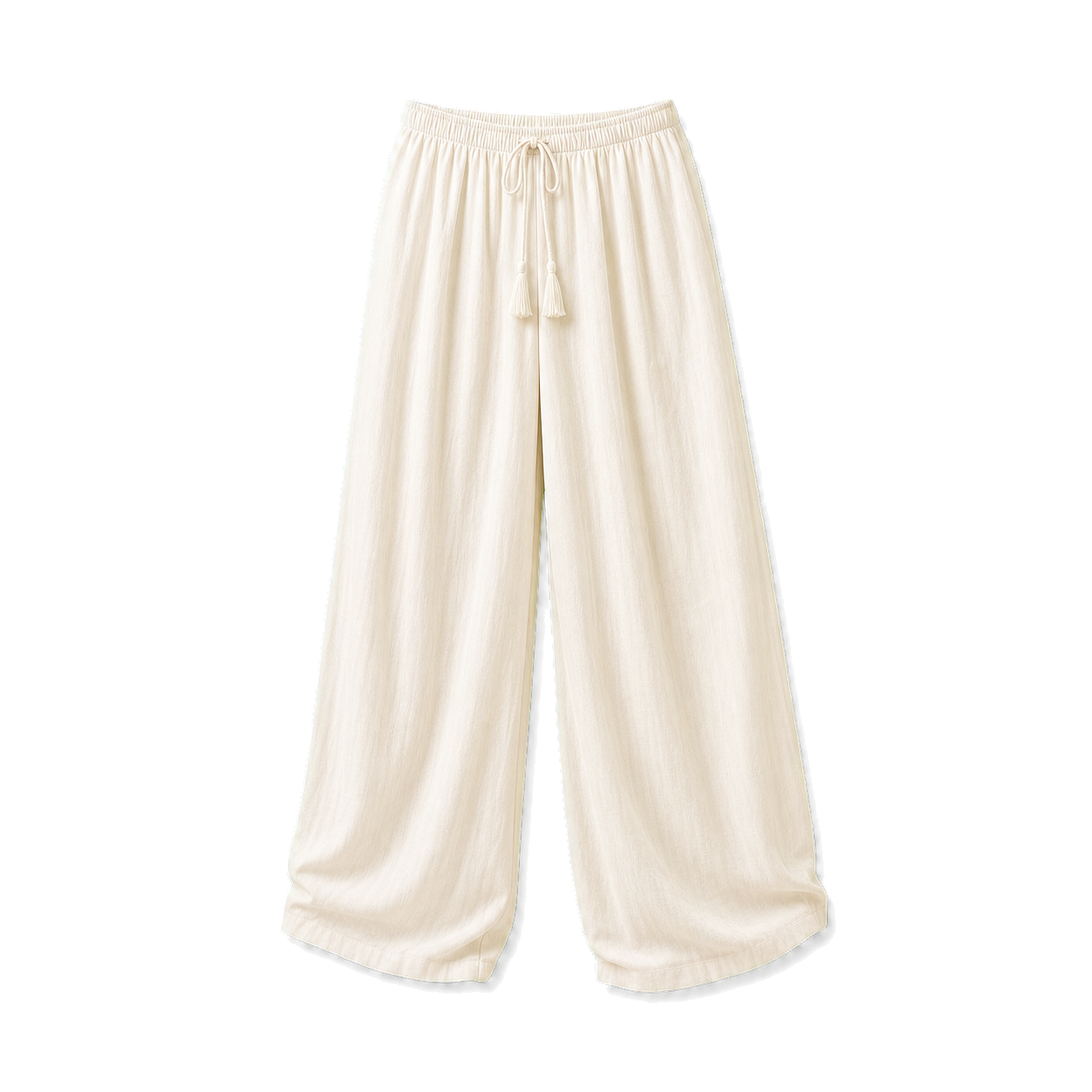 03Cotton trousers or wide-leg pants — modest cuts
Pashupatinath, Boudhanath, Swayambhunath, Patan and Bhaktapur Durbar Squares all enforce knee cover; tight fits read disrespectful in the Newari old-town alleys. Wide-leg cotton handles 19-30°C / 66-86°F daily swing without clinging through the monsoon-onset humidity.
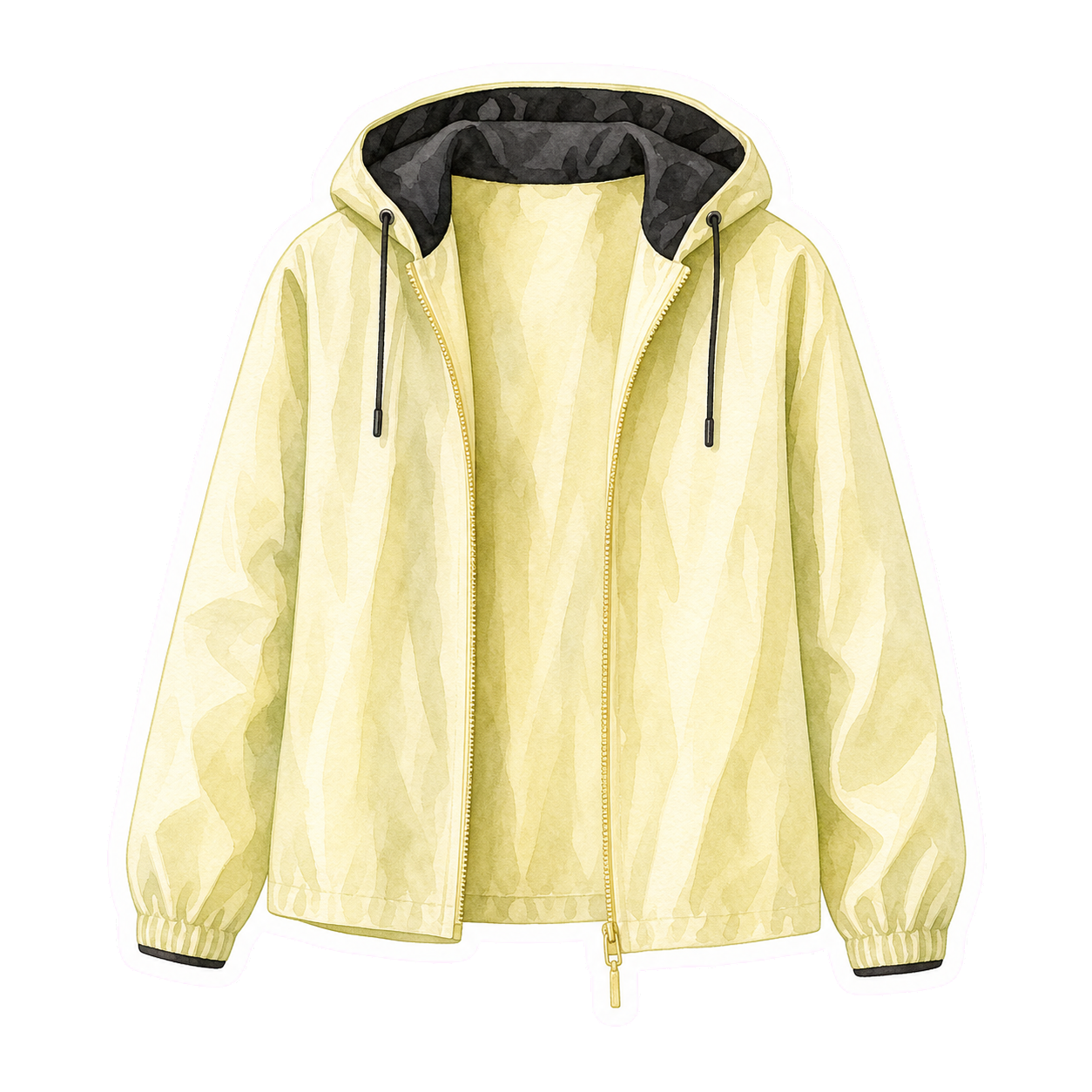 04Packable rain shell — Patagonia, Black Yak, Sherpa Adventure Gear
13 rain days as the southwest monsoon hits mid-June; afternoon storms run sharp and sudden over the valley. Sherpa Adventure Gear (founded Kathmandu 2003 by Tashi Sherpa) anchors the local register; pack for Thamel-to-Boudhanath cab dashes between cloudbursts.
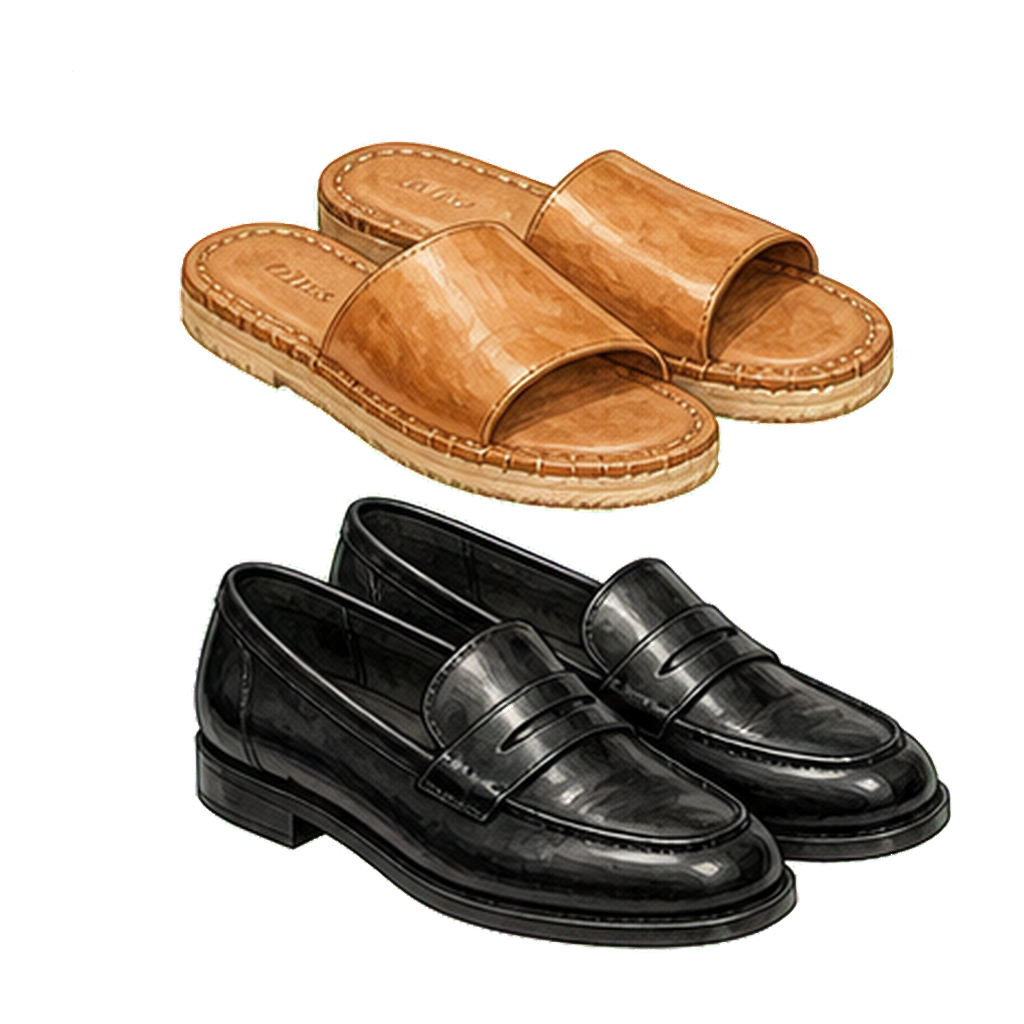 05Rubber sandals (Crocs, waterproof Birkenstocks) + cotton sandals
Standing puddles and clogged drains across Thamel and Asan Bazaar waterlog leather within a week of monsoon onset. Rubber dries instantly between Pashupatinath ghats and Boudhanath circumambulation; cotton sandals reset for the dry Krishnarpan dinner.
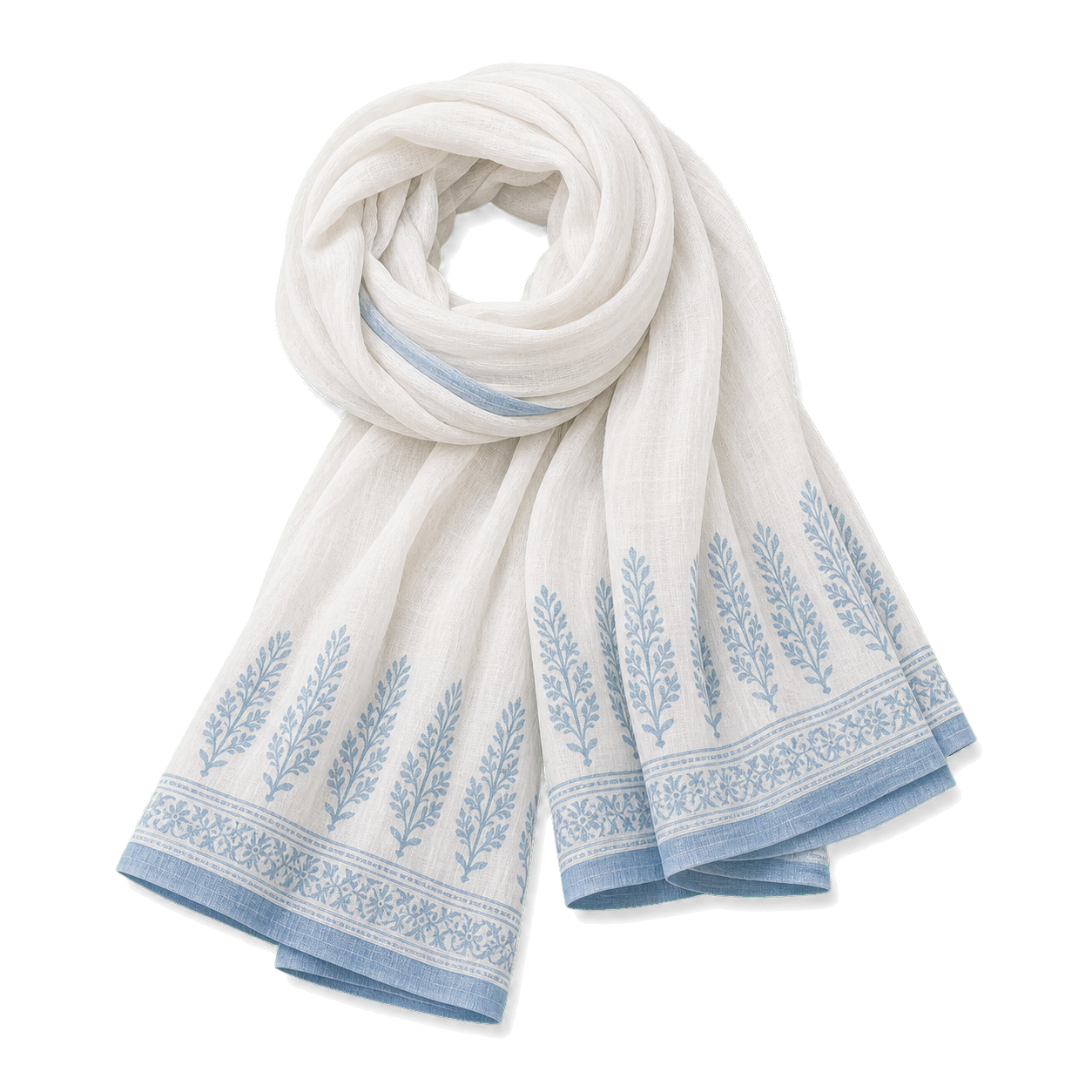 06Long cotton dupatta or Dhaka-cloth shawl
Mosques and Buddhist gompas in Boudhanath want shoulders covered; Dhaka cloth (the Nepali handwoven cotton with geometric weft patterns, the same fabric as the Dhaka topi national hat) carries cultural register and doubles as a pre-storm wrap when temperatures drop 8°C / 14°F under monsoon cloud.
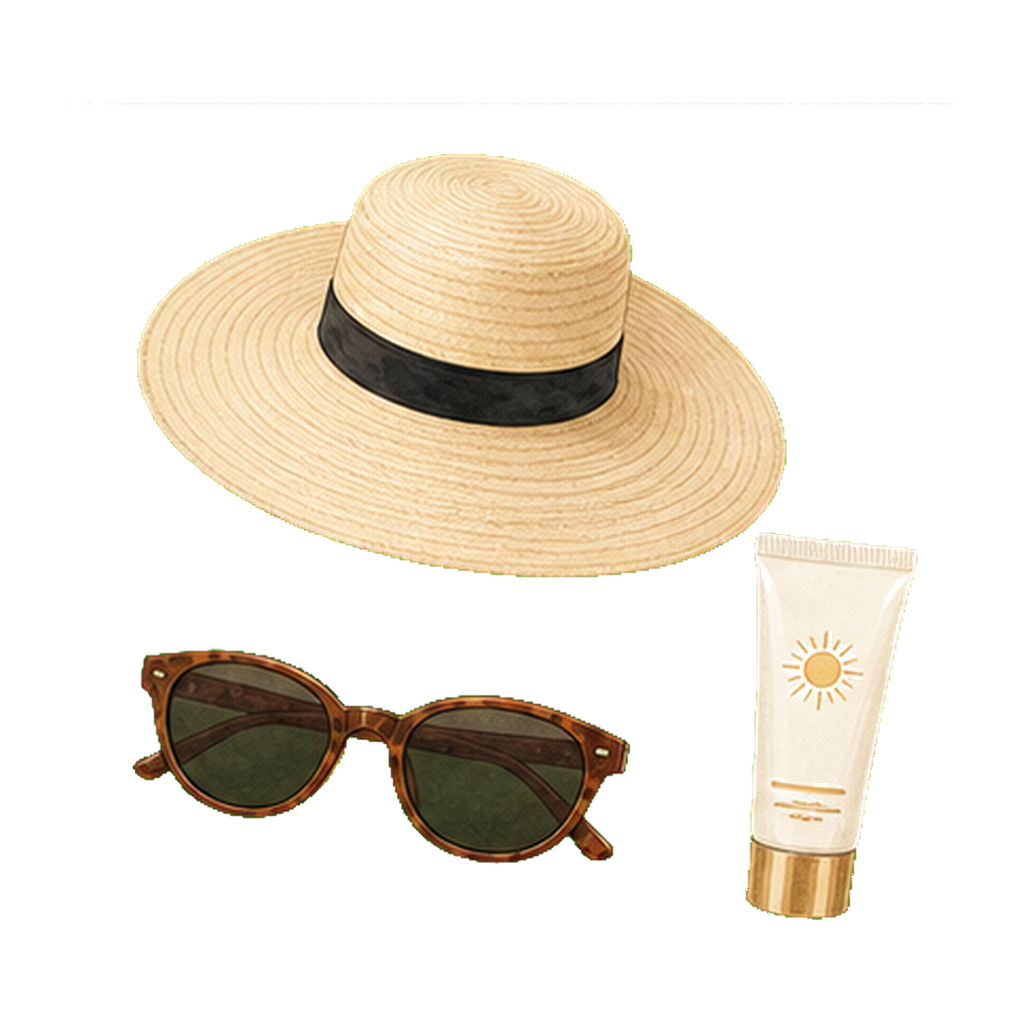 07Wide-brim sun hat + polarized sunglasses + SPF 50 + DEET
Kathmandu sits at 1,400m / 4,600ft, so UV index hits 10+ between rains and Himalayan air is thinner. Buddha Jayanti crowds at Swayambhunath stand exposed; dengue rises with monsoon-onset standing water — the CIWEC Hospital monsoon advisory recommends DEET at dawn and dusk.
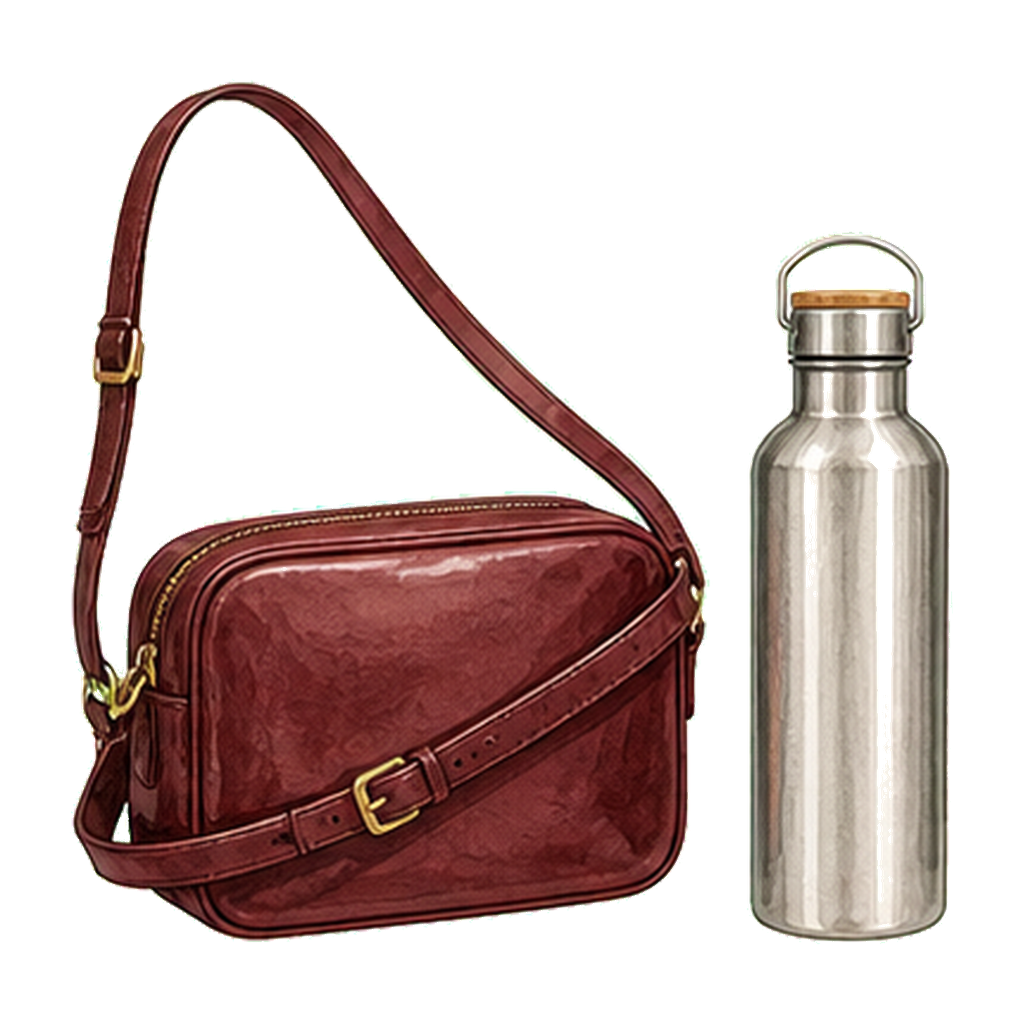 08Crossbody bag + reusable water bottle + ORS
Thamel pickpocket density rivals any South Asian tourist core; wear the bag diagonally through Asan and Indra Chowk. Altitude dehydrates faster than the 30°C / 86°F reading suggests; ORS sachets sell at every Kathmandu pharmacy for under NPR 20.
Day to night
Light cotton shirt · loose trousers · rubber sandals. Keep a rain shell in the bag for afternoon showers; do not layer it over the cardigan unless temperatures drop. Himalayan Java 8am, Boudhanath 9am, OR2K 12pm.
Cotton kurta · trousers · cardigan · sandals. Dinner at Krishnarpan (Dwarika's Hotel) or Ghar e Kabab 7:30pm; cocktails at Sam's Bar (Thamel) after.
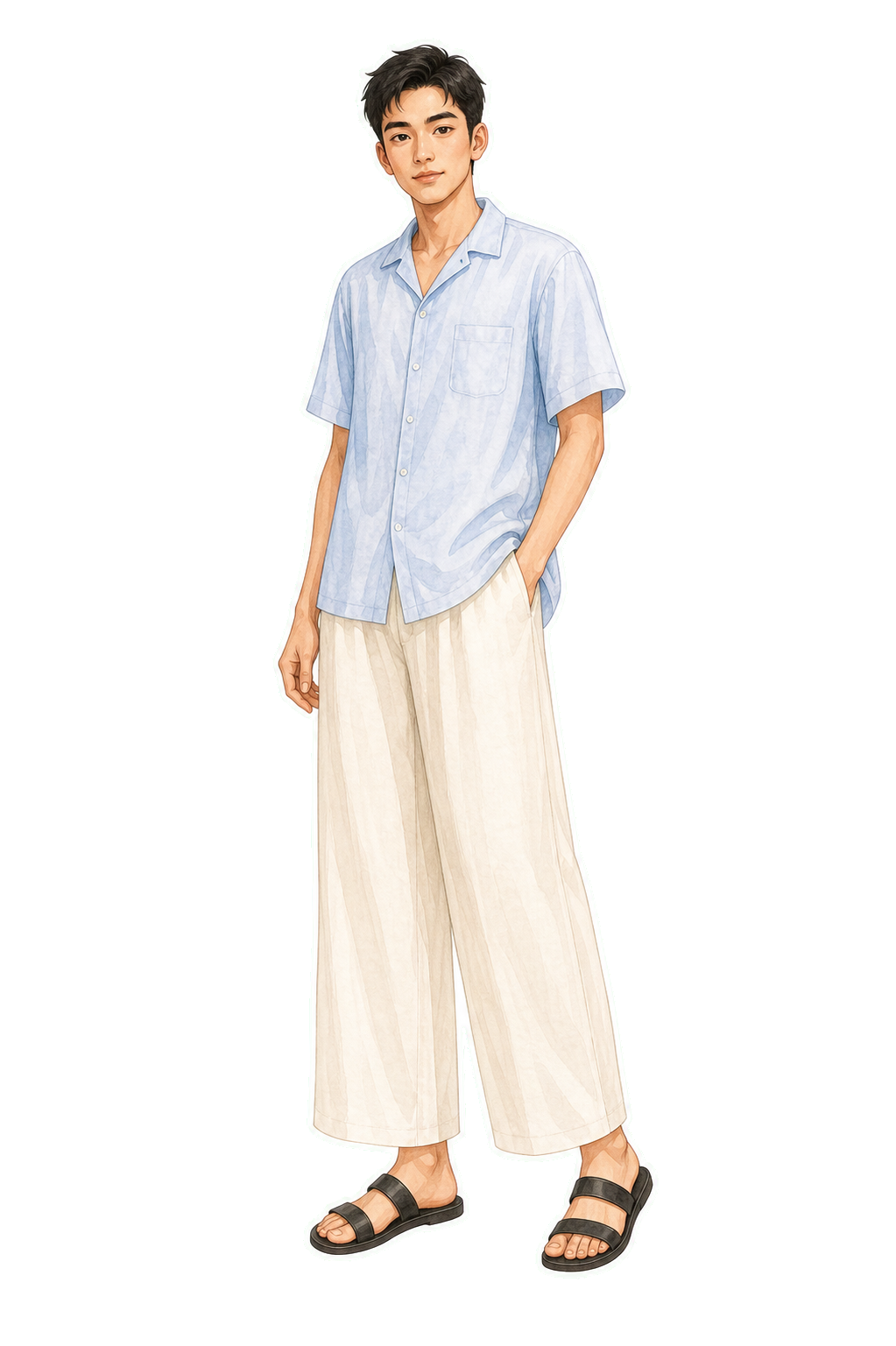
A suggested look — pale blue short-sleeve linen shirt, loose ivory wide-leg trousers, black flat sandals; rain shell and DEET packed for afternoon showers.
What to avoid
- Leather — monsoon waterlogs
- No rain shell — monsoon onset mid-June
- High-altitude trekking June-September — landslide + obscured views
- Street food during monsoon — water contamination
- Walking through monsoon flooding — drainage poor
Frequently asked questions
The southwest monsoon arrives in Kathmandu typically mid-June — historic average June 13-20, but variable year-to-year (DHM Nepal publishes the official monsoon onset date annually). The monsoon arrives from the south after starting in Kerala (June 1 average), Mumbai (June 10), Delhi (June 27-30), and Kathmandu (June 13-20). The Himalayan foothills wrap in cloud; trekking season pauses. Heavy rain peaks July-August. Monsoon withdraws from Kathmandu late September.
No — June through early September is the wettest monsoon period in the Khumbu (Everest) region; cloud cover obscures Himalayan views, leeches are active on lower trails, landslide risk is elevated, and the Tenzing-Hillary Airport at Lukla cancels flights frequently due to weather. The trekking season resumes mid-September after the monsoon withdraws. Best windows: late September through early November (post-monsoon clear views) and March through May (pre-monsoon clear views, warmer than autumn). High-altitude trekking outside these windows is documented as significantly riskier.
Buddha Jayanti (Vesak, the day commemorating the birth, enlightenment, and death of Gautama Buddha) is the most-cited Buddhist holiday — falls on the full-moon day of the Vaisakh month (typically late April through May, occasionally early June). Lumbini (the Buddha's birthplace, southern Nepal) hosts the largest Nepali celebration. Kathmandu observes at Boudhanath stupa and Swayambhunath stupa with thousands circumambulating; lights, prayer flags, butter lamps, free food distribution to monks. Pack: modest cotton (covered shoulders, knees), slip-on sandals, dupatta or Dhaka shawl, packable rain shell, sun hat, water bottle.
Bhaktapur (90 minutes east, the most-preserved Newari heritage town — UNESCO World Heritage Bhaktapur Durbar Square + Pottery Square + Dattatreya Square — set in the same valley as Kathmandu but smaller and more pedestrian); Patan (Lalitpur, 30 minutes south of Thamel — Patan Durbar Square UNESCO + Krishna Mandir + Patan Museum); Nagarkot (90 minutes east, Himalayan ridge viewpoint at 2,175m, the most-cited Kathmandu-Valley Himalayan-view sunset); Dhulikhel (60 minutes east, Newari town with Himalayan view); Boudhanath (within Kathmandu). Pack: cotton kurta + trousers, slip-on sandals, sun hat, packable rain shell, water bottle. Bhaktapur and Patan run the same modesty register as central Kathmandu — covered shoulders and knees at temples.
Krishnarpan (Dwarika's Hotel, the most-cited Nepali heritage fine dining — 22-course traditional Nepali tasting menu); Ghar e Kabab (Tridevi Marg, Mughlai Indian); Bhojan Griha (Kalimati, traditional Nepali in a 19th-century Newari house); Bhanchha Ghar (Kamaladi, Nepali heritage); OR2K (Thamel, Israeli-Indian-Nepali vegetarian); Yangling Tibetan Restaurant (Thamel, the most-cited Tibetan); Roadhouse Cafe (Bhatbhateni, contemporary international); Nepali Chulo (Patan, traditional with cultural performance); Newari (Bouddha, traditional Newari thakali set meals). Pack: smart-casual, cotton kurta or shirt, cotton trousers, sandals or leather sneakers. Nepali dining 7-10pm.
Sources
- DHM Nepal — climate normals