What to Wear in Mexico City in January
Mexico City in January: 22°C / 72°F afternoons, 8°C / 46°F dawns, the coldest mornings of the year under a sun that altitude sharpens.
- Cream packable down jacket — the city warns that early mornings sometimes drop close to freezing
- Black chunky roll-neck — civil protection says cover the face and neck in the cold
- Pale blue oversized cotton shirt — the noon layer once the jacket comes off
- Straw hat with a chocolate ribbon — about 20% more UV than at sea level
- Ivory pashmina — civil protection says cover nose and mouth when you leave a warm room
- Black leather Chelsea boots — cold stone at 8am, a dry street at noon
- A hat or sunglasses in the Casa Azul — the museum asks you to take them off
- The Frida Kahlo museum on 1 January — closed
- Only a light jacket — the station's January record low is 1.0°C
- A hard run on a still, hazy morning — SEDEMA says inversions trap pollutants for hours
Pack for breakfast and lunch separately. SMN's 1991–2020 normals for its Tacubaya observatory give January 22.2°C by day and 8.3°C at dawn, the lowest normal minimum of the year, with 12mm of rain over about 3 days, and the station's January record is 1.0°C. Conagua notes that El Niño, established this year, "suele favorecer temperaturas por debajo del promedio en gran parte del centro y norte del país" in winter, and SMN forecasts eight cold fronts for January. Then the sun. SEDEMA says the city's altitude exposes it to about 20% more ultraviolet than sea level, with the riskiest hours from 11am to 4pm, and that winter is the season of suspended particles, when an inversion leaves "nulo movimiento del aire" and pollutants build up for hours. A packable down jacket for 8am, a shirt and a hat for noon, a scarf for your face in between.
January in Mexico City asks for a coat at breakfast and a hat at lunch. Pack both, and a bag big enough to carry the coat.
The capsule
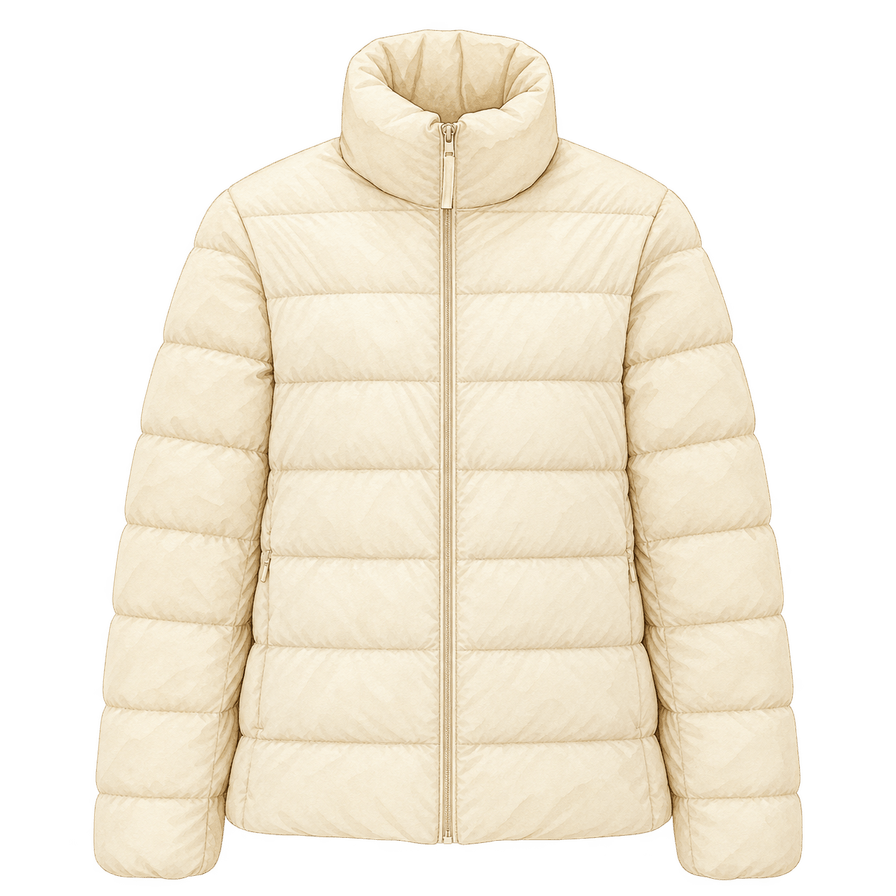 01Cream packable down jacket, stand collar
Tacubaya's normal January low is 8.3°C, the coldest of the year, and the city's tourism office warns that winter early mornings "will sometimes drop close to freezing". A light down jacket takes the chill off an 8am walk and squashes into a tote by noon, when it is 22°C. Cream keeps it from looking like ski gear in a Roma café.
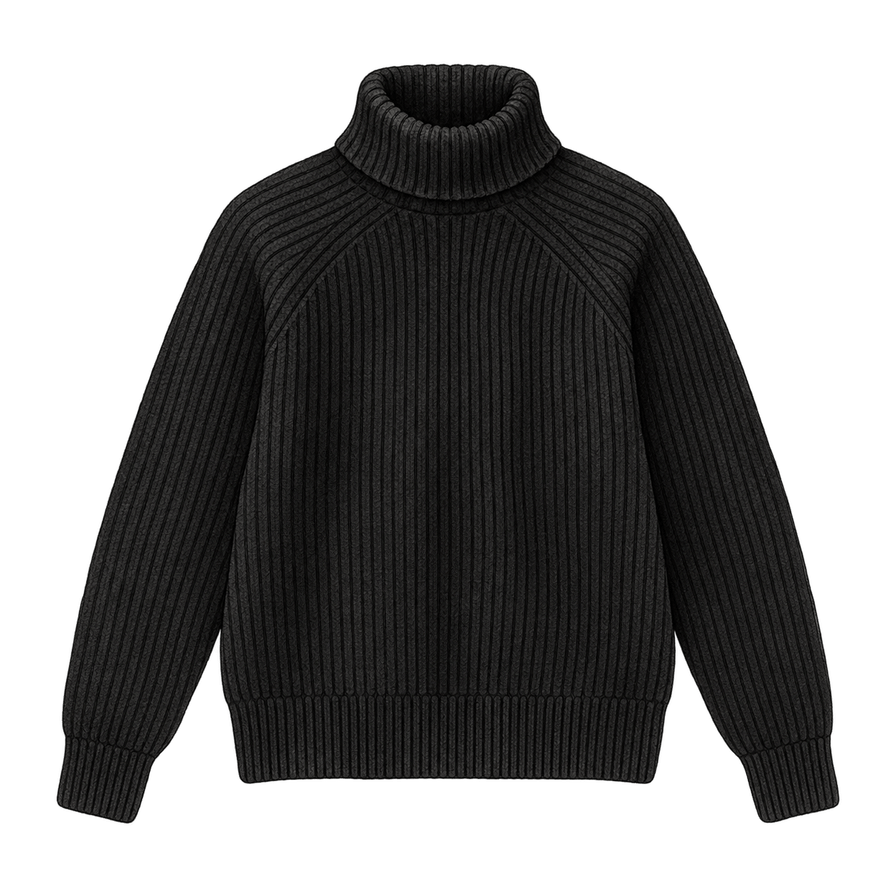 02Black chunky ribbed roll-neck
Mexico's civil protection agency tells people to dress in layers in a cold snap, "cubriendo rostro, cabeza, manos y oídos". A roll-neck covers your neck at dawn without a separate scarf, ribbed wool holds warmth under the down, and black sits with the faded jeans and the boots.
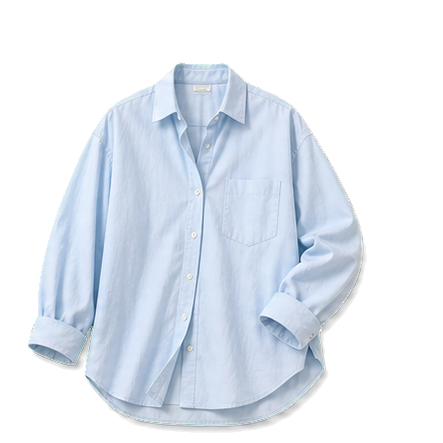 03Pale blue oversized cotton shirt
Noon is 22.2°C, and SEDEMA puts the riskiest UV hours at 11am to 4pm. An oversized cotton shirt with long sleeves covers your arms once the down and the roll-neck come off, and pale blue stays cool in direct sun at 2,240 metres.
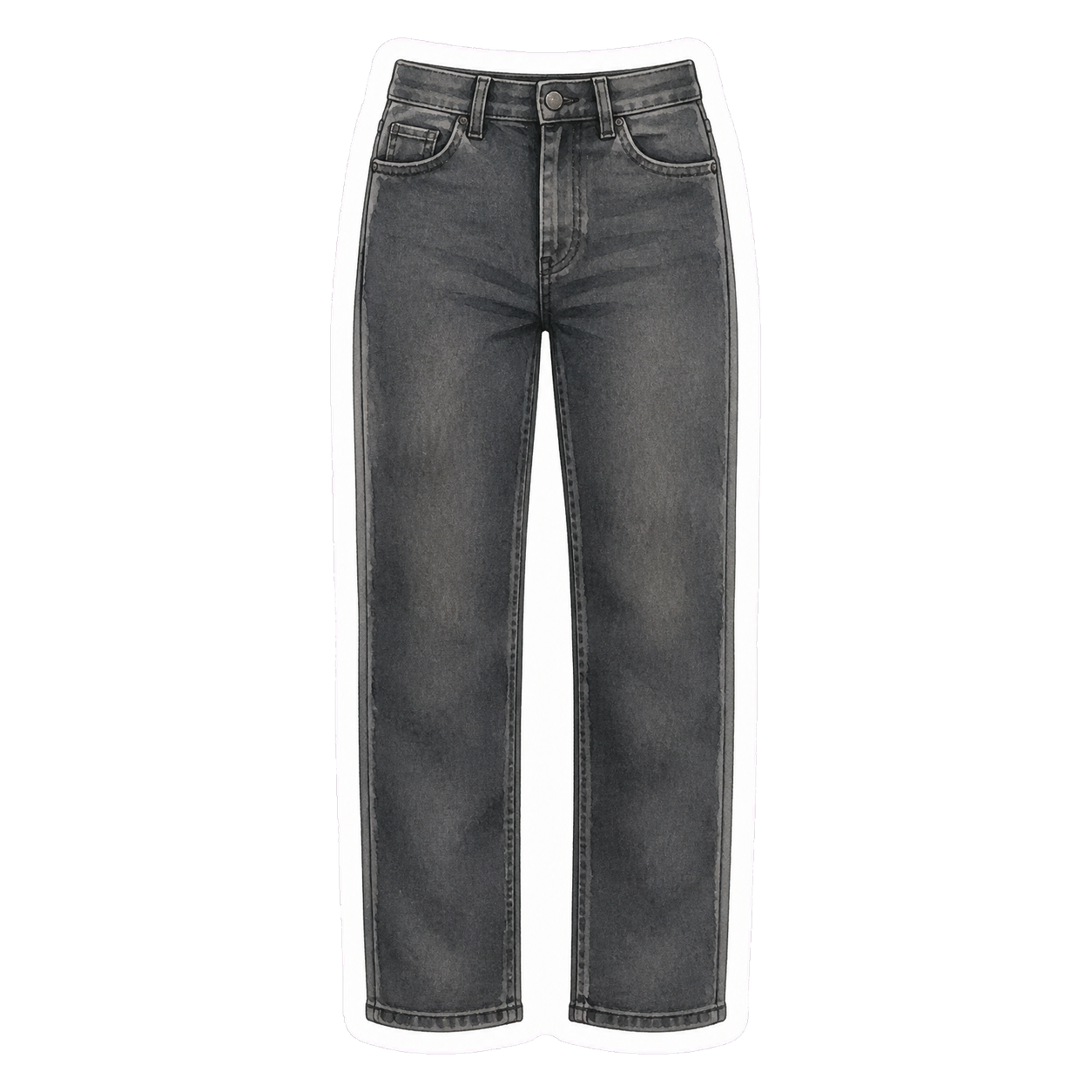 04Faded black straight jeans
One pair from a cold breakfast to a dinner in Condesa. Faded black denim takes both the chunky knit and the blue shirt, sits straight over the Chelsea boots, and covers your ankles when the temperature drops after sunset at about 6:20pm.
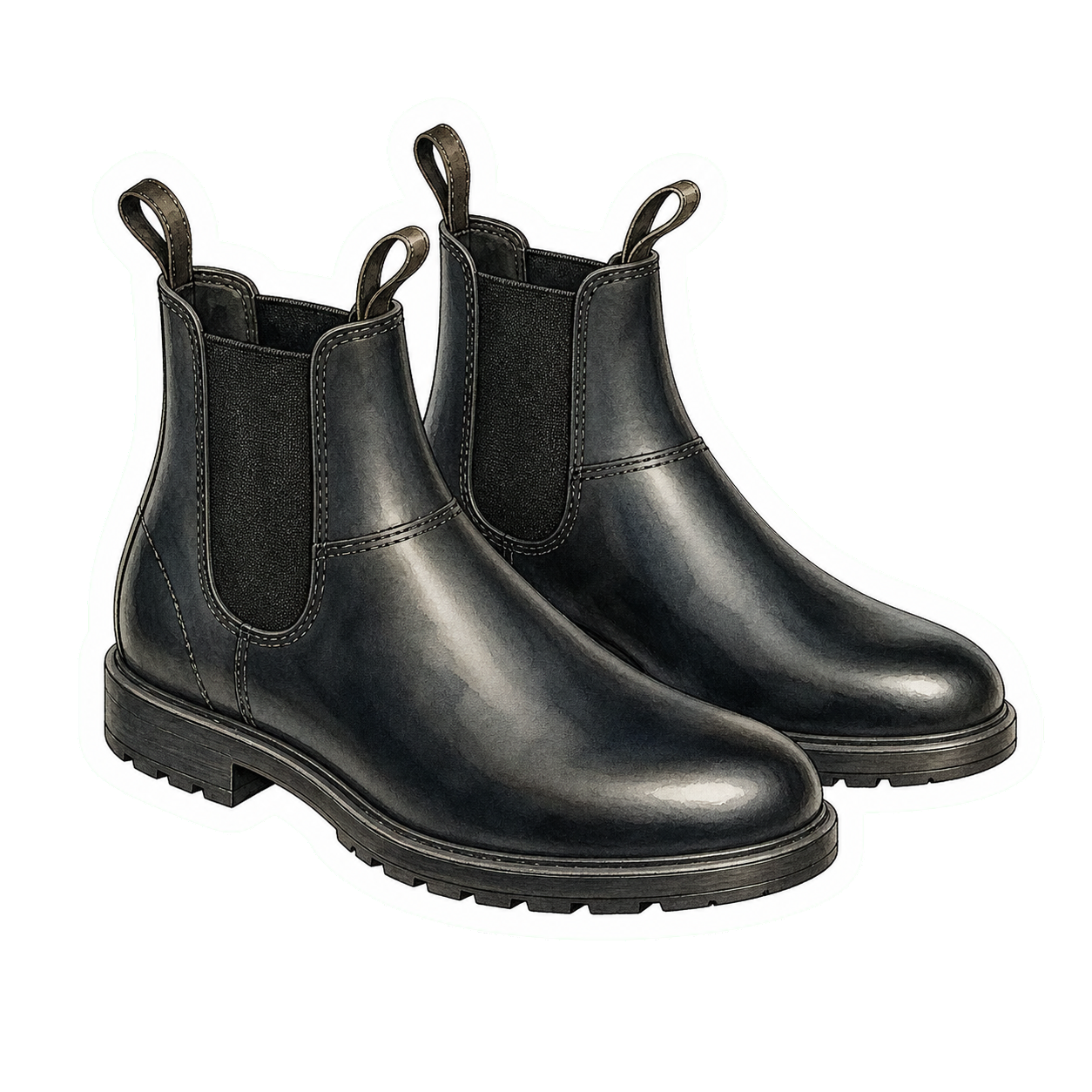 05Black leather Chelsea boots, lug sole
Stone streets hold the night's cold at 8am and are dry by noon in a month with about three wet days. A Chelsea boot pulls on over wool socks and walks all day on a lug sole.
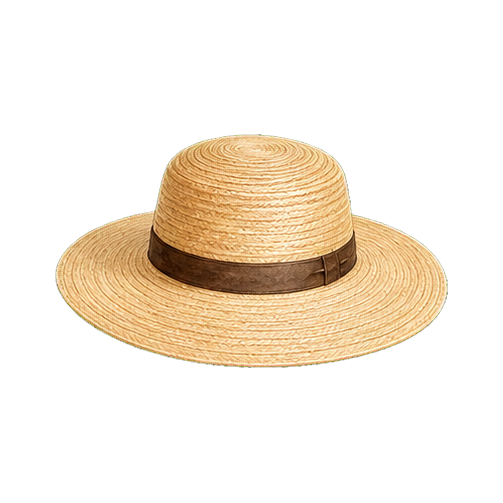 06Straw hat, wide brim, chocolate ribbon
Mexico City's tourism office says "a hat and sunscreen will make many travelers much more comfortable" at almost any time of year, and SEDEMA's extra 20% of UV is why. A straw brim shades your face and neck from 11am to 4pm. Take it off at the Casa Azul, which asks visitors to enter without hats or caps; on the Zócalo, Sombreros Tardan sells a UV-protection line if you arrive without one.
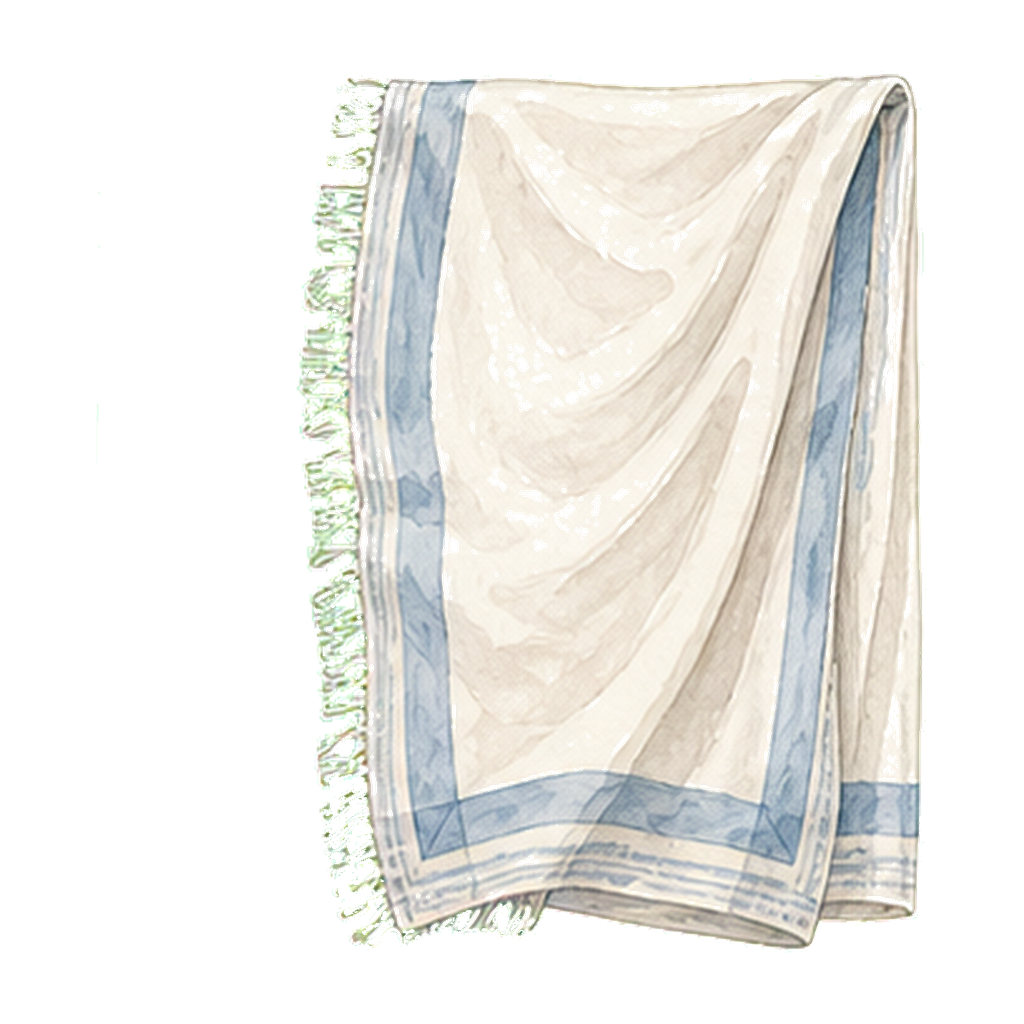 07Ivory pashmina, pale blue border
Civil protection also advises covering your nose and mouth when you leave a warm room for the cold outside, which a thin pashmina does at dawn. At dinner it goes over your shoulders instead of a second jacket, and ivory lifts the black knit.
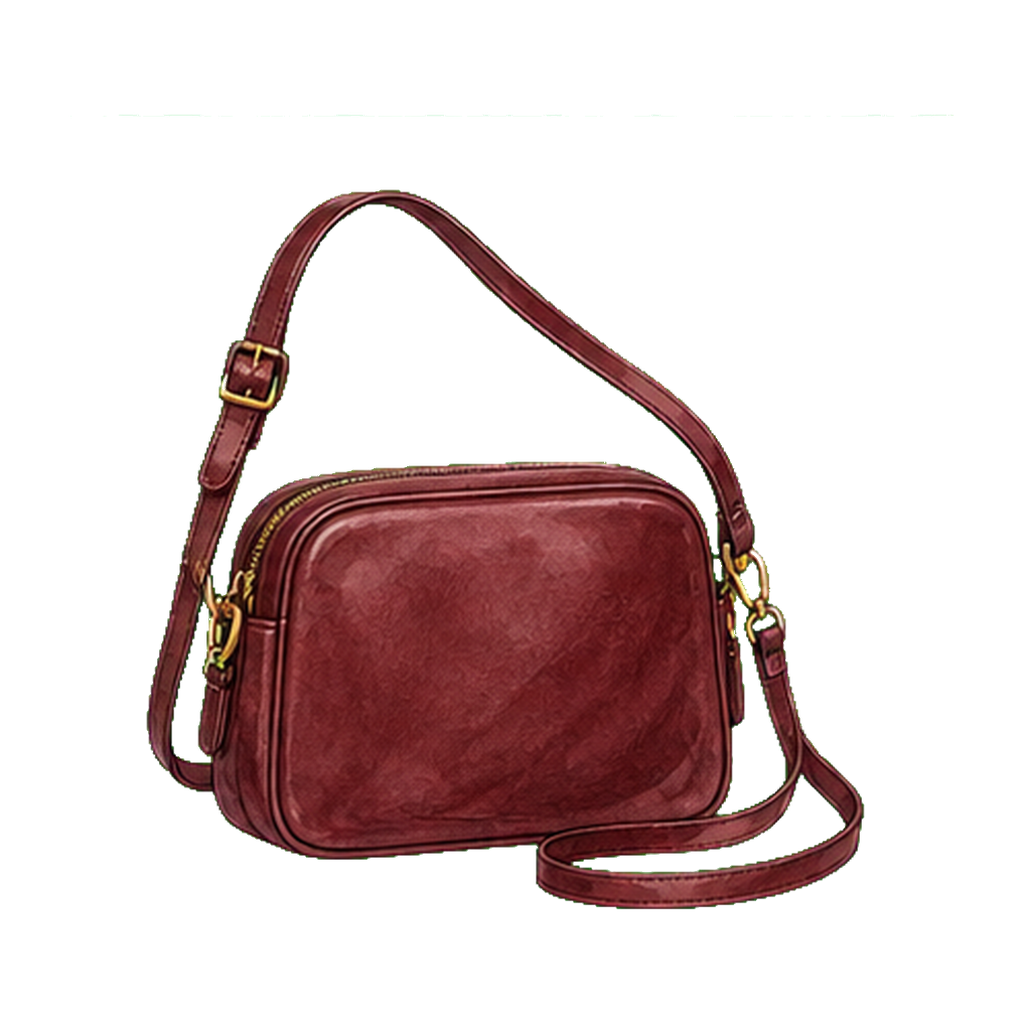 08Oxblood leather camera crossbody
Worn in front on a crowded Metro or at the Monumento a la Revolución around Día de Reyes on 6 January, when the city's tourism office says children bring their letters to the Three Kings. Oxblood is the one warm colour in a capsule of black, cream and blue.
Day to night
Cream down jacket over the black roll-neck · faded black jeans · black Chelsea boots · ivory pashmina · oxblood crossbody. Breakfast in Roma at eight, jacket zipped.
Pale blue shirt · faded black jeans · Chelsea boots · straw hat, with the down folded into a tote. Coyoacán at midday, hat off at the Casa Azul door, then the roll-neck and jacket back on after sunset at about 6:20pm.
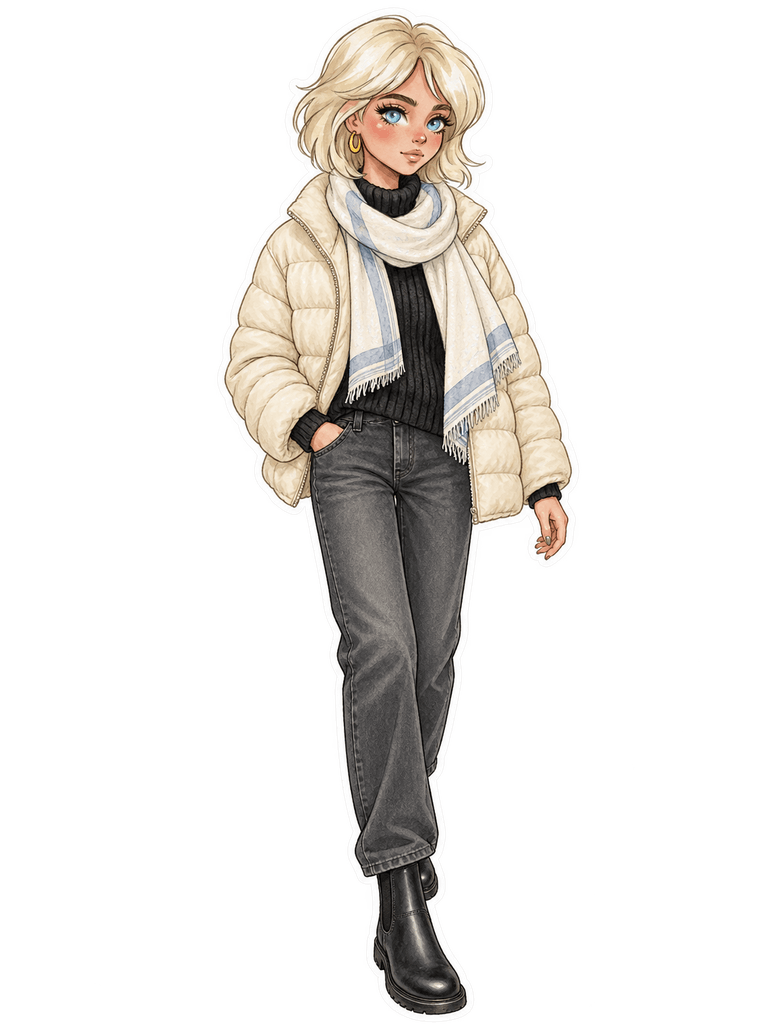
A suggested look — cream down puffer jacket, black chunky roll-neck sweater, faded black straight jeans, black chelsea boots, ivory and pale blue scarf.
What to avoid
- A hat or sunglasses inside the Casa Azul — enter without them
- The Frida Kahlo museum on 1 January — closed
- A light jacket as the only warm layer — the January record is 1.0°C
- A hard run on a still, hazy morning — inversions trap pollutants
- Trusting cloud to block the sun — it does not block the UV
Frequently asked questions
Cold at dawn, warm and bright at noon, and dry. SMN's 1991–2020 normals for its Tacubaya observatory give an average January high of 22.2°C and a low of 8.3°C, the lowest normal minimum of the year, with 11.9mm of rain across about 3 days; the station's record January low is 1.0°C. SEDEMA says suspended particles peak in winter and that thermal inversions hold pollutants in place for hours. Conagua says El Niño tends to bring below-average winter temperatures to much of central Mexico. Sunset moves from about 6:09pm on 1 January to 6:28pm on the 31st.
A cream packable down jacket, a black chunky roll-neck, a pale blue oversized cotton shirt, faded black jeans, black Chelsea boots, a straw hat, an ivory pashmina and an oxblood crossbody. That covers an 8°C breakfast, a 22°C midday in strong sun and an evening that cools fast after 6pm. Pack sunscreen for the noon hours; SEDEMA says altitude adds about 20% to the UV.
Día de Reyes, on 6 January, is when the Three Kings bring children's presents. The city's tourism office describes the Monumento a la Revolución esplanade as a night gathering where children hand their letters to the Kings, and a free giant rosca de reyes with hot chocolate for thousands of families. The venue moves: in 2025 the city cut a 400-metre rosca in the Zócalo on 5 January, and the 2027 venue had not been announced by late September. Dress for a January evening: a down jacket, a scarf and closed shoes. The 6th is not a federal rest day, but schools are closed.
The second half, for quiet. New Year's Day is a federal rest day and the Frida Kahlo museum is closed; Mexico's school holidays run until 5 January, schools close again for Día de Reyes on the 6th, and classes resume on Thursday 7 January. After that the city settles into its normal week. Both halves share the same cold dawns and bright noons; SEDEMA says the ozone season does not start until the second half of February.
February is warmer and even drier. SMN's Tacubaya normals give February 24.3°C by day and 9.5°C at dawn, with 5.7mm of rain over about 2 days, against January's 22.2°C, 8.3°C and 11.9mm over about 3. February's dawns are still cold, and the city's tourism office includes it in the months when nights sometimes drop close to freezing. The air changes too: SEDEMA dates the start of ozone season to the second half of February.
A warm layer that comes off by eleven. Mornings bring out down jackets and scarves; by noon it is shirtsleeves and a hat. Sombreros Tardan, whose shop under the Portal de Mercaderes on the Zócalo dates its origins to 1847, sells a UV-protection hat line for exactly that midday sun. The valley's average altitude, 2,240 metres on INEGI's figures, is the reason the two halves of the day feel so different.
Sources
- Servicio Meteorológico Nacional — 1991–2020 climate normals, Tacubaya Central (9048) stationSMN's published 1991–2020 normal for its Tacubaya observatory, 30 complete years; the station sits at 2,308.6 m. Recorded per month because the rest of this city's pages are sourced differently.
- SMN / Conagua — Normal climatológica 1991–2020, Tacubaya Central (Obs) 9048 — accessed 2026-09-27
- Secretaría de Turismo CDMX — Best seasons to visit Mexico City — accessed 2026-09-27
- Secretaría de Turismo CDMX — Festivals and celebrations (Guadalupe, posadas, Reyes) — accessed 2026-09-27
- SEDEMA, Dirección de Monitoreo Atmosférico — Ultraviolet radiation index — accessed 2026-09-27
- SEDEMA, Dirección de Monitoreo Atmosférico — Air quality FAQ (pollution seasons, thermal inversions) — accessed 2026-09-27
- SMN / Conagua — Comunicado 125-26: 56 cold fronts forecast for 2026–2027 (4 Sep 2026) — accessed 2026-09-27
- Conagua — Comunicado 97-26: El Niño established (18 Jun 2026) — accessed 2026-09-27
- Jefatura de Gobierno CDMX — Rosca de Reyes 2025 in the Zócalo (3 Jan 2025) — accessed 2026-09-27
- Cámara de Diputados — Ley Federal del Trabajo, art. 74 (mandatory rest days) — accessed 2026-09-27
- SEP — Calendario escolar 2026–2027 (winter break 21 Dec–5 Jan) — accessed 2026-09-27
- Museo Frida Kahlo — Your visit: hours and rules — accessed 2026-09-27
- Museo Frida Kahlo — Opening hours and closed days — accessed 2026-09-27
- Sombreros Tardan — Legacy (Portal de Mercaderes, 1847) — accessed 2026-09-27
- INEGI — Aspectos geográficos de Ciudad de México, Compendio 2022 (Valle de México 2,240 m) — accessed 2026-09-27