What to Wear in Mexico City in July
Mexico City in July is the wettest month — 23 rain days, 181mm total, cool-clouded 23°C / 73°F afternoons. Daily 4-5pm thunderstorms hit hard then clear within an hour.
- Layered cotton/linen base — 13°C / 55°F mornings + 23°C / 73°F cool afternoons + AC pauses + storm chill
- Waterproof or quick-dry sneakers — leather and suede are punished by the daily storms
- Compact umbrella always — every day in July
- Packable rain-shell — Patagonia Houdini or Uniqlo Pocketable for sudden downpours
- Crossbody bag with rain-resistant flap closure — protect valuables and electronics
- Plan indoor backup 3-7pm — museum, café, market under cover, when the storm hits
- Don't expect summer heat — July averages 23°C / 73°F, cooler than May (26°C / 79°F
- Don't wear suede or leather sandals as daily wear — rain destroys them in days
- Don't schedule outdoor sightseeing 3-7pm without indoor backup — storms guaranteed
July is Mexico City's wettest month. SMN data put afternoon highs at 23°C / 73°F — the lowest summer high in the city's calendar — with 23 rain days and 181mm of total rainfall. The cloud cover is heavy enough that even at noon, sun breakthroughs are partial. Mornings stay 13°C / 55°F, the temperature swing compresses to 10°C / 50°F, and the daily 4-5pm thunderstorm is now a fixture of the calendar. The dressing rule: waterproof or quick-dry shoes only for daily wear, compact umbrella always, packable rain-shell, structured crossbody with weather protection. The local rhythm builds around the storm: long lunches at restaurants with glass roofs (Lardo, Maximo Bistrot, Sud 777) that stretch through the rain; coffee at Cardinal or Cardinal at 4-6pm; dinner reservations after 7pm so the storm has cleared. Roma Norte and Condesa restaurants run their full rainy-season operations; the rain is part of the dining experience, not a deterrent. The Bosque de Chapultepec is at its most photogenic after a storm — wet trees, fresh air, the altitude-cooled mid-evening light.
July is when Mexico City fully embraces the rainy-season rhythm — long lunches that stretch through the storm under restaurant glass roofs, after-storm walks at 6pm when the air is fresh and the streets are still wet.
The capsule
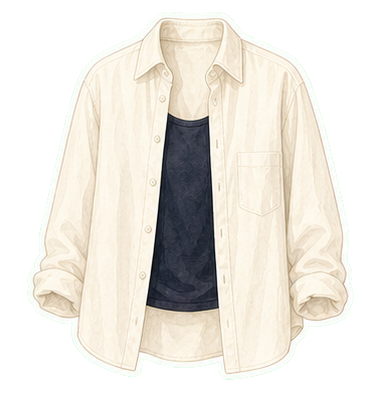 01Layered cotton or linen base — long-sleeve + tank
13°C / 55°F mornings + 23°C / 73°F cool afternoons + storm chill + AC. The same base layer as May/June but slightly heavier — wool-blend cardigans work in July when the cloud cover keeps the air cooler.
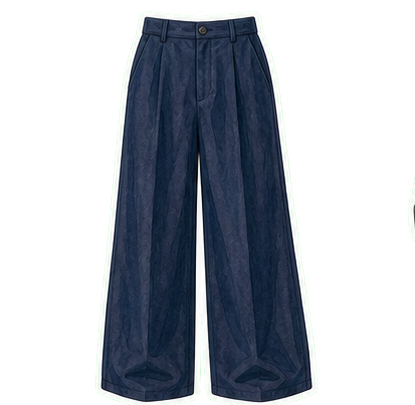 02Lightweight linen or cotton trousers — cream, oat, navy
Wide-leg breathes through 23°C / 73°F and dries faster than skinny if caught in the rain. The Roma quiet-luxury palette stays consistent.
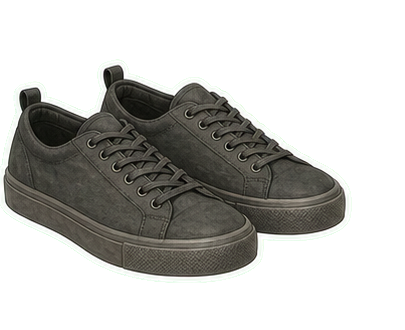 03Waterproof or quick-dry sneakers — non-optional
Adidas Sambas in canvas dry quickly; Veja Wata (canvas) or any rubber-soled supportive sneaker handles the daily storms. Skip leather Common Projects and suede loafers as daily wear — they suffer in 23 rain days a month. Reserve them for evening only if storms have cleared.
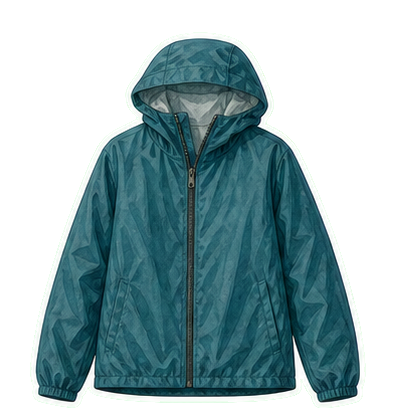 04Packable rain-shell — Patagonia Houdini, Uniqlo Pocketable
The compact umbrella covers most rain, but a rain-shell for the heavier downpours is the back-up. Folds to fist size, weighs under 200g, fits in any crossbody. Skip heavy waterproof jackets in July (overkill, the storms are short).
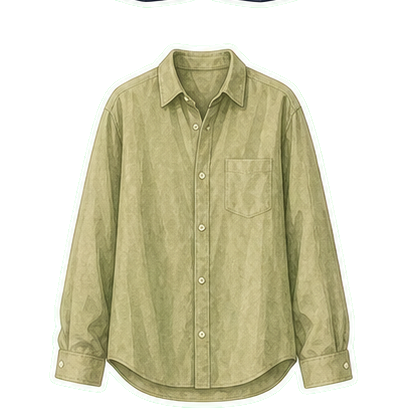 05Cotton button-down or fine-knit top
Tucked into trousers for evening, layered over tank for the day, under the rain-shell or light jacket. Quick-dry cotton over heavier knits — recovery from storm splash matters.
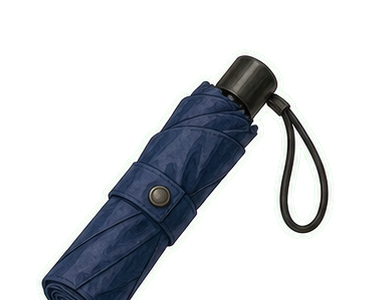 06Compact umbrella — always
The 23-rain-day month means an umbrella every day in July. A compact wind-resistant model from MoMA Store, Senz, or Blunt that handles the post-storm wind gusts.
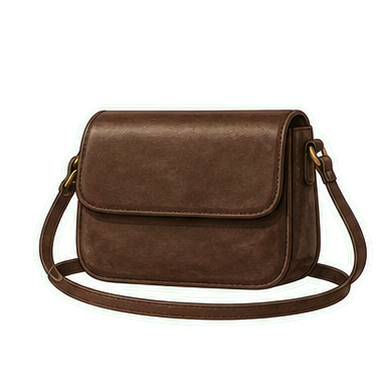 07Structured leather crossbody — water-resistant flap closure
Pickpocket pressure stays consistent on the metro and in markets; rain pressure makes valuables-protection more important. Look for crossbody bags with closing flaps (not open totes) that shield phones and wallets from sideways rain.
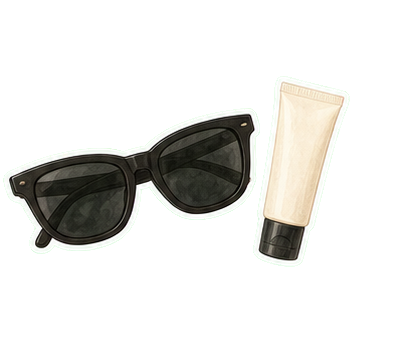 08Sunglasses + SPF — for the cloud breaks
Even on cloudy days, altitude UV penetrates. The cloud breaks at 9-11am and 5-7pm have intense sun. SPF 30+ on the face every morning, oversized sunglasses for the cloud-break sun.
Day to night
Cotton long-sleeve · linen trousers · waterproof sneakers · packable shell · umbrella. Coffee at Cardinal 8am, walk Avenida Amsterdam in Roma 9am-noon, brunch at Lalo! 11am.
Linen trousers · tucked button-down · light blazer · polished sneakers (storm has passed). Dinner at Pujol or Quintonil at 9pm; mezcalería La Clandestina after.
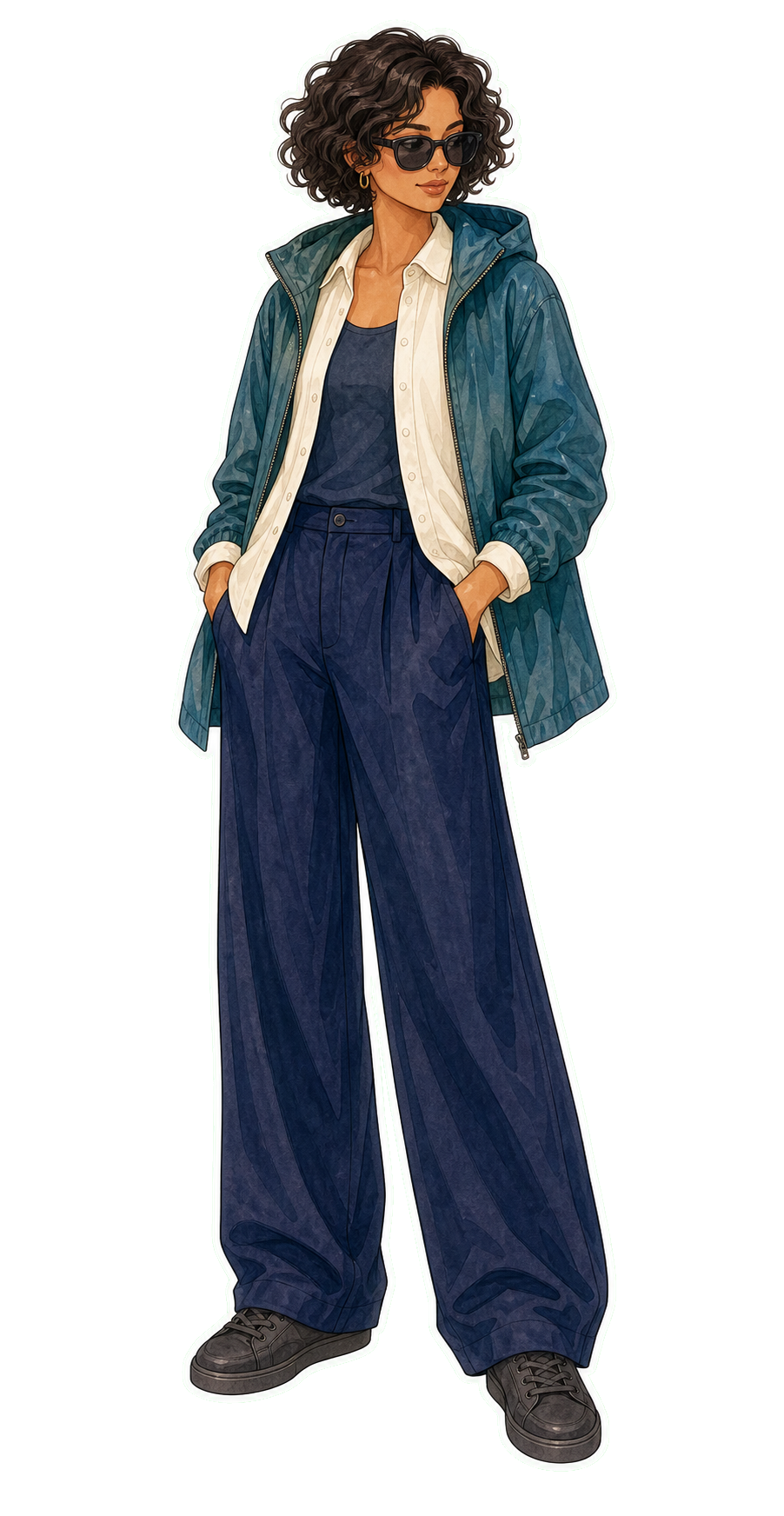
A suggested look — ivory shirt over navy tank, navy wide-leg trousers, charcoal waterproof sneakers, teal rain shell; no bag.
What to avoid
- Suede or leather loafers as daily wear — 23 rain days punish them
- Expecting summer heat — cloud cover keeps July cooler than May
- Outdoor sightseeing 3-7pm without indoor backup — storms reliable
- Canvas open-top totes for valuables — splash and rain damage
- Dinner before 8:30 — recognized restaurants serve 8pm-midnight
Frequently asked questions
Yes — July is one of the city's most pleasant months despite being the wettest. SMN data: average daily high 23°C / 73°F, low 13°C / 55°F, 23 rain days, 181mm total rainfall. The cloud cover keeps temperatures down, the daily 4-5pm storms are short and predictable (30-60 minutes), and the post-storm 6-9pm window has the freshest air and the best photographic light of the year. Mexican tourism is strong in July; international tourism dips slightly because of the rain perception. Lower density and cooler temps make this one of the best months for repeat visitors.
They plan around it. Long lunches at restaurants with glass roofs that stretch through the storm; coffee at 4-6pm in cafés; dinner reservations after 7pm. Rooftop bars at hotels open 6:30-7pm specifically because the storms have cleared by then. Compact umbrellas are universal; quick-dry shoes are the daily standard. The rhythm is comfortable once you understand it; the rain is rarely an inconvenience for Mexicans, more a routine feature of the day.
Quick-dry canvas sneakers (Adidas Sambas in canvas, Veja Wata, Vans), rubber-soled supportive sneakers, or any waterproof sneaker. Skip leather loafers as daily wear (Common Projects suede or smooth leather) — 23 rain days in July punishes them. Reserve leather and suede for evening when storms have cleared and you're going restaurant-to-restaurant. For sandals: skip them as daily wear in July; the rain plus cobblestone splash makes them impractical.
Moderately, but less than coastal Mexican cities at the same latitude because of the altitude. The 2,240-meter elevation pulls humidity down from coastal levels; even at peak monsoon, July humidity in Mexico City sits around 65-75%, versus 85-95% in Veracruz or Cancún at the same time. This is part of why the city is so livable in July — cool, partially cloudy, moderately humid, and rainy in predictable bursts.
A compact umbrella (every day), a packable rain-shell (Patagonia Houdini or Uniqlo Pocketable for backup heavy rain), waterproof or quick-dry sneakers (skip leather as daily wear), layered cotton or linen base for the 13-23°C / 55-73°F swing, light jacket or blazer for evening, and a structured crossbody with rain-protective closure. Pack cool-weather clothing alongside the rain gear; mornings are 13°C / 55°F and feel colder at altitude. SPF 30+ for cloud breaks, oversized sunglasses, and a small towel for sudden splash damage.
Sources
- Servicio Meteorológico Nacional — climate normals, Tacubaya Observatory station