What to Wear in Munich in November
Munich in November: 8°C / 46°F afternoons, 2°C / 36°F nights, and Hochnebel fog that can sit over the city for days.
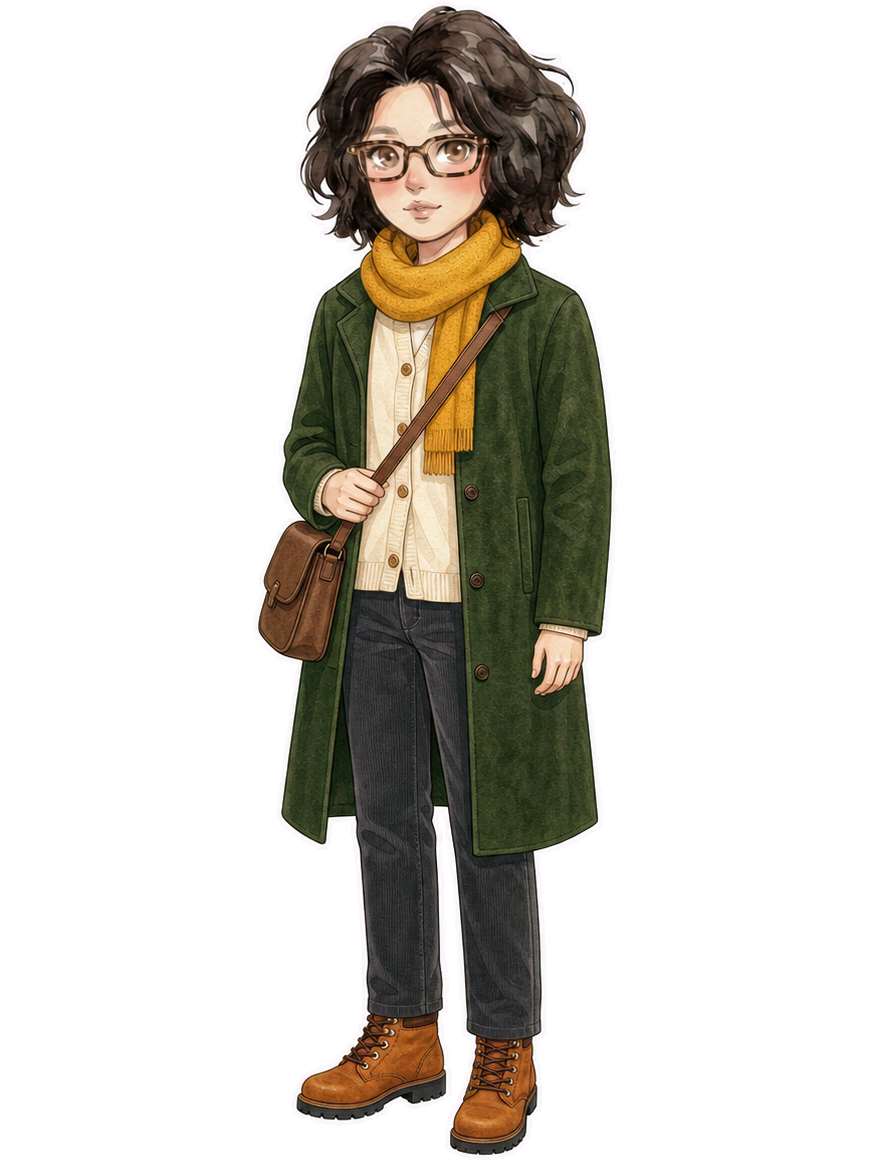
- A deep green loden-style wool coat — the local cloth, and the local answer
- A cream fine-knit cardigan that opens the moment you step inside
- A cream long-sleeve underneath, so the cardigan is not against skin
- Charcoal corduroy trousers — warmer than flannel, drier than denim
- Brown sealed lace-up boots; frost is normal by the last week
- A mustard wool scarf, the only colour a grey month gives you
- Pack Tracht — that is the September page, and nobody wears it in November
- Bring snow boots — 2°C / 36°F is frost-adjacent, not snowbound
- Expect the fog to burn off — Hochnebel can hold all day
- Arrive before the last week expecting Christmas markets
November is Munich's empty month. Oktoberfest is long over, the Christkindlmarkt on Marienplatz does not open until the final week, and what fills the gap is fog. NOAA's records from the Nymphenburg station give a November average high of 8.1°C / 46.6°F and an average low of 1.9°C / 35.4°F across 1991-2020, with measurable precipitation on 12.2 days of which 6.4 clear a tenth of an inch. Those numbers understate the month, because the defining feature is not rainfall but Hochnebel — the high fog that forms over the Alpine foreland and can sit on the city for days at a time, keeping the afternoon within a degree or two of the morning and removing the sun entirely. Dressing for the forecast high is the error; on a Hochnebel day there effectively is no high. Munich has an old answer to this in loden, the boiled wool the city has traded in since Loden-Frey opened here in 1842, which is dense enough to shed a fog-damp afternoon and wind-tight without being a technical garment. The compensations for coming now are real: the museums are empty, hotel rates are at their annual floor, and the lantern processions on St Martin's Day, the eleventh, put children and paper lanterns through the streets after dark.
November is Munich's empty month. Oktoberfest is long over, the Christmas markets have not opened, and what fills the gap is fog.
The capsule
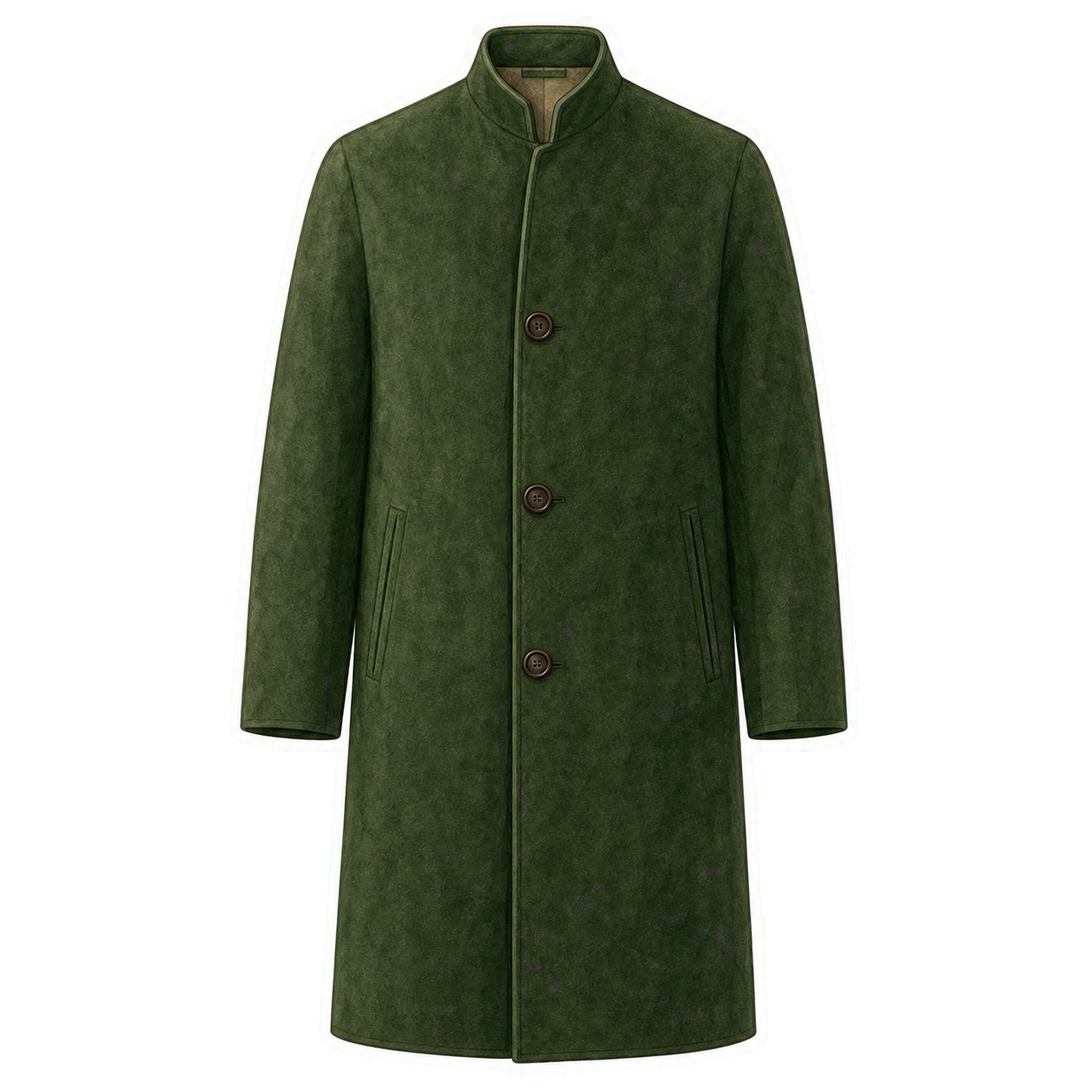 01Deep green loden-style wool coat, knee length
Loden is boiled wool, dense enough to shed the fog-damp that sits on you all afternoon and wind-tight without being technical, and Munich has traded in it since Loden-Frey opened in 1842. Knee length and a stand collar rather than a parka hood, because this is a walking-and-museums month rather than a snow one. Deep green is the traditional colour and it does more against grey than black.
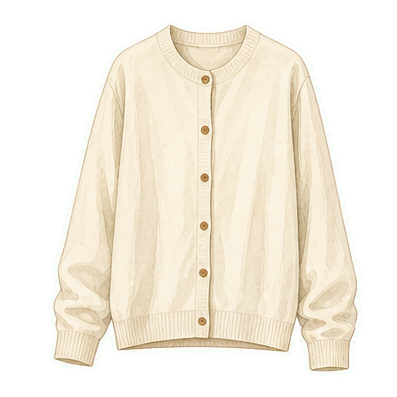 02Cream fine-knit button cardigan
A cardigan rather than a pullover for a specific Munich reason: interiors here run hot, and you will move between a 2°C / 36°F street and an overheated Kaffeehaus repeatedly. Buttons let you shed it without disturbing anything underneath. Fine knit so it sits flat beneath the coat, and cream so the whole capsule is not another exercise in charcoal.
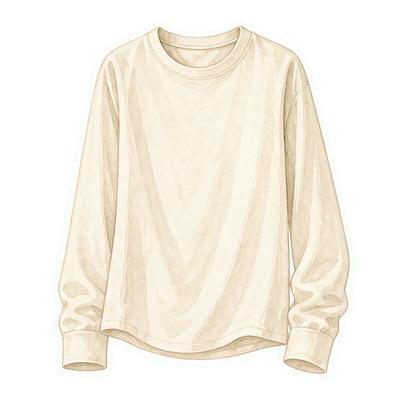 03Cream cotton long-sleeve crew
The layer between skin and cardigan, and the reason the cardigan still works on the mildest afternoon. Plain crew neck with no collar to fight the cardigan's neckline. Cotton is acceptable here in a way it is not in Helsinki, because Munich November is damp rather than genuinely wet — 6.4 days above a tenth of an inch, not fourteen.
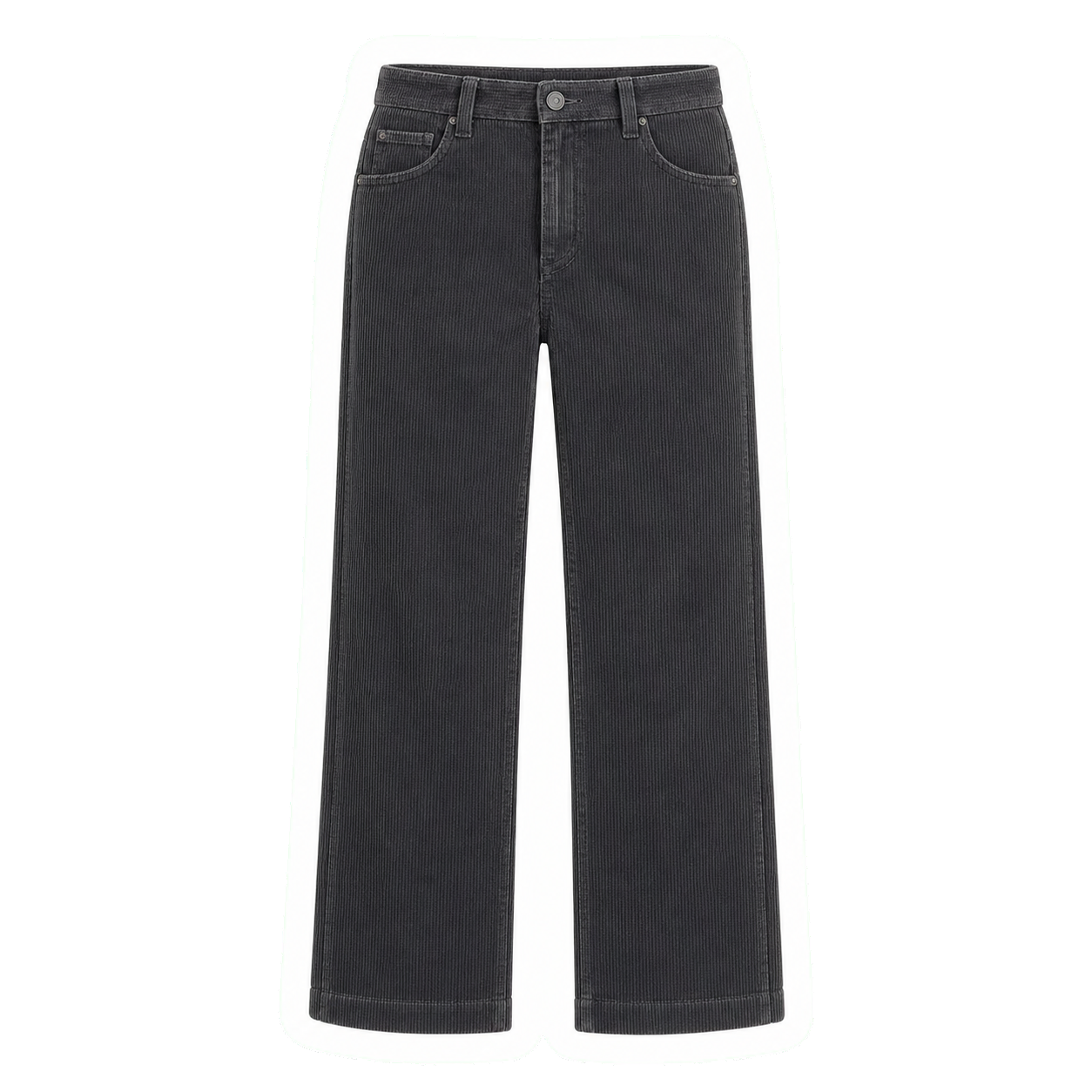 04Charcoal fine-wale corduroy trousers
Corduroy sits between flannel and denim for this month: warmer than a flannel trouser at 1.9°C overnight, and far quicker to dry than a jean after a fog-damp day. Fine wale rather than wide so it reads city rather than country. Straight leg to meet the boot without a gap at the ankle.
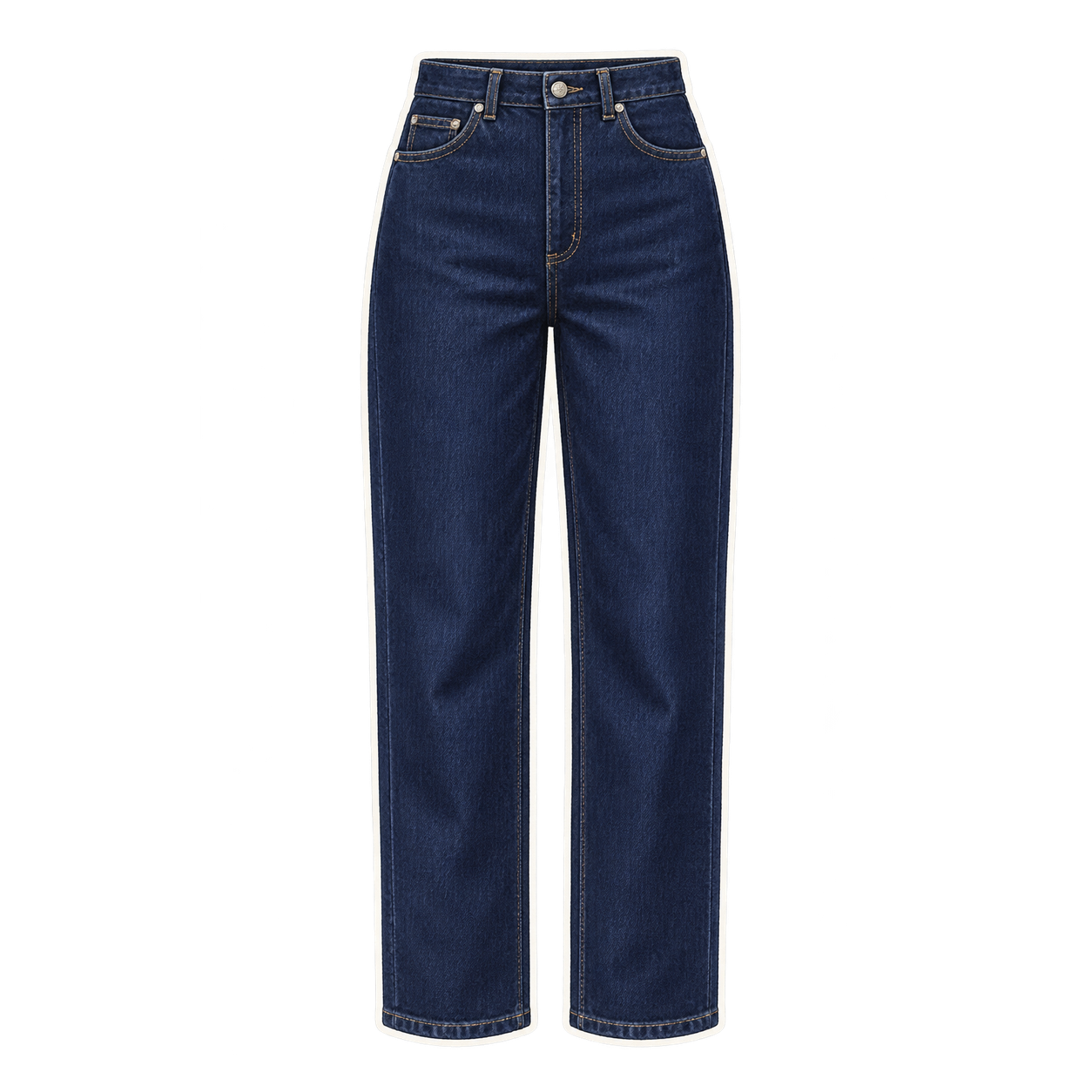 05Dark indigo straight-leg jeans
Second bottom, for the Englischer Garten and the flea markets rather than a restaurant. Dark indigo takes the damp without showing it, which a pale wash will not on a day when everything is faintly wet from fog rather than rain. Plain and unfaded, which is the register here.
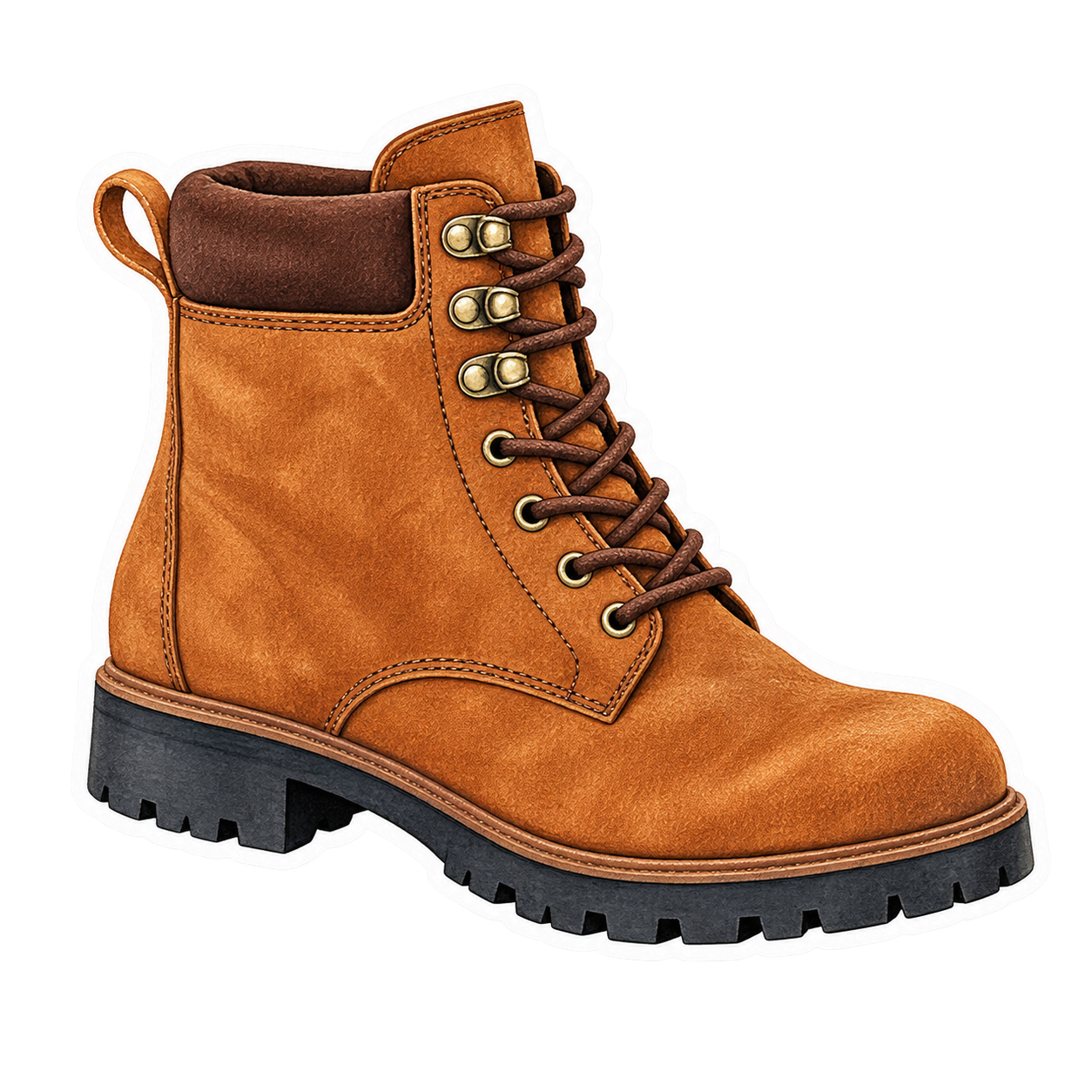 06Brown sealed leather lace-up boot, lug sole
Sealed and lugged, because by the final week the overnight normal of 1.9°C means frost on pavement is unremarkable and the cobbles around the Altstadt hold water all day under fog. Laced rather than a Chelsea so you can tighten over a thicker sock as the month cools. Brown rather than black, which pairs with the green coat instead of disappearing under it.
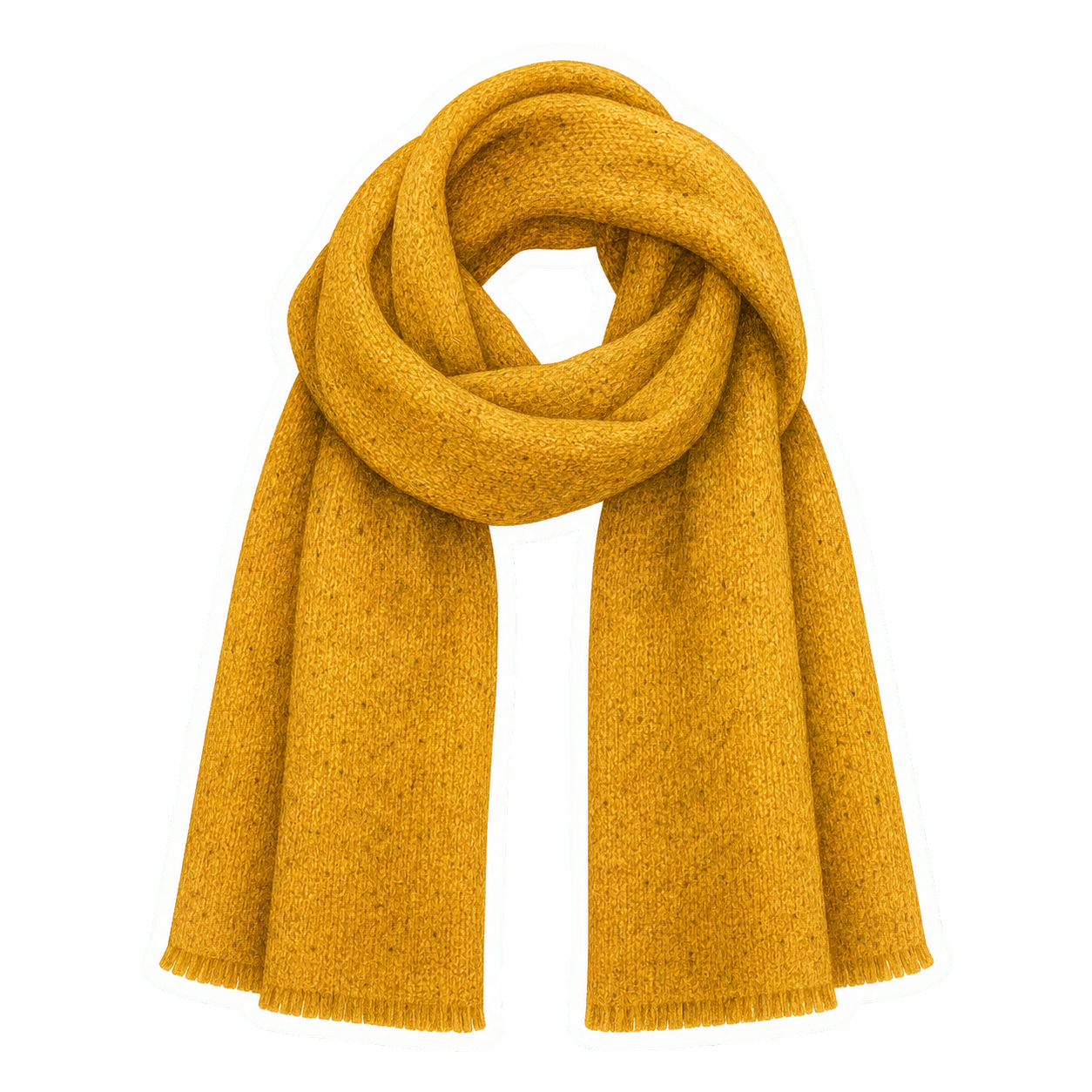 07Mustard marled wool scarf
The only colour a Hochnebel month is going to give you, and worth choosing deliberately for that reason. Wool because it keeps working while damp, which under persistent fog it will be. Wide enough to close the gap at a stand collar, which is where the cold actually reaches you when the coat has no hood.
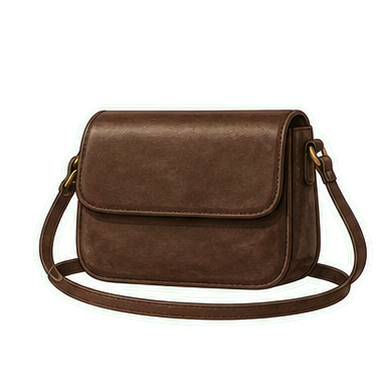 08Brown leather satchel with a cross-body strap
Cross-body rather than hand-held, because this is a month of long museum days and you will be carrying the cardigan by mid-afternoon. A flap rather than an open top, since fog-damp settles on everything left uncovered. Brown leather ties to the boots and keeps the whole capsule in one warm register against the green coat.
Day to night
Cream long-sleeve under the cardigan · corduroy trousers · brown lace-ups · loden coat open · satchel cross-body. The Pinakotheken while they are empty, which in November they are.
Same cardigan · dark indigo jeans · boots · mustard scarf · coat closed. A Wirtshaus at eight; it is 2°C / 36°F and the fog has not lifted since morning, which is the month in one sentence.
A suggested look — open deep-green loden coat, cream fine-knit cardigan and long-sleeve, charcoal corduroy trousers, brown lace-up boots, mustard scarf.
What to avoid
- Tracht — that is the September page; in November it reads as costume
- Snow boots — 1.9°C is frost-adjacent, not snowbound; save them for December
- Dressing for the forecast high — under Hochnebel the afternoon barely rises
- Arriving before the last week for Christmas markets — they open at month end
- Cotton as an outer layer — fog-damp by lunchtime and damp all day
Frequently asked questions
Cold, grey and often foggy. NOAA's records from the Nymphenburg station give a November average high of 8.1°C / 46°F and an average low of 1.9°C / 36°F over 1991-2020, with measurable precipitation on 12.2 days of which 6.4 clear a tenth of an inch. Daylight runs about 9h 15m. The defining feature is Hochnebel, high fog off the Alpine foreland that can sit over the city for days and keep the afternoon close to the morning temperature.
Only right at the end. The Christkindlmarkt on Marienplatz traditionally opens in the final week of November and runs to Christmas Eve, so a trip in the first three weeks will miss it entirely. That is worth planning around, because the markets are the single biggest reason to visit Munich in winter and the rest of November is deliberately quiet.
A wool coat, not a winter parka. At 8.1°C / 46°F by day and 1.9°C / 36°F overnight, a knee-length loden or wool coat over a cardigan handles the range, and Munich interiors are heated hard enough that anything heavier becomes a burden indoors. Save the parka and the snow boots for December and January, when the average high sits near freezing.
Hochnebel is high fog that forms over the Alpine foreland and can cap the city for days at a time in late autumn. It matters because it removes the sun and flattens the daily temperature curve: instead of a 2°C morning warming to 8°C, you get something in between all day. Practically, dress for the middle of the range rather than the high, and prioritise a dense wind-tight outer over anything that relies on afternoon sun.
It is the cheapest and quietest, with the obvious caveat. The Pinakotheken and the Residenz are genuinely empty, hotel rates hit their annual floor, and St Martin's Day on the eleventh brings lantern processions after dark. But Oktoberfest is two months gone, the Christmas markets only open in the final week, and the fog is persistent. Come for the museums and the prices, not the atmosphere.
Sources
- NOAA NCEI — 1991–2020 climate normals, München-Nymphenburg stationDeutscher Wetterdienst operates the station; NOAA NCEI computed this month's figures from its GM000004199 global-summary-of-the-month record. Recorded per month because the rest of this city's pages are sourced differently.