What to Wear in Vienna in November
Vienna in November: 9°C / 48°F afternoons, 4°C / 39°F nights, about 11 wet days, a waltz on the Graben at 11:11 on the 11th and Christmas markets from the 6th.
- Navy knee-length wool coat — nights average 3.7°C, damp rather than frozen, and it covers both the Janker and the shirt
- Charcoal boiled-wool Trachten jacket — the market layer; felted wool holds its warmth in wet air
- White cotton button-down — the concert layer, with Wien Modern running to 30 November
- Black leather derbies — wet Spittelberg cobbles by day, a concert foyer by night, wiped clean between
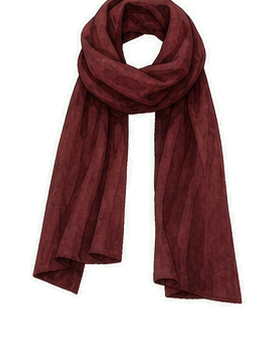
- Long oxblood wool scarf — sunset is about 4:15pm by mid-month, and the market evening starts in the dark
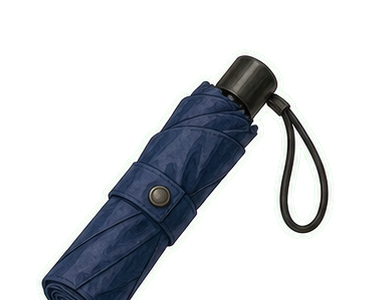
- Navy compact umbrella — about 11 wet days, and it folds into the crossbody
- December's teddy coat and lined boots — at 3.7°C you overheat in the first coffee house
- Suede shoes — about 11 wet days, and the first drizzle blotches them
- A gown or tails for 11 November — the Graben waltz is a public street opening, not a ball
- A market trip in the first week — nothing opens before 6 November, and Rathausplatz waits for the 13th
Pack for damp, not frost. NOAA's figures for GeoSphere Austria's Hohe Warte station put November at 8.7°C by day and 3.7°C at night, with 46mm of rain over about 11 wet days. The nights stay above freezing. What changes is the calendar. At 11:11 on 11 November the ball season and Fasching open with a public waltz on the Graben, and two days later Rathausplatz, Am Hof and Spittelberg open their Christmas markets, while Wien Modern, which opened at the Konzerthaus on 30 October, runs until the 30th. So one week puts you at a Punsch stall at six and a concert seat at eight. Keep one navy wool coat on top and change what goes under it: a boiled-wool Janker for the stalls, a white shirt for the concert.
November is when Vienna opens both of its winters at once: a waltz on the Graben at 11:11 on the 11th, the Rathausplatz stalls two days later. The coat stays the same all week. What goes under it changes by the evening.
The capsule
 01Navy wool coat, knee length, single-breasted, notch lapel
Wear one coat all week and change what goes under it. A knee-length navy wool coat covers a Trachten jacket at a Rathausplatz stall and a white shirt on the walk to the Konzerthaus, and at 3.7°C a single-breasted mid-weight wool does the job, because November nights here stay above freezing. Navy also keeps it clear of October's loden green and December's black.
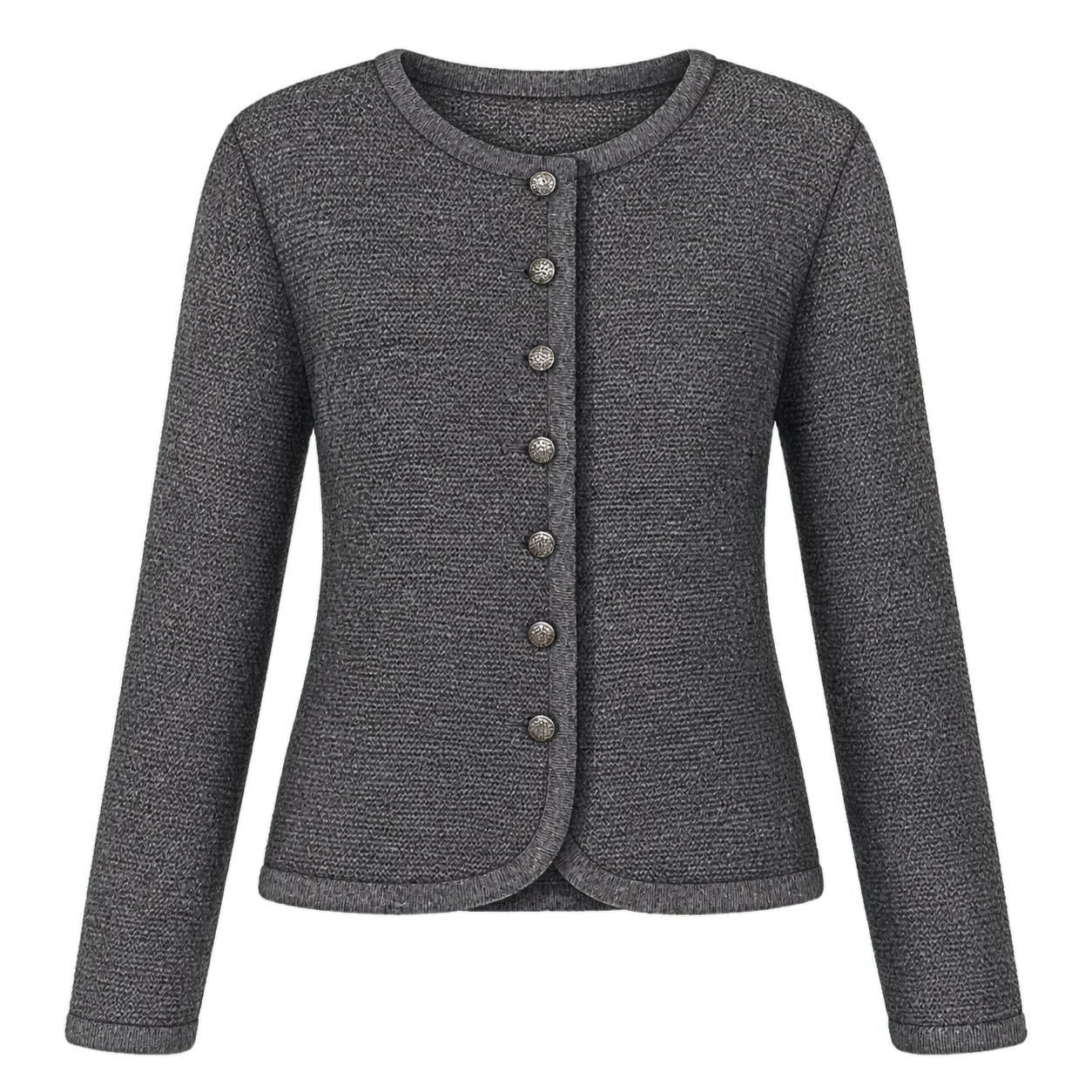 02Charcoal boiled-wool Trachten jacket (Janker), collarless, silver buttons
Button it over the white shirt for the Christkindlmarkt opening on Friday 13 November. Boiled wool is felted tight, so it holds warmth in wet air at 4°C / 39°F, and a collarless Janker with a row of silver buttons lies flat under the navy coat without crowding the shoulder. Charcoal rather than green keeps it a city jacket on Am Hof, not a costume.
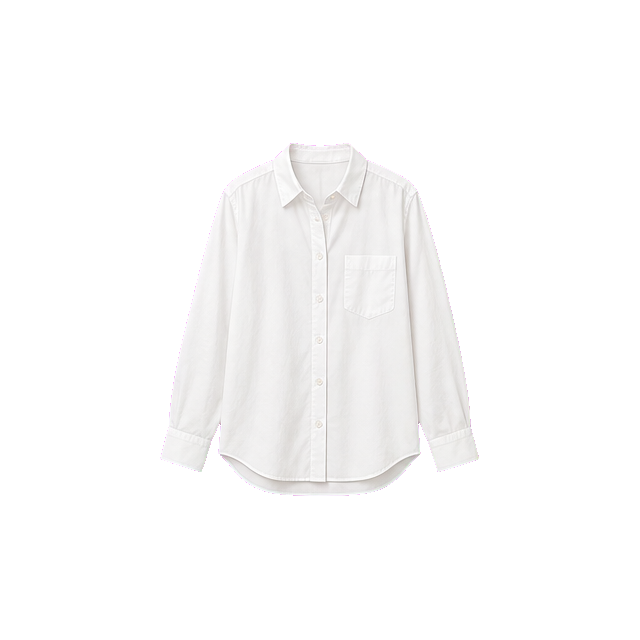 03White cotton button-down shirt
For the Konzerthaus, take the Janker off and keep the shirt. Wien Modern runs to 30 November, and a pressed white cotton button-down under the navy coat is enough for a concert seat and the short walk from Karlsplatz. By day it sits under the charcoal Janker with the collar out, the one flash of white between two dark layers.
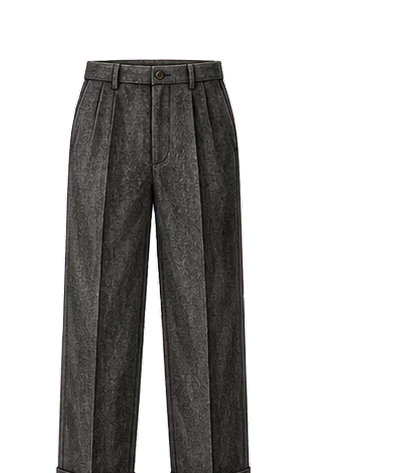 04Charcoal pleated wool trousers, straight leg, pressed crease
One pair from the ten o'clock market opening to a late concert. Pleated charcoal wool with a pressed crease keeps its line after two hours standing at a stall, and it hides a splash of Punsch that stone chinos show at once. A straight leg falls cleanly over a derby, and wool stays warm on a 3.7°C walk home where cotton turns cold against the leg.
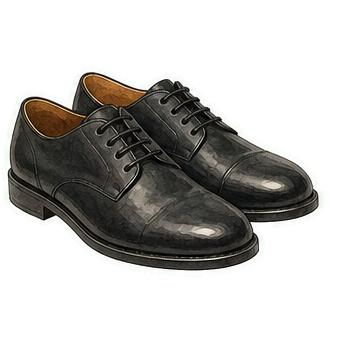 05Black leather lace-up derby shoes, low stacked heel
About 11 wet days means leather on your feet, not suede. Black leather derbies with a low stacked heel take the wet cobbles of Spittelberg, lace tight enough for a day from Am Hof to Freyung to Rathausplatz, and wipe clean before the Konzerthaus. A low heel also stays out of the gaps between the stones, where a slim one catches.
 06Oxblood fine wool scarf, long
By mid-month the sun is down at about a quarter past four, and the markets fill after dark. Wound twice, a long oxblood wool scarf closes the open neck of a collarless Janker, which is the one gap in this outfit at 4°C / 39°F. It is also the capsule's only warm colour against navy, charcoal and white, and it sits a shade darker than the bag.
 07Cabernet-red suede crossbody, top handles, buckled straps
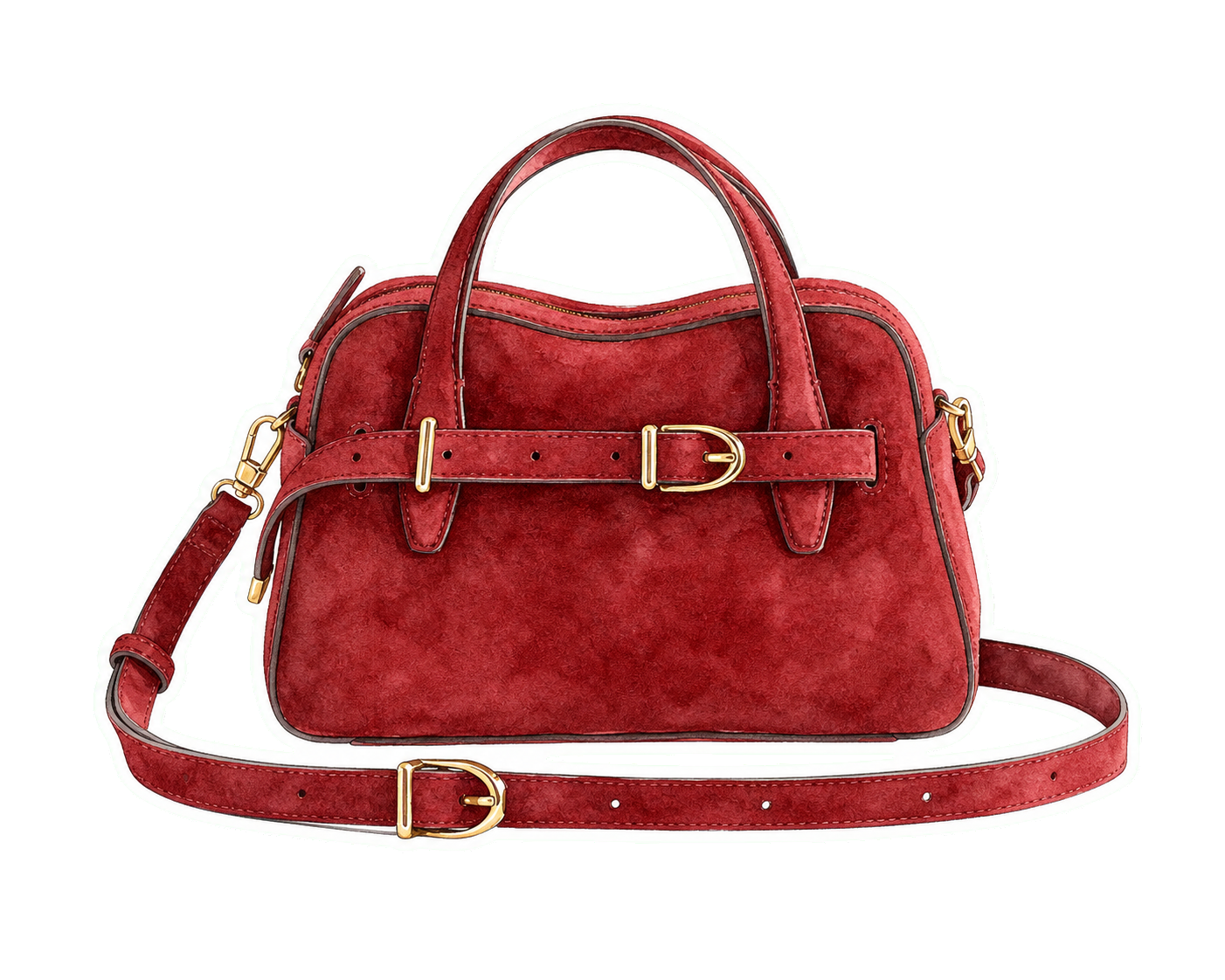
Wear it across the body on a Saturday night at Rathausplatz, where both hands are busy with a mug and a card. The zipped top sits under a buckled strap, the top handles take it to a coffee-house table, and it holds the folded umbrella. Suede works on the bag where it fails on the shoe: the bag stays under the umbrella, the shoe stands in the wet.
 08Navy compact folding umbrella
Rain falls on about 11 days in November, but only about 5 bring more than 2.5mm, so a compact umbrella covers what a full-size one does and fits in the crossbody. Navy matches the coat and disappears against it. Open it between Stephansplatz and the Graben, then fold it at the stalls, where the wooden roofs take over.
Day to night
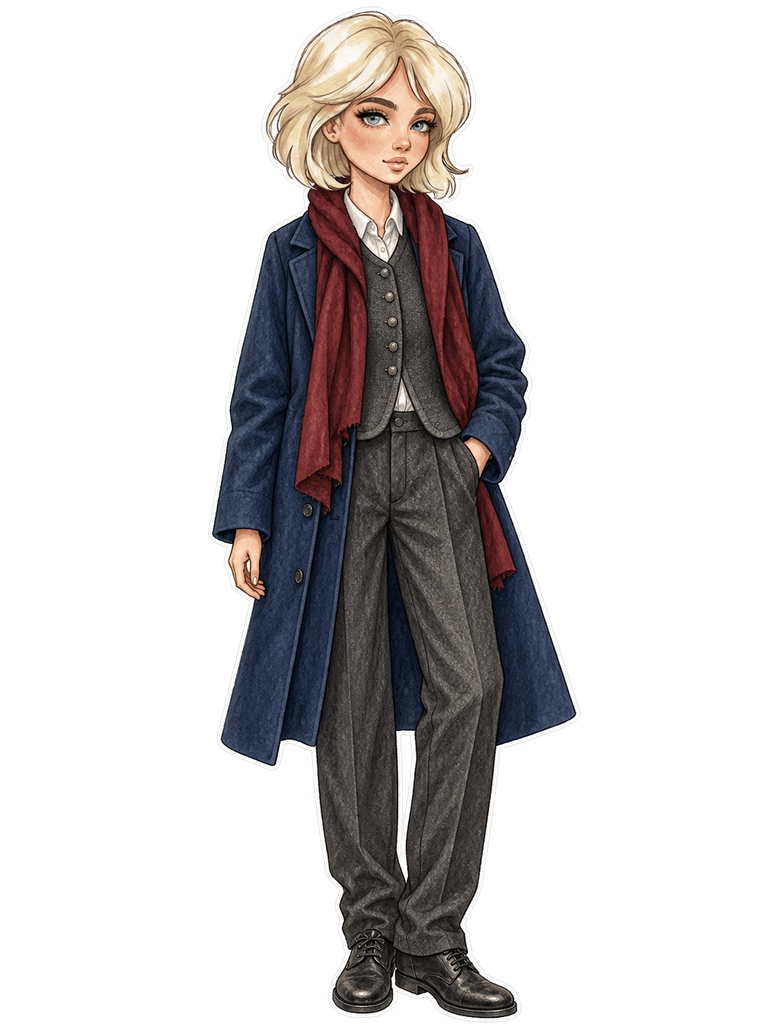
Navy coat open · charcoal Janker over the white button-down, collar out · charcoal pleated trousers · black derbies · oxblood scarf loose · cabernet crossbody. Rathausplatz at ten on Friday 13 November as the Christkindlmarkt opens, then Am Hof and Spittelberg before the light goes.
White button-down alone · same trousers and derbies · navy coat buttoned · oxblood scarf wound twice · umbrella in the bag. A concert at the Konzerthaus, then back to Rathausplatz for a Punsch before the stalls close at ten.
A suggested look — navy wool coat, charcoal trachten jacket over a white button-down, charcoal pleated trousers, black derby shoes, oxblood scarf.
What to avoid
- December's teddy coat and lined boots — nights average 3.7°C, above freezing
- Suede shoes — about 11 wet days blotch them
- A gown or tails on 11 November — the Graben waltz is a street opening, not a ball
- A first-week market trip — Rathausplatz, Am Hof and Spittelberg open on 13 November
- Afternoons outdoors late in the month — sunset is about 4:05pm by the 30th
Frequently asked questions
NOAA NCEI's figures for Wien-Hohe Warte, a station GeoSphere Austria operates, give an average November high of 8.7°C / 48°F and a low of 3.7°C / 39°F across 30 complete Novembers. Rain totals about 46mm over roughly 11 days of measurable rain, and only about 5 of those bring more than 2.5mm, so most wet days are drizzle. The average night stays above freezing. Daylight shrinks from about 9h 55m on 1 November to 8h 40m on the 30th, and sunset moves from about 4:35pm to about 4:05pm.
A navy knee-length wool coat, a charcoal boiled-wool Trachten jacket, a white cotton button-down, charcoal pleated wool trousers, black leather derbies, a long oxblood wool scarf, a cabernet-red suede crossbody and a navy compact umbrella. That covers Rathausplatz at 9°C / 48°F in the morning and the walk home from the Konzerthaus at 4°C / 39°F. Leave December's teddy coat and lined boots at home, because the nights stay above freezing, and leave suede shoes behind for the 11 wet days. You need no gown: the 11 November waltz on the Graben is a street event.
In three waves on consecutive Fridays, per WienTourismus. Schönbrunn and Stephansplatz open first, on 6 November, and Schönbrunn runs to 6 January 2027. The big wave follows on 13 November: Rathausplatz, Am Hof, Spittelberg, Art Advent on Karlsplatz and Schwarzenbergplatz, with Freyung and Türkenschanzpark on Saturday the 14th. Belvedere, Maria-Theresien-Platz and Riesenradplatz open on 20 November, Belvedere running to 31 December. The Wiener Christkindlmarkt on Rathausplatz is open daily from 10am to 10pm until 26 December, and the Eistraum rink there runs from 13 November to 6 January.
The middle of the month, then the end. Arrive before the 6th and no Christmas market is open. Arrive for the week of the 11th and you get the 11:11 waltz on the Graben, the big market opening on Friday the 13th, and goose, which WienTourismus says is "right at the top of the menu for the Viennese around November 11." Late November adds Belvedere and Riesenradplatz from the 20th and the first Sunday of Advent on the 29th, and Wien Modern runs to the 30th. The only cost of waiting is daylight: sunset slides from about 4:35pm to about 4:05pm.
November is damp; December is cold. NOAA's Hohe Warte figures give November 9°C / 48°F by day and 4°C / 39°F at night, while the GeoSphere Austria figures on our December page drop to 3.8°C / 39°F and −1.8°C / 29°F, below freezing overnight. December has about 9 wet days against November's 11. So November wants a mid-weight wool coat and leather derbies, and December wants a full-length pile coat, lined lug-sole boots and a dense hat. Both months have markets; the Rathausplatz Christkindlmarkt closes on 26 December, and only November has the Graben waltz.
Dark wool with one Austrian piece in it. Tostmann Trachten, which Marlen and Jochen Tostmann founded in 1949 in Seewalchen am Attersee and which still makes its dirndls in its own Seewalchen workshops, sells from Schottengasse 3a, and a boiled-wool Janker from that tradition turns up under ordinary city coats. For tailoring the reference is Knize, founded in 1858 and court tailor from 1888, whose shop at Graben 13 Adolf Loos designed. On the street that adds up to navy or charcoal wool, pressed trousers, polished leather shoes and one warm colour at the neck.
Sources
- NOAA NCEI — 1991–2020 climate normals, Wien-Hohe Warte stationGeoSphere Austria operates the station; NOAA NCEI computed this month's figures from its AU000005901 global-summary-of-the-month record. Recorded per month because the rest of this city's pages are sourced differently.
- WienTourismus — Vienna's Christmas markets 2026 (openings 6–20 November) — accessed 2026-09-26
- Wiener Christkindlmarkt — Rathausplatz, 13 November – 26 December 2026 — accessed 2026-09-26
- WienTourismus — Vienna ball season (opens 11 November at 11:11 on the Graben) — accessed 2026-09-26
- WienTourismus — Martini goose (Martinigansl), around 11 November — accessed 2026-09-26
- Wien Modern — Wien Modern 39, 30 October – 30 November 2026 — accessed 2026-09-26
- Tostmann Trachten — Firmengeschichte (Seewalchen am Attersee, 1949) — accessed 2026-09-26
- Knize — Geschichte (founded 1858; Graben 13 by Adolf Loos) — accessed 2026-09-26
- NOAA National Centers for Environmental Information — Climate Data Online — accessed 2026-04-23