What to Wear in Munich in December
Munich in December: 3.6°C / 38°F days, −2.2°C / 28°F nights, and 60mm across 12 days — the wettest of Europe's December market cities, and it falls as snow.
- Genuine waterproofing — 60mm across 12 days is a third more than Vienna
- A boot rated for depth, not just cold — settled snow, not slush
- A hood — umbrellas are useless in a market crowd, and snow does not fall straight
- Corduroy or moleskin mid-layers — they hold shape when damp where knits sag
- Dark trousers — Munich dresses more formally than Berlin, in every season
- Wool socks with room to move — a tight boot is a cold boot
- A wool overcoat as the only outer layer — wet wool at −2.2°C / 28°F stops insulating
- Suede anything — 12 wet days will destroy it inside a week
- An umbrella at the Christkindlmarkt — you cannot open one in that crowd
- Smooth soles — Marienplatz packs down to polished ice by evening
- Assuming this is the Oktoberfest city you read about — opposite season, opposite capsule
Munich is the wettest of Europe's December market cities and the only one where that matters as snow rather than rain. Deutscher Wetterdienst normals put the December maximum at 3.6°C / 38°F, the minimum at −2.2°C / 28°F, and precipitation at 60mm across 12 days with 2 hours of sun a day. Vienna gets 45mm across 9 days and Prague 25.9mm across 6, so Munich receives more than twice Prague's total. The city sits on a plateau at roughly 520 metres with the Alps an hour to the south, which is why the same total that falls on Copenhagen as horizontal rain settles here as snow. That single fact reorganises the footwear before it touches anything else.
Vienna gets rain, Prague gets ice, and Munich gets the snow that actually settles. Only one of those needs a boot with depth.
The capsule
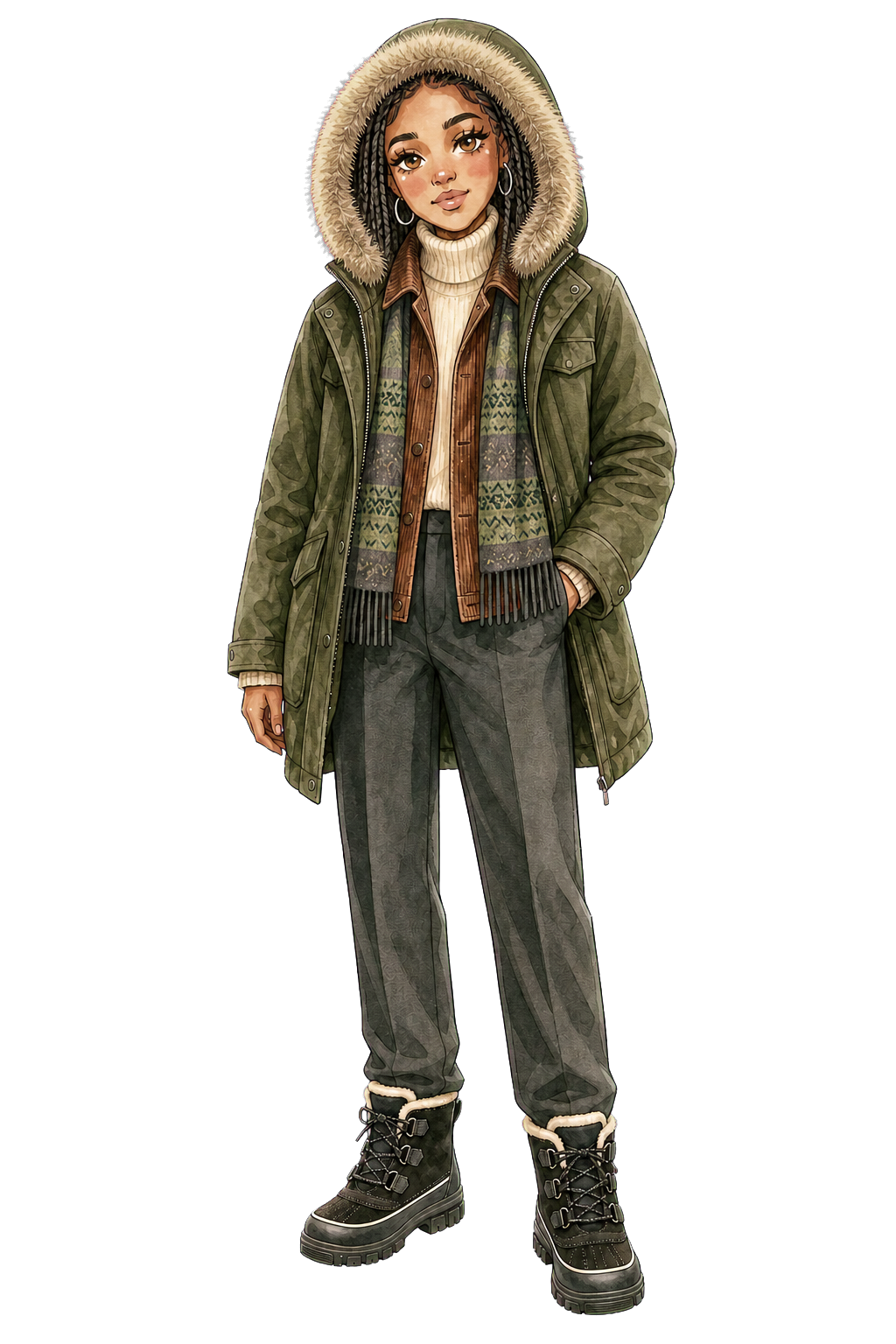
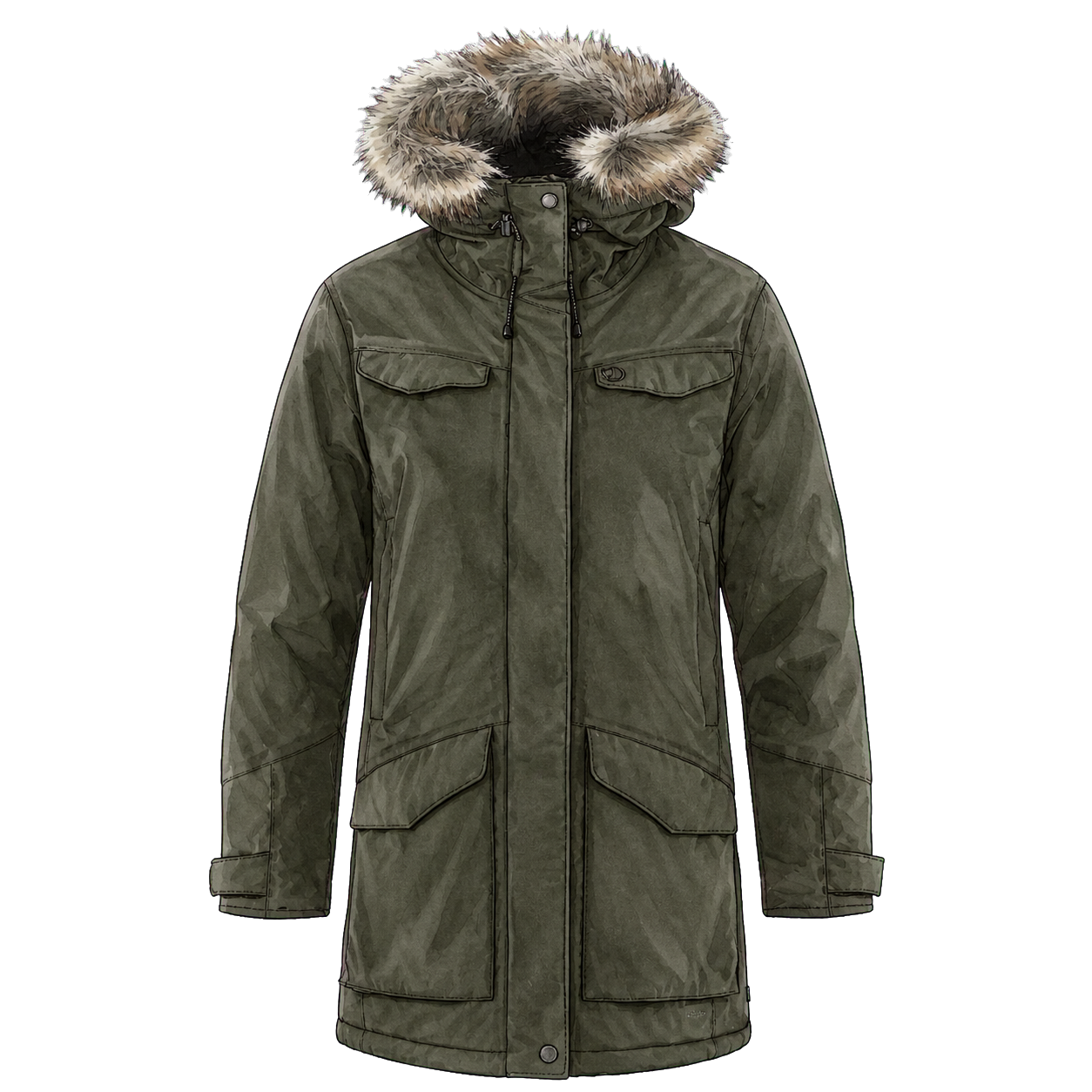 01Insulated waterproof parka in loden or charcoal, hood, thigh length
The one December city in this batch where a wool overcoat is the wrong answer. Wet wool at −2.2°C / 28°F stops insulating and starts conducting heat away from you, and 12 wet days will find it. A taped-seam insulated shell with a genuine hood handles snow at the Marienplatz market where an umbrella is unopenable in the crowd. Thigh length, so it covers you sitting on a cold bench at Tollwood.
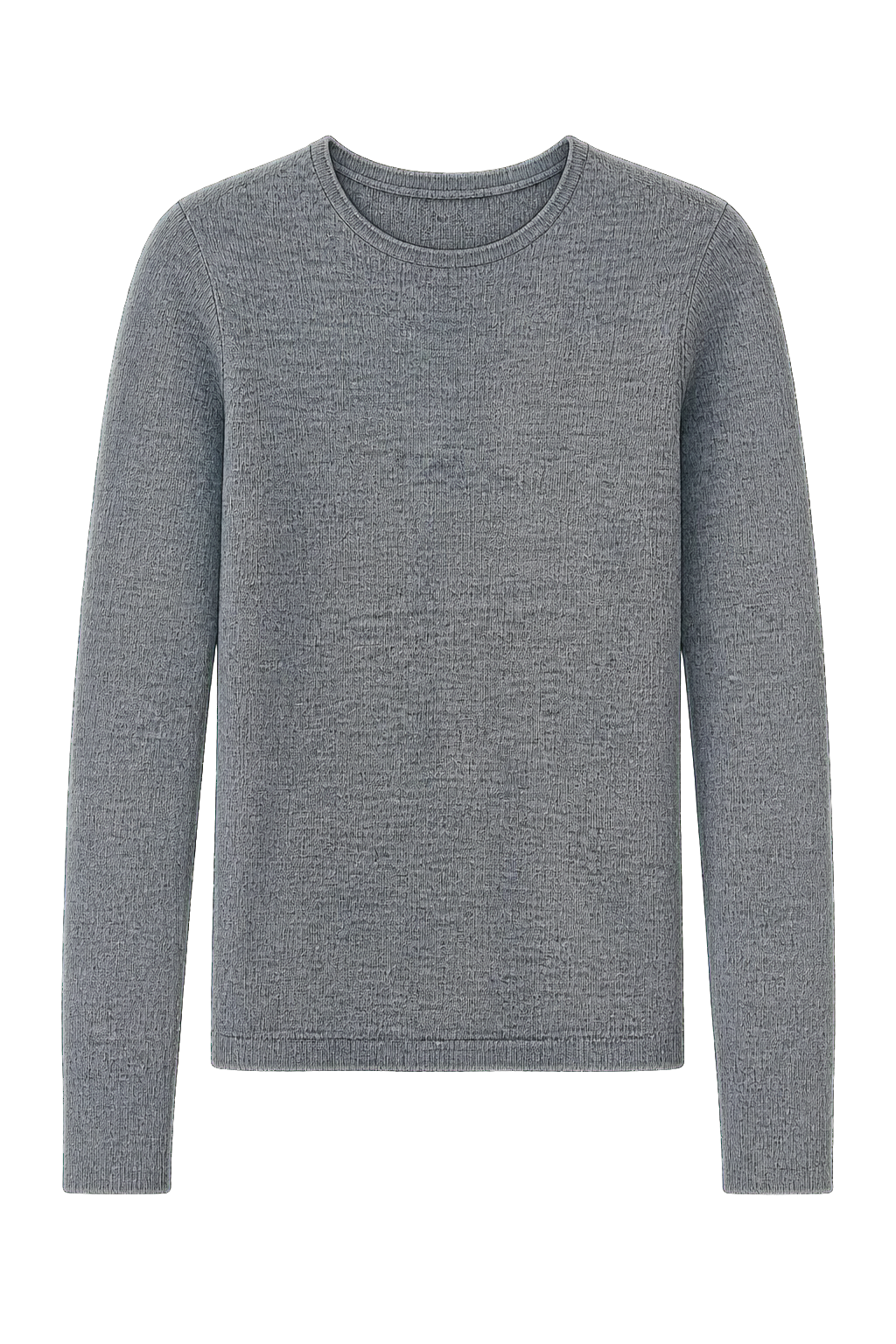 02Slate merino base layer, long-sleeve, mid-weight
Mid-weight rather than fine here, because Munich's December is the coldest-feeling of the four: not the lowest reading, but the one where damp and −2.2°C / 28°F arrive together. Merino keeps insulating when it picks up moisture, which is the entire argument against cotton in a snowy city. Slate rather than black so it reads as a deliberate layer at an open collar rather than underwear that escaped.
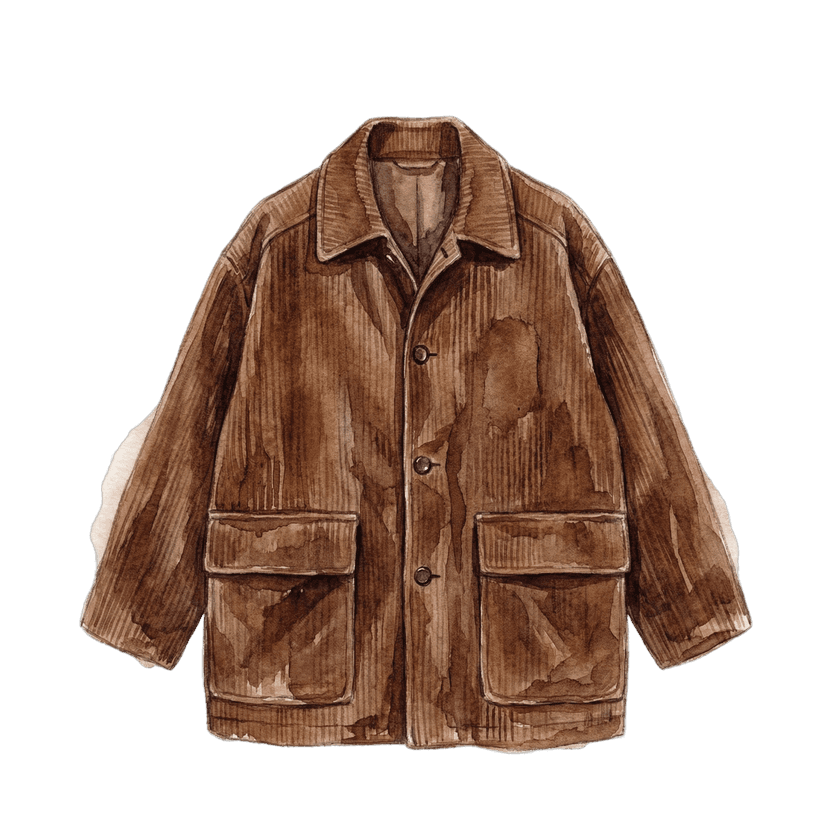 03Tobacco wide-wale corduroy chore jacket, spread collar, patch pockets
The mid-layer, and corduroy is the right fabric for a wet cold specifically because it holds its shape when damp where a loose knit sags and stops trapping air. Wide-wale reads Bavarian rather than workwear, and it sits correctly in a city that dresses more formally than Berlin. Two deep patch pockets take gloves and a hat when you go inside. Tobacco brown against loden and charcoal is the local palette.
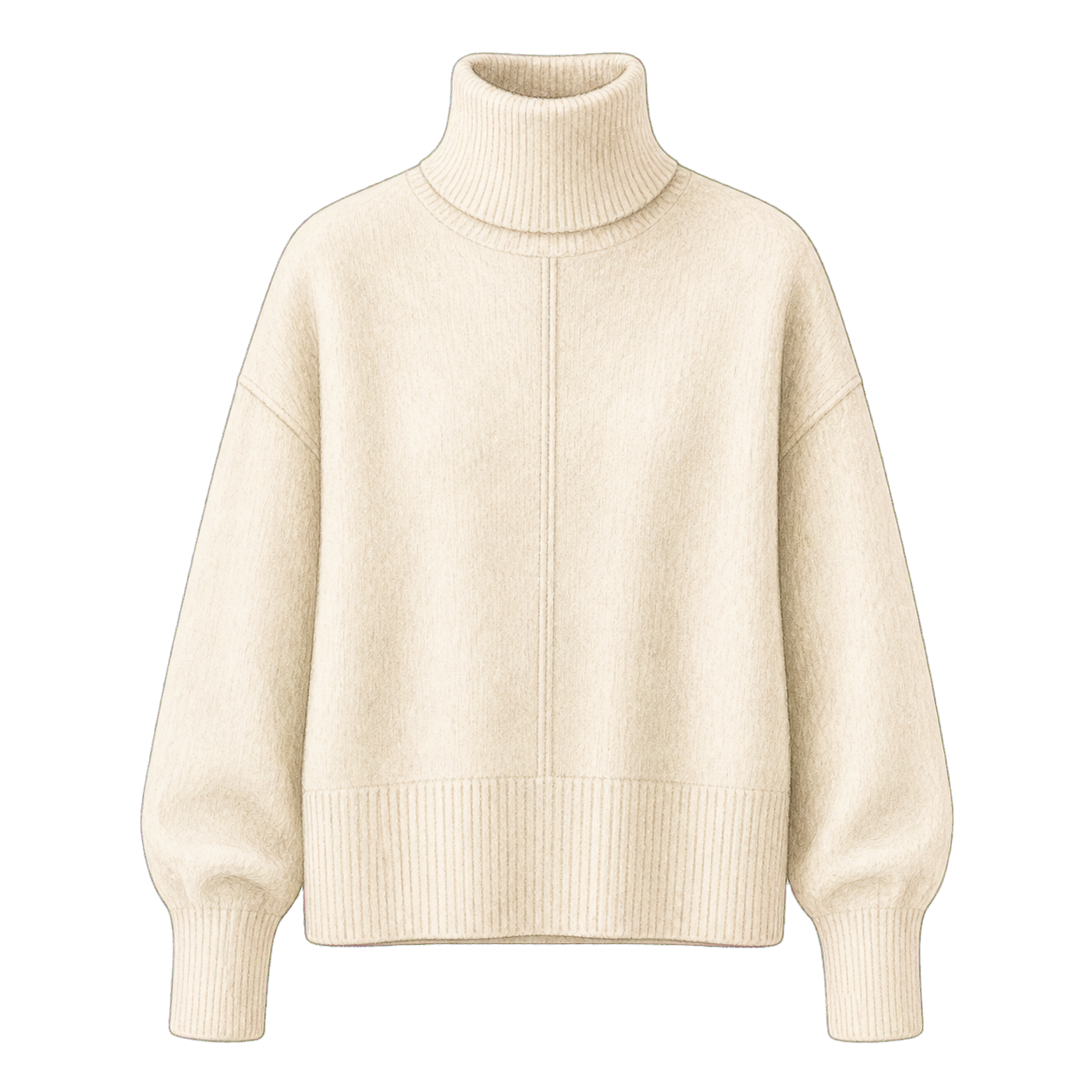 04Heavy lambswool roll-neck in oatmeal
The warmth layer under the corduroy, and a roll-neck rather than a crew because the parka hood leaves the neck exposed the moment you push it back indoors. Heavy lambswool holds loft through a fortnight of compression under two more layers. Oatmeal keeps the middle of the outfit light when the parka, the trousers and the boots are all dark, which matters in a month averaging 2 hours of sun a day.
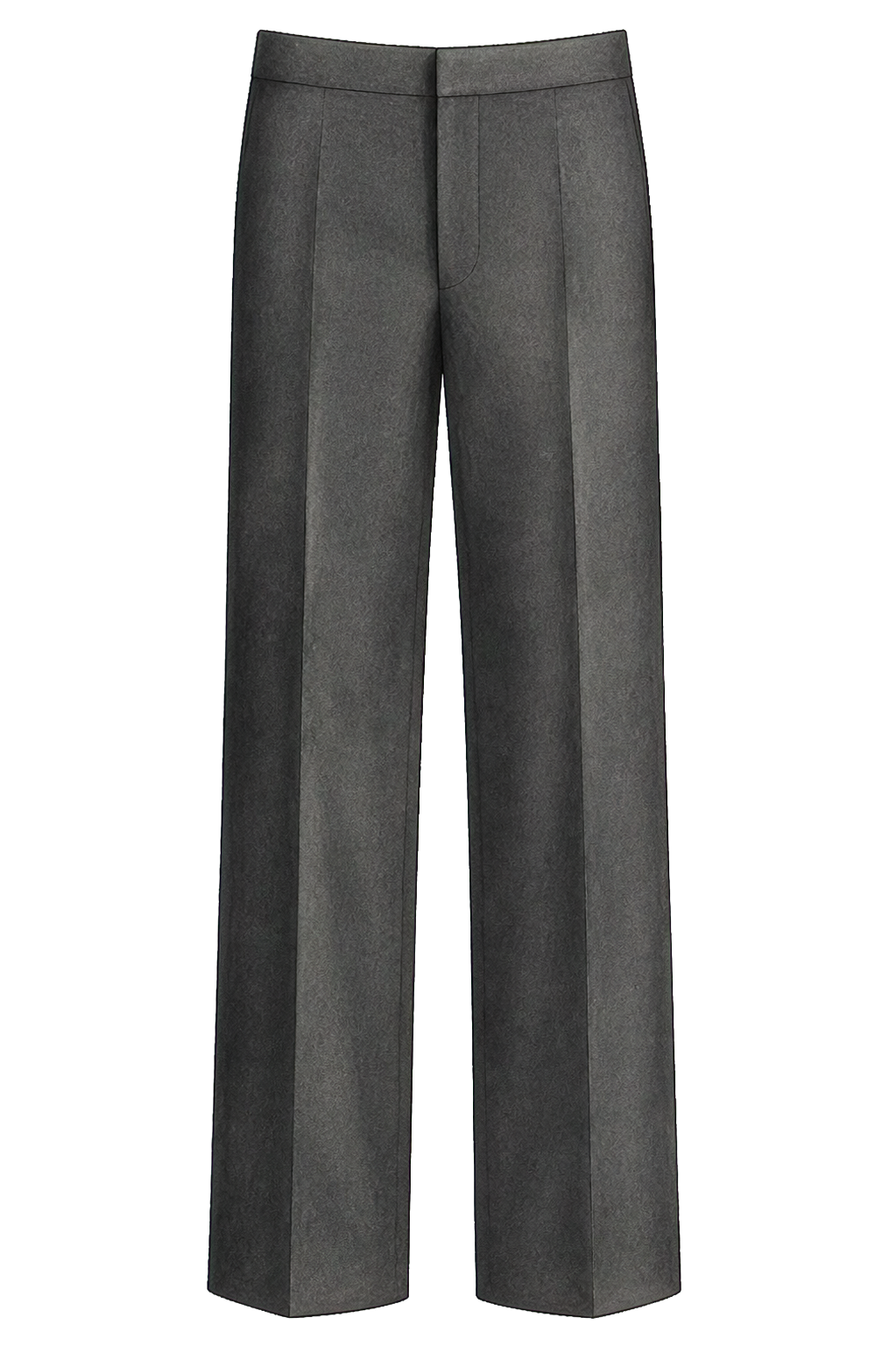 05Charcoal wool-flannel trousers, straight leg, lined to the knee
Munich dresses up more than most German cities and a flannel trouser clears a Schwabing restaurant and the Residenz alike. Lined to the knee so the cold does not come straight through on the walk from the U-Bahn, straight-legged rather than wide so the hem clears settled snow instead of sweeping it. Charcoal over black, and wool-flannel over denim, because cold wet denim against the leg is genuinely miserable at −2.2°C / 28°F.
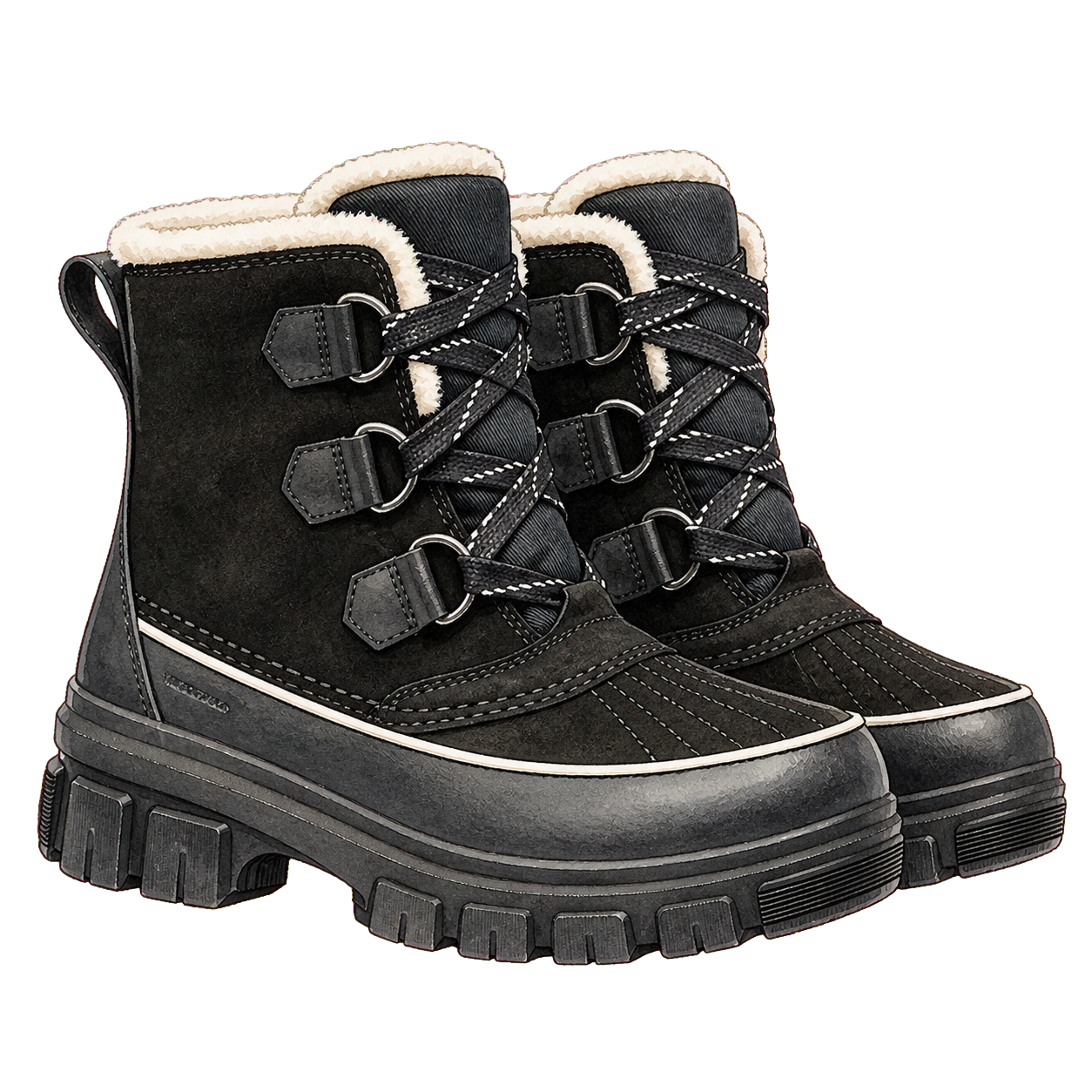 06Waterproof lace-up snow boot, lugged, ankle-height or above
The piece the whole month turns on, and the one that separates Munich from the other December cities. Vienna and Prague need grip on a hard surface; Munich needs grip plus depth, because 60mm falling as snow settles on the Theresienwiese, the Englischer Garten paths and the untreated side streets in Haidhausen. Waterproof rather than water-resistant, laced so you can tighten over a wool sock, and high enough that snow does not come in over the collar.
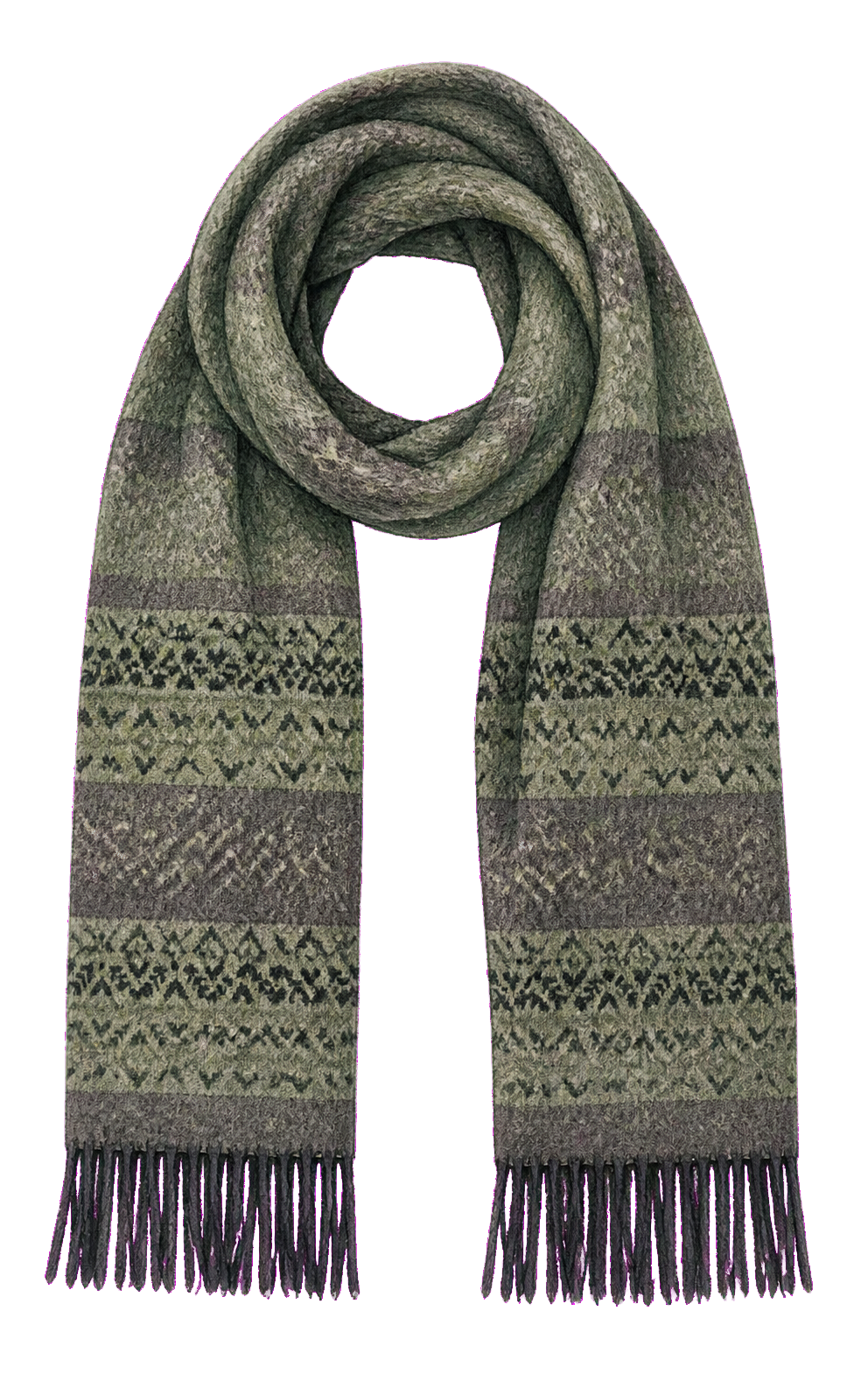 07Loden green wool scarf, wide and long
Loden is Munich's own cloth, the boiled wool the city's Trachten houses built their trade on, and it turns up in ordinary modern coats across Schwabing and Glockenbach rather than only in tourist shops. Wide enough to sit flat under a parka hood without bunching at the throat, long enough to double-wrap for the walk between the market and the U-Bahn. It is also the one place in this capsule to put a colour.
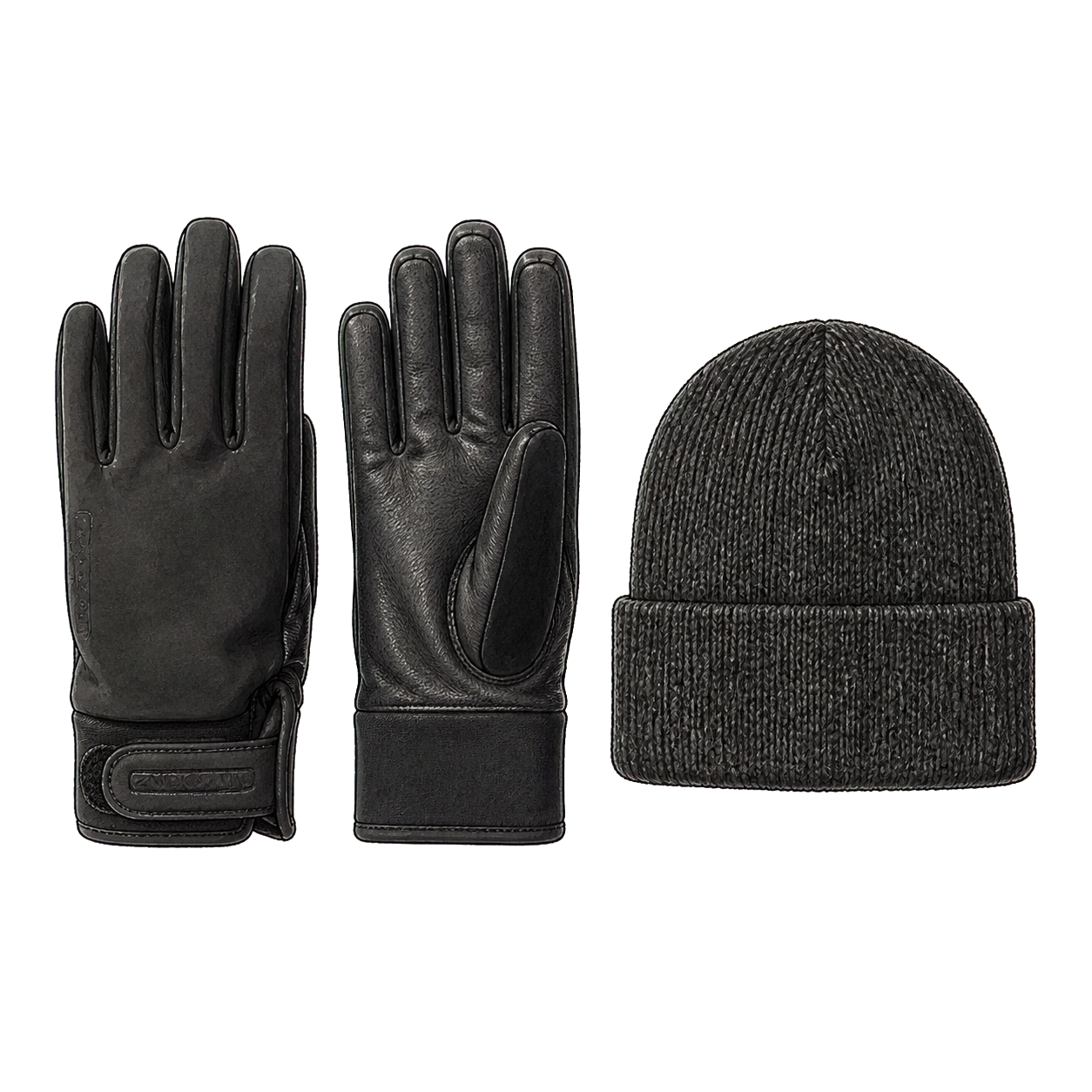 08Waterproof insulated gloves and a fleece-lined wool beanie
Snow makes leather gloves the wrong call here, which is the reverse of Vienna. Wet leather at −2.2°C / 28°F goes stiff and cold and stays that way for the rest of the evening, so a waterproof insulated glove is the honest answer even though it is the less elegant one. The beanie needs a fleece band rather than an open knit, because 12 wet days means the wool itself will be damp by the second hour.
Day to night
Slate merino base · oatmeal roll-neck · tobacco corduroy jacket · charcoal flannel trousers · waterproof snow boots · loden scarf. The Alte Pinakothek at opening, Viktualienmarkt for lunch under the awnings, the Residenz while the light lasts.
Parka over everything, hood up, insulated gloves on. Marienplatz Christkindlmarkt from four or Tollwood out at the Olympiapark, then home at −2.2°C / 28°F through settled snow.
A suggested look — loden waterproof parka, tobacco corduroy chore jacket, oatmeal roll-neck knit, charcoal wool-flannel trousers, black snow boots and loden wool scarf.
What to avoid
- A wool overcoat alone — 60mm across 12 days defeats it
- Suede — 12 wet days plus road salt destroys it within a week
- An umbrella at the market — unopenable in the Marienplatz crowd
- Smooth soles — packed snow polishes to ice by evening
- Cold denim — holds water against the leg and dries slowly
- Packing the Oktoberfest capsule — opposite season, opposite problem
Frequently asked questions
Cold and, more to the point, wet. Deutscher Wetterdienst normals give an average December maximum of 3.6°C / 38°F, an average minimum of −2.2°C / 28°F, 60mm of precipitation across about 12 days, and 2 hours of sunshine a day. The temperature is close to Vienna's but the precipitation is a third higher, and because Munich sits at roughly 520 metres with the Alps an hour south, a good share of it falls as snow that settles rather than rain that drains away.
Regularly, and that is the practical difference from Vienna or Prague. At roughly 520 metres on a plateau below the Alps, Munich's 60mm of December precipitation frequently arrives as snow at temperatures that let it lie, particularly on untreated side streets and park paths through the Englischer Garten. Central squares get cleared and gritted quickly. The packing consequence is a waterproof lace-up boot with a lugged sole rather than the leather ankle boot that would serve you in a drier city.
An insulated waterproof parka with a hood, not a wool overcoat. The Marienplatz Christkindlmarkt is a dense standing crowd where an umbrella cannot be opened, so a hood is the only workable answer to falling snow. Under it, a mid-weight merino base, a heavy roll-neck, and a corduroy or moleskin mid-layer that holds shape when damp. Waterproof insulated gloves rather than leather, which goes stiff and cold once wet, and a fleece-lined beanie rather than an open knit.
Wetter than both, and the only one of the three that reliably means snow. DWD puts Munich at 60mm across 12 days; GeoSphere Austria puts Vienna at 45mm across 9 and CHMI puts Prague at 25.9mm across 6. Temperatures are close, within a degree at both ends. What changes is the footwear and the outer layer: Prague's dry cold rewards layering under wool, Vienna's damp rewards coat length, and Munich's settled snow rewards genuine waterproofing and a boot with depth.
They are opposite seasons in the same city and share almost nothing. Oktoberfest runs September 19 to October 4 in 2026 on the Theresienwiese, where the problem is a hall at shirtsleeve warmth against a 7°C / 45°F walk home, and the clothing question is Tracht. December is 3.6°C / 38°F by day, −2.2°C / 28°F at night, with snow underfoot and 2 hours of sun. The Wiesn capsule is a dirndl and a flat lug-sole loafer; the December capsule is a waterproof parka and a lace-up snow boot.
The Marienplatz Christkindlmarkt traditionally opens in the last week of November and runs to December 24, closing earlier than Vienna's December 26 and much earlier than Prague's January 6. Tollwood, the larger alternative market out at the Theresienwiese, runs a longer season with its own programme of music and food and a markedly different crowd. Confirm the year's exact dates with München Tourismus before booking, since the opening date shifts with the calendar.
About 8 hours 20 minutes at mid-month, with sunset near 4:21pm. That is a little later than Vienna despite similar latitude, because Munich sits further west within Central European Time. The bigger constraint is cloud rather than daylight: DWD records only 2 hours of actual sunshine a day across December, so even the middle of the day is flat and grey. Plan the Pinakotheken and the Residenz for the afternoon and let the markets take the dark.
Sources
- Deutscher Wetterdienst — 1991–2020 climate normalsOne month on this city carries its own provenance — see `provenance` on the entry in data/seo/months/munich.ts. DWD publishes normals only through a search form, so no station is recorded for the remaining months.