What to Wear in Prague in December
Prague in December: 2.8°C / 37°F days, −2.2°C / 28°F nights, and just 25.7mm of precipitation across 6 days — cold, but dry.
- Three thin layers over one thick coat — dry cold rewards air gaps
- A merino base layer — the single highest-value item in the bag
- Lug soles with real edges — Old Town cobbles glaze over, they do not slush
- Wide-leg wool trousers work here — there is no standing water to drag through
- Plan around a January 6 close, not December 26
- A hat that covers the ears — the mean temperature is 0.4°C / 33°F
- One heavy coat and nothing under it — you cannot adjust it indoors
- Smooth leather soles — glazed cobblestone on Staroměstské náměstí is the injury risk
- A waterproof shell as the outer layer — 6 wet days do not justify losing the warmth
- Assuming Vienna's packing list transfers — Prague is colder and far drier
- Booking only to December 26 — you would miss eleven days of the market
Prague is the driest December in this part of Europe, and dry cold is a different problem from wet cold. The Czech Hydrometeorological Institute records a December maximum of 2.8°C / 37°F, a minimum of −2.2°C / 28°F, a monthly mean of 0.4°C / 33°F, and just 25.7mm of precipitation across 6 days. Vienna, four hours down the river, gets 47mm across 9. What that buys you is layering that actually works: still air trapped between three thin layers insulates well when the air is dry, and the same arrangement goes clammy and stops insulating in damp. It also changes the hazard underfoot. Prague's Old Town cobbles, much of the network laid under Charles IV from 1357, do not turn to slush. They glaze.
Vienna's December is wet and Prague's is dry, and that single difference rewrites the whole packing list.
The capsule
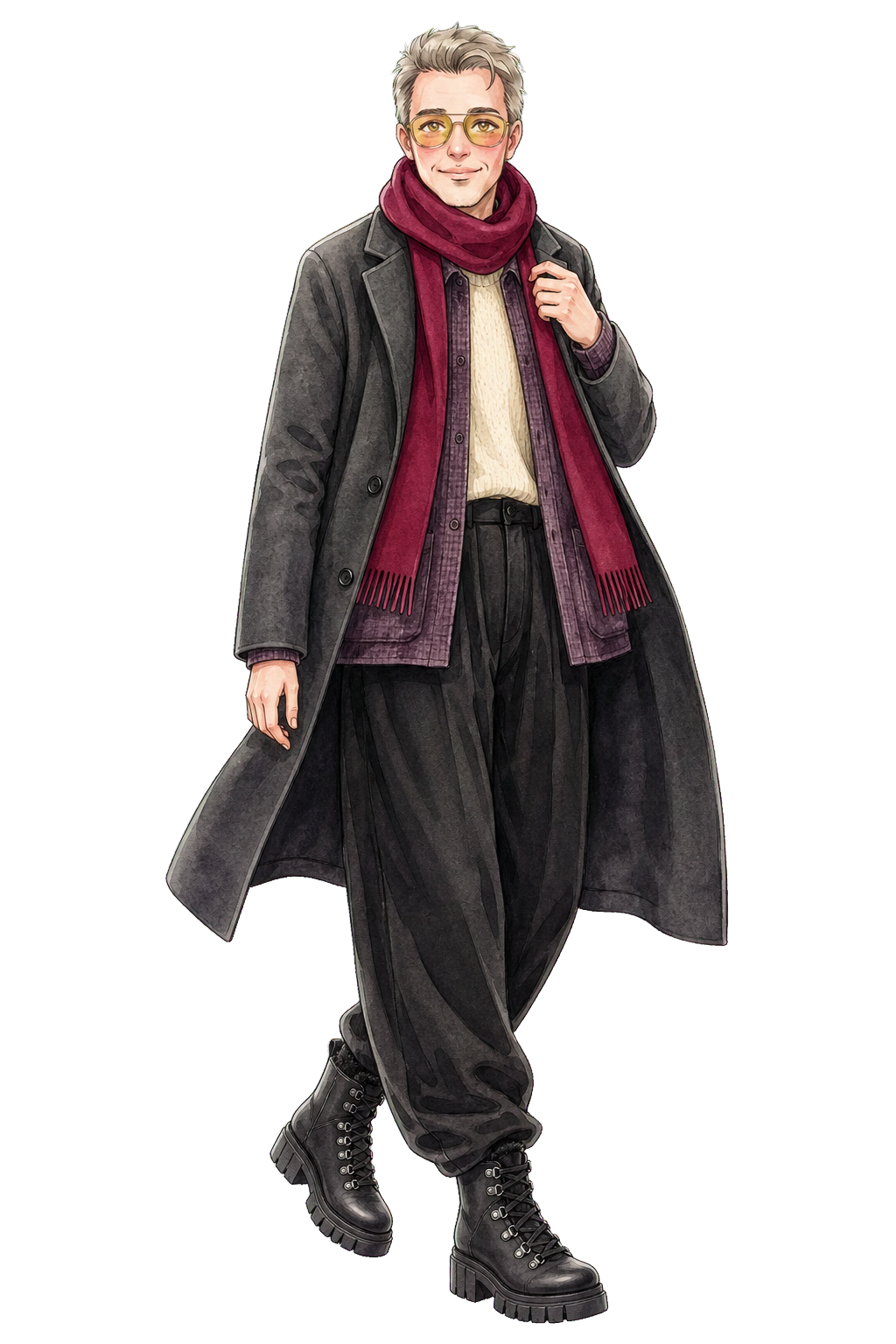
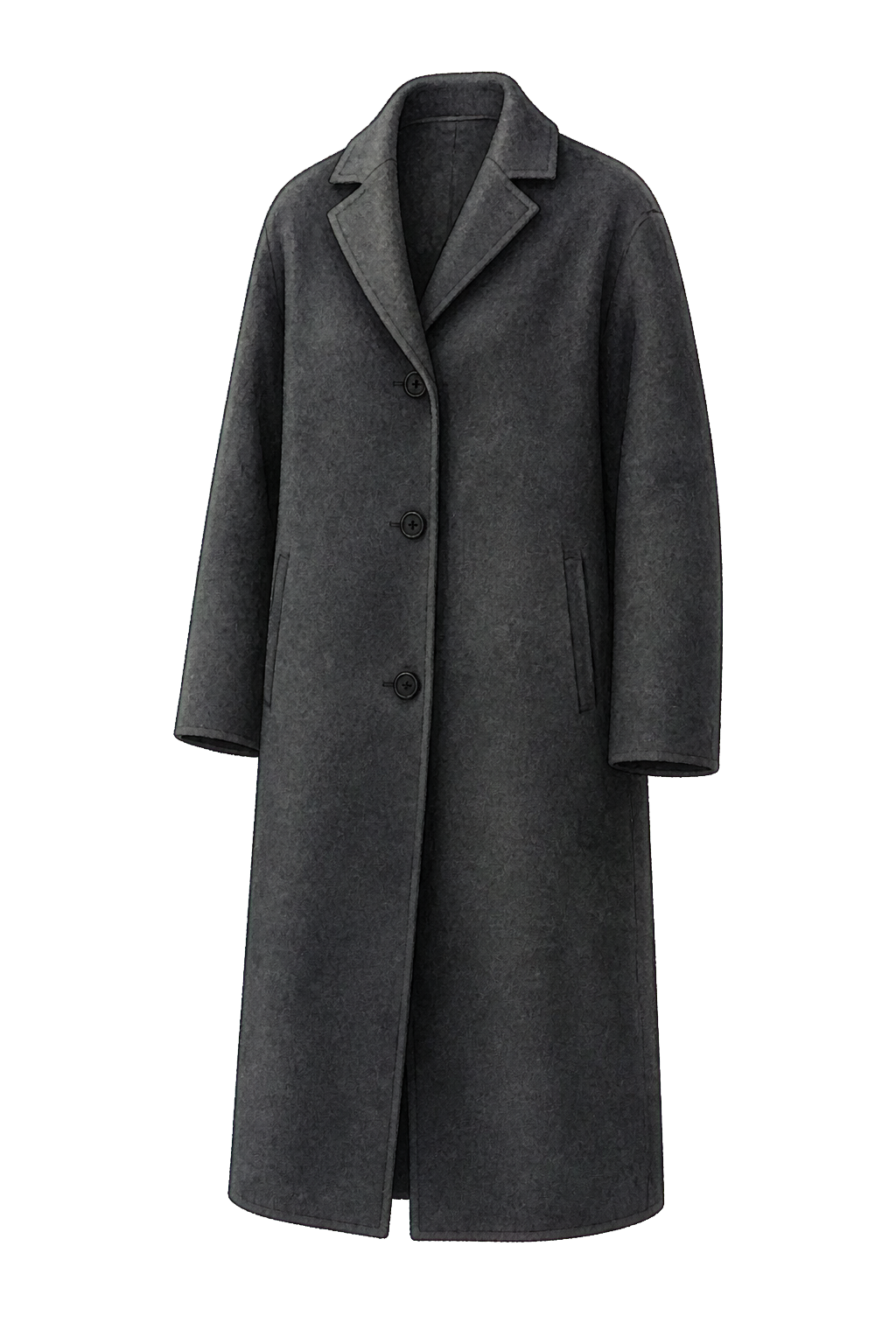 01Charcoal wool overcoat, below the knee, single-breasted
The outer shell of a three-layer system rather than the whole answer on its own. Wool over a technical shell here, because 6 wet days across the month do not justify trading away warmth for waterproofing, and a hard shell traps the moisture your own body makes while you walk up to the Castle. Below the knee for the tram platforms. Single-breasted so it closes flat over the layers underneath instead of fighting them.
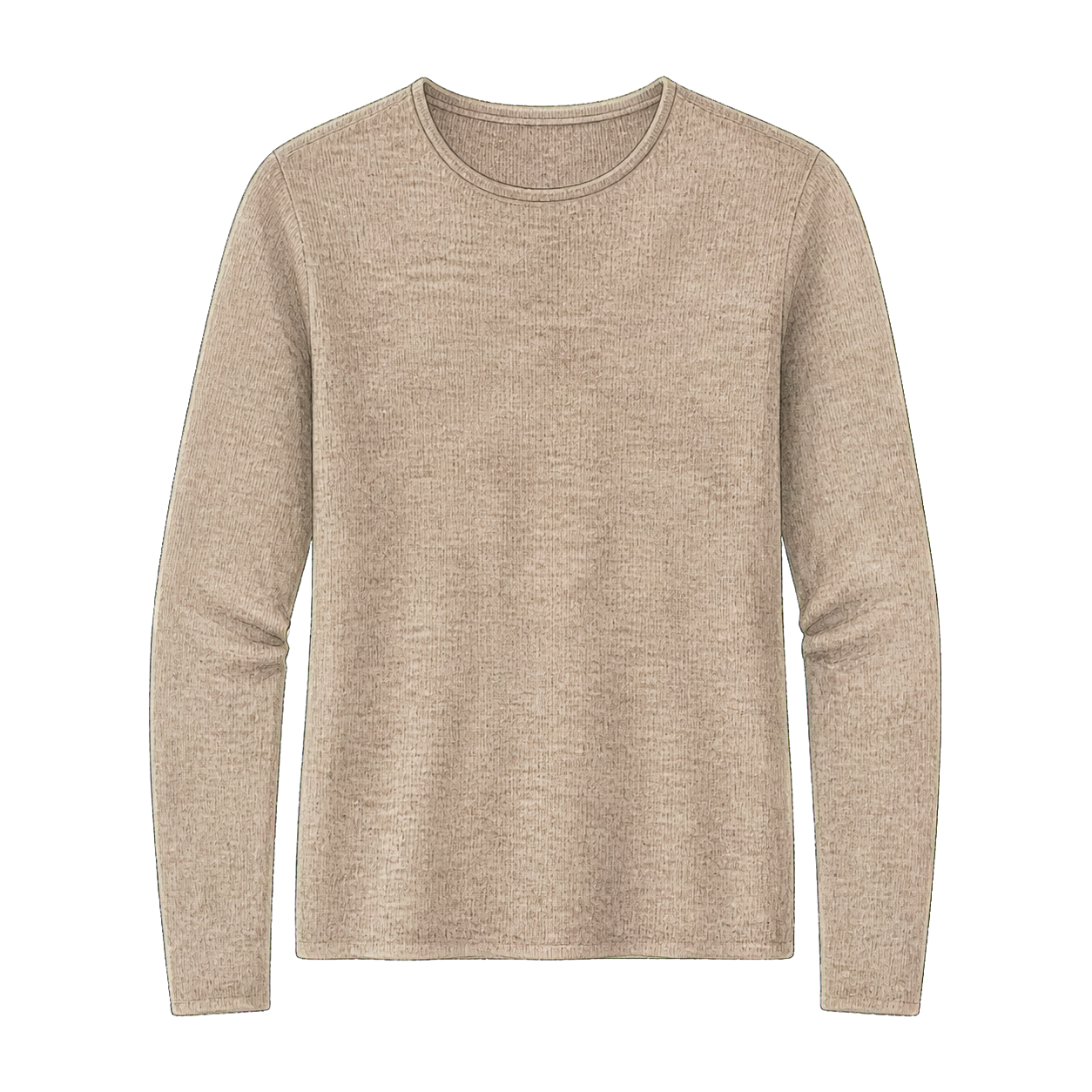 02Oatmeal merino base layer, long-sleeve, fine gauge
The highest-value item in the bag and the one people leave out. Dry cold rewards a base layer that moves vapour away from the skin: you will sweat walking up Nerudova to Hradčany and then stand still in −2.2°C / 28°F at the top, and cotton holds that moisture against you while merino does not. Fine gauge so it stacks under two more layers without bulk. Oatmeal reads warmer than grey under an open collar.
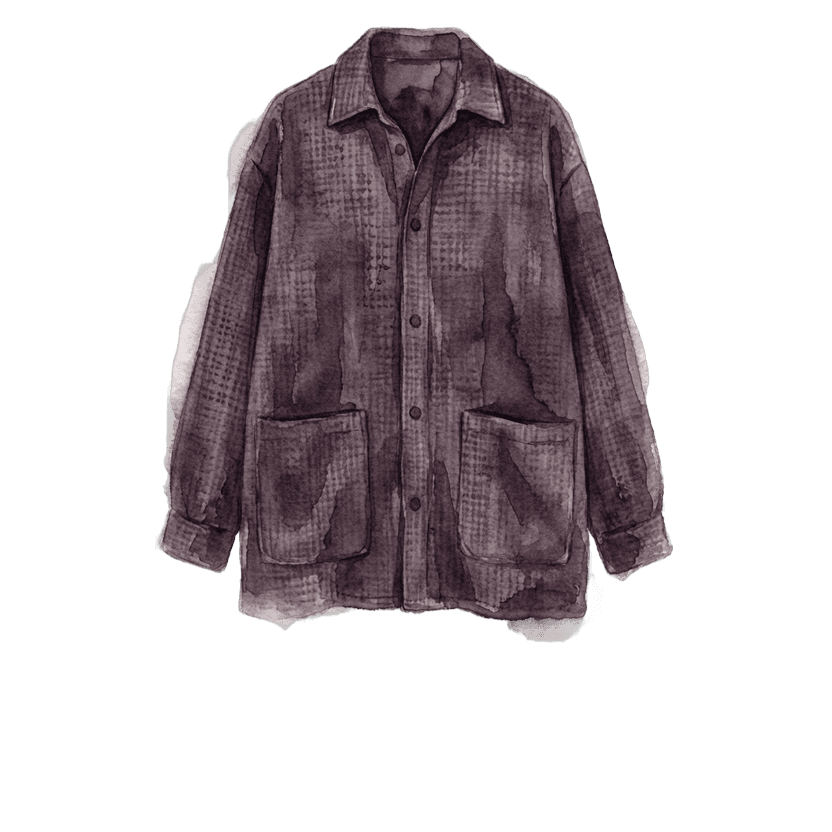 03Dark plum oversized shacket, subtle grid check, patch pockets
The middle layer, and the piece that makes the system adjustable. A boxy wool-blend shirt-jacket goes over the base and under the coat outdoors, then becomes the whole top layer inside a Vinohrady café or a Malá Strana beer hall where you would otherwise be sitting in a wool overcoat. Camp collar and patch pockets keep it casual enough for daytime. Plum sits against Prague's ochre and terracotta facades better than black.
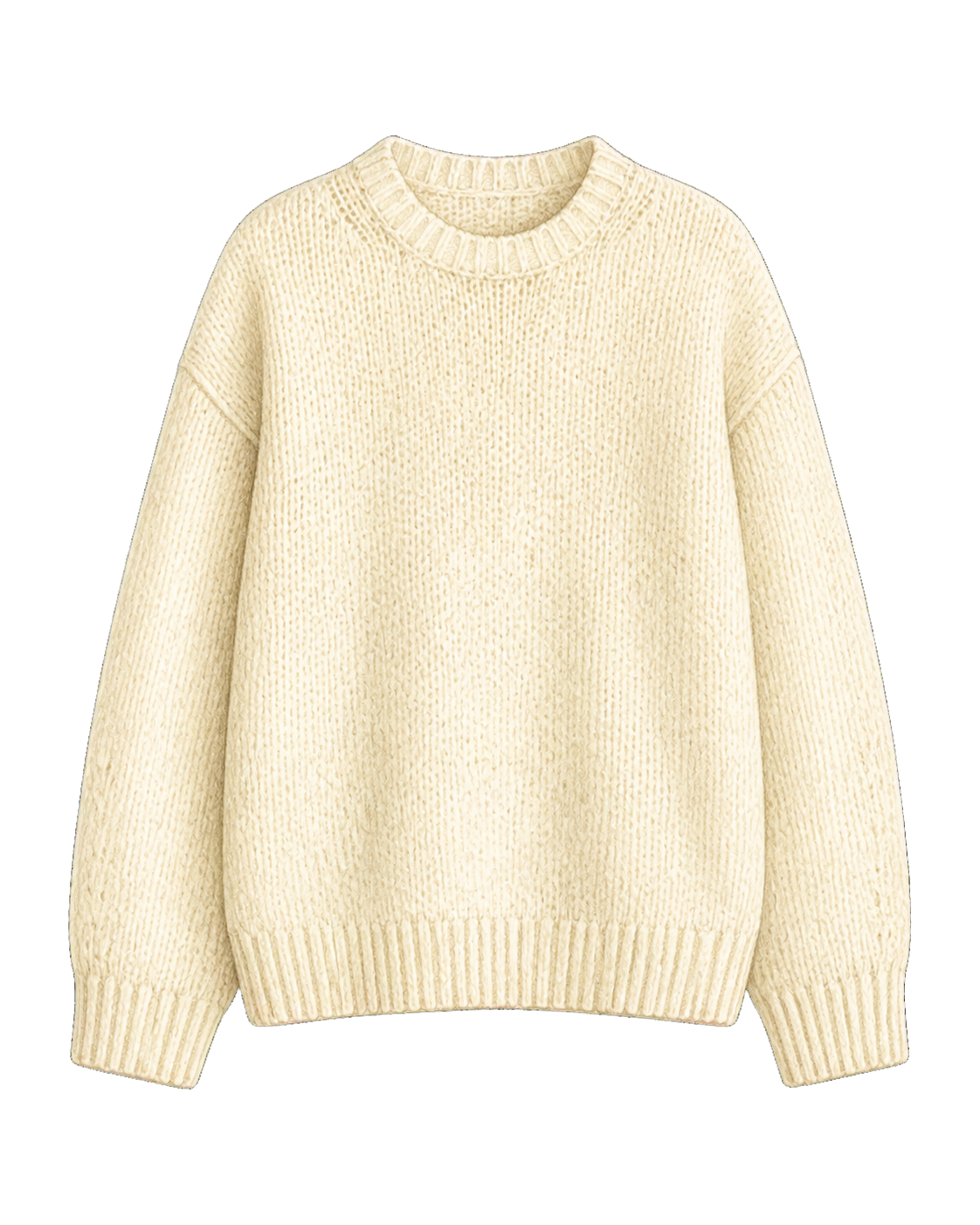 04Heavy lambswool crew knit in ivory
The insulating layer between the shacket and the base, and the one you take off first when a room turns out to be overheated, which most Prague interiors are. Heavy lambswool rather than cashmere: it holds its loft through a fortnight of being compressed under a coat, and loft is what actually traps the air doing the insulating. Ivory keeps the middle of the outfit light when the coat and trousers are both dark.
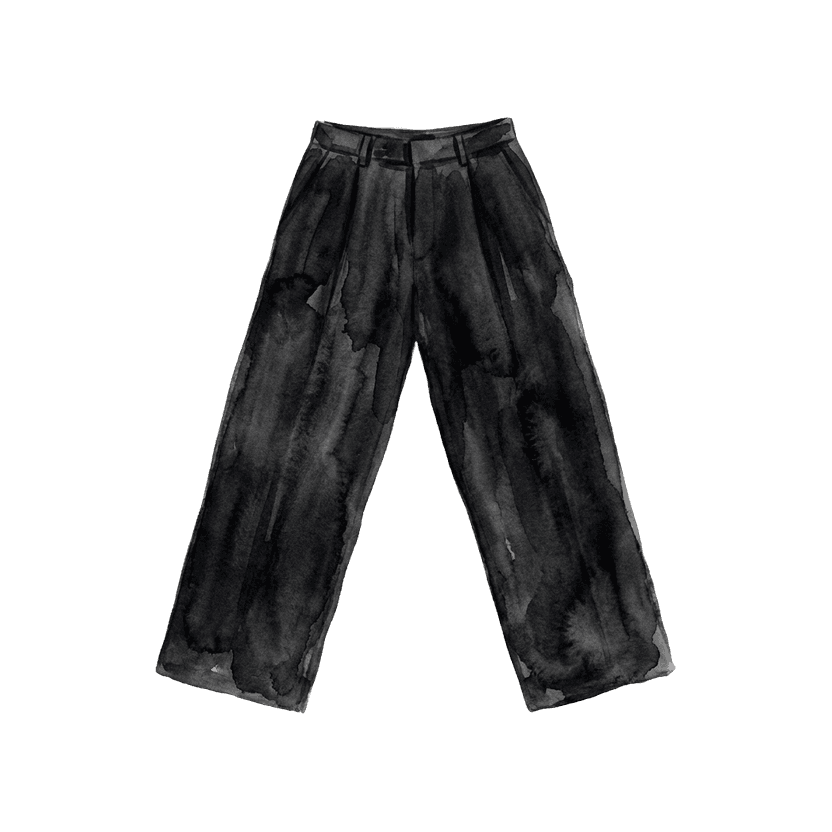 05Black high-waisted pleated wide-leg trousers
Wide-leg is defensible in Prague specifically because it is dry. With 25.7mm of precipitation across the whole month there is no standing water to drag a hem through, so you get the drape without the penalty a wide leg carries in a wet city. High-waisted and pleated leaves room for a thermal layer underneath without pulling across the thigh. Black over navy, because Prague's December palette is darker than Vienna's.
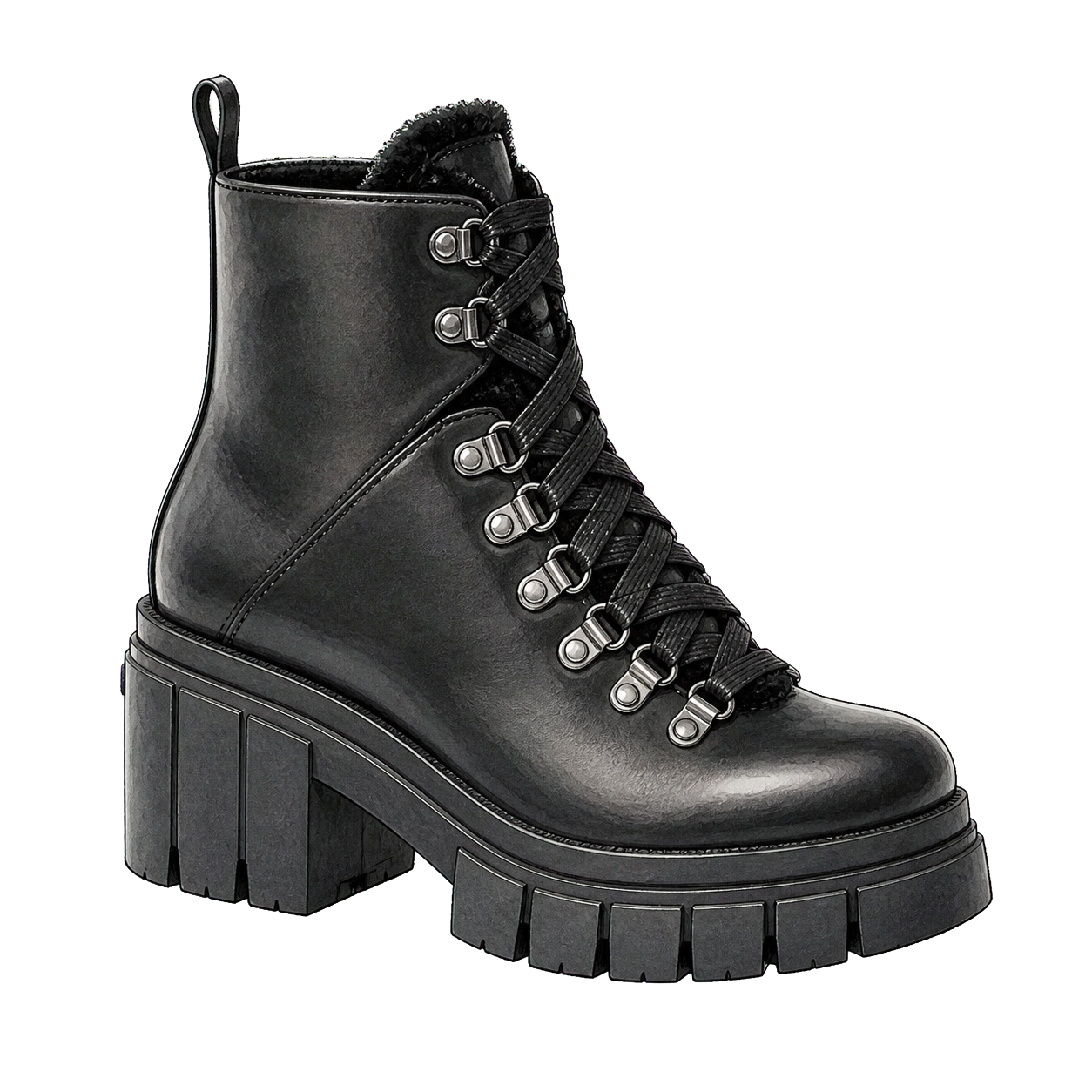 06Lug-sole leather ankle boot with a squared edge, shearling-lined
Prague's cobbles glaze rather than slush, and glazed stone needs a sole with genuine edges to bite. A rounded lug pattern skates on ice where a squared, deeply cut lug grips. This matters most on Staroměstské náměstí and the Charles Bridge approach, where centuries of foot traffic have polished the setts smooth before the ice even arrives. Lined, because the stone conducts heat out of your feet all evening.
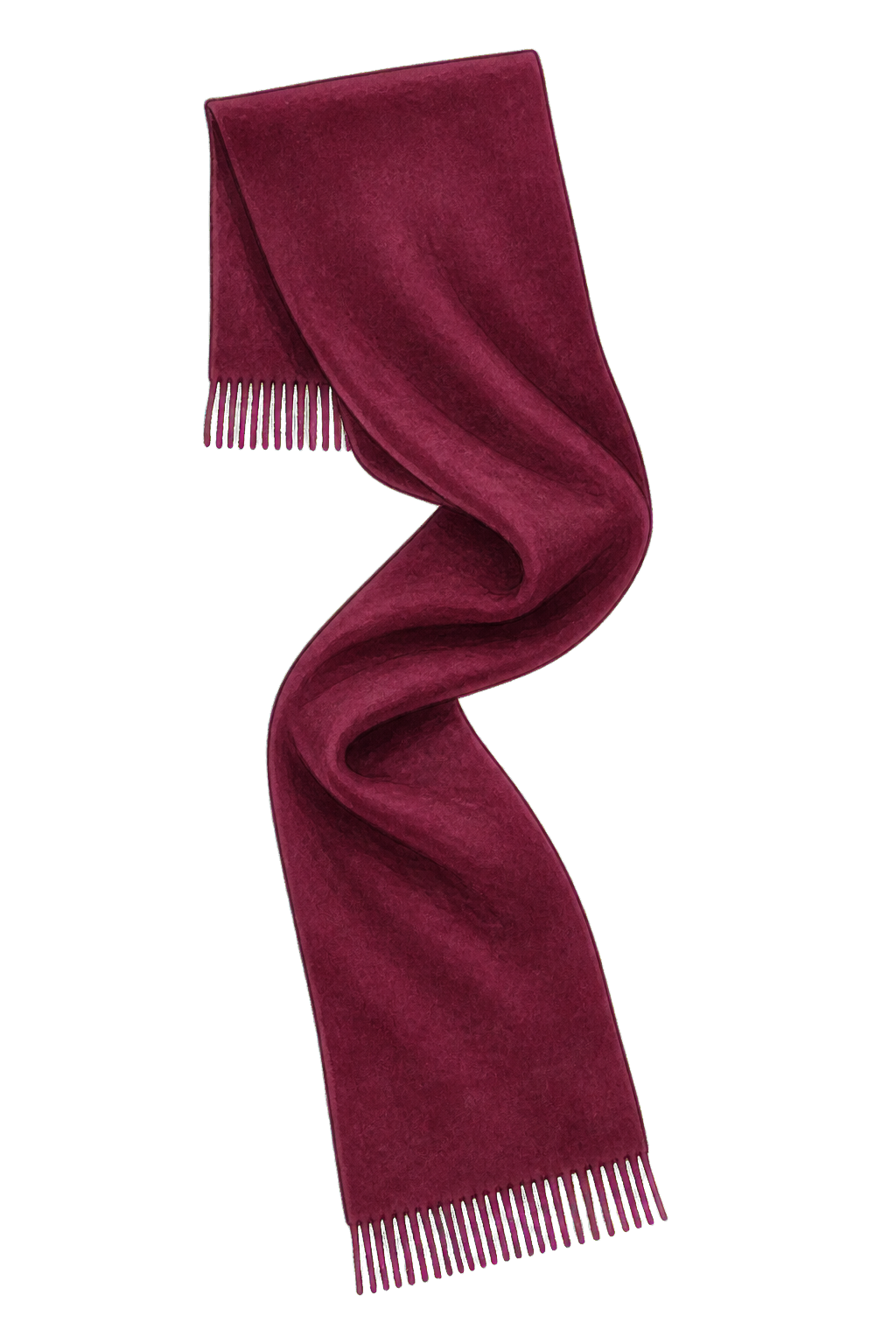 07Oxblood lambswool scarf, long enough to double-wrap
Dry cold is deceptive: without damp to make it bite, you underdress and only notice at the second market. A long lambswool scarf closes the gap at the collar where the heat you have layered for escapes. Oxblood picks up the Bohemian garnet the Old Town jewellers have traded in since the nineteenth century, and it lifts an outfit that is otherwise charcoal, plum and black.
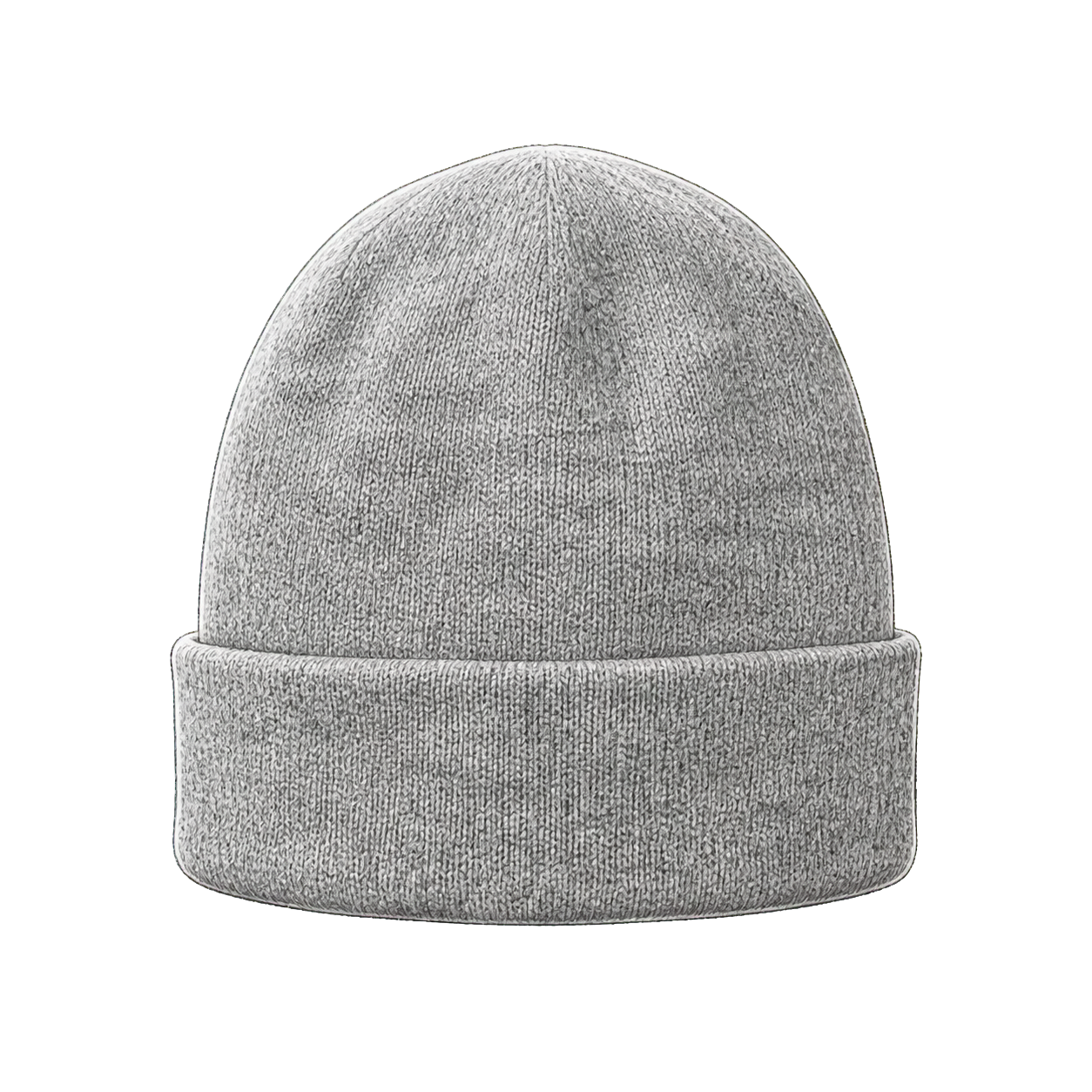 08Fine-gauge wool beanie with a folded brim, covering the ears
The monthly mean is 0.4°C / 33°F, which means Prague spends most of December hovering at freezing rather than dipping there overnight. Ears are the first thing to hurt at that temperature and the folded brim doubles the wool exactly where it matters. Fine gauge rather than a loose cable, because an open stitch passes wind straight through and Prague's is channelled hard down the river between Malá Strana and the Old Town.
Day to night
Oatmeal merino base · ivory lambswool knit · plum shacket · black wide-leg trousers · lined lug-sole boots · charcoal overcoat. Prague Castle at opening before the coaches arrive, down Nerudova, across the Charles Bridge while the light is still flat.
Same three layers, scarf doubled, beanie on. Old Town Square from four, svařák in a paper cup, and the walk back over glazed setts in the dark that arrived at 4:02pm.
A suggested look — charcoal wool overcoat, dark plum checked shacket, ivory lambswool crew-neck knit, black wide-leg trousers, black shearling-lined lug boots and oxblood wool scarf.
What to avoid
- One heavy coat with nothing under it — you cannot shed a layer indoors
- Smooth soles — polished setts glaze at a 0.4°C / 33°F monthly mean
- A hard shell as the outer layer — 6 wet days do not justify losing warmth
- Assuming Vienna's list transfers — Prague is colder and half as wet
- Booking only to December 26 — the markets run to January 6
- Loose cable hats — wind is channelled hard down the river valley
Frequently asked questions
Cold, and drier than most of Central Europe. The Czech Hydrometeorological Institute records an average December maximum of 2.8°C / 37°F, an average minimum of −2.2°C / 28°F, and a monthly mean of 0.4°C / 33°F, with 25.7mm of precipitation across about 6 days and 1.5 hours of sunshine a day. Those are the Ruzyně airport station's figures; Klementinum in the Old Town averages 4.8°C by day and 0.6°C at night. Prague sits at freezing for much of the month rather than dipping below it only at night. The dryness is the useful part: layering works properly here in a way it does not in a damp winter city.
Three thin layers under a wool coat rather than one heavy garment. A fine merino base layer, a heavy lambswool knit, a wool-blend shacket, and a below-knee charcoal overcoat, with pleated wide-leg wool trousers, a lined lug-sole boot, a long scarf and a fine-gauge beanie. Because Prague is dry, the air trapped between layers actually insulates, and you can shed one when you step into an overheated pub. The one thing worth spending on is the boot sole.
The main markets on Old Town Square and Wenceslas Square run daily from November 28, 2026 through January 6, 2027, roughly 10:00 to 22:00. That January 6 close, Epiphany, is eleven days later than Vienna's December 26 and is the detail most guides get wrong. It means the first week of January is still full market season in Prague, with markedly thinner crowds and lower accommodation rates than the fortnight before Christmas.
Colder and much drier, which changes the packing list rather than just the thermometer. CHMI puts Prague at 2.8°C / 37°F by day and −2.2°C / 28°F at night against Vienna's 4°C / 39°F and −0.4°C, and Prague gets 25.7mm of precipitation across 6 days where Vienna gets 47mm across 9. Vienna's damp rewards coat length and waterproofing; Prague's dry cold rewards layering and sole grip. Prague's markets also run to January 6, eleven days past Vienna's Rathausplatz market.
They deserve genuine respect, and the problem is ice rather than snow. Much of the Old Town network was laid under Charles IV from 1357 and centuries of foot traffic have polished the setts smooth, so when meltwater refreezes at a 0.4°C / 33°F mean the surface glazes rather than turning to slush. Staroměstské náměstí and the approaches to the Charles Bridge are the worst of it. A deeply cut, squared lug sole bites where a rounded lug or a smooth leather sole slides.
About 8 hours 5 minutes at mid-month, with sunrise near 7:58am and sunset near 4:02pm, and only 1.5 hours of that is actual sunshine rather than overcast daylight. Prague sits slightly further north than Vienna and loses a little more daylight as a result. Plan the Castle, Petřín and any walking for the morning; the markets, the concert halls and the pubs carry the afternoon and evening, and Old Town Square is better after dark anyway.
Yes, and the January window is the underrated part. The markets run to January 6, the dry cold is more comfortable than a damp 5°C / 41°F elsewhere, and the concert programme is at full strength. The tradeoffs are daylight and crowds: Old Town Square in the fortnight before Christmas is genuinely packed. Go in the first week of December or the first week of January and you get the same market with room to move.
Sources
- ČHMÚ — 1991–2020 climate normals, Praha-Ruzyně station