What to Wear in Vienna in December
Vienna in December: 3.8°C / 39°F days, −1.8°C / 29°F nights, 1.5 hours of sun, and a 3:56pm sunset — the earliest of any capital on Central European Time.
- Dress for standing still — markets are stationary, and active-cold layering fails
- A full-length coat — the market problem is your legs, not your torso
- Gloves thin enough to hold a Glühwein mug and take a card out
- A dense wool hat — 1.5 hours of sun a day means the cold never lifts
- Waterproof lug soles — Innere Stadt cobbles turn to slush and refreeze
- Plan the outdoor hours before 3pm and let the coffeehouses take the evening
- A walking-cold coat — you will be stationary for two hours at a stall
- Open crochet or cable hats — wind goes straight through the stitch
- Smooth soles — refrozen slush on cobblestone is the December hazard
- Outdoor sightseeing after 3pm — the sun is gone by 3:56pm
- Assuming Vienna reads like Paris — it dresses darker and more formally
Vienna in December is a standing-still city, and that single fact reorganises the whole capsule. GeoSphere Austria's Hohe Warte normals put the December maximum at 3.8°C / 39°F and the minimum at −1.8°C / 29°F, with 45mm of precipitation across 9 days and just 1.5 hours of sunshine a day. Those numbers are mild next to Stockholm. They are not mild when you spend two hours at a Glühwein stall on Rathausplatz without taking a step, because layering that works while you walk stops working the moment you stop generating heat. The second number that matters is the clock. Vienna sits 14 degrees east of Paris on the same Central European Time, so the sun sets at 3:56pm rather than 4:55pm, and the city is dark before most visitors have finished lunch.
Every other winter city asks how well you walk in the cold. Vienna asks how long you can stand in it.
The capsule
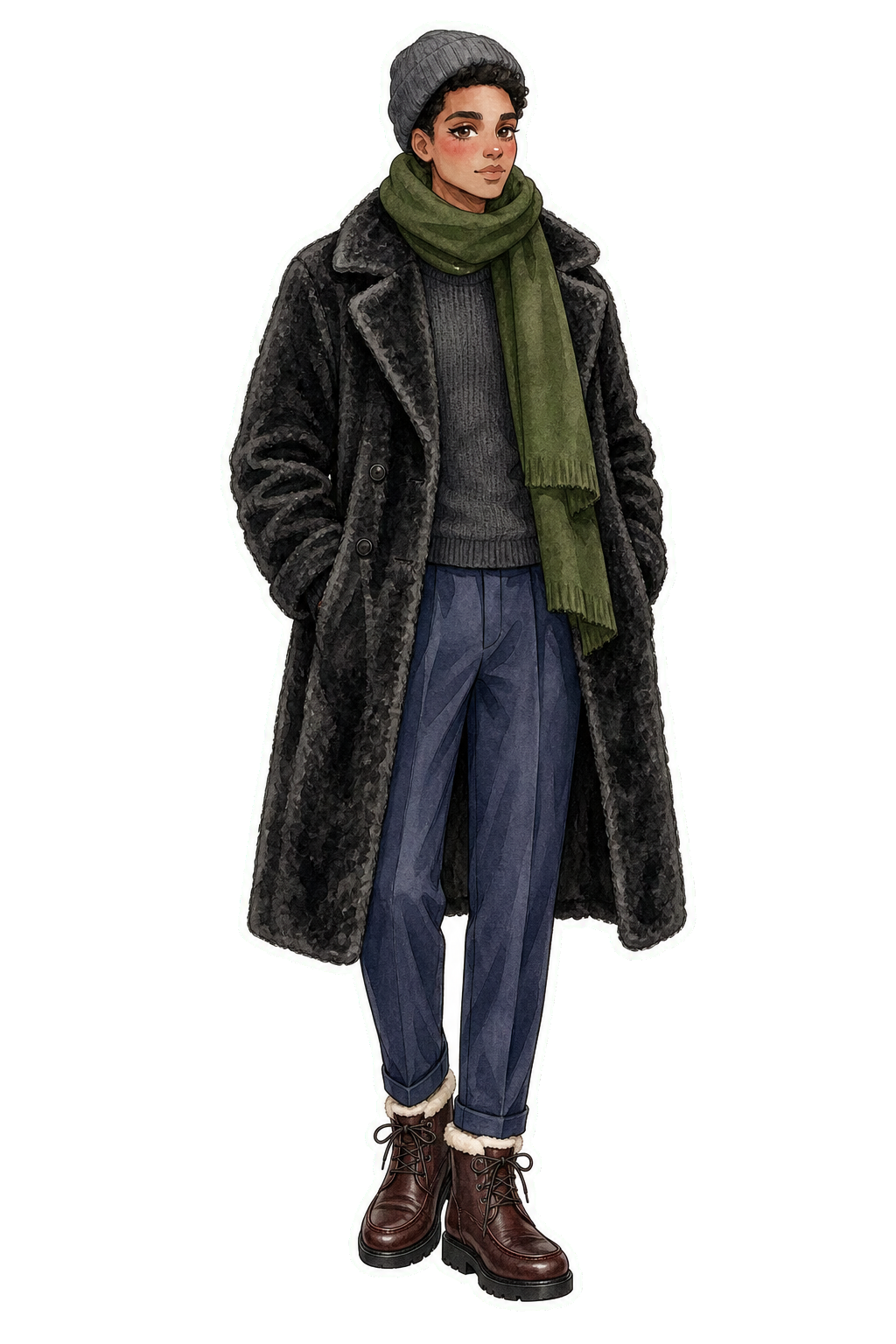
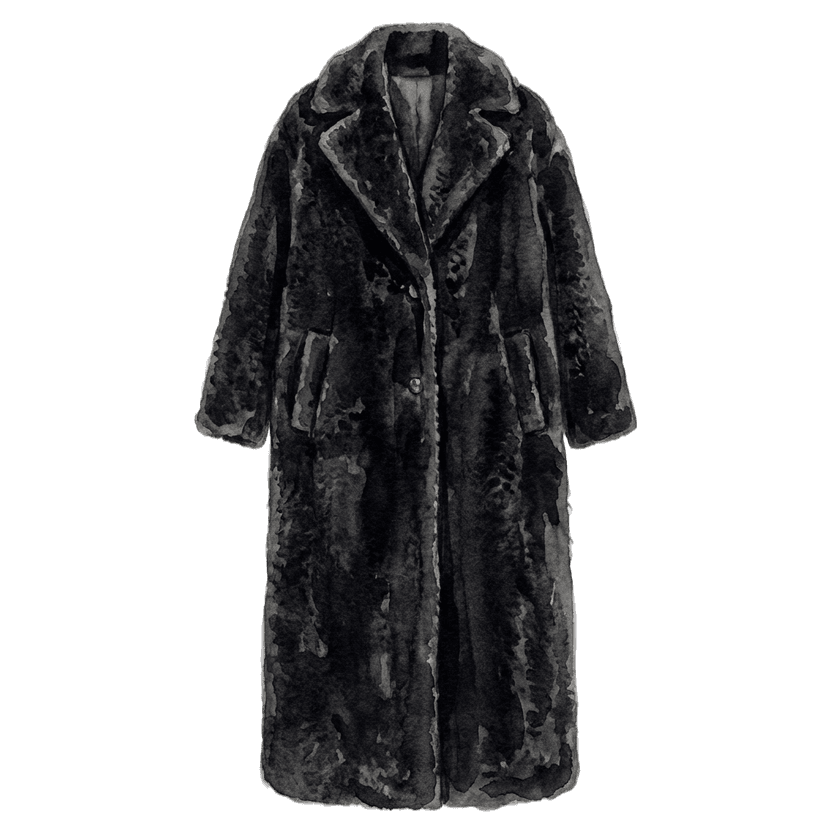 01Full-length black teddy or shearling-pile coat, notch lapel
Length is the whole argument. A hip-length coat leaves your thighs exposed for the two hours you stand at a market stall, and that is where you lose heat fastest once you stop walking. Pile fabrics trap more still air than a flat-woven loden, which matters when your body is not generating any. Black over camel here, because Vienna's December palette runs dark and a light coat picks up Glühwein and Punsch spatter within an evening.
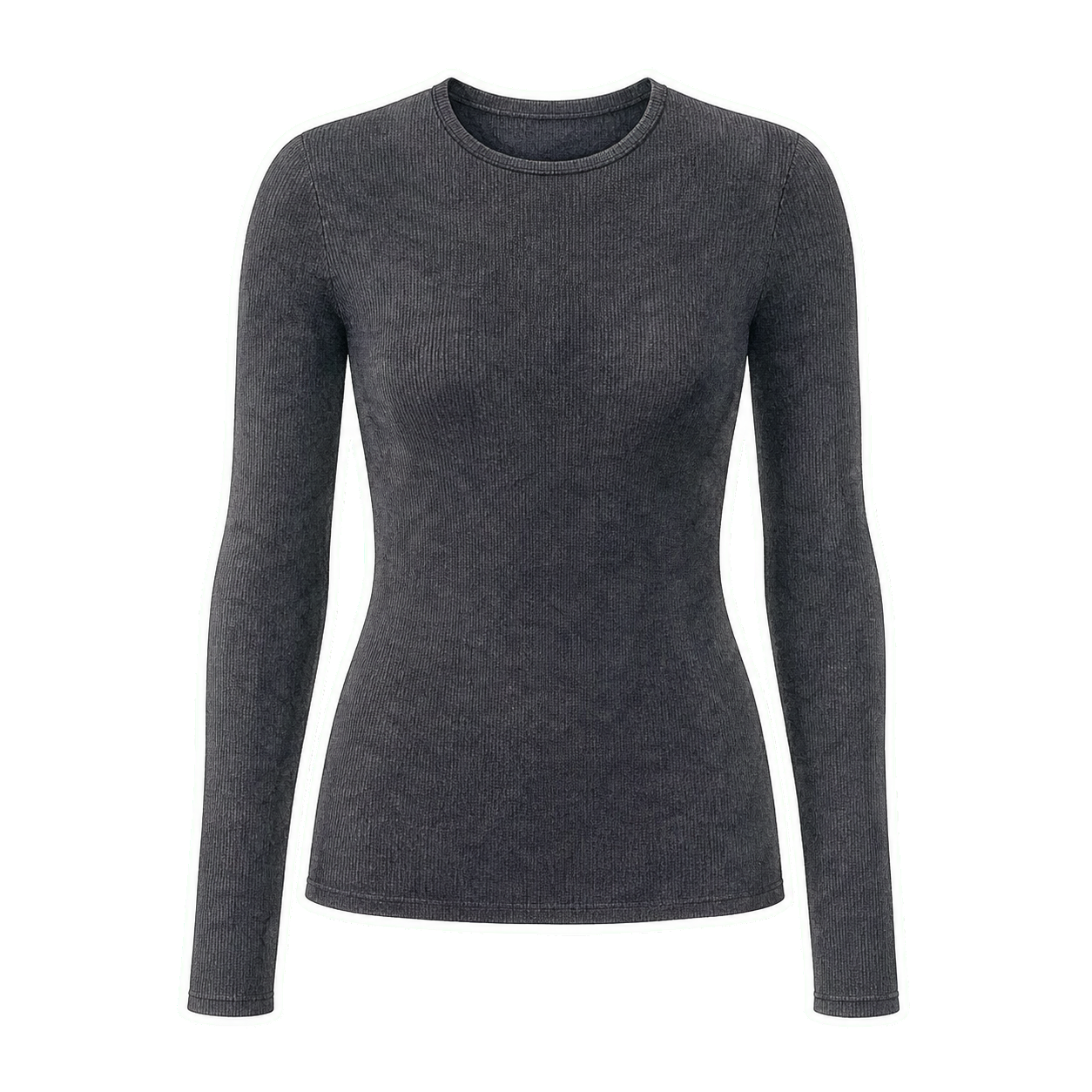 02Fine merino base layer, long-sleeve, charcoal
The layer that does the standing-still work. Merino holds warmth when you are stationary and keeps it after you have been sweating in an overheated tram, which cotton does not. Fine-gauge so it disappears under a knit and a coat without adding bulk at the shoulder. This is the piece most visitors leave at home and the one that decides whether the market is pleasant or endured.
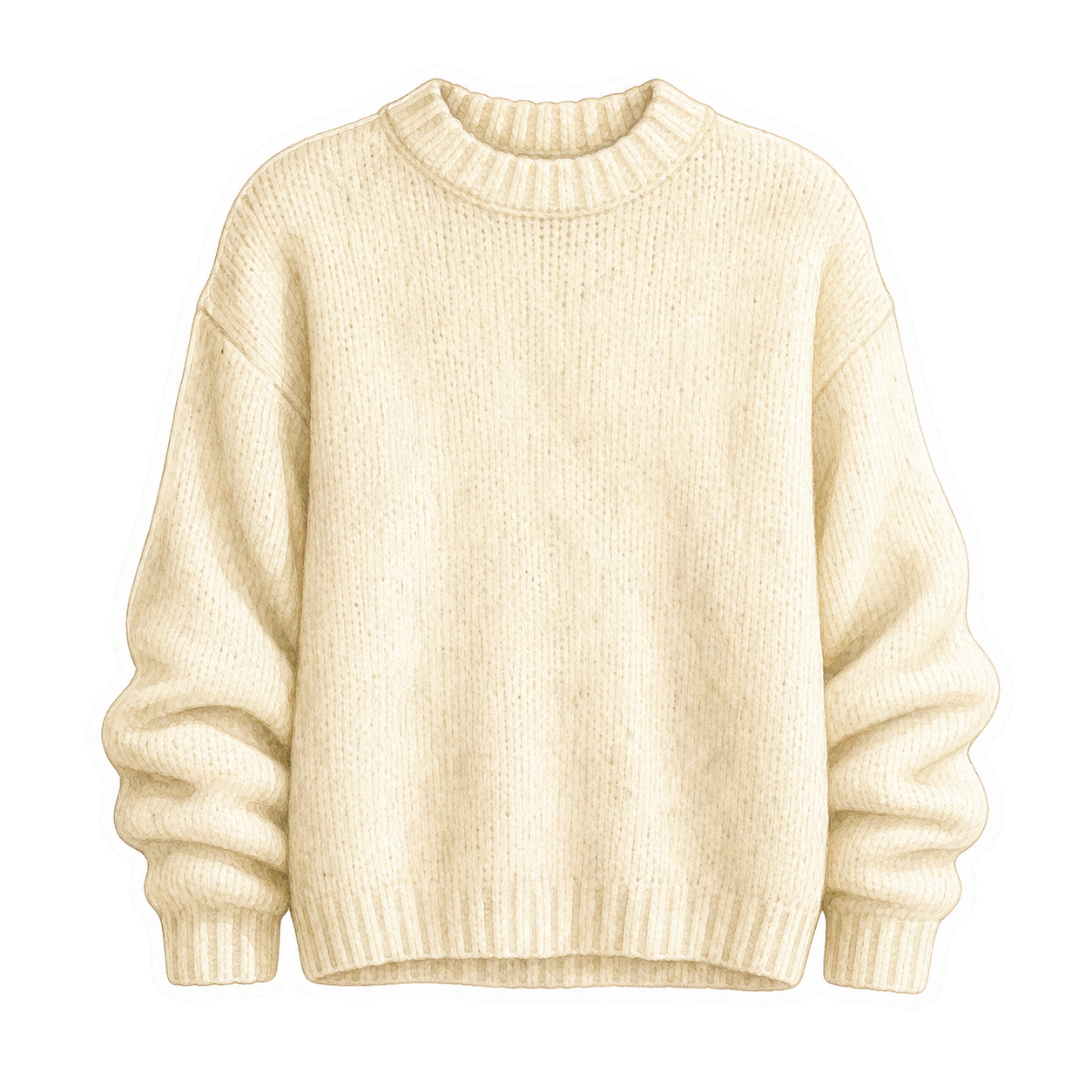 03Heavy-gauge wool knit in charcoal or oatmeal, crew neck
The mid-layer between the base and the coat. Heavy-gauge rather than fine, because it is doing insulation rather than shape, and it needs to work on its own inside a coffeehouse where you will sit for an hour with the coat over the chair. Charcoal and oatmeal both sit in the stone-and-navy register Vienna actually wears, and neither shows a Sachertorte crumb.
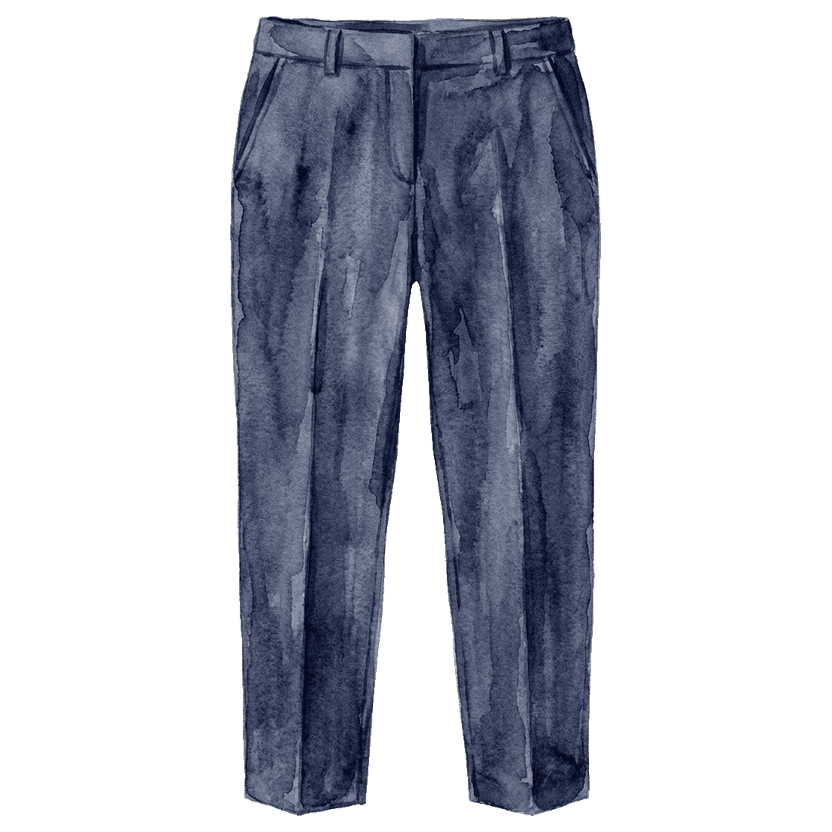 04Slate navy pleated tailored trousers, centre crease, tapered
Vienna dresses more formally than most European capitals and a tailored trouser clears every room you will enter, from the Kunsthistorisches to a Heuriger. Pleated and relaxed through the thigh so a thermal layer fits underneath without pulling. Tapered at the ankle to clear slush. Slate navy over black, because it reads less severe against a black coat and hides salt stains from the gritted pavement.
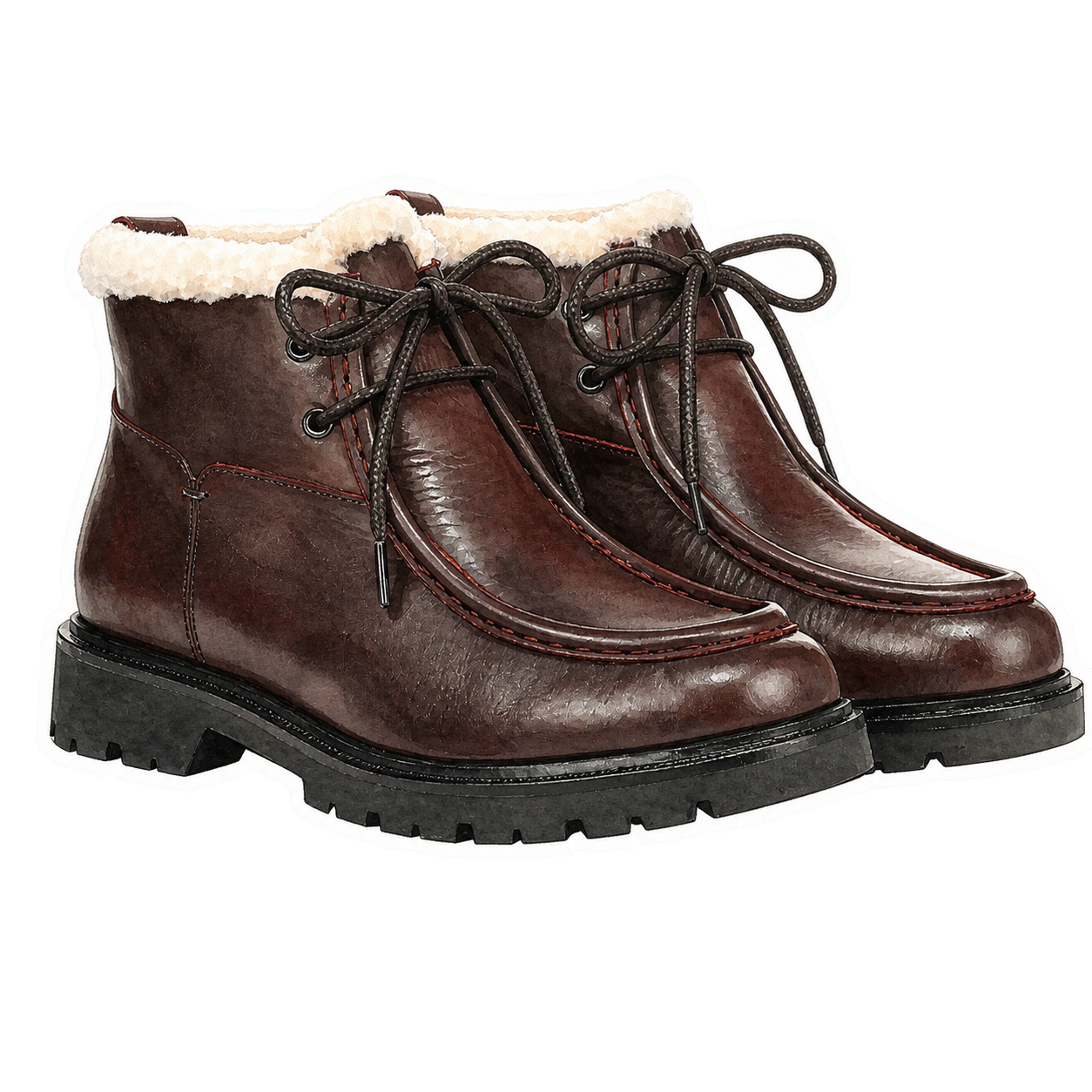 05Waterproof lug-sole ankle boot, dark leather, shearling-lined
Vienna's December hazard is not snow but the freeze-thaw cycle: 9 wet days at temperatures either side of zero means the Innere Stadt cobbles hold meltwater by afternoon and refreeze by evening. A lug sole grips refrozen slush where a smooth leather sole slides and a block heel catches between stones. Lined, because the ground conducts heat away from you faster than the air does when you are standing still.
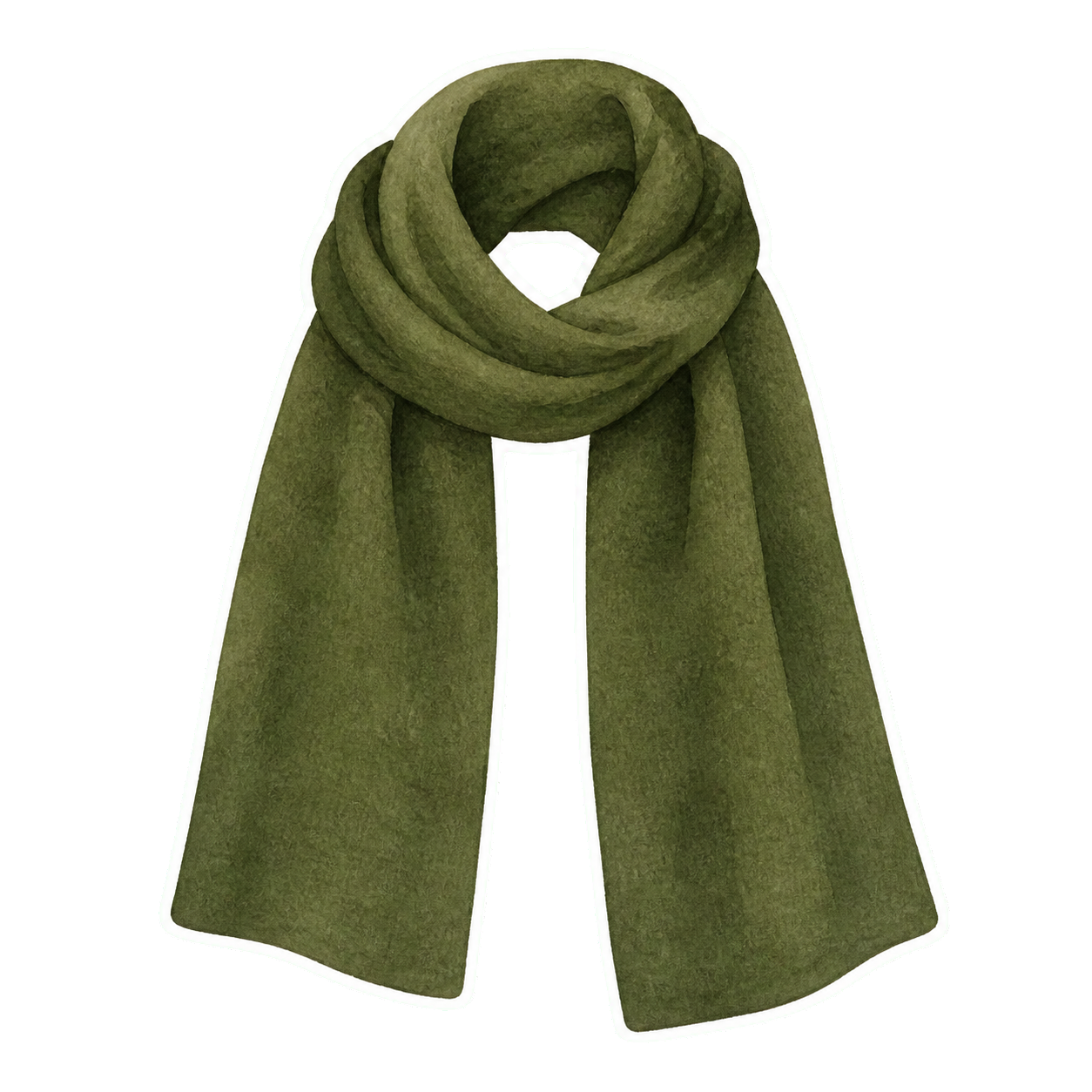 06Heavy wool scarf in loden green, long enough to double-wrap
The cheapest warmth in the bag and the fastest to shed inside a tram. Long enough to wrap twice and still cover the chin, because the gap between a scarf and a coat collar is where the wind off the Danube Canal finds you. Loden green is Vienna's own colour, the boiled wool that Loden-Plankl has cut on Michaelerplatz since 1830, and it lifts an otherwise black outfit without brightening it.
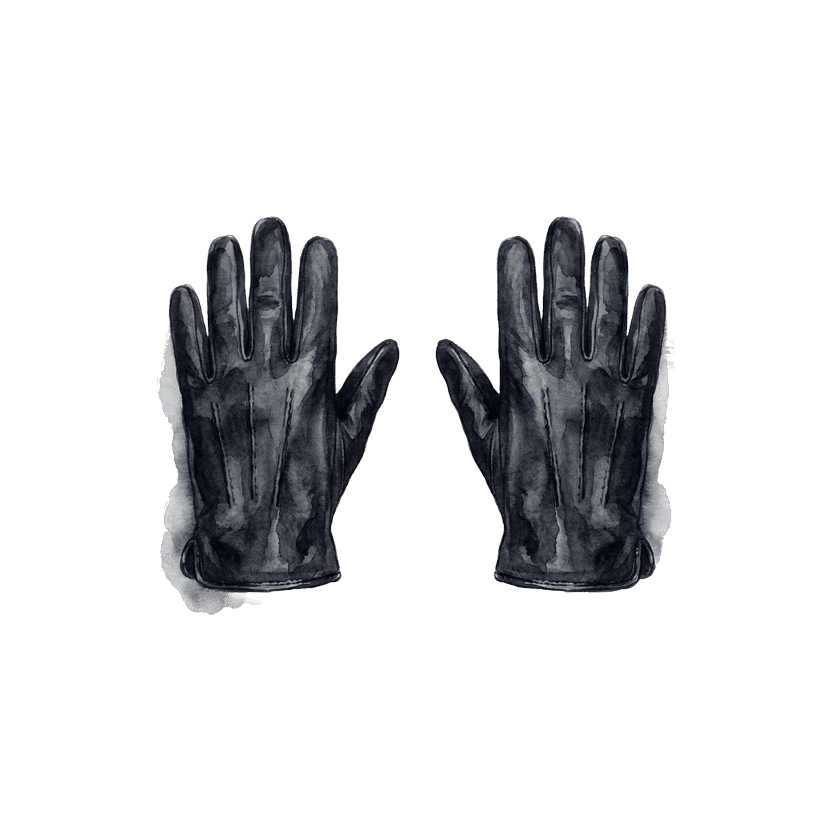 07Black leather gloves, unbulky, cashmere-lined
The specific Vienna problem. Market Glühwein is served in a real ceramic mug against a deposit, so you are holding something hot and heavy while paying, and a ski mitten makes that clumsy. Leather is thin enough to grip a mug, hold a card and keep your fingers usable; buy the cashmere-lined version rather than the unlined dress glove, which looks correct and fails below freezing. Black, and Vienna wears them all day, not only outdoors.
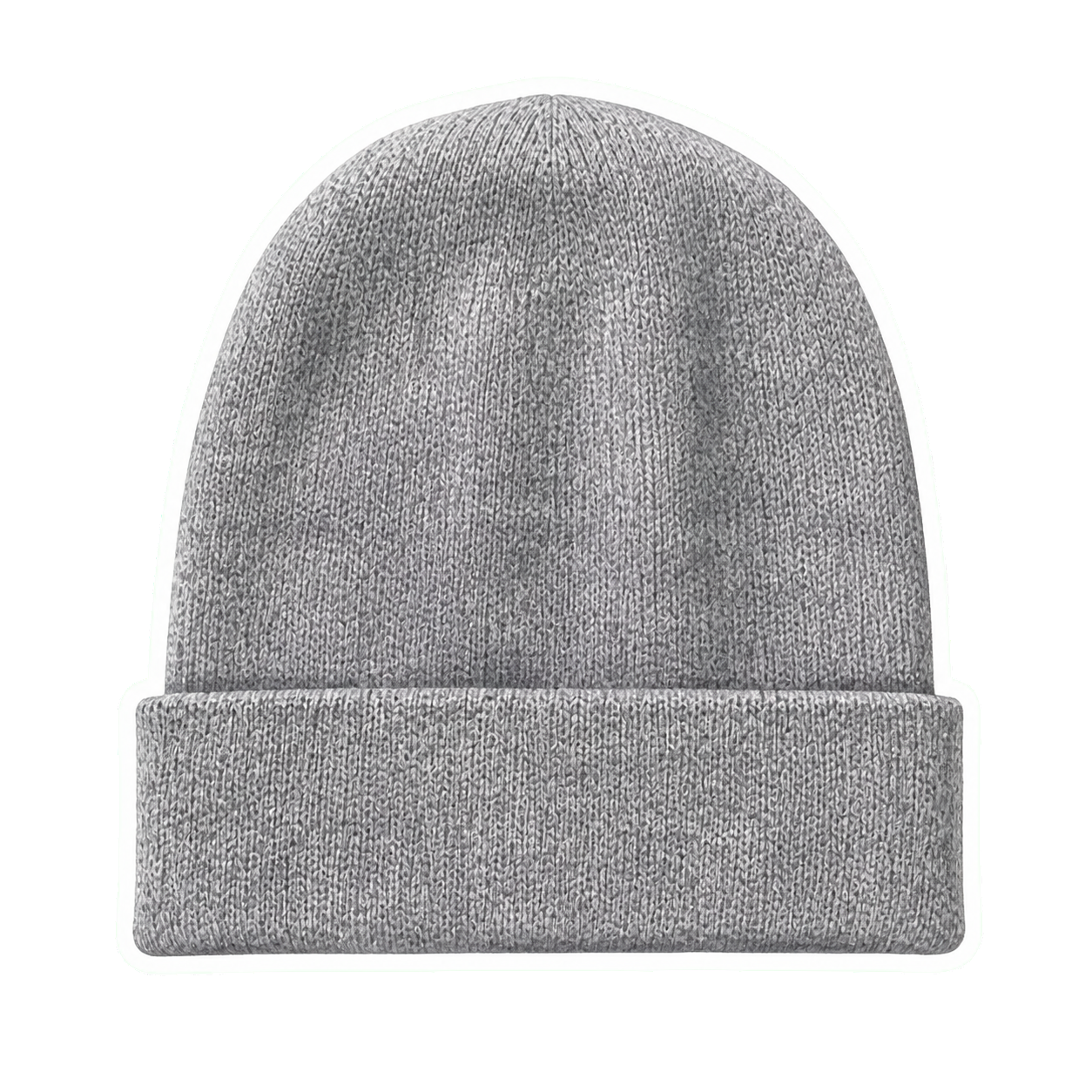 08Dense-knit wool beanie, fine gauge, charcoal
Dense is the operative word. An open crochet or loose cable stitch looks warm and passes wind straight through, which you notice within twenty minutes of standing still at −1.8°C / 29°F. Fine-gauge merino or lambswool, close to the head, covering the ears. Vienna wears a beanie or nothing rather than the beret that reads Paris, and with 1.5 hours of sun a day the cold never lifts enough to carry it in a pocket.
Day to night
Merino base · heavy charcoal knit · slate navy trousers · lined lug-sole boots · loden scarf · teddy coat · leather gloves. The Kunsthistorisches at opening, Demel or Café Central at eleven, the Hofburg and Graben while the light holds.
Same layers, hat on, scarf doubled. Rathausplatz or Spittelberg from four, a ceramic mug of Glühwein, two hours standing, and a tram home in the dark that started at 3:56pm.
A suggested look — full-length black teddy coat, charcoal wool crew-neck knit, slate navy pleated trousers, dark brown shearling-lined lug boots, loden green wool scarf and charcoal wool beanie.
What to avoid
- A walking-cold coat — the markets are stationary, and heat stops being generated
- Open crochet or loose cable hats — wind passes straight through the stitch
- Smooth soles — 9 wet days either side of freezing means refrozen cobbles
- Outdoor plans after 3pm — sunset is 3:56pm, with 1.5 hours of sun a day
- Dressing Vienna like Paris — darker, more formal, less styled
- Assuming every market closes on the same night — the dates differ by up to a week
Frequently asked questions
Cold, damp and very dark. GeoSphere Austria's Hohe Warte station records an average December maximum of 3.8°C / 39°F and an average minimum of −1.8°C / 29°F, with 45mm of precipitation across about 9 days and a monthly mean near 1°C / 34°F. Sunshine averages just 1.5 hours a day. The number that catches people out is not the temperature but the standing: two hours at a Christmas market without walking feels far colder than a 3.8°C / 39°F reading suggests.
Dress for standing still, not for walking. A full-length coat rather than a hip-length one, a merino base layer under a heavy knit, lined waterproof boots with a lug sole, a dense wool hat, and leather gloves thin enough to hold a Glühwein mug and hand over a card. The markets are stationary evenings at −1.8°C / 29°F, and the layering that keeps you warm on a brisk walk through the Innere Stadt stops working within twenty minutes once you stop moving.
Most open in the second half of November and the closing dates differ, which is the part worth checking before you book. The Rathausplatz Christkindlmarkt, the largest, runs to December 26. Several smaller markets — Spittelberg, Am Hof, Freyung — close on December 23. A few, including the Karlsplatz art market and parts of the Schönbrunn market, continue into Silvester and early January programming. Confirm the specific market's dates rather than assuming a single citywide close.
Shorter than the time zone suggests. Sunset is about 3:56pm in mid-December and sunrise about 7:41am, giving roughly 8h 20m of daylight, and only 1.5 hours of that is actual sunshine. Vienna sits roughly 14 degrees of longitude east of Paris but keeps the same Central European Time, so the sun sets there nearly an hour earlier than it does in Paris on the identical clock. Plan the Belvedere, the Hofburg and any walking for the morning, and let the coffeehouses and the markets carry the afternoon and evening.
Darker and more formal than most of Europe. The everyday register is a long wool or loden coat in black, charcoal or loden green, a heavy knit, tailored trousers or a wool skirt with opaque tights, and a leather boot. Loden itself is local rather than costume: Loden-Plankl has cut the boiled wool on Michaelerplatz since 1830 and it turns up in ordinary modern coats across the Innere Stadt. Leather gloves are worn all day. Bright colour and visible logos both stand out here in a way they do not in Berlin.
Yes, provided you accept a 3:56pm sunset. The Christkindlmärkte are the reason to come and Vienna's are among the oldest in Europe. The museum programme is at full strength and far less crowded than summer, the Staatsoper season is running, and the coffeehouse culture — inscribed on UNESCO's list of Intangible Cultural Heritage in 2011 — is genuinely at its best when it is 3.8°C / 39°F outside. The tradeoff is daylight and damp rather than severe cold.
Colder, darker and dressier. Météo-France puts Paris at 8°C / 46°F by day and 4°C / 39°F at night against Vienna's 3.8°C / 39°F and −1.8°C / 29°F, so Vienna sits roughly four degrees below Paris at both ends and crosses freezing overnight where Paris usually does not. Vienna is also dark an hour earlier on the same clock. The practical difference is the coat: Paris rewards a tailored below-knee wool overcoat, while Vienna's stationary market evenings reward length and loft over line.
Sources
- GeoSphere Austria (formerly ZAMG) — 1991–2020 climate normals, Hohe Warte station