What to Wear with Camel
The single neutral that reads warmer than gray, quieter than tan, and richer than beige — the editor coat color since the 1970s.
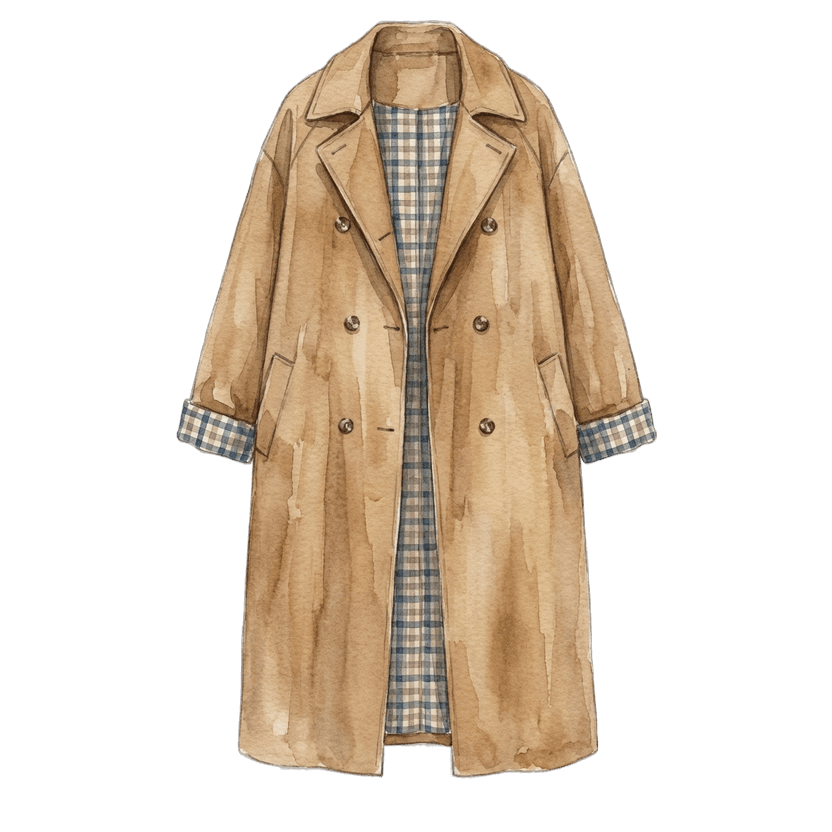
Camel is the editor coat color since the 1970s — Yves Saint Laurent paired it with black through his 1970s ready-to-wear, Phoebe Philo's 2010 Celine camel coat defined a decade, and Max Mara's 101801 has been in continuous production since 1981.
- Cream or oat top — the warm-on-warm tonal that the Loro Piana lookbooks have run since 2014
- White shirt or tee — the cleanest contrast, photographs sharp under daylight
- Black trousers or black knit underneath — the YSL 1970s palette, the most-photographed combination in editorial
- Navy as second outer layer or scarf — second-most-cited editor pairing after camel + black
- Chocolate brown or oxblood at the foot — break the warmth with a darker shoe
- Hand-wash camel cashmere or specialty dry-clean — Loro Piana's care guide is explicit
- Don't pair camel with light gray — the combination reads flat and dated
- Don't pair with pastels (lavender, blush, mint) — washes out both colors
- Don't mix camel with other warm tans (rust, mustard, ochre) — they fight
Camel cloth was traded along the Silk Road for centuries before it became fashion — the fiber comes from the Bactrian camel and was woven in Iran and Mongolia for warmth, with no fashion identity until British military tailors began using camel-hair gabardine in the late 19th century. Burberry's trench coat (1879) was the first major civilian use; the silhouette became permanent. Max Mara introduced the 101801 coat in 1981 — a double-breasted, knee-length camel coat that has been in continuous production for over forty years and remains the single most-copied coat silhouette in fashion. Yves Saint Laurent paired camel and black across his 1970s ready-to-wear collections, photographed by Helmut Newton for French Vogue. Phoebe Philo's autumn 2010 collection at Celine featured a long camel coat that defined a decade of minimalist outerwear and was photographed on Lauren Hutton, Inès de la Fressange, and the entire Celine press cycle of 2011–2015. The throughline: camel is a quiet color that reads expensive. The risks are pairing it with light gray (the combination flattens), with pastels (washes both colors out), or buying poor-quality camel that reads orange-brown rather than gold-warm. The fixes are dark contrast (black, navy, chocolate) and investing in actual cashmere or wool rather than synthetic blends.
Max Mara's 101801 camel coat has been in continuous production since 1981 — the most-copied coat silhouette in fashion, and the single piece most often cited as the heritage of every camel coat that followed.— Max Mara archive, on the 101801 silhouette
Wear it with
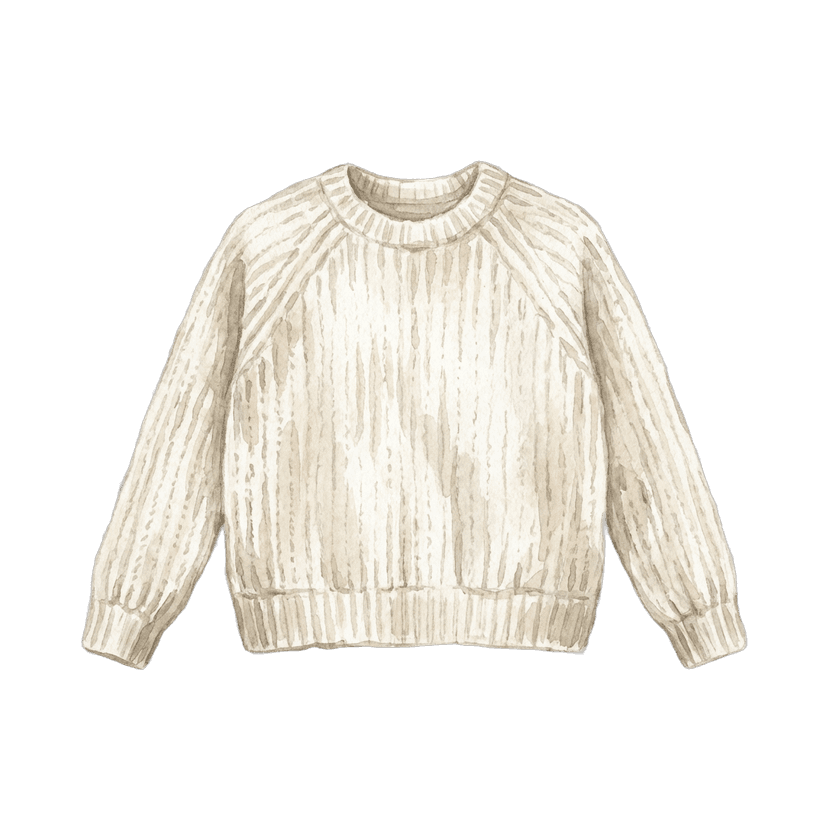 01Cream chunky knit or oat cashmere — warm tonal
The Loro Piana lookbook formula since 2014. Cream and camel are both warm tones; pairing them creates a tonal column that reads expensive without going monochromatic. The contrast is subtle (half a shade) but enough to keep the silhouette legible. The Row's Sallow cashmere, Toteme's chunky cream knit, or Loro Piana's Roadster cashmere are the heritage tier; Uniqlo cashmere or Quince cashmere clear the same register at the under-$200 price point.
 02White button-down or crisp white tee
The cleanest contrast against camel and the most photographed combination on Inès de la Fressange across her four-decade public career. White reads sharper than cream under daylight; the contrast is high enough to photograph cleanly in news shots and Sunday paper editorial. Skip pure-white t-shirts that have yellowed (the contrast collapses); a fresh-cut Brooks Brothers oxford or a new white tee from Sunspel or COS clears the register.
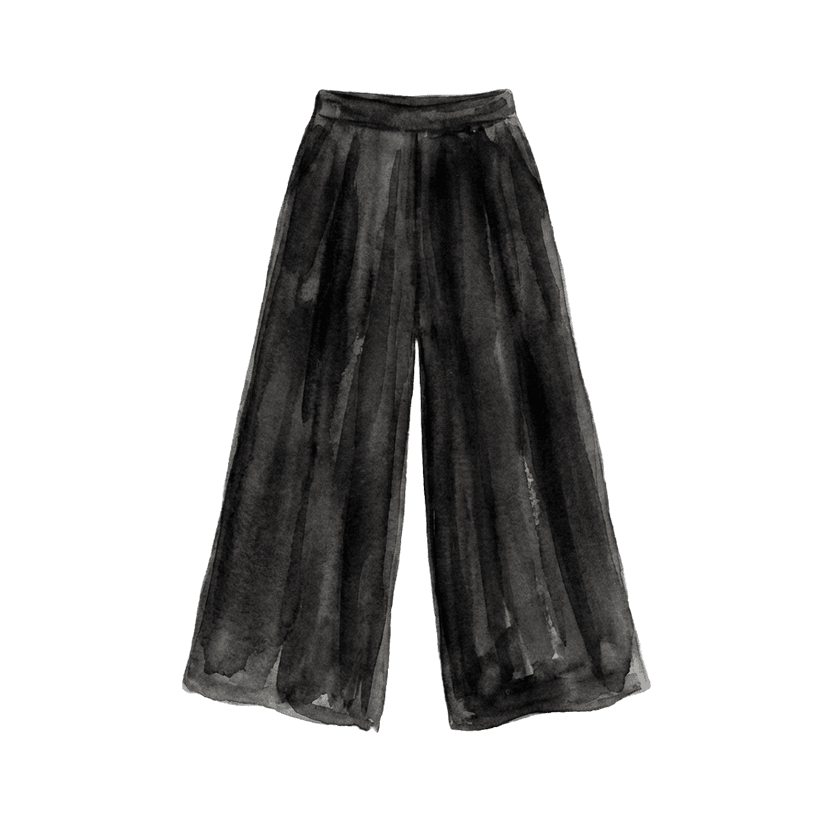 03Black trousers or black knit underneath
The YSL 1970s palette, photographed by Helmut Newton across multiple French Vogue editorials. Camel coat over black trousers and a black knit is the most-cited editor combination since the mid-1970s and the silhouette Phoebe Philo built her 2010s Celine on. Black anchors the warmth of the camel and creates the highest contrast available without leaving the neutral palette. Wide-leg or straight-cut black trousers; skinny is the only silhouette currently dated.
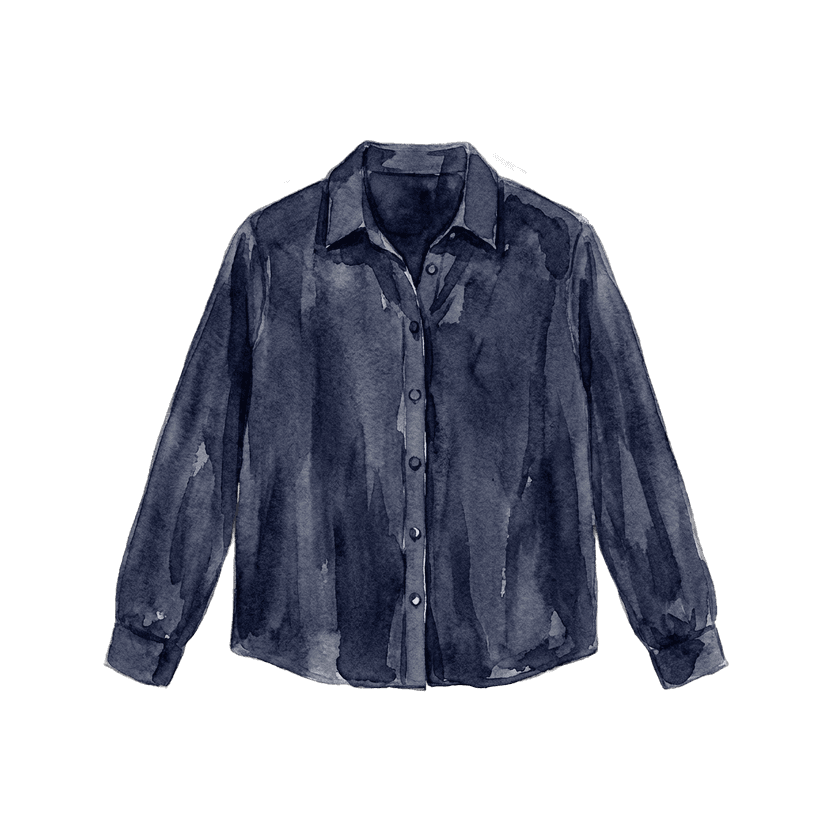 04Navy as second layer or scarf
The second-most-cited editor pairing after camel + black. Navy and camel both read warmer than gray and create the considered three-color (with cream or white) palette that The Row, Toteme, and Khaite have rotated through every fall collection since 2014. A navy crewneck under a camel coat, or a navy wool scarf over a camel knit, lifts the outfit without competing with the camel. Skip cool navy (more black than blue) — the warm navy holds the palette together.
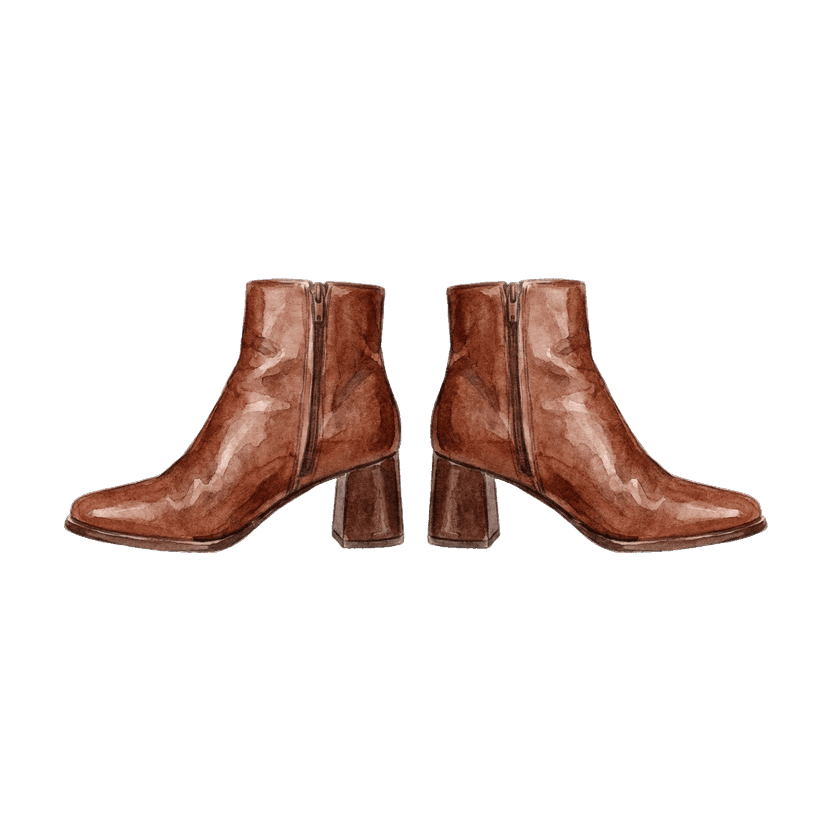 05Chocolate brown ankle boots or oxblood loafers
Break the warmth at the foot with a darker shoe. Camel + tan + brown anywhere on the body reads tonal-flat and ages by ten years; a chocolate or oxblood shoe at the floor anchors the outfit and creates the visual interest the camel-on-camel column lacks. J.M. Weston in chocolate suede, R.M. Williams in chocolate leather, or oxblood loafers from G.H. Bass or Stuart Weitzman all clear the register. Skip cognac with camel — the two warm tones compete for attention.
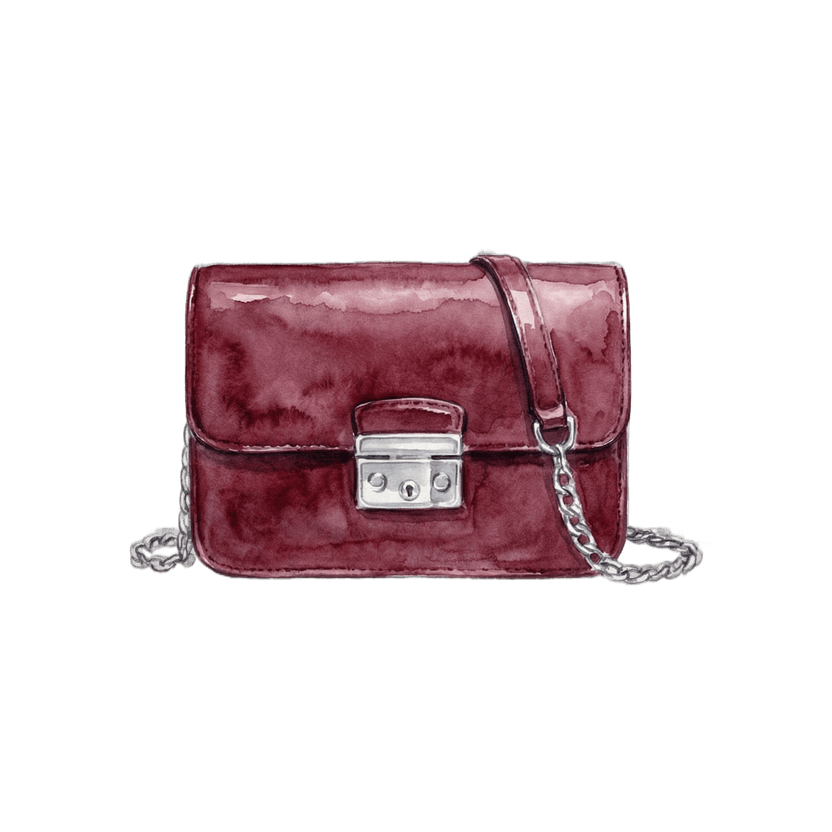 06Burgundy or oxblood as a single accent
The only saturated color that reads richer than camel without competing. A burgundy bag, an oxblood scarf, or a deep red lipstick is enough — three or more saturated pieces flips the outfit into costume. The combination has been a Burberry, Aquascutum, and Loewe reference since the 1980s and is the single saturated accent Loro Piana places in their photoshoots. Skip bright red (competes with the camel) and pink (clashes with the warmth).
Dressing rules
Camel clears smart-casual, business-casual, and creative-office without question. A camel coat over almost any base outfit lifts the register one step toward considered, which is why fashion editors and architecture directors have worn essentially the same camel coat over jeans + tee for thirty years. Camel does not clear black-tie (the color reads daytime by convention) or strict business-formal in legal or financial industries (which still expect navy or gray wool overcoats). For weddings, camel coats over a guest outfit are acceptable at every register below black-tie per The Knot's wedding-guest etiquette and read more interesting than the standard black coat. The single rule across every dress code: choose actual camel cashmere or wool over polyester blends — synthetic camel reads orange-brown under indoor light and the silhouette ages by ten years. Max Mara's 101801, Loro Piana's outerwear, The Row's camel coat, or Toteme's signature camel are the heritage tier; Cuyana, Aritzia's Babaton line, and J.Crew's Cocoon coat clear the same register at lower price points.
What to avoid
- Camel + light gray — the combination reads flat and dated
- Camel + pastels (lavender, blush, mint) — washes out both colors
- Camel + rust, mustard, or ochre — the warm-on-warm reads costume
- Synthetic camel polyester blends — reads orange-brown under indoor light
- Standard dry-cleaning for camel cashmere — Loro Piana: hand-wash or specialty only
Frequently asked questions
The reliable list: cream, white, black, navy, chocolate brown, and oxblood as a single accent. The classic editor combination is camel coat + black trousers + black knit, photographed across forty years of Vogue Paris and Helmut Newton's editorials. For a softer register, swap black for cream or white. For evening, add an oxblood scarf or burgundy bag as a single saturated accent. Skip light gray, pastels, and rust against camel — all three either flatten the camel or fight it.
Yes, if you buy actual camel cashmere or wool rather than synthetic blends. A Max Mara 101801 (current production), Loro Piana storm-system coat, or The Row's camel hold their silhouette and color for 10–15 years of regular wear. Polyester or acrylic camel blends fade to orange-brown within two seasons. The math: a $1,500 camel cashmere coat worn ten years is $150/year; a $200 acrylic coat replaced every two seasons is $200/year and never reads expensive. For one investment piece, choose camel coat over almost any other category.
Camel is a warm gold-brown shade named after the natural camel-hair fiber color. Tan is lighter and yellower than camel — closer to wheat than gold. Beige is the lightest and least saturated — a near-cream with a faint warm tint. In a wardrobe, camel reads richest and most expensive; tan reads warmer and more casual; beige reads softer and pairs with pastels in ways camel does not. The 101801 Max Mara coat is the platonic camel; J.Crew Cocoon is closer to tan; Banana Republic's beige coat is the lighter shade. For one investment coat, choose camel over tan or beige.
Yes — camel is one of the most versatile outer layers because it neutralizes saturated tones underneath. A camel coat over a red dress, a green knit, or a printed shirt all read considered rather than busy, because the warm neutral cools any saturation it covers. The rule: keep the visible underlayer to one saturated color. Three saturated colors under a camel coat reads costume. The most-photographed example is Lauren Hutton in a camel coat over a navy or red base, photographed across her 1970s career.
Loro Piana's care guide is explicit and applies to most cashmere camel coats: hand-wash in cold water with a wool-safe detergent (The Laundress Wool & Cashmere Shampoo, or Eucalan), or specialty dry-clean by a tailor experienced in cashmere — not a standard chain dry-cleaner, which uses solvents that strip natural oils. Wash every 4–5 wears at most; spot-clean between full washes. Lay flat to dry, never hang wet (cashmere stretches under its own weight), and steam (don't iron) to refresh. A well-maintained camel cashmere coat holds its color and shape for 10–15 years.