What to Wear with Navy
The cleanest replacement for black — quieter, warmer in low light, and the editor uniform of the past forty years.
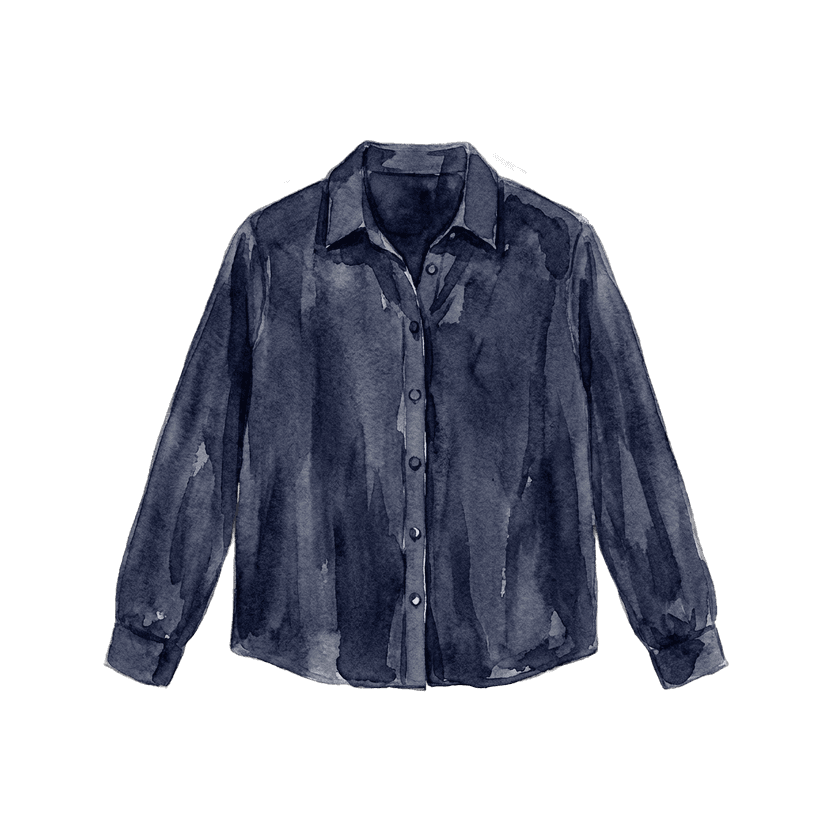
Navy is the cleanest replacement for black — quieter, warmer in low light, and the editor uniform Carolyn Bessette-Kennedy and Emmanuelle Alt both built reputations on.
- Cream or oat top — softens the coolness of the blue, the YSL 1970s palette
- White button-down — the Carolyn Bessette-Kennedy / Calvin Klein 1990s formula
- Camel or cognac at the foot or shoulder — warms the cool blue, the most-photographed neutral against navy
- Warm gray (taupe, stone) over cool gray — cool gray + navy reads dated
- Gold-tone jewelry over silver — gold pulls warmth into the cool blue
- Oxblood or burgundy as accent — the only saturated color that reads richer than navy without competing
- Don't pair navy with black for office — the two colors fight under indoor light
- Don't mix navy shades — slight tonal mismatch reads sloppy
- Don't pair with cool charcoal gray — reads bank teller, not editor
Navy was a uniform color first and a fashion color second. The British Royal Navy adopted dark blue officially in 1748; the US Navy followed in 1845. Civilian adoption came through prep schools in the early 20th century and through Yves Saint Laurent's autumn 1962 ready-to-wear, where a navy double-breasted blazer entered the women's wardrobe for the first time outside school uniforms. The 1990s reference is Carolyn Bessette-Kennedy in Calvin Klein: a navy blazer over a white shirt and a slim navy trouser, paired with no jewelry beyond a gold band — the photograph by Robert Erdmann is held in the Calvin Klein archive. The Row, Toteme, and Khaite have all rotated navy through every collection since the mid-2010s. The throughline: navy reads as quiet authority. Where black reads severe and gray reads neutral, navy reads considered. The risks are pairing it with black under poor light (they fight), with cool gray (the combination ages a wardrobe by twenty years), and with mismatched navy shades. The fixes are warm tones — cream, camel, gold, oxblood — and a single navy shade across any one outfit.
Yves Saint Laurent's autumn 1962 ready-to-wear was the first time a navy blazer entered the women's wardrobe outside school uniforms — the moment navy became a fashion color, not a uniform color.
Wear it with
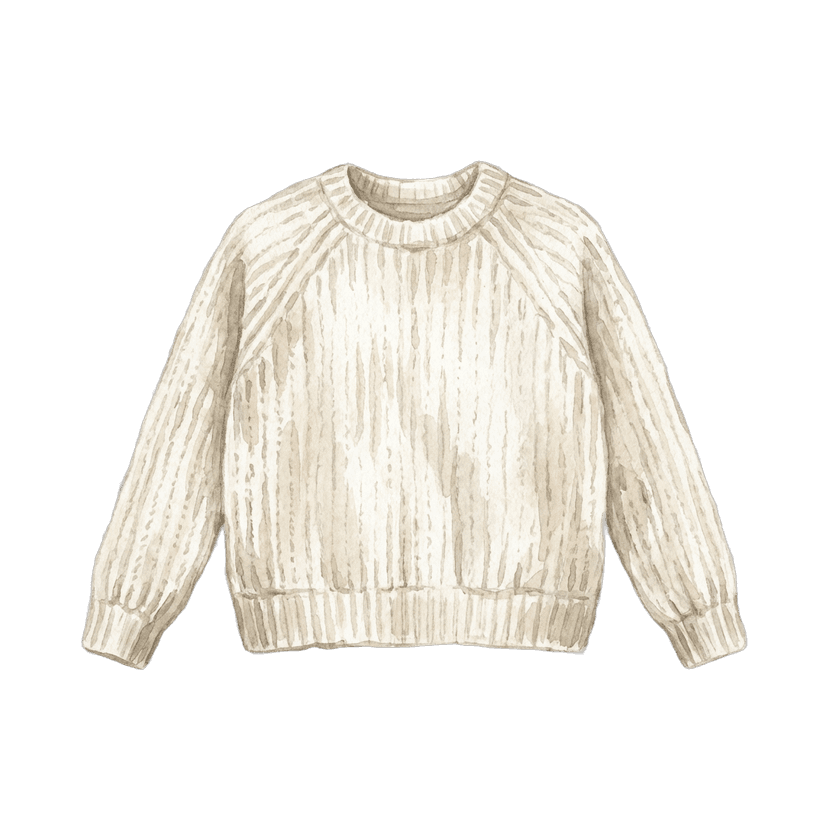 01Cream chunky knit or oat cashmere
The fall and winter foundation against navy. YSL paired cream and navy through his 1970s ready-to-wear collections; Toteme has built every fall lookbook since 2017 on this combination. Cream picks up warm light and softens the cool blue, photographing cleaner under low restaurant or office lighting. Skip pure white knit at this register — cream's slight warmth is the whole point. The Row's Sallow cashmere, Toteme's chunky knit, or Uniqlo's cashmere crew all work; the cut matters less than the shade.
 02White pinstripe linen or crisp poplin button-down
The Carolyn Bessette-Kennedy reference. CBK photographed in navy + white + slim trouser across her 1996–1999 New York years became the modern blueprint for navy office dressing. White against navy reads sharper than cream under daylight; the contrast is high enough to photograph cleanly in news shots and editorial alike. A Brooks Brothers Original Polo (1896 silhouette), Frankie Shop's oversized poplin, or The Row's classic shirt all clear the register.
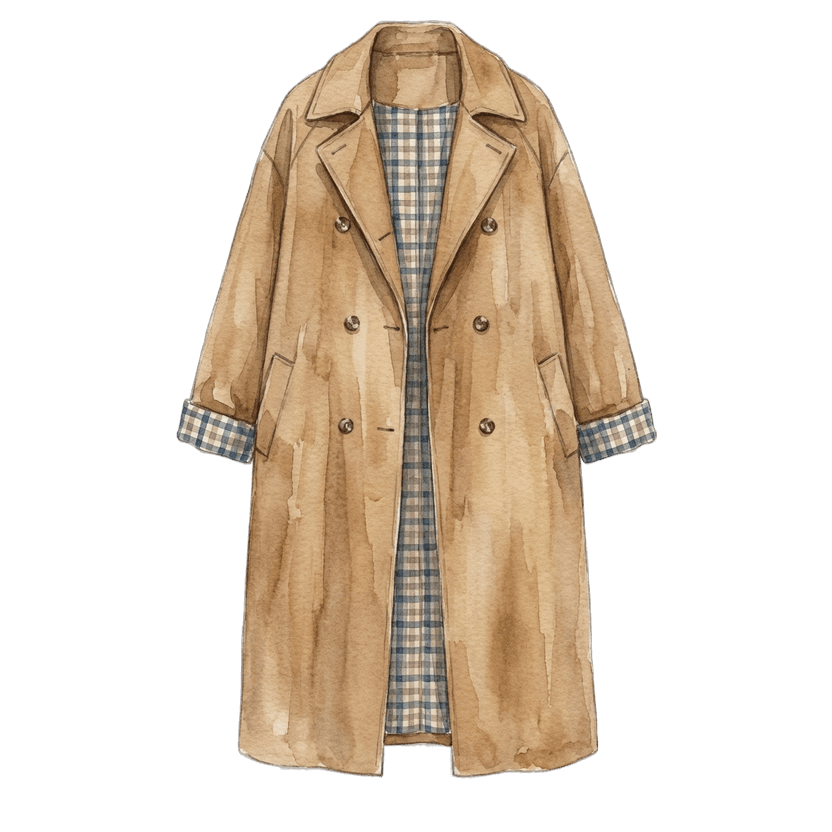 03Camel coat — the most-photographed neutral against navy
Camel + navy is the second-most-cited editor combination after camel + black, photographed across every fashion week street style cycle since the early 1980s. The warm-tone outerwear softens the cool blue and creates the slight contrast a navy column lacks. Max Mara's 101801 (1981), Loro Piana's storm-system coat, or The Row's classic camel are the heritage references. Skip beige if it reads too pale; the rich camel shade is what does the lifting.
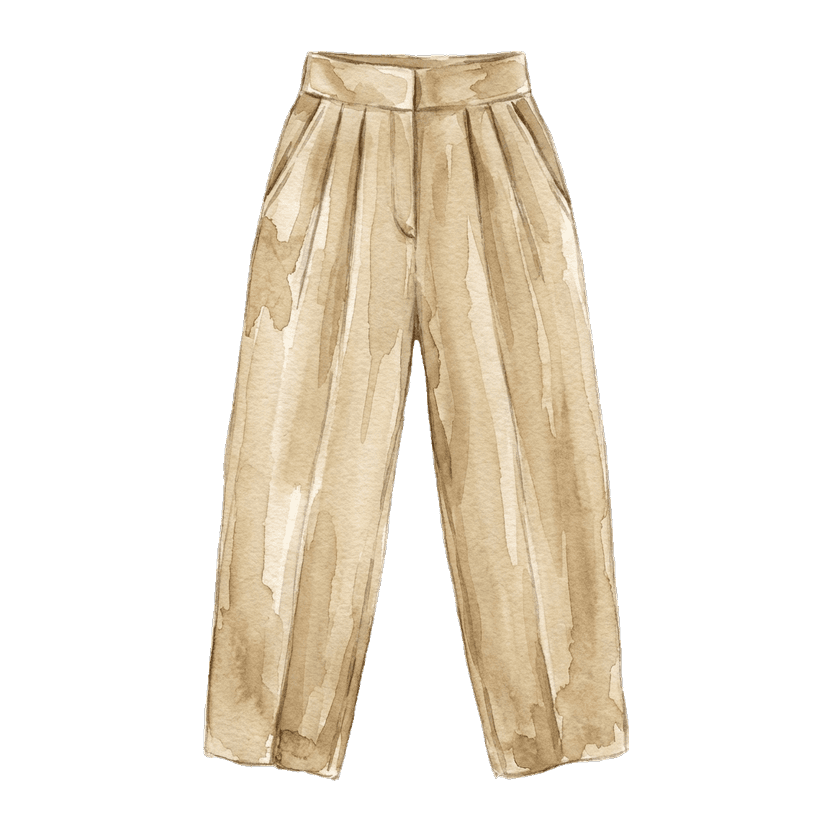 04Warm gray (taupe, stone) trousers — never cool gray
The 1990s minimalist palette. Helmut Lang and Jil Sander both built collections on warm gray and navy through the late 1990s; the combination reads architectural rather than corporate. Taupe and stone hold the warmth that pairs against navy's coolness. Cool gray and charcoal next to navy ages an outfit by twenty years — the combination reads bank teller, not editor. Khaite's straight-leg gray trouser or COS's taupe wool trouser are contemporary versions.
 05Cognac loafers or white sneakers — break the foot
Navy trousers + black shoes is a common error that flattens the silhouette under indoor light, since the eye reads the column as one tone from waist to floor. The fix is a non-black shoe at the break point. Cognac loafers (G.H. Bass Weejuns since 1936, J.M. Weston for the heritage tier) are the dressed register; white sneakers (Common Projects, Sambas, Stan Smiths) are the casual register. Either breaks the visual column and lifts the outfit.
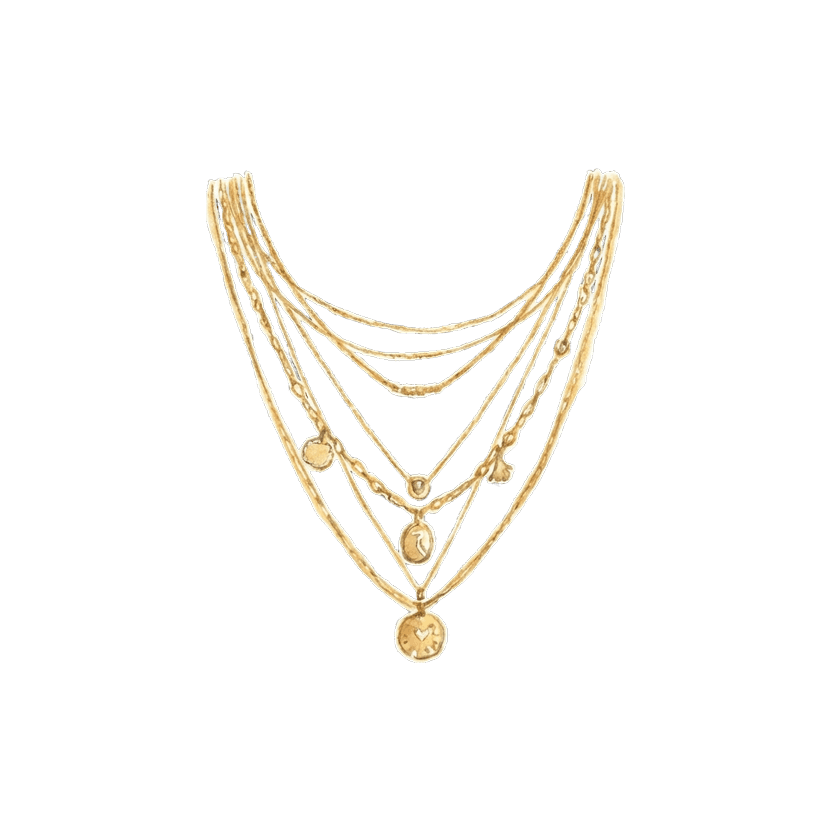 06Gold-tone jewelry — never silver against navy
The single accessorizing rule. Silver against navy reads cool-on-cool and pulls the outfit toward formal-corporate; gold pulls warmth into the cool blue and reads editor. Sophie Buhai, Jennifer Fisher, and Mejuri all sell layered gold pieces designed to live against navy and cream. A pair of small gold hoops, a thin gold chain, or a single gold cuff is the entire requirement; over-jewelry is the failure mode.
Dressing rules
Navy clears every dress code from creative-office to black-tie. Navy blazer + white shirt + dark trousers is acceptable at every wedding register below black-tie per The Knot's wedding-guest etiquette and is the single most-photographed silhouette at industry conferences and gallery openings. For black-tie, a navy tuxedo or navy silk gown reads more interesting than black at the same register and was the dress code Phoebe Philo used for her 2010s Celine press appearances. Office dress codes that prohibit jeans accept navy chinos and navy wool trousers without question. The single rule across every dress code: pair navy with at most one other color (white, cream, camel, gray) — three-color outfits with navy as the base read busy and read down a register. Navy is a quiet color and rewards a quiet wardrobe.
What to avoid
- Navy + black for office — the two colors fight under indoor light
- Cool charcoal gray + navy — reads bank teller, ages a wardrobe by twenty years
- Two navy shades in one outfit — tonal mismatch reads sloppy
- Silver jewelry against navy — cool-on-cool reads corporate, not editor
- Saturated reds or electric blues — steal attention from the navy
Frequently asked questions
The reliable list: cream, white, camel, oxblood, warm gray (taupe, stone), and gold accents. The classic editor combination is navy + cream + camel, photographed across forty years of Vogue Paris street style. For a sharper register, swap cream for white. For evening, add oxblood or burgundy as a single saturated accent — these are the only saturated colors that read richer than navy without competing. Skip cool gray, black, and silver against navy; all three either fight the navy or age the outfit.
For evening only, and only if the silhouette is clean. A navy blazer with a black silk shell and black trousers is acceptable at evening events because indoor lighting flattens both colors toward dark. For daytime or office wear, skip the combination — under daylight or fluorescent office light, navy and black create a muddy near-black that photographs as confused. The rule is older than fashion: 'no navy with black before sundown' was a post-war American etiquette guideline that still tracks. For office, pair navy with white, cream, camel, or warm gray.
On most skin tones, yes. Black absorbs all visible light and casts gray under the chin and around the eyes; navy absorbs less red and creates a softer shadow that flatters warm and neutral skin tones. Navy also photographs better in mixed lighting (incandescent, daylight, flash) because it doesn't go matte the way black does. The exception: very cool, very pale skin tones can look washed out by warm-tinted navy and benefit from black's hard contrast. For everyone else, navy reads softer and more considered, which is why it has been the editor uniform since the 1990s.
Cognac, oxblood, or chocolate brown for the dressed register; white sneakers for the casual register. Avoid black shoes with navy trousers — the combination reads as a column of dark from waist to floor under indoor light, which flattens the silhouette. Cognac loafers (G.H. Bass Weejuns since 1936, J.M. Weston for the heritage tier) are the most-cited dress shoe for navy. For evening, oxblood Chelsea boots or burgundy heels lift the outfit without breaking register.
Yes — cognac, camel, and chocolate brown are all stronger pairings with navy than black is. The warm-tone neutrals soften navy's coolness and create the slight contrast that pure-tone outfits lack. The combination has been a Italian tailoring reference (Caraceni, Brioni) since the 1950s and a French editor staple since the 1970s. The only brown to skip with navy is taupe-leaning beige, which can read flat against the saturated blue.