What to Wear with Reliable Color Pairings
The five color combinations that have photographed cleanly across forty years of editorial — the working palette behind The Row, Toteme, and Loro Piana.
Five color combinations cover roughly 80% of reliable editorial outfits — cream + navy, camel + black, white + tan, burgundy + cream, and olive + gold. The Row, Toteme, and Loro Piana rotate the same pairings through every collection.
- Cream + navy — the YSL 1970s palette, the editor uniform
- Camel + black — the Phoebe Philo Celine 2010s silhouette
- White + tan — the Carolyn Bessette-Kennedy 1990s minimalism
- Burgundy + cream — the autumn editor combination since the 1980s
- Olive + gold — the only saturated-on-warm pairing that reads considered, the Bottega Veneta SS2020 reference
- Apply the 60-30-10 rule: one dominant color (60% of outfit), one secondary (30%), one accent (10%)
- Don't mix four or more colors in one outfit — reads costume, not considered
- Don't pair two saturated colors directly without a neutral grounding piece — reads carnival
- Don't skip the neutral base — cream, white, black, or gray as 60% of the outfit is the rule
Color pairing in fashion is older than fashion itself, but the modern minimalist palette begins with Coco Chanel. The 1920s House of Chanel was built on three colors: black, white, and beige, photographed across every Chanel campaign from 1921 onward. Yves Saint Laurent expanded the palette through his 1970s ready-to-wear collections — navy, camel, oxblood, and forest green entered the editor uniform during the decade Helmut Newton photographed YSL's models for French Vogue. The 1990s American minimalists (Calvin Klein, Donna Karan, Jil Sander) consolidated the palette into a working five: cream, white, black, navy, and tan. The contemporary minimalist houses (The Row since 2006, Toteme since 2014, Khaite since 2016) have rotated essentially the same combinations through every collection — collection notes from The Row's 2018–2024 lookbooks list the same color stories with different garments. The throughline: dressed-down editorial works on five or six reliable combinations, not on invention. The 60-30-10 rule from interior design (one dominant, one secondary, one accent) translates directly. The risks are mixing too many colors (four or more reads costume), pairing saturated tones without a neutral grounding piece (reads carnival), or skipping the neutral base entirely (reads thirty years younger than the wearer).
The 1920s House of Chanel was built on three colors — black, white, and beige — and a hundred years later, The Row, Toteme, and Loro Piana still rotate essentially the same minimalist palette through every collection.
Wear it with
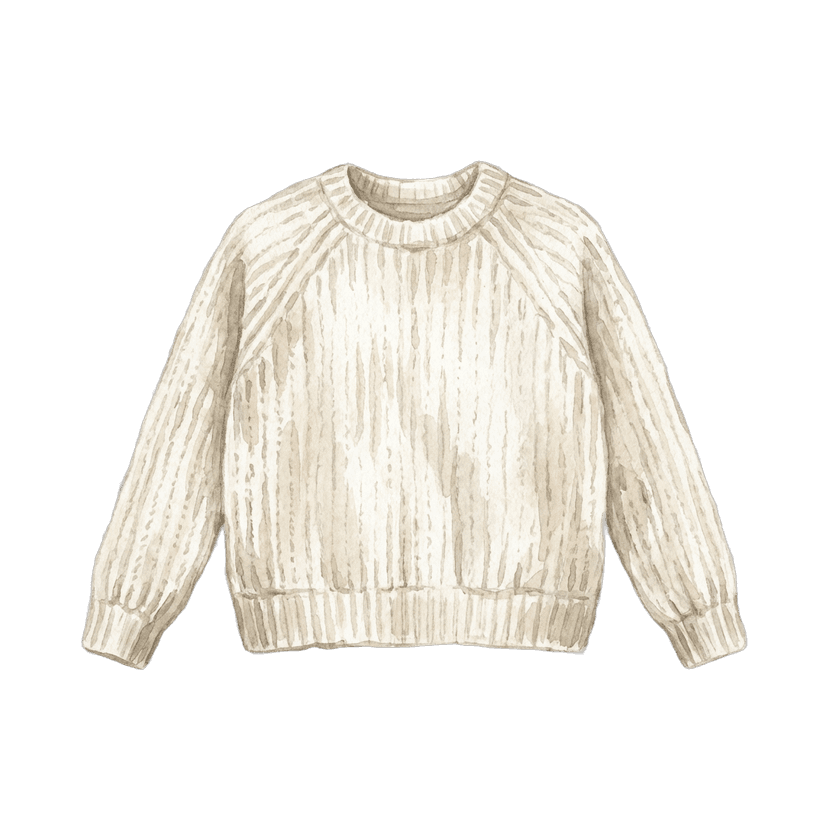 01Cream + navy — the YSL 1970s palette
The first reliable combination outside of all-neutral. Yves Saint Laurent paired cream and navy across his 1970s ready-to-wear collections; the combination has been the editor uniform of Vogue Paris since the magazine's 1980s leadership change. Cream softens the cool of navy under indoor light; navy anchors the cream from reading washed-out. A cream chunky knit + navy trousers + cognac loafers is the platonic version of this combination, photographed across forty years of street style outside the Paris fashion shows.
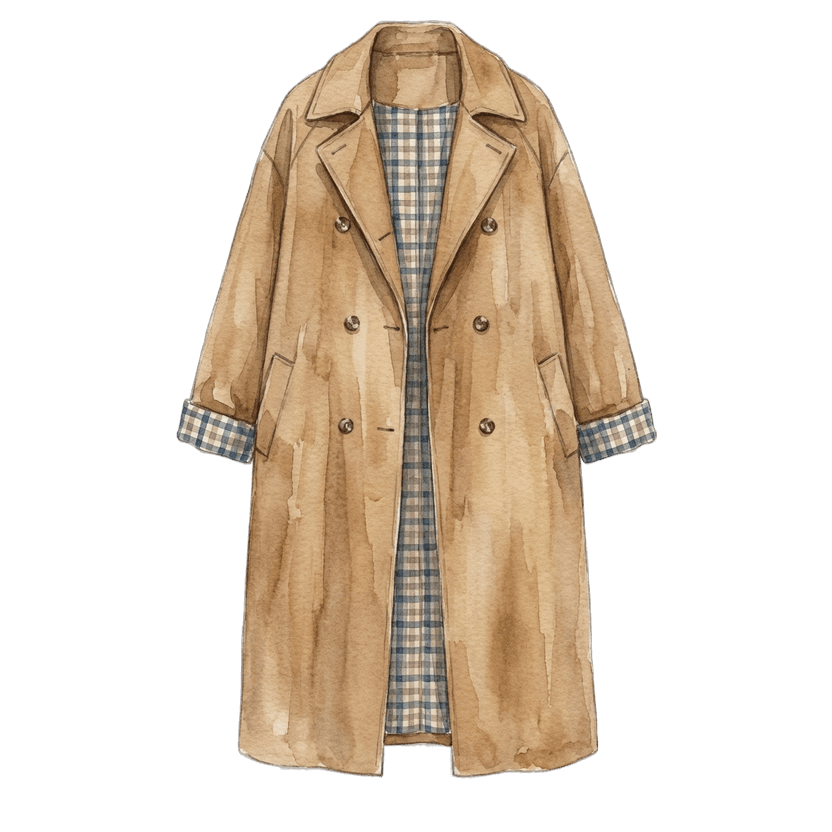 02Camel + black — the Phoebe Philo Celine silhouette
The second-most-photographed combination after cream + navy. Yves Saint Laurent paired camel and black through his 1970s collections; Phoebe Philo's 2010 Celine fall collection turned it into a decade of minimalist editorial. Camel coat + black trousers + black knit is the heritage version, in continuous editorial rotation since 1975. The warm camel softens black's severity; black anchors camel from reading orange-brown. Skip the synthetic camel — the combination only works with actual cashmere or wool.
 03White + tan — the Carolyn Bessette-Kennedy 1990s minimalism
The 1990s American minimalist palette. Calvin Klein, Donna Karan, and Helmut Lang all built collections on this combination through 1992–1999; Carolyn Bessette-Kennedy's photographed wardrobe (1996–1999) is the public-facing reference. White button-down + tan trousers + nude heels is the platonic version; white tee + tan shorts + tan sandals is the summer version. The neutral-on-neutral reads expensive without going monochromatic; the half-shade contrast (white is cool, tan is warm) creates the visual interest a tonal outfit lacks.
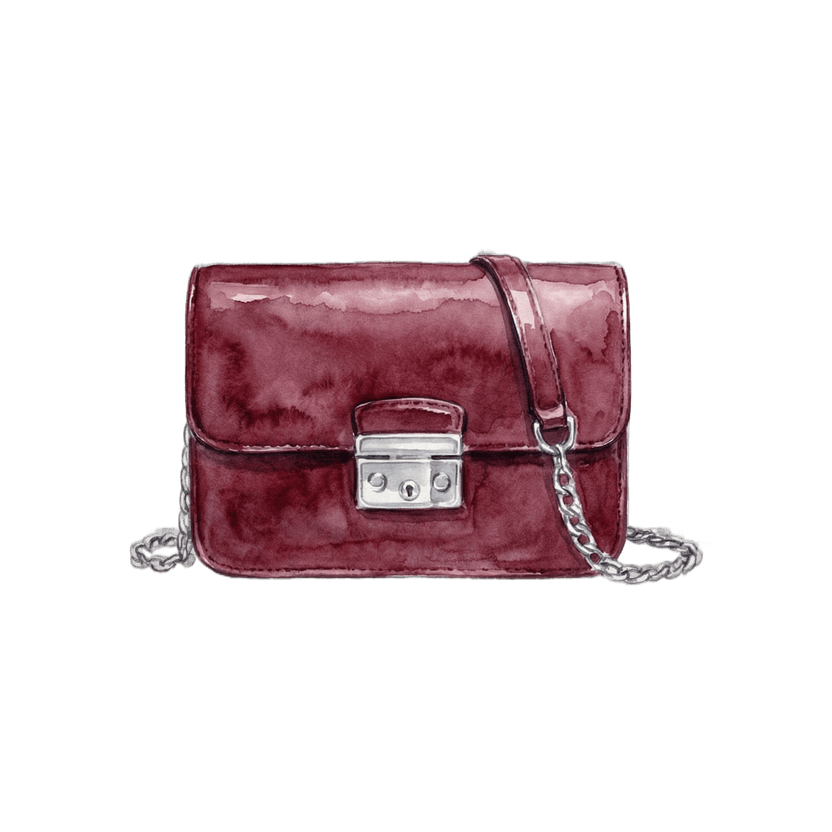 04Burgundy + cream — the autumn editor combination
The single most-cited fall combination in Vogue Paris and *T Magazine* editorial since the 1980s. Burgundy reads richer than navy and warmer than black; cream lifts the warmth without competing for saturation. A burgundy knit + cream trousers + chocolate ankle boots is the heritage version. Skip pure red (too saturated to read autumn) and pink-leaning burgundy (reads costume); the deep wine-burgundy is what does the lifting. The Row, Khaite, and Aquascutum all rotate this combination through every fall collection.
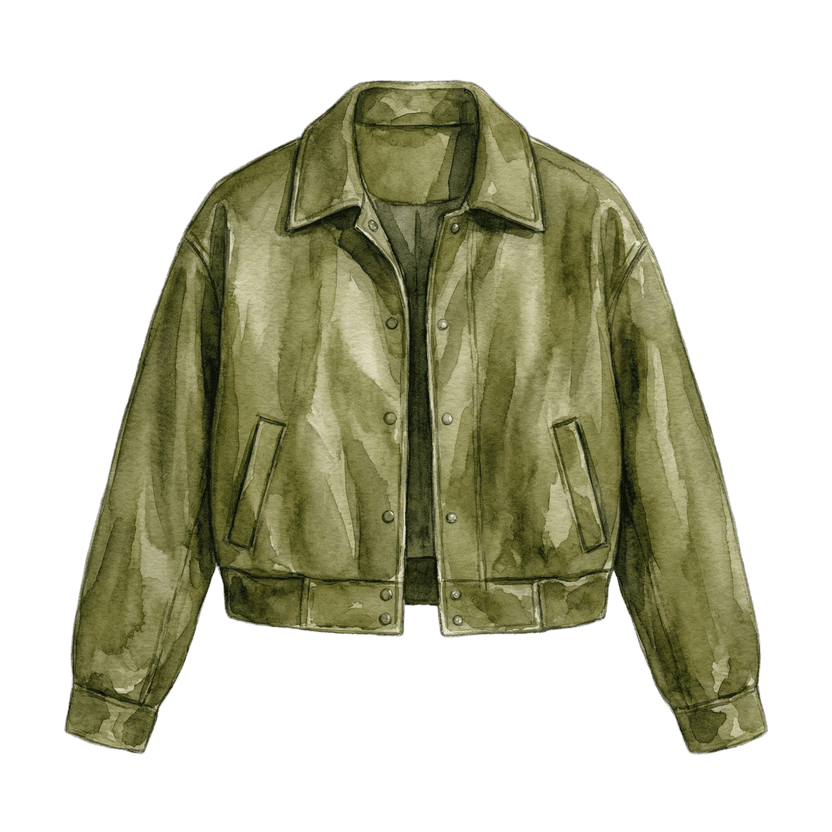 05Olive + gold — the only saturated-on-warm pairing
The single saturated combination on this list, and the most demanding. Olive + gold reads considered when the proportions are right (olive as 60–70% of the outfit, gold as the 10% accent) and reads military-costume when the proportions invert. Bottega Veneta SS2020 under Daniel Lee built three lookbooks on olive + gold; the combination is also the autumn reference for Bode and Lemaire. An olive trouser + cream knit + gold jewelry is the safest version; olive coat + black base + gold accents reads richer.
Dressing rules
These five combinations clear every dress code from creative-office to black-tie. The cream + navy and white + tan combinations read more daytime; the camel + black and burgundy + cream read more evening. Olive + gold sits between the two and is the most demanding to execute. For weddings: cream + navy and white + tan are acceptable at every dress code below black-tie per The Knot's wedding-guest etiquette; camel + black is acceptable for cocktail and below; burgundy + cream is acceptable for cocktail and formal but not casual. The 60-30-10 rule (60% dominant color, 30% secondary, 10% accent) translates from interior design to outfits: in a cream + navy outfit, cream is 60% (knit, trousers), navy is 30% (jacket or shoes), and the 10% accent is the gold or cognac. Three colors is the upper limit for almost every outfit; four or more reads costume. The single rule across every combination: pick a neutral grounding piece (cream, white, black, or gray) for at least 60% of the outfit. Saturated-on-saturated without a neutral base reads carnival, not considered.
What to avoid
- Four or more colors in one outfit — reads costume, not considered
- Two saturated colors directly without neutral grounding — reads carnival
- No neutral base — fully saturated outfits age a wardrobe by twenty years
- Two warm-on-warm or cool-on-cool tones without contrast — flattens under indoor light
- Trusting phone screen color matching — test under actual lighting before committing
Frequently asked questions
Five combinations cover roughly 80% of reliable editorial outfits: cream + navy (the YSL 1970s palette), camel + black (the Phoebe Philo Celine silhouette), white + tan (the Carolyn Bessette-Kennedy 1990s minimalism), burgundy + cream (the autumn editor combination), and olive + gold (the only saturated-on-warm pairing). The Row, Toteme, Khaite, and Loro Piana rotate essentially the same five combinations through every collection. For one wardrobe, two of these five combinations cover most weekly wear; three covers seasonal range; all five is the upper limit before redundancy.
Borrowed from interior design and used by minimalist house stylists at The Row and Toteme: 60% of the outfit should be one dominant color, 30% a secondary color, and 10% an accent. In a cream + navy outfit, cream is the 60% (knit, trousers), navy is the 30% (jacket or shoes), and 10% is the accent (gold jewelry, cognac belt). The rule prevents the most common color failure — three or four colors at equal weight, which reads scattered. The 60-30-10 distribution photographs cleanly under any light because the eye reads it as one outfit, not three competing pieces.
Only with a neutral grounding piece. Red + emerald, mustard + cobalt, or fuchsia + orange all work on the runway, but the runway looks are engineered with neutral underlayers (cream tees, gray trousers, black tights). For civilian wear, the rule is one saturated color anchored in cream, white, black, or gray. Two saturated colors without a neutral piece reads carnival. The safest version: a saturated top + a neutral bottom (white tee + emerald skirt, cream shirt + cobalt trousers), with one neutral accessory (cream bag, black shoes).
The unreliable combinations: light gray + camel (flattens), navy + black for daytime (fights under indoor light), warm gray + cool gray (reads dated), and any pastel pair (lavender + mint, blush + icy blue) without a neutral. Brown + black is acceptable in 2026 (the post-2010s rules let it through) but only with a clear contrast in shade. The single combination to avoid completely: two saturated warm tones (rust + mustard, terracotta + ochre) — they fight for attention and the outfit reads costume.
Pick three or four neutrals as the base — cream, white, black, navy, or camel — and choose one or two accents (cognac, oxblood, gold, olive). The 1920s Coco Chanel palette was three colors (black, white, beige); the 1990s Calvin Klein palette was five (white, black, navy, gray, tan); The Row's current palette is roughly seven (cream, white, black, navy, camel, gray, oxblood). For one wardrobe, four neutrals plus two accents is the working maximum — anything beyond becomes hard to coordinate. Buy outerwear in the dominant neutral first, base layers in two-three other neutrals, and accents in single-piece quantities (one oxblood bag, one olive coat).