What to Wear in Athens in July
Athens in July is peak heat — 33°C / 91°F afternoons, 1 rain day, the marble hits 50°C / 122°F+ at noon. Locals don't go outside between 1-5pm; smart tourists follow.
- Pale linen everything — cream, white, oat, sage, pale blue or pale navy
- Grip-soled sandals broken in — marble is even more dangerous in 33°C / 91°F heat
- Wide-brim straw hat — Acropolis line at noon hits 38°C / 100°F+ in direct sun
- Silk scarf for shoulders — modesty at Acropolis Museum and churches
- Carry water always — heat exhaustion documented daily at the Acropolis
- Schedule sightseeing 7-11am and after 6pm — only safe windows in peak heat
- Don't wear synthetic fabrics — unsafe in 33°C / 91°F plus radiant marble heat
- Don't schedule the Acropolis 11am-5pm — marble surface 50°C / 122°F+, queues unsafe in direct sun
- Don't expect dinner before 9:30 — Greeks dine 10pm-midnight in peak summer
July is when Athens punishes the unprepared. HNMS data put afternoon highs at 33°C / 91°F with only 1 rain day; heat waves regularly push above 38°C / 100°F, and the marble of the Acropolis re-radiates heat to surface temperatures of 50°C / 122°F+ at midday. Greeks who stay in the city run a strict early-and-late rhythm: cornetto at 7am, sightseeing 8-11am, lunch 1-3pm followed by AC siesta until 6pm, walk at 6:30, dinner 10pm-midnight. Greeks who can leave do — to the Cyclades, to Crete, to anywhere with sea air. The city density tilts heavily tourist. The dressing rule: pale linen exclusively, no exceptions; grip-soled sandals; wide-brim hat and SPF non-negotiable; water always. The Acropolis line specifically is documented as a heat-exhaustion risk; book the 8am opening slot or skip July entirely. Restaurant AC at 18-20°C / 64-68°F is a brutal contrast to 33°C / 91°F street, and the silk scarf or thin cardigan in the bag is the daily standard.
Athens in July is the city the Greeks vote against. They retreat to the islands, to the mountains, to anywhere with shade. The Acropolis stays open and tourist-packed; visitors who go at 8am are the only ones who experience it correctly.
The capsule
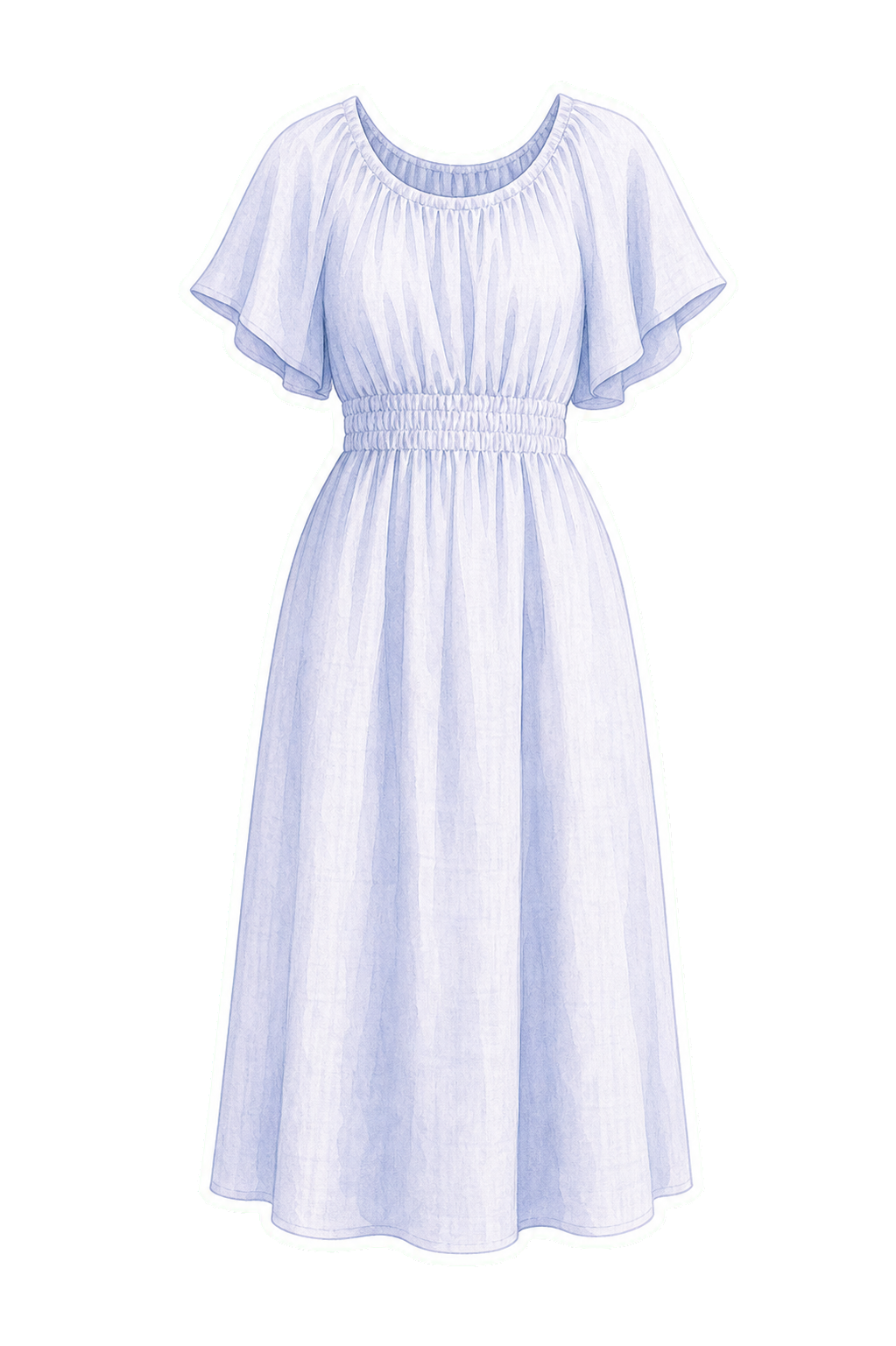 01Pale linen midi dress — cream, white, oat, sage
The single most-worn piece in Athens July. Pale colors reflect the marble-radiated heat; linen breathes through 33°C / 91°F heat where cotton holds it. Sleeveless paired with silk scarf for Acropolis Museum modesty.
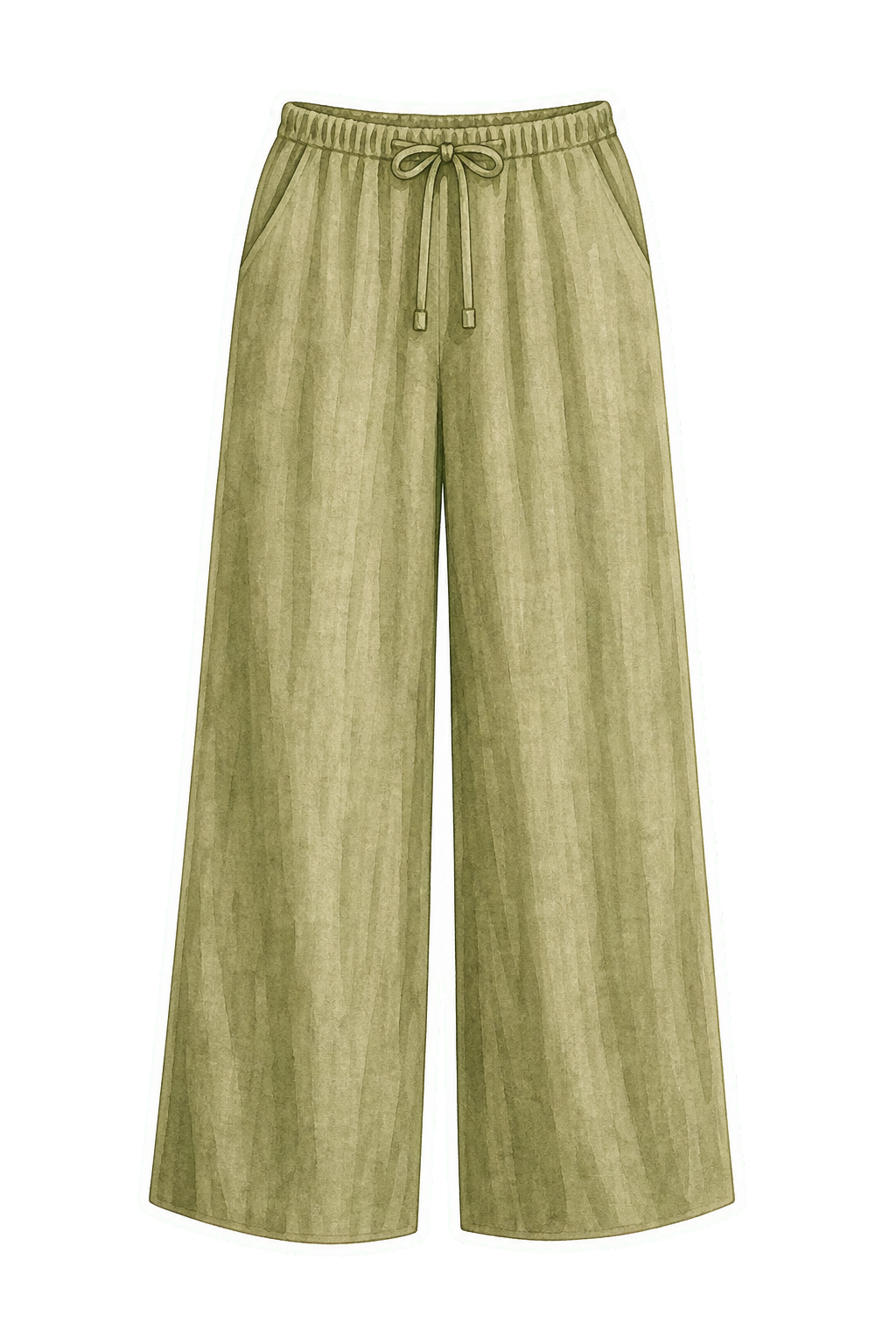 02Lightweight linen wide-leg trousers — pale palette
When you'd rather not wear a dress. Wide-leg breathes; pair with linen tank or cotton button-down. Skip skinny — they trap heat against the body in radiant marble heat.
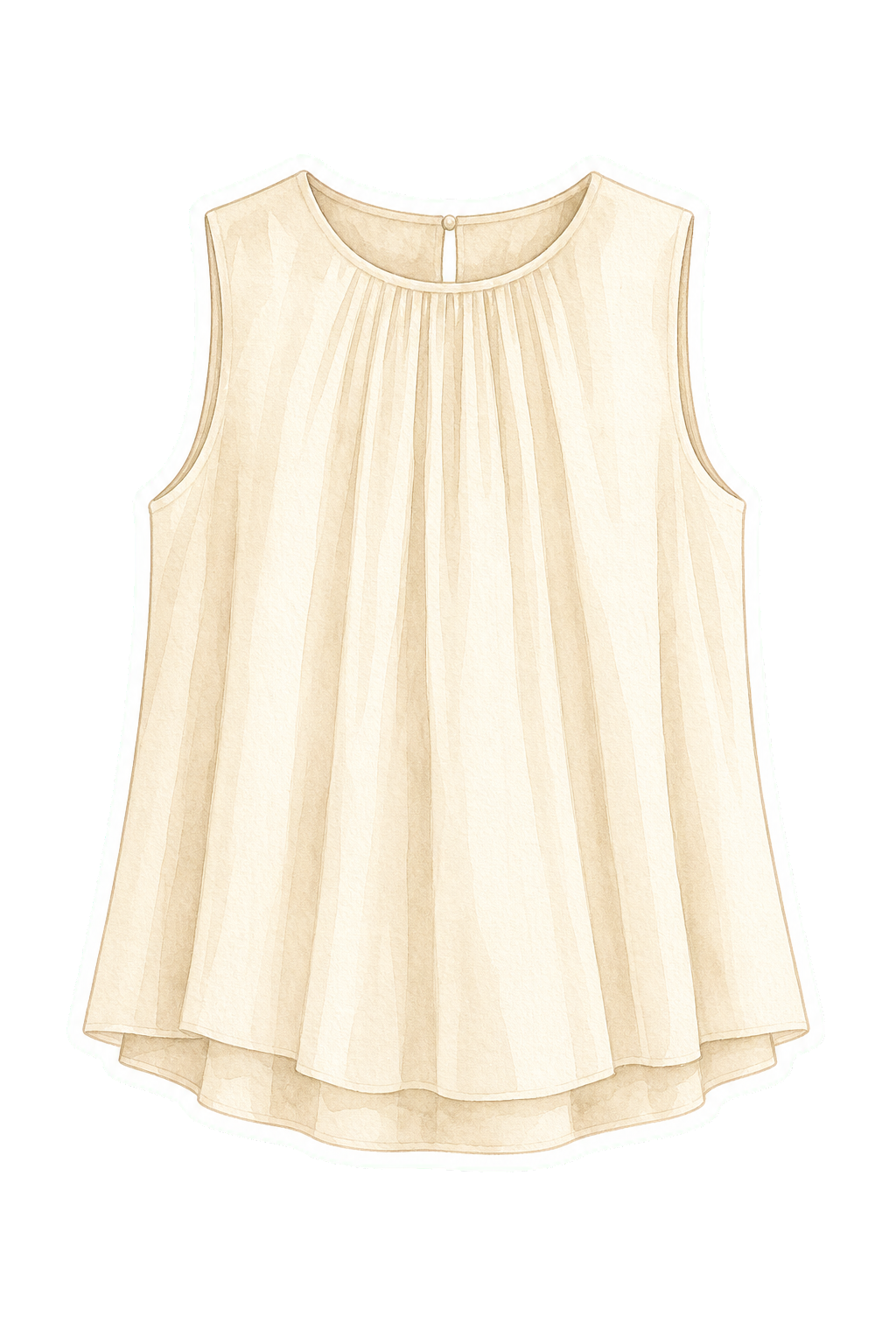 03Cotton tank or silk shell — pale colors
Tucked into trousers, alone for taverna lunch, layered under cardigan. Cream, white, pale neutral. Skip athletic-fit; Greek summer tanks run relaxed.
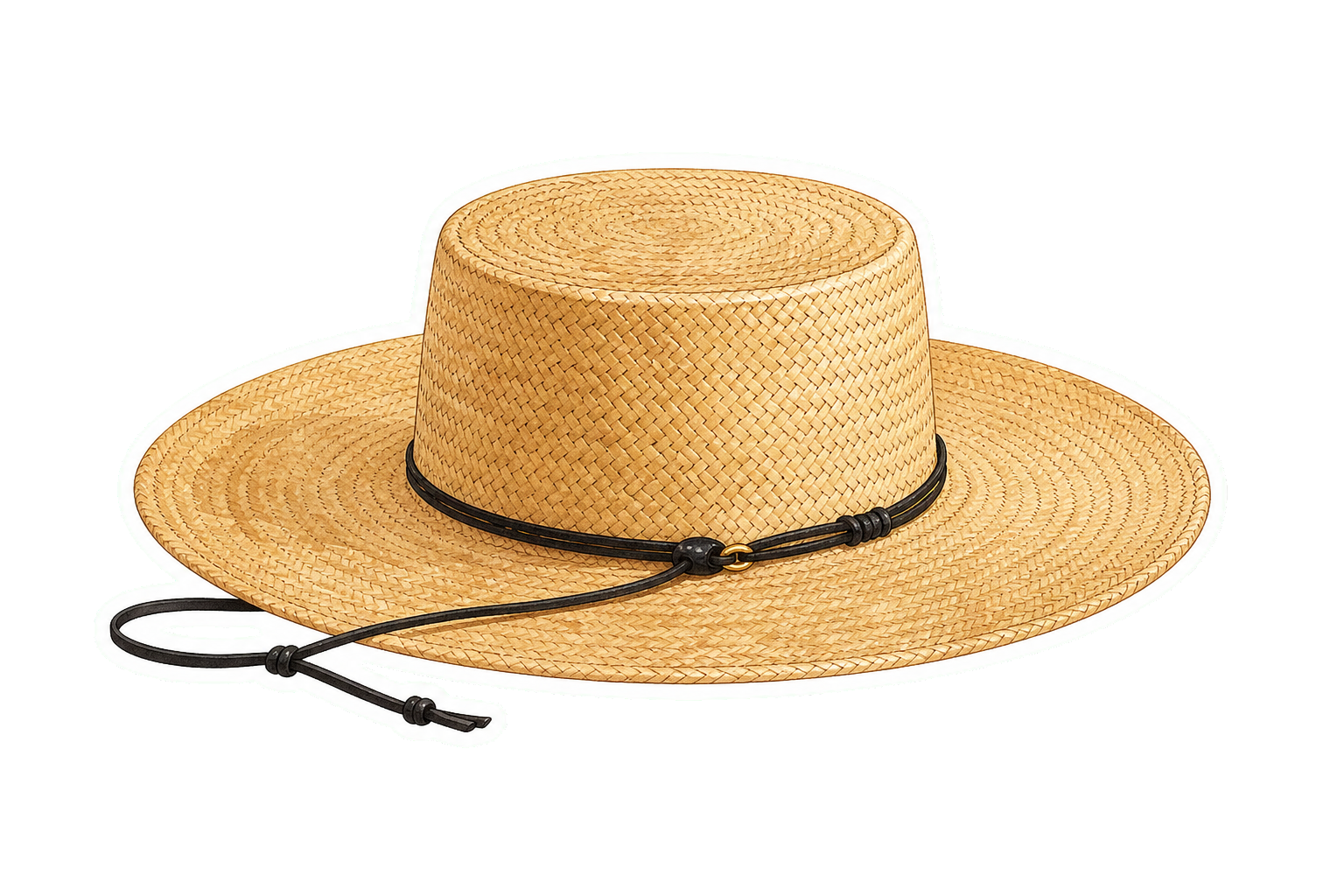 04Wide-brim straw hat — non-optional
The Acropolis line at noon hits 38°C / 100°F+ in direct sun, the surrounding archaeological park has minimal shade, and Cape Sounion (a popular evening day trip for the Temple of Poseidon sunset) is open and exposed. Wide-brim straw — Borsalino, Lack of Color. Skip baseball caps.
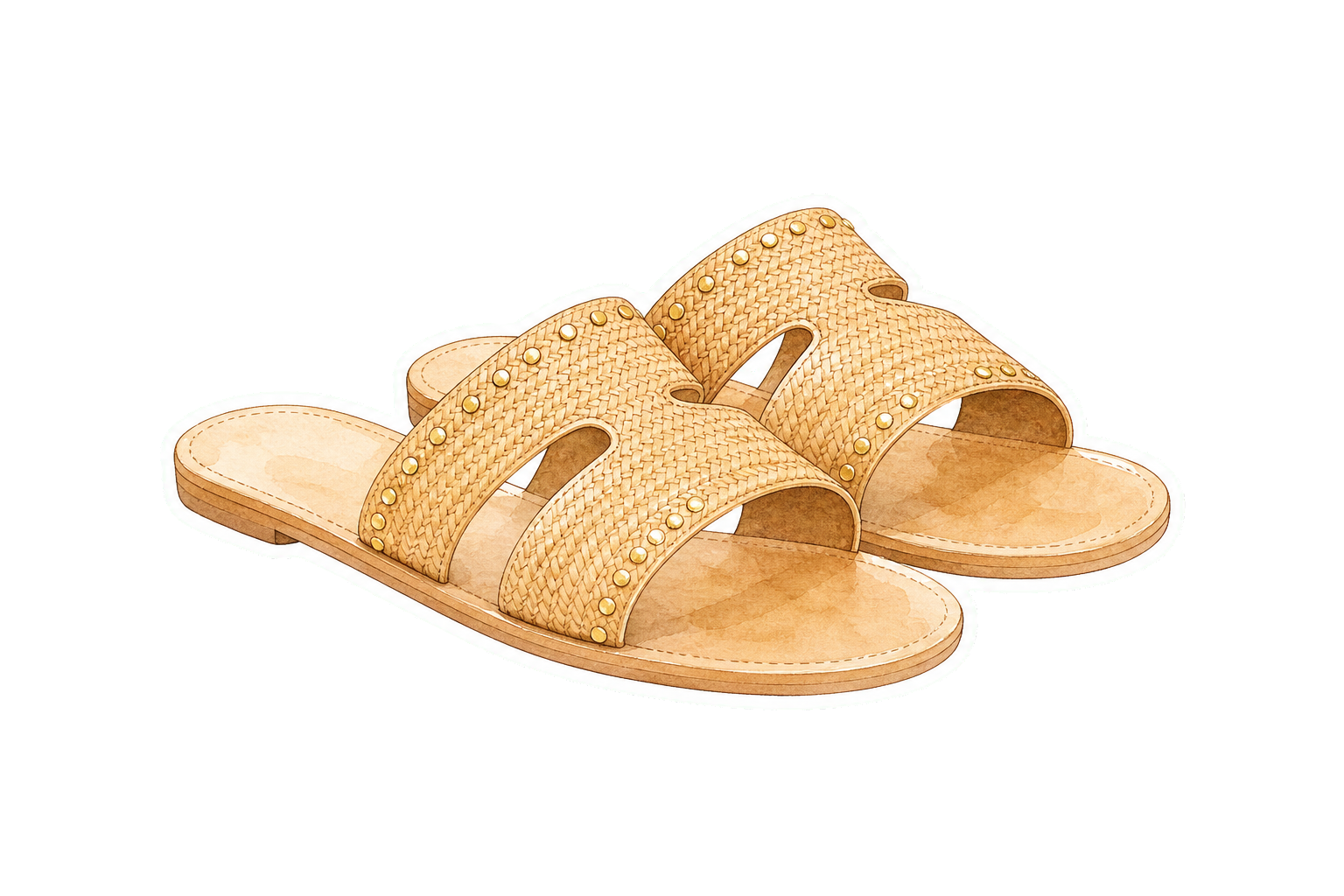 05Supportive grip-soled sandals — broken in
Acropolis marble is more dangerous in 33°C / 91°F heat (heat-soft soles slip more easily). Teva (sport-utility), Naot (German footbed), or Ancient Greek Sandals' substantial leather options. Feet swell most in 33°C / 91°F humid heat; flat fashion thongs end the day in real pain by day two.
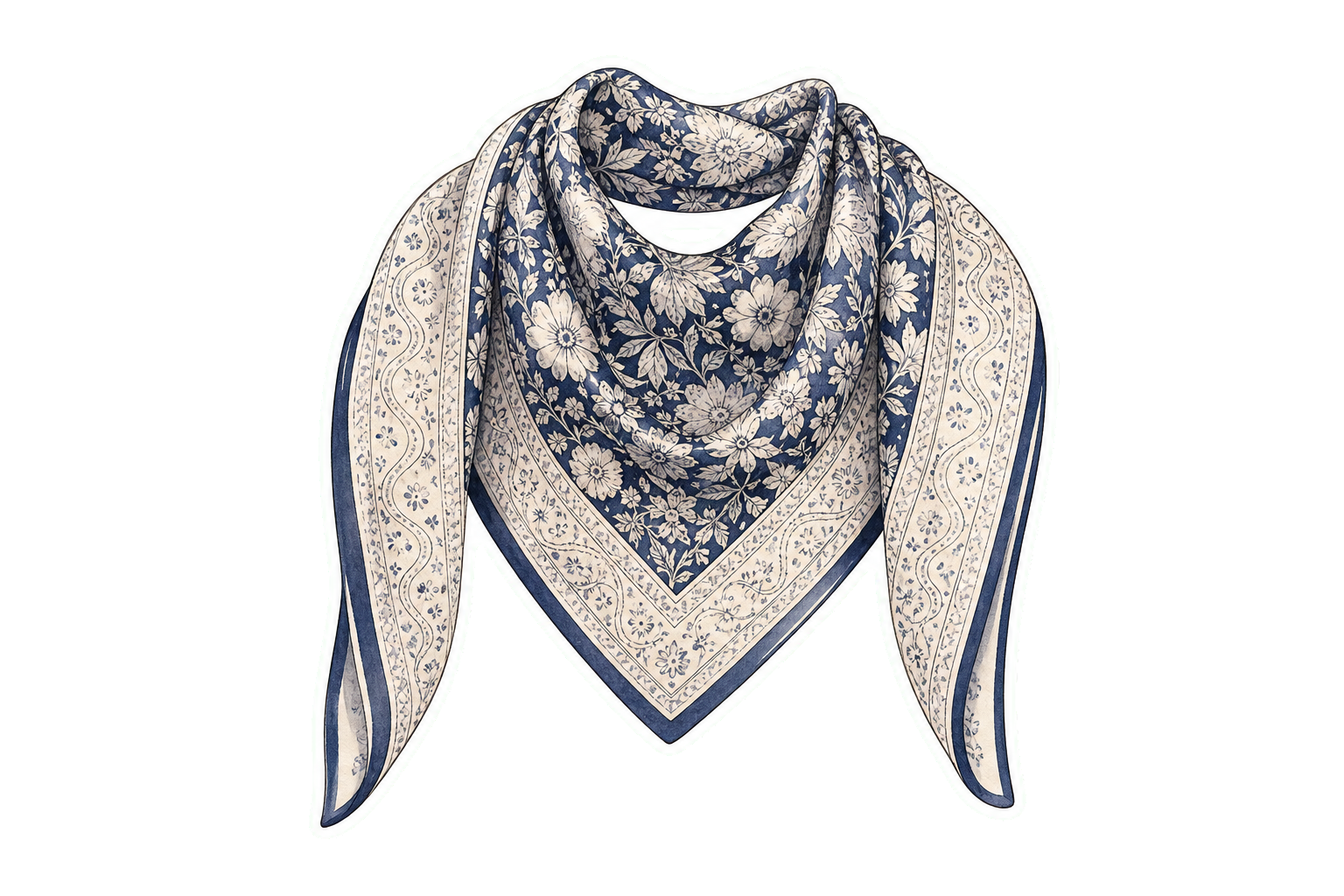 06Silk scarf — large square, pale color
Acropolis Museum + Plaka church modesty + restaurant AC contrast (33°C / 91°F → 18°C / 64°F is brutal) + late-evening 23°C / 73°F breeze. One silk scarf solves all four. Hermès, Zeus + Δione, Bulgari.
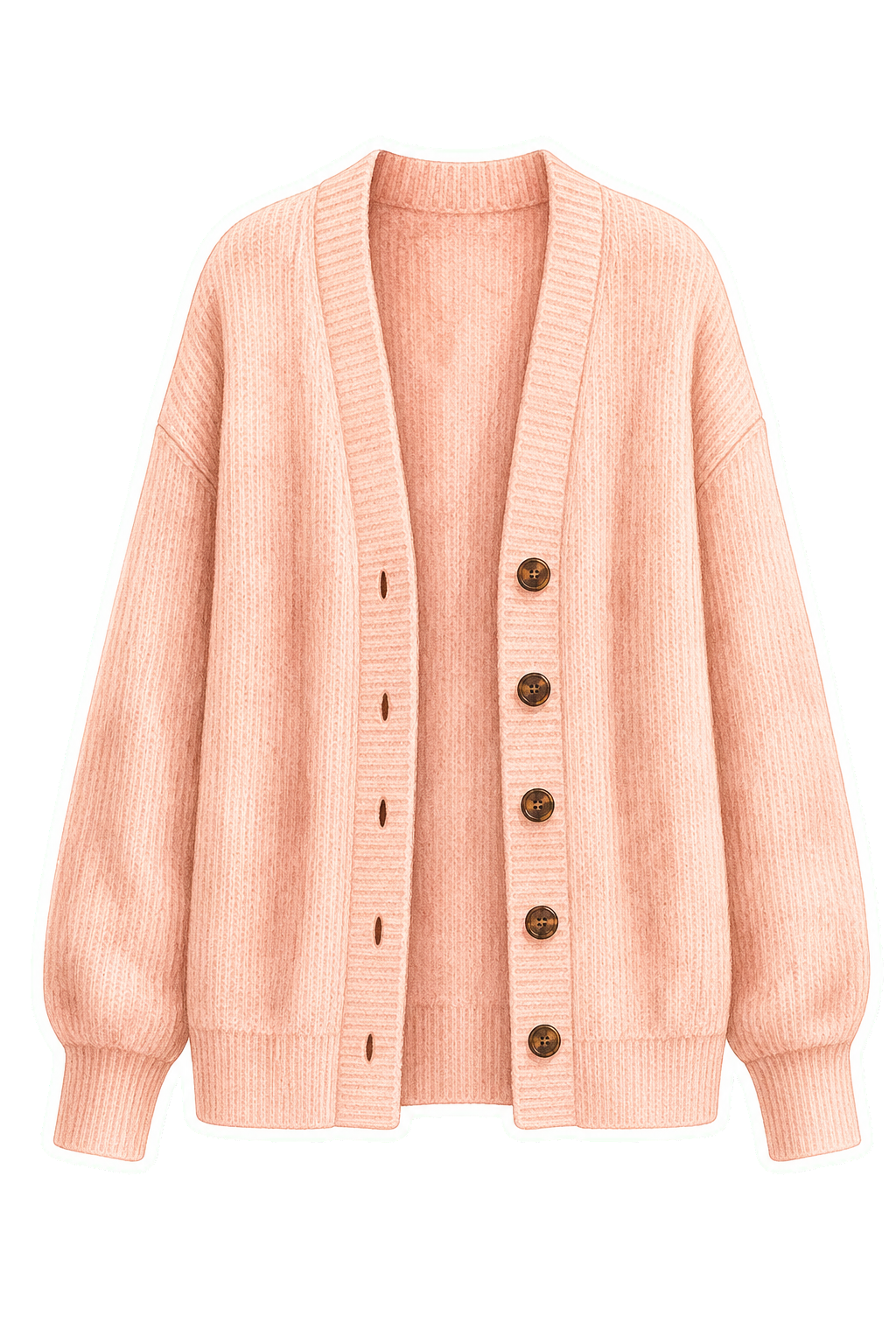 07Thin linen overshirt or unstructured cotton blazer
Restaurant AC at 18-20°C / 64-68°F feels colder when you arrive sweat-damp from 33°C / 91°F street. Roll over shoulders for evening. Skip wool; even Loro Piana cashmere is overkill in July.
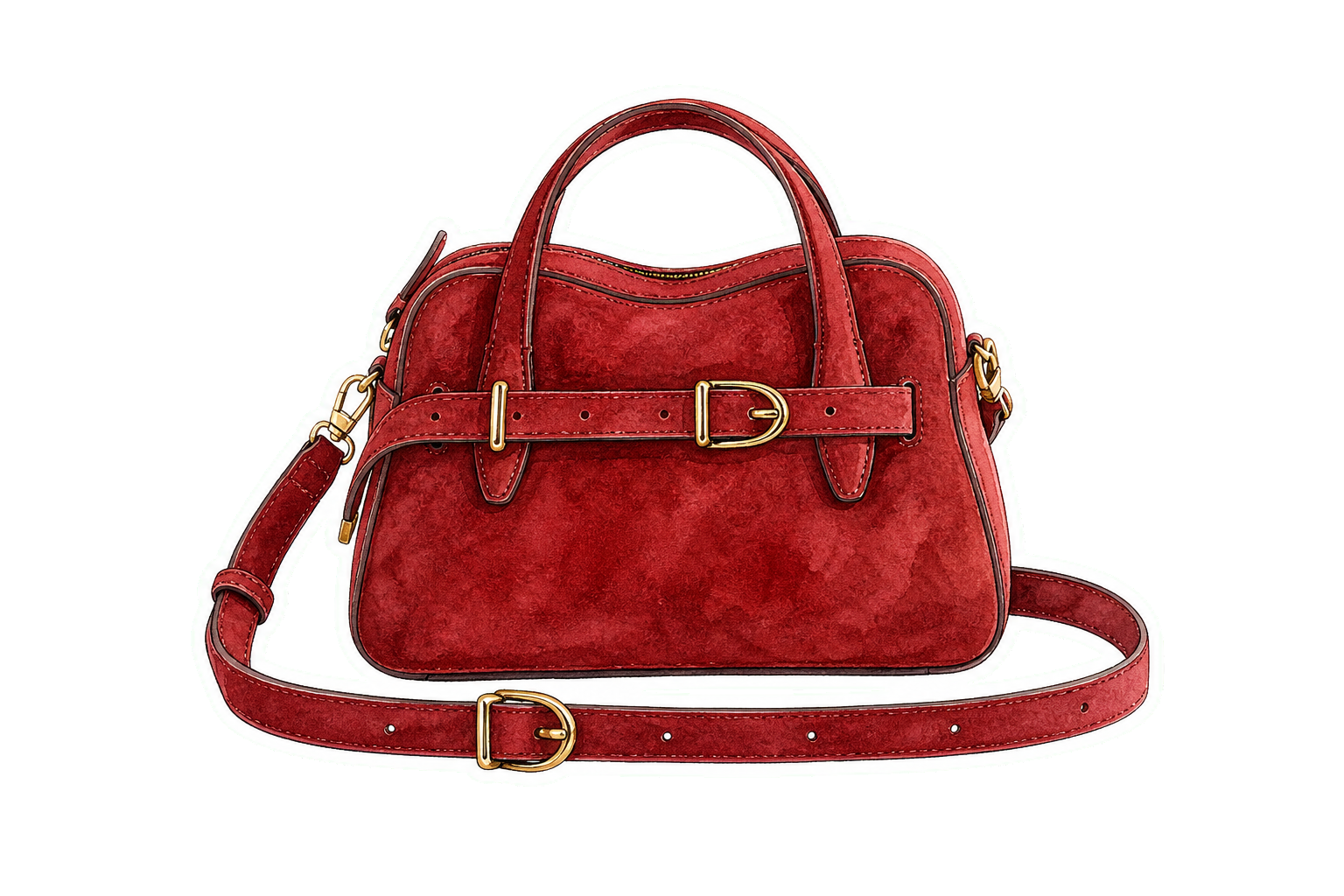 08Small leather crossbody — worn tight
Tourist-zone density peaks in July; pickpocket pressure on the metro between Acropolis and Syntagma stations stays consistent. Strap short, worn diagonally, hand on bag in crowds.
Day to night
Pale linen midi dress · grip-soled sandals · sun hat · silk scarf · crossbody. Coffee at Taf Coffee 7am, Acropolis at 8am opening (booked), lunch at Diporto Agoras 1pm.
Linen trousers · cotton button-down · linen overshirt · sandals. Taverna dinner at Cookoovaya or Aleria 10pm; rooftop at A for Athens after.
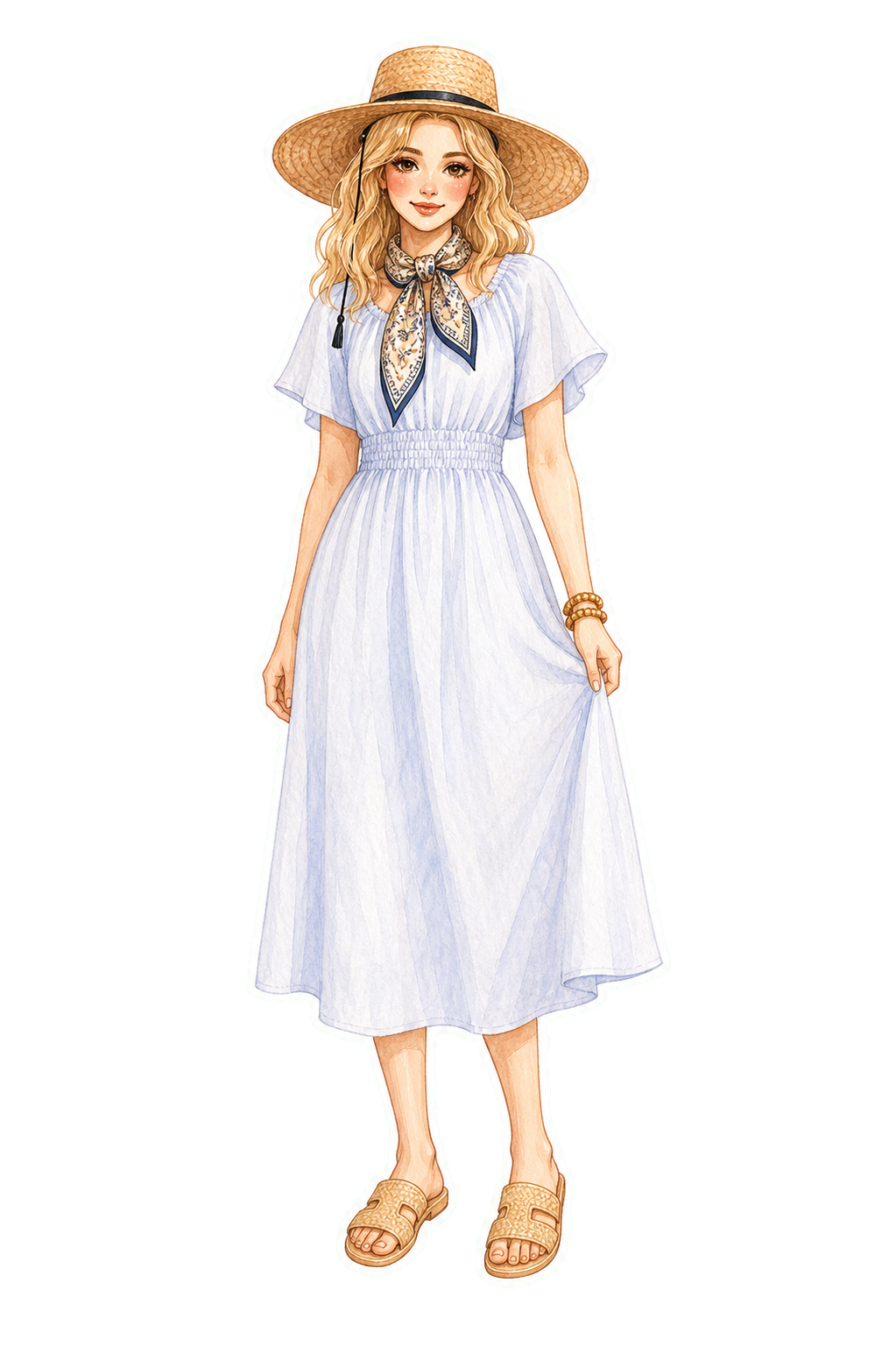
A suggested look — pale white-blue linen midi dress, tan straw hat, raffia grip sandals, cream navy silk scarf, no umbrella.
What to avoid
- Synthetic fabrics — unsafe in 33°C / 91°F plus radiant marble heat
- Acropolis 11am-5pm — marble 50°C / 122°F+, queue unsafe in direct sun
- Sleeveless tops at Acropolis Museum and churches — modesty enforced
- New sandals or pure-flat thongs — feet swell, blisters guaranteed
- Dinner before 9:30 in July — locals dine 10pm-midnight
Frequently asked questions
It's the hardest month, but workable with the right strategy. Per HNMS: average daily high 33°C / 91°F, low 23°C / 73°F, only 1 rain day. Heat waves regularly push afternoons above 38°C / 100°F, and the Acropolis marble re-radiates accumulated heat past midnight. Greeks who stay in the city run a strict early-and-late rhythm: 7am coffee, 8am sightseeing, 1-3pm lunch, AC pause 3-6pm, walk 6:30, dinner 10pm-midnight. Visitors who follow this rhythm find July workable. The single most useful planning decision: book Acropolis tickets for 8am opening or after 6pm.
The Acropolis itself (the open archaeological site with the Parthenon and Erechtheion) has no formal dress code, but the Acropolis Museum (separate building, downhill from the site) enforces a modesty rule for shoulders and knees similar to most religious sites. The recommended footwear from the Acropolis Museum's own dress guide is closed-toe shoes or sandals with rubber/grip soles — the marble is polished smooth from 2,500 years of feet and is genuinely slippery, with falls documented even in dry conditions. Bring water, a wide-brim hat, and SPF — the queue at the entrance has no shade.
The Athens & Epidaurus Festival is the city's largest annual cultural event, running June through August at outdoor venues across Attica — primarily the Odeon of Herodes Atticus (the ancient amphitheater carved into the south slope of the Acropolis, capacity ~5,000). Performances run music, theater, dance, and opera; Maria Callas, Frank Sinatra, and Sting have all performed there. For dressing: smart casual, linen, sandals, a cardigan or shawl for the 9pm-11pm performance window when the temperature drops to 23-25°C / 73-77°F. Tickets sell out for marquee performances; book 4-6 weeks ahead.
It depends what you want. The pros: long daylight (14h 40m), Athens Festival cultural programming (ancient amphitheaters in evening cool), strong island day-trip access (1-3 hour ferry rides to Aegina, Hydra, Spetses for a cool-air break), tourist-only neighborhoods (Plaka, Monastiraki) at peak operation. The cons: brutal afternoon heat, Acropolis queues in 38°C / 100°F+ direct sun, peak tourist density, many Athenian-favored restaurants partially closed for owner vacations. May, June, and September generally rank as better months for first-time visitors. For repeat visitors who want the empty-Athens local rhythm, August has it more than July.
Already-broken-in sandals with rubber or grip soles, plus closed-toe options for the Acropolis. The Acropolis Museum specifically recommends closed-toe shoes or grip-soled sandals; the marble is polished slippery from 2,500 years of feet. Brands: Teva (sport-utility, the most-worn for Acropolis tourists), Naot (German footbed support), Ancient Greek Sandals' substantial leather styles, Birkenstocks (rubber sole). Skip pure flat fashion thongs after day two — feet swell in 33°C / 91°F humid heat. Skip espadrilles entirely if you're climbing the Acropolis — the rope soles slip on marble.
Sources
- Hellenic National Meteorological Service — climate normals