What to Wear in Mumbai in July
Mumbai in July is peak monsoon — 22 rain days, 768mm of rainfall, the wettest urban month in any major Indian city. Local life adapts.
- Quick-dry cotton/rayon — modest cuts continue
- Waterproof sandals — Crocs, Birkenstocks EVA, rubber chappals
- Wind-resistant umbrella always
- Packable rain-shell — for backup heavy storms
- Crossbody bag with waterproof closure
- Compact towel — for sudden splash damage
- Don't wear leather, suede, or synthetic — all suffer in 80%+ humidity
- Don't expect dry weather any day — July rainfall 768mm
- Don't skip umbrella for any outing — Mumbai monsoon is heavy
Mumbai in July is peak monsoon. IMD data put afternoon highs at 30°C / 86°F and lows at 26°C / 79°F with 22 rain days and 768mm of rainfall — the wettest urban month in any major Indian city. Humidity is 85-90% throughout the month. Local life adapts: morning routines start earlier (6am-8am while air is freshest), midday is for indoor work or AC pause, evening dining starts after 8:30pm so the heaviest rain has cleared. The dressing rule sharpens: quick-dry cotton or rayon only (no leather, no suede, no synthetic), waterproof sandals (Crocs, Birkenstocks EVA, rubber chappals), wind-resistant umbrella always, packable rain-shell as back-up, crossbody bag with waterproof closure. The Indian register continues — modest cuts, kurta-and-trousers combinations, dupatta as primary multi-purpose layer.
Mumbai's July monsoon brings 768mm of rainfall — by far the wettest urban month in any major Indian city. The local adaptation is full: rain-ready footwear, wind-resistant umbrellas, dining only after the heaviest evening rain has cleared.
The capsule
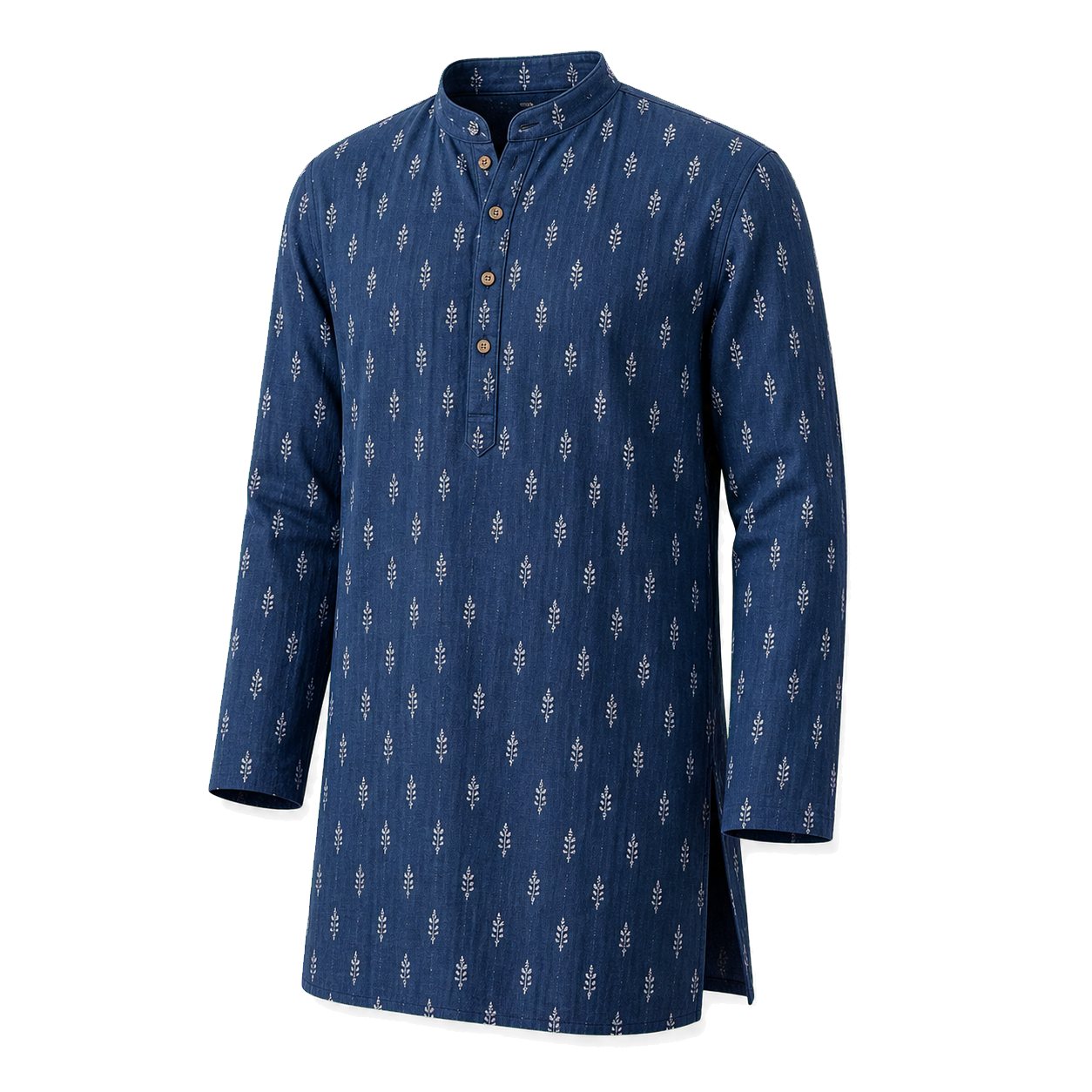 01Quick-dry cotton or rayon kurta
FabIndia, Anokhi, or Good Earth — the Indian heritage brands stocking lightweight cotton kurtas tested for monsoon humidity (85-90%). The kurta is the local-respect baseline across Mumbai, religious sites, and Bandra-Lower Parel restaurants. Quick-dry weave is non-negotiable in 22 rain days; a soaked kurta dries within 2-3 hours indoors with AC.
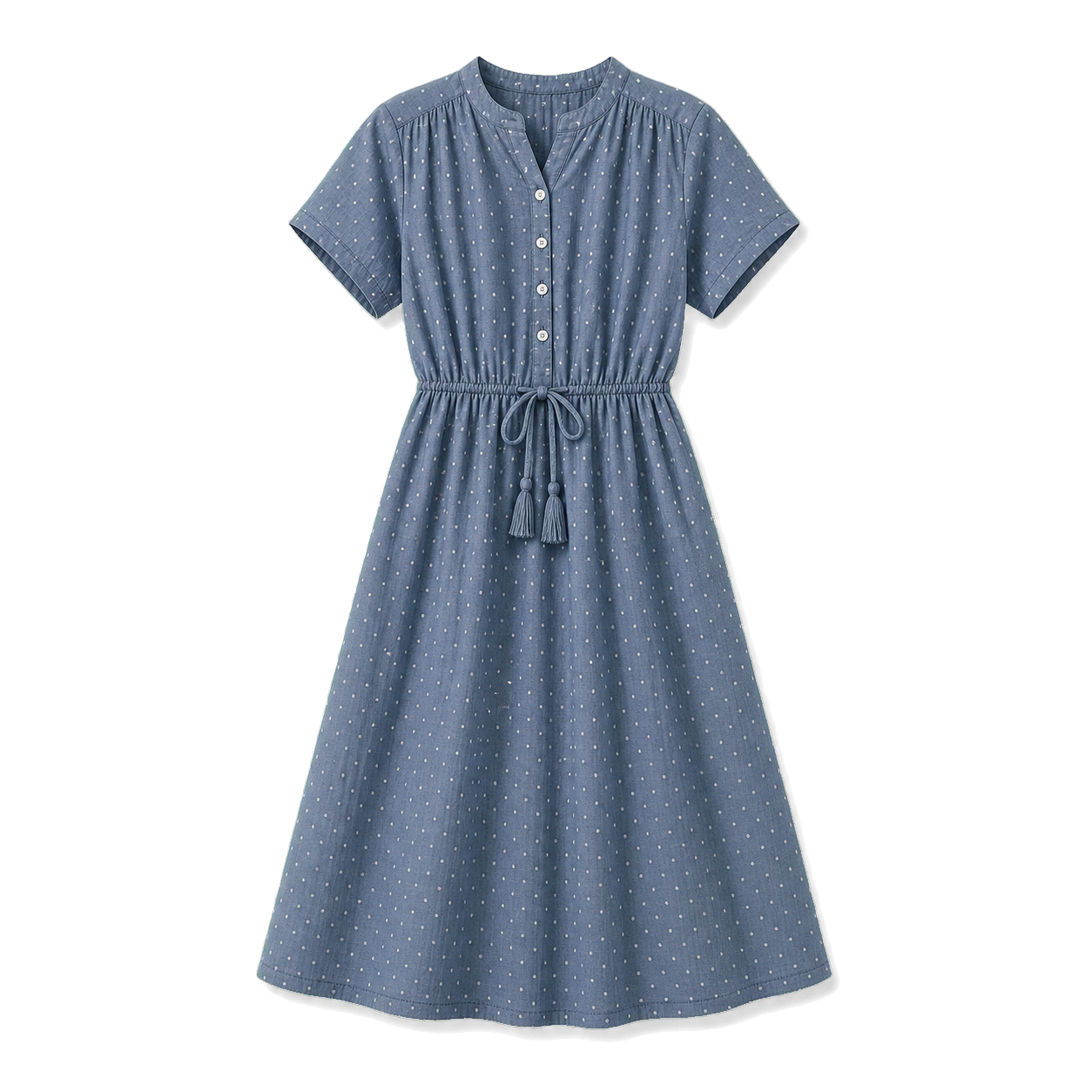 02Quick-dry cotton midi dress
Modest cut for the Indian register (knees and shoulders covered) and the Bandra-Lower Parel contemporary international register. Dries within hours of monsoon splash damage; pair with a dupatta for the AC-restaurant pause and religious-site visits. Skip linen — wrinkles badly in monsoon humidity and shows water marks.
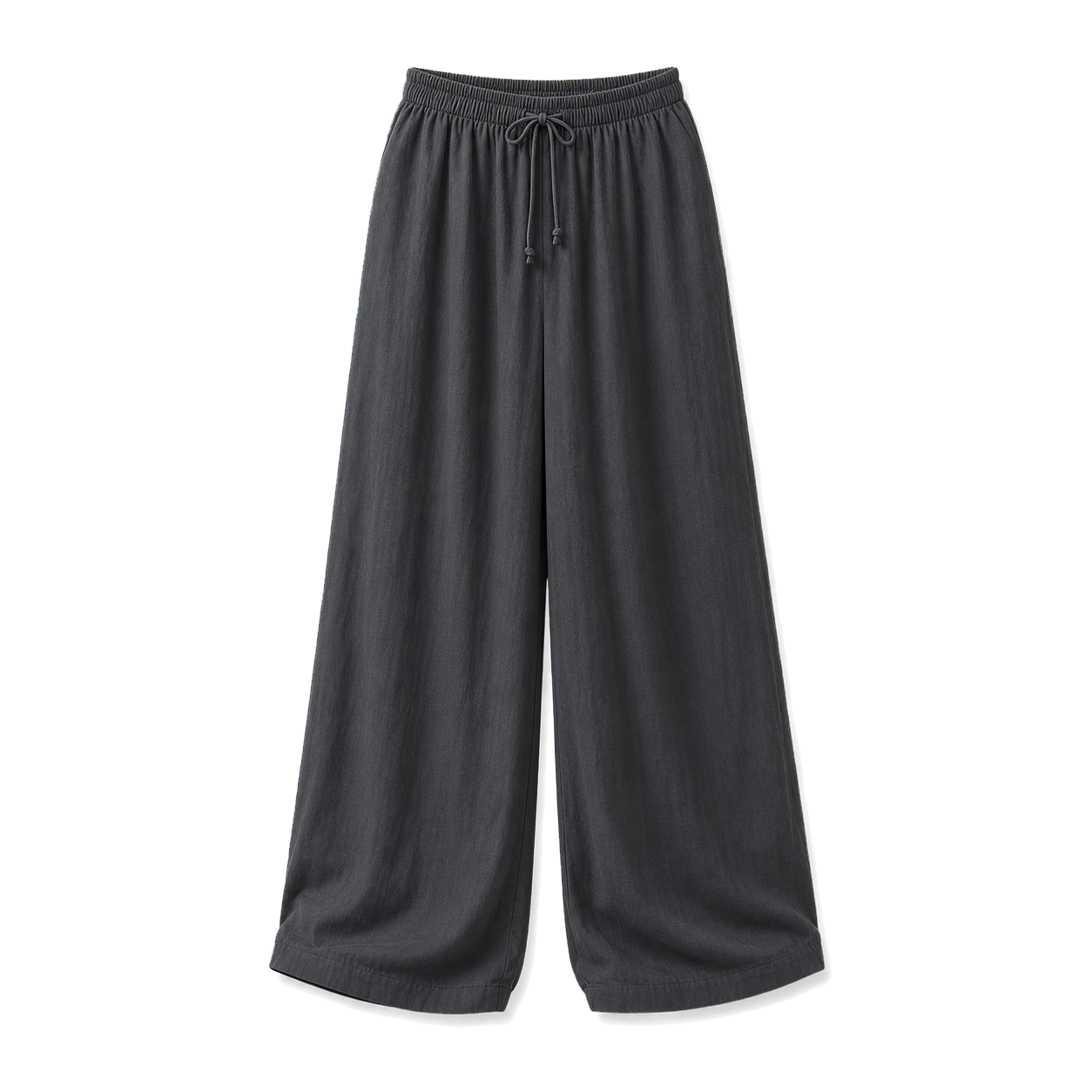 03Lightweight cotton trousers or salwar
Wide-leg cotton trousers or the traditional salwar (loose-fit drawstring trousers paired with kurta) breathe through 85-90% humidity. The Indian salwar-kameez combination is the city's most-worn monsoon uniform; FabIndia and Anokhi stock both pieces. Skip jeans — denim takes 24+ hours to dry once soaked.
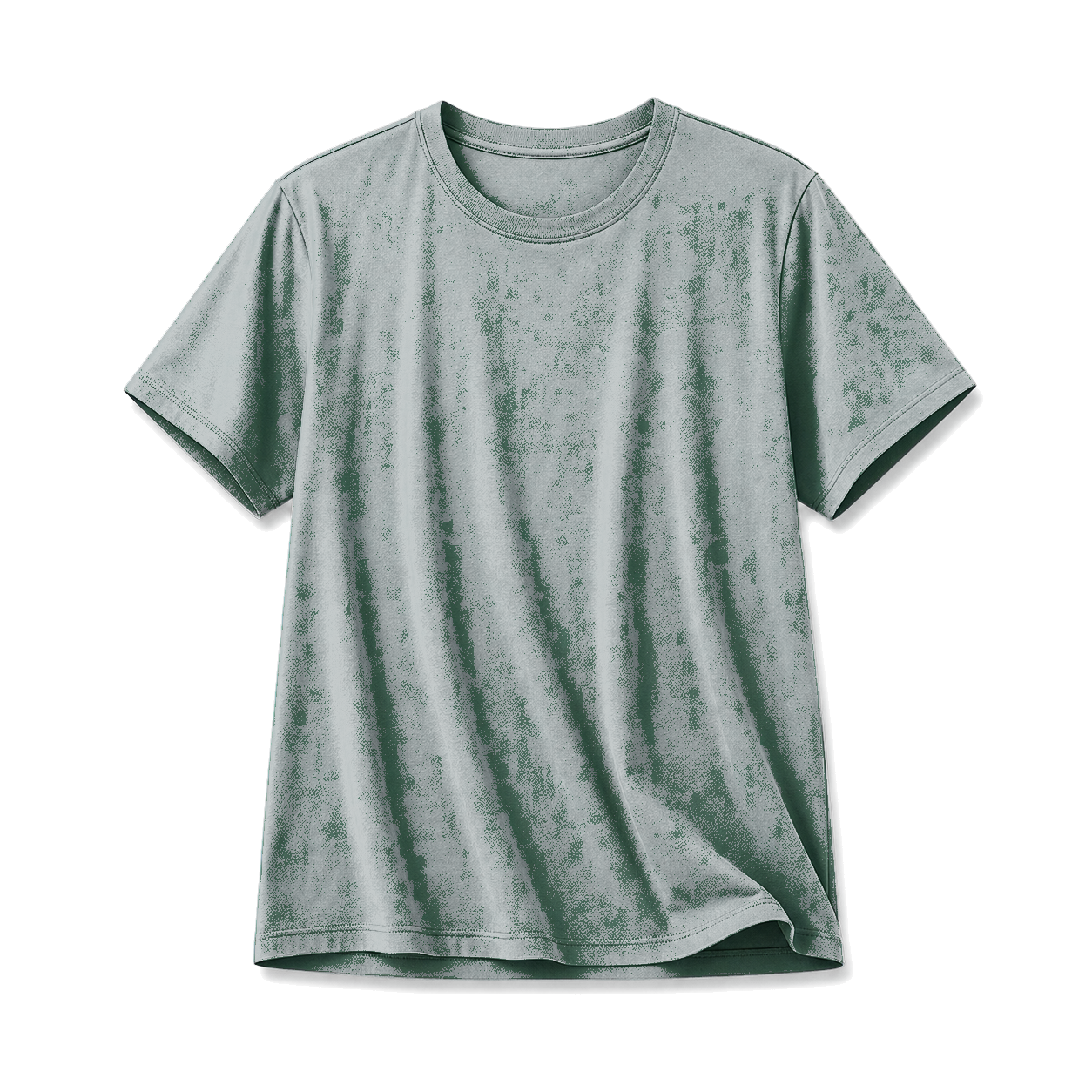 04Cotton tank or quick-dry top
Layered under the kurta for shape and AC contrast (restaurant AC at 20°C / 68°F vs the 30°C / 86°F humid street outside). Cotton tank holds shape after monsoon splashes; quick-dry technical top (Decathlon Quechua or Uniqlo AIRism) for the daily commute through wet streets.
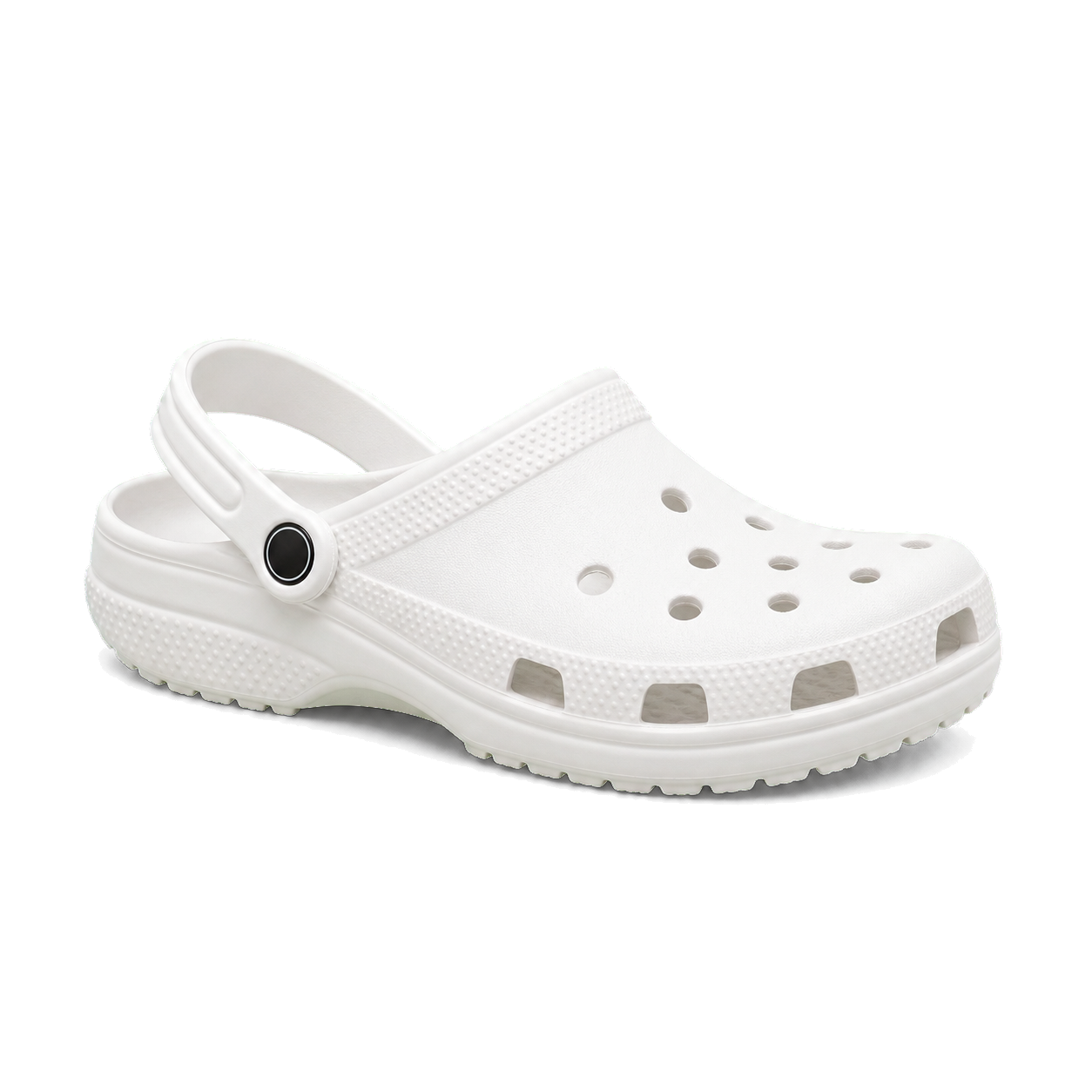 05Waterproof sandals — Crocs, Birkenstocks EVA, rubber chappals
Leather is destroyed in 22 rain days — the monsoon kills boat shoes and leather sandals within a week. Crocs (functional through standing water), Birkenstocks EVA (the rubber version, not leather), and Indian rubber chappals (₹100-200 / $1-2.50 at street markets) are the local standards. Locals stock 2-3 pairs for the monsoon and rotate as they dry.
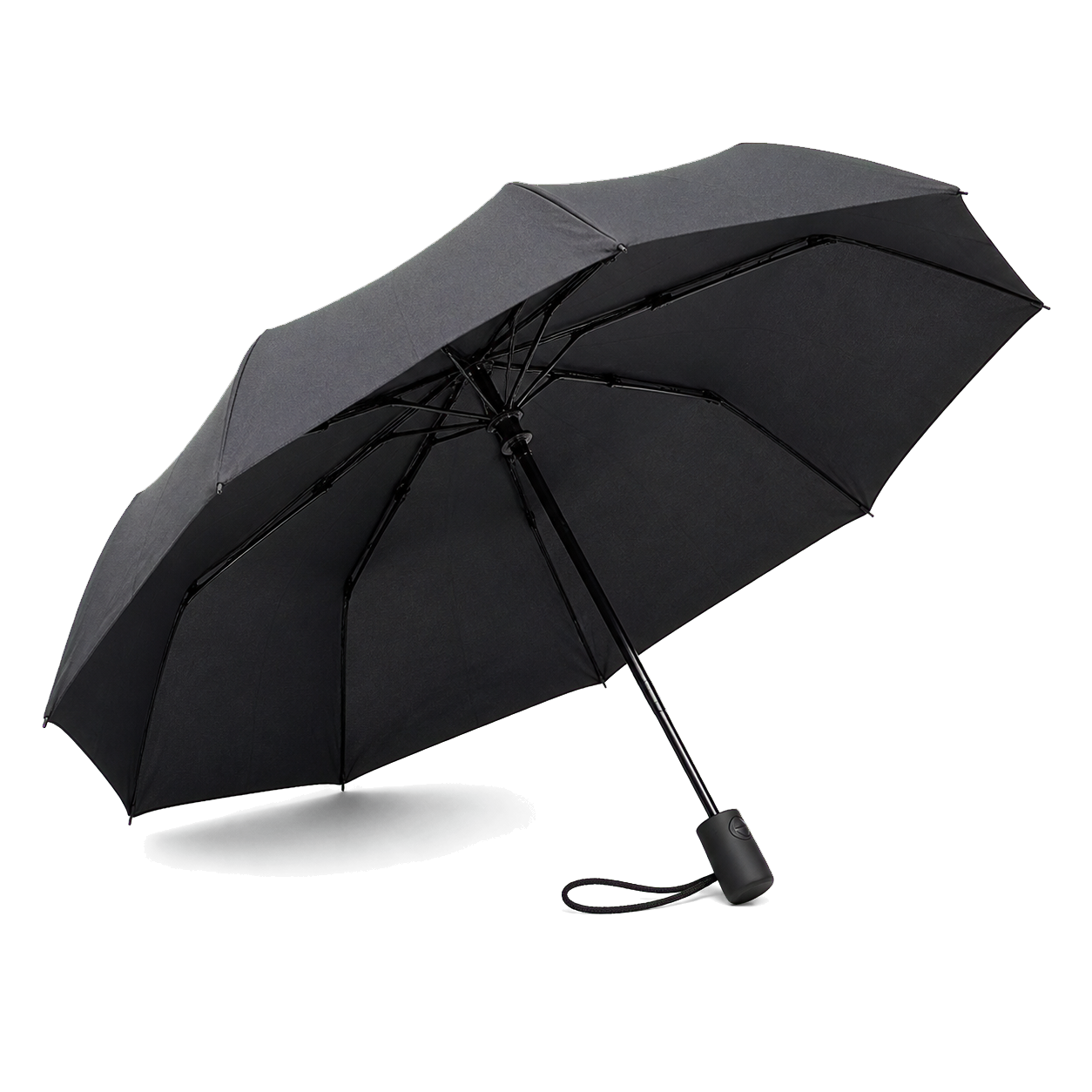 06Wind-resistant compact umbrella
Mumbai monsoon arrives with sustained wind — standard umbrellas invert within minutes. Senz (Dutch design tested in 100km/h winds) or Blunt (New Zealand storm umbrellas) for international quality; Cherry Umbrellas or Stag are the local Indian wind-resistant brands stocked at every Mumbai chemist for ₹500-1500 ($6-18). Carry one always — the daily forecast is academic in July.
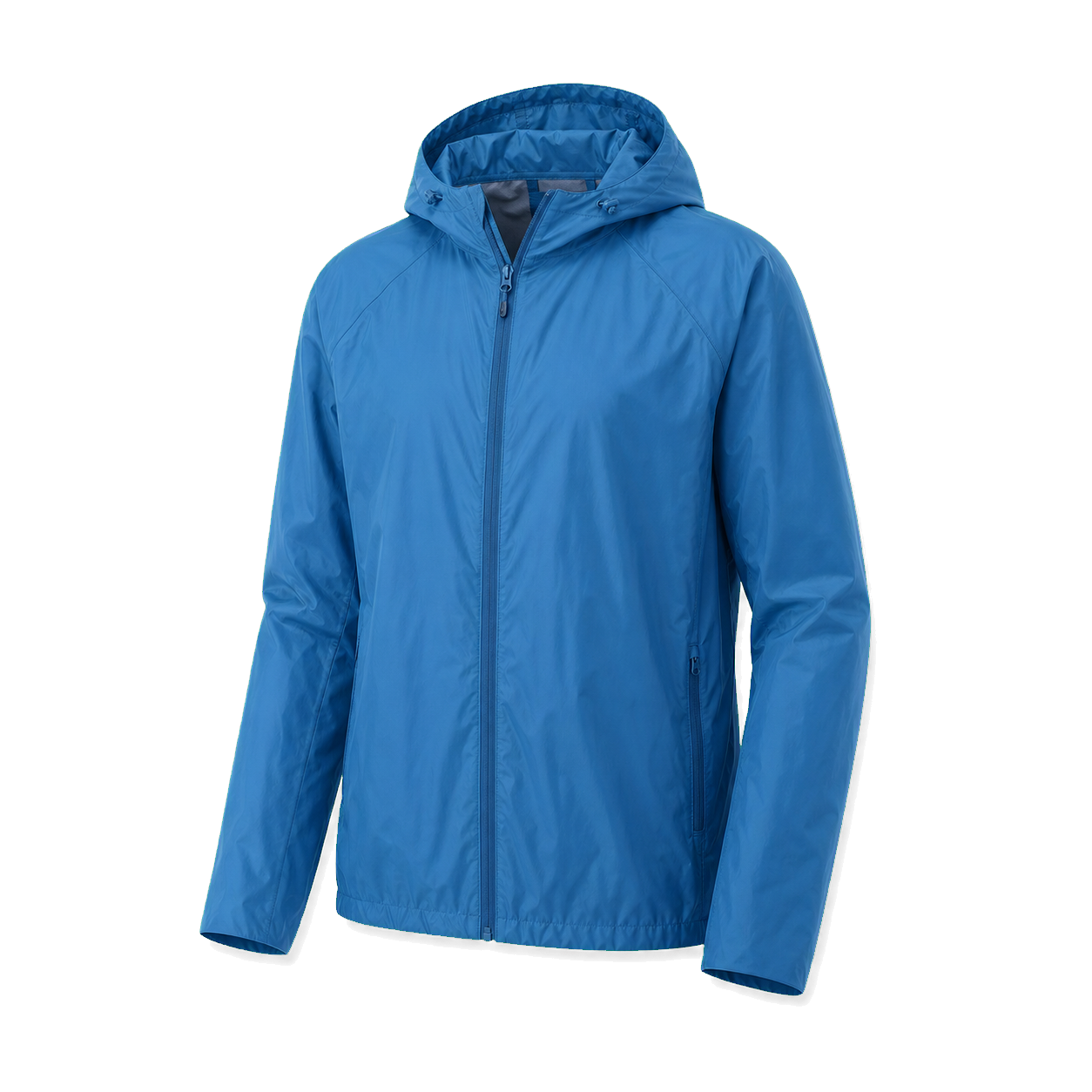 07Packable rain-shell
The Patagonia Houdini or any 100g packable shell as backup when the umbrella isn't enough — heavy-rain days bring 100-200mm in a single 24-hour period (peak Mumbai monsoon intensity). The shell folds into a crossbody pocket and saves the kurta and trousers from the worst splash damage on the rickshaw or local-train commute.
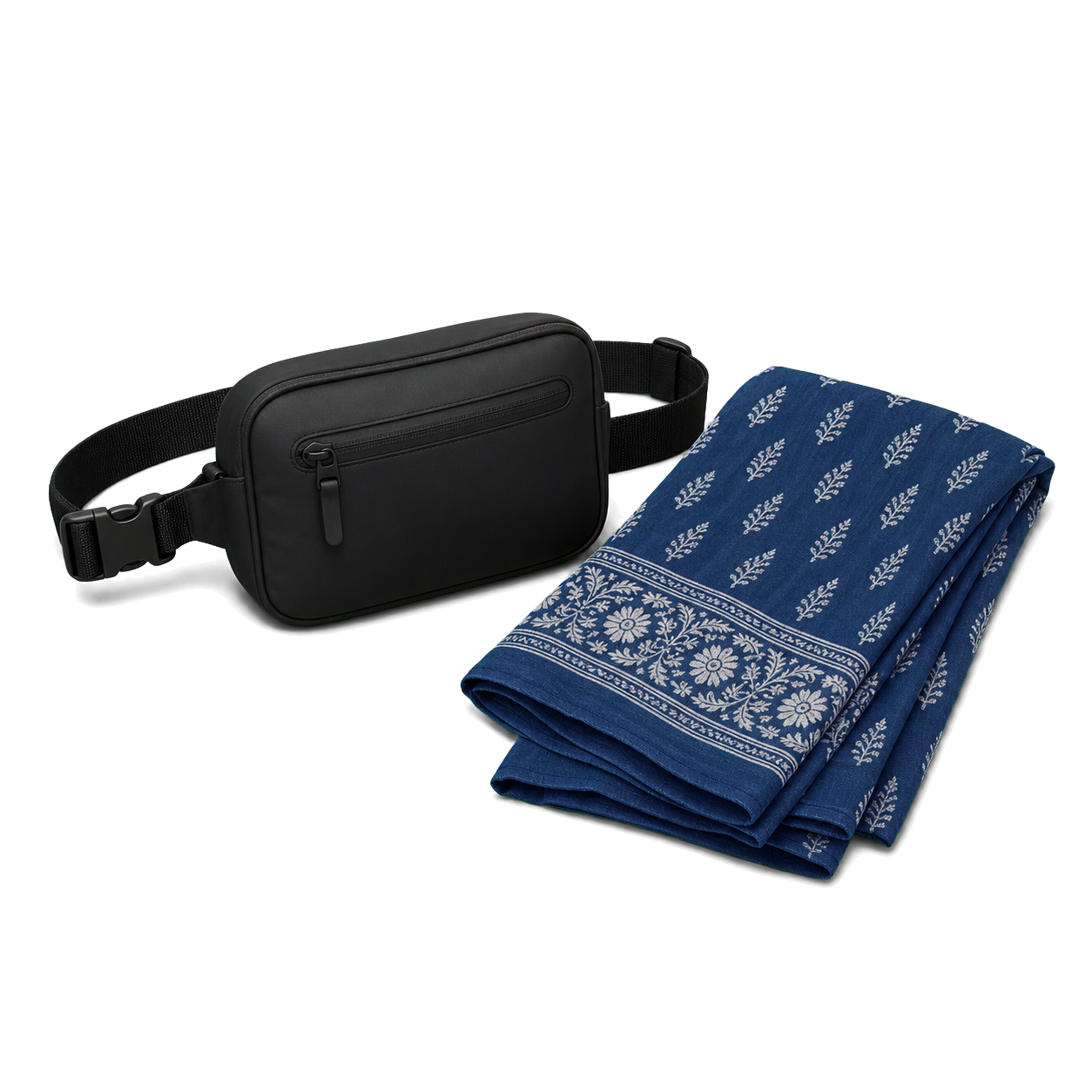 08Crossbody bag with waterproof closure + dupatta
Treated leather (Hidesign, Indian leather since 1978) or coated canvas with closing flap — open totes are useless in monsoon. The dupatta is the primary multi-purpose layer — AC-restaurant cover, sun cover on rare clear-sky mornings, religious-site shoulder cover, sudden-rain head cover. Worn diagonally, hand on bag in Crawford Market, Colaba Causeway, and the local-train stations where pickpocketing is documented.
Day to night
Cotton kurta · trousers · waterproof sandals · umbrella · crossbody · dupatta. Coffee at Kala Ghoda Café 7am, indoor museum visits during peak rain (CSMVS Museum) 11am.
Lightweight kurta-and-trousers or midi dress · waterproof sandals · light dupatta. Dinner at Indian Accent or Bombay Canteen 8:30pm; drinks at Aer (Four Seasons) after.
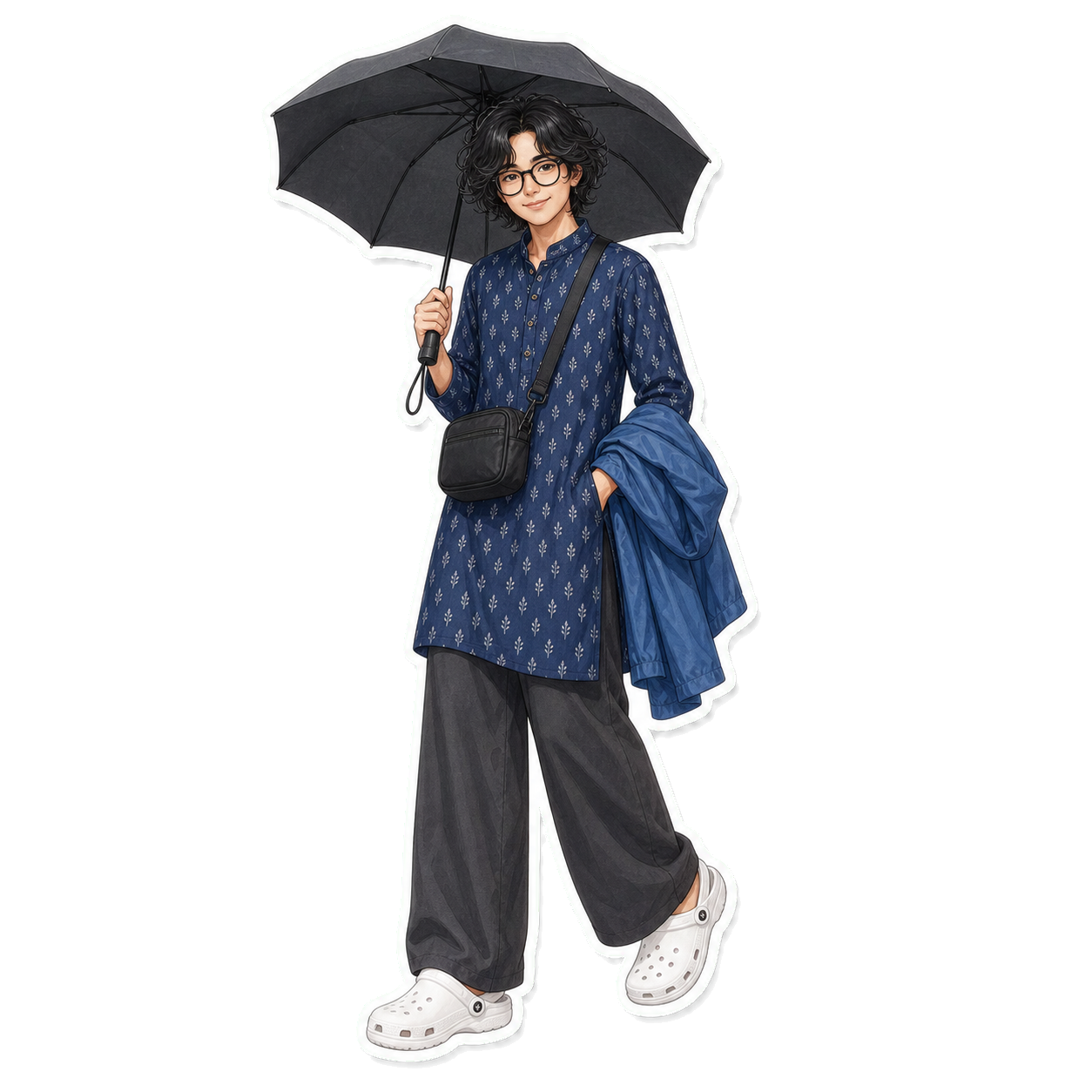
A suggested look — deep indigo printed kurta over charcoal wide-leg trousers, white rubber monsoon clogs, black waterproof crossbody, blue rain shell, open charcoal umbrella.
What to avoid
- Leather, suede, synthetic — all suffer in 85%+ humidity
- Mumbai local trains during peak hours or heaviest rain
- External bag pockets in markets and trains
- Athletic wear or short cuts in religious sites or central Mumbai
- Dinner before 8:30 — locals dine after heaviest rain clears
Frequently asked questions
Per IMD (Santa Cruz): July averages 768mm of rainfall across 22 rain days — the wettest month of the year by a significant margin (June is 506mm, August is 472mm). This makes Mumbai July one of the wettest urban months in any major city worldwide. Humidity sits at 85-90%. Heavy rain days can bring 100-200mm in a single 24-hour period, occasionally causing localized flooding.
Generally no for tourists, with caveats. The main risks are: localized street flooding during the heaviest rain days (avoid low-lying areas like Hindmata, Sion, parts of Andheri); dengue/malaria mosquito-borne diseases (use repellent); slippery walking surfaces. Mumbai authorities issue color-coded weather warnings during the heaviest monsoon days; check IMD and Mumbai Police social media. Tourist-zone areas (Colaba, Marine Drive, Bandra) are generally safe but plan around heavy rain days.
Crocs, Birkenstocks EVA (the rubber version, not leather), local Indian rubber chappals, or any rubber-soled waterproof sandal. Skip leather sandals entirely (the monsoon destroys them in days), suede in any form, and athletic shoes (they hold water and dry slowly). Indian street markets sell cheap rubber chappals for ₹100-200 ($1-2.50) that work perfectly for monsoon use; bring them home as souvenirs.
Indoor cultural sites: Chhatrapati Shivaji Maharaj Vastu Sangrahalaya (CSMVS Museum, formerly Prince of Wales Museum, the city's most-cited museum); Bhau Daji Lad Museum; Dr. Bhau Daji Lad Mumbai City Museum; the Asiatic Society Library at Town Hall. Shopping centers: Phoenix Mills (Lower Parel), Palladium Mall, High Street Phoenix. Cafés for long stays: Kala Ghoda Café, Yauatcha (Bandra), the Bombay Canteen. Day trip: Lonavala or Khandala (90 minutes by car) at the Sahyadri Mountains for waterfall and green-mountain views.
Quick-dry cotton or rayon kurta-and-trousers, midi dress, or modern Indian fusion (kurta + jeans + sandals). Bandra Lower Parel runs the contemporary international register; the dress code is smart casual but with a slightly more polished register than American casual. Skip athletic wear, gym sneakers, very casual cuts. Recognized restaurants: The Table, Indian Accent, Bombay Canteen, Yauatcha, Olive Bar & Kitchen.
Sources
- India Meteorological Department — climate normals, Santa Cruz station